When a batch of custom mounting brackets failed after just nine months in the field, the root cause wasn’t poor welding or bad design—it was the wrong material selection in the sheet metal fabrication process 1.
Material selection directly controls durability in sheet metal fabrication because it determines how well a part resists corrosion, fatigue, wear, and environmental degradation. Choosing the right alloy, grade, and thickness for the actual operating environment is what separates parts that last one year from those that last twenty.
This article walks through the factors that matter most when picking sheet metal materials for long-term performance. We will cover corrosion resistance 2, mechanical properties, fabrication compatibility, and how to work with your supplier to get it right the first time.
How do I determine which sheet metal material will provide the best long-term durability for my specific application?
A buyer we work with in the Midwest once asked us to source brackets for outdoor agricultural equipment. His previous supplier had used cold-rolled steel 3 with no coating. The parts rusted within a single growing season, and the replacement cost exceeded the original order value.
To determine the best long-term material, start with your operating environment—temperature, moisture, chemicals, and mechanical stress—then match those conditions to a material's corrosion resistance, tensile strength, fatigue strength, and formability rather than choosing based on price or general popularity alone.
Start With the Environment, Not the Material
The single biggest mistake I see purchasing managers make is picking a material first and then hoping it works. The correct sequence is the opposite. Define where the part will live. Will it sit indoors in a climate-controlled warehouse? Will it face salt spray on a marine vessel? Will it endure daily thermal cycling in an industrial oven?
Each of these environmental conditions demands different material properties. A part exposed to humidity and chemicals needs high corrosion resistance. A part under constant vibration needs strong fatigue strength 4. A part that must resist denting or abrasion needs adequate hardness and wear resistance.
Map Material Properties to Service Demands
Once you know the environment, map it to the mechanical and chemical properties that matter most. Here is a simplified decision table our engineering team uses when consulting with U.S. clients on new projects:
| Service Condition | Primary Property Needed | Recommended Material Options |
|---|---|---|
| Outdoor / humid / salt exposure | Corrosion resistance | Stainless steel (304/316), galvanized steel, aluminum |
| High static loads | Tensile strength 5, yield strength | Carbon steel, cold-rolled steel, stainless steel |
| Repeated vibration / cyclic loading | Fatigue strength | Stainless steel, spring steel, certain aluminum alloys |
| Lightweight requirement | Strength-to-weight ratio | Aluminum (5052, 6061), titanium |
| Chemical exposure (acids, cleaners) | Chemical corrosion resistance | Stainless steel (316L), certain nickel alloys |
| Moderate use, cost-sensitive | Balanced performance | Galvanized steel, coated cold-rolled steel |
Do Not Confuse Strength With Durability
This is a critical point. A material can score high on tensile strength and still fail early. Carbon steel is strong, but in an unprotected outdoor application, it corrodes quickly. Strength helps a part handle loads. Durability means the part handles loads, environment, and time—all at once.
When we run supplier audits in Vietnam and across Asia, we always check that the material grade matches the drawing specification and the end-use condition. A mismatch at this stage is the most common root cause of premature part failure. It is not a defect in fabrication. It is a defect in planning.
Consider the Full Lifecycle Cost
A cheaper base metal can seem attractive on a purchase order. But if that part needs replacement in 18 months instead of five years, the total cost of ownership is far higher. We encourage our clients to think about cost implications across the product lifespan, not just the unit price. Understanding what factors affect the service life of sheet metal fabrication products is essential for making informed material decisions.
Can my choice of material grade significantly reduce the risk of corrosion and fatigue in my custom parts?
Last year, we helped a client switch from 304 stainless steel to 316L for a set of food-processing enclosures. 316L stainless steel 6 The original parts had developed pitting corrosion within two years because the cleaning chemicals used in the plant were more aggressive than expected. The grade change solved the problem entirely.
Yes, choosing the correct material grade can dramatically reduce corrosion and fatigue risks. For example, upgrading from 304 to 316L stainless steel adds molybdenum for superior chloride resistance, while selecting a fatigue-rated alloy prevents cracking under repeated cyclic loading in vibration-heavy applications.
How Grades Differ Within the Same Metal Family
Many buyers think "stainless steel" is one material. It is not. There are dozens of grades, and the differences matter. Grade 304 is the most common. It handles general corrosion well. But in marine, chemical, or food-processing environments where chlorides are present, grade 316 or 316L provides significantly better protection because of its molybdenum content.
The same applies to aluminum. Alloy 5052 offers good corrosion resistance and excellent formability. Alloy 6061 adds higher strength but is slightly less corrosion resistant. Alloy 7075 is very strong but poor in corrosion resistance and difficult to weld. The grade you pick shapes the part's entire life. For a deeper comparison, see how stainless steel, aluminum alloy, and carbon steel compare in sheet metal fabrication.
Corrosion: The Silent Durability Killer
Corrosion does not announce itself. It starts in hidden areas—inside bends, under fasteners, at weld seams. By the time it is visible, structural integrity may already be compromised. This is why corrosion resistance is often the most important property for parts used outdoors, in water systems, in agricultural settings, or anywhere moisture and chemicals are present.
| Material Grade | Corrosion Resistance | Typical Use Case | Relative Cost |
|---|---|---|---|
| Stainless 304 | High | General indoor/outdoor, food equipment | Medium-High |
| Stainless 316L | Very High | Marine, chemical, pharmaceutical | High |
| Aluminum 5052 | High | Outdoor enclosures, marine trim | Medium |
| Galvanized Steel | Moderate-High | Outdoor structures, HVAC, agriculture | Low-Medium |
| Cold-Rolled Steel (uncoated) | Low | Indoor, climate-controlled only | Low |
| Carbon Steel (coated) | Moderate | Structural, with maintenance schedule | Low-Medium |
Fatigue: Why Cyclic Loading Demands the Right Grade
Fatigue failure happens when a part endures repeated stress cycles—vibration, pressure fluctuation, thermal expansion and contraction. The part does not bend once and break. It bends millions of times at a stress level well below its ultimate tensile strength, and then it cracks.
Not all grades handle fatigue equally. In our experience coordinating production for components used in industrial equipment, we have seen parts designed with adequate static strength but inadequate fatigue strength. The solution is to select a grade tested and rated for cyclic loading. For steel, this often means choosing a grade with controlled microstructure and grain orientation. For aluminum, it means avoiding alloys with known fatigue sensitivity.
Galvanic Compatibility Matters Too
When two dissimilar metals are joined in the presence of moisture, galvanic corrosion 7 can accelerate the degradation of the less noble metal. This is a common oversight. If your assembly uses stainless steel fasteners with aluminum panels, or copper fittings with carbon steel brackets, you need to plan for isolation or compatible material pairing. Our quality control process flags these mismatches during the PPAP review stage, before production begins.
How will different material thicknesses and alloys impact the overall strength and lifespan of my fabricated components?
One trade-off we weigh constantly is thickness versus weight. A client recently needed HVAC mounting brackets that could support heavy equipment on rooftop units. The initial design called for 14-gauge aluminum to save weight. After our engineering review, we recommended 12-gauge aluminum for the structural members and kept 14-gauge for the non-load-bearing panels. That balance extended the expected product lifespan by years without adding unnecessary mass.
Material thickness and alloy type jointly determine a component's load-bearing capacity, resistance to deformation, and service life. Even the ideal alloy will underperform if the gauge is too thin for the actual mechanical stress, vibration, or impact forces the part must endure over time.
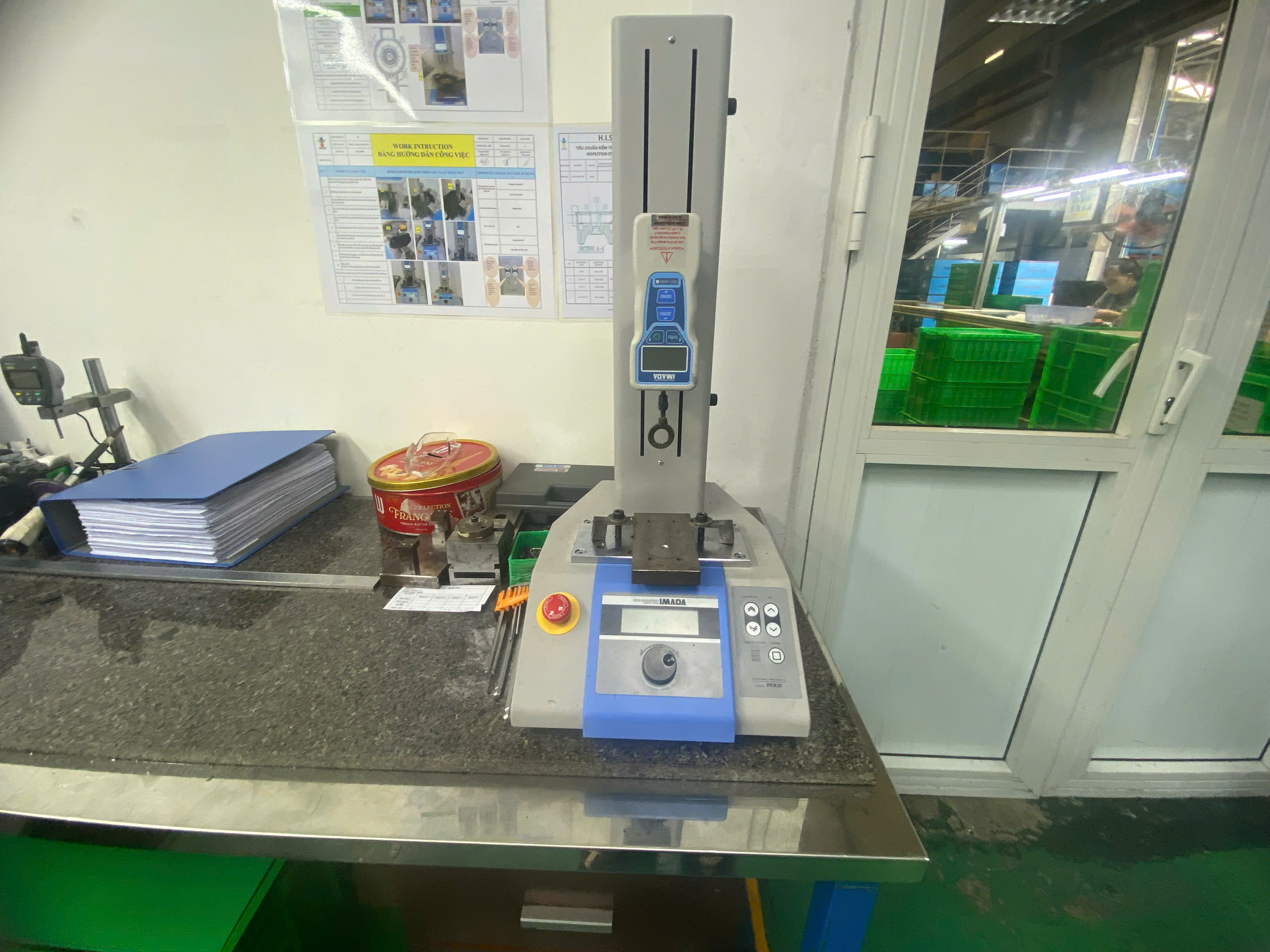
Thickness: More Than Just Stiffness
Thicker material provides more resistance to bending, denting, and buckling. But thickness also affects weight, cost, and how well the part can be fabricated. Laser cutting, bending, and stamping all behave differently as gauge increases. A part that is over-specified in thickness can be harder to form accurately, leading to residual stresses that actually reduce durability.
On the other hand, under-specifying thickness is a more dangerous mistake. A bracket that is too thin may flex under load, leading to fatigue cracking at stress concentration points. In vibration-heavy applications, thin-gauge parts can resonate and fail much sooner than expected.
How Alloy and Gauge Work Together
The right answer is never just the alloy or just the thickness—it is the combination. Here is how common alloys perform across different gauge ranges:
| Alloy | Thin Gauge (20–24 GA) | Medium Gauge (14–18 GA) | Heavy Gauge (10–12 GA) |
|---|---|---|---|
| Stainless 304 | Good for enclosures, covers | Excellent for structural brackets | Overkill for most applications; costly |
| Aluminum 5052 | Good for panels, lightweight covers | Good for moderate structural use | Rarely needed; consider steel instead |
| Carbon Steel (1018) | Adequate for protected indoor parts | Strong structural choice (with coating) | Very strong; heavy; needs corrosion protection |
| Galvanized Steel | Good for HVAC, light enclosures | Excellent for outdoor structures | Good for heavy-duty outdoor frames |
Formability Changes With Thickness
Thicker materials are harder to bend to tight radii. If a design requires sharp bends, a thick, hard alloy may crack at the bend line. This is where formability becomes a durability concern. A crack introduced during fabrication is a failure waiting to happen. It creates a stress riser that propagates under load or vibration.
Our teams in Vietnam and China always verify bend radii against material thickness 8 before production. We follow minimum bend radius guidelines for each alloy and gauge. When a design pushes the limits, we flag it during co-development so the client can adjust the geometry or switch to a more ductile alloy.
Weight Versus Durability
In some applications, weight is a hard constraint. Aerospace-influenced designs, portable equipment, and transportation components often demand lightweight solutions. Aluminum and titanium offer excellent strength-to-weight ratios. But they come with trade-offs. Aluminum has lower absolute strength than steel. Titanium is expensive and harder to fabricate.
The key is to size the thickness correctly for the load and choose the alloy that balances weight, strength, corrosion resistance, and cost. This is a conversation we have on nearly every custom project.
What should I look for in a supplier's material recommendations to ensure my sheet metal parts meet strict quality standards?
A few years ago, a prospective client came to us after a painful experience. Their previous supplier had substituted a lower-cost steel grade without disclosure. The parts looked identical. They measured within tolerance. But they failed in the field within months because the substitute material lacked the corrosion resistance the application required. That single substitution cost the client tens of thousands of dollars in warranty claims and lost trust with their own customer.
Look for suppliers who provide full material traceability, certified mill test reports, documented grade and thickness verification, and a structured quality control process such as PPAP. A credible supplier will recommend materials based on your application's environmental conditions and mechanical requirements, not just on cost reduction.
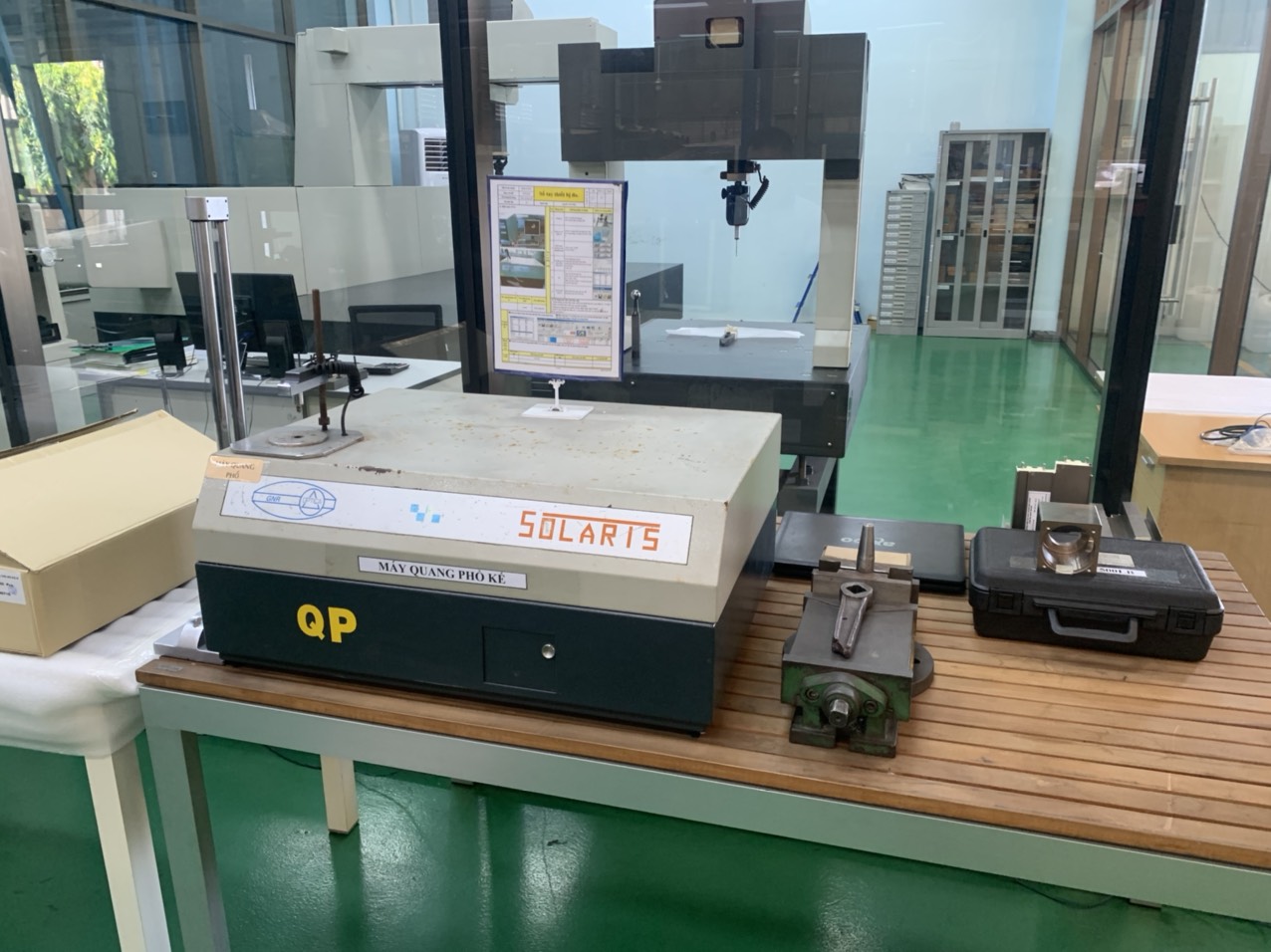
Material Traceability Is Non-Negotiable
Every sheet of metal that enters production should be traceable to its source mill, heat number, and chemical composition. This is the foundation of quality. Without traceability, you cannot verify that the material matches the specification on your drawing. When we source materials for our clients, we require mill test reports 9 (MTRs) from the raw material supplier and retain them as part of our quality documentation package.
What Good Material Recommendations Look Like
A supplier who truly understands sheet metal fabrication will not just quote the cheapest option. They will ask questions about your application:
- Where will this part be used?
- What loads, temperatures, and chemicals will it encounter?
- How long do you expect the part to last?
- Are there regulatory or industry standards it must meet?
- What surface finishes or coatings are required?
If a supplier skips these questions and jumps straight to a quote, that is a warning sign. Material recommendations should be driven by end-use conditions, not by what the supplier happens to have in stock.
Key Quality Documents to Request
Here is a checklist of what to look for:
| Document / Process | What It Confirms | Why It Matters for Durability |
|---|---|---|
| Mill Test Report (MTR) | Chemical composition, mechanical properties | Verifies the actual alloy matches the spec |
| PPAP (Production Part Approval Process) | Process capability, material verification, dimensional checks | Ensures "right first time" before full production |
| Incoming Material Inspection Records | Grade, thickness, surface condition verified on receipt | Catches substitutions or defects before fabrication |
| First Article Inspection (FAI) | Dimensional and material compliance of initial parts | Confirms the fabrication process produces conforming parts |
| Surface Treatment / Coating Records | Type, thickness, adhesion of coatings applied | Ensures protective finishes meet durability requirements |
Surface Finishes and Coatings as Durability Multipliers
Even the best alloy benefits from the right surface treatment. Powder coating 10, galvanizing, anodizing, passivation, and painting all add layers of protection. For carbon steel parts used outdoors, a zinc coating or powder coat can extend service life by years. For stainless steel, passivation removes free iron from the surface and boosts corrosion resistance.
We always discuss surface treatment options for sheet metal fabrication with our clients during the co-development phase. The finish is not an afterthought. It is an integral part of the durability equation. A well-chosen coating can make a mid-range material perform like a premium one in many environments.
Supplier Audits and Process Control
Beyond documents, look at how the supplier controls their process. Do they have calibrated equipment? Do they follow standard operating procedures for each fabrication step? Do they perform in-process inspections, not just final checks?
Our process control approach includes in-process dimensional checks, weld quality verification, and coating thickness measurement. We conduct supplier audits at the factories we work with across Vietnam, China, Taiwan, and India. This level of oversight is what separates a supplier who delivers parts that meet spec from one who delivers parts that last.
Conclusion
Material selection in sheet metal fabrication is a lifecycle decision. Match the alloy, grade, thickness, and finish to your part's real-world environment, loads, and expected service life—and partner with a supplier who validates every step.
Frequently Asked Questions
How do I determine which sheet metal material will provide the best long-term durability for my specific application?
A buyer we work with in the Midwest once asked us to source brackets for outdoor agricultural equipment. His previous supplier had used cold-rolled steel 3 with no coating. The parts rusted within a single growing season, and the replacement cost exceeded the original order value.
Can my choice of material grade significantly reduce the risk of corrosion and fatigue in my custom parts?
Last year, we helped a client switch from 304 stainless steel to 316L for a set of food-processing enclosures. 316L stainless steel 6 The original parts had developed pitting corrosion within two years because the cleaning chemicals used in the plant were more aggressive than expected. The grade change solved the problem entirely.
How will different material thicknesses and alloys impact the overall strength and lifespan of my fabricated components?
One trade-off we weigh constantly is thickness versus weight. A client recently needed HVAC mounting brackets that could support heavy equipment on rooftop units. The initial design called for 14-gauge aluminum to save weight. After our engineering review, we recommended 12-gauge aluminum for the structural members and kept 14-gauge for the non-load-bearing panels. That balance extended the expected product lifespan by years without adding unnecessary mass.
Footnotes
1. Explains the fundamental steps and considerations in sheet metal manufacturing. ↩︎
2. Defines corrosion resistance as a material’s ability to withstand environmental degradation. ↩︎
3. Provides details on the properties, manufacturing, and common uses of cold-rolled steel. ↩︎
4. Clear definition, good educational resource, accessible. ↩︎
5. Defines tensile strength as a key mechanical property for evaluating material’s resistance to pulling forces. ↩︎
6. Authoritative source (Wikipedia), comprehensive information, accessible. ↩︎
7. Explains the electrochemical process of galvanic corrosion when dissimilar metals interact in an electrolyte. ↩︎
8. Discusses how material thickness influences a component’s structural integrity, cost, and manufacturing. ↩︎
9. Explains the importance of mill test reports for material traceability and quality verification. ↩︎
10. Explains the process and benefits of powder coating as a durable, protective surface finish. ↩︎