Every year, we see outdoor sheet metal components fail prematurely — not because of bad metal, but because of poor prep, wrong finishes, or flawed geometry that traps water and invites corrosion.
To maximize the lifespan of outdoor sheet metal components, you must combine corrosion-resistant material selection, rigorous surface preparation, high-performance protective coatings like powder coating or galvanizing, smart part design that eliminates water traps, and consistent maintenance schedules with annual inspections and prompt repairs.
The difference between a part that lasts 5 years and one that lasts 50 comes down to decisions made long before installation. This guide walks through each critical factor — from material choice to quality control — so you can get it right the first time.
How do I choose the most durable materials for my outdoor sheet metal projects?
A purchasing manager we work with in the Midwest once told me his biggest regret was choosing plain carbon steel for a set of outdoor enclosures. Within 18 months, rust had eaten through the mounting flanges. The replacement cost was four times the original savings.
Choose materials based on the specific environmental exposure your parts will face. Stainless steel offers inherent corrosion resistance in most climates. Galvanized steel excels in industrial zones. Aluminum with anodizing is ideal for coastal or salt spray environments where weight and conductivity matter.
Material selection is the foundation of every outdoor sheet metal project. Before you even think about coatings, your base metal must match the environment. Let me break this down.
Matching Metal to Environment
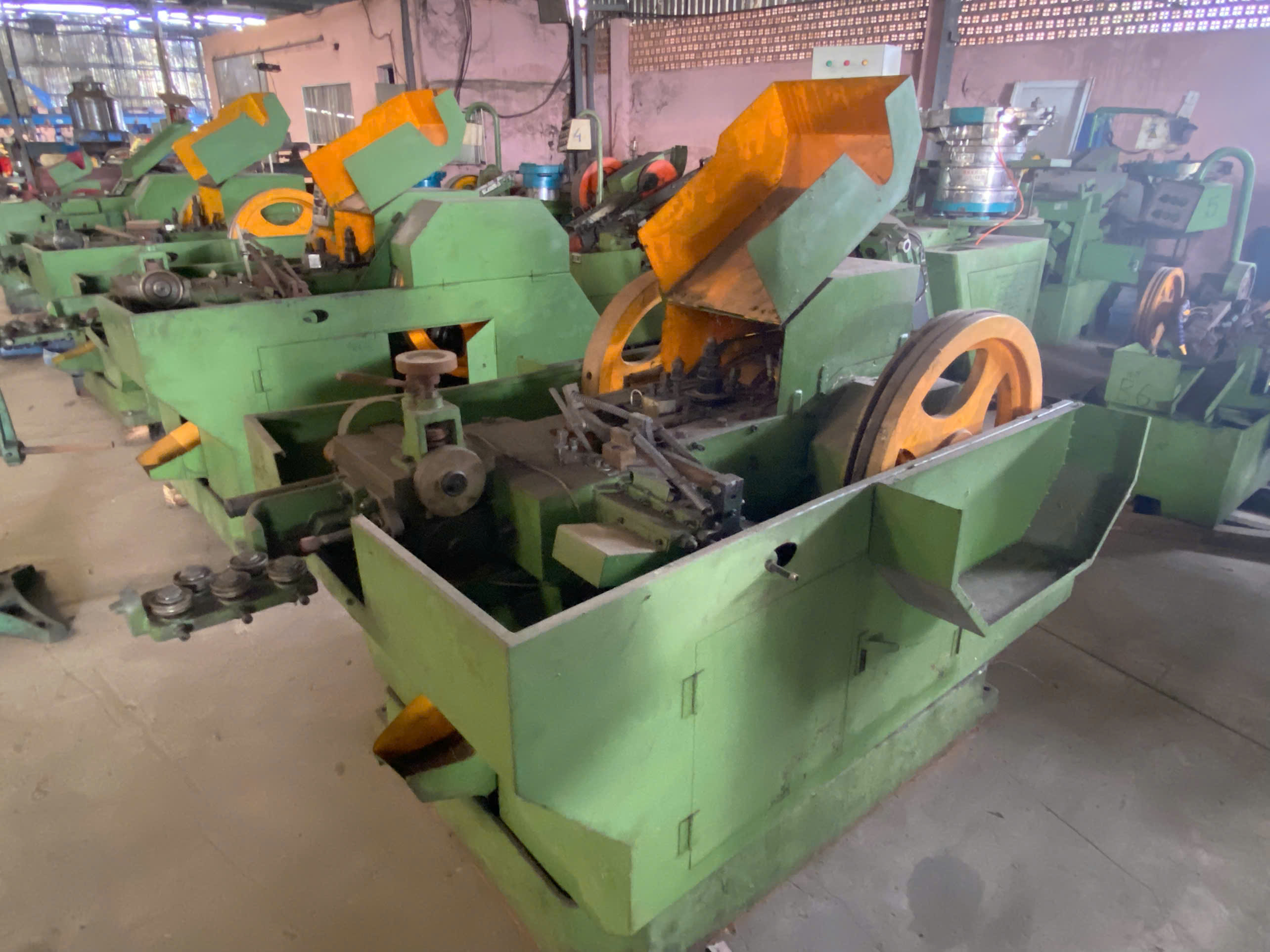
Not all outdoor environments are equal. A rooftop in Phoenix faces UV and heat. A coastal installation in Florida battles salt spray protection challenges daily. A mounting bracket in a chemical plant sees acid fumes. Each scenario demands a different metal.
Here is a comparison we often share with clients during co-development:
| Material | Best Environment | Corrosion Resistance | Relative Cost | Typical Lifespan (Outdoor) |
|---|---|---|---|---|
| Carbon Steel (uncoated) | Indoor or mild/dry only | Low | Low | 2–5 years |
| Galvanized Steel | Industrial, moderate humidity | High | Medium | 20–40 years |
| 304 Stainless Steel | General outdoor, mild chemical | Very High | High | 40–60+ years |
| 316 Stainless Steel 1 | Marine, coastal, chemical | Excellent | Very High | 50–60+ years |
| Aluminum (5052/6061) | Coastal, lightweight needs | Good (with anodizing 2) | Medium-High | 30–50 years |
| Weathering Steel (Corten) | Architectural, rural/urban | Good (self-patina) | Medium | 30–50 years |
Thickness and Grade Matter
Selecting the right alloy is only half the story. Material thickness 3 directly affects structural integrity under environmental exposure. Thinner gauges flex more, which can crack coatings and open pathways for moisture. Our engineering team typically recommends standardizing material thicknesses across a project. This not only improves predictability during fabrication but also simplifies quality control during inspection.
For parts exposed to sustained vibration or wind loading, we suggest going at least one gauge thicker than the minimum structural requirement. The added cost is minor compared to a field failure.
When Aluminum Makes Sense
Aluminum is lighter, naturally forms a passive oxide layer, and is easy to machine. But it has lower tensile strength than steel. For parts that need electrical conductivity and rust prevention in coastal zones, aluminum with a proper anodizing treatment is an excellent choice. Chemical conversion coatings 4 can also add corrosion resistance while maintaining conductivity for grounding applications.
The key takeaway: never default to the cheapest option. Specify the metal based on where the part will live, not just what it costs today.
Which surface treatments will offer the best corrosion protection for my custom parts?
Last year, we managed a project where the client initially specified simple spray painting for steel mounting plates destined for an outdoor telecommunications site. We pushed back, recommending powder coating 5 instead. The cost difference was about 15%. The lifespan difference? Potentially 20+ years.
For maximum corrosion protection on outdoor custom parts, hot-dip galvanizing provides the longest-lasting barrier for steel, powder coating offers excellent UV and impact resistance across metals, and anodizing is the best treatment for aluminum components exposed to harsh or coastal conditions.
Surface treatments are where lifespan is either won or lost. The base metal provides the structure. The finish provides the shield. Let me walk through the main options and when each one makes sense.
The Big Three: Galvanizing, Powder Coating, and Anodizing
Each of these protective coatings solves a different problem.
Hot-dip galvanizing immerses the steel part in molten zinc. The zinc bonds metallurgically to the steel surface. Even if the coating gets scratched, the zinc corrodes sacrificially before the steel does. This is why galvanized steel is the go-to for structural outdoor components — think utility poles, highway guardrails, and heavy-duty brackets. It typically lasts 20 to 40 years, depending on environmental exposure.
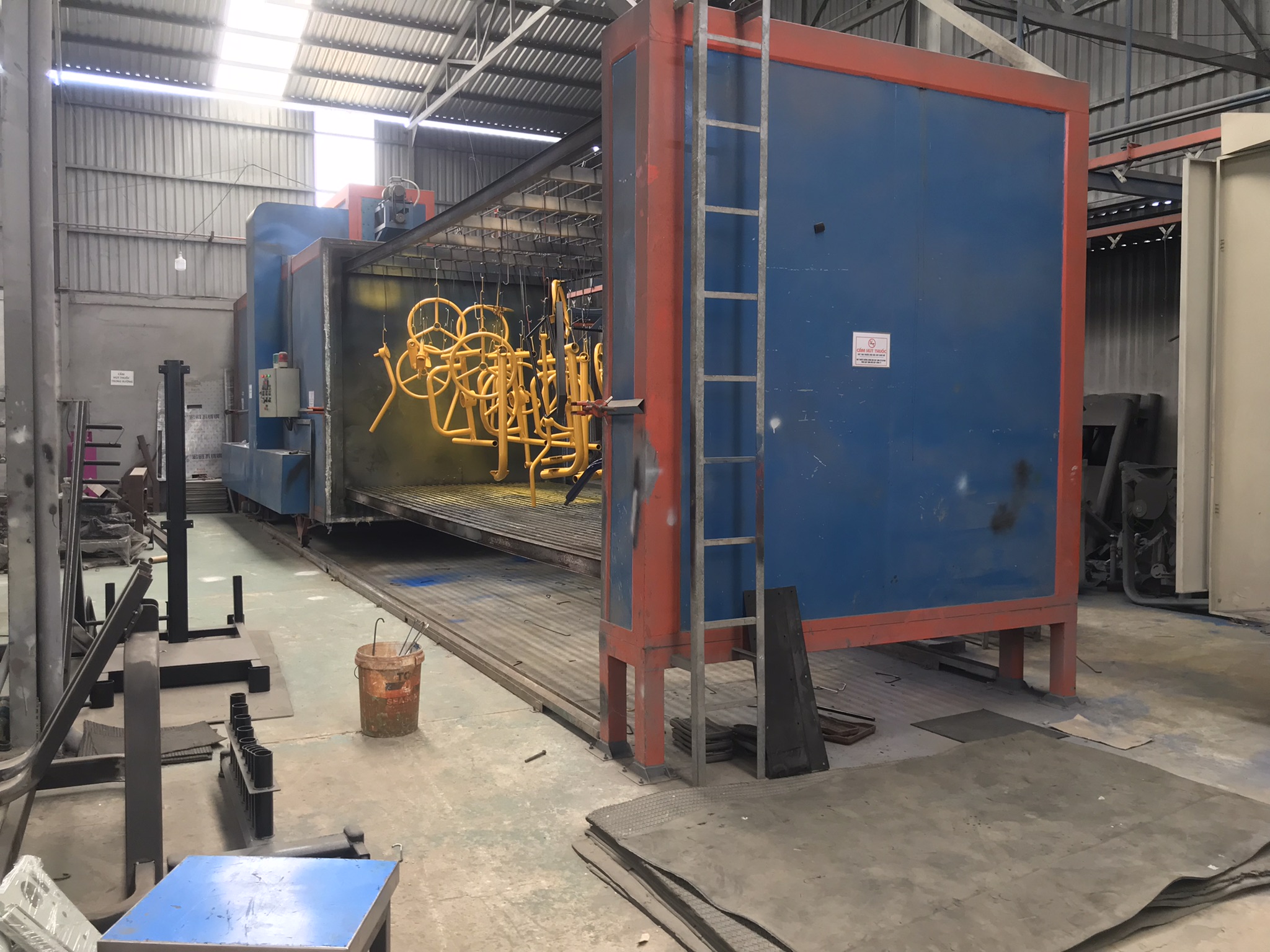
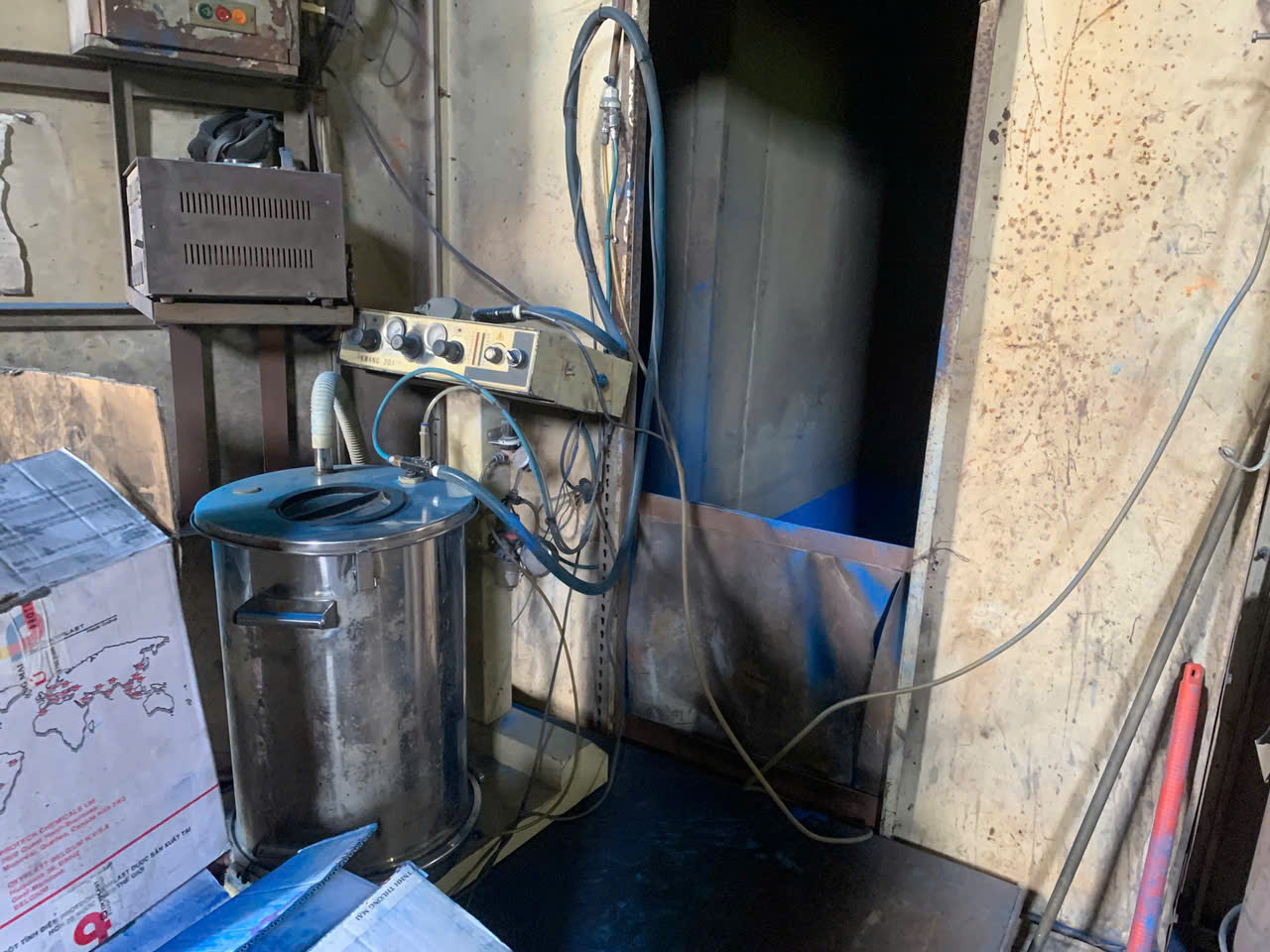
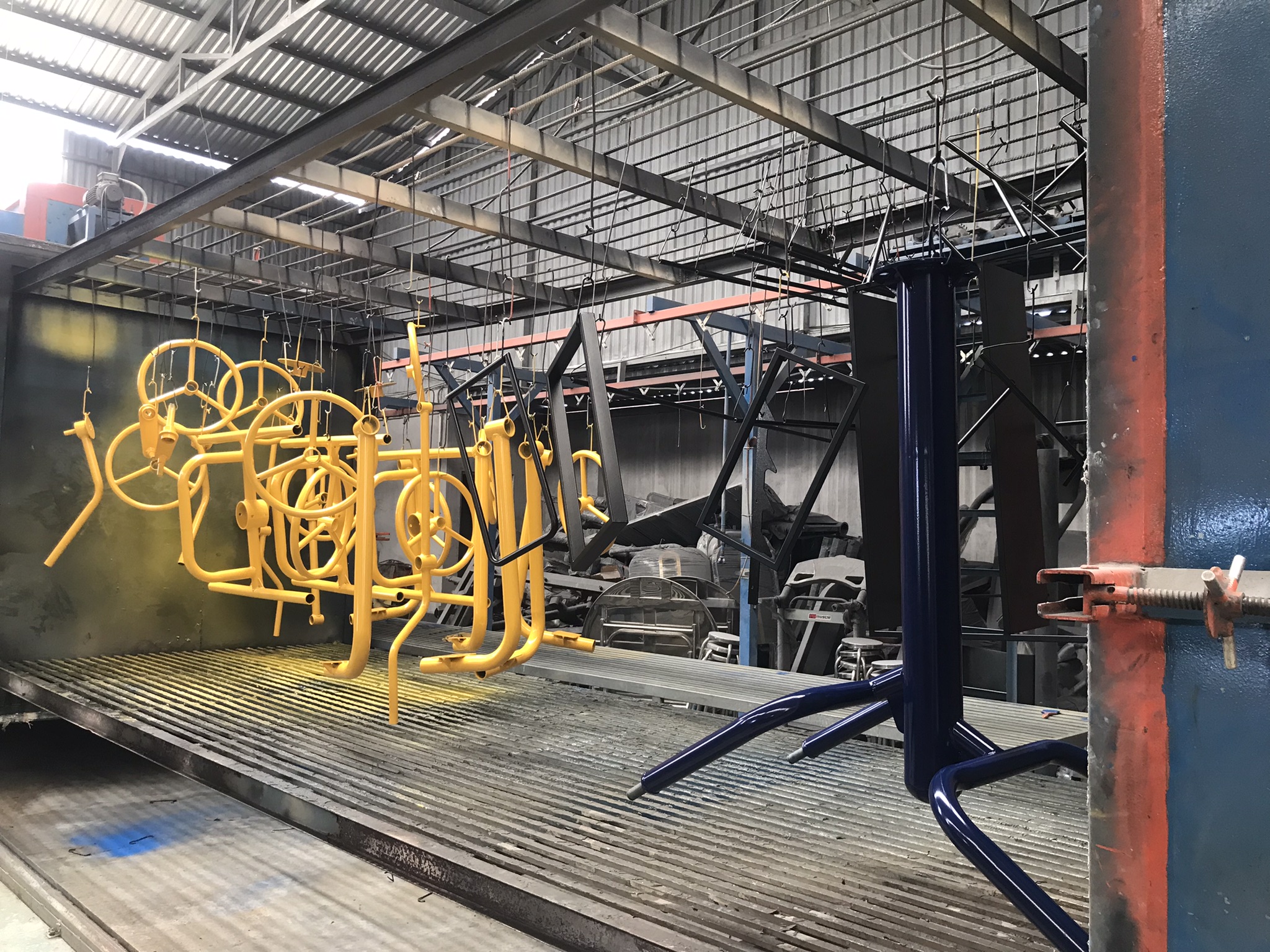
Powder coating uses electrostatically charged dry powder, then cures it under heat. The result is a thick, uniform finish that resists chipping, scratching, and UV degradation. We have seen properly powder-coated parts remain visually pristine after a decade of outdoor service. It also offers a wide range of colors and textures, which matters for architectural or consumer-facing applications.
Anodizing is specific to aluminum. It thickens the natural oxide layer, creating a hard, porous surface that can be sealed or dyed. Anodized aluminum resists salt spray, UV, and abrasion. It also maintains electrical conductivity better than most paint systems.
Surface Preparation: The Step Nobody Wants to Pay For
Here is a truth I repeat to every client: no coating will save a poorly prepped surface. Grease, mill scale, oxidation — if any of these remain under the finish, the coating delaminates. It peels. It bubbles. And then the base metal is exposed.
Good surface preparation includes degreasing, mechanical abrasion or blasting, and chemical treatment. When we audit suppliers, this is one of the first process steps we verify. A properly applied paint system with thorough prep lasts 4 to 7 years. Without prep, that same paint fails in under a year.
Coating Comparison Table
| Surface Treatment | Best For | Typical Outdoor Lifespan | UV Resistance | Scratch Resistance | Relative Cost |
|---|---|---|---|---|---|
| Hot-Dip Galvanizing 6 | Steel structures, heavy-duty | 20–40 years | Moderate | Good | Medium |
| Powder Coating | All metals, aesthetic parts | 15–25 years | Excellent | Excellent | Medium |
| Anodizing (Type II/III) | Aluminum components | 20–40 years | Very Good | Very Good | Medium-High |
| Wet Paint (e.g., Rust-Oleum) | Low-budget, short-term | 4–7 years | Moderate | Low | Low |
| Chemical Conversion Coating | Aluminum, electrical parts | 5–15 years | Low | Low | Low |
| E-Coating (Electrocoating) | Automotive, complex shapes | 10–20 years | Good | Good | Medium |
Emerging Options: Self-Healing Coatings
The industry is also seeing development in self-healing coatings. These contain microcapsules that release a healing agent when the surface is scratched. While not yet mainstream for industrial sheet metal, they represent a promising future for rust prevention on high-value outdoor assemblies.
The bottom line: match the treatment to the metal, the environment, and the expected service life. Do not let cost alone drive this decision.
How can I optimize my part design to prevent rust and environmental wear?
One lesson our team learned early on was that beautiful CAD models do not always translate to durable real-world parts. A client once sent us a bracket design with tight 90-degree bends right next to mounting holes. The part looked sleek on screen. In production, the bends cracked the coating. In the field, water pooled in the inside corners. Rust appeared within six months.
Optimize outdoor sheet metal designs by maintaining a minimum bend radius of 1x material thickness, placing holes at least 1/8 inch from edges, adding bend reliefs to prevent twisting, using radii instead of sharp corners, and ensuring all surfaces allow water to drain freely.
Design is where engineers and fabricators must collaborate. A part that is easy to manufacture is also easier to coat, easier to inspect, and more likely to survive years of environmental exposure. Here is how to think about it.
Geometry That Fights Corrosion
Water is the enemy. Any feature that traps water will eventually become a corrosion site. Flat horizontal surfaces collect rain. Upward-facing channels hold standing water. Tight crevices between mating parts create capillary action that pulls moisture in and holds it.
Design every surface with a slight slope. Use drain holes where pooling is unavoidable. Avoid creating enclosed pockets that cannot dry out. These simple geometry changes cost nothing in material but add years to the part's life.
Critical Design Rules
Our engineering team follows a set of rules for every outdoor sheet metal project:
- Bend radius: Keep it at or above 1x the material thickness. Going tighter risks cracking both the metal and any coating applied afterward.
- Bend reliefs: Always add relief cuts at the end of a bend line. Without them, the metal twists and tears during pressing, creating stress risers that invite fatigue cracks.
- Hole placement: Keep holes and slots at least 1/8 inch from any edge for materials thicker than 0.036 inches. Holes too close to an edge weaken the flange and make coating coverage inconsistent.
- Corner treatment: Replace all sharp corners with radii or chamfers. Sharp corners concentrate stress and are nearly impossible to coat evenly. They are also a common source of customer complaints.
- Drainage: Orient all surfaces to shed water. If a part must sit horizontally, add weep holes.
Design Complexity vs. Longevity
There is a real tension between aesthetic complexity and long-term reliability. Complex bends and compound curves look impressive. But each added feature increases cycle time, raises the risk of fabrication error, and creates more potential failure points.
For harsh environment applications — think utility infrastructure, renewable energy mounting systems, or outdoor telecom enclosures — simplified bend geometry and standardized features consistently outperform complex designs. This is especially true for aluminum and specialty alloys, which are more prone to cracking at tight bend radii.
Joining Methods That Reduce Corrosion Risk
How you join parts matters too. Traditional welding creates heat-affected zones where corrosion resistance drops. Self-clinching hardware 7 is gaining popularity because it eliminates the need for welding on thin sheet metal, reducing distortion and preserving the coating. Adhesive bonding is another emerging method that creates a sealed joint, preventing moisture from entering between mating surfaces.
When we manage contract manufacturing projects, we always review the joining method during co-development. The goal is to minimize exposed base metal at every joint.
What quality control standards should I demand from my supplier to ensure long-term product reliability?
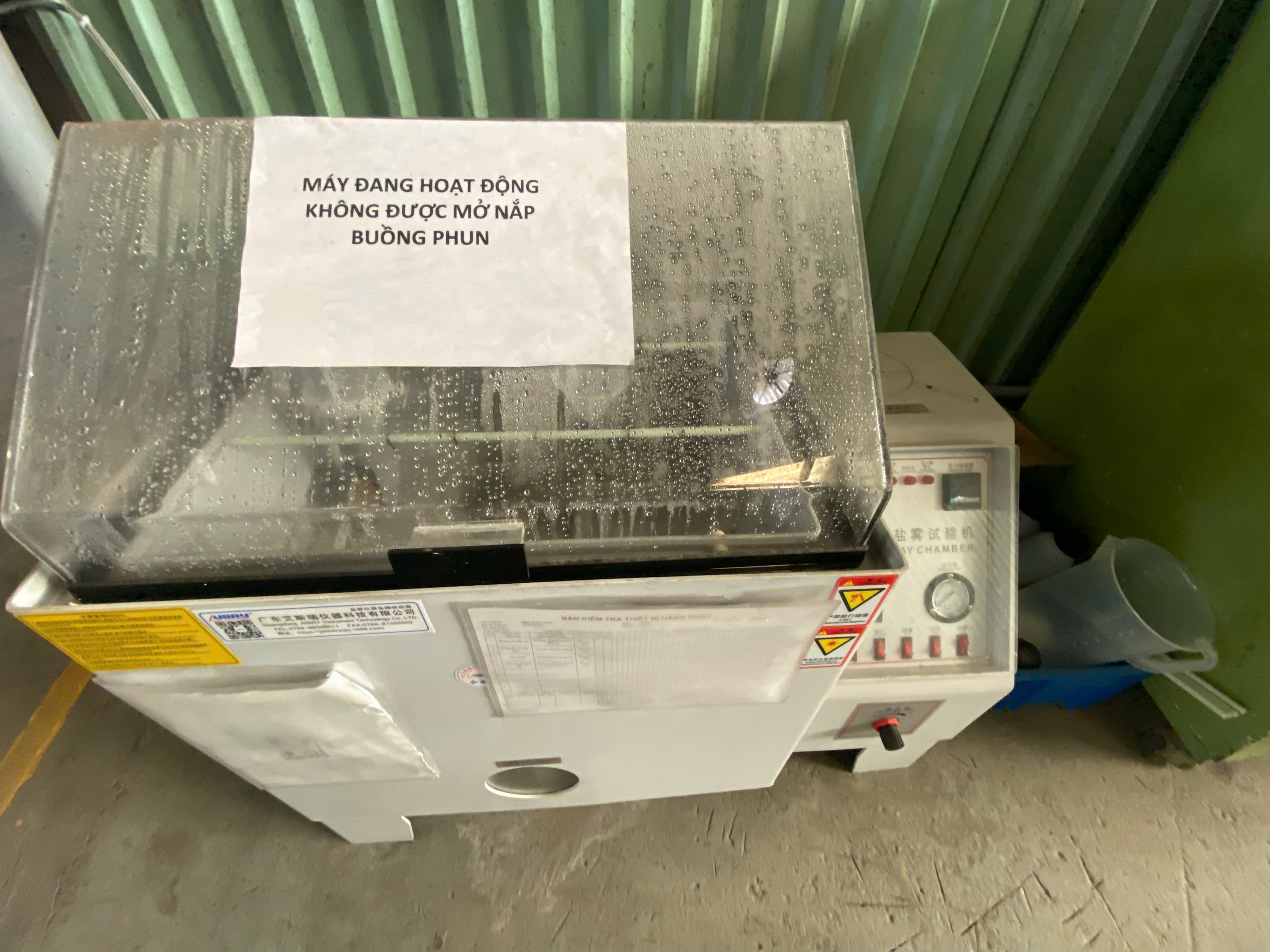
During a recent supplier audit in Vietnam, we discovered that a factory was skipping the salt spray test on galvanized brackets. Their reasoning? "We've never had a complaint." But absence of complaints is not evidence of quality. It often just means the failures have not shown up yet — or the customer has quietly moved on.
Demand PPAP documentation, incoming material certifications, in-process dimensional checks, coating thickness verification, salt spray testing per ASTM B117, and final visual inspection with photographic records. These standards ensure your outdoor sheet metal components perform reliably for decades.
Quality control is where good intentions meet hard evidence. You can specify the best material, the best coating, and the smartest design — but if the supplier does not execute consistently, none of it matters. Here is what to look for and what to demand.
The Non-Negotiable QC Checkpoints
Quality for outdoor sheet metal components is not a single gate at the end of the line. It is a series of checkpoints from raw material to packaged part. Our process control framework covers the following stages:
| QC Stage | What to Check | Method / Standard | Why It Matters |
|---|---|---|---|
| Incoming Material | Alloy grade, thickness, surface condition | Mill test certificates, caliper measurement | Wrong material = wrong lifespan |
| Surface Preparation | Cleanliness, blast profile | Visual inspection, surface roughness gauge | Poor prep = coating failure |
| Fabrication | Dimensions, bend angles, hole positions | CMM or fixture gauging, first article inspection | Out-of-spec parts = assembly and fit issues |
| Coating Application | Thickness, adhesion, coverage uniformity | DFT gauge, cross-hatch adhesion test | Thin spots = early corrosion |
| Salt Spray Testing | Corrosion resistance of coated part | ASTM B117 8 (hours vary by spec) | Validates real-world durability |
| Final Inspection | Visual defects, packaging integrity | AQL sampling, photographic records | Last line of defense before shipment |
PPAP: More Than Paperwork
Production Part Approval Process documentation is standard in automotive. But it should be standard for any critical outdoor component. PPAP forces the supplier to prove they can consistently produce the part to specification before full production begins. It captures the process flow, control plan, measurement results, and material certifications in one package.
When we onboard a new supplier, PPAP is part of the first production run. It is not optional. It is how we ensure "right first time" results and avoid the rework cycles that plague so many sourcing relationships.
Coating Thickness: The Hidden Variable
One of the most common failure modes we encounter is inconsistent coating thickness. A part might look perfectly coated to the naked eye. But if the powder coat is 30 microns in one area and 80 microns in another, the thin spot will fail first. We require dry film thickness measurements at multiple points on every batch.
For galvanized parts, the zinc layer thickness directly correlates to outdoor lifespan. A thicker zinc layer means more sacrificial material before the steel is exposed. Industry standards specify minimum thicknesses, but we always push our suppliers to target the upper end of the range.
Regular Maintenance Extends Everything
Even after delivery, the lifespan story is not over. Regular maintenance is a lifespan multiplier. Annual visual inspections catch damage early. Cleaning with mild detergent and water removes corrosive deposits like salt, industrial fallout, and biological growth. Prompt repair of any scratches or dents prevents moisture infiltration.
Insulated metal panels with premium coatings can last 30 to 50 years. With diligent maintenance and periodic coating reapplication, some installations have exceeded 60 years. Compare that to asphalt shingles at 15 to 30 years, and the value proposition is clear.
Smart monitoring is also emerging. IoT sensors can now track humidity, temperature, and even coating degradation in real time, enabling predictive maintenance 9 before visible damage appears. For high-value installations, this technology is worth considering.
Conclusion
Maximizing the lifespan of outdoor sheet metal components requires the right material, thorough surface preparation, appropriate protective coatings, smart corrosion-resistant design, rigorous quality control, and consistent regular maintenance working together as one system.
Frequently Asked Questions
How do I choose the most durable materials for my outdoor sheet metal projects?
A purchasing manager we work with in the Midwest once told me his biggest regret was choosing plain carbon steel for a set of outdoor enclosures. Within 18 months, rust had eaten through the mounting flanges. The replacement cost was four times the original savings.
Which surface treatments will offer the best corrosion protection for my custom parts?
Last year, we managed a project where the client initially specified simple spray painting for steel mounting plates destined for an outdoor telecommunications site. We pushed back, recommending powder coating 5 instead. The cost difference was about 15%. The lifespan difference? Potentially 20+ years.
How can I optimize my part design to prevent rust and environmental wear?
One lesson our team learned early on was that beautiful CAD models do not always translate to durable real-world parts. A client once sent us a bracket design with tight 90-degree bends right next to mounting holes. The part looked sleek on screen. In production, the bends cracked the coating. In the field, water pooled in the inside corners. Rust appeared within six months.
Footnotes
1. Replaced with Wikipedia’s ‘Marine grade stainless’ page, which extensively covers 316 stainless steel’s properties and suitability for marine environments. ↩︎
2. Official council for aluminum anodizers, providing comprehensive information on the process. ↩︎
3. Discusses how material thickness affects structural performance, strength, and manufacturing costs. ↩︎
4. Replaced with Wikipedia’s ‘Conversion coating’ page, which offers a broad and authoritative explanation of chemical conversion coatings, their types, and applications. ↩︎
5. Replaced with Wikipedia for an authoritative and comprehensive overview of powder coating. ↩︎
6. Authoritative source on hot-dip galvanizing, explaining its process and corrosion protection. ↩︎
7. Replaced with Wikipedia’s ‘Swage nut’ page, which clearly defines and explains the mechanism and application of self-clinching fasteners. ↩︎
8. Provides a comprehensive overview of the ASTM B117 standard for salt spray (fog) testing. ↩︎
9. Explains predictive maintenance, its use of IoT sensors, and benefits for optimizing equipment lifespan. ↩︎
10. Replaced with Quality-One’s detailed guide on Production Part Approval Process (PPAP), which provides a comprehensive explanation of its purpose, elements, and application. ↩︎