The Brinell hardness of sintered bronze is usually between 60 and 90, while the Brinell hardness of sintered iron can usually reach 100 to 120. Sintered stainless steel largely depends on the specific type of stainless steel, but usually it can achieve a Brinell hardness level of up to 200 to 350 and a Rockwell hardness level of up to 50 to 55 HRC.
Hardness is a measure of a material’s resistance to local deformation, which is usually caused by indentations or scratches. The hardness of metals is usually measured using a Brinell or Rockwell hardness tester. The hardness of sintered metal can vary widely depending on the specific material and sintering process used.
Sintered Bronze: The hardness of sintered bronze varies depending on its elemental composition and sintering process, with a Brinell hardness (BHN) generally ranging from 60 to 90. Sintered bronze is mainly used for producing mechanical transmission components such as self-lubricating bearings and gears. Bronze has excellent wear resistance and high-temperature performance, making it particularly suitable for bearings in high-speed, heavy-duty, high-temperature, and extreme environments. For example, bronze bearings are used in important components such as automotive engines’ connecting rod bearing shells, the bearing bushes at the end of machine tool spindles, the gears of motorcycle clutches, and the turbine discs of aircraft engines. Sintered bronze also has good corrosion resistance, making it widely used in marine engineering, chemical equipment, and various valves, water pumps, etc. in corrosive environments.
Sintered Iron: It can usually reach a hardness level of 100-120 on the Brinell hardness scale, which makes it very suitable for components that must withstand high stress and wear. It is usually used to manufacture various mechanical parts, especially those that need to be manufactured through powder metallurgy, such as connecting rod bearings, sliding bearings, gears, hydraulic parts, etc. in automotive engines. These parts typically require good wear resistance and may need to withstand significant loads in some cases.
Sintered Stainless Steel: It largely depends on the specific type of stainless steel, but usually it can achieve a Brinell hardness level of up to 200-350 and a Rockwell hardness level of up to 50-55 HRC. Due to its hardness and corrosion resistance, sintered stainless steel is often used in demanding applications such as the production of surgical tools and high-performance engine parts.
In summary, the hardness of sintered metals is a key characteristic that determines their suitability for different applications. Sintered bronze, iron, and stainless steel all have different hardness levels, suitable for various applications; Whether it’s machine parts, engine components, or surgical tools, each of these sintered metals plays a role.
However, hardness is not the only criterion for measuring the performance of sintered metals, and other performance indicators such as toughness, wear resistance, tensile strength, fatigue resistance, corrosion protection, etc. are equally important. According to different application requirements, it may be necessary to choose different sintered metal materials.
Precision Manufacturing & Sourcing Specification Matrix
| Technical Dimension | Standard Commercial Grade | High-Precision OEM Export Grade | DEWIN Verification Protocol |
|---|---|---|---|
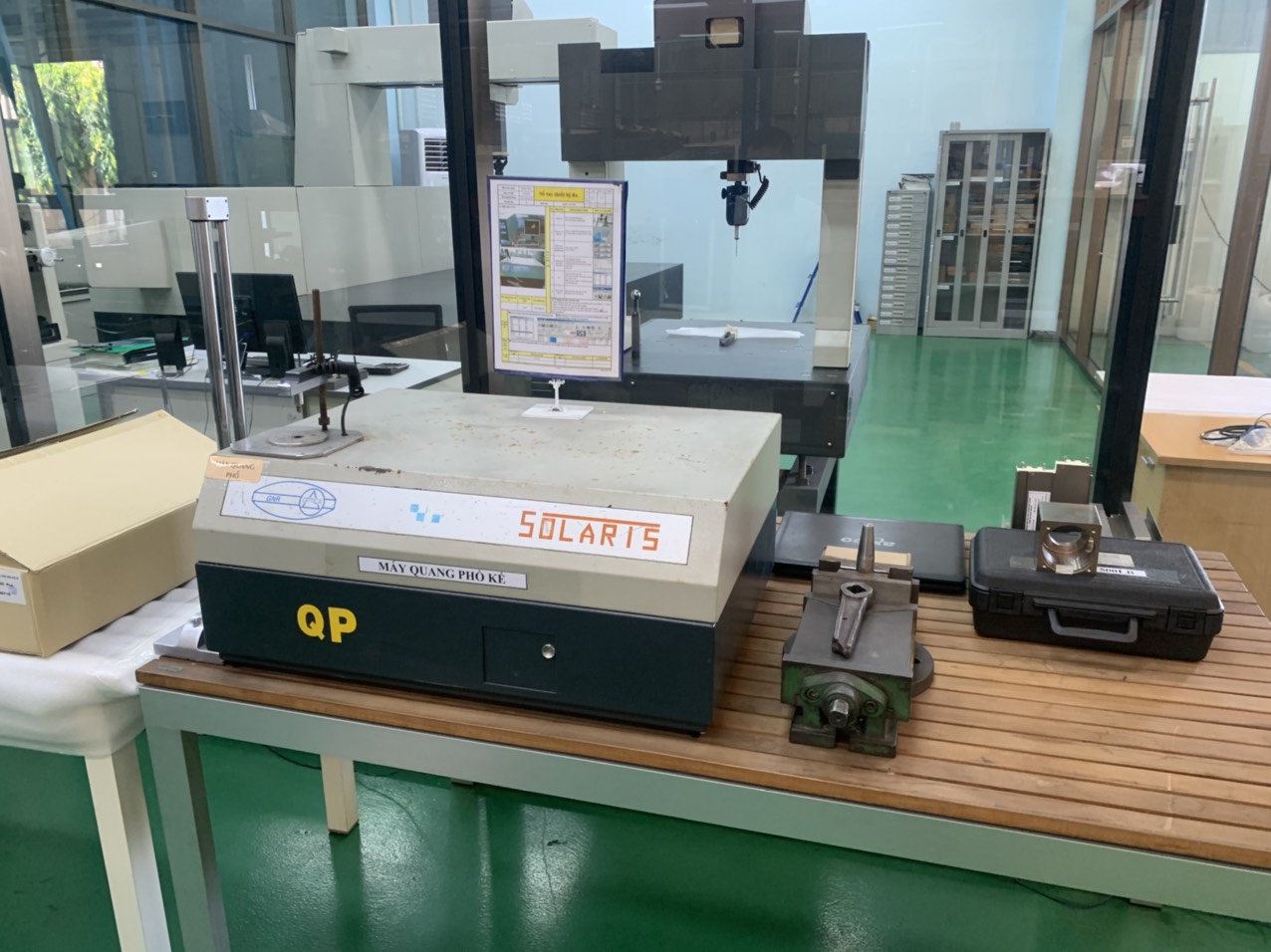
| Machining & Forming Tolerance | ISO 2768-m (±0.10 mm nominal) | ISO 2768-f (±0.01 mm – ±0.025 mm critical bores) | Calibrated 3D CMM & Air/Pin Gauging |
| Surface Roughness & Finish | Ra 1.6 – 3.2 µm as-machined / standard coat | Ra 0.4 – 0.8 µm precision ground / MIL-A-8625 anodized | Profilometer & Coating Thickness Gauge |
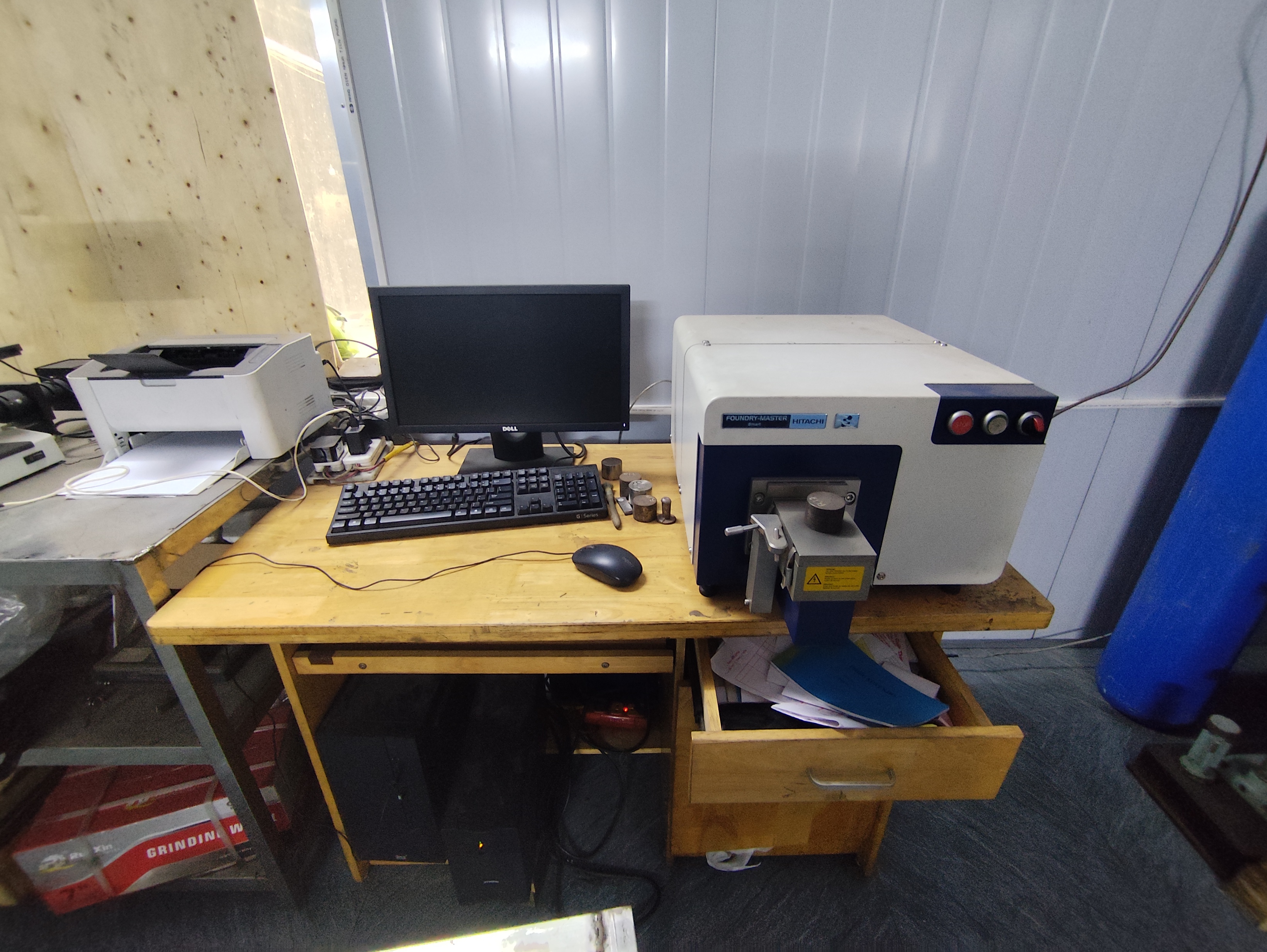
| Material & Alloy Certification | Supplier Mill Test Report (MTR) | Independent OES chemical & mechanical verification | EN 10204 3.1 + RoHS/REACH Compliance |
| Batch Inspection & Packaging | ISO 2859-1 (AQL 1.0 Major / 2.5 Minor) | Zero-defect critical features + VCI export crating | Pre-Shipment Inspection (PSI) Report |
Frequently Asked Questions
What engineering files are required to quote how much hardness can sintered metal reach like sintered bronze, iron, stainless steel? with DEWIN?
Provide 3D CAD models (STEP or IGES) along with 2D engineering drawings (PDF/DXF) specifying critical-to-quality (CTQ) tolerances, material grade, surface finish, and annual volume.
How does DEWIN verify dimensional accuracy and material compliance before shipment?
Every production lot undergoes incoming material spectrometer verification (EN 10204 3.1), First Article Inspection (FAI) via 2D/3D coordinate measuring machines (CMM), and AQL pre-shipment audits.
Can DEWIN support both low-volume prototype validation and mass production scaling in Vietnam and China?
Yes. DEWIN coordinates rapid CNC and bridge-tooling prototypes alongside high-tonnage production tooling across audited ISO 9001 and IATF 16949 partner factories in Vietnam and China.