
Every week, our team fields questions from individuals who need just one or two custom sheet metal parts — and the sticker shock they face is real laser cutting time 1. The price gap between ordering a single piece versus a small batch can feel absurd, leaving many people unsure whether to proceed, find a local shop, or give up entirely.
A simple custom sheet metal part for an individual typically costs between $29 and $100 for a single unit. Online services can quote as low as $20–$30 for basic designs, while local fabricators often charge $100–$200 minimum. Ordering 50 or more units drops the per-unit cost to $1–$3.
The actual price you pay depends on several factors: material type, part complexity, surface finishing, and where you source it Production Part Approval Process 2. Let me walk you through each cost driver so you can make a smarter decision before placing your order.
How can I calculate the total material and fabrication costs for my custom sheet metal part?
A lesson I learned early in our supply chain work is that material cost alone never tells the full story. supply chain management 3 When our Vietnam office quoted a small bracket project last year, the raw steel was only 30% of the final price — fabrication ate the rest.
To calculate total cost, add raw material cost, laser cutting time, bending operations, deburring, and any surface finishing. For a single simple part, expect fabrication to cost roughly three times the raw material price. A $5 sheet of steel becomes a $15–$30 finished part after all processing steps.
Breaking Down the Raw Material Cost
The material type you choose is the first variable. Cold-rolled carbon steel 4 is the cheapest option. Aluminum costs about 50% more. Stainless steel sits at the top for common metals. Here is a quick comparison:
| Material | Approximate Cost per Small Part | Relative Cost |
|---|---|---|
| Cold Roll Carbon Steel | $8.50 | Baseline |
| Aluminum (5052 or 6061) | $8.50–$12.00 | 0–40% more |
| Stainless Steel (304) | $12.00 | ~40% more |
| Zinc-Plated Steel | $10.00–$15.00 | 20–75% more |
These numbers assume a simple flat part roughly the size of your hand. Thicker gauges cost more because they use more material and require more powerful cutting equipment.
Fabrication Cost: Where the Money Really Goes
Fabrication includes laser cutting, punching, bending, and deburring. Each step adds cost. A flat part with only cuts is cheapest. Add two bends and the price can jump 30–50%. Add a countersink or a pressed stud, and you add another step.
Local fabricators charge $70–$130 per hour. A 30-minute job on a press brake still carries a minimum shop charge. That is why a simple bracket can cost $100 at a local shop even though the steel is worth $3.
Online quoting platforms like SendCutSend or Ponoko automate much of this. They use nesting software 5 to group your part with other customers' parts on the same sheet. This reduces waste and lowers your price. A single small part on one of these platforms might cost $29 instead of $100 at a local shop.
The 3x Rule of Thumb
In our experience managing fabrication projects for U.S. clients, fabrication cost typically runs about three times the raw material cost. If the sheet metal blank costs $500 for a batch, budget $1,500 for the finished parts. This ratio holds for simple to moderately complex parts. Highly complex parts push it to 4x or 5x. For a deeper dive into how this ratio works, see our guide on the material to processing cost ratio in sheet metal fabrication.
Here is a simple formula you can use:
Total Cost = Material Cost + Cutting Cost + Bending Cost + Finishing Cost + Setup Fee
For a single unit, the setup fee dominates. For 50 or more units, the setup fee gets spread thin and per-unit cost drops dramatically.
What hidden setup and tooling fees will I encounter when ordering my custom design?
One of our U.S. clients once called frustrated because a "simple" part ended up costing $250 from a local shop. The part itself was $40 in material and labor. The other $210? Setup, programming, and a minimum order fee he never saw coming.
Hidden costs include CNC programming fees ($50–$150), fixture setup charges, minimum order fees ($100–$200 at local shops), and CAD conversion fees if your file format is incompatible. These fixed costs hit hardest on single-unit orders because they cannot be spread across multiple parts.
The Setup Fee Problem
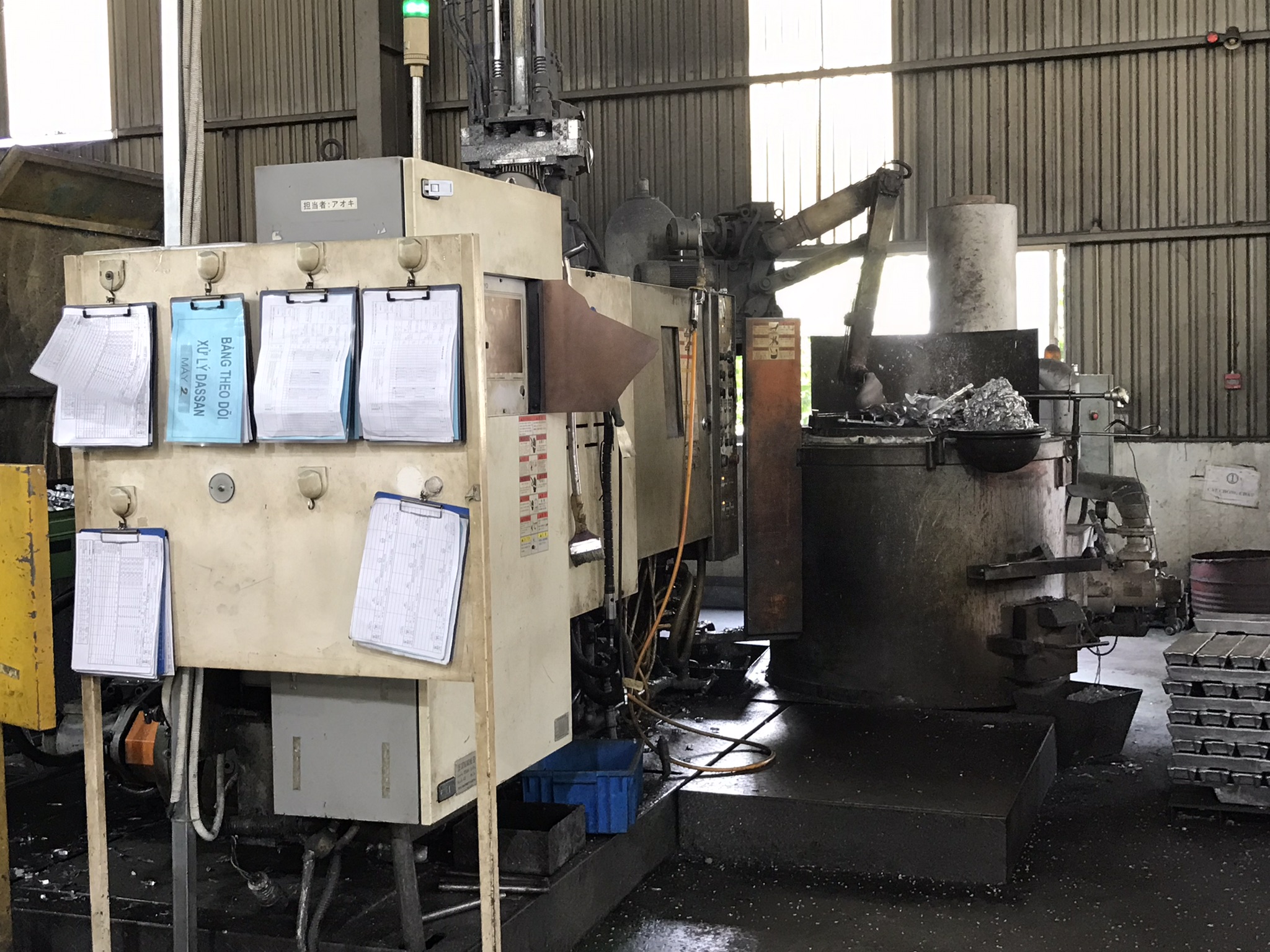
Every time a fabricator loads a new job, they must program the CNC laser or punch press, set up the press brake tooling 6, and calibrate for your specific material and thickness. This takes 15–60 minutes regardless of whether you order 1 part or 1,000.
A typical setup fee at a local job shop runs $75–$200. Some shops bundle this into their hourly rate. Others list it separately. Either way, you pay for it.
Tooling Costs You Might Not Expect
Standard bending operations use common V-dies that most shops already own. But if your design requires a custom punch, a special forming tool, or a unique radius, the shop may charge $200–$1,000 for tooling. This is especially common with complex bracket geometries or parts that require hemming.
Here is a breakdown of common hidden fees:
| Fee Type | Typical Range | When It Applies |
|---|---|---|
| CNC Programming | $50–$150 | Every new job |
| Press Brake Setup | $50–$100 | Parts with bends |
| Minimum Order Fee | $100–$200 | Local shops, small jobs |
| CAD File Conversion | $25–$75 | If file format needs rework |
| Custom Tooling | $200–$1,000+ | Non-standard bends or forms |
| Material Handling Fee | $10–$30 | Odd-sized or specialty sheets |
How to Avoid Surprise Fees
First, submit a clean CAD file. DXF or STEP formats 7 are standard for most fabricators. If you hand over a rough sketch, someone has to redraw it — and that costs money. Having a design-ready file can save $50–$250 on a small project.
Second, ask for a fully itemized quote. Many online quoting platforms show every line item. Local shops sometimes lump everything into one number, making it hard to see where the money goes. Learning how to understand sheet metal fabrication quotes and cost breakdowns can help you spot hidden charges before committing.
Third, consider design for manufacturability. Use standard bend radii. Keep tolerances reasonable. Avoid features that require secondary operations like tapping or countersinking unless truly necessary. Each extra operation adds a setup step and a cost line.
In our project management workflow, we always ask suppliers to break out setup fees, per-piece costs, and tooling costs separately. This gives our clients full visibility and helps them decide whether to order 10 units or 50 to hit a better price break.
How does the complexity of my part's geometry and finish impact the final price I pay?
During a recent rapid prototyping project, our engineering team watched the price of a small aluminum bracket nearly double when the client added three extra bends and a powder coat finish 8. The base part was $27. The finished, coated version came in at $43. That 60% jump caught them off guard.
Part complexity and surface finishing are major cost multipliers. Each additional bend, cutout, or tight tolerance increases machine time and labor. Adding powder coating can raise the price by 40–60%. A thin, intricate aluminum sheet metal part may cost $27 raw versus $43 powder-coated — and far more with polishing or anodizing.
How Geometry Drives Cost
Simple flat parts with straight cuts are the cheapest to produce. Laser cutting follows a programmed path, and the cost scales with cutting length and material thickness. A square plate with four bolt holes takes seconds to cut. A part with 50 curved cutouts and fine features takes much longer.
Bending operations add cost in two ways. First, each bend requires a separate press brake setup or tool change. Second, complex bends with tight tolerances demand skilled operators and slower cycle times.
Here are some common design features ranked by their cost impact:
| Design Feature | Cost Impact | Why |
|---|---|---|
| Simple straight cuts | Low | Fast laser cutting, minimal programming |
| Holes and slots | Low–Medium | Standard tooling, slight added time |
| Single bend | Medium | One press brake setup |
| Multiple bends | Medium–High | Multiple setups or repositioning |
| Tight tolerances (±0.1mm) | High | Slower cutting, more QC inspection |
| Curved or intricate contours | High | Longer cutting path, more material waste |
| Formed features (louvers, tabs) | Very High | Custom tooling often required |
The Finishing Cost Layer
Surface finishing is where many individuals underestimate costs. Raw parts are cheapest. But if you need corrosion resistance or a specific color, post-processing is unavoidable.
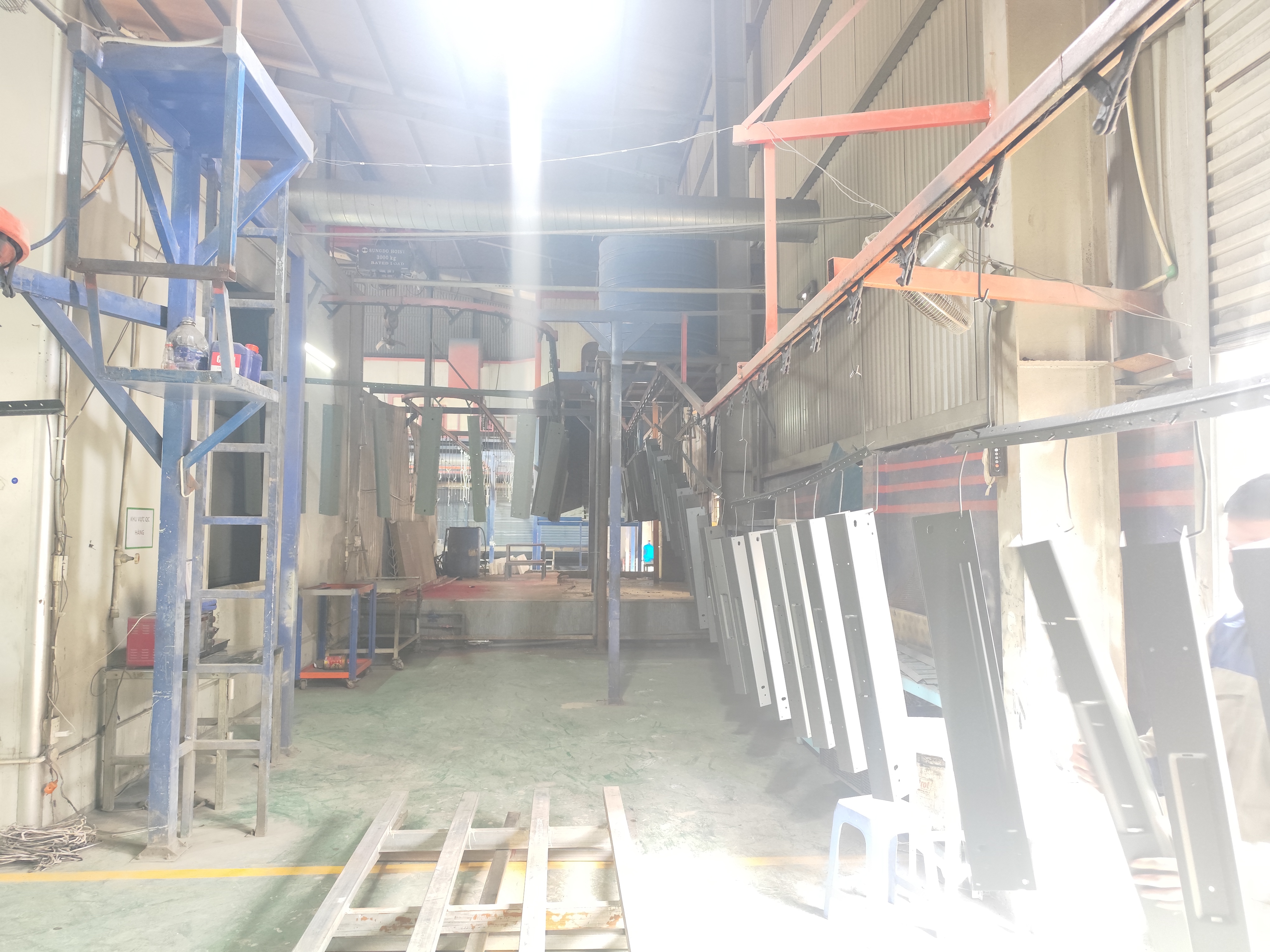
Powder coating a small part typically adds $10–$20 per piece. Anodizing aluminum parts costs slightly more. Polishing or mirror finishing stainless steel fabrication requires hand labor, which is the most expensive finishing method for small quantities.
Here is a practical example. Say you need a small mounting bracket in aluminum:
- Raw, deburred: $27
- With powder coat: $43
- With anodizing: $35–$45
- With mirror polish: $50+
Each finishing step adds handling time. The part must be cleaned, masked (if needed), processed, and inspected. For one piece, there is no economy of scale.
Design for Manufacturability Saves Real Money
Applying design for manufacturability principles 9 can cut costs by 20–50%. Here are practical tips:
- Use standard bend radii (equal to material thickness or greater).
- Keep bends in the same direction when possible to avoid repositioning.
- Use standard hole sizes to match existing tooling.
- Avoid features closer than 2x material thickness from a bend line.
- Minimize the number of unique operations.
These are not just theoretical savings. On our production floor, we regularly review client drawings and suggest simplifications that shave 15–30% off the quoted price without affecting function.
Can I lower my total project cost by sourcing my custom parts from Vietnam or China?
A buyer we work with in the Midwest once told me he was paying $12 per stainless steel bracket from a U.S. online service. He asked if sourcing from Asia could cut that price. The answer was nuanced — and it depends entirely on your order quantity and quality requirements.
Yes, sourcing from Vietnam or China can lower per-unit costs by 30–60% for batches of 100 or more parts. However, for single units or very small quantities, the savings are offset by shipping costs, communication overhead, and longer lead times. Asia sourcing works best for recurring production orders, not one-off prototypes.
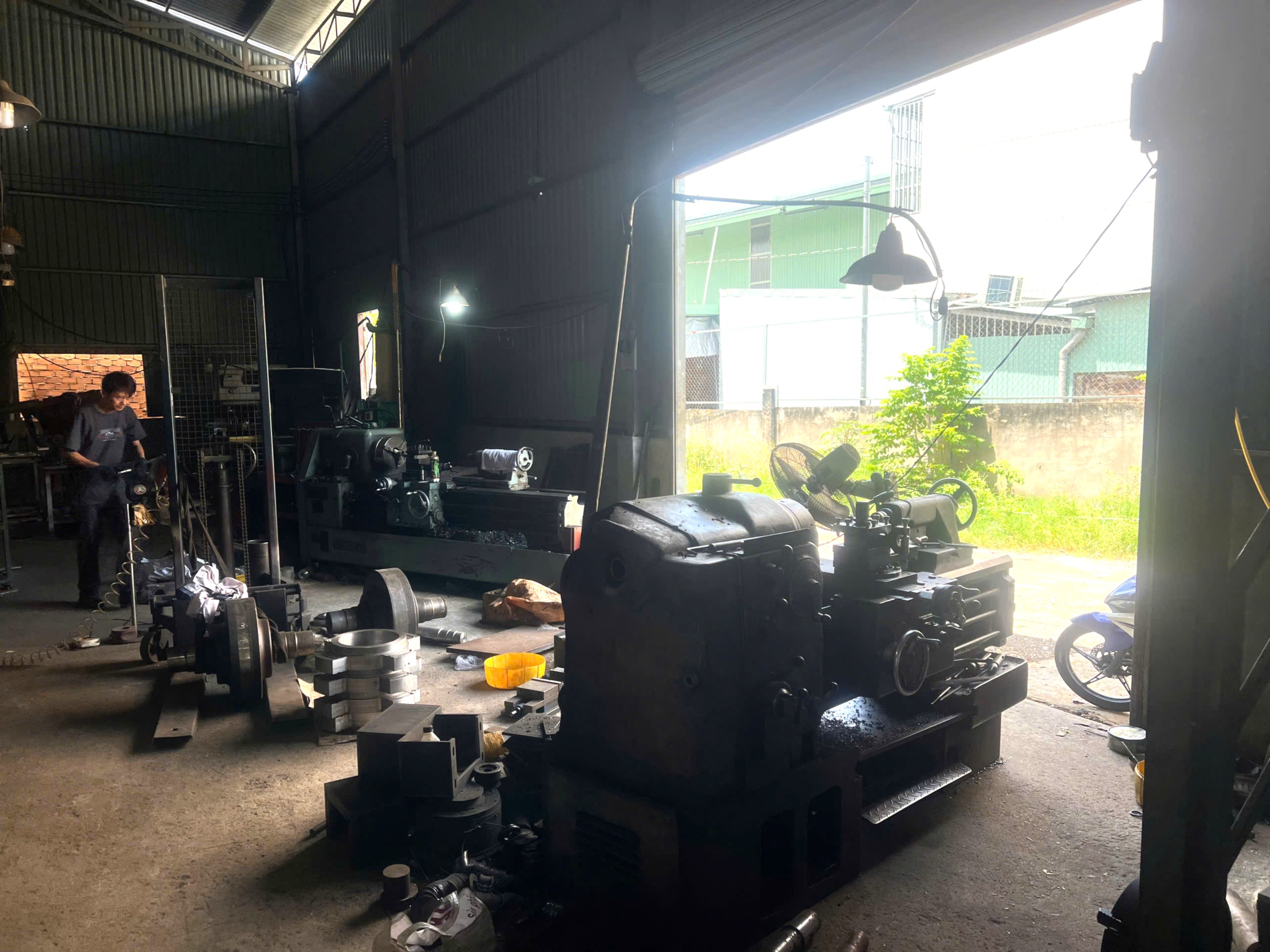
When Asia Sourcing Makes Financial Sense
The math changes at around 50–100 units. Below that threshold, shipping costs, import duties, and coordination effort eat into savings. Above it, the lower labor rates and material costs in countries like Vietnam and China create meaningful savings.
Our team in Vietnam handles projects where U.S. clients need mid-to-high quality custom parts in quantities of 100 to 10,000+. At these volumes, the per-unit fabrication cost can drop by 40–60% compared to domestic U.S. production. Bulk discounts compound this further — ordering 10,000 units can reduce per-unit cost by up to 93% compared to a single piece.
The Real Cost of Overseas Sourcing
Lower piece price does not automatically mean lower total project cost. You must factor in:
- Shipping and logistics: Sea freight for a small pallet from Vietnam to the U.S. runs $300–$800. Air freight is faster but 3–5x more expensive.
- Customs duties: Depending on the HTS code and country of origin, duties range from 0% to 25%. Vietnam currently faces lower tariff exposure than China for many metal products.
- Quality control: Without proper inspection — incoming material checks, in-process monitoring, and final inspection — you risk receiving non-conforming parts. Rework or returns from Asia are extremely expensive.
- Communication: Time zone differences, language barriers, and drawing interpretation errors can cause costly mistakes. We have seen suppliers overlook critical tolerances on drawings simply because they did not ask clarifying questions.
Vietnam vs. China: A Quick Comparison
Many of our clients are actively diversifying away from China. Vietnam offers competitive pricing with lower geopolitical risk and favorable trade agreements. Here is how the two compare for sheet metal fabrication:
| Factor | China | Vietnam |
|---|---|---|
| Per-Unit Cost (100+ pcs) | Lowest | 5–15% higher than China |
| Tariff Risk (U.S. Import) | High (up to 25%) | Lower |
| Supplier Maturity | Very High | Growing rapidly |
| Lead Time | 2–4 weeks | 3–5 weeks |
| Quality Consistency | Varies widely | Improving steadily |
| Communication (English) | Moderate | Moderate |
How to Protect Yourself When Sourcing Overseas
If you decide to source from Asia, here is what I recommend based on our daily operations:
- Provide complete drawings with all tolerances, material specs, and finish requirements clearly called out.
- Request a PPAP (Production Part Approval Process) or first article inspection before full production.
- Use a third-party or on-site QC team for final inspection before shipment.
- Negotiate payment terms that protect you — such as 30% deposit with balance after inspection approval.
- Start with a trial order of 50–100 pieces to validate the supplier before committing to large volumes.
Our Singapore headquarters coordinates this entire process for U.S. clients — from supplier audits in Vietnam and China to door-to-door logistics. The goal is always "right first time" delivery, because rework from 8,000 miles away is a nightmare no one wants. If you're working with very small quantities and want to keep costs down, explore strategies to reduce small-batch custom sheet metal fabrication costs.
Conclusion
Understanding the true cost of a custom sheet metal part means looking beyond the material price. Factor in setup fees, part complexity, finishing, and order quantity. Whether you source locally or from Asia, informed decisions save real money.
Frequently Asked Questions
How can I calculate the total material and fabrication costs for my custom sheet metal part?
A lesson I learned early in our supply chain work is that material cost alone never tells the full story. supply chain management 3 When our Vietnam office quoted a small bracket project last year, the raw steel was only 30% of the final price — fabrication ate the rest.
What hidden setup and tooling fees will I encounter when ordering my custom design?
One of our U.S. clients once called frustrated because a "simple" part ended up costing $250 from a local shop. The part itself was $40 in material and labor. The other $210? Setup, programming, and a minimum order fee he never saw coming.
How does the complexity of my part's geometry and finish impact the final price I pay?
During a recent rapid prototyping project, our engineering team watched the price of a small aluminum bracket nearly double when the client added three extra bends and a powder coat finish 8 . The base part was $27. The finished, coated version came in at $43. That 60% jump caught them off guard.
Footnotes
1. TWI provides authoritative technical knowledge on laser cutting processes. ↩︎
2. Quality-One provides comprehensive information on the Production Part Approval Process (PPAP). ↩︎
3. Replaced HTTP 404 with an authoritative ASCM page on supply chain management. ↩︎
4. Industrial Metal Supply details properties and advantages of cold-rolled carbon steel. ↩︎
5. Autodesk is a leading developer of CAD/CAM software, explaining nesting software. ↩︎
6. Accurl, a press brake manufacturer, offers comprehensive information on tooling types. ↩︎
7. TechDraw AI provides a practical guide on CAD file formats for manufacturing. ↩︎
8. AMPP, an industry association, offers resources on powder coating systems. ↩︎
9. Protolabs, a manufacturing service, explains design for manufacturability principles. ↩︎