Bulk purchasing stamping parts should lower your costs, yet many buyers I meet still overpay die and tooling amortization 1. Our sourcing team in Vietnam sees [the same mistakes repeated](https://dewintech.com/blog/what-common-pitfalls-beginners-purchasing-stamping-parts-are/), and margins quietly bleed away.
To negotiate better prices when bulk purchasing stamping parts, define a target price first, request tiered quotes from three to five suppliers, compare like-for-like specifications, trade volume commitments or faster payment for discounts, and confirm every agreed term in writing before ordering.
That is the short answer. The longer answer is what separates a five percent saving from a fifteen percent saving Incoterms 2. Let me walk you through each step, based on the deals we manage every week.
What Factors Actually Influence My Bulk Pricing on Stamping Parts?
Last quarter, our team audited a stamping supplier near Hanoi and traced a client's quote line by line AQL levels 3. The unit price hid six separate cost drivers most buyers never question.
Bulk pricing on stamping parts is driven by raw material cost, die and tooling amortization, press setup time, run length, secondary operations, inspection requirements, packaging, and freight. Longer runs spread fixed setup and tooling costs across more parts, which is why volume unlocks real discounts.
When we break down a quote for a stamped bracket or Z-clip, we separate every cost element sourcing team in Vietnam 4. This matters because each element responds to negotiation differently. You cannot negotiate what you cannot see.
The Cost Anatomy of a Stamped Part
Raw material is usually the largest slice. Steel and aluminum prices move with the market, so a supplier quoting in a falling market has room to give. Tooling amortization is next. If the supplier built the die, they recover that cost in your piece price. Setup time is a fixed cost per run. A press changeover takes the same hours whether you order 5,000 parts or 50,000 parts. That is the mathematical heart of volume discounts.
Here is how these drivers typically respond to higher volume:
| Cost Driver | Share of Unit Price | Responds to Volume? |
|---|---|---|
| Raw material | 30–50% | Slightly (bulk coil buying) |
| Tooling amortization | 10–20% | Strongly (spread over more parts) |
| Press setup | 5–15% | Strongly (fixed per run) |
| Forming labor and overhead | 15–25% | Moderately |
| Secondary ops and finishing | 5–15% | Moderately |
| Inspection and packaging | 5–10% | Slightly |
| Freight | 5–15% | Strongly (fuller containers) |
Why Order Structure Beats Pure Haggling
In our experience sourcing brackets and clips for U.S. clients, changing the order structure often saves more than pushing on the number. Consolidating three part numbers into one purchase order fills a press schedule. Loosening a non-critical tolerance shortens inspection time. Accepting bulk packaging instead of individual bags cuts labor. Each change lowers the supplier's real cost, so the discount they offer is sustainable, not resented.
How Can I Build Leverage With Suppliers Before Negotiating Volume Discounts?
A purchasing manager once emailed me a single quote and asked if the price was fair. I could not tell him, and neither could he. That is a leverage problem, not a pricing problem.
Build leverage by benchmarking three to five qualified suppliers with identical specifications, requesting tiered pricing at multiple quantity breaks, forecasting your annual demand credibly, consolidating multiple part numbers with one supplier, and offering repeat business or a purchase program in exchange for better rates.

Leverage is built before the negotiation call, not during it. Our project team follows a preparation sequence for every stamping RFQ we run out of our Singapore office, and I recommend the same steps to any buyer.
Step One: Make Quotes Comparable
Competing quotes are only useful if they cover the same scope. Before comparing, confirm each quote includes the same material grade, thickness, tolerances, plating or finish, inspection level, packaging method, and Incoterms 5. We have seen a "cheaper" quote turn expensive once tooling and freight were added back in. Insist on a quote template so nothing hides.
Step Two: Ask for Tiered Pricing
Never request one bulk price. Ask for price breaks at several quantity levels, for example 5,000, 20,000, 50,000, and 100,000 pieces. The tier structure reveals where the supplier's real discount thresholds begin. Sometimes the jump from 20,000 to 50,000 saves more than the jump from 50,000 to 100,000. That tells you where to set your order size.
Step Three: Bundle and Forecast
Suppliers price risk. A credible twelve-month forecast reduces their risk, so share it. Then bundle demand. If you buy four stamped brackets from four suppliers, consolidating them with one supplier turns you into a program customer instead of a spot buyer. Here is a simple comparison of the two positions:
| Buyer Position | Supplier Perception | Typical Pricing Outcome |
|---|---|---|
| One-off spot order | High risk, low priority | List pricing, limited flexibility |
| Multi-part consolidated order | Efficient production planning | Tiered discount unlocked |
| 6–12 month purchase program | Predictable revenue | Best pricing, priority scheduling |
Ask directly: "If we commit to a six-to-twelve-month program, can you re-quote?" In our sourcing work, that single question routinely moves prices.
What Payment Terms Should I Request to Improve My Bargaining Position?
One trade-off we weigh constantly at DEWIN is cash flow against price. We extend open account terms to our own clients, so we understand exactly what payment flexibility is worth to a supplier.
Request tiered options: offer faster payment or a larger deposit in exchange for a unit-price discount, or negotiate extended net 60–90 day terms to protect your cash flow. Also propose milestone payments for tooling and index-linked pricing on long contracts to share material risk.
Payment terms are the most underused lever in stamping negotiations. Price cuts hurt a supplier's margin directly. Payment adjustments mostly affect their cash flow and risk exposure. That means suppliers can often flex on terms even when they cannot flex on price.
Trade Cash Speed for Price
If your cash position is strong, offer early payment. A supplier financing raw coil purchases values quick cash. Ask plainly: "If we pay within ten days of shipment, what discount can you offer?" The reverse also works. If cash flow matters more than unit price, negotiate net 60 or net 90 terms. Many of our U.S. clients, especially distributors who resell to manufacturers, prioritize terms over a marginal price cut because terms fund their own receivables cycle.
Structure Tooling Payments Separately
Never let tooling hide inside the piece price. Negotiate die costs as a separate line with milestone payments: a portion at order, a portion at first article approval, and the balance at production release. Then confirm die ownership in writing. If you own the die, you can re-quote the same design across competing suppliers later. That is permanent leverage.
Hedge Material Volatility on Long Contracts
For multi-year programs, propose an index-linked clause tied to published steel or aluminum prices 6. The supplier stops padding quotes for material risk, and you stop overpaying when the market falls. Both sides win, and the contract survives price swings without renegotiation. Also ask about scrap value. Stamping generates significant offcut scrap that suppliers resell. On large programs, a scrap rebate or buyback share can quietly offset your unit price.
How Do I Avoid Sacrificing Quality When Pushing for Lower Unit Prices?
A lesson our QC engineers learned early: the cheapest stamped bracket is the one you reject at incoming inspection. We once watched a client save eight percent on price and lose it twice over in rework and air freight.
Protect quality by fixing the specification before negotiating, agreeing on inspection criteria and AQL levels in writing, requiring first article approval, targeting cost reductions in tolerances, packaging, and logistics rather than material or process shortcuts, and defining remedies if parts fail.
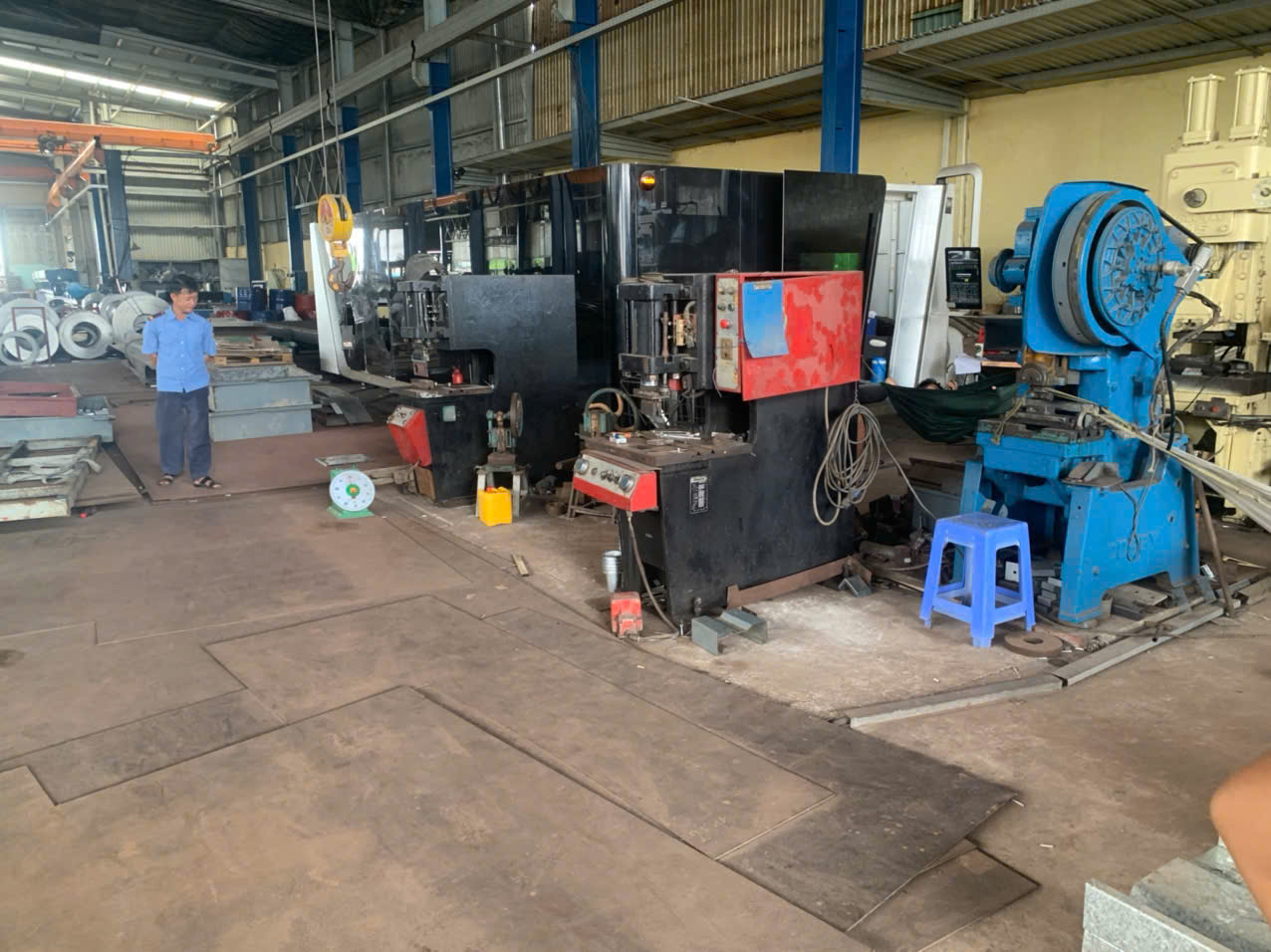
Price pressure without quality guardrails invites silent downgrades. A supplier squeezed too hard may switch to a cheaper coil supplier, skip a deburring step, or loosen their own inspection. You will not see it on the quote. You will see it on your production line three months later. So build the guardrails before you push on price.
Lock the Specification First
Freeze the drawing, material grade, thickness, finish, and critical dimensions before the commercial conversation begins. Then state clearly that these are non-negotiable. This tells the supplier the discount must come from efficiency, not from substitution. In our supplier audits across Vietnam and Taiwan, the best stamping houses respect buyers who separate technical scope from commercial terms.
Cut Cost Where Quality Does Not Live
There is real money in changes that do not touch part function:
| Cost-Cutting Move | Quality Risk | Typical Saving |
|---|---|---|
| Loosen non-critical tolerances | None if engineering approves | Moderate |
| Simplify packaging (bulk vs. individual) | Low with proper dunnage | Small–moderate |
| Sea freight instead of air | None with lead-time planning | Large |
| Consolidate shipments | None | Moderate |
| Cheaper material grade | High — avoid | Not worth it |
| Skip plating or deburring | High — avoid | Not worth it |
Put Remedies in Writing
Your purchase agreement should state the inspection standard, sampling plan, and what happens when parts do not conform: rework at supplier cost, replacement timelines, and who pays freight. Require a first article inspection 7 report and, for critical parts, a PPAP-style submission before mass production. We run final inspection on every stamping shipment we manage precisely because a documented gate protects both sides. A supplier who accepts clear quality remedies is a supplier confident in their process. One who resists them is telling you something.
Conclusion
Bulk purchasing stamping parts rewards prepared buyers. Set targets, demand tiered quotes, trade terms for price, and lock quality in writing. Negotiate the package, not just the number.
Frequently Asked Questions
What Factors Actually Influence My Bulk Pricing on Stamping Parts?
Last quarter, our team audited a stamping supplier near Hanoi and traced a client's quote line by line AQL levels 3 . The unit price hid six separate cost drivers most buyers never question.
How Can I Build Leverage With Suppliers Before Negotiating Volume Discounts?
A purchasing manager once emailed me a single quote and asked if the price was fair. I could not tell him, and neither could he. That is a leverage problem, not a pricing problem.
What Payment Terms Should I Request to Improve My Bargaining Position?
One trade-off we weigh constantly at DEWIN is cash flow against price. We extend open account terms to our own clients, so we understand exactly what payment flexibility is worth to a supplier.
Footnotes
1. Background on stamping process explains tooling and die cost fundamentals referenced in article. ↩︎
2. Official ICC Incoterms rules define shipping terms for accurate quote comparison across suppliers. ↩︎
3. ISO standard on acceptance sampling defines AQL levels used in supplier inspection agreements. ↩︎
4. Background on Vietnam’s manufacturing economy contextualizes the article’s sourcing operations there. ↩︎
5. Incoterms are internationally standardized trade terms referenced for comparing supplier quotes. ↩︎
6. London Metal Exchange provides authoritative reference for index-linked steel and aluminum pricing clauses. ↩︎
7. Explains the quality verification process referenced for confirming stamped part conformance. ↩︎