
Getting better prices when buying stamping parts in bulk sounds simple Design for Manufacturability audit 1. Yet many purchasing managers I work with through our Vietnam and Singapore teams still overpay without knowing it.
To negotiate better prices when buying stamping parts in bulk, gather 3–5 competitive quotes, request tiered pricing at multiple volumes, ask for a cost breakdown, amortize tooling over committed volume, and trade payment terms or long-term contracts for lower unit prices instead of pushing price alone.
Each of those levers deserves a closer look. Below, I break down exactly how to use quality, quantity, tooling, and payment terms as real bargaining power.
How can I negotiate lower unit prices without sacrificing part quality on stamping orders?
Last year, our team audited a stamping supplier in Vietnam whose quote was 18% below market. The parts failed dimensional checks. Cheap quotes often hide expensive problems.
Negotiate lower stamping prices without losing quality by locking specifications first, requesting itemized cost breakdowns, running a DFM review to remove unnecessary tolerances, and comparing total landed cost across suppliers. Cut cost drivers, not quality requirements, and verify every quote against identical specs.
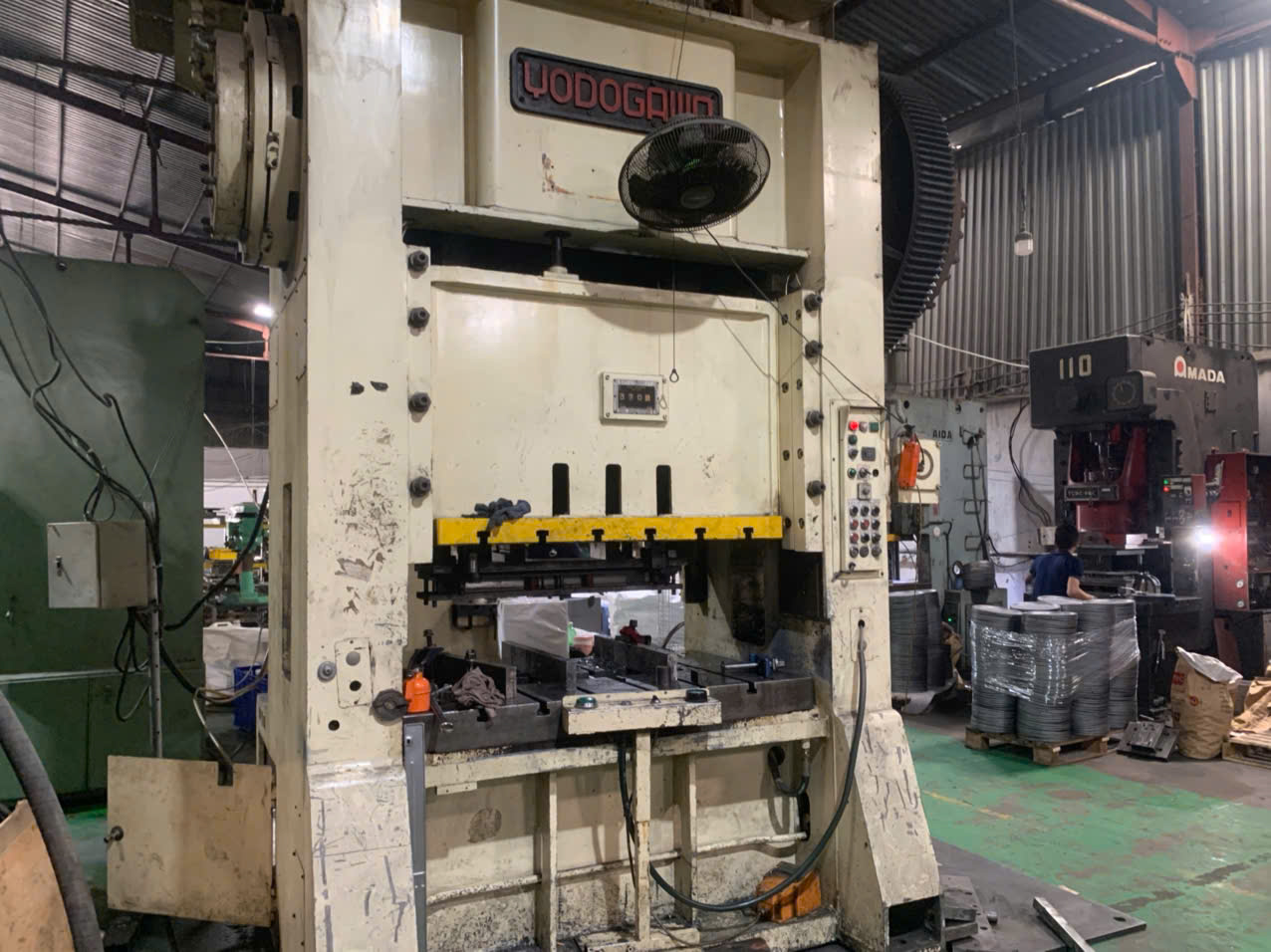
The biggest mistake I see is treating negotiation as pure haggling. In stamping, price is built from measurable inputs: material grade 2, tolerances, number of bends, punched features, secondary operations, inspection level, packaging, and freight. If you understand those inputs, you can lower cost without touching quality.
Start with a cost breakdown, not a discount request
Ask your supplier to break the quote into material, labor, tooling amortization, setup, inspection, packaging, and shipping. A capable supplier can explain each line. When we run supplier audits 3 for U.S. clients, a transparent cost structure is one of the strongest signals of a factory that will hold quality at scale. If a quote is unusually low, ask how they achieve it. A vague answer usually means corners will be cut later.
Use DFM to remove cost, not quality
Before finalizing any bulk stamping order, request a Design for Manufacturability 4 audit. On a simple stamped bracket, we often find tolerances tighter than the application needs, or a deburring step that a better die design makes unnecessary. Every removed operation is a real, permanent saving.
| Cost driver | Negotiable? | Typical action |
|---|---|---|
| Material grade | Sometimes | Substitute equivalent grade with supplier input |
| Tolerances | Often | Loosen non-critical dimensions via DFM review |
| Secondary operations | Often | Eliminate deburring/finishing through die design |
| Inspection level | Carefully | Align sampling plan to real risk, keep CTQ checks |
| Packaging & freight | Yes | Bulk packaging, consolidated shipments |
| Supplier margin | Limited | Only moves with volume or long-term commitment |
Finally, compare quotes on identical specs. A quote based on a thinner gauge or looser material spec is not a lower price. It is a different part.
What order quantities or MOQs give me the strongest leverage when negotiating bulk stamping prices?
A U.S. buyer once asked us to quote stamped mounting clips at exactly 1,000 pieces. We suggested he also request 5,000 and 10,000. The real price break started at 5,000.
The strongest leverage comes from requesting tiered pricing at three or more quantities, committing to volumes that fill full production runs and material coil purchases, and sharing a credible 6–12 month forecast. Annual blanket orders with scheduled releases typically unlock the deepest bulk stamping discounts.
Stamping economics are driven by setup. Once a progressive die is loaded and the press is running, incremental parts are cheap. So the supplier's cost curve drops sharply until the setup cost is absorbed, then flattens. Your job is to find where that curve flattens, because that is where your leverage lives.
Always ask for multiple price breaks
Never accept a single quoted price. Request pricing at, for example, 1,000 / 5,000 / 10,000 / 25,000 units. This exposes the supplier's real economy-of-scale points. In our experience quoting stamped brackets and clips for export clients, the pattern usually looks like this:
| Quantity | Typical unit price behavior | Why |
|---|---|---|
| Below MOQ | Highest, plus setup fees | Setup dominates cost per piece |
| At MOQ | Standard price | Setup barely absorbed |
| 3–5x MOQ | Noticeable drop | Full press runs, better coil utilization |
| 10x+ MOQ or blanket PO | Deepest discount | Planned capacity, bulk material buying |
Turn forecasts into leverage
Suppliers discount uncertainty poorly and reliability well. Share your trial quantity, expected repeat frequency, and annual usage. A blanket purchase order with flexible scheduled releases gives the supplier planning security while you avoid holding a year of inventory. We structure these regularly for clients sourcing from Vietnam, and they consistently beat spot-buy pricing.
One caution: do not inflate forecasts to win a discount. If you commit to 50,000 pieces and buy 8,000, you lose credibility, and the supplier will price your next quote defensively.
How do I use tooling costs and long-term contracts as bargaining chips with my stamping supplier?
Tooling is where the most creative deals happen. On one bracket program we managed, the die quote alone nearly killed the project—until we restructured how it was paid.
Use tooling as leverage by amortizing die costs into the unit price over a committed volume, or letting the supplier own the tooling in exchange for lower piece prices plus a supply agreement. Pair either option with a 12–24 month contract to justify deeper discounts.

A progressive stamping die 5 can cost more than your first year of parts. That makes tooling both a barrier and a bargaining chip. There are three common ways to structure it, and each trades cost against control.
Three tooling deal structures
- You pay for and own the tooling. Highest upfront cost, lowest unit price, full freedom to move the die to another supplier. Best for long-life, high-volume parts.
- Amortized tooling. The supplier builds the die and recovers its cost through a small adder on each part over a committed quantity. Your cash outlay drops to near zero. The trade-off is a volume commitment and a slightly higher piece price until amortization completes.
- Supplier-owned tooling. The supplier funds the die and offers a lower entry price, but you are effectively locked in. If you choose this route, negotiate exclusivity terms and a tooling transfer clause up front.
| Structure | Upfront cost | Unit price | Flexibility | Best for |
|---|---|---|---|---|
| Buyer-owned tooling | High | Lowest | High | Stable, high-volume programs |
| Amortized tooling | Low | Medium | Medium | Growing programs, tight cash flow |
| Supplier-owned tooling | None | Low entry, less control | Low | Cost-sensitive, single-source parts |
Long-term contracts as a price lever
A signed 12–24 month agreement removes the supplier's biggest fear: idle capacity. In exchange, ask for a locked price band, priority scheduling, and reduced or waived setup fees on repeat runs. When we negotiate on behalf of U.S. purchasing managers, we also tie material-index clauses into the contract, so pricing adjusts fairly if steel or aluminum moves sharply—protecting both sides and keeping the relationship stable.
What payment terms should I request to improve pricing while easing my cash flow pressure?
Cash flow kills more sourcing programs than pricing does. One of our long-standing U.S. clients told me his previous supplier demanded 100% upfront—then delivered six weeks late.
Request net 60–90 day open account terms once trust is established, or offer faster payment or deposits in exchange for a 2–5% price reduction. Structure blanket orders with payment tied to scheduled releases so cash outflow matches actual inventory consumption.
Payment terms are money. A supplier who gets paid faster carries less financing cost and less risk, and can reflect that in the price. A buyer who pays later preserves working capital. The negotiation is about finding which side values the cash more, then trading accordingly.
Two directions you can trade
If your cash position is strong, offer early payment or a larger deposit and ask for a direct price reduction. Suppliers in Asia often finance raw material purchases at meaningful interest rates, so your early payment has real value to them. A small early-payment discount is common and reasonable to request.
If cash flow is your constraint, push for open account terms 6 instead of a price cut. Net 60 or net 90 terms let you receive, inspect, and often resell the parts before payment is due. In our own trade business, we extend open account terms to qualified corporate clients precisely because it removes their biggest pressure point—and it consistently matters more to them than another point off the unit price.
Match payment structure to order structure
For blanket orders, avoid paying for the full annual quantity upfront. Instead, tie payment to each scheduled release. A typical structure we set up looks like this: a tooling deposit at kickoff, then invoicing per shipment on net terms, with a small first-article approval 7 gate before mass production payment triggers. This aligns your cash outflow with actual consumption, protects you against quality failures, and still gives the supplier predictable revenue.
One more practical point: pay on time, every time. Prompt payment history is quiet leverage. Suppliers protect and prioritize reliable payers, and that reliability becomes your bargaining power in the next negotiation round.
Conclusion
Bulk buying only creates leverage when you use it deliberately. If you keep chasing headline unit prices, hidden costs will keep eating your margin. Negotiate the whole package instead—specs, tiered volumes, tooling structure, contracts, and payment terms. That is how our team consistently secures better prices when buying stamping parts in bulk, without sacrificing the quality that keeps programs running.
Frequently Asked Questions
How can I negotiate lower unit prices without sacrificing part quality on stamping orders?
Last year, our team audited a stamping supplier in Vietnam whose quote was 18% below market. The parts failed dimensional checks . Cheap quotes often hide expensive problems .
What order quantities or MOQs give me the strongest leverage when negotiating bulk stamping prices?
A U.S. buyer once asked us to quote stamped mounting clips at exactly 1,000 pieces. We suggested he also request 5,000 and 10,000. The real price break started at 5,000.
How do I use tooling costs and long-term contracts as bargaining chips with my stamping supplier?
Tooling is where the most creative deals happen. On one bracket program we managed, the die quote alone nearly killed the project—until we restructured how it was paid.
Footnotes
1. Explains DFM methodology referenced for reducing stamping costs without cutting quality. ↩︎
2. Sourcing platform where buyers compare material grades across bulk stamping suppliers. ↩︎
3. ISO 9001 quality management standard underpins credible supplier audit practices. ↩︎
4. Explains the DFM process referenced for cutting stamping costs without lowering quality. ↩︎
5. Provides technical background on progressive stamping dies driving tooling cost decisions. ↩︎
6. WTO trade finance resource explains open account terms used in international trade deals. ↩︎
7. Background on first article inspection used as a payment and quality gate. ↩︎