

A few years ago, one of our U.S. clients lost access to their own custom die designs when their previous supplier refused to release the tooling — a painful lesson in negotiating IP ownership and confidentiality clauses with stamping parts suppliers.
To negotiate IP ownership and confidentiality clauses with stamping parts suppliers, secure a comprehensive non-disclosure agreement before sharing any drawings, explicitly define foreground intellectual property versus background IP rights in your manufacturing services agreement, and include enforceable exit clauses that guarantee tooling and die ownership transfers upon contract termination.
This article walks through the exact contract terms, negotiation tactics, and verification steps that protect your custom stamping designs. Each section addresses a specific risk and gives you actionable clauses to use.
What confidentiality terms should I require from my stamping parts supplier before sharing drawings?
One lesson we learned early while managing supplier relationships across Vietnam and China is that the moment you email a CAD file without a signed agreement, you lose leverage — permanently.
Before sharing any drawings with a stamping parts supplier, require a signed non-disclosure agreement that broadly defines confidential information, prohibits patent filing on your designs, bans reverse engineering, mandates sub-supplier confidentiality flow-down, and specifies return or destruction of all data upon termination.

Why Timing Matters More Than You Think
Many purchasing managers treat the NDA as a formality. They send drawings first and negotiate confidentiality later. This is a critical mistake. Once your supplier has your files, your negotiating power drops. I have seen situations where a supplier received detailed specifications, quoted competitively, and then used those same designs to pitch a competing buyer. The NDA must be signed, returned, and confirmed before any technical data leaves your system. For a detailed walkthrough of how to structure this process, see our guide on how to sign an NDA with suppliers to protect OEM stamping part designs.
What Your NDA Must Cover
A standard template NDA is not enough for stamping parts. Your agreement needs to address specifics unique to metal fabrication. Here is a breakdown of what to include:
| NDA Clause | What It Covers | Why It Matters |
|---|---|---|
| Definition of Confidential Information | Drawings, CAD files, material grades, tolerances, production volumes, process sequences | Prevents the supplier from arguing that only the final product design is protected |
| Patent Prohibition | Supplier cannot file patents based on your confidential data | Stops a supplier from legally claiming ownership of an invention derived from your design |
| Reverse Engineering 1 Ban | Prohibits analysis of physical samples, scrap material, or alloy compositions | Prevents third parties from recreating your proprietary stamping tolerances |
| Sub-Supplier Flow-Down | Every tooling shop, surface finisher, or component vendor must sign the same NDA terms | Your trade secret protection extends beyond the primary supplier |
| Return or Destruction | All data must be returned or certified destroyed upon contract end | Ensures no residual copies of your designs remain in the supplier's system |
| Duration | Indefinite for trade secrets 2; minimum 5 years for other confidential information | Counters the supplier's preference for a short 1–2 year window |
The Sub-Supplier Risk
In our experience coordinating production across Asian factories, the primary supplier is rarely the only party who sees your files. Tooling shops, heat treatment vendors, and plating facilities all receive partial or full design data. Your NDA must include a flow-down provision that legally binds every sub-supplier to the same confidentiality standards. Without this, your sub-supplier confidentiality gap becomes the weakest link. We make it standard practice to request a list of all subcontractors involved in a project and require individual NDA addendums from each.
Digital Data Protections
Modern stamping increasingly involves digital twin data, Finite Element Analysis 3 simulation results, and AI-optimized design iterations from the design for manufacturing 4 phase. Your NDA should explicitly name these digital assets as confidential information. Metadata, process algorithms, and automated press logic are just as valuable as a physical drawing. If your NDA only covers "drawings and specifications," you leave a gap that a savvy supplier could exploit.
How can I ensure I retain full IP ownership over custom stamping designs and tooling?
During a recent project involving custom mounting brackets — the kind with welded base plates, drilled holes, and powder-coated finishes — our client assumed they owned the die simply because they paid for it. The supplier disagreed.
To retain full IP ownership, your manufacturing services agreement must explicitly assign all foreground intellectual property — including custom dies, CAD files, tooling modifications, and stamping patterns — to you upon creation or payment, and must distinguish this from the supplier's pre-existing background IP rights.
The Tooling Trap Explained
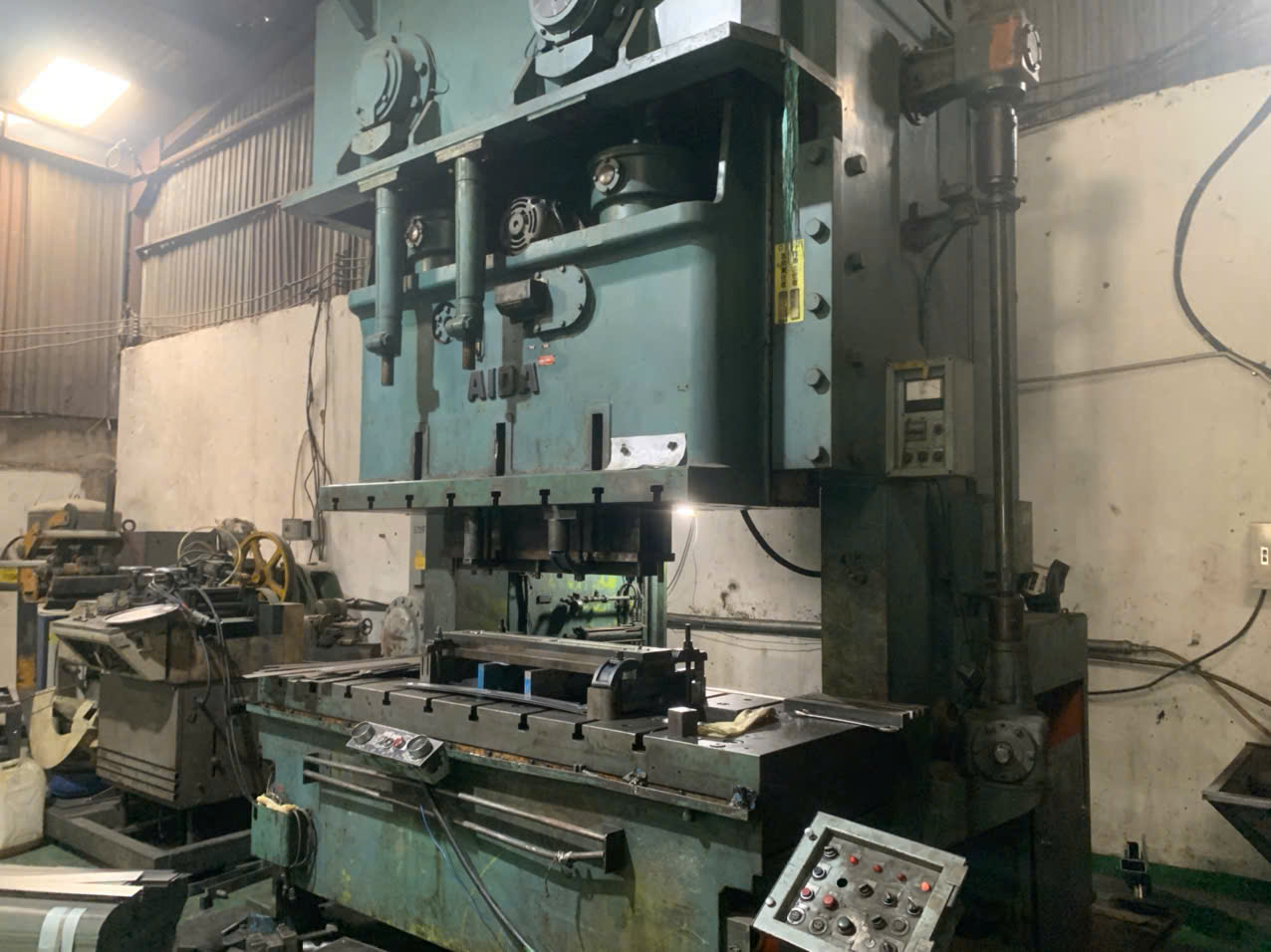
Here is the core problem. In many jurisdictions, IP created by a contractor is not automatically owned by the client. The work-made-for-hire doctrine 6 does not always apply to contract manufacturing relationships. If your agreement does not include a written assignment clause, the supplier who physically built the die can legally claim they own it. This is the "tooling trap." It locks you into a single vendor or forces you to pay licensing fees for replacement tooling.
I have watched this scenario play out multiple times. A buyer pays for tooling. The relationship sours. The buyer wants to move production to a new factory. The original supplier refuses to release the die and claims ownership. Without an explicit assignment clause, the buyer has no legal standing.
Background IP vs. Foreground IP
Not all IP in a stamping project belongs to you. A clear distinction must be drawn:
| IP Category | Examples | Who Owns It |
|---|---|---|
| Background IP | Standard press machines, generic material handling processes, supplier's proprietary heat treatment methods | The supplier retains ownership |
| Foreground IP | Custom die designs, product-specific CAD files, tooling modifications, stamping patterns created for your product | The buyer must own this via written assignment |
| Associated IP (Gray Area) | Process improvements the supplier makes using your design, optimized press settings derived from your specifications | Negotiate — ideally assigned to buyer or exclusively licensed |
The Assignment Checklist
To avoid the tooling trap, your contract needs several specific provisions:
- Written Assignment Clause. State that all foreground intellectual property is assigned to the buyer upon creation or upon payment of the tooling invoice.
- Power of Attorney. Grant the buyer a power of attorney 7 to perfect IP rights — such as filing patents — even if the supplier later becomes uncooperative.
- Source File Delivery. Require delivery of editable CAD files, not just PDFs. Include source code for any automated stamping logic and credentials to any digital repositories.
- Physical Tooling Transfer. State that all physical dies, fixtures, and jigs are the buyer's property and must be released within a defined timeframe upon request.
Process Improvements and the Gray Area
One of the trickiest parts of tooling and die ownership negotiations is what happens when the supplier improves your design. For example, they might optimize a draw depth or adjust a blank layout to reduce scrap. The supplier will argue this improvement came from their expertise. You will argue it was derived from your proprietary design. The solution is to negotiate this upfront. In our contracts, we typically assign all improvements that are "specifically and exclusively" derived from the customer's design back to the customer. General process knowledge remains with the supplier. This distinction must be written clearly into the agreement.
Scrap and Off-Spec Parts
A risk that many buyers overlook is the unauthorized analysis or sale of scrap material. If your stamping parts use a proprietary alloy composition, discarded scrap or off-spec parts can be reverse-engineered. Your contract should prohibit the supplier from selling or sharing scrap with third parties and require secure disposal. This is a practical extension of reverse engineering prevention that protects your material specifications.
What contract clauses protect me if my supplier shares my designs with third parties?
A client once told me about a competitor who suddenly launched an almost identical bracket — same hole pattern, same bend angles, same powder-coat finish. The only explanation was a shared supplier.
Key protective contract clauses include IP indemnification provisions requiring the supplier to compensate you for losses from unauthorized disclosure, audit rights permitting unannounced inspections of digital and physical security, residual-use restrictions, and governing-law provisions specifying your preferred jurisdiction for dispute resolution.

The Enforcement Framework
Having an NDA is one thing. Enforcing it is another. Your manufacturing services agreement needs a layered enforcement framework that creates real consequences for breaches. Here is how I approach this with our supply chain 8 partners.
Indemnification and Warranties
The supplier must warrant that all deliverables are original and non-infringing. This means they confirm they have not copied another party's design into your tooling. More importantly, the IP indemnification clause must state that if the supplier's breach causes you financial harm — lost sales, legal fees, market share erosion — the supplier is liable for those damages. Without indemnification, your only remedy is termination, which does not compensate you for the harm already done.
Audit Rights
Include a right-to-audit clause. This permits unannounced inspections of the supplier's digital and physical security protocols. You should be able to verify:
- How your CAD files are stored and who has access.
- Whether your files have been shared with unauthorized personnel or sub-suppliers.
- Whether physical samples or tooling are stored securely.
In our operations, we conduct regular supplier audits that include checking data handling practices. This is not just about quality control — it is about IP compliance.
Residual Knowledge Carve-Out
This is a nuanced but critical clause. When the contract ends, the supplier's engineers will retain general knowledge about stamping processes. You cannot erase someone's memory. But you can define what constitutes protected trade secrets versus general engineering knowledge. The "residual knowledge" carve-out allows the supplier to use their general expertise for other clients while strictly ring-fencing your unique designs, tolerances, and material specifications.
| Clause Type | Purpose | Key Language to Include |
|---|---|---|
| IP Indemnification | Compensate buyer for losses from IP breach | "Supplier shall indemnify and hold harmless the Buyer against all claims arising from unauthorized disclosure…" |
| Audit Rights | Verify compliance with data protection | "Buyer reserves the right to conduct announced or unannounced audits of Supplier's data handling…" |
| Residual Use Restriction | Prevent supplier from using your designs for competitors | "Supplier shall not use Customer's Confidential Information for any purpose other than performing under this Agreement…" |
| Governing Law | Define jurisdiction for disputes | "This Agreement shall be governed by the laws of [Buyer's jurisdiction]…" |
| Liquidated Damages 9 | Pre-set penalty for proven breaches | "In the event of a proven breach, Supplier shall pay liquidated damages of [amount]…" |
The Exit Strategy
What happens to your IP when the contract ends? This is where many agreements fail. Your contract must define a clear exit protocol:
- All proprietary data must be returned or certified destroyed within a specified number of days.
- All physical dies, fixtures, and jigs must be shipped to you or your designated new supplier.
- Licenses must expand post-contract to allow your replacement supplier to access any embedded IP necessary to continue production.
- The supplier's residual right to use your specific design data for any other client must be explicitly prohibited.
I have seen buyers negotiate strong NDA terms but forget the exit clause. When they try to switch suppliers, the original factory delays tooling release, claims additional fees, or simply refuses to cooperate. The exit protocol must be as detailed and enforceable as the entry terms. This is a core element of contract manufacturing legalities that protects your long-term flexibility.
How do I verify my Asian supplier will actually honor NDA and IP agreements in practice?
When our team in Vietnam onboards a new stamping supplier, the signed contract is just the starting point. The real question is whether the supplier's day-to-day operations match their legal commitments.
To verify your Asian supplier honors NDA and IP agreements in practice, conduct on-site factory audits that include data security checks, require regular compliance certifications, implement phased information sharing, and maintain local presence or a trusted third-party representative who can monitor operations continuously.

Why Paper Alone Is Not Enough
Legal agreements are enforceable — in theory. In practice, enforcing an NDA across international borders is expensive, slow, and uncertain World Trade Organization 10. The governing law in your contract may specify a U.S. jurisdiction, but collecting damages from a factory in Southeast Asia requires local legal action. This reality means your primary protection is prevention, not litigation. For specific strategies tailored to the Vietnamese manufacturing context, see our guide on how to protect IP and prevent drawing leaks when sourcing stamping parts from Vietnam.
Phased Information Sharing
One technique we use is phased disclosure. Instead of sending complete CAD files and full specifications at the quoting stage, share only enough information for the supplier to provide an accurate estimate. Release full design data only after the NDA is signed, the contract is executed, and the supplier has passed an initial audit. This limits your exposure during the most vulnerable stage of the relationship.
On-Site Audits With a Data Focus
Standard factory audits check equipment, quality systems, and production capacity. But IP-focused audits go further. When our team visits a supplier, we specifically check:
- File access controls. Who can open your CAD files? Are they stored on a shared network or a restricted server?
- Physical security. Are your dies stored in a locked area? Can other clients' personnel access the same production floor?
- Employee training. Do workers understand confidentiality obligations? Have they signed individual NDAs?
- Sub-supplier documentation. Has the factory actually obtained NDA addendums from their tooling shops and finishing vendors?
Local Presence as a Deterrent
Having a local team changes the dynamic completely. Our offices in Vietnam and China allow us to visit suppliers without advance notice. This visibility acts as a deterrent. Suppliers who know they will be checked regularly behave differently from those who only hear from their buyer via email once a quarter. If you do not have your own local team, a trusted third-party inspection company or sourcing agent with local staff can serve a similar function.
Building Accountability Into the Relationship
Verification is not a one-time event. It is a continuous process. Here are practical steps to build ongoing accountability:
- Quarterly compliance certifications. Require the supplier to submit a signed statement confirming they remain in compliance with all NDA and IP terms.
- Surprise audits. Reserve the contractual right to visit without notice at least twice per year.
- Incident reporting. Require the supplier to report any data breach, unauthorized access, or sub-supplier change within 48 hours.
- Relationship investment. Treat the supplier as a partner, not just a vendor. Suppliers who feel valued and see a long-term business relationship are far less likely to risk it by misusing your IP.
In our experience managing supply chains for U.S. clients sourcing from Asia, the combination of strong legal terms and active, on-the-ground verification is the only reliable approach. Trade secret protection depends on both the contract and the culture you build with your supplier. If your sourcing also involves intellectual property and confidentiality clauses for welding parts, many of the same verification principles apply.
Conclusion
Negotiating IP ownership and confidentiality with stamping parts suppliers requires more than a template NDA. Map your IP upfront, assign foreground rights explicitly, build enforceable exit clauses, and verify compliance through ongoing audits.
Frequently Asked Questions
What confidentiality terms should I require from my stamping parts supplier before sharing drawings?
One lesson we learned early while managing supplier relationships across Vietnam and China is that the moment you email a CAD file without a signed agreement, you lose leverage — permanently.
How can I ensure I retain full IP ownership over custom stamping designs and tooling?
During a recent project involving custom mounting brackets — the kind with welded base plates, drilled holes, and powder-coated finishes — our client assumed they owned the die simply because they paid for it. The supplier disagreed.
What contract clauses protect me if my supplier shares my designs with third parties?
A client once told me about a competitor who suddenly launched an almost identical bracket — same hole pattern, same bend angles, same powder-coat finish. The only explanation was a shared supplier.
Footnotes
1. Background concept on the technical practice the NDA explicitly prohibits. ↩︎
2. WIPO authority on trade secret protection referenced throughout the IP negotiation article. ↩︎
3. Authoritative technical body relevant to simulation methods mentioned in digital data protections. ↩︎
4. Background concept explaining the manufacturing design phase referenced in digital assets discussion. ↩︎
5. Defines the core legal instrument central to the article’s confidentiality strategy. ↩︎
6. Explains the legal doctrine referenced when discussing default IP ownership rules. ↩︎
7. Legal concept explaining the mechanism granted to buyers to perfect IP rights. ↩︎
8. ISO standards body relevant to supplier quality and compliance audits described in the article. ↩︎
9. Legal concept defining the contractual penalty clause listed in the protective clauses table. ↩︎
10. WTO TRIPS agreement underpins international IP enforcement issues across borders discussed in article. ↩︎