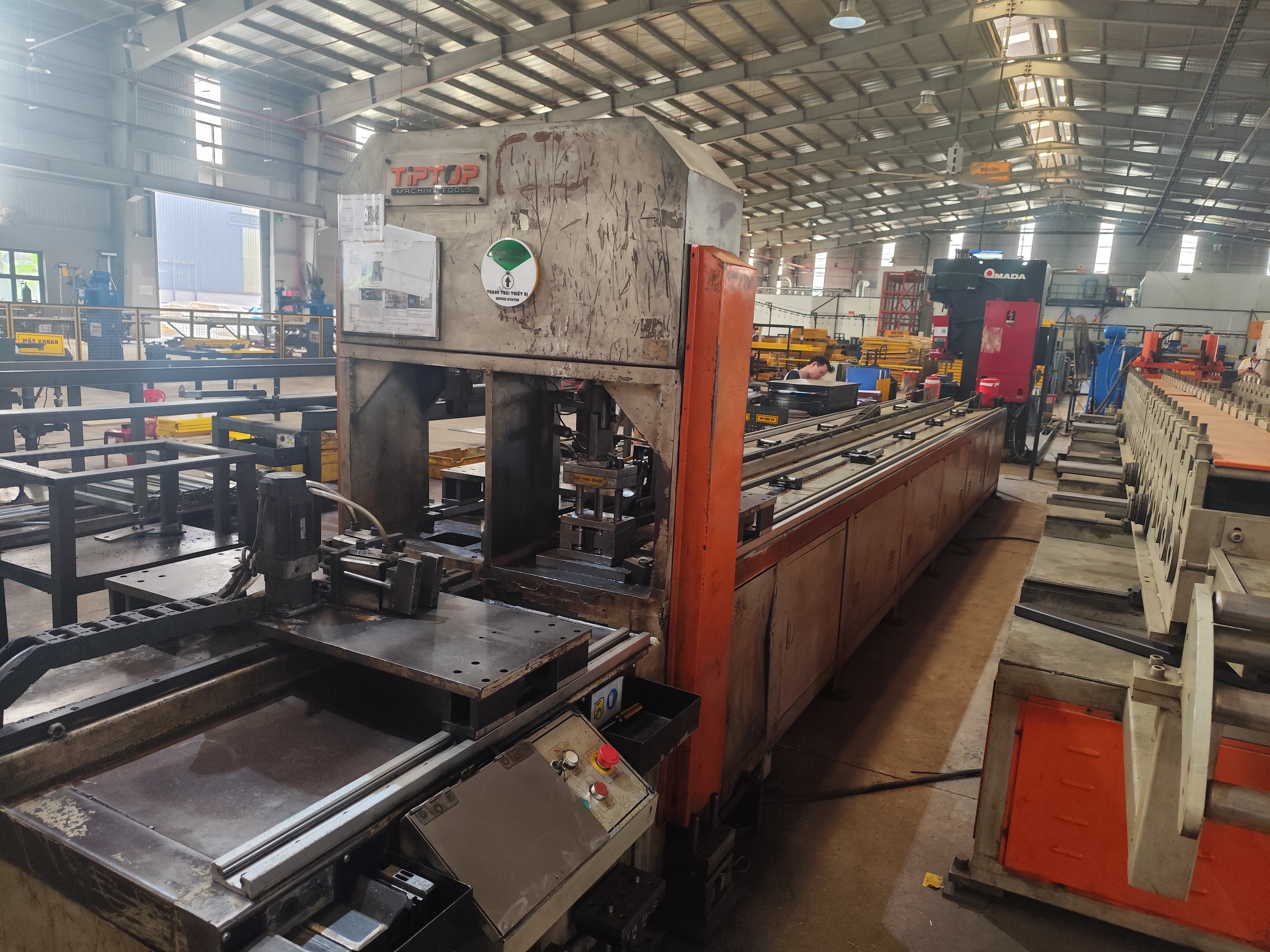

Setting up a consignment warehouse in Europe for Vietnam stamping parts nearly stalled one of our projects. Long sea transit, VAT confusion, and ownership disputes almost killed the deal for our team.
To negotiate a consignment warehouse in Europe for Vietnam stamping parts, structure it as a call-off stock agreement: supplier retains ownership until withdrawal, buyer pays only for parts pulled, delivery is guaranteed within 24–48 hours, and EVFTA tariff savings offset warehousing costs.
That is the short answer. But each of those terms hides a negotiation battle. Let me walk you through what actually matters, clause by clause.
What terms should I negotiate for a consignment warehouse agreement in Europe?
A German buyer once told me he loved our stamped brackets but hated the eight-week transit from Haiphong. That conversation pushed our team into our first consignment agreement in the EU.
Negotiate five core terms: ownership transfer at physical withdrawal only, pay-as-you-pull invoicing, Min-Max inventory levels, a 12-month storage limit aligned with EU call-off stock rules, and clear allocation of carrying costs between supplier, buyer, and warehouse operator.
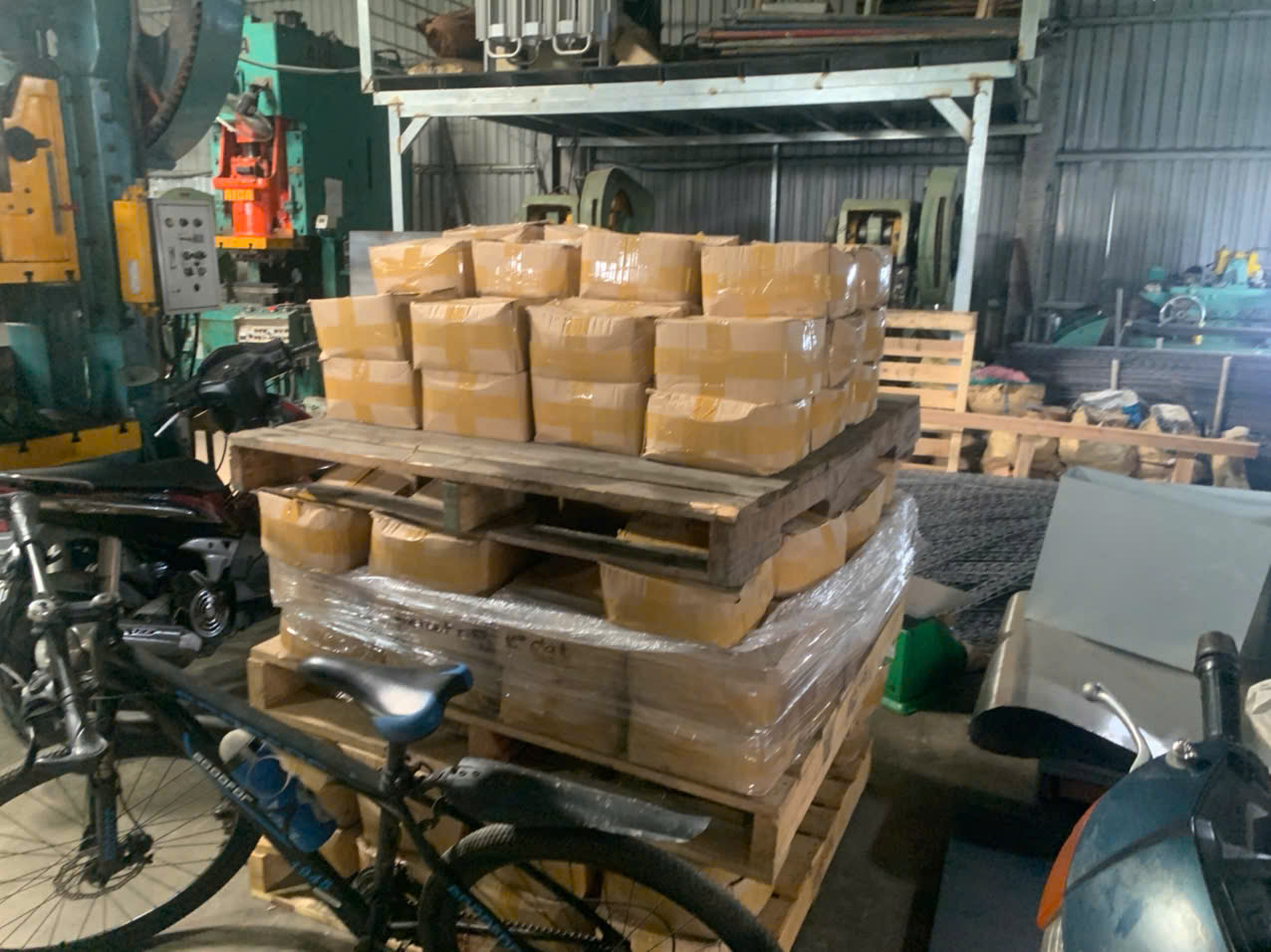
The single most important thing to understand is that the EU no longer treats this as a classic consignment setup. Since July 2020, the correct legal structure is call-off stock. Under this framework, a Vietnamese exporter does not need to register for VAT in the destination country. The tax obligation only triggers when the buyer physically pulls parts from the shelf. That is a huge administrative win, and it is the foundation of your entire consignment agreement.
But the exemption comes with strict conditions. In our experience shipping progressive-die brackets and mounting clips from our Vietnam supplier base into Central Europe, three rules cause the most trouble.
The three non-negotiable legal constraints
| Constraint | What it means | What to negotiate |
|---|---|---|
| 12-month storage limit | Goods stored longer are deemed "collected" and taxed | A buy-back or forced call-off clause before month 11 |
| Production intent | Parts must feed the buyer's production, not resale | Written confirmation of end-use in the contract |
| No permanent establishment | Supplier cannot own the warehouse or staff it | Use a third-party 3PL logistics provider as operator |
Ownership and the title-transfer moment
Define the exact second the title passes. We always write it as: title transfers when the buyer scans the withdrawal, and the invoice issues automatically. Anything vaguer invites disputes over damaged stock, insurance claims, and audit findings on EU VAT compliance.
Min-Max levels and the 12-month clock
Set a minimum level that protects the buyer from stockouts and a maximum level that protects you from dead inventory. For slow-moving stamped C-parts, we push for quarterly Min-Max reviews. If a part number sits for nine months, we trigger a review meeting before the 12-month clock forces a taxable event.
How can I ensure quality control for Vietnam stamping parts before they reach my European warehouse?
Quality is where I refuse to compromise. Our Vietnam office runs final inspection on every stamping lot before it ships, because a defective bracket discovered in Europe costs ten times more to fix than one caught at the source.
Ensure quality by locking PPAP approval before mass production, running 100% or AQL-based final inspection in Vietnam, requiring 2D/3D CAD stampability reviews, and adding a local "Quality Buffer" clause allowing sorting or minor rework at the European warehouse.

Metal stamping manufacturing 2 lives or dies on the tooling. A worn progressive die produces burrs, shifted hole positions, and out-of-tolerance bend angles. So quality control for a consignment model must start long before the container leaves Vietnam. Once parts sit in a European warehouse under your ownership, every defect is your capital, your storage fee, and your reputation at risk.
Here is the sequence we follow with our Vietnam team on stamped brackets, clips, and mounting hardware.
The five-gate quality process
- Drawing review and CAD analysis. Our engineers check strip layout, draw ratios, and bend radii against the customer's 2D/3D files. Missed drawing notes are the top cause of non-conforming parts, so we log every critical dimension before quoting.
- Sample and tooling validation. First articles get full dimensional reports. We measure hole positions, flange angles, and plating thickness on zinc-coated and stainless parts.
- PPAP submission. For automotive and machinery clients, we submit PPAP documentation 3 so the buyer approves the process, not just the part.
- In-process control. Operators check die condition and part dimensions at set intervals. Tool wear on punched holes is monitored against control limits.
- Final inspection before loading. Our local team in Vietnam inspects each lot against the agreed AQL before the goods move to port.
Why a local Quality Buffer clause matters
Even with tight process control, negotiate a clause allowing sorting or light rework at the warehouse. Shipping rejected steel parts back to Vietnam destroys margins. A local sort at a 3PL costs a fraction of a return shipment and keeps the buyer's production line fed with Just-in-Time delivery 4.
What payment and inventory ownership terms work best for consignment stock in Europe?
Cash flow is the trade-off I weigh hardest in these deals. We already offer open account terms to ease client pressure, so adding consignment stock means our capital sits on two continents at once.
Pay-as-you-pull terms work best: the buyer is invoiced monthly for withdrawn quantities only, with 30–60 day payment terms, supplier-retained ownership until scan-out, DDP Incoterms for import clearance, and a buy-back obligation for stock aging past ten months.
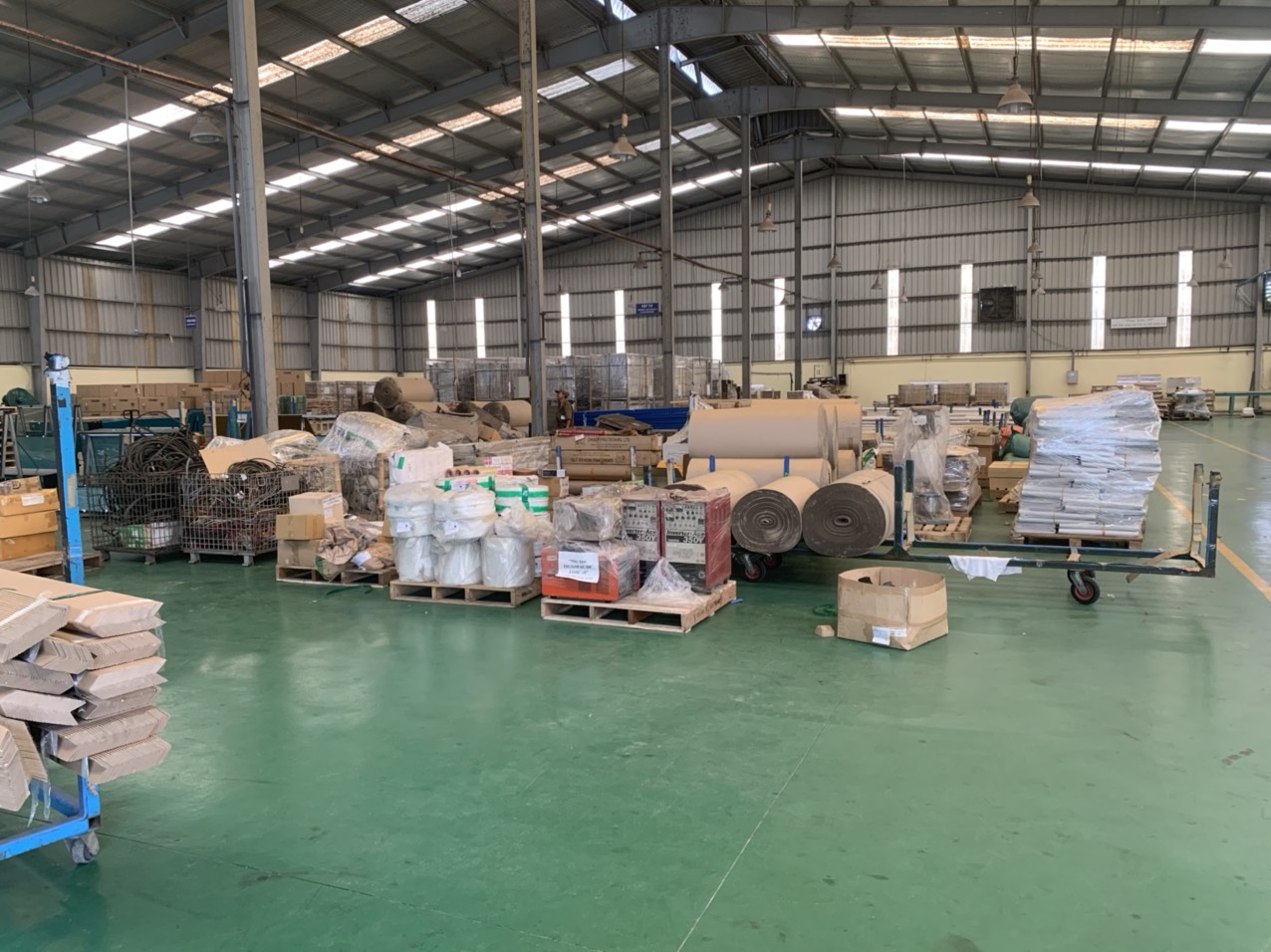
The payment structure is where consignment either builds loyalty or bleeds the supplier dry. Let me break down the model we negotiate and why each element exists.
Comparing the main payment structures
| Model | How it works | Best for | Risk holder |
|---|---|---|---|
| Pay-as-you-pull | Monthly invoice for withdrawn parts | High-volume C-parts | Supplier until pull |
| Minimum monthly commitment | Buyer guarantees a floor quantity | Slow movers near the 12-month limit | Shared |
| Vendor Managed Inventory | Supplier replenishes against forecast, invoices at pull | Mature, data-rich relationships | Supplier |
| Prepaid buffer | Buyer pays a deposit against future pulls | New or credit-risky buyers | Buyer |
Pure pay-as-you-pull is what buyers want. It eliminates their capital commitment entirely. In exchange, you should demand two things. First, bulk pricing tiers: the buyer pulls small quantities, but pays prices based on the full replenishment lot, because you absorbed the inventory carrying costs. Second, an aging clause: any part number sitting beyond ten months converts to a mandatory purchase. This protects you from the 12-month tax trigger and from obsolete stock when the buyer changes a design revision.
Incoterms and duty responsibility
Use Incoterms DDP 5 into the warehouse. Yes, it puts import duties and clearance on the Vietnamese side. But the EVFTA 6 reduces most stamping-part tariffs toward zero with proper origin certification, so the duty burden is small while the administrative simplicity is a strong selling point. We present EVFTA certification as a direct offset against warehousing fees during negotiation.
Carrying costs and insurance
Split them explicitly. In our standard structure, the supplier pays storage and insurance on unsold stock, the buyer pays handling on withdrawals, and the warehouse operator bills each party separately. Also agree on safety stock levels in writing, because "keep enough on hand" is not an enforceable term.
How do I choose the right location and logistics partner for a European consignment warehouse?
A lesson we learned early: the warehouse operator matters more than the warehouse address. One partner with weak stock reporting caused a near-stockout that a good web portal would have flagged two weeks earlier.
Choose a neutral 3PL logistics provider located within a one-day truck radius of the buyer's plant, with real-time EDI or cloud portal inventory visibility, call-off stock tax registration, and proven 24–48 hour delivery performance to manufacturing clients.
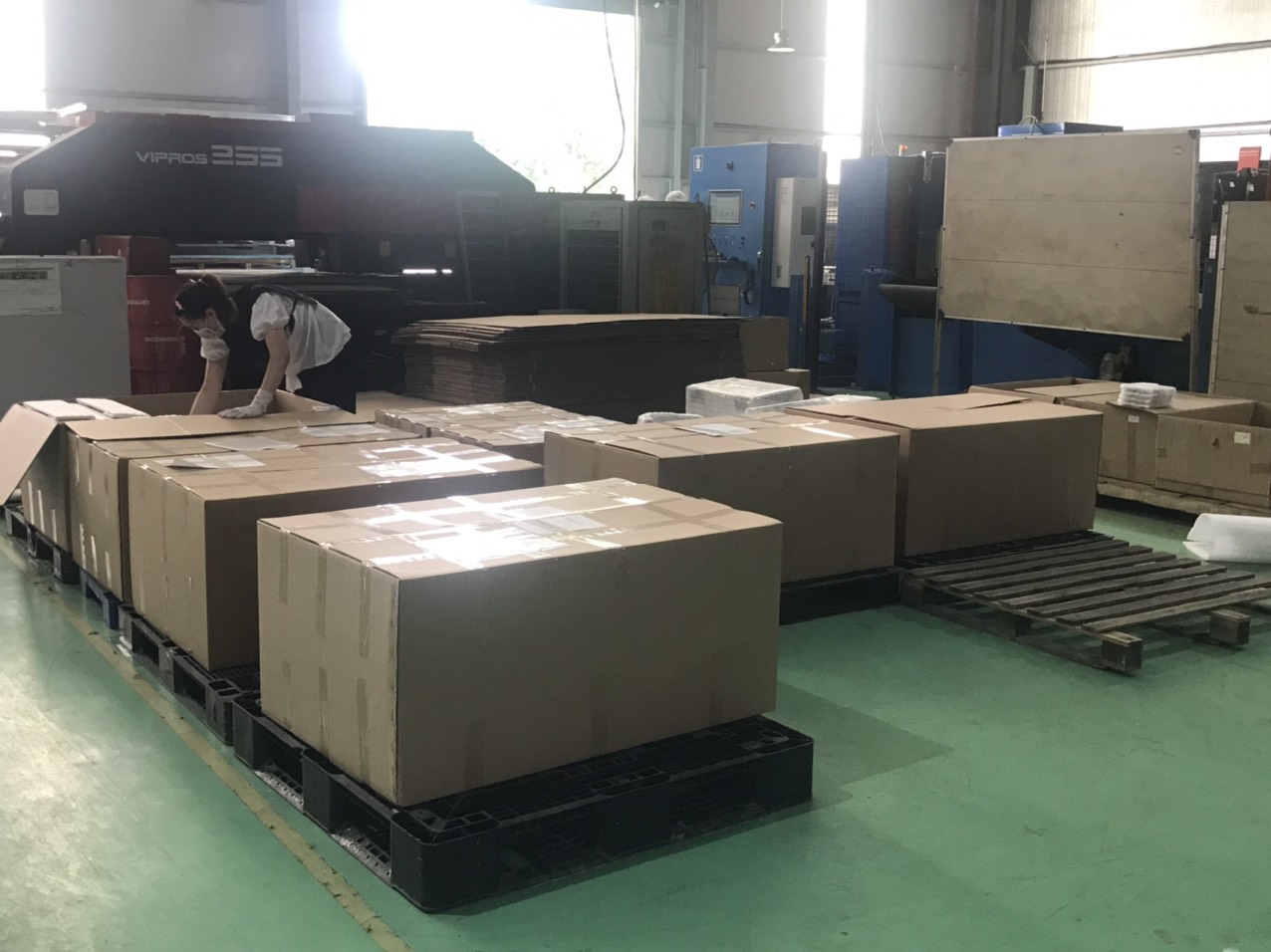
Location comes first. The whole point of localized stock is Just-in-Time delivery, so the warehouse must sit close to the buyer's production cluster. For automotive and machinery stamping parts, the strongest hubs are western Poland, Czechia, and central Germany. These regions combine dense manufacturing demand, competent contract logistics providers, and good motorway links.
Location shortlist criteria
| Factor | What to check | Why it matters |
|---|---|---|
| Distance to buyer | Under 300 km or one truck day | Enables 24-hour call-off delivery |
| Port connectivity | Rail or truck lanes from Rotterdam, Hamburg, Gdansk | Cuts inbound cost from Vietnam |
| Tax registration | Operator registered for call-off stock with local tax office | Protects the VAT exemption |
| Bonded option | Availability of a bonded warehouse nearby | Defers duties on non-EVFTA-qualifying items |
| Labor and services | Kitting, sorting, light rework capacity | Turns storage into a value-added hub |
The IT integration test
Do not sign with any 3PL that cannot give you real-time visibility. The system must show current stock, withdrawal history, and automatic replenishment alerts. EDI integration with the buyer's ERP is ideal; a shared cloud portal is the minimum. When the buyer scans out a box of brackets, three things should happen automatically: the invoice draft generates, the stock count updates, and our Vietnam planning team sees the pull against the replenishment forecast. Without that loop, Min-Max levels are just numbers on paper.
Value-added services as a negotiation sweetener
Push the warehouse to become a mini processing hub. Kitting stamped brackets with fasteners, final labeling, or minor deburring at the hub delivers a stronger value proposition to the buyer. It also helps with emerging requirements like CBAM data reporting 7 on imported steel components, which we handle by passing material and emissions data along with each shipment.
Conclusion
Long lead times from Asia lose European contracts. Localized call-off stock solves that. Negotiate ownership at withdrawal, pay-as-you-pull invoicing, tight QC in Vietnam, and a capable 3PL — and Vietnam stamping parts compete on both price and speed.
Frequently Asked Questions
What terms should I negotiate for a consignment warehouse agreement in Europe?
A German buyer once told me he loved our stamped brackets but hated the eight-week transit from Haiphong . That conversation pushed our team into our first consignment agreement in the EU.
How can I ensure quality control for Vietnam stamping parts before they reach my European warehouse?
Quality is where I refuse to compromise. Our Vietnam office runs final inspection on every stamping lot before it ships, because a defective bracket discovered in Europe costs ten times more to fix than one caught at the source.
What payment and inventory ownership terms work best for consignment stock in Europe?
Cash flow is the trade-off I weigh hardest in these deals. We already offer open account terms to ease client pressure, so adding consignment stock means our capital sits on two continents at once.
Footnotes
1. EU official VAT source explaining call-off stock rules referenced in the negotiation. ↩︎
2. Background on the metal stamping process referenced throughout the quality discussion. ↩︎
3. Background on the Production Part Approval Process standard used in automotive QC. ↩︎
4. Background on Just-in-Time manufacturing concept underpinning consignment logistics. ↩︎
5. ICC official source defining DDP and other Incoterms rules used in the agreement. ↩︎
6. Official EU trade page detailing the EU-Vietnam Free Trade Agreement tariff benefits. ↩︎
7. Official EU page explaining CBAM requirements for imported steel components. ↩︎