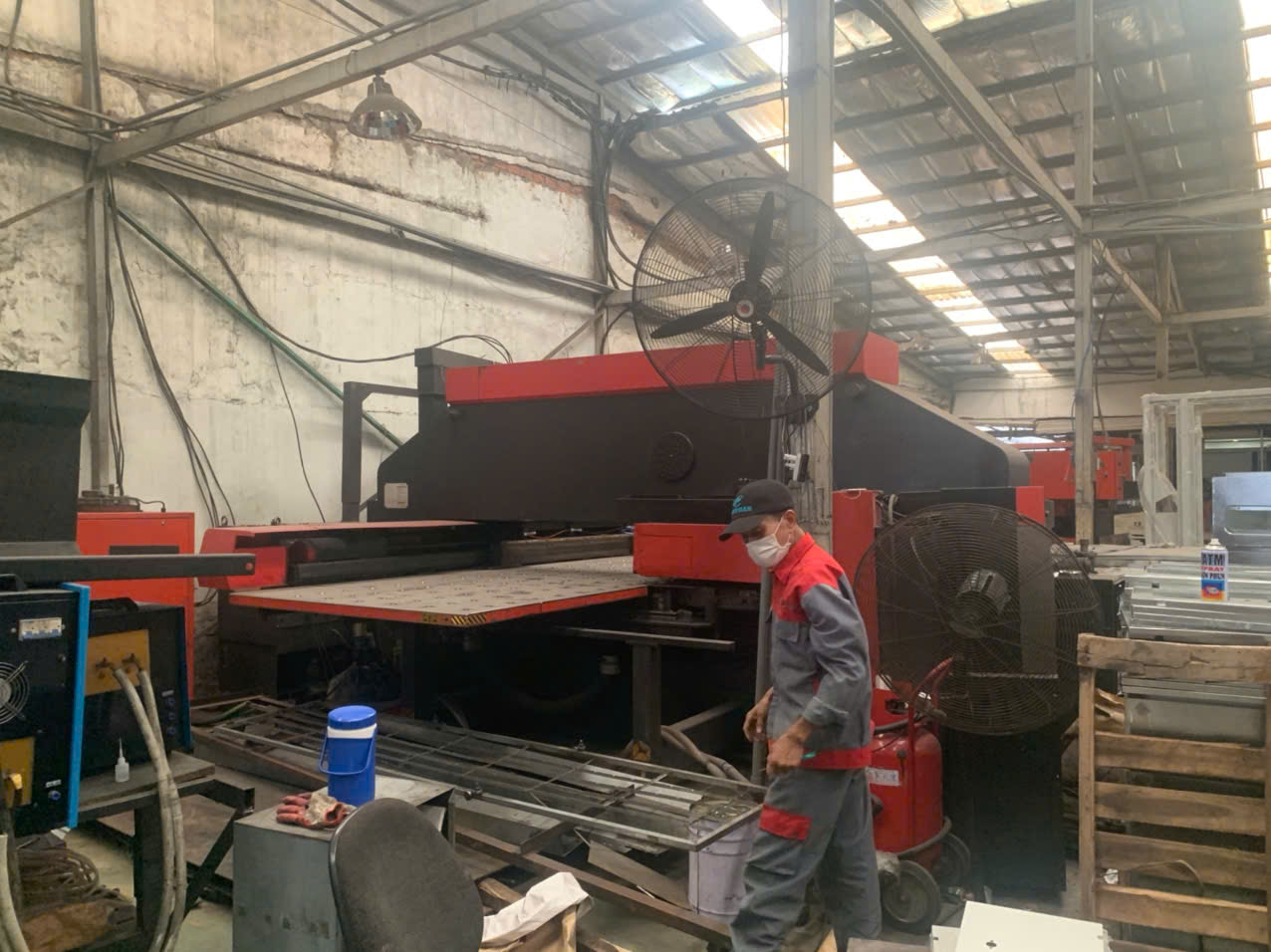

Negotiating a consignment warehouse in Europe for Vietnam stamping parts became urgent for us after one client’s line stopped twice in a quarter Carbon Border Adjustment Mechanism 1. Sea freight delays were killing his schedule. Our Vietnam team had to rethink the whole delivery model.
To negotiate a European consignment warehouse for Vietnam stamping parts, define the title transfer point at withdrawal, use EU call-off stock rules to avoid VAT registration, set min-max stock levels covering 6–8 week sea freight, mandate pre-shipment quality inspections, and agree on billing only for consumed parts.
That is the short answer. But each of those points hides a negotiation battle. Let me walk you through the terms, the quality controls, the delivery math, and the payment structure that make this model work.
What Terms Should I Include When Negotiating a Consignment Warehouse Agreement in Europe?
The first consignment contract our Singapore office drafted for a stamped bracket program ran to fourteen pages. Half of it existed because of one earlier dispute over who owned damaged stock.
A consignment warehouse agreement should specify the title transfer point, EU call-off stock VAT treatment, minimum and maximum stock levels, the 12-month storage limit, insurance responsibility, replenishment triggers, withdrawal reporting frequency, dead stock buy-back terms, and a clear exit clause for both parties.
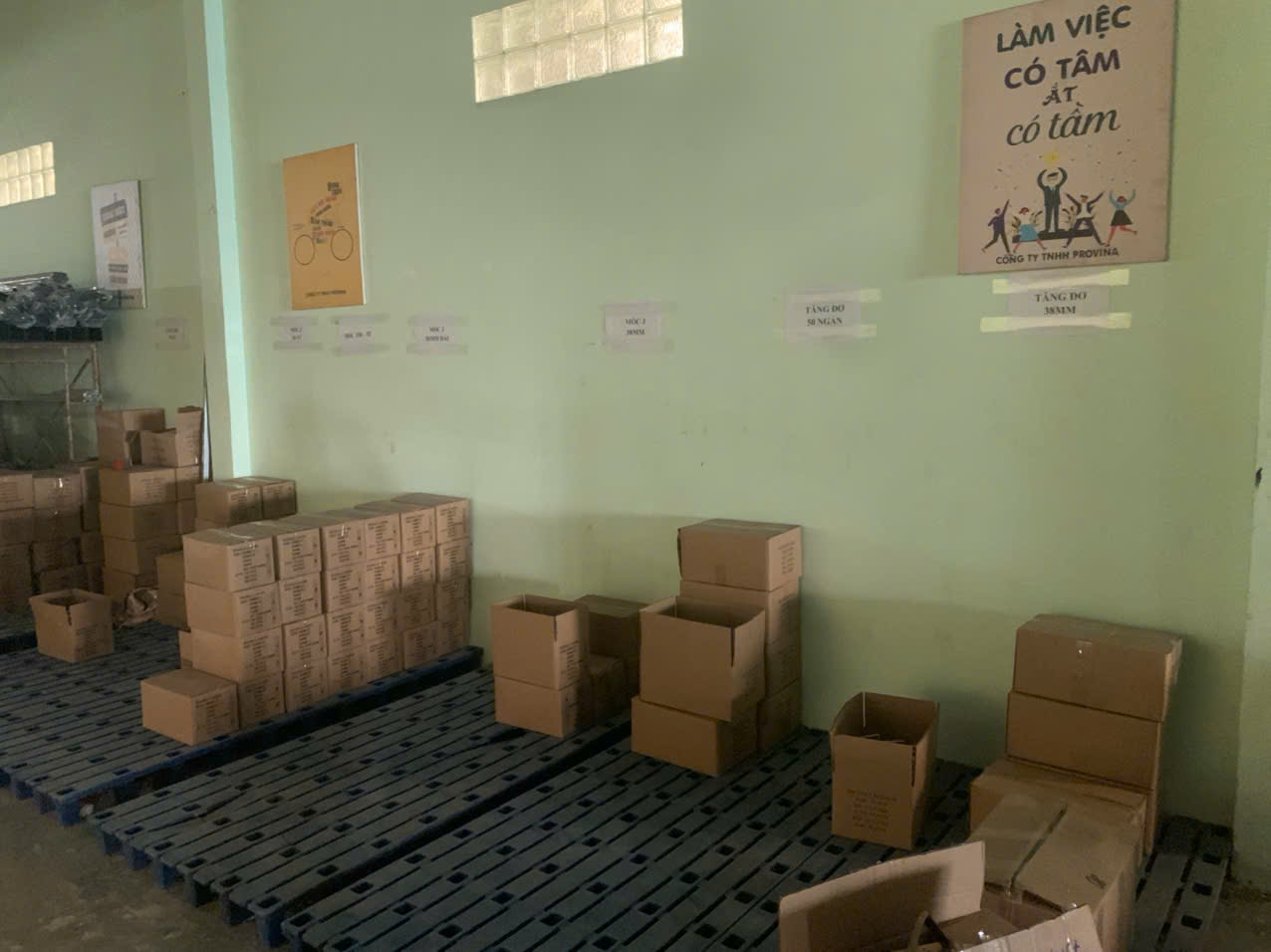
The core of the deal is ownership. Under a consignment model 2, the Vietnamese supplier retains title to the stamped brackets, base plates, and welded channel assemblies while they sit in the European warehouse. The buyer only takes ownership when parts are pulled for production. That single mechanism drives every other clause, so define the title transfer point 3 in writing and never leave it implied.
Next comes tax. The EU call-off stock simplification 4 lets a foreign supplier store goods in a member state for up to 12 months without registering for local VAT, provided the intended customer is known in advance. If stock sits longer, the goods are deemed supplied, and tax obligations trigger automatically. In our experience running programs through our Vietnam office, this deadline becomes a useful negotiation lever. We use it to push buyers toward a committed minimum pull rate, because nobody wants a surprise VAT bill on slow-moving stamped parts.
The Clauses That Prevent Disputes
Here is the checklist we now insist on before signing:
| Clause | What It Must Define | Who It Protects |
|---|---|---|
| Title transfer point | Ownership passes at physical withdrawal | Both parties |
| Call-off stock terms | Named customer, 12-month limit, records | Supplier |
| Min-max stock levels | Floor and ceiling quantities per part number | Buyer |
| Dead stock buy-back | Buyer purchases parts unmoved after an agreed period | Supplier |
| Insurance and risk | Who insures goods in storage and transit | Both parties |
| Exit clause | Notice period and stock disposal on termination | Both parties |
Also negotiate the warehouse operator's role. A third-party logistics provider 5 usually runs the facility, and the contract must state who pays their handling fees, who audits their records, and how discrepancies get resolved. We learned to require monthly reconciliation reports. When stock counts drift, you want to catch it in week four, not month nine.
Finally, add a compliance layer. If your stamped parts fall under steel categories covered by the Carbon Border Adjustment Mechanism 6, include a clause obliging the supplier to provide verified emissions data with each shipment. It costs nothing to add now and saves real money later.
How Can I Ensure Quality Control for Vietnam Stamping Parts Stored in a Local European Warehouse?
A few years back, a batch of powder-coated mounting brackets reached a European warehouse with hole positions out of tolerance. Nobody caught it until withdrawal. That mistake reshaped our entire inspection sequence.
Ensure quality by inspecting before shipment, not after arrival. Require production-intent samples, PPAP documentation, third-party pre-shipment inspection against the drawing, and sealed batch traceability. Once parts enter the European warehouse, defects become expensive dead stock occupying paid space.

The hard truth about consignment is that the warehouse is the worst place to discover a defect. The parts have already crossed an ocean. Return freight erases any cost advantage from EVFTA tariff preferences 7. So the entire QC strategy must shift upstream, into Vietnam, before containers close.
Our team applies a three-gate process on stamping programs. First, we validate the supplier with production-intent samples measured against every drawing callout, including the ones suppliers love to skip, like weld seam quality and coating thickness on those matte black brackets. Second, we run PPAP before any volume production. That locks the process, the tooling, and the measurement method. Third, we perform final inspection at the factory floor before loading, with a documented report tied to the batch number.
The Three-Gate Sequence
- Sample validation. Approve production-intent samples with full dimensional reports. Check hole alignment, notch profiles, and weld penetration on assemblies.
- Process approval. Complete PPAP and agree on process control plans. For stamped and welded parts, this covers die condition, coating parameters, and fixture checks.
- Pre-shipment final inspection. Inspect against AQL sampling plans, seal batches, and attach the report to the shipping documents.
Traceability matters just as much. Every carton entering the consignment warehouse should carry a batch label linking back to the inspection report. If a defect surfaces at withdrawal, you isolate one batch instead of quarantining the whole warehouse. Some of our European clients are now asking about Digital Product Passport readiness, so we add structured material data to batch documentation where the program justifies it.
One more point. Negotiate who pays when defects do slip through. A fair split: the supplier bears replacement cost and freight, while the buyer bears no storage penalty for the quarantine period. Put that in the consignment agreement terms up front. Arguing about it after a line stop helps nobody.
Will a European Consignment Warehouse Help Me Reduce Delivery Delays from My Vietnam Supplier?
One purchasing manager we support used to email me every Monday asking where his container was. After we set up local stock near his plant, those emails simply stopped.
Yes. A European consignment warehouse cuts effective delivery time from 6–8 weeks of sea freight to 24–48 hours of local dispatch. The ocean transit still happens, but it happens invisibly, behind a local buffer that absorbs demand spikes and shipping disruptions.

The math is straightforward. Direct shipping from Vietnam means your production schedule sits at the mercy of vessel schedules, port congestion, and customs clearance fees at destination. Any hiccup lands directly on your assembly line. A consignment warehouse breaks that chain. Replenishment shipments still take 6–8 weeks, but your parts are already sitting an hour from your plant.
Here is how the two models compare for a typical stamped bracket program:
| Factor | Direct Shipping from Vietnam | European Consignment Warehouse |
|---|---|---|
| Order-to-door lead time | 6–8 weeks minimum | 24–48 hours |
| Exposure to port delays | Full exposure | Absorbed by buffer stock |
| Emergency top-up option | Air freight at high cost | Pull from local stock |
| Just-in-Time delivery feasibility | Very difficult | Fully supported |
| Customs risk timing | On your critical path | Handled during replenishment |
The key phrase is lead time reduction on the buyer's side of the equation. From your production planner's view, Vietnam might as well be a local supplier. That enables genuine Just-in-Time delivery and lets you shrink your own on-site inventory.
Sizing the Buffer Correctly
The warehouse only prevents delays if the safety stock requirements are sized honestly. We calculate buffers using three inputs: average weekly consumption, replenishment transit time including customs, and demand variability. For sea freight from Ho Chi Minh City or Haiphong, we typically recommend a buffer covering the full transit window plus two to three weeks of variability margin. Undersize it and one delayed vessel empties the warehouse. Oversize it and you crowd against the 12-month call-off limit.
There is one honest caveat. The warehouse does not fix a supplier who chronically ships late. It hides the problem for one cycle, then the buffer runs dry. That is why our Vietnam office tracks factory output weekly against the replenishment plan. The consignment model needs discipline at origin, not just storage at destination.
What Payment and Inventory Terms Should I Negotiate for a Consignment Warehouse Arrangement?
Cash flow is where these negotiations usually stall. I have sat across the table from suppliers who loved the volume but hated financing stock parked six thousand miles from home.
Negotiate billing only for withdrawn parts, with payment terms of 30–90 days from withdrawal date. Set min-max inventory bands per part number, monthly consumption reporting, a buy-back clause for stock unmoved past an agreed period, and multi-currency pricing to hedge exchange risk.
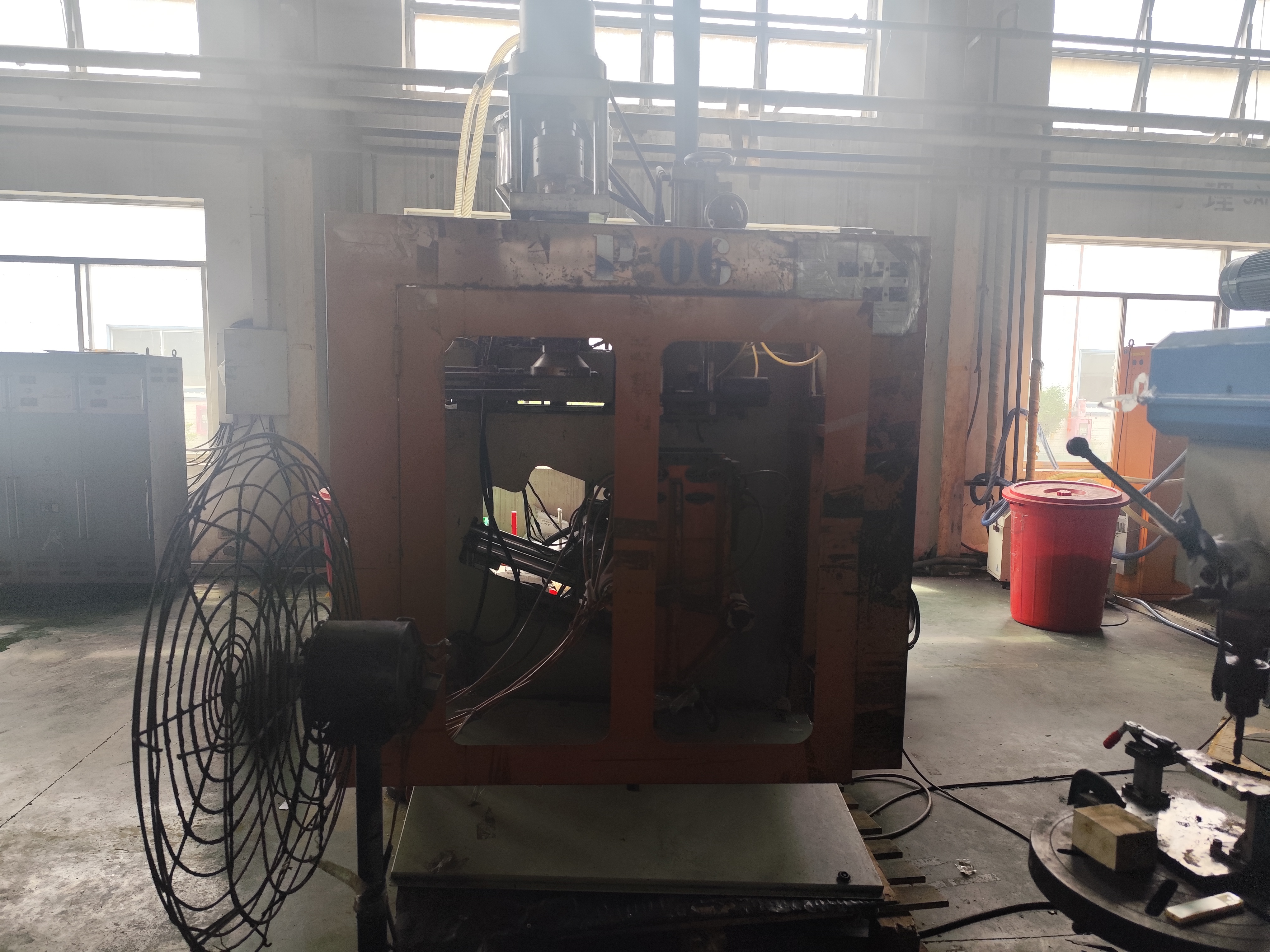
Understand the supplier's position first. Under consignment, they carry the inventory carrying costs 8 for goods they have already produced and shipped. That is real working capital tied up in a foreign warehouse. If you push too hard, they either walk away or bury the financing cost in the unit price. The smarter path is a balanced structure. In our own programs, we offer open account terms to ease client cash flow, and we expect the same fairness flowing back toward the factory.
A Balanced Payment Structure
Here is the framework we use as a starting position:
| Term | Buyer-Friendly Position | Fair Middle Ground |
|---|---|---|
| Billing trigger | Invoice at withdrawal only | Invoice at withdrawal, monthly consolidated |
| Payment terms | 90 days from withdrawal | 45–60 days from withdrawal |
| Aged stock | Supplier's problem | Buyer buys back stock unmoved after 9–10 months |
| Volume commitment | None | Annual forecast with quarterly true-up |
| Currency | Fixed EUR pricing | Currency corridor with renegotiation band |
The buy-back clause deserves emphasis. Because the 12-month call-off window creates a hard tax deadline, aged stock becomes a shared liability. A buyer commitment to purchase anything unmoved after nine or ten months gives the supplier confidence and keeps the warehouse turning. Without it, expect the supplier to demand a price premium.
On the inventory side, the arrangement works best as a light Vendor Managed Inventory model. The supplier monitors stock levels through the warehouse's tracking system and triggers replenishment when quantities hit the agreed minimum. The buyer provides rolling forecasts so replenishment shipments match real demand. Agree on the reporting cadence in writing: withdrawal reports weekly, full reconciliation monthly, physical count quarterly.
Finally, handle currency honestly. A long storage cycle exposes both parties to swings between the Euro, the US Dollar, and the Vietnamese Dong. A pricing corridor, where prices hold steady within an agreed exchange band and renegotiate outside it, has kept several of our long-running programs stable without constant repricing arguments.
Conclusion
Long Vietnam-to-Europe transit times will keep threatening your production schedule. A well-negotiated consignment warehouse solves it: clear title transfer, upstream QC, honest buffer sizing, and fair payment terms.
Frequently Asked Questions
What Terms Should I Include When Negotiating a Consignment Warehouse Agreement in Europe?
The first consignment contract our Singapore office drafted for a stamped bracket program ran to fourteen pages. Half of it existed because of one earlier dispute over who owned damaged stock.
How Can I Ensure Quality Control for Vietnam Stamping Parts Stored in a Local European Warehouse?
A few years back, a batch of powder-coated mounting brackets reached a European warehouse with hole positions out of tolerance. Nobody caught it until withdrawal. That mistake reshaped our entire inspection sequence.
Will a European Consignment Warehouse Help Me Reduce Delivery Delays from My Vietnam Supplier?
One purchasing manager we support used to email me every Monday asking where his container was. After we set up local stock near his plant, those emails simply stopped.
Footnotes
1. European Commission page details CBAM compliance obligations for steel imports. ↩︎
2. Explains the business arrangement where goods are left with a third party for sale. ↩︎
3. Explains the legal concept of ownership transfer in commercial contracts. ↩︎
4. Official EU guidance on VAT rules for call-off stock arrangements. ↩︎
5. Explains the role of external providers in managing warehouse and supply chain operations. ↩︎
6. Official European Commission page detailing the CBAM regulation for steel imports. ↩︎
7. EU trade portal outlines EVFTA tariff terms mentioned as a cost advantage. ↩︎
8. Financial definition of costs associated with holding unsold inventory. ↩︎