
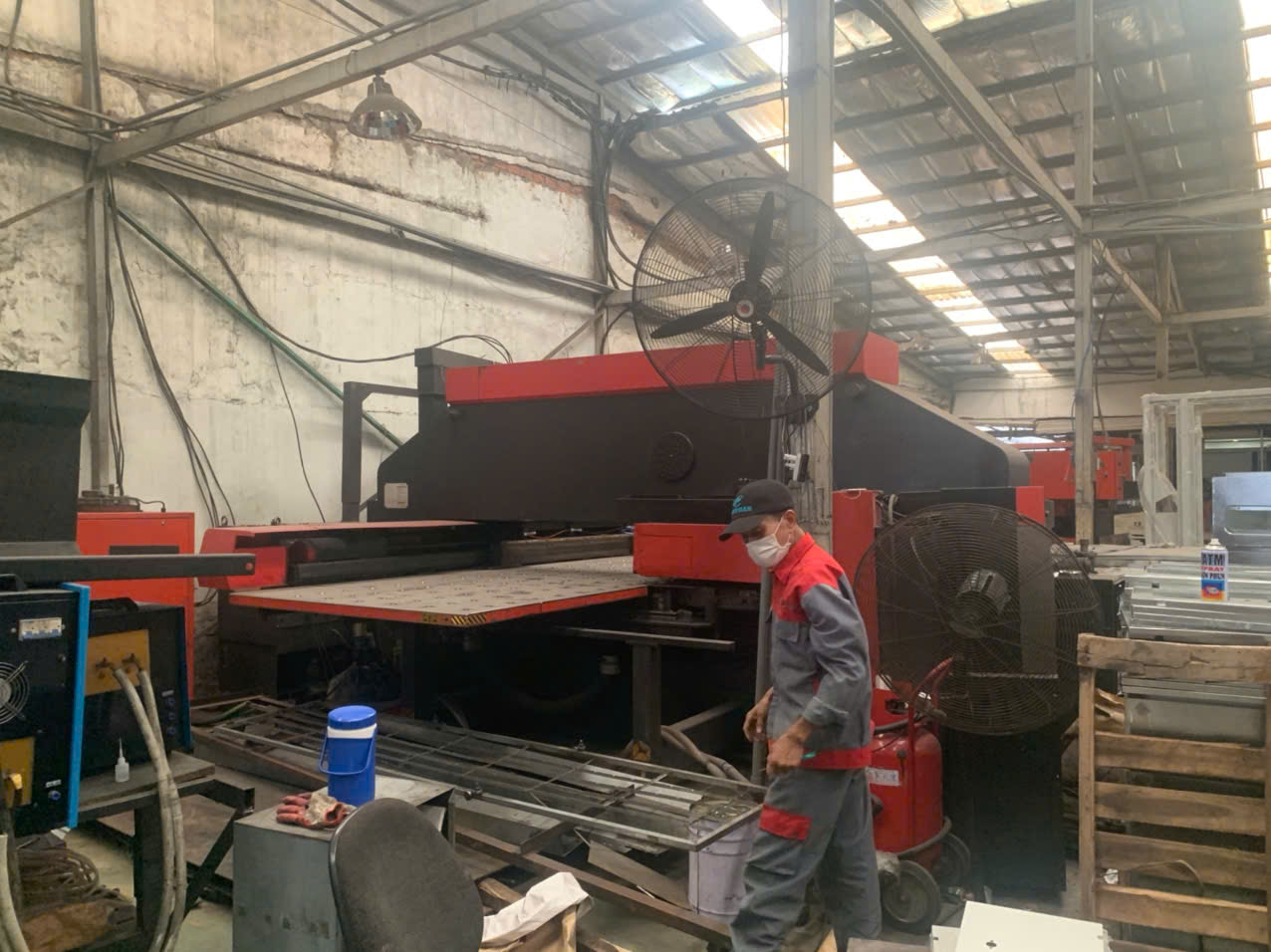
Every week, our team fields calls from U.S. purchasing managers stuck between a supplier’s rigid MOQ and their own lean inventory goals — it’s one of the most common friction points in OEM stamping parts sourcing.
To negotiate MOQ with suppliers for OEM stamping parts, shift the conversation from batch size to total program cost. Offer trade-offs like higher unit prices, long-term volume commitments, tooling investment, or simplified specifications to offset the supplier’s fixed production setup costs and raw material minimums.
The tactics that actually work depend on understanding why that number exists in the first place Economic Order Quantity 1. Let’s break it down section by section so you walk into your next supplier discussion fully prepared.
What Factors Determine the MOQ My Supplier Sets for OEM Stamping Parts?
A lesson we learned early on when coordinating between our Vietnam factory team and a Texas-based buyer: the MOQ number on a quote is never arbitrary — it's a direct reflection of the supplier's cost structure and risk exposure.
Suppliers set MOQ for OEM stamping parts based on four main cost drivers: tooling setup and die change time, raw material coil minimums, production setup costs per run, and quality inspection overhead. Each factor adds a fixed expense that must be spread across enough units to keep the unit price viable.

Tooling and Die Setup
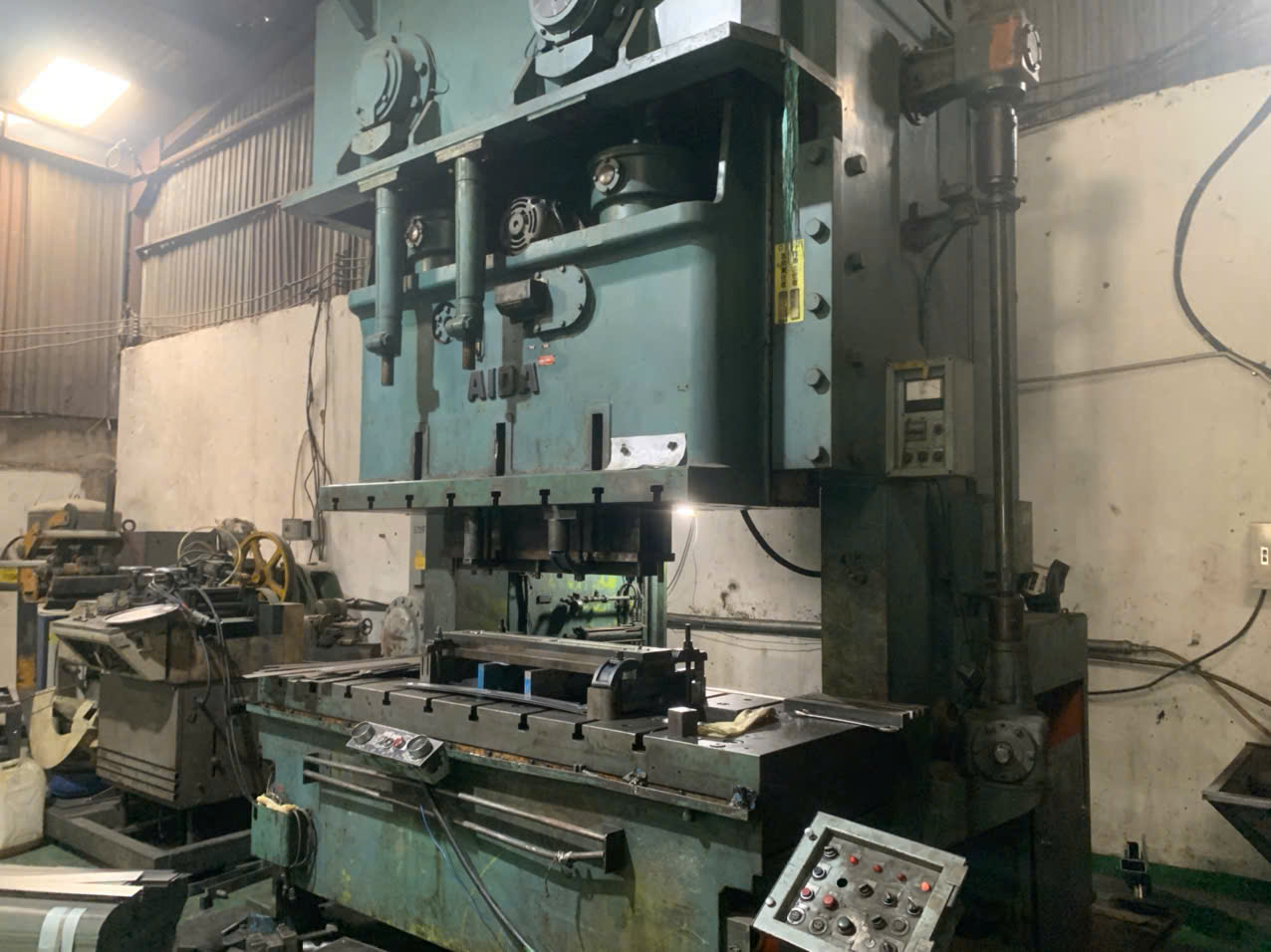
In progressive die stamping 2, changeover is not trivial. The press must be stopped. The old die comes out. The new die goes in. Alignment checks follow. This process can take two to six hours depending on complexity. Every minute the press sits idle costs money. Suppliers need enough units in the run to justify that downtime.
When we manage contract manufacturing projects, we see firsthand how a complex bracket with multiple bending stages requires longer setup than a simple flat washer. The more complex the part geometry, the higher the MOQ tends to be.
Raw Material Coil Minimums
Steel and aluminum coils come in standard weights — typically 2,000 to 10,000 pounds per coil. If your part only needs 500 pounds of material, the supplier either buys a full coil and stores the rest, or pays a premium for a partial coil from a service center. Both options increase cost. That cost gets passed to you through the MOQ.
Production and Inspection Overhead
Every production run requires a first-article inspection 3, process documentation, and quality checks. For parts going to U.S. buyers who expect PPAP-level documentation 4, the overhead per run is significant. Spreading that cost over 100 parts versus 5,000 parts changes the math dramatically.
| MOQ Cost Driver | Typical Impact on MOQ | Negotiable? |
|---|---|---|
| Die change / setup time | High — adds 2–6 hours of press downtime | Moderate — simplify part design to reduce |
| Raw material coil minimum | High — steel coils often 2,000+ lbs | Yes — pay premium for partial coil |
| First-article inspection / PPAP | Medium — fixed cost per run | Low — required regardless of quantity |
| Custom surface finish (powder coat, plating) | Medium — batch process minimums apply | Yes — use standard finishes |
| Packaging and labeling | Low to Medium — carton multiples | Yes — accept standard packaging |
The Question to Ask
Before any negotiation, ask your supplier to break down their cost structure explicitly. A simple question — "Where do your fixed costs kick in?" — reveals which parts of the MOQ are hard limits and which have room to move. In our experience sourcing stamping parts across Vietnam, Taiwan, and India, we find that roughly 40% of a stated MOQ is genuinely flexible once you understand the breakdown.
How Can I Negotiate a Lower MOQ Without Compromising Quality or Pricing?
One of our U.S. clients once needed 800 custom mounting brackets — but the supplier quoted a 3,000-piece MOQ. We helped bridge that gap without sacrificing the part specification or blowing the budget. Here is what worked.
Negotiate a lower MOQ by offering trade-offs the supplier values: accept a 10–20% higher unit price for smaller batches, commit to a blanket purchase order with scheduled releases, pay tooling costs upfront, simplify specifications, or combine multiple part numbers into a single material-based MOQ.
Tactic 1: The Higher Price for Lower Quantity Trade-Off
This is the most direct path. You tell the supplier: "I'll pay 15% more per unit if you run 50% of your standard MOQ." The math often works because the supplier's margin per unit goes up enough to cover the setup cost spread over fewer pieces. In our sourcing projects, we see tiered pricing structures that make this transparent. Understanding how unit price differs between mass production and small-batch orders is essential to making this trade-off work.
| Order Quantity (% of Standard MOQ) | Typical Unit Price Premium | Supplier Acceptance Rate |
|---|---|---|
| 100% of MOQ | 0% (base price) | Standard |
| 70% of MOQ | 5–10% premium | High |
| 50% of MOQ | 10–20% premium | Moderate |
| 30% of MOQ | 20–35% premium | Low — trial orders only |
This approach works best when you frame it as unit price optimization for both sides, not as a discount request.
Tactic 2: Blanket Purchase Orders with Scheduled Releases
Instead of ordering 500 pieces now and hoping for the best, commit to 3,000 pieces over 12 months. The supplier buys the full material coil and stores it. You pull 500 pieces per quarter. The supplier gets the volume commitment. You get manageable inventory carrying costs 5.
This is one of the most effective strategies we use when helping mid-size U.S. distributors source sheet metal fabrication 6 components from Asia. It gives the supplier confidence in future revenue while protecting your cash flow.
Tactic 3: Buy the Tooling Outright
If the MOQ is inflated because the supplier is amortizing the tooling investment across your order, offer to pay for the die separately. Once you own the tool, the supplier's per-run cost drops. Their MOQ drops with it. You also gain leverage — you can move that tool to another factory if needed.
We always recommend our clients clarify tooling ownership in the contract. It's a small legal detail that has big implications for long-term MOQ flexibility.
Tactic 4: Simplify or Standardize
Every custom requirement adds cost. If you can accept a standard finish instead of a custom powder coat color, or standardize your material thickness across multiple part numbers, the supplier's operational burden drops. Lower burden means lower MOQ.
Tactic 5: Combine Part Numbers into a Combined MOQ
If you order five different brackets that all use the same gauge of cold-rolled steel 7, ask the supplier to calculate a combined MOQ across all five SKUs. This way, the material coil minimum is met even if each individual part number falls below the per-SKU threshold.
Tactic 6: Target the Right Factory Size
Large stamping plants with 50+ presses are built for long runs. They won't bend for a 500-piece order. But a mid-sized shop with 8–15 presses often welcomes smaller projects because they fill gaps in the production schedule. When we audit suppliers in Vietnam and across Asia, factory size matching is one of the first filters we apply. If you're new to this process, learning how to find the right stamping parts suppliers for OEM sourcing can save you significant time and frustration.
Tactic 7: Piggyback on Existing Runs
Ask if the supplier can run your parts on the tail end of a larger client's production run that uses the same material grade and gauge. This avoids a dedicated setup entirely. Not every supplier will agree, but it costs nothing to ask.
What Should I Prepare Before Discussing MOQ Terms with a New Stamping Supplier?
Before our team in China even sends the first RFQ email for a new stamping project, we run through an internal checklist. Walking into an MOQ discussion unprepared is the fastest way to lose leverage — and credibility.
Before discussing MOQ with a new stamping supplier, prepare your 60–90 day demand forecast per SKU, calculate your Economic Order Quantity based on sales velocity and inventory carrying costs, research typical MOQs for your part category, and define the maximum stock risk your business can absorb.

Step 1: Calculate Your Internal Workable Minimum
Your "workable minimum" is the smallest order that makes financial sense for your business. It accounts for:
- Sales velocity: How fast do you sell or consume this part?
- Lead time from supplier: How long between placing the order and receiving goods?
- Holding cost: What does it cost to store and insure this inventory?
- Obsolescence risk: Could this part become outdated before you use it all?
If you don't know these numbers, the supplier controls the conversation. When you do know them, you can say: "Our data shows we need 1,200 pieces per quarter. Your MOQ of 5,000 ties up four quarters of inventory. Let's find a number that works for both of us."
Step 2: Build a Demand Forecast
Suppliers respect buyers who bring data. A 60–90 day rolling demand forecast per SKU signals that you're a serious, long-term partner — not a one-time buyer. Include seasonality patterns if applicable. If you can provide an annual business plan with projected volumes, even better. You should also consider negotiating safety stock for demand fluctuations alongside your MOQ discussions to create a more resilient supply plan.
In our experience coordinating between U.S. engineering firms and Asian stamping suppliers, a detailed forecast is the single most persuasive document you can put on the table. It turns a transactional negotiation into a partnership discussion.
Step 3: Research Industry Norms
Know what's typical before you negotiate. For standard stamped brackets and mounting hardware, here's a rough guide:
| Part Complexity | Typical MOQ Range | Realistic Negotiation Target |
|---|---|---|
| Simple flat bracket, 1–2 bends | 1,000–3,000 pcs | 500–1,500 pcs |
| Medium complexity, progressive die | 3,000–10,000 pcs | 1,500–5,000 pcs |
| High complexity, multi-stage with welding | 5,000–20,000 pcs | 2,500–10,000 pcs |
| Standard catalog parts (no custom tooling) | 500–1,000 pcs | 200–500 pcs |
These numbers vary by region. Suppliers in Vietnam and India often have lower MOQs than large Chinese factories, partly due to lower overhead and smaller facility sizes.
Step 4: Prepare Your Negotiation Script
Have specific phrases ready. Instead of "Can you lower the MOQ?" try:
- "Can you walk me through the cost breakdown behind the 5,000-piece minimum?"
- "If I commit to 15,000 pieces annually via a blanket purchase order 8, can we start with a 2,000-piece first release?"
- "I'll pay a 15% premium for 50% of the MOQ if we commit to a second order within 90 days."
Step 5: Provide Technical Data Upfront
If you can share FEA simulation data 9 or validated CAD models, you reduce the supplier's physical try-out time and material waste during press calibration. This goodwill gesture can translate into MOQ flexibility because you've lowered their risk on the engineering side. We often help our clients prepare complete technical packages — including material specs, tolerance callouts, and surface finish requirements — before the first supplier conversation.
Can I Use Flexible Payment Terms to Help Lower the MOQ Requirement?
A trade-off we weigh on nearly every project: should the buyer offer better payment terms to get a better MOQ? The answer depends on who absorbs the financial risk — and how.
Yes, flexible payment terms can lower MOQ requirements. Paying 100% upfront for a trial order, funding raw material purchases in advance, or offering deposits on tooling investment removes the supplier's financial exposure, making them more willing to accept smaller production runs.
How Payment Terms Affect MOQ Psychology
Suppliers worry about two things with small orders: losing money on the production run and getting stuck with unused material. When you remove the financial risk through favorable payment terms, you address both concerns directly.
Here's how different payment structures map to MOQ flexibility:
| Payment Structure | Supplier Risk Level | MOQ Reduction Potential |
|---|---|---|
| Net 60–90 days (standard credit) | High — supplier finances everything | Low — MOQ stays firm |
| 50% deposit, 50% before shipment | Medium — shared risk | Moderate — 10–20% reduction |
| 100% upfront for trial order | Low — buyer absorbs all risk | High — 30–50% reduction |
| Buyer pays for raw material coil upfront | Low — material risk eliminated | High — often removes material-driven MOQ entirely |
| Buyer purchases tooling separately | Low — tooling cost isolated | High — production MOQ drops significantly |
The Trial Order Playbook
The most effective approach for first-time orders combines payment and commitment. Here's the structure we recommend to our clients:
- Propose a paid pilot batch at 50–70% of the standard MOQ.
- Pay 100% upfront for this first run.
- Include a written commitment to a full-MOQ second order within 60–90 days, contingent on quality approval.
- Accept a 10–15% price premium on the pilot batch.
This structure works because it addresses every supplier concern: they get paid upfront, they see a clear path to a larger order, and the premium covers their setup cost spread.
When Credit Terms Actually Help
Interestingly, offering open account terms (Net 60 or Net 90) can sometimes help with MOQ — but only for repeat orders with established suppliers. At DEWIN, we offer open account payment terms to qualified U.S. clients specifically to ease their cash flow. If your supplier knows you're reliable and the payment will come, they may flex on batch size because they trust the relationship.
The key difference: upfront payment works for new relationships. Credit terms work for mature ones. Mixing them up rarely succeeds.
Material Prepurchase Strategy
If the MOQ is driven by a raw material coil minimum — say the supplier needs to buy a 5,000-pound coil but your order only uses 1,200 pounds — offer to buy the full coil. The supplier stores it and draws from it across multiple production releases. You've eliminated their material risk. Your effective MOQ per release drops to whatever the press setup cost justifies, which is usually much lower.
This approach also works for custom surface treatments. If a powder coating 10 batch requires a minimum volume of parts, prepaying for the coating material lets the supplier run your parts whenever they have press availability, even in small quantities. They can treat your job as filler work during unscheduled press dead time, which reduces your lead time variability as a bonus.
Conclusion
Negotiating MOQ for OEM stamping parts is about partnership, not pressure. Understand the supplier's cost drivers, prepare your data, offer meaningful trade-offs, and match your order structure to the right factory — that's how lasting, flexible supply relationships are built.
Frequently Asked Questions
What Factors Determine the MOQ My Supplier Sets for OEM Stamping Parts?
A lesson we learned early on when coordinating between our Vietnam factory team and a Texas-based buyer: the MOQ number on a quote is never arbitrary — it's a direct reflection of the supplier's cost structure and risk exposure.
How Can I Negotiate a Lower MOQ Without Compromising Quality or Pricing?
One of our U.S. clients once needed 800 custom mounting brackets — but the supplier quoted a 3,000-piece MOQ. We helped bridge that gap without sacrificing the part specification or blowing the budget. Here is what worked.
What Should I Prepare Before Discussing MOQ Terms with a New Stamping Supplier?
Before our team in China even sends the first RFQ email for a new stamping project, we run through an internal checklist. Walking into an MOQ discussion unprepared is the fastest way to lose leverage — and credibility.
Footnotes
1. Background concept referenced directly as a calculation buyers should perform before negotiating. ↩︎
2. Explains the manufacturing process referenced when discussing die changeover and setup time. ↩︎
3. Defines the quality control step mentioned as part of production overhead costs. ↩︎
4. Links to ISO standards body relevant to PPAP quality documentation expectations in manufacturing. ↩︎
5. Explains the financial concept buyers must calculate before MOQ negotiations, aiding purchasing decisions. ↩︎
6. ISO governs standards relevant to sheet metal fabrication processes mentioned in sourcing context. ↩︎
7. Defines the material type mentioned when discussing combined MOQ across part numbers. ↩︎
8. Corrected Wikipedia URL for blanket orders. ↩︎
9. NIST provides authoritative engineering resources related to finite element analysis used in manufacturing. ↩︎
10. Explains the surface finish process referenced in material prepurchase and batch minimum discussion. ↩︎