Negotiating MOQ with suppliers for small-batch stamping parts frustrated one of our U.S. clients for months. Quotes kept coming back at 10,000 pieces when he needed 800 scrap allowance 1. Sound familiar?
To negotiate MOQ for small-batch stamping parts, first ask what drives the minimum, then trade concessions: pay a higher unit price, cover setup or tooling fees, use standard materials, accept longer lead times, or commit to a phased repeat-order schedule that protects the supplier’s economics.
That answer sounds simple, but each concession works differently. Let me walk you through how MOQ actually works in stamping, and how to structure a deal both sides can accept.
What Factors Determine the MOQ a Stamping Supplier Will Accept?
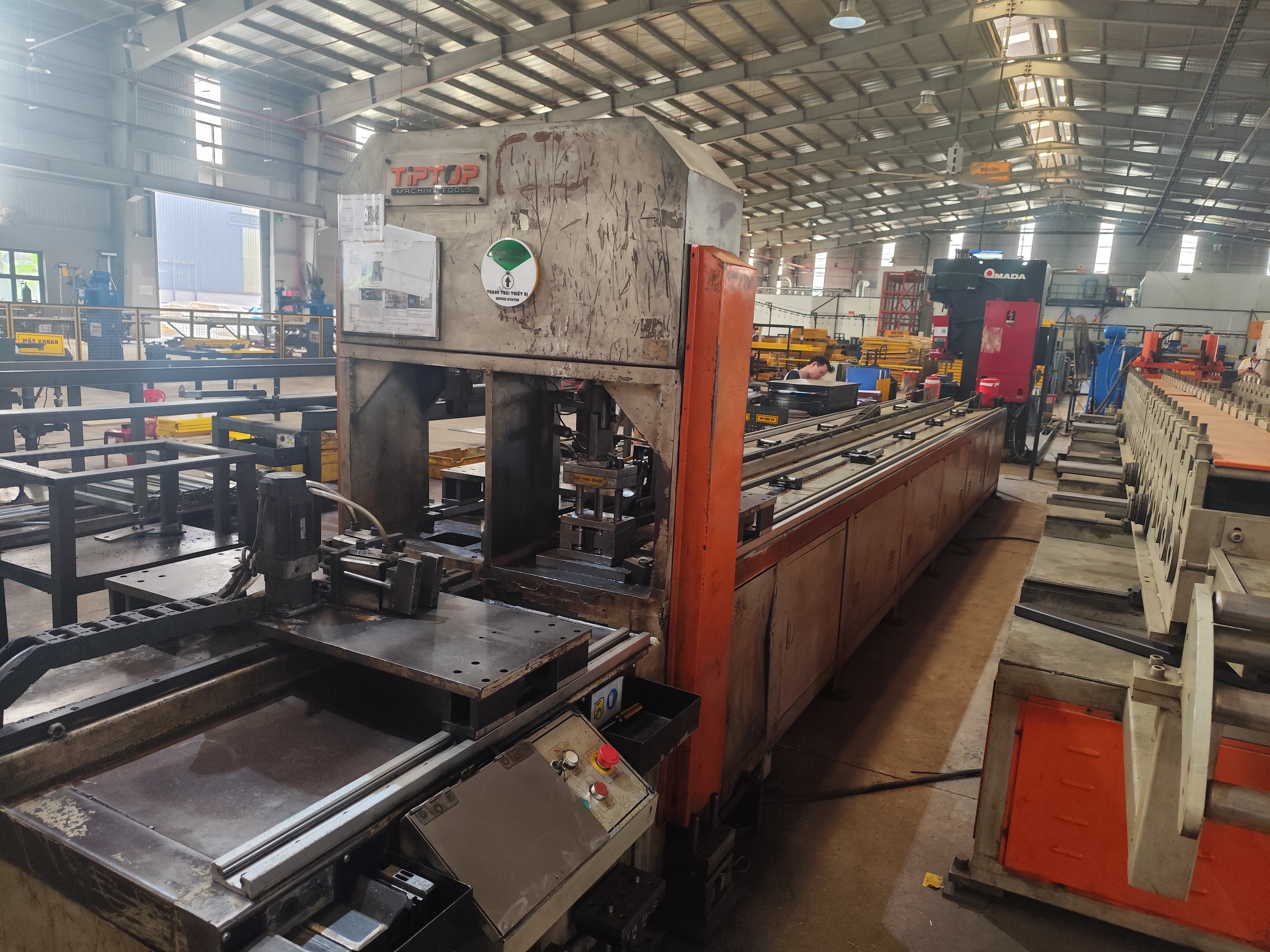
Before our Vietnam team quotes any stamped bracket, we sit with the press shop and break down setup time, coil minimums 2, and scrap allowance. That breakdown explains almost every MOQ we see.
A stamping supplier's MOQ is driven by die and press setup time, raw material coil or sheet purchase minimums, scrap allowance, labor efficiency per run, and secondary costs like plating, packaging, and inspection. MOQ recovers these fixed costs — it is rarely arbitrary.

Most buyers assume MOQ is a policy number. In stamping, it is math. A press changeover can take one to four hours. That time costs the same whether the run produces 500 parts or 50,000 parts. So the supplier spreads that cost across the quantity. Small quantity means high cost per piece, and at some point the job stops making sense for them.
Material is the second big driver. Steel and aluminum arrive in coils or sheets with purchase minimums from the mill or service center. If your part needs a non-standard grade or thickness, the supplier may have to buy a full coil just for you. Your effective MOQ is now tied to that coil, not to your part.
The Hidden Minimums Buyers Miss
MOQ can also apply per SKU, per finish, per thickness, or per variant. Always confirm what the minimum covers before you negotiate. We have seen quotes where the stamping MOQ was fine, but the zinc-plating line had its own batch minimum that doubled the real threshold.
| MOQ Driver | Why It Exists | How Negotiable Is It? |
|---|---|---|
| Die/press setup time | Fixed labor and machine hours per changeover | Medium — can be offset by a setup fee |
| Material coil/sheet minimums | Mill or service-center purchase rules | Low — unless you switch to stock material |
| Scrap and yield allowance | First-off parts and trim loss | Low — built into the process |
| Plating/finishing batch size | Outside processors have their own minimums | Medium — choose common finishes |
| Packaging and carton multiples | Standard box and pallet quantities | High — easy to adjust |
| Inspection and PPAP effort | Fixed documentation cost per run | Medium — scale the paperwork to the run |
When we audit stamping suppliers in Vietnam for U.S. clients, we ask for this breakdown up front. Once you know which line item inflates the MOQ, you negotiate only that variable — not the whole quote.
How Can I Convince Suppliers to Lower Their MOQ for My Order?
A purchasing manager once told me he had been "fighting" a supplier over MOQ for six weeks. Our team closed the same gap in one call — by asking a different question first.
Convince suppliers by asking what drives the MOQ, then offering targeted trade-offs: a 10–20% higher unit price for a trial run, a phased order plan with repeat commitments, flexible lead times that fit slack capacity, or combining multiple part numbers into one production run.

The worst opening move is demanding a lower number with no context. The best opening move is a question: "Can you help me understand what sets this minimum?" That single question changes the conversation from haggling to problem-solving. It also tells the supplier you understand manufacturing, which builds trust fast.
Tactics That Actually Move the Number
Here is the sequence we use when negotiating for clients sourcing from Vietnam and other Asian countries:
- Ask for the cost breakdown. Identify whether setup, material, or finishing drives the minimum.
- Benchmark the market. Collect several quotes so you know whether the stated MOQ is normal or padded. Use the gap as factual leverage, not a threat.
- Offer a trial-run premium. Supplier guides suggest trial orders are often accepted at roughly 50–70% of standard MOQ when the buyer pays a 10–20% higher unit price or prepays more of the order.
- Propose a phased structure. A smaller validation run now, then a defined replenishment order if the part performs. Put the intent in writing.
- Combine SKUs. If you buy three brackets in the same material and thickness, ask to nest them into one coil run. This can meet the material minimum across parts.
- Time your request. Suppliers are far more flexible during slow production periods when presses would otherwise sit idle.
One caution from our project files: aggressive haggling on MOQ often backfires. The supplier may say yes, then deprioritize your run, skip inspection steps, or quietly drop you at reorder time. A structure that keeps their margin intact protects your quality too.
A script we have used successfully: "We'd like to start with a smaller first run for validation. If the part performs well, we can commit to a repeat order schedule. Could you quote the smaller batch at an adjusted unit price, or propose a phased plan that works for your production setup?"
What Should I Offer in Return for a Reduced MOQ Agreement?
Trade-offs are the currency here. When we co-develop stamped parts with clients, we map exactly which concessions cost the buyer little but mean a lot to the press shop.
Offer a higher unit price, an upfront tooling or setup fee, larger prepayment, longer or flexible lead times, split shipments from one production run, simplified specs with standard materials and finishes, and a written forecast or repeat-purchase commitment covering future volume.

Not all concessions are equal. Some cost you almost nothing but solve the supplier's real problem. Others sound generous but do not touch their economics at all. The table below shows how we rank them when structuring small-batch stamping deals.
| Concession You Offer | Cost to You | Value to Supplier | Best Used When |
|---|---|---|---|
| Pay setup/tooling fee upfront | One-time cash outlay | High — fixed costs covered immediately | Custom dies or long changeovers drive the MOQ |
| Higher unit price on trial run | Moderate, temporary | High — margin restored on small quantity | Setup labor dominates the cost |
| Repeat-order commitment or forecast | Low if demand is real | High — volume visibility | You have a credible sales pipeline |
| Split shipments, full batch produced | Low | Medium — factory runs full batch anyway | Your problem is cash flow or storage, not quantity |
| Longer or flexible lead time | Low to moderate | Medium — fits slack capacity | Supplier is busy; you are not urgent |
| Standard material and common finish | Low if design allows | High — removes coil minimums | Material purchase drives the MOQ |
| Larger prepayment | Cash-flow cost | Medium — reduces supplier risk | New relationship, no trade history |
Match the Concession to the Cost Driver
The rule is simple. If tooling and setup inflate the MOQ, offer money upfront. If material minimums inflate it, simplify the spec or consolidate variants onto one coil. If risk inflates it, offer commitment and prepayment. Offering the wrong concession wastes goodwill. One of our clients once offered prepayment when the real constraint was a plating batch minimum — switching to a stock zinc finish solved it in a day, at zero cost.
Also consider a scaling agreement: unit price steps down as you place repeat small orders over a defined period. It rewards the supplier for patience and rewards you for growth, without forcing one big upfront order.
Which Supplier Types Are More Flexible on MOQ for Small-Batch Stamping Orders?
After auditing dozens of stamping shops across Vietnam and the wider region, our team learned that shop selection matters as much as negotiation skill. The same request gets very different answers from different shop types.
Small regional job shops, prototype-focused fabricators, and suppliers with in-house tooling and slack capacity are most flexible on MOQ. Large high-volume stamping factories, and any shop requiring fully custom progressive dies, are the least flexible for small-batch orders.

Here is how the main supplier types compare for small-batch stamped brackets and clips:
| Supplier Type | Typical MOQ Flexibility | Unit Price | Best Fit |
|---|---|---|---|
| Small regional job shop | High | Higher | Trial runs, 100–2,000 pieces |
| Prototype/fabrication shop (laser + brake press) | Very high | Highest | Validation runs before tooling |
| Mid-size stamping shop with in-house tooling | Medium | Moderate | Bridge volumes, 2,000–20,000 pieces |
| Large progressive-die factory | Low | Lowest at volume | Mature parts, 50,000+ pieces |
| Trading company or sourcing partner | Varies — can pool orders | Moderate | Buyers needing QC and logistics support |
Match the Process to the Volume, Not Just the Supplier
For genuinely small first runs, sometimes the answer is not stamping at all. Laser cutting plus press-brake bending 3 can produce a few hundred brackets with no hard tooling. CNC punching 4 works too. The per-piece price is higher, but you skip the die cost entirely. Once your volume justifies it, you transition the validated design to stamping. We frequently run this two-stage path for U.S. engineering firms: fabricate the pilot batch, prove the fit, then tool up for production with PPAP documentation and process controls in place.
Also ask whether the shop has existing tooling for similar profiles. Reusing or modifying standard die sets 5 dramatically lowers the quantity a supplier needs to justify a run. A part designed around common material widths and existing press setups is often more negotiable than buyers expect.
One warning: the shop with the lowest MOQ is not automatically the right shop. Small job shops can be weak on documentation, dimensional reporting 6, and consistency at reorder. If your drawings carry tight tolerances or your customer expects first-article reports 7, verify the QC process before you celebrate the flexible minimum. This is exactly why our clients ask us to audit before they award the pilot order.
Conclusion
Successful MOQ negotiation for small-batch stamping parts means making the supplier comfortable saying yes: understand the c
Frequently Asked Questions
What Factors Determine the MOQ a Stamping Supplier Will Accept?
Before our Vietnam team quotes any stamped bracket, we sit with the press shop and break down setup time, coil minimums 2 , and scrap allowance. That breakdown explains almost every MOQ we see.
How Can I Convince Suppliers to Lower Their MOQ for My Order?
A purchasing manager once told me he had been "fighting" a supplier over MOQ for six weeks. Our team closed the same gap in one call — by asking a different question first.
What Should I Offer in Return for a Reduced MOQ Agreement?
Trade-offs are the currency here. When we co-develop stamped parts with clients, we map exactly which concessions cost the buyer little but mean a lot to the press shop.