Last quarter, a client nearly lost a six-figure welding frame order because their supplier demanded 50% upfront — and their working capital 1 simply could not stretch that far.
To negotiate payment terms for financial security when sourcing welding parts, leverage your purchase volume, tie payments to quality milestones like PPAP approval, request net 60 open account terms, and build trust through transparent communication and long-term order commitments with your supplier.
Payment terms are not just fine print. They decide whether your cash flow stays healthy or whether you are constantly chasing invoices while waiting for goods to clear customs PPAP approval 2. Below, I walk through the exact strategies we use every day to help U.S. buyers source custom welding assemblies from Asia — without draining their bank accounts before the first part even ships.
How can I secure 60-day open account terms to improve my cash flow when sourcing custom welding parts?
A buyer I work with in the Midwest once told me: "I'd rather pay a slightly higher unit price than tie up $80,000 in a wire transfer for 90 days." That single conversation changed how we structure every new sourcing engagement on our side tooling ownership rights 3.
To secure 60-day open account terms, demonstrate creditworthiness through consistent order history, offer volume commitments, provide trade references, and propose a graduated payment structure that starts with shorter terms and extends to net 60 as trust builds between buyer and supplier.
Why Net 60 Matters for Welding Part Buyers
When you source custom welding parts — like the heavy-duty tubular steel frames and mounting brackets our teams inspect in Vietnam — the production cycle alone can run four to eight weeks. Add ocean freight and customs clearance, and you might wait 10 to 12 weeks before the goods reach your warehouse. If you paid 50% upfront and the balance before shipment, your cash has been locked up for nearly three months before you can invoice your own customer. Net 60 open account terms 4 shift that burden. You receive goods, sell them or install them, and then pay the supplier. This is the foundation of healthy cash flow management 5 for any sourcing company.
The Graduated Approach
Suppliers in Asia rarely grant open account terms to a brand-new buyer. They have their own cash flow needs. Here is how I recommend approaching it:
| Phase | Order Number | Suggested Payment Terms | Why It Works |
|---|---|---|---|
| Phase 1 | Orders 1–2 | 30% deposit, 70% before shipment | Builds basic trust; supplier sees you pay on time |
| Phase 2 | Orders 3–5 | 100% net 30 after shipment | Supplier has payment history; risk is lower |
| Phase 3 | Orders 6+ | 100% net 60 open account | Strong relationship; both sides benefit from stability |
This graduated structure is what we offer through our Singapore entity. Because we sit between the buyer and the factory, we can absorb some of the supplier's risk. Our team in Vietnam or China has already audited the factory, so the supplier trusts the process — and the buyer gets the net payment terms they need.
What to Prepare Before You Ask
Before you request net 60, gather these items:
- Trade references from at least two other suppliers you have paid on time.
- Bank reference letter confirming your account standing.
- Purchase forecast showing planned order volume over the next 12 months.
- A signed procurement contract that spells out exact payment dates, late fees, and dispute resolution.
Suppliers respond to preparation. When I walk into a factory with a buyer's credit profile, forecast, and a clear contract template, the conversation shifts from "Can we trust this buyer?" to "How do we make this work?" That transparency is what turns a cold negotiation into a productive vendor management discussion.
Early Payment Discounts as a Sweetener
Even after you secure net 60, consider offering an early payment discount. A common structure is 1% off if you pay within 10 days. This may seem small, but for a supplier running on thin margins, getting cash 50 days early is significant. It also signals that you are a reliable partner — which opens the door to even better terms down the road.
What strategies should I use to tie my payments to successful PPAP and quality inspection results?
One lesson we learned early in our co-development work is that paying for parts before verifying quality is like signing a blank check. A U.S. client once received 2,000 welded mounting brackets with weld beads that failed visual inspection — and they had already wired the full payment.
Tie payments to quality milestones by structuring your procurement contract so that funds release only after successful PPAP submission, first article inspection approval, and final pre-shipment inspection — ensuring you never pay for non-conforming welding parts.
The Quality-Payment Link
In our supply chain services, we run a strict PPAP process for every new custom part. PPAP — Production Part Approval Process — is the formal method to verify that a supplier can consistently produce parts to specification. When you tie payment milestones to PPAP stages, you create a built-in quality gate. No approval, no payment. This is not adversarial. It is supply chain risk management 6 done right.
A Milestone-Based Payment Schedule
Here is a practical payment schedule we have used for complex welded assemblies like the multi-level tubular steel frames in our product line:
| Milestone | Payment Released | Condition for Release |
|---|---|---|
| Tooling complete | 20% of total order value | Tooling samples reviewed and dimensionally checked |
| PPAP Level 3 approved | 20% of total order value | Full PPAP package submitted and approved by buyer |
| Production 50% complete | 25% of total order value | In-process inspection report passed |
| Pre-shipment inspection passed | 35% of total order value | Final inspection per AQL sampling plan 7; all NCRs resolved |
This schedule does two things. First, it protects your capital. You are never more than 20% exposed before you have confirmed the supplier can actually make the part correctly. Second, it motivates the supplier to get it right the first time — because their cash flow depends on passing each gate.
How to Negotiate This with Your Supplier
Most factories in Asia are familiar with PPAP, especially those serving automotive or industrial customers. But many smaller welding shops may push back. Here is how I handle that conversation:
- Explain the mutual benefit. A milestone structure means they get paid more frequently — not less. Instead of waiting until the entire order ships, they receive payments throughout the production cycle.
- Provide clear inspection criteria upfront. Ambiguity kills trust. Share your inspection checklist, dimensional tolerances, and weld quality standards before production begins.
- Offer to conduct inspections on a fixed schedule. Our team in Vietnam and China does this regularly. The supplier knows exactly when the inspector arrives, so there are no surprises.
What Happens When Parts Fail?
Define this in your contract before it happens. A typical clause we include states: if parts fail final inspection, the supplier has 10 business days to rework and re-submit. Payment for that milestone is held until the rework passes. If the supplier cannot correct the defect within a reasonable timeframe, you have the right to cancel the remaining order and recover any deposits paid for undelivered conforming goods.
This kind of legal specificity protects both sides. The supplier knows the rules. The buyer knows their capital is safe. And the entire invoice processing cycle stays tied to real, measurable quality outcomes.
How do I negotiate favorable payment terms that protect my capital during the initial tooling and sampling phase?
The tooling phase is where most buyers feel the most financial exposure. I have seen projects where a buyer paid $15,000 for a set of welding fixtures and jigs — only to discover the supplier could not hold tolerances on the production run. That money was gone.
Protect your capital during tooling and sampling by splitting tooling payments into two stages — 50% to start and 50% after sample approval — and by retaining tooling ownership rights in your contract so you can move production if the supplier underperforms.
Why Tooling Is the Riskiest Phase
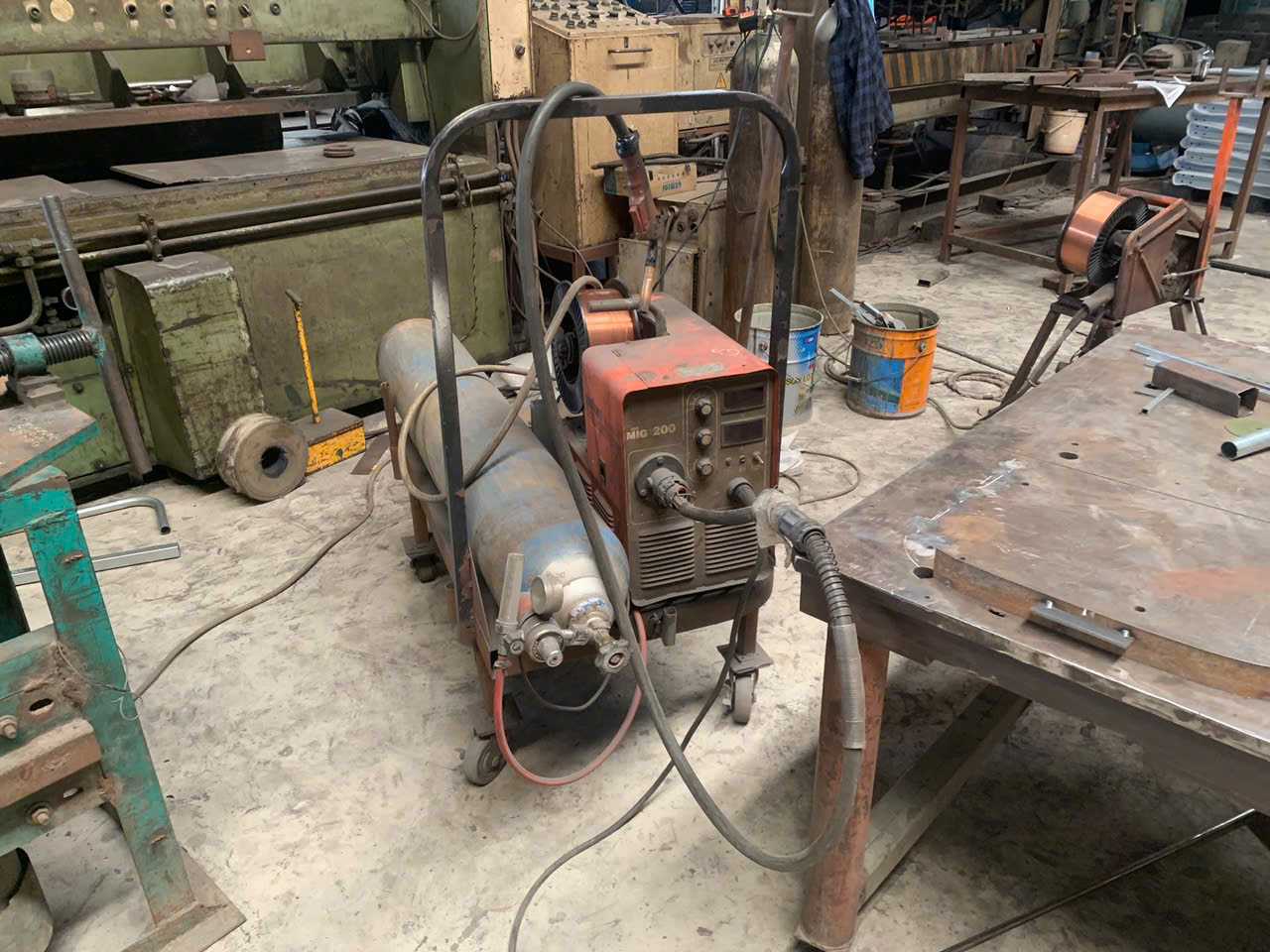
Custom welding parts often require specialized fixtures, jigs, and sometimes even custom-cut templates. For the complex geometric frames and heavy-duty brackets we source, tooling can represent 10% to 20% of the total project cost. Unlike production parts, tooling is a sunk cost. If the supplier fails, you cannot easily recover that investment — unless your contract protects you.
The Two-Stage Tooling Payment
Rather than paying 100% of tooling costs upfront, negotiate a split:
- 50% upon tooling order placement. This gives the supplier enough cash to purchase materials and begin fabrication.
- 50% upon sample approval. The supplier produces sample parts using the new tooling. You or your inspection team reviews them. Only after the samples meet your drawing requirements do you release the second half.
This structure is fair to both sides. The supplier is not asked to work for free, but the buyer is not fully committed until they see proof the tooling works.
Tooling Ownership: A Critical Contract Clause
Always specify in your procurement contract 8 that you own the tooling. This means:
- The supplier must store and maintain the tooling at their facility.
- If you terminate the relationship, the supplier must release the tooling to you or to a new supplier you designate.
- The supplier cannot use your tooling for other customers.
I have personally handled situations where a buyer needed to move production from one factory to another. Because the contract clearly stated tooling ownership, we were able to retrieve the fixtures and have them shipped to the new facility within two weeks. Without that clause, the buyer would have been stuck — or forced to pay for new tooling all over again.
Sampling Costs and Who Pays
A common point of friction is who pays for sample parts. Here is a framework that works in most B2B payments scenarios:
| Scenario | Who Pays for Samples | Notes |
|---|---|---|
| First-time supplier qualification | Supplier absorbs sample cost | Supplier invests to win the business |
| Complex custom part with expensive materials | Buyer pays material cost; supplier absorbs labor | Shared risk for high-value projects |
| Design change requested by buyer after initial approval | Buyer pays full sample cost | Fair — the change was buyer-initiated |
| Repeat order with no design changes | No new samples needed | Skip to production |
This kind of clarity prevents disputes and keeps the sourcing strategy on track.
Escrow as an Alternative
For very large tooling investments, consider using a third-party escrow service 9. The buyer deposits the tooling payment into escrow. The escrow agent releases funds to the supplier only after the buyer confirms sample approval. This adds a layer of financial security that both parties can trust, especially when working with a new supplier for the first time.
What steps can I take to convince a new welding supplier to move away from high upfront deposits?
During a recent factory audit in Vietnam, a welding shop owner told me directly: "We ask for 50% upfront because three buyers last year disappeared after we started production." His concern was legitimate — and it reminded me that negotiation is not about winning. It is about solving each other's problems.
Convince a new supplier to reduce upfront deposits by offering a purchase commitment letter, sharing trade references, proposing a third-party escrow arrangement, and agreeing to a short initial payment term like net 15 that gradually extends as trust and order volume grow.
Understanding the Supplier's Fear
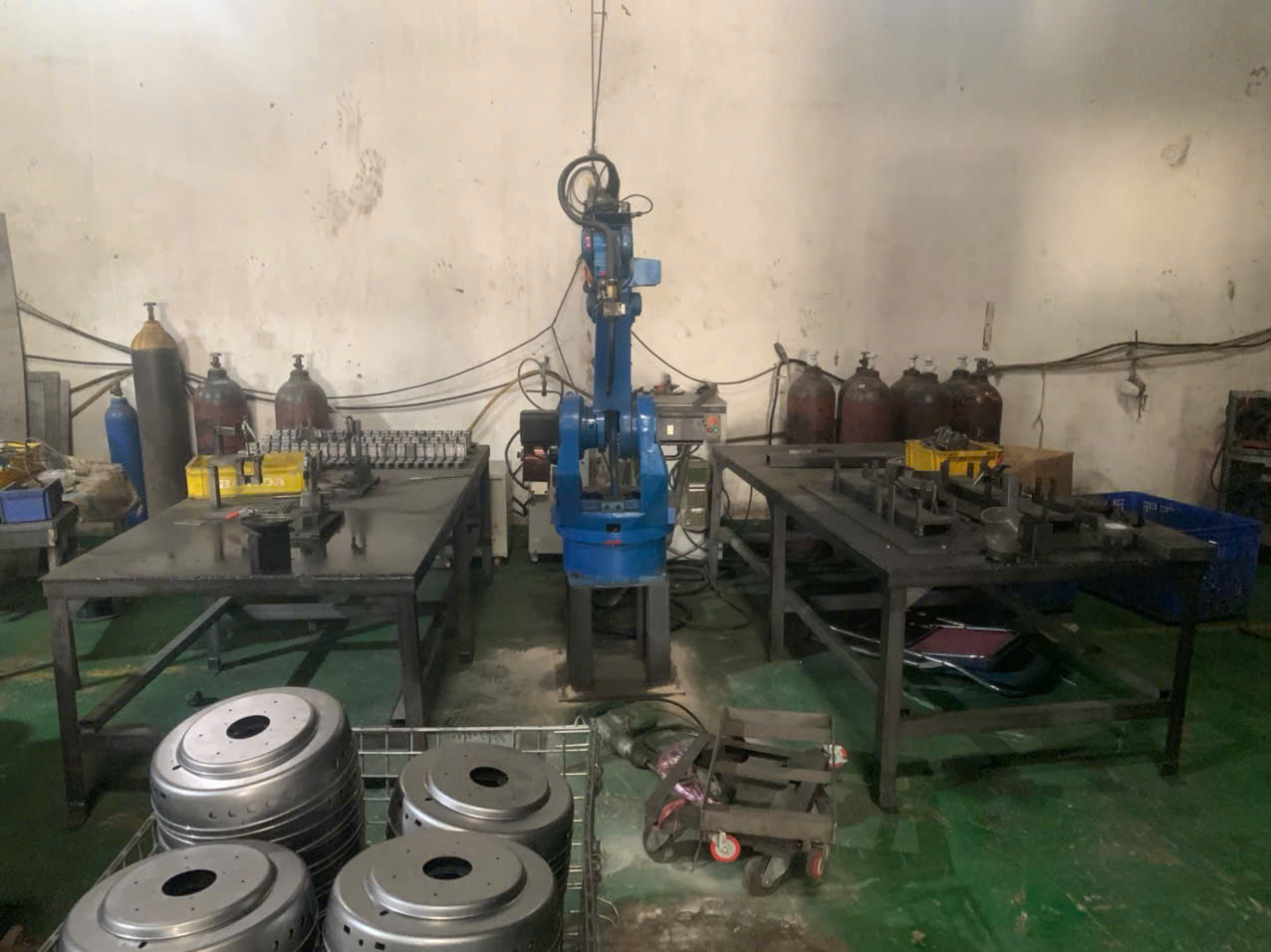
New suppliers ask for high deposits because they are afraid of two things: buyer default and material waste. When a buyer orders custom welded parts — say, a batch of L-shaped mounts with precision-drilled holes and reinforced gussets — the supplier must purchase raw steel, allocate machine time, and assign skilled welders. If the buyer vanishes, the supplier is left with unsellable inventory and unpaid labor.
Your job is to remove that fear without emptying your own bank account.
A Step-by-Step Approach
Step 1: Lead with credibility. Before you ask for better terms, show the supplier why you are a safe bet. Share your company profile, your website, your trade references 10, and your import history. If you work with a sourcing partner like us, our established supplier relationships and local presence serve as a built-in credibility signal.
Step 2: Propose a compromise on the first order. Instead of fighting over 0% versus 50%, suggest 20% upfront with the balance due net 30 after shipment. This is a reasonable middle ground that most suppliers will consider.
Step 3: Offer a purchase order with a volume commitment. A signed PO for three or four orders over the next six months tells the supplier you are serious. Pair this with a minimum annual spend figure, and you have a compelling argument for reduced deposits.
Step 4: Introduce escrow for the first order. If the supplier is still nervous, propose a third-party escrow. The full order value sits in escrow from day one — the supplier can see the funds are real — but the money only releases upon shipment and inspection. This eliminates the buyer-default risk entirely.
Step 5: Document everything in a contract. Verbal agreements mean nothing in cross-border trade. Your contract should specify payment amounts, due dates, inspection criteria, late fee penalties, and dispute resolution mechanisms. Our team always recommends legal review before signing.
What Not to Do
Avoid these common mistakes when negotiating with a new supplier:
- Do not demand net 60 on the first order. It signals that you do not understand or respect the supplier's position.
- Do not badmouth their current terms. Phrases like "your competitors offer better terms" create resentment, not cooperation.
- Do not skip the relationship-building step. A face-to-face meeting — even a video call — builds more trust than 20 emails. In the welding and fabrication sector, personal relationships still drive business decisions.
The Long Game
The goal is not to win every dollar on the first deal. It is to build a supplier relationship that improves your terms, quality, and delivery over time. When we onboard a new welding supplier in Vietnam, we expect the first order to have conservative terms. By the third or fourth order, we are usually operating on open account with net 60 — because both sides have proven they can deliver on their promises. That is how smart procurement contracts evolve. You can also negotiate MOQ alongside payment terms to further strengthen the overall commercial relationship.
Conclusion
Negotiating payment terms for welding parts is about protecting your cash flow while building supplier trust — use graduated terms, quality-linked milestones, and clear contracts to achieve lasting financial security.
Frequently Asked Questions
What Happens When Parts Fail?
Define this in your contract before it happens. A typical clause we include states: if parts fail final inspection, the supplier has 10 business days to rework and re-submit. Payment for that milestone is held until the rework passes. If the supplier cannot correct the defect within a reasonable timeframe, you have the right to cancel the remaining order and recover any deposits paid for undelivered conforming goods.
How can I secure 60-day open account terms to improve my cash flow when sourcing custom welding parts?
A buyer I work with in the Midwest once told me: "I'd rather pay a slightly higher unit price than tie up $80,000 in a wire transfer for 90 days." That single conversation changed how we structure every new sourcing engagement on our side tooling ownership rights 3 .
What strategies should I use to tie my payments to successful PPAP and quality inspection results?
One lesson we learned early in our co-development work is that paying for parts before verifying quality is like signing a blank check. A U.S. client once received 2,000 welded mounting brackets with weld beads that failed visual inspection — and they had already wired the full payment.
Footnotes
1. Explains working capital, its calculation, and importance for business operations. ↩︎
2. Replaced 403 link with an authoritative Wikipedia article on Production Part Approval Process (PPAP). ↩︎
3. Defines tooling ownership clauses in custom manufacturing contracts, crucial for asset management and dispute prevention. ↩︎
4. Explains open account transactions in international trade, including typical 30, 60, or 90-day payment terms. ↩︎
5. Explains cash flow management, its importance, and strategies for maintaining financial health. ↩︎
6. Explains SCRM as identifying, assessing, and mitigating risks in supply chains. ↩︎
7. Explains AQL as a standard for product inspections to determine acceptable defect levels. ↩︎
8. Defines procurement contracts as legally binding agreements protecting buyers and sellers. ↩︎
9. Replaced unknown HTTP error link with a working article from Castler on third-party escrow services. ↩︎
10. Defines trade references and explains their role in establishing business creditworthiness. ↩︎