
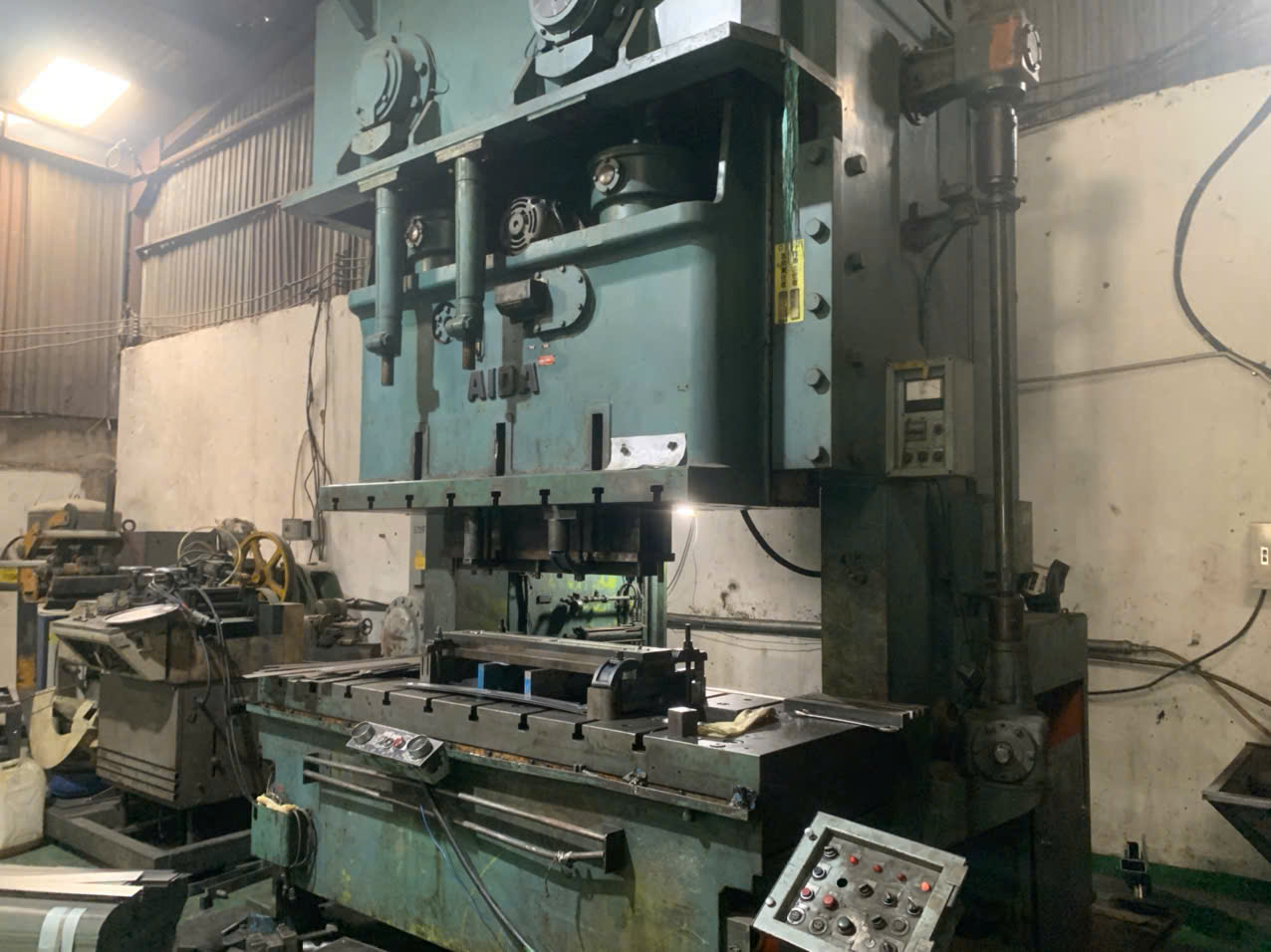
Learning to [negotiate tiered pricing with stamping parts suppliers](https://dewintech.com/blog/how-negotiate-tiered-pricing-stamping-parts-support-order-growth/) changed how our sourcing team wins projects PPAP approval 1. Too many buyers overpay today and get punished tomorrow when volumes finally grow.
To negotiate tiered pricing with stamping parts suppliers, define volume breakpoints tied to the supplier’s real cost inflection points, document all price tiers upfront, exchange soft volume commitments for locked rates, add index-based material clauses, and bundle quality, delivery, and payment terms into one written agreement.
That is the short answer. The details matter more. Below, I walk through each part of the deal, from the first tier request to the payment terms that hold it all together.
What Tiered Pricing Structures Should I Request From Stamping Suppliers as My Order Volumes Grow?
When our Vietnam team audits a new stamping supplier, we always ask to see their setup logs first. Those logs reveal exactly where volume actually cuts their cost per part.
Request a price ladder with three to five volume tiers tied to real cost breakpoints, such as 500, 1,000, and 5,000 units. Define whether tiers apply per order, per month, or per contract year, and document every tier price in writing before placing the first order.

A tier only saves you money if it maps to a real change in the supplier's cost. Stamping costs break into four buckets: material, tooling amortization, setup charges, and cycle time. Volume mostly attacks two of them. Higher volume spreads setup charges over more parts. It also improves material yield 2 because the supplier can nest blanks more efficiently on wider coil runs.
So before you propose numbers, ask the supplier one simple question: at what quantity does your setup frequency drop? Their answer tells you where the honest breakpoints sit. When we quote stamped brackets for U.S. clients, we often see the biggest per-piece drop between the first tier and the second, then smaller drops after that.
A Sample Tier Structure for Stamped Brackets
Here is a structure we frequently propose for mid-size powder-coated brackets:
| Tier | Quantity Range | Price Logic | Typical Savings vs. Tier 1 |
|---|---|---|---|
| 1 | 1–499 units | Full setup cost per batch | Baseline |
| 2 | 500–999 units | Setup spread, better nesting | 4–8% |
| 3 | 1,000–4,999 units | Progressive die justified | 8–15% |
| 4 | 5,000+ units | Dedicated coil buys, automation | 15–25% |
Define the Counting Period
This is where deals fall apart. Does 1,000 units mean one purchase order? Or cumulative volume over twelve months? Cumulative annual counting is far friendlier to a growing buyer. You get credit for growth without forcing huge single orders. Put the counting method in the contract, in plain words. Also agree on all tiers upfront, so the supplier cannot "re-quote" once you actually hit the higher volume.
How Do I Convince a Stamping Supplier to Lock In Future Volume Discounts Without Committing to Fixed Quantities?
A U.S. purchasing manager once told me he lost a great tier rate because his forecast missed by 30 percent. We restructured his next deal so that could never happen again.
Offer a soft commitment: a realistic minimum volume over six to twelve months, backed by a shared forecast, in exchange for a locked price ladder. Add a flexibility clause that adjusts tiers instead of voiding them if demand shifts, and reinforce trust with an annual review.

Suppliers fear one thing above all: reserving capacity for volume that never arrives. Your job is to lower that fear without handcuffing yourself. The tool for this is the commitment ladder. You do not promise a fixed purchase order. You promise a floor.
The script sounds like this: "I will commit to a minimum of 1,000 units over the next six months if you lock in a tiered structure starting at $9.00 for the first 500 and $8.50 for the next 500." The supplier gets planning certainty. You get rate certainty. Nobody gets trapped.
Give Data, Not Promises
A forecast backed by data beats a verbal promise every time. Share your last 6–12 months of actual order history. Show your growth trend. When our team in Singapore presents a client's forecast to a Vietnamese stamping house, we include historical monthly volumes and the client's downstream project pipeline. Suppliers respond to evidence. They discount rhetoric.
Build In the Safety Valves
Three clauses protect both sides:
- Look-back pricing. If cumulative volume hits the next tier mid-year, the lower price applies to future orders immediately, sometimes with a rebate on past ones.
- Downgrade without penalty. If you miss a tier, you simply pay the tier you actually earned. No punitive back-charges.
- Annual review. Once a year, both sides pull twelve months of invoices, compare effective cost against the market, and reset tiers if needed.
Finally, keep gentle leverage in reserve. Maintain a qualified second supplier, even at low volume. You do not need to threaten anyone. The supplier simply knowing an alternative exists keeps tier renewals honest.
What Quality and Delivery Guarantees Should I Negotiate Alongside Tiered Pricing Agreements?
Our inspection team once caught a supplier quietly switching to thinner coil stock two months after granting a deep discount. That lesson shaped every tiered agreement we write now.
Pair every price tier with written guarantees: exact material specs with mill test reports, defined tolerance classes, a maximum defect rate with a corrective action process, PPAP approval before volume ramps, on-time delivery targets, and remedies such as rework at supplier cost or expedited replacement freight.
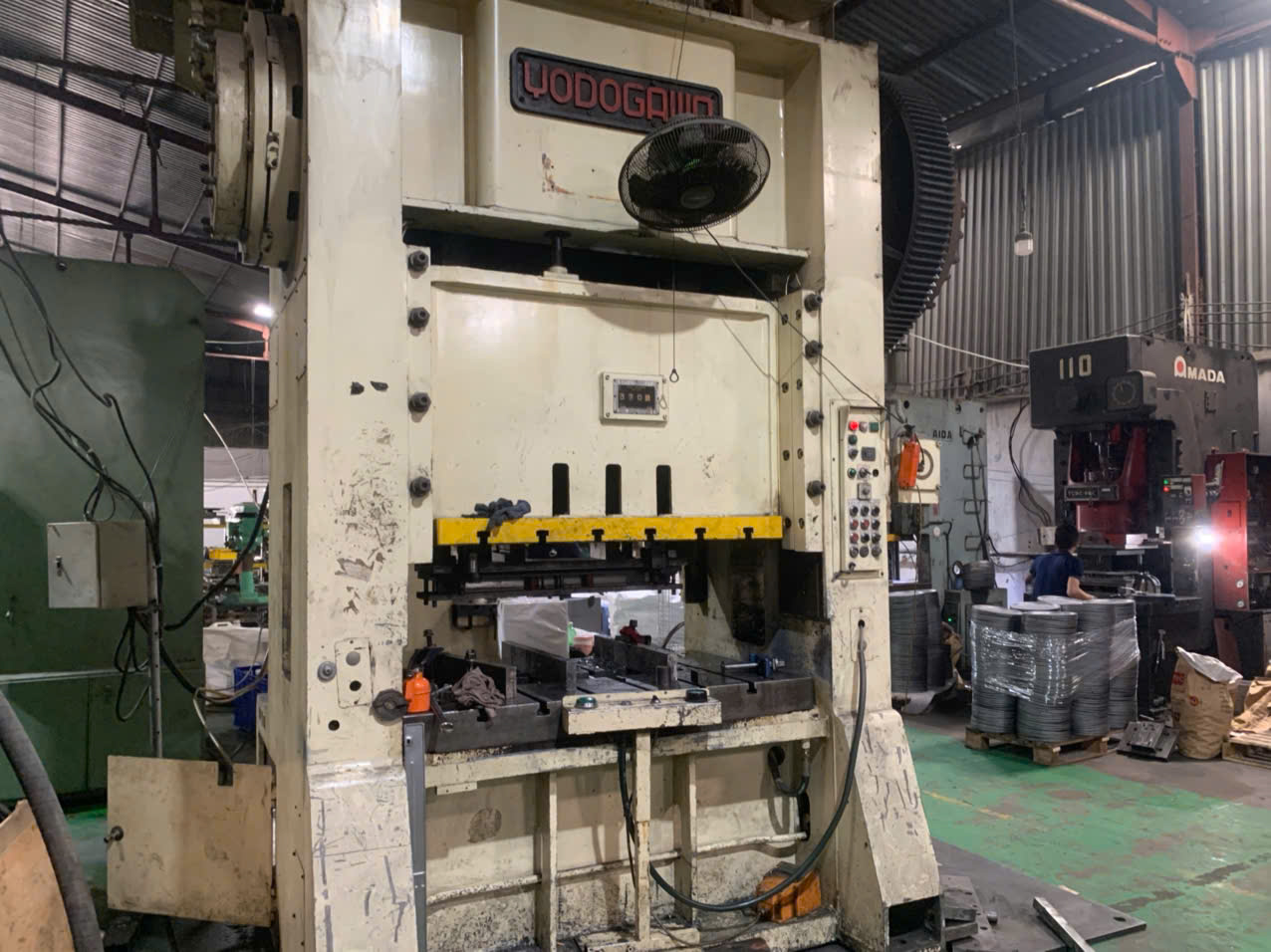
A discount that arrives with defects is not a discount. It is a deferred cost. Stamped parts are especially vulnerable here because corners are easy to cut invisibly. A supplier under price pressure can substitute a cheaper steel grade, loosen tolerances, thin the zinc plating 3, or stretch die maintenance intervals. You will not see any of it on the invoice. You will see it six months later in field failures.
So we anchor every tiered agreement to a locked specification. Not "carbon steel" but the exact grade per the governing standard, with a material test report 4 required per lot. Not "standard tolerance" but a named tolerance class 5 from the drawing. Not "plated" but a plating spec with a micron range. Vague specs are how phantom discounts get manufactured. When you define shipment acceptance criteria, it also pays to negotiate a reasonable AQL standard with the supplier before the first volume order.
The Guarantee Checklist
| Guarantee Area | What to Specify | Remedy if Missed |
|---|---|---|
| Material | Exact grade, standard, MTR per lot | Lot rejection at supplier cost |
| Dimensions | Tolerance class on drawing, CPK on critical features | Sort, rework, or replace free |
| Surface finish | Coating type, thickness range, salt spray hours | Re-process at supplier cost |
| Defect rate | Maximum PPM or AQL level per shipment | Credit plus corrective action report |
| Delivery | On-time percentage target, lead time per tier | Expedited freight paid by supplier |
| Tooling | Ownership, maintenance responsibility, die life | Supplier maintains at no piece-price change |
Watch Lead Times at Higher Tiers
Higher volume can stretch delivery if the supplier's capacity is tight. Negotiate lead time per tier, not one blanket number. Ask directly: if I move from Tier 2 to Tier 4 volumes, what happens to your lead time? If the answer is vague, the tier price may be resting on capacity that does not exist yet. In our supplier audits, we verify press capacity and staffing before we let a client sign a high-tier commitment. A quote that looks too cheap deserves the question: how exactly do you achieve this price?
How Can I Structure Payment Terms to Support Tiered Pricing Deals With My Stamping Parts Supplier?
Cash flow is a currency in these negotiations, and I have watched it buy discounts that pure volume could not. We often extend open account terms to our own clients for exactly this reason.
Trade payment speed for price: offer faster payment, such as Net 15 instead of Net 60, in exchange for better tier rates or earlier tier access. Separate tooling payments from piece prices, align payment milestones with inspections, and add annual rebates paid as credits.

Money has a time value, and stamping suppliers feel it acutely. They buy coil steel 6 upfront, often weeks before shipping finished parts. Every day you shorten their cash cycle is worth real margin to them. That margin is negotiable. If your cash position allows faster payment, sell that speed for a sharper tier. If you need longer terms, expect to give back a little on price, and negotiate which tiers absorb that cost.
Match Payment Structure to Deal Structure
Different payment levers support different parts of a tiered deal:
| Payment Lever | How It Works | What It Buys You |
|---|---|---|
| Early payment discount | Net 15 or payment on shipment | 1–3% better piece price or early tier access |
| Extended terms | Net 60–90 with agreed premium | Cash flow room to fund volume growth |
| Tooling separation | Die cost paid via milestones, not buried in piece price | Clean tier comparisons, clear tooling ownership |
| Milestone payments | Deposit, then balance after final inspection | Quality leverage tied to money |
| Annual rebate | Year-end credit when cumulative tiers are hit | Effective discount without renegotiating each PO |
Keep Tooling Out of the Piece Price
This point saves buyers real money. If die cost hides inside the piece price, you never know what the true tiered rate is, and you may keep paying for tooling long after it is amortized. Pay tooling separately, on milestones tied to die trials and PPAP approval 7, and put ownership in your name in the contract. Then the piece-price tiers stay clean and comparable across suppliers.
One more protection: tie the final payment portion of each shipment to inspection results. When money and quality connect, corrective actions happen fast. When they do not, they happen someday.
Conclusion
Weak pricing today compounds into lost margin tomorrow. Negotiate tiered pricing with real breakpoints, soft commitments, written guarantees, and smart payment terms, and your stamping costs will fall as you grow.
Frequently Asked Questions
What Tiered Pricing Structures Should I Request From Stamping Suppliers as My Order Volumes Grow?
When our Vietnam team audits a new stamping supplier, we always ask to see their setup logs first. Those logs reveal exactly where volume actually cuts their cost per part.
How Do I Convince a Stamping Supplier to Lock In Future Volume Discounts Without Committing to Fixed Quantities?
A U.S. purchasing manager once told me he lost a great tier rate because his forecast missed by 30 percent. We restructured his next deal so that could never happen again.
What Quality and Delivery Guarantees Should I Negotiate Alongside Tiered Pricing Agreements?
Our inspection team once caught a supplier quietly switching to thinner coil stock two months after granting a deep discount. That lesson shaped every tiered agreement we write now.
Footnotes
1. Explains the PPAP standard referenced for approving parts before volume ramps in manufacturing. ↩︎
2. Provides background on stamping material yield and coil nesting concepts referenced in the article. ↩︎
3. Standards body reference for coating and plating specifications discussed. ↩︎
4. Defines the mill certification document referenced for material verification. ↩︎
5. Background on engineering tolerance standards relevant to stamped part specs. ↩︎
<span