
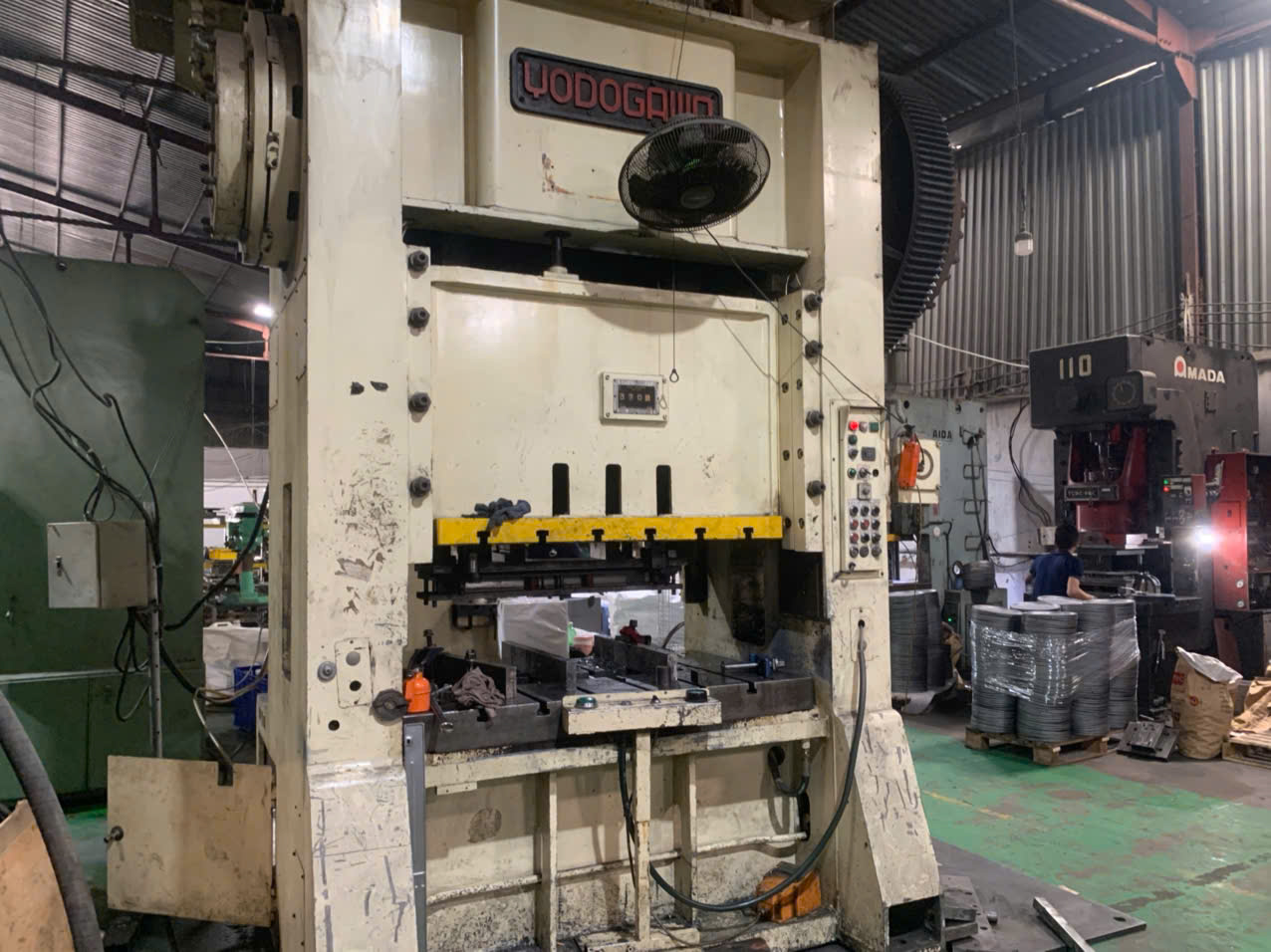
Trying to negotiate tiered pricing for stamping 1 parts often stalls when suppliers refuse discounts total cost of ownership 2. I have watched buyers lose margin, delay launches, and overpay for years. Our sourcing team fixes this with math, not pressure.
To negotiate tiered pricing for stamping parts, audit your total cost of ownership, set volume breakpoints at the supplier’s real cost inflection points, tie discounts to tooling amortization and press utilization, and lock terms in a contract with material index clauses and quality safeguards.
That is the short answer. Now let me walk you through each step, using lessons from real stamping projects we manage across Vietnam and the wider Asian supply base.
How Do I Structure Tiered Pricing Tiers to Match My Order Growth Projections?
A U.S. purchasing manager once sent our Singapore office a forecast that tripled in year two. His supplier quoted flat pricing anyway. That mismatch cost him real money, and it taught me where tier design starts.
Structure pricing tiers around your realistic 12–24 month volume forecast, not one-time order size. Map each tier to the supplier's genuine cost inflection points, such as full press runs or reduced setups, so every discount is backed by an actual cost saving.
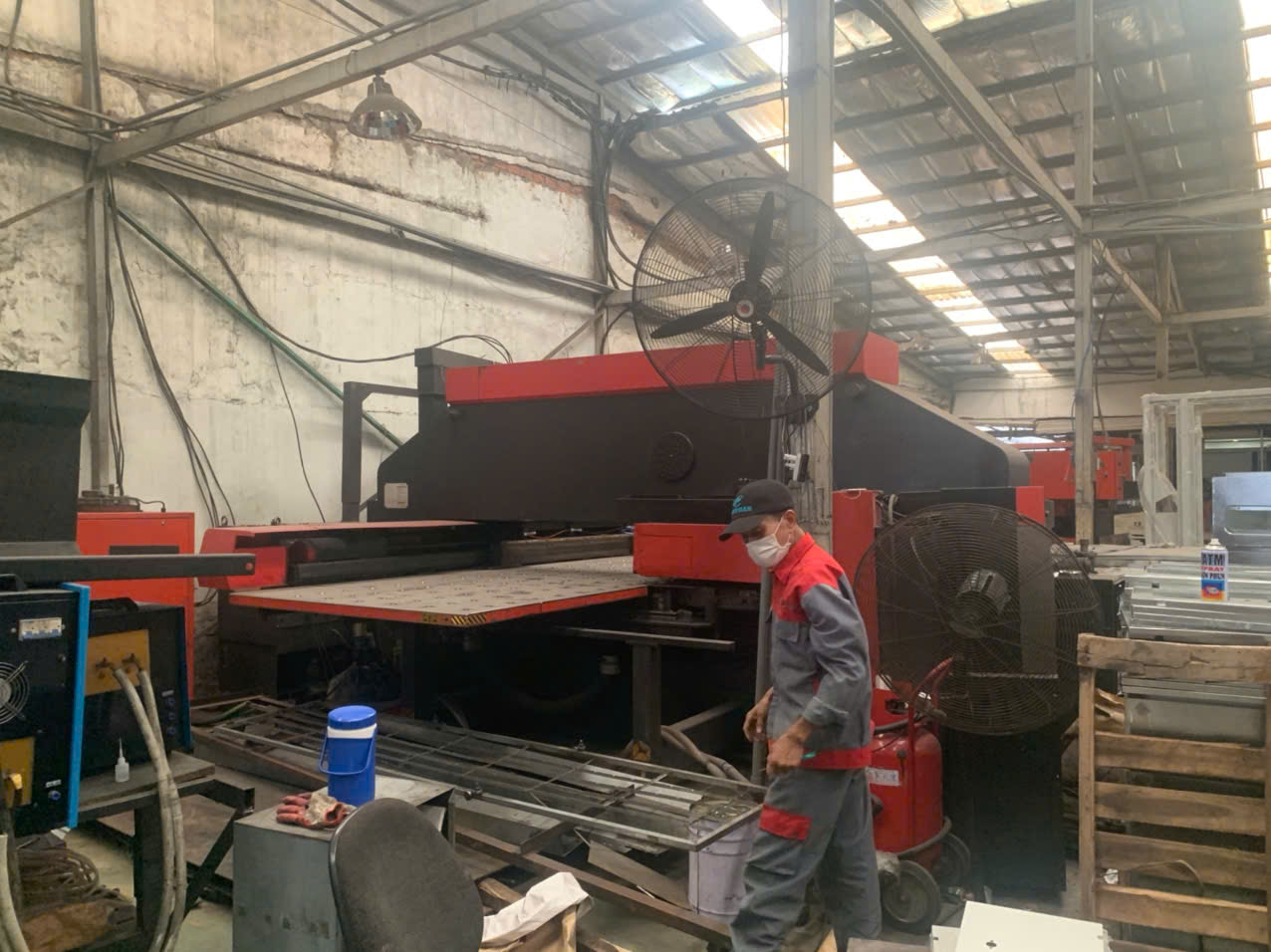
Before you design tiers, you need internal clarity. When our team prepares a stamping negotiation for a client, we pull the last twelve months of invoices first. We look at monthly volume, seasonality, and total landed cost. Piece price alone hides too much. Shipping, packaging, tooling amortization, and inspection costs all belong in the model.
Start With Your Own Data
Extract your historical purchase data by month and quarter. Then build a conservative forecast and an optimistic one. Suppliers trust buyers who show both. If you only show the optimistic number, they will discount your credibility, not their price.
Match Tiers to Cost Reality
Stamping costs do not fall in a straight line. They drop in steps. A supplier saves real money when your volume lets them run a full press shift instead of a partial one, or combine setups across orders. Your tiers should land on those steps.
| Tier Design Approach | How It Works | Risk Level |
|---|---|---|
| Arbitrary round numbers | Pick 10K, 50K, 100K with no cost basis | High — supplier resists or pads price |
| Cost-inflection tiers | Set breakpoints where supplier setup or press costs drop | Low — discounts are defensible |
| Forecast-linked tiers | Tie tiers to your committed annual forecast bands | Medium — needs accurate forecasting |
Also define the measurement window clearly. Does a tier apply per order, per month, or per contract year? We have seen disputes erupt because a buyer assumed annual accumulation while the supplier priced per release. Write it down. Ambiguity here destroys trust faster than any hard bargaining ever will. In our experience, two or three negotiation rounds are normal before the tier ladder feels fair to both sides.
What Volume Breakpoints Should I Request When Negotiating Stamping Parts Pricing?
Our engineers in Vietnam recently reviewed a bracket quote where the supplier's own cost model showed a clear saving at 40,000 units. The buyer had asked for a break at 25,000. Neither side got what they wanted.
Request breakpoints at meaningful volume jumps — commonly 10K, 50K, and 100K+ units annually — but validate each against the supplier's cost breakdown. Target tooling amortization, setup reduction, and press utilization, since those are the levers that genuinely lower unit cost.
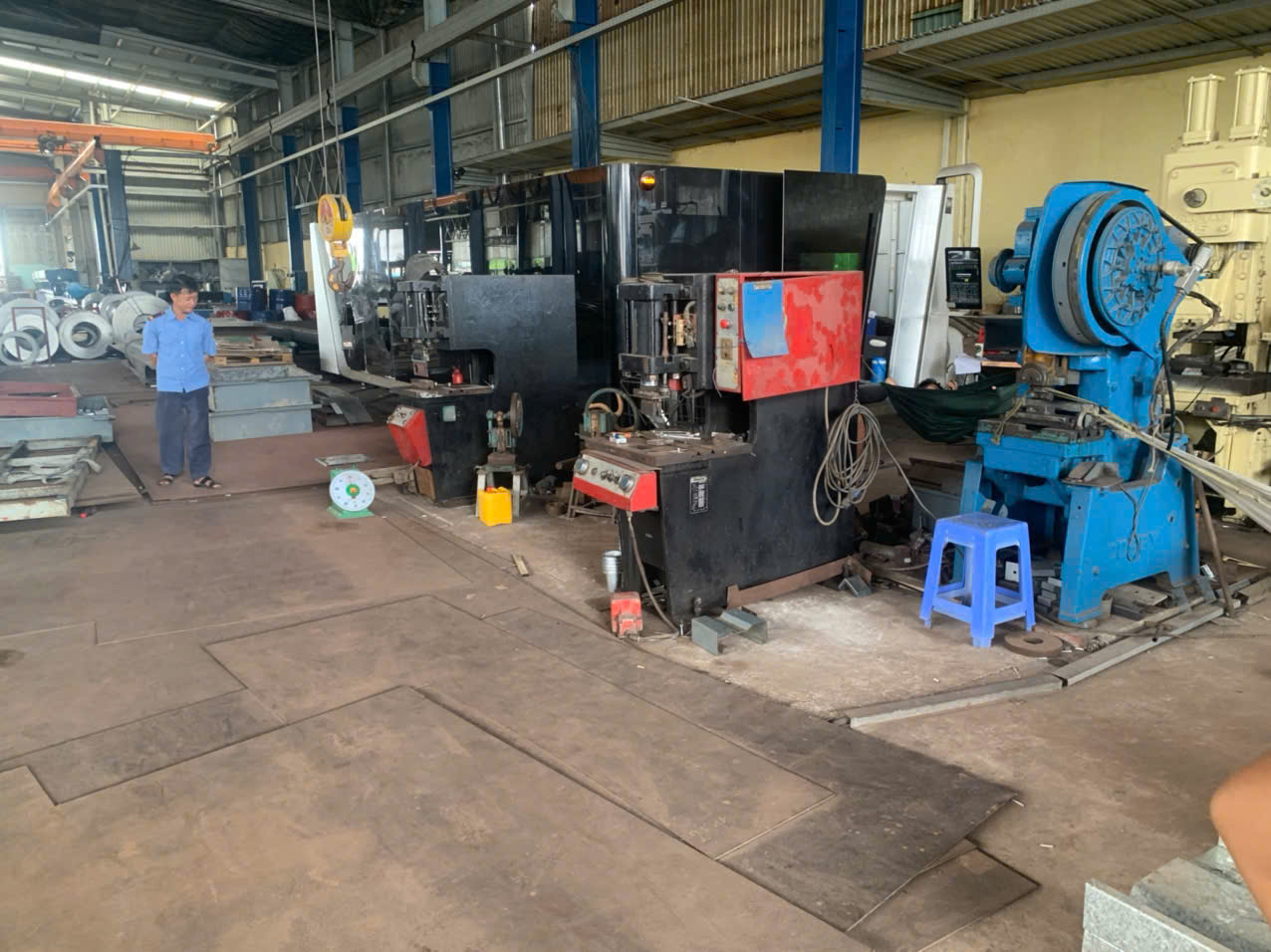
Common breakpoints exist for a reason, but copying them blindly is a mistake. The right numbers depend on the part, the press size, and the material. Here is how I break it down when we negotiate stamped brackets and clips for our U.S. clients.
Request a Full Cost Breakdown First
Before you name any breakpoint, ask the supplier to split the quote into material, tooling, labor, press time, and overhead. This tells you where discounts can actually come from. Material rarely gets cheaper with volume. Tooling amortization and setup time almost always do.
| Cost Driver | Scales With Volume? | Negotiation Leverage |
|---|---|---|
| Raw material (steel, aluminum) | No — index driven | Low — use index clauses instead |
| Tooling and die amortization | Yes — strongly | High — biggest tier lever |
| Setup and changeover time | Yes | High — batch scheduling helps |
| Press time per piece | Slightly | Medium — utilization windows |
| Packaging and logistics | Yes | Medium — consolidation savings |
Think Beyond Pure Volume
Volume is not the only trigger worth negotiating. Idle press time is a hidden cost for every stamping house. If you can accept off-peak scheduling or batch runs, many suppliers will discount to fill that capacity. We have unlocked better pricing for clients simply by offering flexible delivery windows on non-urgent brackets.
You can also propose a scrap and yield-improvement sharing model. As volumes grow, die efficiency improves and material waste drops. Splitting those savings keeps the supplier motivated to optimize instead of hiding gains. Finally, consider vendor-managed inventory 3 or consignment stock. It lets you hit higher tier volumes without carrying the full inventory risk yourself, which matters when cash flow is tight.
How Can I Ensure Quality Stays Consistent as My Order Quantities Increase?
Ramping a stamped bracket from 5,000 to 60,000 units per year sounds simple until die wear shifts a hole position by a tenth of a millimeter. We caught exactly that during a final inspection in Vietnam, and it changed how I write ramp-up plans.
Keep quality consistent by locking specifications with numeric tolerances, requiring PPAP before each volume ramp, scheduling die maintenance against cumulative strokes, and running in-process controls plus final inspection. Tie tier pricing to sustained quality performance, not just quantity.
Higher volume changes the physics of stamping. Dies wear. Operators rotate. Material lots vary. If your contract only talks about price, quality will drift while everyone stares at the invoice. Here is the framework we apply on every custom parts program we manage.
Nail the Specification Before the Ramp
Vague drawings are the root cause of most non-conforming stamped parts we see. Provide detailed drawings with explicit numeric tolerances, such as ±0.05 mm on critical holes, and reference a general tolerance standard like ISO 2768-m 4 for everything else. Specify the exact material grade and demand a Material Test Report 5 with each lot. This forces every quote and every production run onto the same baseline.
Gate Each Volume Step With Process Controls
Treat each tier jump as a mini product launch. Our process control approach for a ramp looks like this:
- Re-validate the process with a PPAP 6 submission before moving to the higher volume tier.
- Define die maintenance intervals based on stroke counts, not calendar time.
- Set in-process checks on critical dimensions at fixed frequencies per shift.
- Run final inspection with an agreed AQL sampling plan 7 before every shipment.
- Review scrap rates and dimensional trends monthly with the supplier.
One more point matters. Make quality a condition of the pricing tier. If defect rates climb during a ramp, the rework and containment costs can erase the discount you fought for. We include quality performance in the client's vendor reviews so a cheap piece price never masks an expensive total cost.
What Contract Terms Should I Include to Lock In Tiered Pricing with My Supplier?
Payment terms nearly killed one of our best tiered deals. The supplier wanted cash against documents; the buyer needed 60 days. We bridged it with credit terms from our side, and the tier agreement survived. Contracts decide whether tier pricing lasts.
Lock in tiered pricing with a 12–24 month agreement covering defined tier thresholds and measurement periods, a raw material index clause, tooling ownership and maintenance terms, quality and delivery KPIs, payment terms, and a scheduled annual price review.

A handshake tier deal collapses at the first steel price spike. A well-drafted agreement survives it. When we help U.S. clients finalize stamping contracts across Asia, these are the clauses I insist on reviewing line by line.
The Core Clauses
| Contract Term | What to Specify | Why It Matters |
|---|---|---|
| Tier definition | Exact quantities, measurement window, cumulative or per-order | Prevents disputes over when discounts apply |
| Material index clause | Reference index, adjustment frequency, proof required for surcharges | Protects both sides from commodity swings |
| Tooling and die ownership | Who owns the die, who maintains it, transfer rights | Preserves your flexibility and avoids hidden fees |
| Quality standards | Tolerances, PPAP requirements, AQL levels, MTR traceability | Keeps quality tied to the price you pay |
| Delivery commitments | Lead times, supply priority at each tier, penalties or remedies | Growth is worthless if parts arrive late |
| Payment terms | Net terms, early-payment incentives | Cash flow can be traded for better pricing |
| Review clause | Annual review date, data both sides must bring | Keeps the deal fair as volumes evolve |
Balance Fixed Pricing Against Volatility
Buyers usually want fixed pricing for budget certainty. Suppliers fear a steel spike wiping out their margin. The practical compromise is an indexed clause: prices hold within a defined band, and adjustments trigger only when the reference index moves beyond it, with documented proof. In our budgeting work, we also advise clients to keep a 10–15% buffer for material variation, even with an index clause in place.
Offer something in return for the lock-in. A blanket purchase order, a multi-year term, or faster payment gives the supplier the stability they need to commit to your tiers. And keep one or two backup quotes current. You may never use them, but they keep your annual review honest.
Conclusion
Flat pricing punishes growth. Every ramp-up without a tier agreement means margin left on the table. Negotiate tiered pricing for stamping parts with real cost data, defensible breakpoints, quality gates, and a contract that survives volatility — and your supplier becomes a growth partner, not a bottleneck.
Frequently Asked Questions
How Do I Structure Tiered Pricing Tiers to Match My Order Growth Projections?
A U.S. purchasing manager once sent our Singapore office a forecast that tripled in year two. His supplier quoted flat pricing anyway. That mismatch cost him real money, and it taught me where tier design starts.
What Volume Breakpoints Should I Request When Negotiating Stamping Parts Pricing?
Our engineers in Vietnam recently reviewed a bracket quote where the supplier's own cost model showed a clear saving at 40,000 units. The buyer had asked for a break at 25,000. Neither side got what they wanted.
How Can I Ensure Quality Stays Consistent as My Order Quantities Increase?
Ramping a stamped bracket from 5,000 to 60,000 units per year sounds simple until die wear shifts a hole position by a tenth of a millimeter. We caught exactly that during a final inspection in Vietnam, and it changed how I write ramp-up plans.
Footnotes
1. Background on the metal stamping manufacturing process discussed throughout article. ↩︎
2. Explains the cost concept central to auditing stamping supplier pricing. ↩︎
3. Background on inventory model mentioned as a way to reach tier volumes. ↩︎
4. Cites the official ISO standard for general tolerances referenced in the article. ↩︎
5. General reference for material traceability documentation standards in manufacturing. ↩︎