
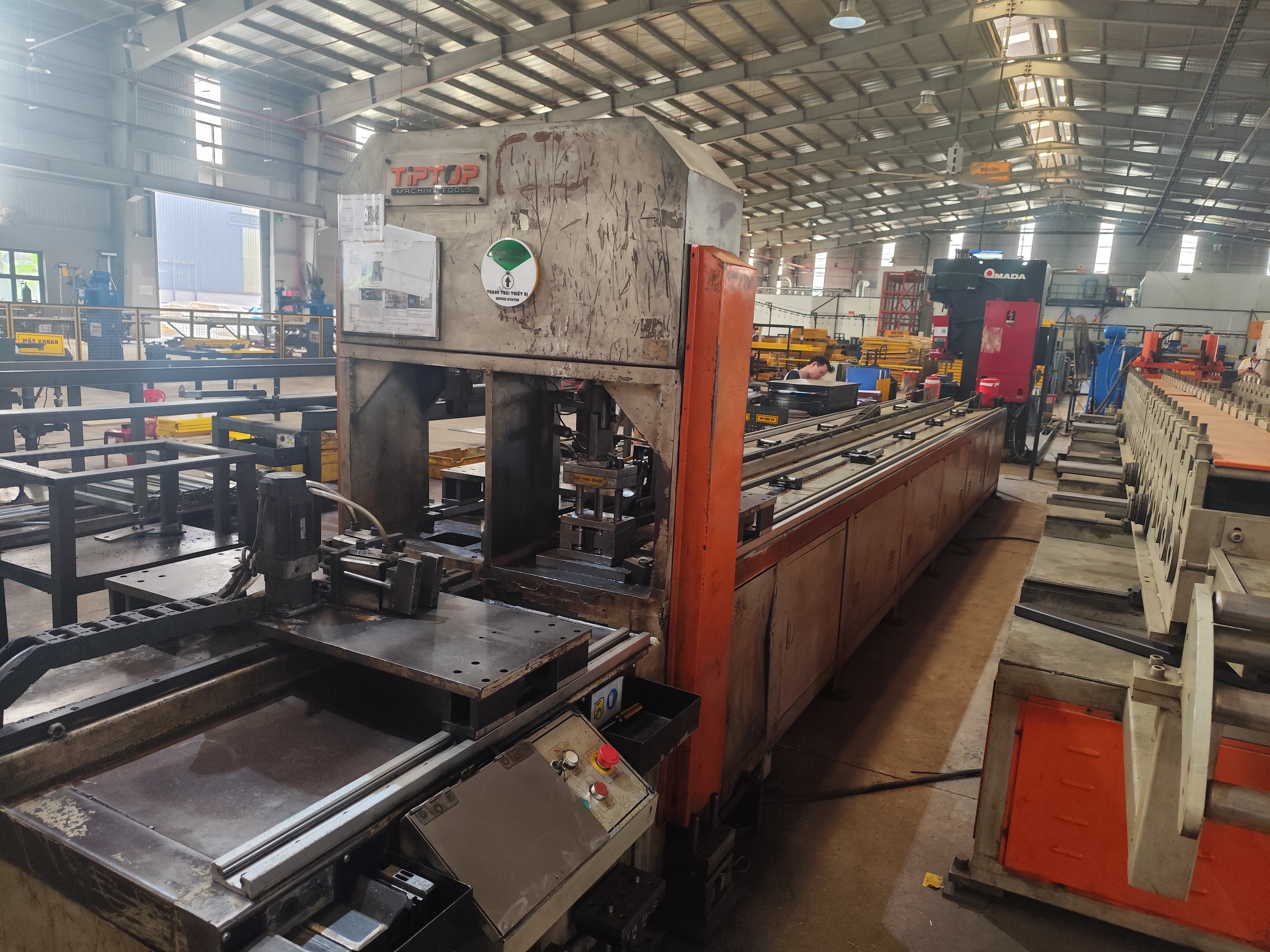
Last year, a client’s production line stopped for three days because a batch of stamped brackets failed—and the supplier’s warranty covered nothing beyond the parts themselves.
To negotiate warranty and after-sales repair terms for stamping parts, define performance-based standards, set the warranty start date at first productive use, require a full remedy hierarchy including repair, replacement, and refund, and document every obligation in a binding Quality Agreement with clear Service Level Agreement response times.
Poor warranty terms cost more than defective parts. They cost downtime, missed shipments, and broken customer trust. This guide breaks down the exact clauses, timelines, and documentation you need. Whether you are a buyer sourcing stamped brackets from Asia or a purchasing manager managing multiple suppliers, these negotiation strategies will protect your business.
What warranty terms should I request when sourcing stamping parts from Asian suppliers?
One lesson we learned early in our Vietnam sourcing operations is that a supplier's verbal promise of "one-year warranty" means nothing if the contract does not define what "defect" actually looks like for a stamped metal bracket.
When sourcing stamping parts from Asian suppliers, request performance-based warranty terms that specify dimensional tolerances, surface finish durability, Acceptable Quality Level thresholds, tooling maintenance responsibilities, a warranty start date tied to first productive use, and a remedy hierarchy covering repair, replacement, refund, and consequential damages.

Why Generic "Defect-Free" Language Fails
Most supplier contracts from Asian stamping factories include broad language like "parts shall be free from defects in materials and workmanship." This sounds protective. It is not. When a bracket shows stress corrosion cracking 1 after 14 months, the supplier can argue the part was not "defective" at delivery. You lose.
Instead, push for specific performance standards. Define the exact dimensional tolerances 2 the part must hold over time. Specify corrosion resistance ratings. Reference the operating environment—whether the part sits inside a high-heat automotive engine or an outdoor agricultural frame. The warranty must match the conditions.
The Start Date Problem
This is where many U.S. buyers lose coverage without knowing it. If your warranty starts on the delivery date and you receive 10,000 stamped clips in six monthly batches, the last 5,000 parts arrive with only six months of coverage left. By the time they are installed, coverage may be gone.
We always advise our clients to negotiate a "first productive use" or "final acceptance" start date. This ensures every part gets the full warranty window from the moment it enters service.
Key Warranty Terms to Request
| Warranty Element | What to Request | Why It Matters |
|---|---|---|
| Duration | 12–24 months from first productive use | Catches latent defects like micro-fractures and stress corrosion |
| Scope | Performance-based: dimensional retention, surface finish, cycle life | Prevents vague "defect-free" loopholes |
| Start Date | First productive use or final acceptance | Protects parts delivered in batches |
| Remedies | Repair, replacement, refund, AND damages | Prevents supplier from limiting to repair-only |
| Exclusions | Misuse, unauthorized modification, third-party damage | Fair to both sides—but must be clearly defined |
| Tooling Maintenance 3 | Supplier covers die maintenance and adjustment labor | Die wear is the primary driver of after-sales quality issues |
| Liability Cap | 100% of contract value or a negotiated fixed amount | Limits catastrophic exposure for both parties |
MTBF Alignment
If your stamping part has a high Mean Time Between Failures 4 specification, the warranty period must reflect that. A part designed to last 50,000 cycles should not carry a six-month warranty. The duration must allow the part to operate at full capacity under all required operating conditions. We run this correlation check during our PPAP process before any contract is signed.
Tooling Ownership and Maintenance
Tooling maintenance costs are a hidden battleground. Die wear is the number-one cause of dimensional drift in stamped parts. Your warranty terms should clearly state who owns the tooling, who stores it, and who pays for routine maintenance. If the supplier owns the die but you pay for sharpening, that must be explicit. We have seen disputes where a supplier refused warranty claims because the buyer did not authorize a die regrind—even though the contract never mentioned it.
How can I ensure my supplier honors after-sales repair commitments for defective stamping parts?
A buyer we work with in the Midwest once told us his previous supplier agreed to fast replacements—then took 47 days to ship corrected parts while his assembly line sat idle.
To ensure your stamping supplier honors after-sales repair commitments, embed enforceable Service Level Agreement response times, tiered downtime penalties, a clear Return Material Authorization process, Corrective and Preventive Action requirements with root-cause deadlines, and on-site technical assistance clauses directly into your purchase agreement.

Build Enforcement Into the Contract
Promises without penalties are suggestions. The single most effective tool we use is a tiered downtime penalty structure. If a stamping part failure halts your production line, the supplier's financial liability should increase hourly to reflect the true cost of the stoppage. This motivates fast action.
Here is a structure we recommend:
| Hours of Downtime | Penalty Level | Typical Action Required |
|---|---|---|
| 0–4 hours | No penalty | Supplier acknowledges issue and begins diagnosis |
| 4–24 hours | 1% of affected order value | Supplier ships replacement parts or provides remote troubleshooting |
| 24–72 hours | 3% of affected order value | Supplier dispatches on-site technical assistance |
| 72+ hours | 5% per additional 24-hour period, capped at limitation of liability | Full root-cause report and permanent corrective action required |
The Containment and Corrective Action Timeline
Speed matters more than perfection in the first hours after a defect is discovered. We use a two-phase approach:
Phase 1 – Containment (24 hours): The supplier must sort, quarantine, or replace suspect parts within 24 hours. This stops the bleeding. No root cause needed yet—just stop shipping bad parts.
Phase 2 – Root Cause and CAPA (10 business days): The supplier submits a formal Corrective and Preventive Action report. This must identify the root cause, define the corrective action, and set a timeline for verification. Our quality team in Vietnam and China reviews every CAPA before closing the issue.
Replacement Part Lead Times
Your contract should specify maximum replacement part lead times. For critical stamping components 5, we negotiate a 5–7 day replacement window for standard parts and a 48-hour window for safety-critical brackets. If the supplier cannot meet these windows, the contract should allow you to source from an alternate supplier at the original supplier's cost.
The Return Material Authorization Process
Never ship defective parts back without a formal Return Material Authorization. This document creates a paper trail. It records the defect description, quantity, lot number, and the agreed remedy. Without it, suppliers can deny receiving returns or dispute the defect count. We issue RMAs through a shared digital platform so both parties see the same data in real time.
Reverse Logistics Costs
Who pays to ship defective parts back? This is a common gap. The contract must state whether the supplier covers reverse logistics costs or if costs are shared. For our clients sourcing from Southeast Asia, international return shipping can cost more than the parts themselves. We always negotiate supplier-paid reverse logistics for confirmed warranty defects.
What documentation should I require to protect my rights during warranty negotiations?
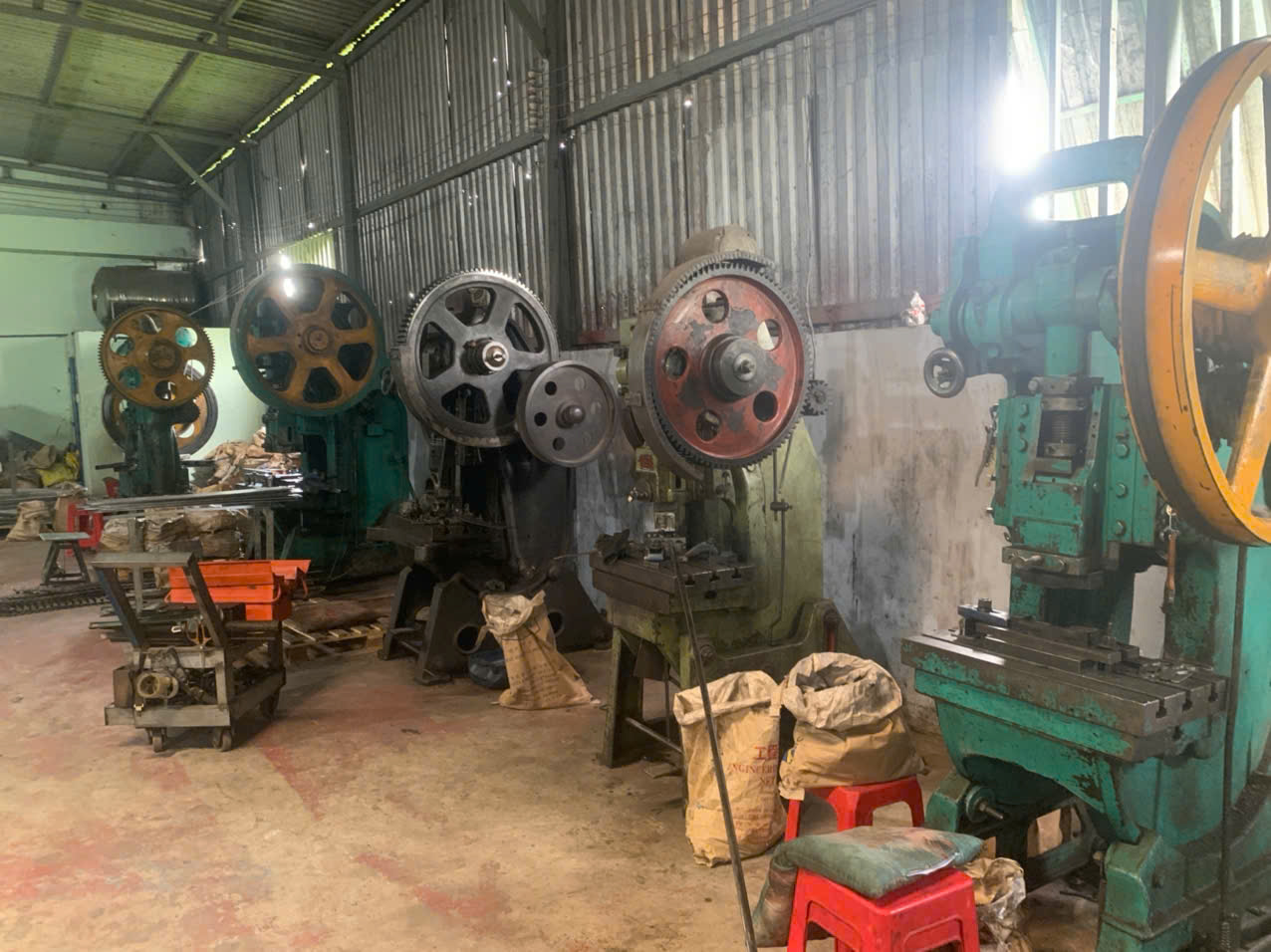
During a supplier audit at a stamping factory in northern Vietnam, our team discovered that the facility kept no dimensional inspection records beyond 30 days. If a warranty claim arose after that window, there was zero data to trace the root cause.
To protect your rights during warranty negotiations for stamping parts, require a signed Quality Agreement with Acceptable Quality Level standards, PPAP documentation, first-article inspection reports, material certifications, process control records, a warranty database for defect tracking, and formal notice requirements specifying claim deadlines and submission formats.
The Documentation Stack
Documentation is your legal armor. Without it, warranty disputes 6 become "he said, she said" arguments that cost time and money. Here is the complete stack we require from every stamping supplier before production begins.
| Document | Purpose | When It Is Created |
|---|---|---|
| Quality Agreement | Defines AQL, CTQ dimensions, inspection methods, and warranty scope | Before first order |
| PPAP Package | Proves the supplier can consistently produce parts to specification | Before production approval |
| First Article Inspection Report | Verifies the first production run meets all drawing requirements | Start of each new production run |
| Material Certifications (Mill Certs) | Confirms raw material 7 grade, tensile strength, and chemical composition | With each material lot |
| In-Process Control Records | Documents SPC data, die stroke counts, and dimensional checks during production | During every production run |
| Final Inspection Report | Records AQL sampling results before shipment | Before each shipment |
| Warranty Claim Log / Database | Tracks all claims, root causes, and resolutions over time | Ongoing |
| Root Cause Analysis Reports | Documents CAPA findings for each confirmed defect | Within 10 days of claim |
Notice Requirements
Your contract must define strict notice requirements for warranty claims. We recommend written notice within 5 business days of defect discovery. The notice should include the part number, lot or batch number, quantity affected, defect description with photos, and the requested remedy. Late notice should not automatically void the claim, but it should trigger a review process.
Linking Data to a Warranty Database
One practice that separates professional sourcing operations from amateur ones is maintaining a warranty database. Every claim gets logged with the defect type, root cause, supplier response time, and resolution cost. Over 12–24 months, this data reveals patterns. Maybe a specific die produces 80% of the failures. Maybe defects spike after a material supplier change.
We use this data during annual contract reviews. It gives us leverage to negotiate better terms, request tooling replacements, or justify switching suppliers. It also supports cost-benefit analyses for whether to extend warranty coverage or invest in incoming inspection.
ISO 9001 Compliance as a Baseline
We require ISO 9001 compliance from all stamping suppliers. This is not just a checkbox. ISO 9001 mandates documented quality management systems 8, internal audits, and management reviews. It creates a framework for the supplier to maintain the records you need for warranty enforcement. Without it, documentation quality varies wildly.
Digital Twin Die Escrow
An emerging practice we are exploring is requiring a high-fidelity virtual model of the stamping die—a "digital twin"—held in escrow. If a supplier goes bankrupt or refuses cooperation, you can use this model for remote troubleshooting, virtual simulation of repairs, or even transferring production to another shop. This is still rare, but forward-thinking buyers are starting to request it for critical tooling.
How do I handle disputes if my stamping parts supplier fails to meet warranty obligations?
We had a situation two years ago where a supplier in Asia refused a warranty claim on 3,000 galvanized mounting brackets, arguing that the zinc coating failure was caused by our client's storage conditions—not a manufacturing defect.
If your stamping parts supplier fails to meet warranty obligations, escalate through a defined dispute resolution process: start with a formal written notice of breach, conduct a joint root-cause investigation using documented evidence, engage a neutral third-party mediator if needed, and enforce contractual remedies including tiered penalties, alternate sourcing rights, and limitation of liability provisions.

Step-by-Step Dispute Escalation
Disputes are inevitable. What matters is having a clear escalation path before the dispute happens. We build the following four-step process into every supplier agreement:
Step 1 – Formal Written Notice. Send a written notice of breach 9 within the contractual notice period. Reference the specific clause violated. Attach all supporting documentation: inspection reports, photos, material certs, and warranty claim logs. Do not call first—write first. The paper trail matters.
Step 2 – Joint Root-Cause Investigation. Within 10 business days of notice, both parties should participate in a root-cause investigation. If the supplier is overseas, this may involve video inspection, shared measurement data, or dispatching on-site technical assistance. The goal is to agree on facts before arguing about blame.
Step 3 – Mediation. If the joint investigation does not resolve the dispute, engage a neutral third-party mediator. Many international trade agreements 10 specify mediation before arbitration. This is faster and cheaper than litigation. We typically designate the Singapore International Mediation Centre as the mediation body in our contracts.
Step 4 – Contractual Remedies. If mediation fails, enforce the contractual remedies. These may include withholding payment on open invoices, sourcing replacement parts from an alternate supplier at the original supplier's cost, or invoking the limitation of liability cap.
Common Supplier Defenses and How to Counter Them
| Supplier Defense | Your Counter | Documentation Needed |
|---|---|---|
| "The defect was caused by misuse" | Show that parts were used within the specified operating conditions | Installation records, operating environment documentation |
| "The claim was filed too late" | Prove notice was sent within the contractual window | Timestamped emails, RMA records |
| "This is normal wear, not a defect" | Reference the performance-based warranty standards in the contract | AQL data, dimensional inspection results, cycle-life test data |
| "We only owe repair, not replacement" | Point to the remedy hierarchy clause requiring replacement when repair is impractical | Contract clause, downtime cost documentation |
| "Our sub-supplier caused the defect" | Invoke the back-to-back warranty clause requiring the supplier to manage sub-supplier claims | Sub-supplier audit records, material certifications |
The Rolling Warranty Trap
Watch for rolling warranty clauses that restart the warranty period after every repair or replacement. This creates indefinite liability and is a red flag for both parties. As a buyer, it sounds attractive—but suppliers who agree to rolling warranties often price the risk into their unit cost. A better approach is to set a fixed warranty period with a clear end date, and offer a paid extended service plan as an add-on if the buyer wants longer coverage.
Back-to-Back Warranties With Sub-Suppliers
If the stamping supplier sources raw material or sub-components from another vendor, the supplier must hold that sub-supplier to the same warranty terms. This "pass-through" mechanism ensures that if a defect originates at a lower tier—say, a steel mill shipped out-of-spec coil stock—the stamping supplier can recover costs downstream rather than absorbing them.
We structure our supplier agreements to require this. During supplier audits, our China and Vietnam teams verify that sub-supplier contracts include matching indemnity provisions.
The "No Defect Found" Policy
Sometimes parts get returned under warranty but actually meet specification. This happens. Your contract should include a "no defect found" policy that clarifies who pays the inspection and return shipping costs in this scenario. Without this clause, disputes arise over whether the supplier can charge the buyer for time spent evaluating a false claim.
Conclusion
Negotiating warranty and after-sales repair terms for stamping parts demands specificity, documentation, and enforceable remedies. Define performance standards, lock in start dates, require full CAPA processes, and build escalation paths before problems arise.
Frequently Asked Questions
What warranty terms should I request when sourcing stamping parts from Asian suppliers?
One lesson we learned early in our Vietnam sourcing operations is that a supplier's verbal promise of "one-year warranty" means nothing if the contract does not define what "defect" actually looks like for a stamped metal bracket.
How can I ensure my supplier honors after-sales repair commitments for defective stamping parts?
A buyer we work with in the Midwest once told us his previous supplier agreed to fast replacements—then took 47 days to ship corrected parts while his assembly line sat idle.
What documentation should I require to protect my rights during warranty negotiations?
During a supplier audit at a stamping factory in northern Vietnam, our team discovered that the facility kept no dimensional inspection records beyond 30 days. If a warranty claim arose after that window, there was zero data to trace the root cause.
Footnotes
1. Authoritative Wikipedia entry explaining crack growth in corrosive environments for engineering components. ↩︎
2. Defines the technical engineering standards for allowable variation in physical dimensions. ↩︎
3. Reliable source covering the maintenance and lifecycle of manufacturing dies and stamping tools. ↩︎
4. Technical definition of the reliability metric used to predict part longevity. ↩︎
5. Professional association resource for the precision metalforming and stamping industry. ↩︎
6. Government resource providing legal guidance on federal warranty laws and dispute resolution for businesses. ↩︎
7. Standard encyclopedic definition of materials used in the primary production or manufacturing of goods. ↩︎
8. Official ISO page defining the requirements for a quality management system. ↩︎
9. Legal definition and requirements for notifying a party of a contract violation. ↩︎
10. Provides context on the legal frameworks governing commerce and dispute resolution between nations. ↩︎