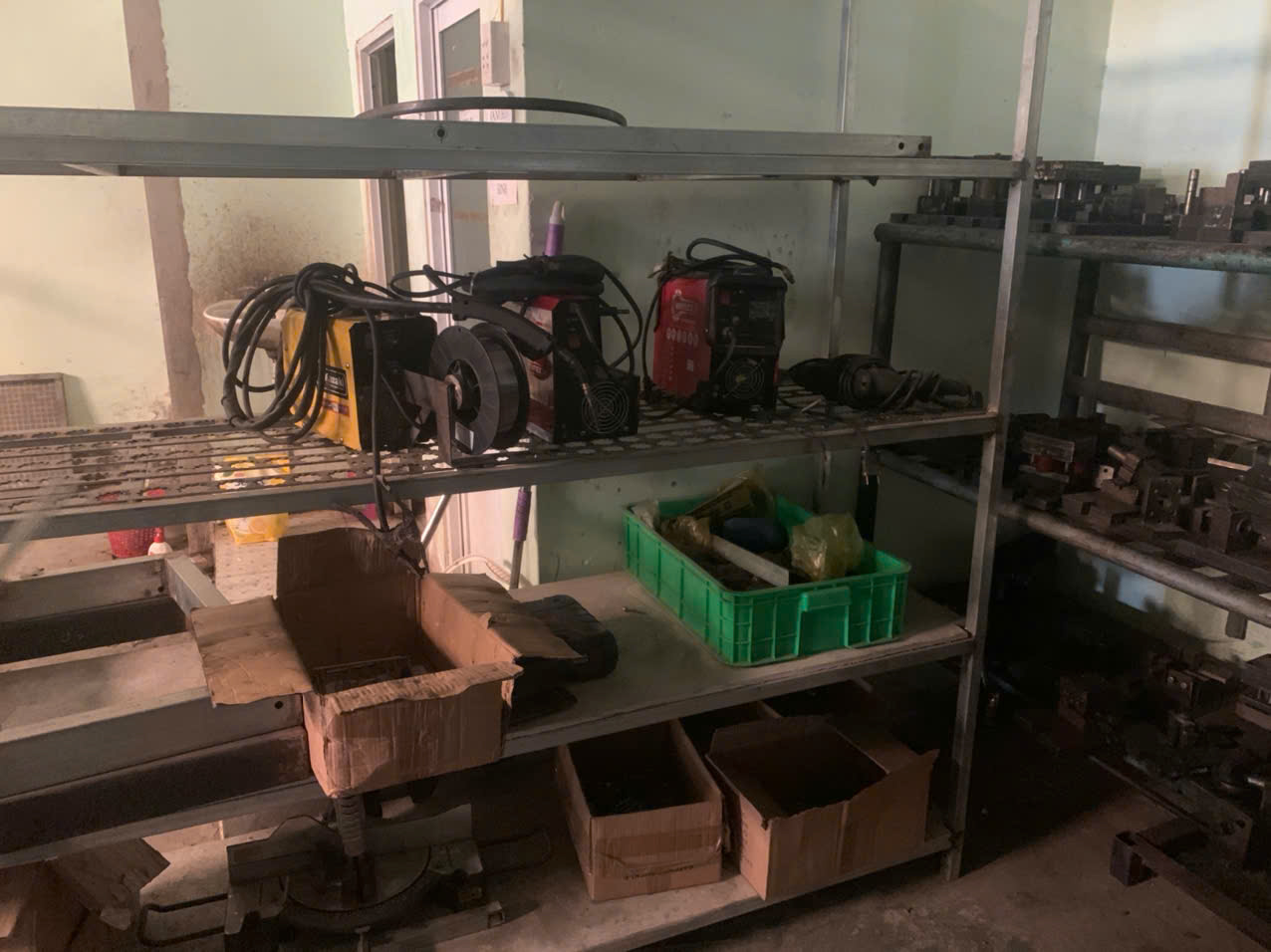
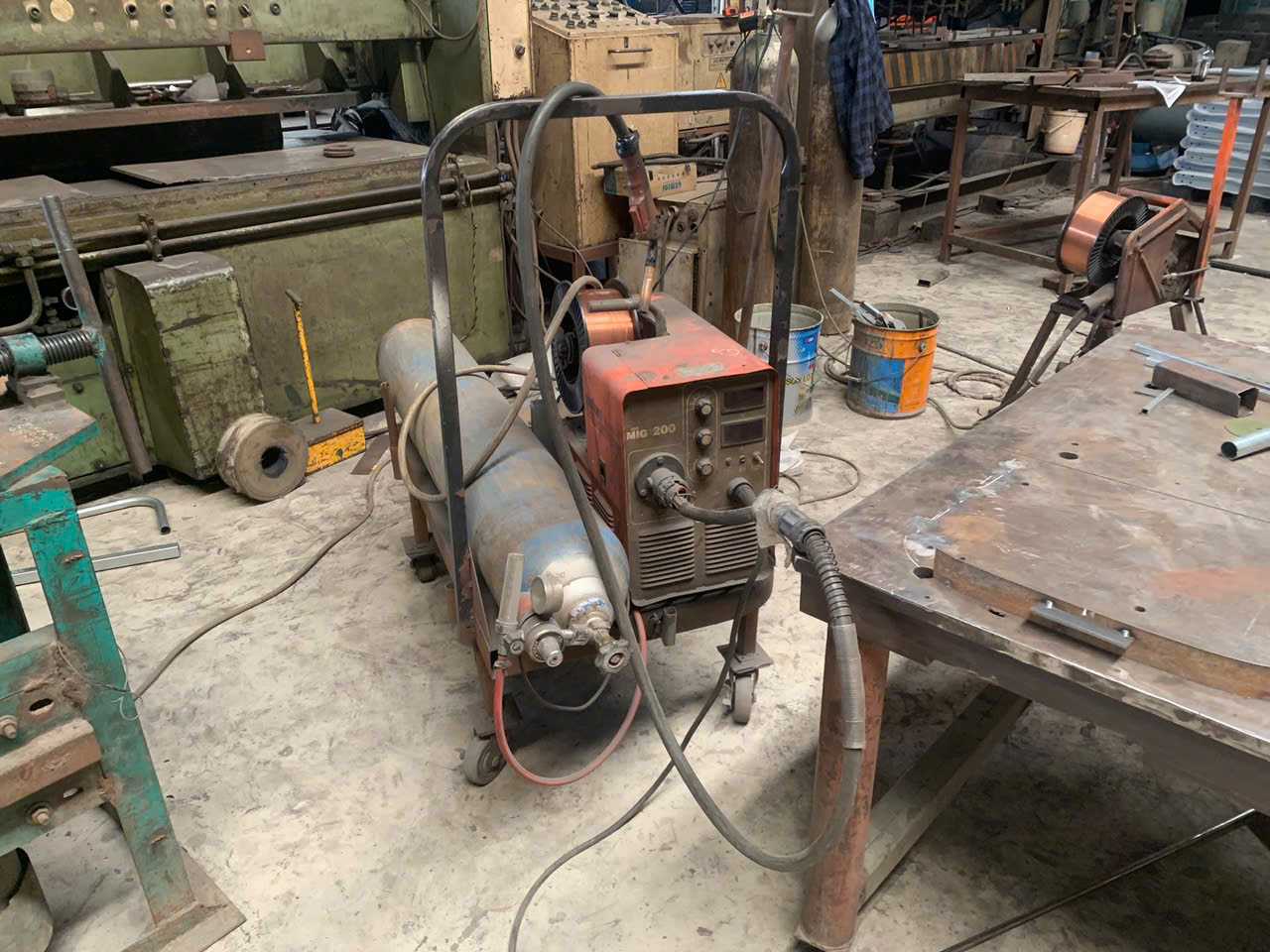
Finding the best welding parts suppliers became a top priority after our team managed three failed shipments in a single quarter — all traced back to suppliers who ignored critical drawing tolerances 1.
New OEM procurement professionals can find the best welding parts suppliers by evaluating technical expertise, welding certifications, quality control processes, production capacity, and payment flexibility — then verifying capabilities through supplier audits, sample runs, and reference checks before committing to volume orders.
The welding parts procurement landscape is more complex than most newcomers expect. With over 591 welding equipment distributor businesses 2 operating in the US as of 2025 and the industry growing at a CAGR of 1.8%, the options can feel overwhelming. This guide breaks the process down into practical steps. Each section tackles a real challenge that procurement professionals face when sourcing custom welded components — from reading technical drawing 3s to negotiating open account payment terms.
How do I identify a welding parts supplier that truly understands my technical drawings and OEM specifications?
A lesson I learned early in our co-development work: sending a technical drawing to five different suppliers often produces five wildly different interpretations — and that gap between intent and execution is where most quality failures begin.
To identify a supplier that truly understands your technical drawings, look for one that asks detailed clarification questions upfront, maintains a dedicated engineering review team, has documented DFM (Design for Manufacturability) feedback processes, and can demonstrate past success with similar OEM welding projects.
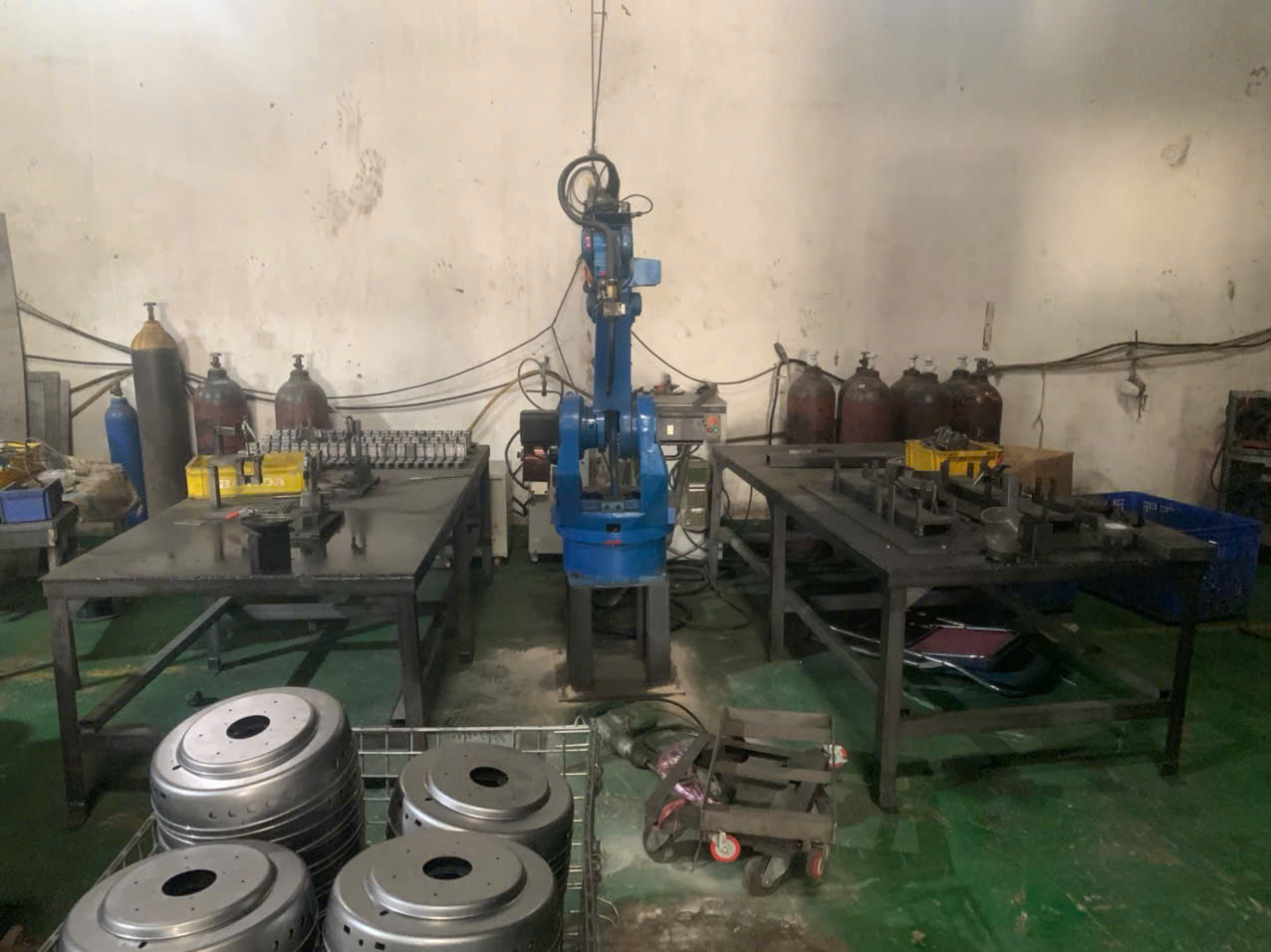
Why Drawing Interpretation Matters More Than Price
Most procurement professionals start by comparing quotes. That makes sense. But the supplier who returns the lowest price in 24 hours may not have actually read your drawing. I have seen this pattern repeatedly. A supplier skips over a critical surface finish callout or misses a geometric tolerance. The parts arrive. They do not fit. You lose weeks.
The real cost is not the unit price. It is the rework, the air freight for replacements, and the lost trust with your end customer.
What to Look for During Supplier Evaluation
When our engineering team in Vietnam reviews a new project, the first step is always a drawing markup session. We flag every dimension, weld symbol, material specification, and surface treatment. Then we send questions back to the client. Good suppliers do the same.
Here is a quick comparison of what separates a technically capable supplier from a generic one:
| Evaluation Criteria | Technically Capable Supplier | Generic Supplier |
|---|---|---|
| Drawing review turnaround | 2–3 days with detailed questions | 1 day with a quote, no questions |
| Weld symbol interpretation | Follows AWS D1.1 4 or equivalent standards | Welds "as best they can" |
| DFM feedback | Proactively suggests design improvements | Builds exactly as drawn, even if impractical |
| Material traceability | Provides mill certs for every batch | Cannot trace material sourcing back to origin |
| Sample approval process | PPAP or equivalent first-article inspection | Ships bulk after one informal sample |
Ask the Right Questions Early
Before you commit to a supplier, send a moderately complex drawing and watch what happens. Does the supplier ask about weld penetration requirements? Do they confirm the welding process — MIG, TIG, or robotic welding? Do they verify the base material grade?
If the answer to all of these is silence followed by a quote, that is a red flag.
Technical expertise shows up in the questions a supplier asks — not just the answers they give. New procurement professionals should treat the quoting phase as an interview. The supplier is interviewing for the job of building your parts. Grade them accordingly.
What quality control measures should I look for to ensure my custom welded parts are right the first time?
One of the most frustrating phone calls I have received was from a US client whose assembly line shut down because a batch of welded brackets had inconsistent hole spacing — a defect our inspection team would have caught in under ten minutes with the right fixtures.
Look for suppliers with ISO 9001 certification, documented inspection plans tied to your drawing, first-article inspection (PPAP) capability, in-process checks at every critical weld stage, and final dimensional verification using calibrated instruments — these measures ensure your welded parts are right the first time.
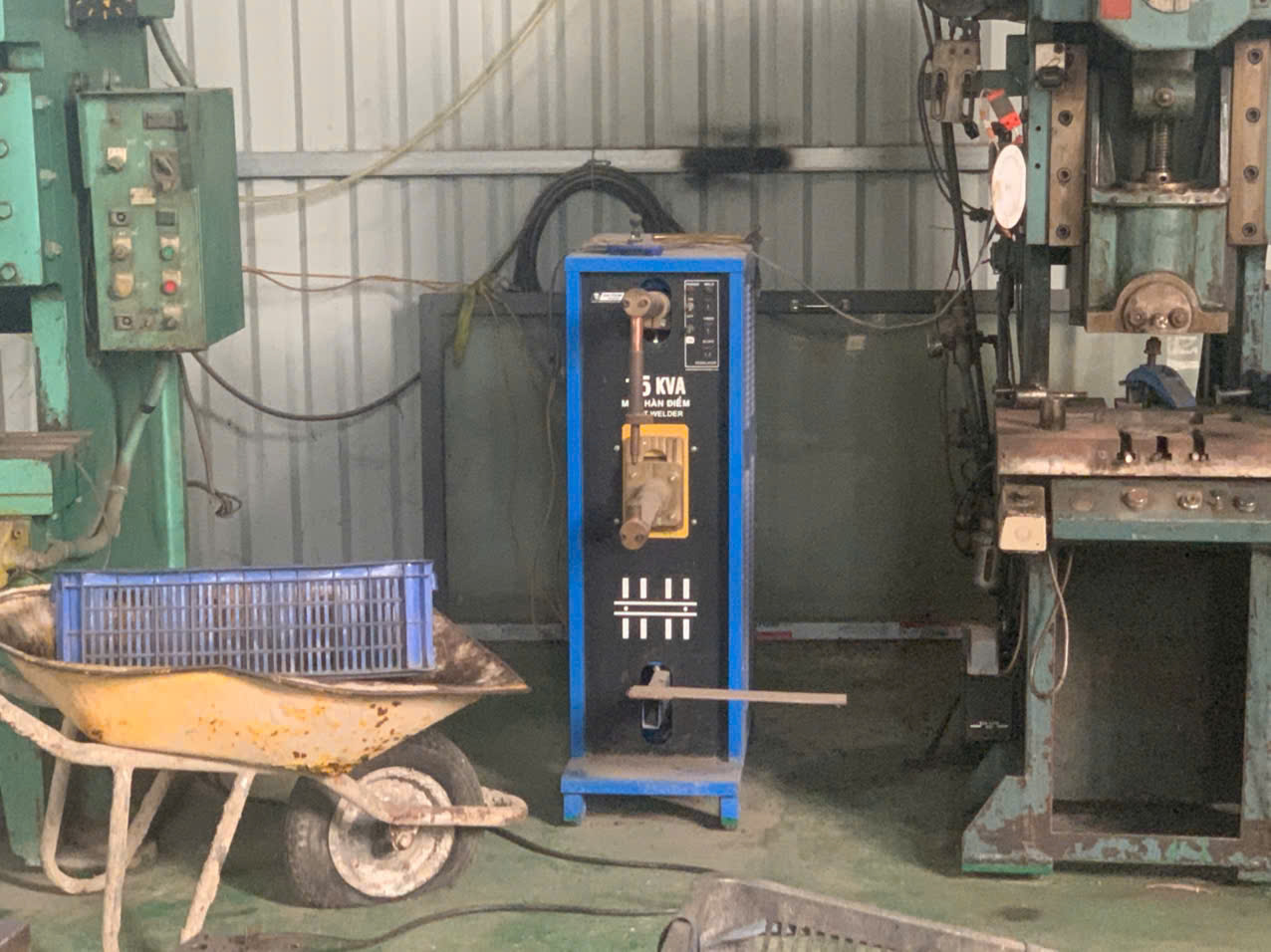
The Cost of Getting It Wrong
When a welded part fails inspection at your facility, the direct costs include scrap, rework, and expedited replacement shipping. The indirect costs are worse: production downtime, missed delivery to your customer, and erosion of the relationship you worked hard to build.
Industry standards like ISO 9001 5 exist for a reason. They force suppliers to document their quality control processes, train their inspectors, and maintain calibrated equipment. But certification alone is not enough. You need to verify that the supplier actually follows their quality system — not just that they have a certificate on the wall.
A Practical QC Checklist for Welded Parts
Our team uses a structured approach when setting up quality control for a new welding project. Here is a simplified version you can adapt:
| QC Stage | What to Check | Recommended Method |
|---|---|---|
| Incoming material | Material grade, thickness, mill certificate | Verify against drawing specs; check cert traceability |
| Fixture setup | Jig alignment, clamping force | First-piece check before production run |
| In-process welding | Weld bead appearance, penetration, spatter | Visual inspection + weld gauge per AWS standards |
| Post-weld | Distortion, dimensional accuracy | CMM or go/no-go gauges on critical dimensions |
| Surface treatment | Coating thickness, adhesion, finish | Thickness gauge, cross-hatch adhesion test |
| Final inspection | Full dimensional report, visual, packaging | AQL sampling or 100% inspection per client spec |
Welding Certifications That Matter
Not all welding certifications carry the same weight. For structural and load-bearing components, look for welders certified to AWS D1.1 (Structural Welding Code — Steel) or ISO 3834. For pressure-related work, ASME Section IX 6 is the benchmark.
Ask your supplier to provide welder qualification records. These records prove that the individual welders performing your work have passed standardized tests for the specific welding process and material type your project requires.
Why PPAP Is Worth the Effort
Production Part Approval Process 7 — or PPAP — is borrowed from the automotive industry, but it works beautifully for any custom welded part. It forces both you and the supplier to agree on every specification before mass production begins. The first-article inspection report becomes your shared reference document. Any deviation from that baseline triggers a corrective action.
I have seen projects go from a 15% rejection rate to near-zero simply by implementing a proper PPAP process with the supplier. It takes extra time upfront. It saves enormous time and money downstream.
How can I successfully source welding parts from Vietnam to diversify my supply chain away from China?
A conversation with a procurement manager in Ohio last year stuck with me. He said, "I know I need to diversify away from China, but I don't know where to start — and I can't afford a learning curve." That concern is valid, and it is exactly why our team built a local operation in Vietnam with seven dedicated staff.
To successfully source welding parts from Vietnam, partner with a sourcing company that has a local presence in Vietnam, conducts on-site supplier audits, manages process control and final inspection locally, and provides door-to-door logistics — this eliminates the learning curve and reduces the risk of supply chain disruption.
Why Vietnam Is a Viable Alternative
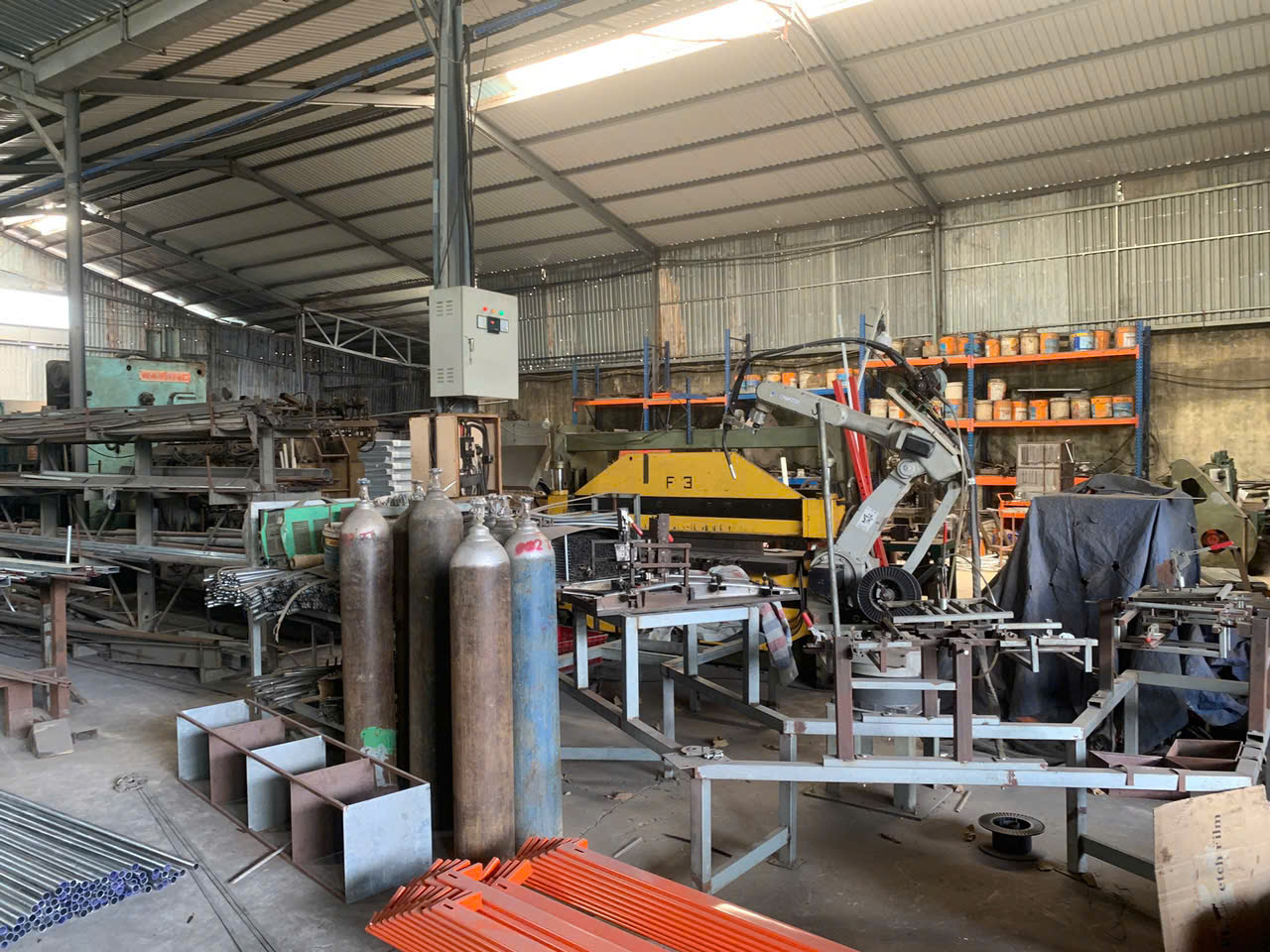
Vietnam's manufacturing sector has matured significantly. The country now hosts a growing number of metal fabrication and welding shops capable of handling mid-to-high complexity OEM work. Labor costs remain competitive. Trade agreements between Vietnam and the US provide tariff advantages that China-based suppliers cannot match under current conditions.
But there are real challenges. Many Vietnamese welding shops are still scaling up their quality systems. English-speaking engineering talent is less common than in China. Lead times for material sourcing can be longer because Vietnam's domestic steel supply chain is less developed.
A Comparison: China vs. Vietnam for Welding Parts Sourcing
| Factor | China | Vietnam |
|---|---|---|
| Supplier maturity | Highly developed; vast supplier base | Growing rapidly; smaller but capable supplier pool |
| Labor cost | Rising steadily | Still competitive for medium-skill work |
| Tariff situation (US) | Subject to significant additional tariffs | Favorable trade terms with the US |
| Quality systems | Many suppliers ISO-certified | ISO adoption increasing but less universal |
| Local material availability | Extensive domestic steel/aluminum supply | More reliant on imported raw materials |
| English communication | Widely available in export-oriented factories | Improving but less consistent |
| Delivery performance | Well-established logistics infrastructure | Developing; sea freight lanes to US are reliable |
How a Local Team Makes the Difference
The biggest risk in Vietnam sourcing is the distance between your office and the factory floor. Without someone on the ground, you cannot verify that the supplier is following the agreed process. Our Vietnam office handles supplier audits, incoming material checks, in-process monitoring, and final inspection. This is not unique to us — any serious sourcing partner should offer similar capabilities.
When evaluating a sourcing partner for Vietnam, ask these questions:
- Do you have full-time employees in Vietnam, or do you use freelance inspectors?
- Can you provide photos and video of the factory floor during production?
- How do you handle non-conformances discovered during in-process inspection?
- What is your average lead time for welded steel assemblies from Vietnam to a US port?
Start Small, Scale Deliberately
I always recommend that new clients start with a pilot order. Choose a part that is important but not mission-critical. Run it through the full process: drawing review, DFM feedback, sample approval, small production batch, inspection, and shipment. Evaluate the results. Then scale.
This approach reduces cost reduction pressure on the first order and lets you build confidence in the supplier's delivery performance before committing larger volumes. Supply chain management 8 is a long game. Diversification works best when it is deliberate, not desperate.
How do I find a sourcing partner that offers open account payment terms for my custom welding projects?
Cash flow is the silent killer of good procurement decisions. I watched a mid-sized distributor in Texas pass on a better-quality supplier simply because the supplier demanded 100% payment before shipment — and the distributor could not tie up that much capital.
To find a sourcing partner offering open account payment terms (net 60–90 days) for custom welding projects, look for established intermediaries with a strong financial track record, a Singapore or US-registered entity, and a business model designed to absorb payment risk — such partners free your cash flow while maintaining quality oversight.
Why Payment Terms Matter in Custom Welding Procurement
Unlike commodity purchases where you can shop for the cheapest wire or welding consumables, custom welded parts involve long lead times. From drawing approval to final shipment, a complex welded assembly can take 8–12 weeks. If you pay 30% upfront and 70% before shipment, your capital is locked for months before you can invoice your own customer.
Open account terms 9 — typically net 60 or net 90 — shift the cash flow burden from the buyer to the supplier or intermediary. This is a significant competitive advantage, especially for small and mid-sized procurement companies that cannot afford to finance large inventories.
What Makes Open Account Possible
Not every supplier can offer open account. Factories in Asia typically need cash to buy raw materials and pay workers. The risk of non-payment is real, especially with new international clients.
This is where a sourcing partner — rather than a direct factory — becomes valuable. A well-capitalized intermediary can pay the factory on standard terms while extending credit to the buyer. Our Singapore-based entity, for example, is structured specifically to offer this flexibility to qualified US clients.
Here are the key factors that determine whether a sourcing partner can offer open account:
- Financial stability: The partner needs reserves or credit lines to bridge the payment gap.
- Legal entity jurisdiction: A Singapore or US registration gives buyers legal recourse and confidence.
- Credit assessment process: Responsible partners will evaluate your creditworthiness before extending terms.
- Relationship history: Terms often improve as the relationship matures and trust is established.
Comparing Payment Structures Across Sourcing Models
| Sourcing Model | Typical Payment Terms | Cash Flow Impact on Buyer | Risk Level for Buyer |
|---|---|---|---|
| Direct factory (China) | 30% deposit + 70% before shipment | High capital lockup | Higher — limited recourse if quality fails |
| Trading company (Asia) | T/T 30/70 or L/C at sight | Moderate capital lockup | Moderate — depends on trading company reputation |
| Sourcing partner (Singapore) | Open account net 60–90 | Low capital lockup | Lower — contract under Singapore/US law |
| US-based distributor | Net 30 typical | Very low capital lockup | Lowest — but prices are highest |
Building Trust to Unlock Better Terms
Payment terms are earned, not given. Start with smaller orders on standard terms. Demonstrate consistent demand and reliable payment. Over time, your sourcing partner will be more willing to extend open account terms and increase credit limits.
From our side, we look at the overall relationship — order frequency, communication quality, payment history — before extending net 90 terms. It is a partnership, not just a transaction.
Conclusion
Finding the best welding parts suppliers requires evaluating technical expertise, quality control processes, supply chain diversification options, and payment flexibility — approach each factor methodically, and you will build partnerships that deliver conforming parts on time, every time.
Frequently Asked Questions
How do I identify a welding parts supplier that truly understands my technical drawings and OEM specifications?
A lesson I learned early in our co-development work: sending a technical drawing to five different suppliers often produces five wildly different interpretations — and that gap between intent and execution is where most quality failures begin.
What quality control measures should I look for to ensure my custom welded parts are right the first time?
One of the most frustrating phone calls I have received was from a US client whose assembly line shut down because a batch of welded brackets had inconsistent hole spacing — a defect our inspection team would have caught in under ten minutes with the right fixtures.
How can I successfully source welding parts from Vietnam to diversify my supply chain away from China?
A conversation with a procurement manager in Ohio last year stuck with me. He said, "I know I need to diversify away from China, but I don't know where to start — and I can't afford a learning curve." That concern is valid, and it is exactly why our team built a local operation in Vietnam with seven dedicated staff.
Footnotes
1. Replaced HTTP 404 with an authoritative Wikipedia page explaining geometric dimensioning and tolerancing, which encompasses drawing tolerances. ↩︎
2. Provides current statistics and market analysis for welding equipment distributors in the US. ↩︎
3. Replaced HTTP 403 with an authoritative Wikipedia page defining and explaining technical drawing. ↩︎
4. Details the American Welding Society’s structural welding code for steel. ↩︎
5. Explains the globally recognized standard for quality management systems and its benefits. ↩︎
6. Describes the ASME Boiler and Pressure Vessel Code Section IX for welding and brazing qualifications. ↩︎
7. Explains the standardized process for approving new or revised parts in manufacturing. ↩︎
8. Defines supply chain management and its critical role in global economies and business operations. ↩︎
9. Explains open account transactions in international trade and their implications for buyers and sellers. ↩︎