

Rust prevention maintenance for stamping parts is a question our project team answers weekly. One rusty shipment can wreck a delivery schedule, trigger rework, and damage trust with your end customer overnight.
Rust prevention maintenance for stamping parts should follow a risk-based schedule: per-shift checks in active production, weekly to monthly inspections for stored inventory, cleaning every 3–6 months, full coating reapplication annually, and immediate treatment whenever coatings are damaged or parts get wet.
There is no single magic interval. The right frequency depends on your environment, coating system, and storage time. Let me walk you through how to set a schedule that actually fits your situation.
What factors determine how often I need to schedule rust prevention maintenance?
A few years back, our Vietnam team stored a batch of steel brackets through monsoon season. The parts that stayed rust-free were the ones we had checked weekly, not monthly. That lesson shaped how we set intervals today.
Five factors set your rust prevention maintenance interval: environmental humidity and temperature, the type and durability of the protective coating, the base material of the part, storage duration and packaging quality, and how intensively the parts are handled or used.

Each factor pushes your schedule tighter or looser. You need to weigh all five together, not just one.
Environment comes first
Humidity is the biggest driver. When relative humidity 1 stays above roughly 60%, oxidation speeds up fast. Coastal air adds salt, which is even worse. Industrial zones add airborne chemicals. In our experience shipping stamped brackets from Vietnam and Taiwan to the US, ocean transit alone exposes parts to weeks of humid, salty air. That is why we treat every export container as a high-risk environment by default.
Material and coating matter just as much
Carbon steel stampings rust fastest and need the most frequent attention. Galvanized 2 and stainless parts buy you time, but they are not immune. Cut edges and punched holes expose bare metal even on coated stock. Coating type changes the math too. A light rust-preventive oil may protect for only days to weeks. A heavy-duty barrier coating or VCI system can last months.
| Factor | Low Risk | High Risk |
|---|---|---|
| Humidity | Below 60%, climate controlled | Above 60%, coastal or monsoon climate |
| Material | Stainless, galvanized | Bare carbon steel |
| Coating | Long-term barrier, VCI packaging | Light oil film or none |
| Storage time | Under 30 days | 3+ months |
| Handling | Sealed and untouched | Frequent handling, bare hands |
The more high-risk boxes you tick, the shorter your interval should be. A bare carbon steel bracket in humid outdoor storage may need weekly checks. A VCI-sealed stainless clip in a climate-controlled warehouse can go a quarter between inspections.
How can I tell if my stamping parts need rust prevention sooner than planned?
One of our US purchasing clients once opened a container to find orange spotting on brackets that were "not due" for maintenance for two more months. The calendar said fine; the parts said otherwise. Condition always beats the calendar.
Your stamping parts need rust prevention sooner than planned if you see orange or brown spotting, surface pitting or roughness, chipped coating or worn plating, condensation inside packaging, damp or musty storage conditions, or contamination from coolant, salt, or wash water.

These triggers override any fixed schedule. Train your team to act on them immediately, not at the next planned check.
The early warning signs, ranked by urgency
Some signs mean rust is already forming. Others mean it is about to. Here is how we rank them during our final inspections before shipment.
| Warning Sign | What It Means | Action Required |
|---|---|---|
| Orange/brown spotting | Active surface rust | Clean, treat, and recoat immediately |
| Pitting or rough texture | Rust has penetrated the surface | Assess for rework or rejection |
| Chipped paint or worn plating | Barrier is broken, rust is coming | Touch up the coating now |
| Condensation in packaging | Moisture is trapped with the parts | Repack with fresh desiccant and VCI |
| Musty or damp storage smell | Environment exceeds safe humidity | Fix storage conditions, inspect all stock |
| Coolant or salt residue | Contaminants are attacking the oil film | Re-clean and re-oil affected parts |
Watch the seasons, not just the parts
Seasonal transitions are the trap most teams miss. Spring thaw and pre-monsoon months bring sudden humidity spikes. During those windows, we double our inspection frequency in our Vietnam warehouse regardless of what the standard calendar says. A part that survived four dry months can spot with rust in one humid week.
Also inspect after any unusual event. A roof leak, a delayed shipment sitting at port, or a broken dehumidifier all justify an immediate unscheduled check. The cost of one extra inspection is nothing compared to reworking a full batch.
What rust prevention methods work best for different maintenance schedules?
When we quote a custom stamping project, the protection method is part of the engineering conversation, not an afterthought. A method that works for a 10-day domestic delivery will fail on a 45-day ocean shipment to the US East Coast.
Match the method to the timeline: light rust-preventive oils protect for days to weeks, VCI paper and bags protect for months in sealed packaging, heavy-duty coatings and greases last 6–12 months, and plating or conversion coatings provide long-term protection with annual inspection.

The protection window of each method dictates your maintenance cycle. Choose short-term methods, and you commit to short maintenance intervals.
Matching method to schedule
| Protection Method | Typical Protection Window | Best Use Case | Maintenance Cycle |
|---|---|---|---|
| Light rust-preventive oil | 2 days to 2 weeks | Between production steps | Reapply per shift or daily |
| Water-displacing fluid | 1–4 weeks | Post-washing, short storage | Weekly checks |
| VCI paper/bags + desiccant | 3–24 months sealed | Export shipping, long storage | Inspect at unsealing, repack if opened |
| Heavy-duty oil or grease | 6–12 months | Long-term inventory | Semi-annual to annual recoat |
| Zinc plating 4 / conversion coating | Years | Finished product protection | Annual inspection, touch up damage |
Layering beats any single method
The strongest approach combines methods. On our export shipments, we typically layer three defenses. First, a rust-preventive oil goes on right after stamping and cleaning, before any storage. Second, parts are wrapped in VCI paper or sealed in VCI bags with desiccant. Third, the outer packaging blocks physical moisture during transit.
This layering is why packaging quality directly extends your maintenance interval. A well-sealed VCI package 5 can protect carbon steel stampings through months of ocean transit and warehouse storage with zero intermediate maintenance. A torn bag or a skipped desiccant pouch collapses the whole system. That is also why our final inspection checklist includes packaging integrity, not just part quality. Getting it right the first time means the parts arrive protected, not just leave protected.
How do I create a maintenance schedule that fits my storage and shipping conditions?
Building a plant-specific schedule is a project management task, and it is one we walk through with clients during PPAP 6 and process planning. The goal is simple: protect every part without over-maintaining and burning labor on low-risk stock.
Build your schedule in four steps: classify parts by risk level, assign baseline intervals to each tier, add condition-based triggers that override the calendar, and document every inspection and recoat date so you can tighten or relax intervals based on real results.
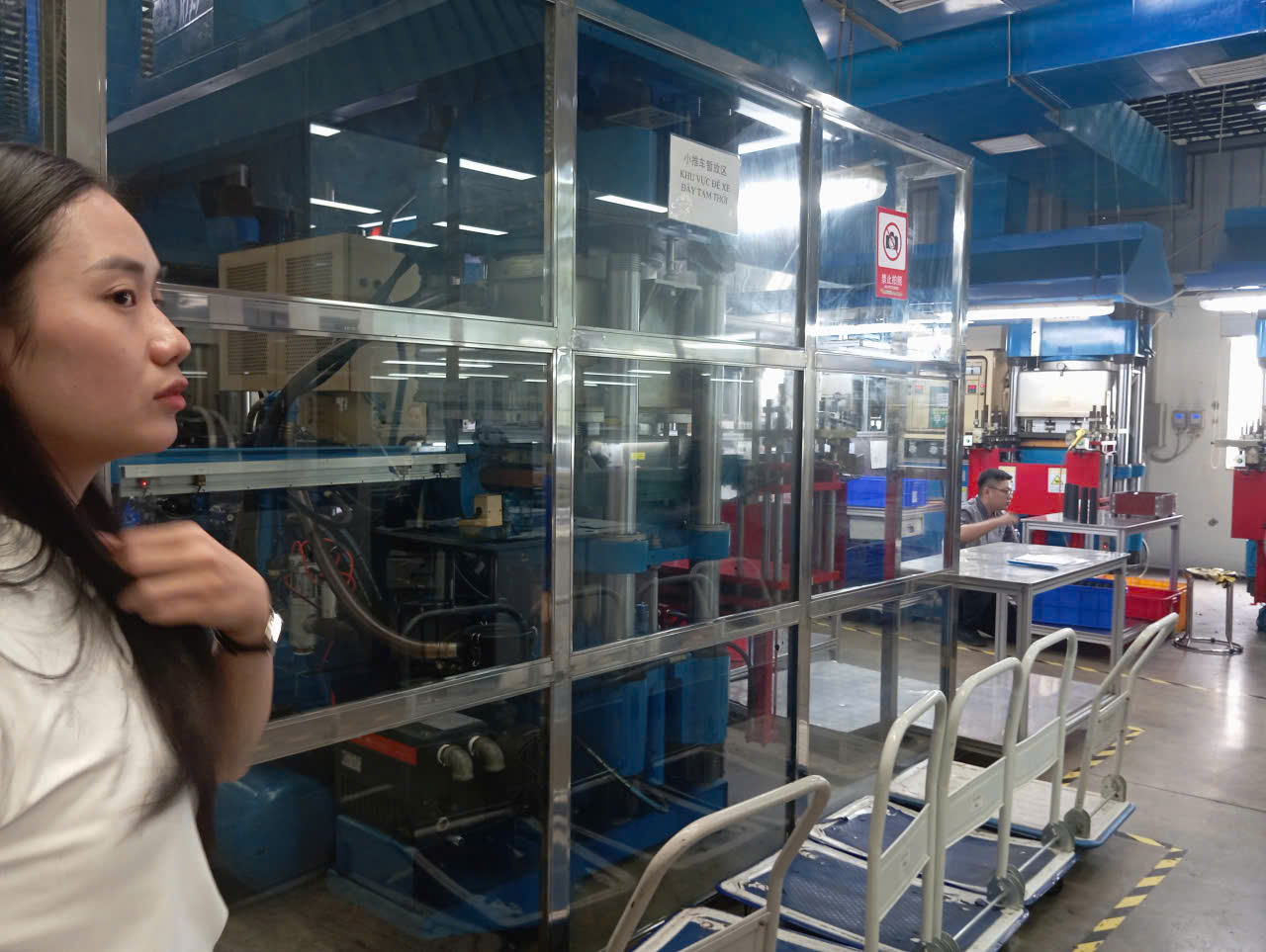
Here is the practical process we recommend. It works whether you run one warehouse or manage a multi-country supply chain 7.
Step 1: Classify your inventory by risk
Sort parts into three or four tiers. Active production parts exposed to coolant and handling sit in the highest tier. Sealed, climate-controlled inventory sits in the lowest. Be honest about your real conditions, not the ideal ones.
Step 2: Assign baseline intervals
- High-risk (active lines, humid or coastal storage): check per shift or daily.
- Medium-risk (stored inventory, moderate humidity): inspect weekly to monthly.
- Low-risk (sealed VCI packaging, climate control): inspect monthly to quarterly.
- All tiers: clean and re-lubricate every 3–6 months; reapply full protection annually or per coating life.
Step 3: Add override triggers
Any visible rust, damaged packaging, humidity excursion, or seasonal spike triggers an immediate inspection outside the calendar. During spring thaw or monsoon-adjacent months, double the inspection frequency temporarily.
Step 4: Document and adjust
Log every inspection date, recoat date, and corrosion incident. Over two or three cycles, the data will tell you where you are over-maintaining and where you are exposed. Some of our clients tie these checkpoints into their ERP workflows using batch tracking, so recoating flags fire automatically based on production date and storage conditions. That removes human memory from the equation, which is where most missed cycles come from.
If you ship internationally, add one more tool: a humidity data logger inside sample packages. It tells you retroactively whether your protection held through a specific shipping route, so you can adjust the schedule for that lane with evidence instead of guesswork.
Conclusion
Rust waits for no calendar. Set risk-based intervals, act on warning signs immediately, layer your protection methods, and document everything. That is how stamping parts arrive clean, every time.
Frequently Asked Questions
What factors determine how often I need to schedule rust prevention maintenance?
A few years back, our Vietnam team stored a batch of steel brackets through monsoon season. The parts that stayed rust-free were the ones we had checked weekly, not monthly. That lesson shaped how we set intervals today.
How can I tell if my stamping parts need rust prevention sooner than planned?
One of our US purchasing clients once opened a container to find orange spotting on brackets that were "not due" for maintenance for two more months. The calendar said fine; the parts said otherwise. Condition always beats the calendar.
What rust prevention methods work best for different maintenance schedules?
When we quote a custom stamping project, the protection method is part of the engineering conversation, not an afterthought. A method that works for a 10-day domestic delivery will fail on a 45-day ocean shipment to the US East Coast.
Footnotes
1. Defines the humidity concept central to rust formation thresholds discussed in the article. ↩︎
2. Explains the galvanization coating process referenced as a rust protection method. ↩︎
3. Explains the humidity metric cited as the threshold accelerating rust formation. ↩︎
4. Background on zinc plating as a long-term protection method mentioned in the table. ↩︎
5. Clarifies how volatile corrosion inhibitor packaging protects metal parts during storage. ↩︎
6. Explains PPAP, the process planning framework referenced in the maintenance schedule section. ↩︎
7. ISO standards body relevant to quality and supply chain management practices described. ↩︎