Sourcing welding parts from Vietnam sounds simple until the first miscommunication derails your timeline and your budget spirals out of control.
To overcome language and time zone barriers when sourcing welding parts from Vietnam, use detailed visual documentation, engage bilingual liaisons, schedule overlapping work hours, adopt asynchronous communication tools, and partner with a professional sourcing agent who has a local team on the ground in Vietnam.
This article walks through the exact methods we use at DEWIN to help U.S. and European buyers navigate these challenges every day technical welding specifications 1. Each section covers a specific pain point and gives you actionable steps you can apply right away.
How do I ensure my technical welding specifications and drawing requirements are accurately understood by Vietnamese suppliers?
A buyer once sent us a 12-page drawing package with footnotes in 8-point font AS9100 2. The Vietnamese welding shop missed two critical weld callouts. That single oversight cost three weeks and a full re-run of 200 brackets asynchronous communication tools 3.
Ensure your technical welding specifications are understood by Vietnamese suppliers through simplified drawings, bilingual specification sheets, visual weld samples, written confirmation loops, and a dedicated bilingual engineer who reviews every requirement before production starts.
Why Misunderstandings Happen More Than You Think
In Vietnamese business culture, a "yes" does not always mean "I understand and agree." It often means "I hear you" or "I will try." This cultural difference 4 is one of the biggest traps for Western buyers. Even when your Vietnamese contact speaks fluent English, the cultural differences in Vietnam around direct versus indirect communication can cause critical details to slip through.
I have seen this play out dozens of times. A purchasing manager emails a drawing. The supplier replies "OK, understood." Production begins. Two weeks later, the parts arrive and the weld bead placement is wrong, or the tolerance on a mounting hole is off by 1 mm. The supplier truly believed they understood the requirement. The problem was not bad faith. It was a gap between what was said and what was received.
Step-by-Step Process to Lock Down Specifications
Here is the process our Vietnam office uses to eliminate specification errors:
- Simplify the drawing package. Remove anything the supplier does not need. Highlight critical dimensions and weld symbols in color.
- Create a bilingual specification sheet. Our engineers translate key requirements into Vietnamese and place them alongside the English text.
- Use visual weld samples. A photograph of an acceptable weld bead next to an unacceptable one communicates more than any paragraph of text.
- Run a confirmation loop. Ask the supplier to repeat the requirements back to you in their own words. Do this in writing.
- Conduct a pre-production review. Before full production, review the first article inspection report together on a video call.
What to Include in Your Specification Package
| Document | Purpose | Format |
|---|---|---|
| Simplified 2D drawing | Show dimensions, tolerances, weld symbols | PDF with color highlights |
| Bilingual spec sheet | Translate critical notes into Vietnamese | Side-by-side English/Vietnamese |
| Visual weld reference photos | Define acceptable vs. unacceptable weld quality | JPEG or PNG with annotations |
| Material certification requirements | Specify steel grade, thickness, coating | Written checklist |
| First article inspection checklist | Guide supplier through self-inspection before shipment | Excel or PDF form |
The Role of a Bilingual Engineer
Our team in Vietnam includes engineers who speak both English and Vietnamese. They sit between the buyer and the factory. Their job is not just translation. They interpret intent. When a drawing says "weld all around," they confirm the weld type, the leg size, and whether grinding is required. This layer of review catches errors that translation apps simply cannot handle.
Using tools like Google Translate is fine for casual messages. But for welding quality standards and technical callouts, you need a human who understands both the language and the engineering. Professional translators without technical backgrounds often miss the nuance of fabrication terminology.
How can I effectively manage project timelines and urgent communication when my supplier is in a completely different time zone?
The trade-off we weigh constantly is speed versus accuracy. When it is 9 AM in Texas, it is 9 PM in Ho Chi Minh City. If something urgent comes up, you cannot just pick up the phone and expect an immediate answer. This 11-to-12-hour gap is real, and ignoring it will cost you days.
Manage project timelines across time zones by establishing overlapping communication windows, using asynchronous communication tools like shared platforms, setting clear escalation protocols, and building buffer time into every milestone to absorb inevitable delays from the time difference.
Finding the Overlap Window
The good news is that there is usually a 1-to-2-hour window where both sides are awake. For U.S. East Coast buyers, this is typically early morning (7–8 AM EST), which is evening (7–8 PM Vietnam time). For European buyers, the overlap is wider — late morning in Europe lines up with late afternoon in Vietnam.
We schedule our most important calls during these windows. Everything else goes through asynchronous channels.
Asynchronous Communication That Actually Works
Real-time communication is a luxury when you are sourcing from Vietnam. The faster you accept this, the smoother your supply chain management in Vietnam will be.
Here is how we structure asynchronous communication:
| Channel | Use Case | Expected Response Time |
|---|---|---|
| Formal requests, drawing submittals, PO confirmations | Within 12–24 hours | |
| WeChat or Zalo | Quick questions, photo updates from factory floor | Within 4–8 hours |
| Shared Google Drive or Teams folder | Drawing revisions, inspection reports, spec changes | Updated in real time; reviewed at start of next shift |
| Video call (Zoom/Teams) | Weekly check-ins, first article reviews, escalation meetings | Scheduled during overlap window |
The key is that every team member knows which channel to use and when. We set this up at the start of every project. It removes ambiguity and prevents urgent messages from getting buried in email threads.
Building Buffer Into Your Timeline
Lead times in Vietnam for custom welded parts typically range from 4 to 8 weeks depending on complexity. But the time zone gap adds communication lag. A question asked on Monday morning in the U.S. might not get answered until Monday night. If the answer raises a follow-up, that follow-up does not get addressed until Tuesday night.
This means a single clarification cycle can consume two full calendar days. Over a project with multiple approval stages, those days add up fast.
Our project managers build 3 to 5 extra business days into every milestone specifically for communication lag. This is not padding. It is realistic planning.
Escalation Protocol for Urgent Issues
Not everything can wait 12 hours. For truly urgent situations — a production defect discovered mid-run, a shipment delay that affects a customer deadline — you need an escalation path.
| Urgency Level | Action | Who Responds |
|---|---|---|
| Low (informational) | Send email; await next-day response | Supplier project contact |
| Medium (affects timeline) | Message on WeChat/Zalo + email | DEWIN Vietnam office coordinator |
| High (production stop or quality failure) | Phone call to local DEWIN team + immediate video call | DEWIN Vietnam engineer on-site |
Having a local team in Vietnam means someone can physically walk into the factory the same day. This is one of the biggest advantages of working with a sourcing agent in Vietnam rather than managing the supplier relationship directly from the U.S.
What is the best way for me to maintain strict quality control and process oversight without having my own team on the ground in Vietnam?
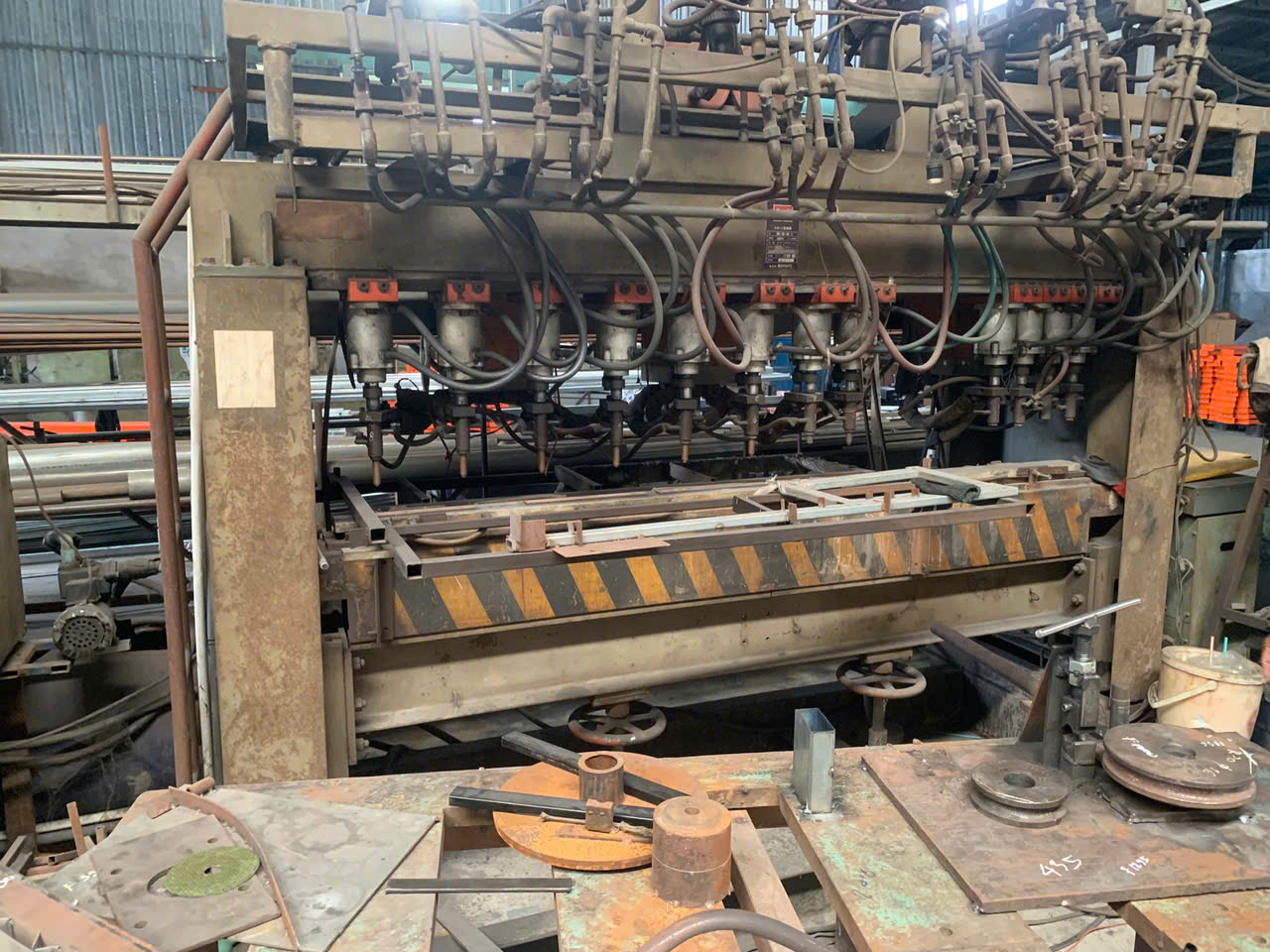
Last quarter, a client asked us to source a batch of heavy-duty mounting brackets — the kind with thick-gauge steel base plates, precision-drilled holes, and reinforced gussets at every structural joint. The welding quality standards were strict: full penetration welds, no porosity, consistent bead profiles. The client had no team in Vietnam and no way to inspect the parts before they shipped.
Maintain strict quality control in Vietnam without your own local team by partnering with a sourcing company that has on-ground engineers, implementing PPAP and first article inspection protocols, requiring ISO-certified suppliers, and using photo and video documentation at every production stage.
Choosing Certified Suppliers From the Start
The foundation of quality control in Vietnam is supplier vetting. Not every welding shop in Vietnam can hold the tolerances or meet the welding quality standards that U.S. and European buyers require.
We look for suppliers with ISO 9001 certification 5 at minimum. For automotive-grade welded assemblies, we require IATF 16949 6. For aerospace, we verify AS9100. We also check for AWS (American Welding Society) certified welders 7 on staff.
Certification alone is not enough. We conduct in-person factory audits before placing any order. Our Vietnam team walks the production floor, checks equipment calibration records, reviews past quality data, and interviews the quality manager. This is supplier vetting Vietnam done right. Remote audits can supplement this process, but they should not replace the first visit. You need to see the factory with your own eyes — or have a trusted partner do it for you.
The PPAP and First Article Process
For custom welded parts, we follow a Production Part Approval Process 8 adapted from the automotive industry. Here is how it works in practice:
- The supplier produces a small batch of initial samples (usually 5–10 pieces).
- Our engineer inspects the samples against the drawing and specification sheet.
- We create a dimensional inspection report with photographs of every critical feature.
- The report goes to the buyer for review and approval.
- Only after written approval does full production begin.
This "right first time" approach is what separates professional supply chain management from reactive firefighting. It adds a few days to the front end but saves weeks of rework and returns later.
In-Process and Final Inspection
During production, our team conducts in-process checks. For welded assemblies, this means verifying weld bead consistency, checking fixture alignment, and confirming material traceability. At the end of production, we perform a final inspection per the buyer's approved inspection checklist.
We document everything with photos and measurements. The buyer receives a full inspection report before we release the shipment. This transparency is critical when you are thousands of miles away from the factory floor.
What About International Shipping and Customs?
Quality control does not end at the factory gate. Packaging matters. We have seen perfectly welded frames arrive damaged because of poor crating. We specify packaging requirements in the purchase order and inspect packaging before the container is sealed.
For international shipping from Vietnam, we coordinate with freight forwarders 9 who understand customs regulations Vietnam imposes on metal fabricated goods. We handle export documentation, certificates of origin, and any material test certificates the buyer's country requires.
How do I leverage a professional sourcing partner to bridge the cultural and communication gaps in my Vietnam supply chain?
A lesson we learned early in our Vietnam operations is that the relationship matters more than the contract. Vietnamese business etiquette places enormous weight on trust, mutual respect, and long-term partnership. Walking into a factory with a 40-page legal agreement and zero personal rapport will get you nowhere fast.
Leverage a professional sourcing partner by choosing one with a permanent local team in Vietnam, bilingual engineering capability, deep understanding of Vietnamese business etiquette, and end-to-end supply chain services from supplier vetting through final inspection and door-to-door logistics.
What a Sourcing Partner Actually Does
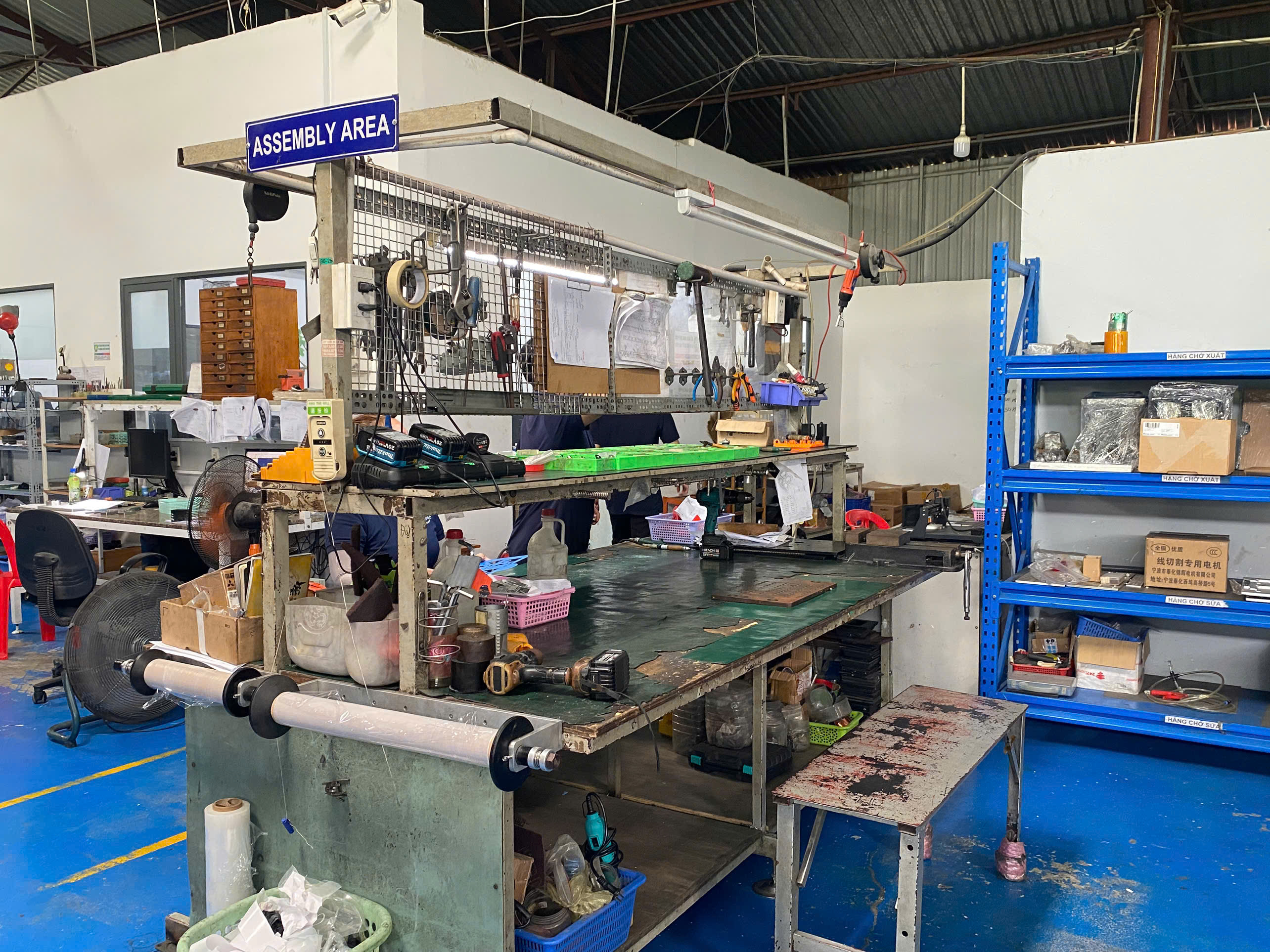
A sourcing agent in Vietnam is not just a middleman who sends emails back and forth. A good partner is embedded in the local market. They know which factories are reliable. They understand the cultural differences in Vietnam that trip up foreign buyers. They have relationships that took years to build.
Here is a comparison of managing your Vietnam supply chain directly versus through a sourcing partner:
| Factor | Direct Management | With Sourcing Partner (e.g., DEWIN) |
|---|---|---|
| Language barrier | You rely on supplier's English ability | Bilingual engineers handle all communication |
| Time zone management | You handle all scheduling and follow-up | Partner's local team works Vietnam hours |
| Supplier vetting | You must travel for audits or rely on remote checks | Partner conducts in-person factory audits |
| Quality control | You depend on supplier self-inspection | Partner performs PPAP, in-process, and final inspection |
| Cultural navigation | High risk of misunderstanding indirect cues | Partner interprets cultural context for you |
| Logistics and customs | You coordinate freight and customs separately | Partner manages door-to-door, including customs regulations Vietnam |
| Cost | Lower fees but higher risk of rework and delays | Service fee offset by fewer quality failures and faster timelines |
Building Relationships Through Cultural Sensitivity
Negotiating with Vietnamese suppliers requires patience and respect. In our experience, the most successful buyer-supplier relationships are built on personal connection. Our team takes time to learn about the factory owner's background. We celebrate Vietnamese holidays with our suppliers. We share meals together during factory visits.
These gestures are not just polite. They are strategic. When a supplier trusts you, they prioritize your orders. They flag problems early instead of hiding them. They go the extra mile on quality.
Even small efforts matter. Learning a few basic Vietnamese phrases — "cảm ơn" (thank you), "xin chào" (hello) — signals respect and investment in the relationship. Our clients who embrace this approach consistently get better results.
The Financial Advantage of Credit Terms
One practical benefit of working with a sourcing partner like DEWIN is access to payment terms that most factories will not offer directly. We provide 60-to-90-day open account terms to qualified buyers. This alleviates cash flow pressure and eliminates the need for letters of credit or advance payments to unfamiliar suppliers.
For purchasing managers who source custom welded parts regularly, this financial flexibility can be a significant competitive advantage.
Cultural Exchange and Ongoing Training
We organize periodic virtual sessions between our clients and our Vietnam factory teams. These are not just project meetings. They are cultural exchange opportunities. We discuss working styles, local holidays that affect lead times in Vietnam, and communication preferences. This mutual understanding builds team cohesion across borders and reduces friction over time.
Conclusion
Sourcing welding parts from Vietnam is achievable and profitable when you address language, time zone, and cultural barriers with the right systems and the right local partner.
Frequently Asked Questions
What About International Shipping and Customs?
Quality control does not end at the factory gate. Packaging matters. We have seen perfectly welded frames arrive damaged because of poor crating. We specify packaging requirements in the purchase order and inspect packaging before the container is sealed.
How do I ensure my technical welding specifications and drawing requirements are accurately understood by Vietnamese suppliers?
A buyer once sent us a 12-page drawing package with footnotes in 8-point font AS9100 2 . The Vietnamese welding shop missed two critical weld callouts. That single oversight cost three weeks and a full re-run of 200 brackets asynchronous communication tools 3 .
How can I effectively manage project timelines and urgent communication when my supplier is in a completely different time zone?
The trade-off we weigh constantly is speed versus accuracy. When it is 9 AM in Texas, it is 9 PM in Ho Chi Minh City. If something urgent comes up, you cannot just pick up the phone and expect an immediate answer. This 11-to-12-hour gap is real, and ignoring it will cost you days.
Footnotes
1. Provides official information on welding codes and standards. ↩︎
2. Official standard for quality management systems in the aerospace industry. ↩︎
3. Discusses tools and benefits of non-real-time communication in a work setting. ↩︎
4. Explains nuances of Vietnamese communication and business etiquette. ↩︎
5. Official source for the international quality management system standard. ↩︎
6. Official standard for quality management systems in the automotive sector. ↩︎
7. Official source for welding certifications and professional development. ↩︎
8. Explains the standardized process for approving production parts in manufacturing. ↩︎
9. Defines the role and services of intermediaries in international shipping logistics. ↩︎