When our Vietnam office first started coordinating sheet metal projects between U.S. buyers and Vietnamese factories, missed messages and delayed responses nearly derailed a critical bracket order — a problem that kept our clients up at night.
To overcome time zone and language barriers with Vietnamese sheet metal suppliers, use overlapping work hours for real-time calls, adopt visual communication like annotated drawings and tech packs, and partner with a local sourcing team that bridges cultural differences and manages asynchronous communication daily.
This article breaks down the exact strategies, tools, and communication protocols we use every day to keep custom sheet metal projects on track between the United States and Vietnam. Each section tackles a specific pain point with practical solutions you can apply immediately.
How can I ensure my technical sheet metal requirements are accurately understood by Vietnamese engineers?
A lesson we learned early: sending a PDF drawing without annotations and expecting perfect parts back is a recipe for rework. One client's bracket had six critical GD&T callouts 1, and two were missed because the tolerance notes were buried in text-heavy spec sheets.
To ensure your technical sheet metal requirements are accurately understood, use annotated visual aids like labeled diagrams and tech packs, standardize drawing formats, confirm critical dimensions in writing, and work with English-speaking engineers or a sourcing partner who reviews every specification before production begins.
Why Visual Communication Wins
Vietnamese engineers generally have strong math and technical foundations. Many hold engineering degrees and can read ISO or ASME drawings 2 fluently. The gap is rarely about competence — it is about clarity. Text-heavy emails describing complex requirements invite misinterpretation, especially when functional English varies across a factory team.
Our approach is simple. We convert every critical requirement into a visual format. We annotate CAD screenshots with arrows pointing to key dimensions. We circle weld marks and label surface finish 3 expectations directly on images. We use color-coded markups — red for critical tolerances, yellow for secondary features, green for cosmetic notes.
Standardized Communication Templates
We developed internal templates that our Vietnam team fills out for every new sheet metal project. These templates force both sides to confirm the same data points before any cutting or bending begins.
| Template Section | What It Covers | Why It Matters |
|---|---|---|
| Material Specification 4 | Steel grade, thickness, coating type | Prevents wrong material selection |
| Critical Dimensions 5 | Key measurements with tolerances | Ensures precision on must-hit features |
| Surface Finish | Powder coat, sandblast, anodize, raw | Avoids cosmetic rejects |
| Bend/Fold Notes | Bend radii, bend sequence, spring-back allowance | Reduces forming errors |
| Mounting Holes | Hole diameter, position, countersink type | Ensures fit with mating parts |
| Weld Requirements | Weld type, location, strength class | Prevents structural failures |
This template acts as a checklist. The Vietnamese engineering team reviews it, signs off, and returns it with any questions before production starts. It eliminates the guesswork that leads to non-conforming parts.
The Role of a Bilingual Engineering Review
Even with great visuals and templates, someone needs to sit between the buyer and the factory floor. Our engineers in Vietnam review every drawing package before it reaches the shop. They catch issues like conflicting tolerances, unclear datum references, or missing bend notes. They also translate any ambiguous English phrasing into clear Vietnamese instructions for machine operators.
This bilingual engineering review is not optional for complex parts. Think of those mirrored mounting brackets with angular folds, irregular cutouts, and multiple pre-drilled holes — a single misread dimension on a protruding tab can make the entire part unusable. We have seen it happen, and the cost of one bilingual review is far less than scrapping a production run.
What strategies can I use to manage urgent production updates when my team and the factory are in different time zones?
Last quarter, a U.S. client needed to change a hole pattern on a heavy-duty bracket mid-production. Their email arrived at 4 PM Eastern — which was 3 AM in Ho Chi Minh City. Without a plan in place, that change request would have sat untouched for over twelve hours.
To manage urgent production updates across time zones, establish overlapping work hours for daily check-ins, use asynchronous communication tools like Loom videos and shared Google Sheets, set up an escalation matrix with bilingual contacts, and designate a local team to handle time-sensitive changes in real time.
Finding the Overlap
The time difference between the U.S. East Coast and Vietnam is roughly 11–12 hours, depending on daylight saving time. That sounds impossible, but there is a workable overlap window.
| U.S. Time Zone | Vietnam Time (GMT+7) | Overlap Window |
|---|---|---|
| Eastern (ET) | +11/+12 hours | 8–9 PM ET = 7–8 AM Vietnam |
| Central (CT) | +12/+13 hours | 7–8 PM CT = 7–8 AM Vietnam |
| Pacific (PT) | +14/+15 hours | 5–6 PM PT = 7–8 AM Vietnam |
We use World Time Buddy to schedule these windows. The goal is one daily or weekly touchpoint during overlapping work hours. For routine projects, a weekly video call at 8 PM ET / 7 AM Vietnam time works well. For urgent projects, we shift to daily standups.
Asynchronous Workflows That Actually Work
Most of the collaboration happens outside that overlap window. That is where asynchronous communication becomes essential.
Our Vietnam team records short Loom videos at the end of their workday. They walk through production progress, flag issues, and show the actual parts on the shop floor. When our U.S. clients wake up, they watch the video, type their response, and the cycle continues.
We also maintain shared Google Sheets for every active project. These sheets track order status, inspection results, and open action items. Anyone on either side can update them at any time. No waiting for email replies. No lost threads.
For project management tools, we keep it simple. A shared tracker with columns for task, owner, status, due date, and notes covers most needs. Complex project management platforms often go unused when teams are small and focused on execution.
The Escalation Matrix
Urgent issues need a fast path. We assign bilingual contacts on our Vietnam team who carry both local and international phone numbers. If a U.S. client discovers a critical issue at 2 PM Eastern, they can call or message our Vietnam contact directly — even if it is 1 AM in Vietnam. This is rare, but knowing the path exists gives buyers confidence.
The escalation matrix also defines who handles what. Routine questions go through email or the shared tracker. Design changes go to the engineering lead. Quality escapes go directly to our QC manager. This prevents confusion and ensures the right person acts fast.
Cultural Timing Considerations
Vietnamese factories follow a Monday-to-Saturday workweek. Major holidays like Tet (Lunar New Year) can shut down production for one to two weeks. We build these into every project timeline upfront. Ignoring Vietnamese holidays is a common mistake that causes delivery delays — and it is entirely preventable with a simple calendar review at the project kickoff.
How do I maintain strict quality control and PPAP standards without a local presence in Vietnam?
One trade-off we weigh constantly is this: how do you give a U.S. buyer the same confidence in quality they would have if the factory were in their own state? The answer is not hoping for the best — it is building a system that catches problems before parts ship.
To maintain strict quality control and PPAP standards without being physically in Vietnam, deploy a local QC team or sourcing partner to conduct in-process inspections, first article inspections, and final audits, while using standardized PPAP documentation and real-time reporting to keep you informed at every stage.
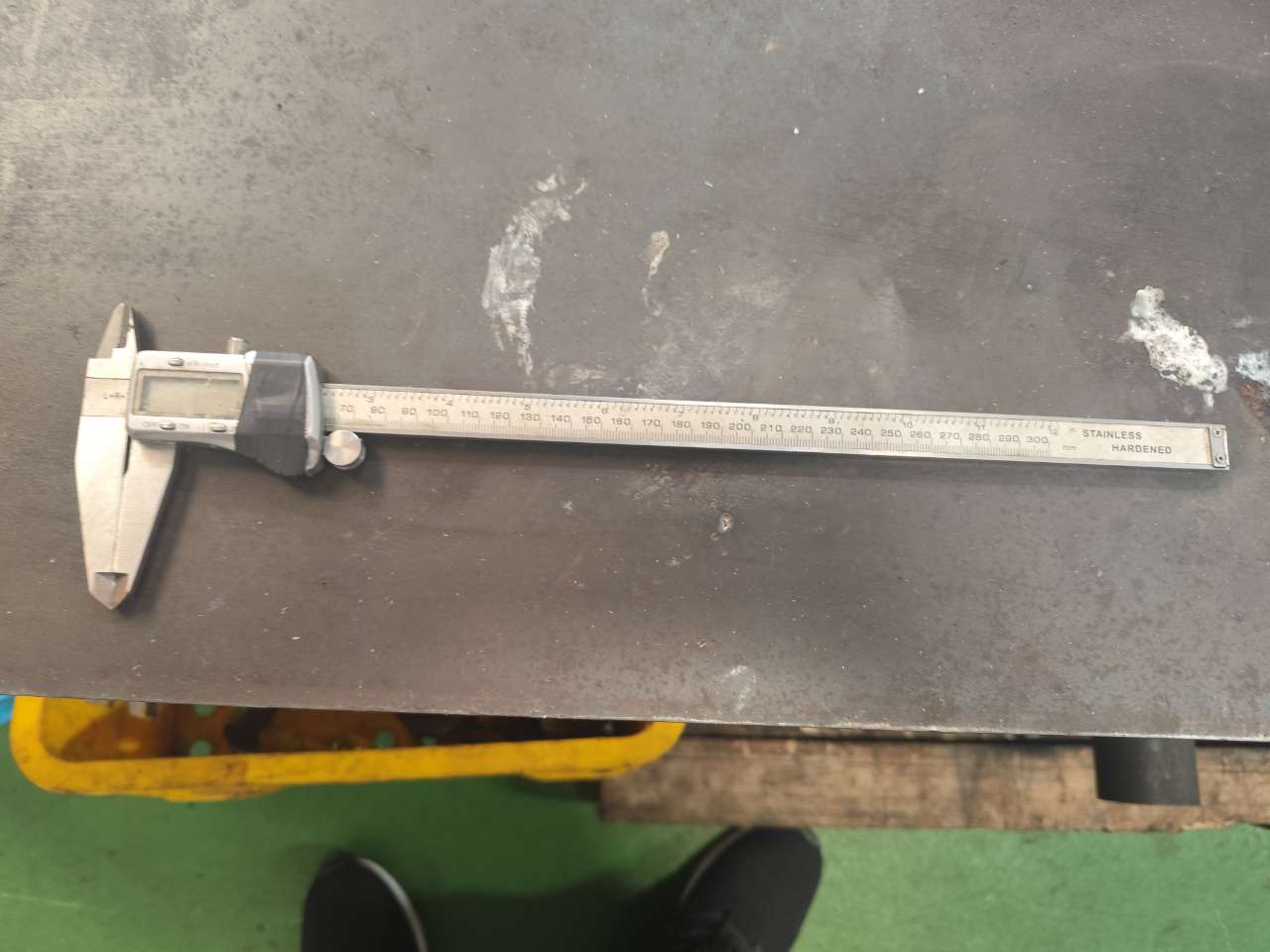
Why Remote QC Alone Is Not Enough
Some buyers rely entirely on photos and self-inspection reports from the factory. This works for simple parts with loose tolerances. But for precision sheet metal components — brackets with multiple bends, tight hole positions, and weld integrity requirements — you need boots on the ground.
Our Vietnam office conducts quality control inspections at three stages: incoming material verification, in-process checks during bending and welding, and final inspection before packing. Each stage has a defined checklist tied to the customer's drawing and specification package.
The PPAP Process for Vietnamese Sheet Metal
PPAP (Production Part Approval Process 6) is standard in automotive and industrial supply chains. Many Vietnamese factories are familiar with the concept but may not have internal systems to generate PPAP packages independently. That is where our team steps in.
We manage the full PPAP submission, including:
- Dimensional inspection reports with actual vs. nominal values
- Material certifications and test reports
- Process flow diagrams
- Control plans 7
- Measurement system analysis (where required)
- First article inspection reports 8 with photographs
This documentation gives the U.S. buyer full traceability and confidence — the same level they would expect from a domestic supplier.
Addressing the "Right First Time" Challenge
Getting parts right the first time is the single biggest pain point we hear from purchasing managers. Rework costs money. Returns cost even more. And for custom parts, there is often no buffer stock to fall back on.
Our process control approach starts before production. We review every drawing with the factory. We identify high-risk features — tight bends, close-tolerance holes, weld joints that bear load. We assign inspection frequency to each feature. And we define accept/reject criteria before the first piece is cut.
| QC Stage | Activities | Deliverables |
|---|---|---|
| Pre-Production | Drawing review, material verification, tooling check | Approved material certs, tooling sign-off |
| In-Process | Dimensional checks, weld inspection, bend angle verification | In-process inspection records |
| Final Inspection | Full dimensional layout, visual inspection, packing audit | Final inspection report, photos, shipping docs |
This three-stage system catches issues early. A bend angle that drifts 1.5 degrees on the third piece gets corrected before fifty pieces are bent wrong. That is how you achieve right-first-time results from 8,000 miles away.
Workforce Skill and Training
Vietnamese sheet metal workers are generally skilled and trainable. Technical training programs for new processes typically take three to six months. For complex product lines — parts with tight weld specs or unusual materials — we budget extra time for operator training and trial runs before committing to full production volumes. Production ramp-up and stable volumes typically occur within twelve to eighteen months after initial setup, depending on part complexity.
Can a professional sourcing partner help me eliminate the communication risks associated with my custom sheet metal projects?
A buyer interaction last year crystallized this for me. A purchasing manager in Ohio told us he had tried working directly with three Vietnamese factories. Two never responded to his RFQ. The third quoted quickly but then went silent after receiving the purchase order. He wasted four months.
A professional sourcing partner with a local team in Vietnam eliminates communication risks by managing supplier selection, translating technical requirements, overseeing production, conducting inspections, and serving as a single point of accountability across your entire custom sheet metal project lifecycle.
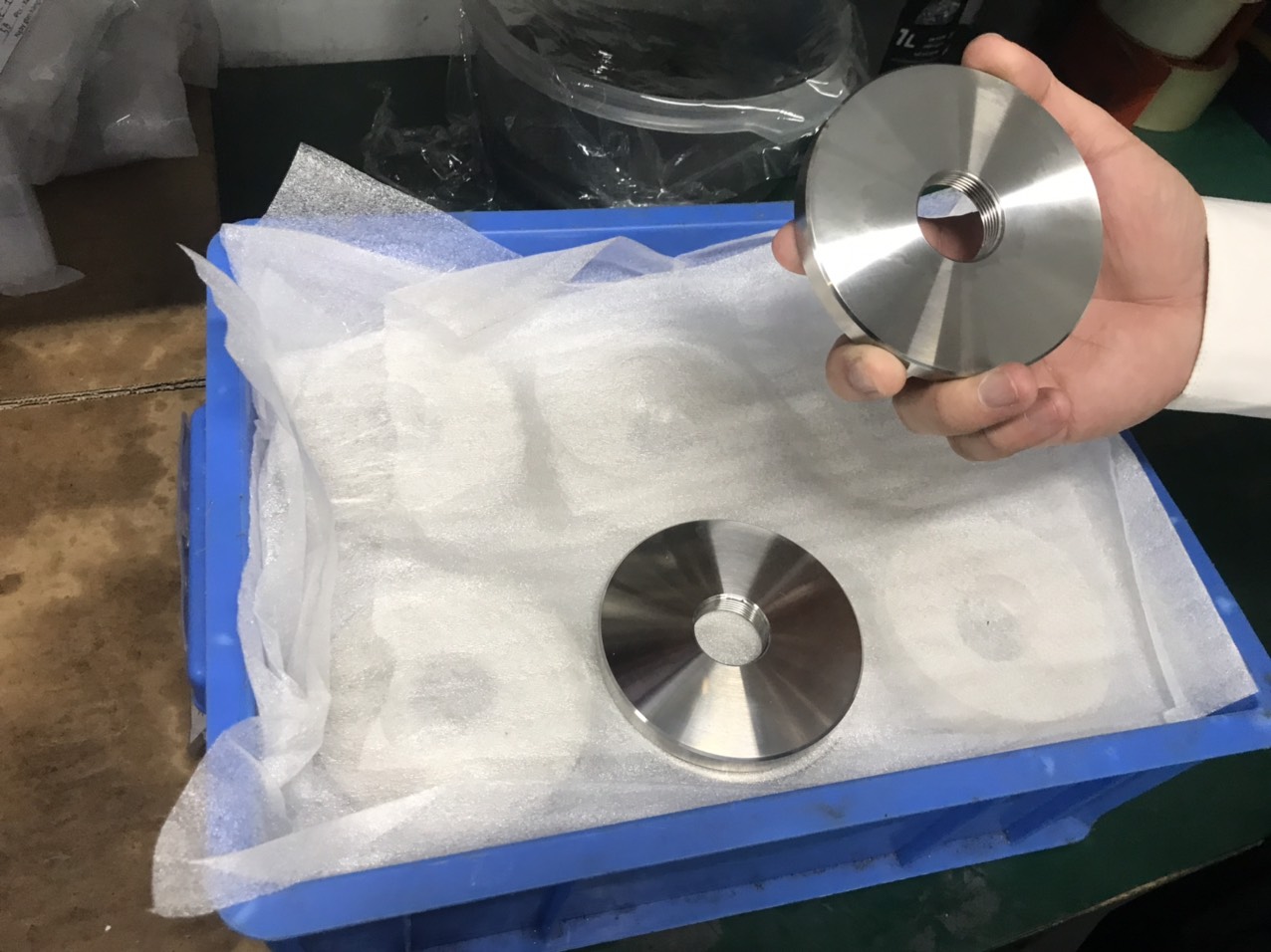
What a Sourcing Partner Actually Does
Sourcing agents in Vietnam are not just translators. A capable partner handles the full global supply chain from quoting through delivery. Here is what that looks like in practice for custom sheet metal parts:
Supplier Selection and Audit: We visit factories, assess their equipment, evaluate their workforce, and verify their quality management systems before recommending them to a client. Not every factory that claims sheet metal capability can actually produce complex brackets with precision folds, weld integrity, and powder-coated finishes.
Technical Translation: We do not just translate words. We translate intent. When a U.S. engineer writes "surface must be free of visible defects under normal lighting at 24 inches," we explain exactly what that means to the factory QC team — including what counts as a defect and what does not.
Production Management: Our team tracks every order through cutting, bending, welding, finishing, and packing. We use project management tools to update status and flag delays before they become crises. Clients see progress without chasing the factory.
Quality Assurance: As described above, we run inspections at every stage. We own the quality outcome because our reputation depends on it.
Cost Structure: DIY vs. Sourcing Partner
Some buyers worry that using a sourcing partner adds cost. The reality is more nuanced.
| Factor | Direct Sourcing (DIY) | With Sourcing Partner |
|---|---|---|
| Supplier vetting | Buyer's time + travel cost | Handled locally, lower cost |
| Communication effort | High — emails, calls, follow-ups | Single point of contact |
| Quality risk | Higher — limited visibility | Lower — local inspections |
| Rework / rejection cost | Potentially high | Reduced by process control |
| Lead time predictability | Variable | More consistent |
| Payment terms | Often T/T in advance | Possible open account / credit terms |
When you factor in the hidden costs of rework, rejected shipments, and wasted time chasing unresponsive factories, the net cost often favors working with a partner. We also offer open account payment terms to qualified clients, which alleviates cash flow pressure — something most factories will not do directly.
Supplier Relationship Management Over Time
Building a strong supplier relationship management practice takes years. Vietnamese business culture values relationships deeply. Trust is earned through consistent behavior, not contracts alone. Indirect communication styles mean that a factory might say "we will try" when they actually mean "this is very difficult." A local partner understands these cultural communication differences and reads between the lines.
We invest in these relationships on our clients' behalf. We visit factories regularly. We celebrate Vietnamese holidays with our supplier partners. We resolve disputes face to face. This long-term relationship building leads to better pricing, priority scheduling, and flexibility when urgent changes arise.
IP Protection and Confidentiality
Some buyers worry about intellectual property 9 when sourcing from Asia. Vietnamese culture is generally considered respectful of IP, but protection requires deliberate steps. We use non-disclosure agreements, limit drawing distribution to need-to-know personnel, and keep tooling ownership clearly documented. For highly sensitive parts, we can split production across multiple suppliers so no single factory sees the complete assembly.
Conclusion
Overcoming time zone and language barriers with Vietnamese sheet metal suppliers requires visual communication 10, structured workflows, local quality oversight, and a sourcing partner who bridges cultural differences — turning manufacturing challenges into a reliable, cost-effective global supply chain.
Frequently Asked Questions
How can I ensure my technical sheet metal requirements are accurately understood by Vietnamese engineers?
A lesson we learned early: sending a PDF drawing without annotations and expecting perfect parts back is a recipe for rework. One client's bracket had six critical GD&T callouts 1 , and two were missed because the tolerance notes were buried in text-heavy spec sheets.
What strategies can I use to manage urgent production updates when my team and the factory are in different time zones?
Last quarter, a U.S. client needed to change a hole pattern on a heavy-duty bracket mid-production. Their email arrived at 4 PM Eastern — which was 3 AM in Ho Chi Minh City. Without a plan in place, that change request would have sat untouched for over twelve hours.
How do I maintain strict quality control and PPAP standards without a local presence in Vietnam?
One trade-off we weigh constantly is this: how do you give a U.S. buyer the same confidence in quality they would have if the factory were in their own state? The answer is not hoping for the best — it is building a system that catches problems before parts ship.
Footnotes
1. Provides authoritative information on the ASME Y14.5 standard for GD&T. ↩︎
2. Explains the fundamental tolerancing principles in ISO technical drawings. ↩︎
3. Provides a comprehensive guide to surface finish techniques and standards. ↩︎
4. Defines material specification and its importance in manufacturing processes. ↩︎
5. Explains the definition and importance of critical dimensions in engineering. ↩︎
6. Official resource for the Production Part Approval Process standard. ↩︎
7. Explains the purpose and benefits of developing a control plan in manufacturing. ↩︎
8. Defines First Article Inspection (FAI) and its role in quality assurance. ↩︎
9. Provides official information on intellectual property and its global protection. ↩︎
10. Discusses the strategic importance of visual communication in engineering design. ↩︎