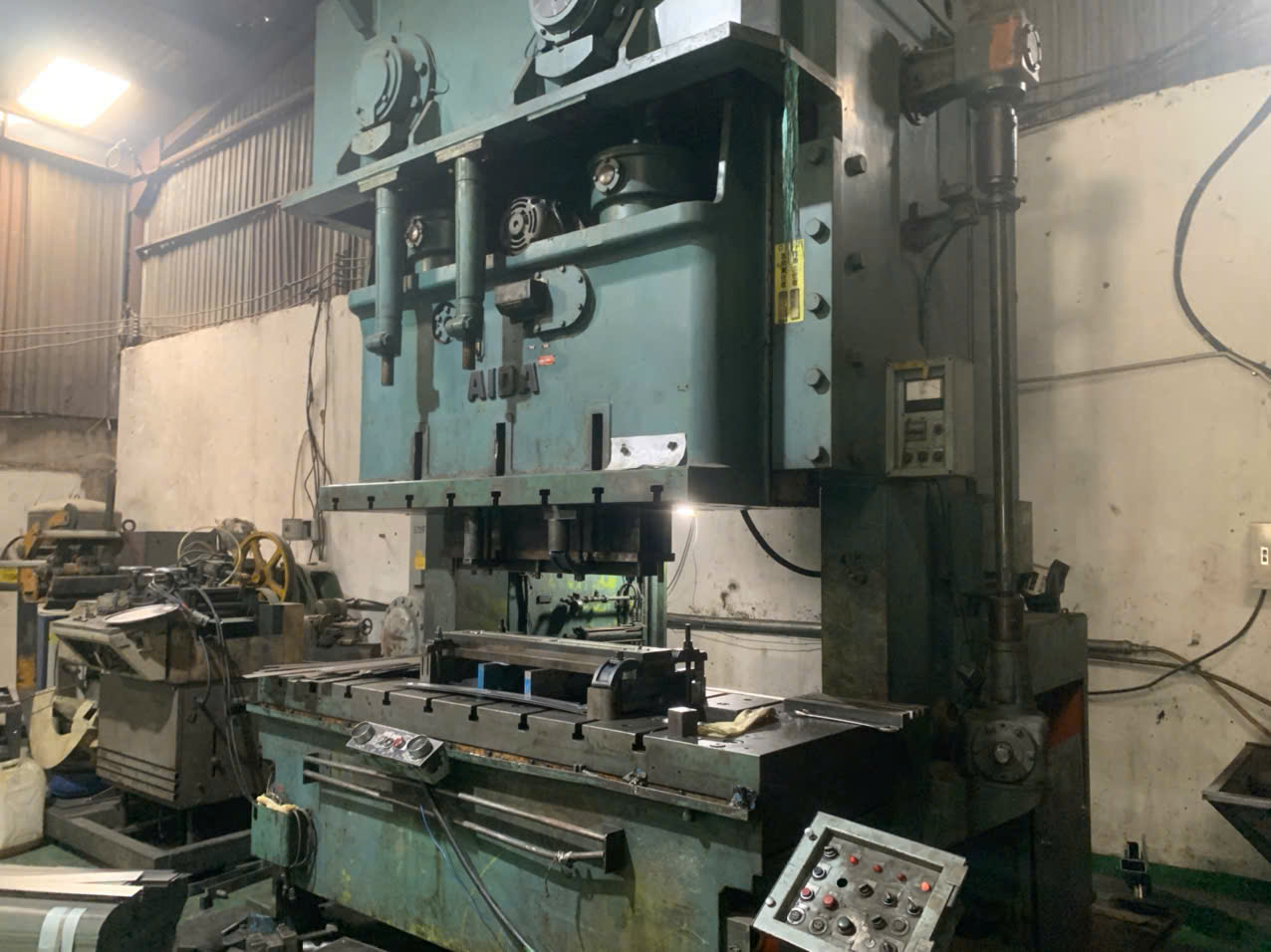

Time zone and language barriers with Vietnamese stamping parts suppliers can quietly kill a project material grades 1. Our Vietnam-based team sees this pain every week when new U.S. clients call us in frustration.
To overcome time zone and language barriers with Vietnamese stamping parts suppliers, use the overlapping “golden window” for live calls, batch questions asynchronously, communicate through visual tech packs and bilingual drawings, confirm everything in writing, and work with a local liaison team on the ground.
Those five moves sound simple. But each one has details that decide whether your stamped brackets arrive right the first time or come back for rework. Let me walk you through each area.
How can I ensure clear communication with Vietnamese stamping suppliers despite the language gap?
A few years back, our team in Vietnam watched a client lose an entire batch of powder-coated brackets because "black finish" meant two different things to two different people. That lesson shaped how we communicate today.
Ensure clear communication by replacing vague text with quantifiable specs, using visual-first documents like labeled diagrams and photos, requiring written confirmation loops after every discussion, and matching your documentation to the supplier's regional dialect and technical vocabulary.
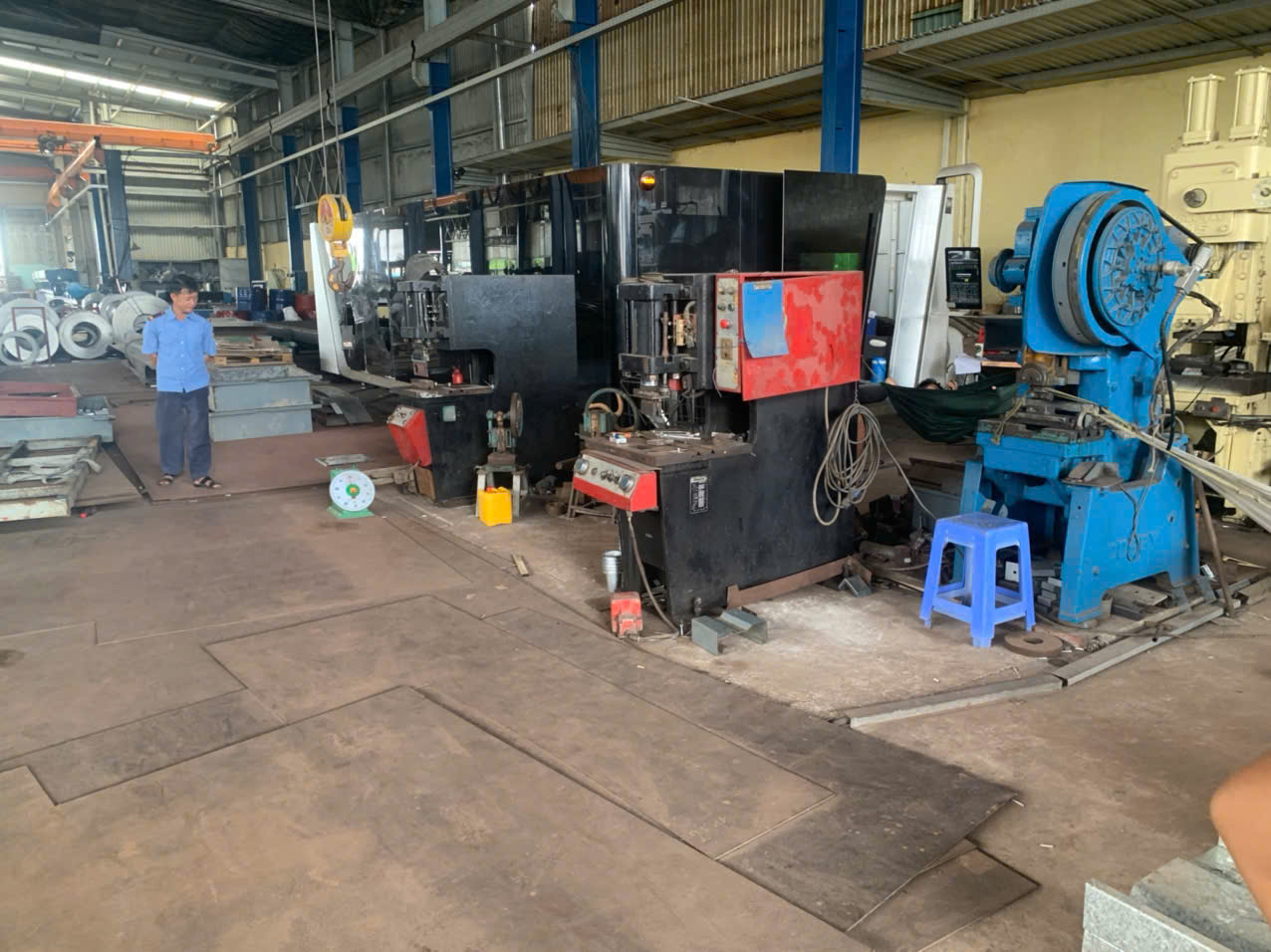
Most Vietnamese stamping suppliers speak what I call "functional English." Their sales staff can handle emails about pricing and delivery. But when the conversation shifts to tolerance stack-up 2, die maintenance, or material grades, precision drops fast. That gap is where non-conforming parts are born.
Speak in Numbers, Not Adjectives
Our project managers follow one strict rule: every requirement must be measurable. "Properly deburred" is a lawsuit waiting to happen. "Burr height max 0.1 mm on all sheared edges" is a spec someone can inspect. The same goes for coatings, hole positions, and flatness. If you cannot measure it, do not write it.
Here is a comparison we share with new clients:
| Vague Instruction | Quantifiable Version |
|---|---|
| "Smooth edges" | "Deburr all edges; max burr 0.1 mm" |
| "Black finish" | "Matte black powder coat, 60–80 µm, RAL 9005" |
| "Strong weld" | "Fillet weld, 4 mm leg, full length both sides" |
| "Holes must line up" | "Hole position tolerance ±0.15 mm to datum A" |
| "Good quality steel" | "SPCC per JIS G3141, 2.0 mm thickness" |
Build Confirmation Loops
Silence is not agreement in Vietnam. A supplier may nod through a call out of politeness, then build the part from an outdated drawing. So we ask suppliers to repeat critical requirements back in writing before production starts. It takes ten extra minutes. It saves weeks of rework.
Mind the Regional Dialect
Vietnam's North and South use different technical vocabulary. A factory in Binh Duong may phrase a stamping term differently than one near Hanoi. When we prepare bilingual documents, our local staff match the wording to the factory's region so the shop-floor operators, not just the sales office, understand the spec.
What strategies help me manage time zone differences when coordinating with Vietnam-based manufacturers?
One of our U.S. purchasing clients once told me he was answering supplier emails at 2 AM three nights a week. That is not a strategy. That is burnout. Our Singapore and Vietnam offices built a better rhythm for him within a month.
Manage the time gap by scheduling recurring calls inside the one-to-two-hour overlap window, batching all questions into single comprehensive messages, rotating inconvenient meeting times fairly, and planning around Vietnamese holidays—especially the extended Tet shutdown each Lunar New Year.

Vietnam runs on UTC+7 3. That means a 12-hour gap with the U.S. East Coast and roughly a 6-hour gap with Central Europe. Standard business hours almost never overlap with America. But a small window exists, and disciplined teams exploit it.
Find Your Golden Window
Here is the overlap picture we map out for every new project:
| Buyer Location | Time Difference | Practical Overlap (Vietnam Time) | Best Use |
|---|---|---|---|
| U.S. East Coast | −12 hours | 7:00–9:00 AM (their 7–9 PM prior evening) | Weekly review calls |
| U.S. West Coast | −15 hours | 8:00–10:00 AM (their 5–7 PM prior evening) | Urgent issue resolution |
| Central Europe | −6 hours | 2:00–5:00 PM (their 8–11 AM) | Daily coordination |
| Singapore (our HQ) | −1 hour | Full business day | Real-time project management |
Notice the last row. Part of the reason our clients lean on us is simple geography. Our Vietnam office works the supplier's hours, and our team reports to U.S. clients in a format they can read over morning coffee.
Batch, Don't Trickle
Every question you send separately costs a full 24-hour round trip. Five scattered emails can burn a week. Instead, collect questions all day, then send one structured message before the supplier's morning begins. Number every question. Ask for numbered answers. This one habit cuts project communication delays dramatically.
Respect the Calendar
Tet, the Lunar New Year 4, shuts down Vietnamese manufacturing for one to two weeks, and momentum takes longer to recover as workers return. We build Tet buffers into every delivery schedule from November onward. Always state times with an explicit zone reference too—"10:00 AM UTC+7" leaves no room for a missed call.
Which tools or platforms can I use to streamline daily communication with my Vietnamese stamping parts supplier?
When our Vietnam team onboards a new stamping supplier, the first thing we set up is not a contract review. It is the communication stack. The right tools decide whether a die adjustment question gets answered in one hour or three days.
Use a tiered stack: Zalo or WhatsApp for quick daily questions, email for formal confirmations and records, cloud folders for drawings and photos, project management tools like Asana or Trello for status tracking, and video calls with screen-sharing for complex technical reviews.

No single tool covers everything. The mistake I see buyers make is forcing all communication through email, then wondering why nothing moves. Vietnamese factory staff live on messaging apps, and one app dominates.
Why Zalo Matters
Zalo 5 is Vietnam's homegrown messaging platform, and factory teams respond there faster than anywhere else. A production supervisor who takes two days to answer an email will often reply to a Zalo photo within minutes. Our local staff use it daily to get real-time shop-floor photos of stamped parts, weld seams, and coating batches. If you source directly, ask your supplier's contact to add you on Zalo. Response rates jump immediately.
Match the Tool to the Job
| Communication Need | Best Tool | Why |
|---|---|---|
| Quick question or photo check | Zalo / WhatsApp | Fast responses; factory staff check constantly |
| Formal spec or order confirmation | Creates a documented, searchable record | |
| Drawing and CAD file sharing | Cloud folder (Drive/Dropbox) | Version control; both sides see the latest file |
| Project status and milestones | Asana / Trello / Monday | Asynchronous updates across time zones |
| Complex technical discussion | Video call + screen share | Point at features on the drawing in real time |
Use Translation Tools Carefully
Google Translate handles greetings and logistics fine. It fails on stamping terminology. Terms like progressive die, blanking, and tolerance stack-up can come out mangled and dangerous. For anything technical or contractual, use a human translator briefed on manufacturing vocabulary, or an AI tool trained specifically on engineering content—and even then, verify the critical numbers manually. One golden rule stays constant: whatever gets decided on Zalo or a call must be confirmed by email the same day. Chat threads disappear. Email records win disputes.
How do I avoid costly misunderstandings on technical drawings and specifications due to language barriers?
Early in one project, a client's drawing note read "break all sharp edges"—an idiom that meant nothing to the factory's die engineer. The parts shipped with razor edges. Since then, our engineering team rewrites every drawing package before it crosses the border.
Avoid costly misunderstandings by issuing dual-language annotated drawings with GD&T callouts, building a shared bilingual glossary of stamping terms, version-locking every drawing revision, testing documents with actual operators, and requiring a signed pre-production sample approval before mass production.
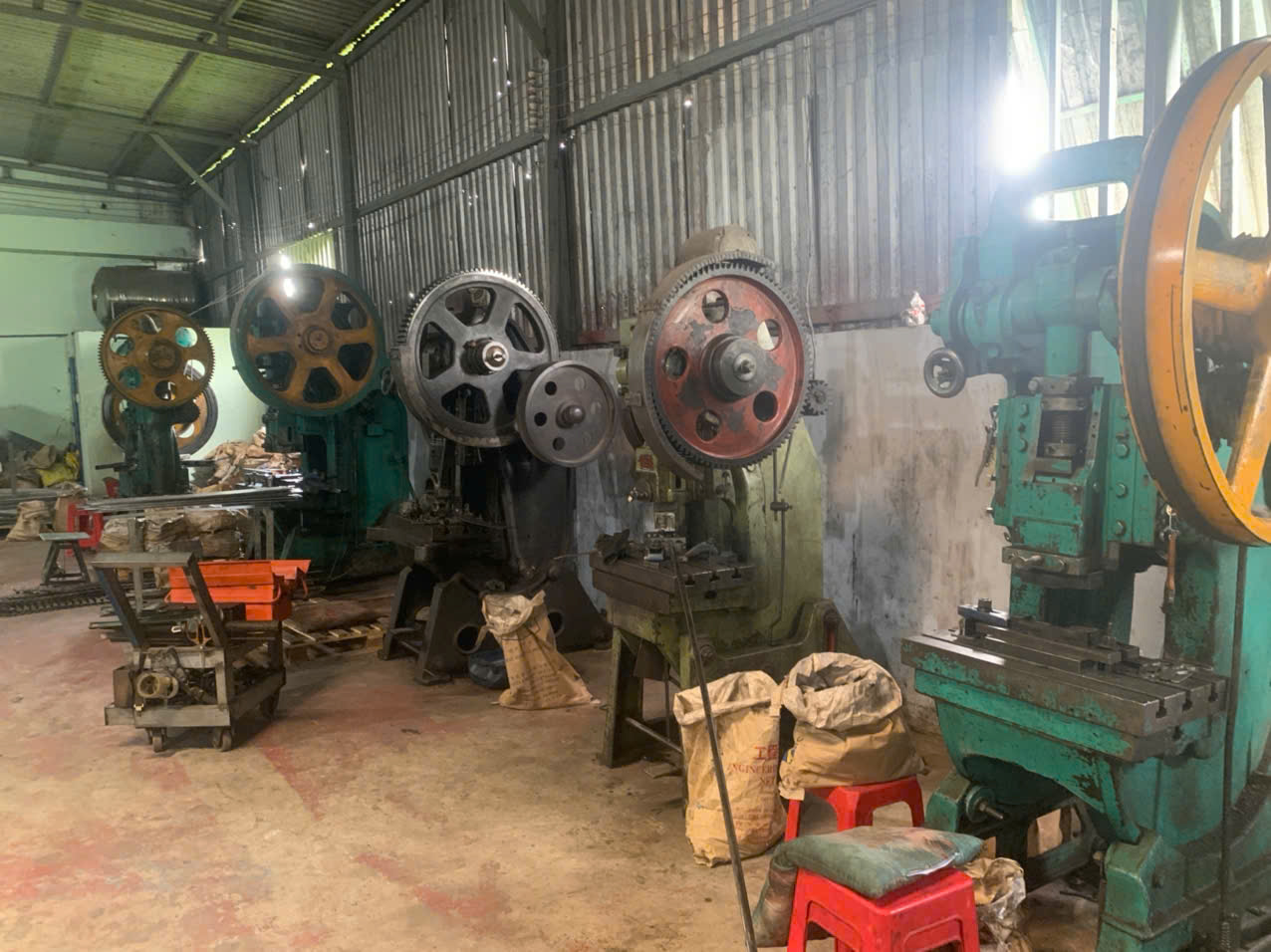
Drawings are where language barriers get expensive. A misread tolerance on a bracket's mounting holes does not show up until assembly fails on your customer's line. Prevention has to happen at the document level, before steel is ever cut.
Build a Bilingual Drawing Package
Our standard practice is dual-language annotation. Every critical note appears in English and Vietnamese side by side. GD&T symbols 6 help enormously here because they are language-independent—a position tolerance callout means the same thing in Hanoi as in Houston. But the supporting notes, material specs, and finish requirements still need translation by someone who knows stamping vocabulary, not casual conversation.
We also maintain a project glossary. It lists key terms in both languages: dung sai (tolerance), khuôn dập (stamping die), vật liệu (material), and dozens more specific to each job. Both sides reference the same glossary, so "flatness" never gets confused with "smoothness."
Follow a Verification Sequence
- Issue the bilingual drawing with a revision number and date.
- Require the supplier to confirm receipt and restate the critical dimensions in writing.
- Hold a screen-share review of the drawing, walking through every callout.
- Approve a first-article or pre-production sample against the drawing before any volume run.
- Version-lock: if the drawing changes, the translation updates within a fixed window, and old versions are formally withdrawn.
That last step matters more than people think. Half the "language problems" we investigate turn out to be a factory building from revision B while the buyer inspects against revision D. A disciplined revision log, acknowledged in writing by both sides, closes that door. Finally, test your documents on the people who use them. If a shift supervisor cannot execute the procedure from your translated instructions, the translation failed—no matter how correct it looks.
Conclusion
Time zones and language gaps do not have to derail your Vietnam sourcing 7. But left unmanaged, they compound into missed deadlines and rejected parts. The fix combines discipline with the right structure: guard your golden-window calls, batch your questions, communicate visually with bilingual drawings, confirm everything in writing, and respect the culture behind the factory gate. In my years running projects between Singapore, Vietnam, and U.S. clients, one truth keeps repeating—the best supplier is not the one with the best English. It is the one you communicate with most clearly. If you want a local team already fluent in both the language and the stamping process, we are easy to reach.
Frequently Asked Questions
How can I ensure clear communication with Vietnamese stamping suppliers despite the language gap?
A few years back, our team in Vietnam watched a client lose an entire batch of powder-coated brackets because "black finish" meant two different things to two different people. That lesson shaped how we communicate today.
What strategies help me manage time zone differences when coordinating with Vietnam-based manufacturers?
One of our U.S. purchasing clients once told me he was answering supplier emails at 2 AM three nights a week. That is not a strategy. That is burnout. Our Singapore and Vietnam offices built a better rhythm for him within a month.
Which tools or platforms can I use to streamline daily communication with my Vietnamese stamping parts supplier?
When our Vietnam team onboards a new stamping supplier , the first thing we set up is not a contract review. It is the communication stack. The right tools decide whether a die adjustment question gets answered in one hour or three days.
Footnotes
1. ISO standards define material grade classifications used in stamping specifications. ↩︎
2. ISO maintains international tolerancing standards referenced in stamping specifications. ↩︎
3. Authoritative reference on time zone standards relevant to Vietnam’s offset. ↩︎
4. Provides cultural context for the Tet holiday that halts Vietnamese manufacturing. ↩︎
5. Background on Vietnam’s dominant messaging app used by factory staff daily. ↩︎
6. Explains the standardized symbolic system enabling language-independent tolerance communication. ↩︎
7. International Trade Centre offers guidance relevant to sourcing manufacturing from Vietnam. ↩︎