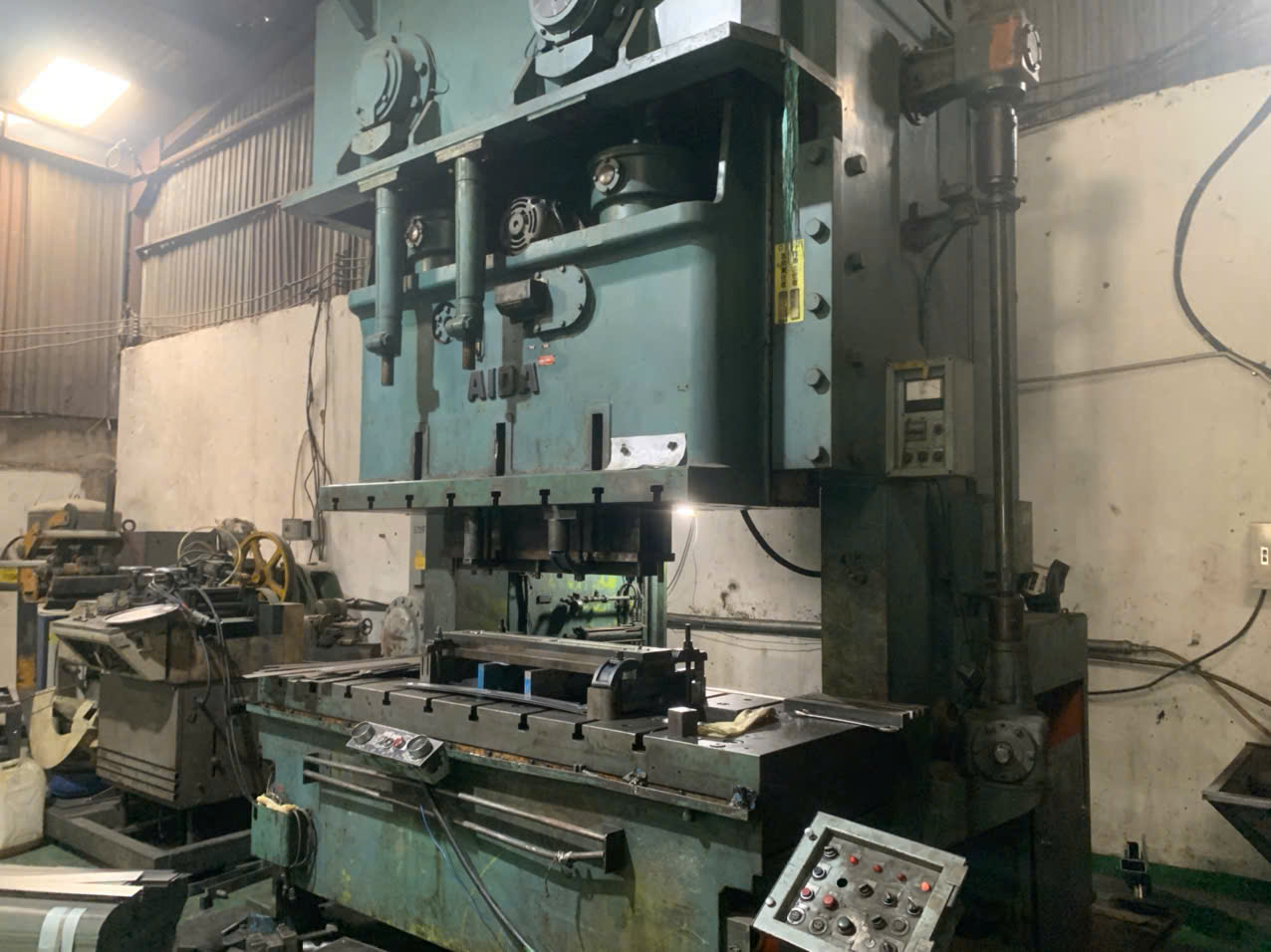
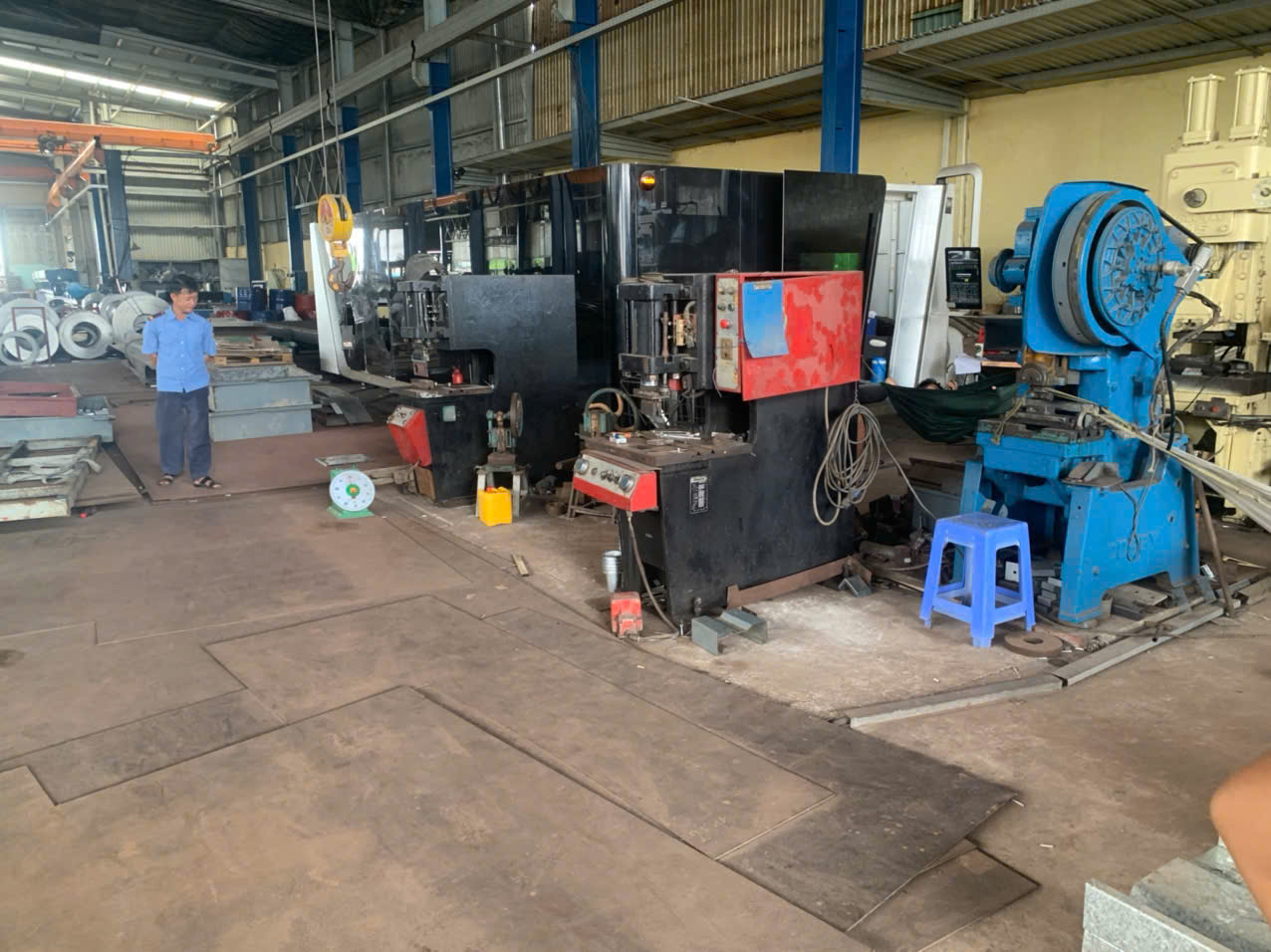
Working with [Vietnamese stamping parts suppliers](https://dewintech.com/blog/how-overcome-time-zone-language-barriers-vietnamese-stamping-parts-suppliers/) nearly cost me a tooling order once. A 12-hour time gap plus one mistranslated tolerance turned a simple bracket run into a two-week scramble.
To overcome time zone and language barriers with Vietnamese stamping parts suppliers, build an asynchronous communication workflow, set a fixed daily overlap window, use visual-first technical documentation, require written confirmation loops, and consider a bilingual local team or sourcing partner in Vietnam.
That answer sounds simple. In practice, each piece needs a system behind it. Let me walk you through what actually works, based on our daily routine running projects between the US, Singapore, and Vietnam.
How can I bridge the time zone gap when communicating with my Vietnamese stamping parts supplier?
Last year, a US purchasing manager emailed our team at 3 PM Eastern about an urgent die revision. His Vietnamese factory contact was asleep. Our Vietnam office was not. That gap defines everything.
Bridge the time zone gap by adopting asynchronous communication as your default, setting a fixed 60–90 minute overlap window for real-time calls, using 24-hour time with explicit UTC+7 labels, batching questions into single messages, and planning around Vietnamese holidays like Tet.

Vietnam runs on UTC+7. That is 12 hours ahead of US Eastern time and 15 hours ahead of Pacific time. There is almost no natural overlap in normal working hours. Waiting a full day for a reply is not your supplier being slow. It is a structural fact. You cannot fight it. You can only design around it.
Stop chasing, start batching
The biggest mistake I see is the "chaser email" habit. A buyer sends one question at 9 AM, another at 11 AM, and a follow-up at 2 PM. The Vietnamese factory wakes up to three fragmented threads. Confusion follows. Instead, batch everything into one structured message per day. Number your questions. Ask for numbered answers. Our project managers in Vietnam sort these batches every morning before the factory floor opens, which keeps production lead times predictable.
Build a simple time architecture
Here is the framework we use with our US clients:
| Element | Rule | Why It Works |
|---|---|---|
| Overlap window | 7:00–8:30 AM US Eastern (19:00–20:30 UTC+7) | Both sides are awake and alert |
| Time format | Always 24-hour with time zone (e.g., 14:00 UTC+7) | Kills AM/PM confusion |
| Urgent channel | Phone or WhatsApp only for true emergencies | Protects the overlap window |
| Standard updates | Email or project management software | Creates a written record |
| Holiday buffer | Plan 2–3 months ahead of Tet | Factories close 7–10 days |
The Tet Lunar New Year 1 deserves special mention. Vietnamese factories shut down for a week or more, and workers often travel home early. Orders due in late January or early February must be locked in months ahead. We remind every client of this in October. The ones who listen ship on time. The ones who forget learn the hard way.
What communication tools should I use to avoid misunderstandings with my Vietnamese manufacturing partner?
There is a real trade-off I weigh on every new project: speed versus record-keeping. A quick voice call feels efficient, but an untracked verbal agreement about a stamping tolerance is a liability waiting to happen.
Use email for formal specifications, project management software like Notion or Slack for progress tracking, WhatsApp or Zalo for urgent issues only, annotated CAD files for technical details, and written meeting recaps after every call. Never rely on verbal agreements alone.
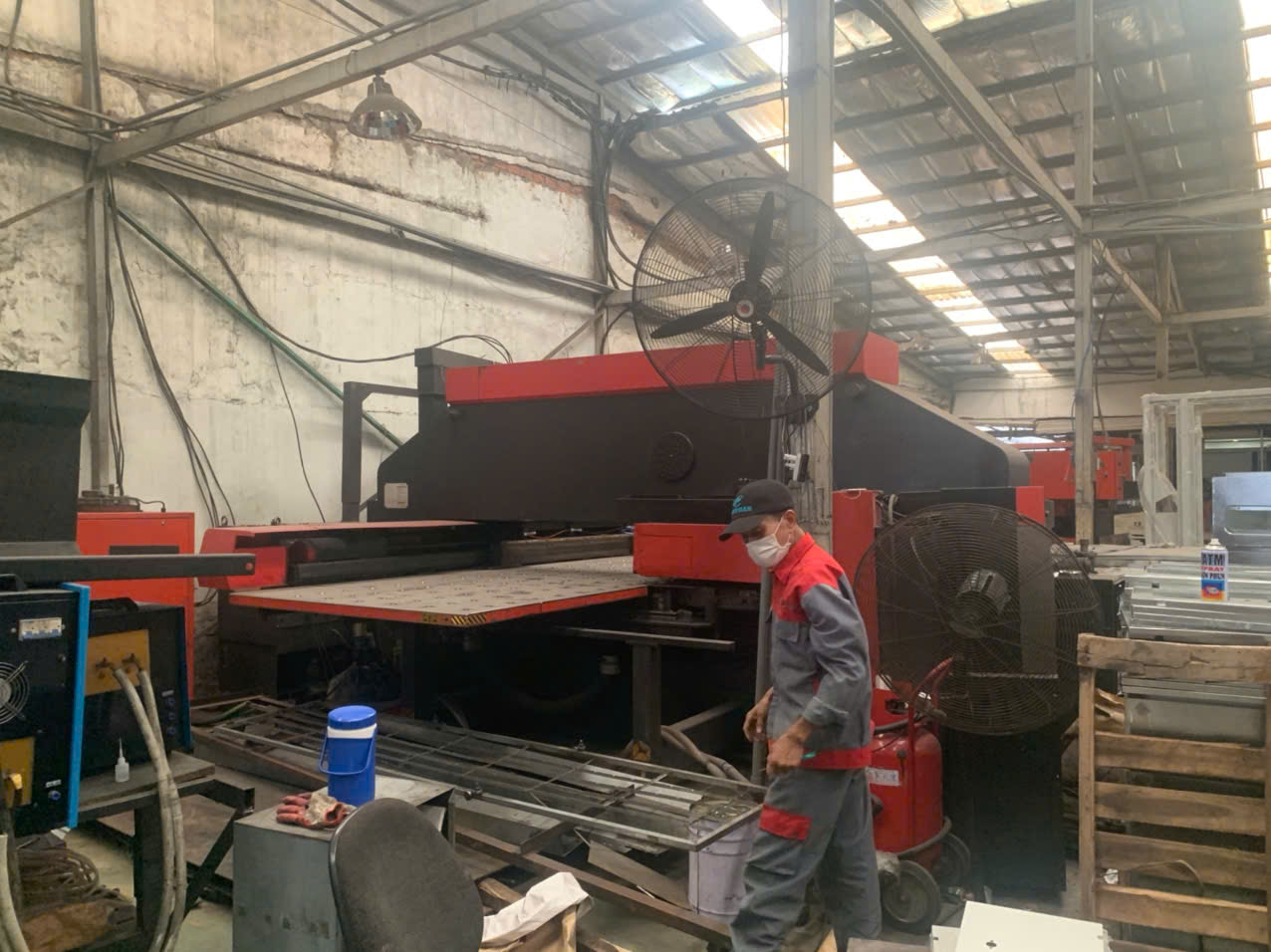
The tool matters less than the protocol behind it. Our team learned this managing OEM manufacturing projects 2 across three countries. A perfect Slack workspace cannot save you if nobody confirms what was agreed. So we treat tools as layers, each with a defined job.
Match the tool to the message
| Message Type | Best Tool | Rule |
|---|---|---|
| Specs, POs, tolerances | Email with attachments | Formal record; always in writing |
| Daily progress and photos | Project management software (Notion, Slack) | Visible to both sides at any hour |
| Quick clarifications | Zalo or WhatsApp | Vietnamese teams live on Zalo |
| Complex problem-solving | Video call in overlap window | Follow with a written recap |
| Drawing revisions | Shared CAD viewer or cloud folder | One source of truth, version-controlled |
The recap rule
After every verbal call, someone must send a written summary within a few hours. It lists what was decided, who owns each action, and the deadline in UTC+7. Then the other side replies to confirm. This closes the loop between "what was said" and "what was understood." In our experience exporting stamped brackets and base plates to the US, this single habit prevents more defects than any inspection step.
One warning about translation apps. Google Translate handles greetings fine. It fails on technical stamping terms. A misread decimal, like 0.05mm becoming 0.5mm, can scrap an entire production run. Newer AI translation tools trained on manufacturing terminology are better for auditing shop-floor instructions against your English BOM, but they still need a human check. Good business communication protocols assume the tool will fail and build in verification.
How do I ensure my technical drawings and specifications are correctly understood despite language differences?
A client once sent us a three-paragraph email describing a notched bracket profile in prose. Our Vietnam engineers read it four times and still disagreed on the step dimension. One labeled drawing solved it in five minutes.
Ensure understanding by making visuals the primary language: send annotated 2D drawings and 3D CAD models, mark critical dimensions clearly, use complete tech packs, write in simple bullet-point English, and require the supplier to summarize key requirements back to you in writing.

Precision metal stamping 3 lives and dies on numbers. Tolerances, material grades, hole positions, surface finishes. Text descriptions of these things get lost in translation. Drawings do not. So the guiding principle is simple: diagrams over paragraphs, numbers over adjectives.
Build a tech pack that works across languages
A proper tech pack for stamped parts should contain, in one document:
- A 2D drawing with every critical dimension labeled and toleranced.
- A 3D CAD model (STEP file 4) as the geometry master.
- Material specification with an international grade standard, not a local trade name.
- Surface finish requirements, ideally with a reference photo of an approved sample.
- Critical-to-quality features circled in red with plain-English notes.
- Packaging and marking requirements with images.
This single-document approach beats scattered emails every time. It also gives your supplier's quality team a clear inspection basis, which supports consistent quality control standards from first article through mass production.
Confirmation loops are non-negotiable
Silence is not agreement. In Vietnamese culture, "yes" can mean "I hear you" rather than "I understand and agree." So after sending technical documentation, we ask the supplier to restate the three or four most critical requirements in their own words. If their summary matches the drawing, production starts. If it does not, we found the gap before it cost money. On complex dies, cloud-based stamping simulation lets both sides align on virtual part performance before cutting steel, which resolves engineering disagreements when a phone call across languages cannot.
Suppliers with ISO 9001 certification 5 are usually more comfortable with this structured review process, since document control and contract review are already part of their system. That is one reason we audit for it during supplier qualification.
Should I work with a local team in Vietnam to eliminate time zone and language barriers entirely?
When we opened our Vietnam office, the first thing our staff there did was visit a stamping factory unannounced. What they found on the floor never showed up in the factory's polished English emails. That taught me the real value of local presence.
A local team or sourcing partner in Vietnam is the most complete solution for complex or long-term stamping programs. It provides same-time-zone responses, native-language technical discussion, on-site quality control, and cultural fluency. For simple one-off orders, structured remote communication may be enough.

Let me be honest about the trade-offs, because the answer is not the same for everyone.
Remote-only vs. local presence
| Factor | Remote Communication Only | Local Team / Sourcing Partner |
|---|---|---|
| Response speed | 24-hour cycles | Same-day, same time zone as factory |
| Language | Depends on supplier's English staff | Native Vietnamese engineers on the ground |
| QC verification | Photos and reports you must trust | In-person inspections and PPAP oversight 6 |
| Cultural rapport (Quan Hệ) | Hard to build over email | Built through face-to-face visits |
| Supply chain transparency 7 | Limited to what the supplier shares | Direct factory-floor visibility |
| Cost | Lowest upfront | Service fee, offset by fewer defects and delays |
| Best fit | Simple, low-risk, one-off parts | Custom co-developed parts, ongoing programs |
Relationships matter more in Vietnam than many Western buyers expect. Quan Hệ, the Vietnamese concept of relationship capital, decides whose urgent order gets prioritized when capacity is tight. A local team builds that capital daily through factory visits, shared meals, and holiday greetings. An email address cannot.
There is also the execution layer. Our Vietnam-based engineers review drawings with factory technicians in Vietnamese before tooling begins, sit in on first-article inspections, and handle logistics coordination through to the port. When a US client emails overnight, someone in the same time zone as the factory acts on it that morning. The client wakes up to progress, not questions. You do not need to build your own office to get this. A qualified sourcing partner with staff in Vietnam delivers the same bridge at a fraction of the cost, and the good ones also manage process control, final inspection, and door-to-door shipping. Some buyers go further and co-fund English technical training for the supplier's lead engineers, creating a direct communication bridge at the production level for the long term.
Conclusion
Time zones and language gaps will not disappear. Left unmanaged, they cause missed deadlines, scrapped parts, and eroded trust. The fix is a designed system, not more effort.
Build the asynchronous workflow. Fix your overlap window. Lead with drawings, not paragraphs. Close every loop in writing. And for anything complex or long-term, put someone on the ground in Vietnam who speaks both the language and the culture. Start today with one change: open your next supplier email with a labeled diagram instead of a wall of text. If you want a partner who already has that bridge built, our team works between the US, Singapore, and Vietnam every single day.
Frequently Asked Questions
How can I bridge the time zone gap when communicating with my Vietnamese stamping parts supplier?
Last year, a US purchasing manager emailed our team at 3 PM Eastern about an urgent die revision. His Vietnamese factory contact was asleep. Our Vietnam office was not. That gap defines everything.
What communication tools should I use to avoid misunderstandings with my Vietnamese manufacturing partner?
There is a real trade-off I weigh on every new project: speed versus record-keeping. A quick voice call feels efficient, but an untracked verbal agreement about a stamping tolerance is a liability waiting to happen.
How do I ensure my technical drawings and specifications are correctly understood despite language differences?
A client once sent us a three-paragraph email describing a notched bracket profile in prose. Our Vietnam engineers read it four times and still disagreed on the step dimension. One labeled drawing solved it in five minutes.
Footnotes
1. Background on the Vietnamese holiday affecting factory schedules and lead times. ↩︎
2. Defines OEM manufacturing concept referenced in the communication tools section. ↩︎
3. Provides background on the manufacturing process central to the article’s topic. ↩︎
4. Explains the STEP file standard used for 3D CAD geometry exchange. ↩︎
5. Official ISO source explaining the quality management standard referenced. ↩︎
6. Links to related quality standards documentation relevant to PPAP inspection processes. ↩︎
7. WTO resource on trade facilitation relevant to cross-border supply chain visibility. ↩︎