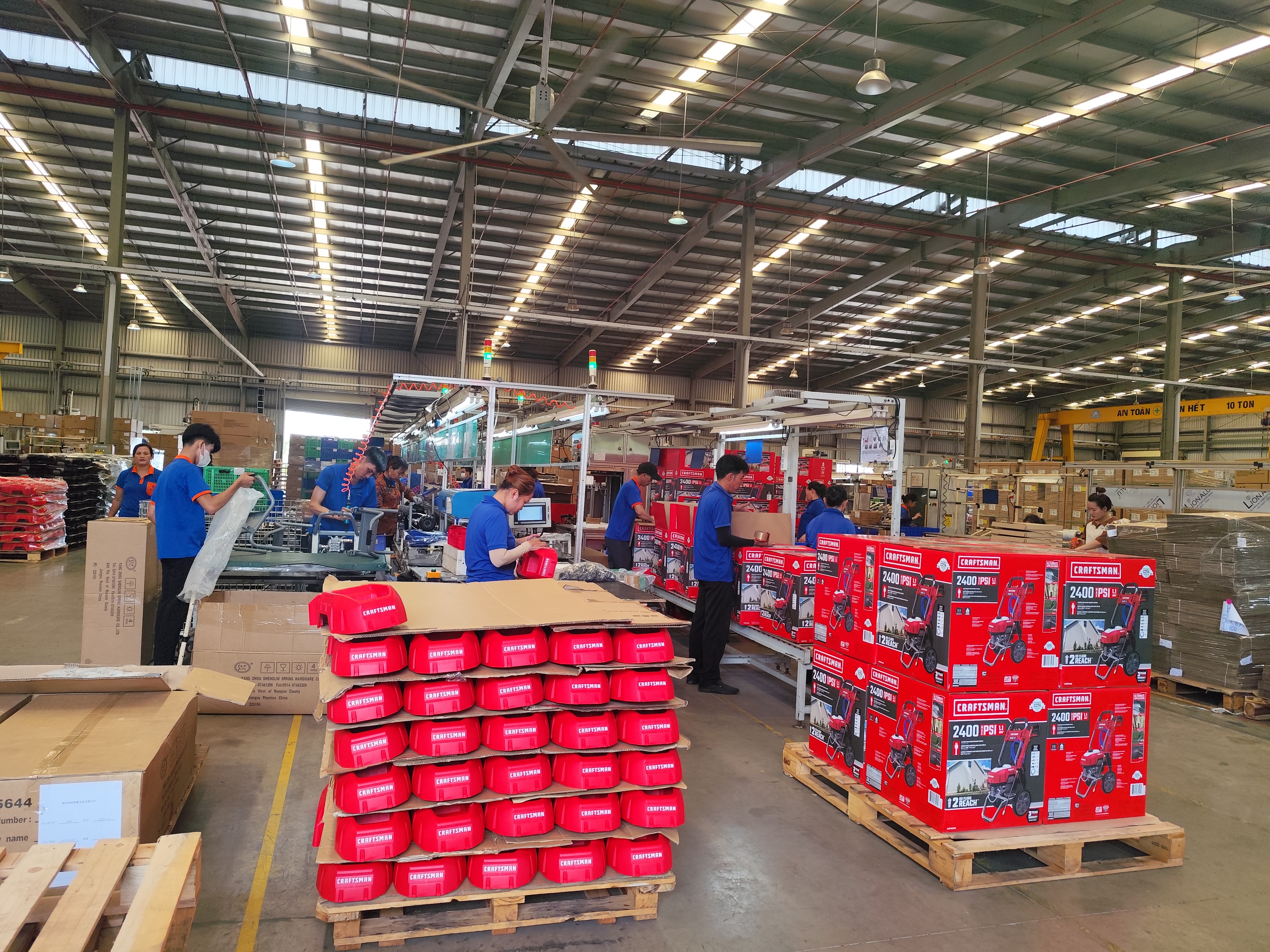
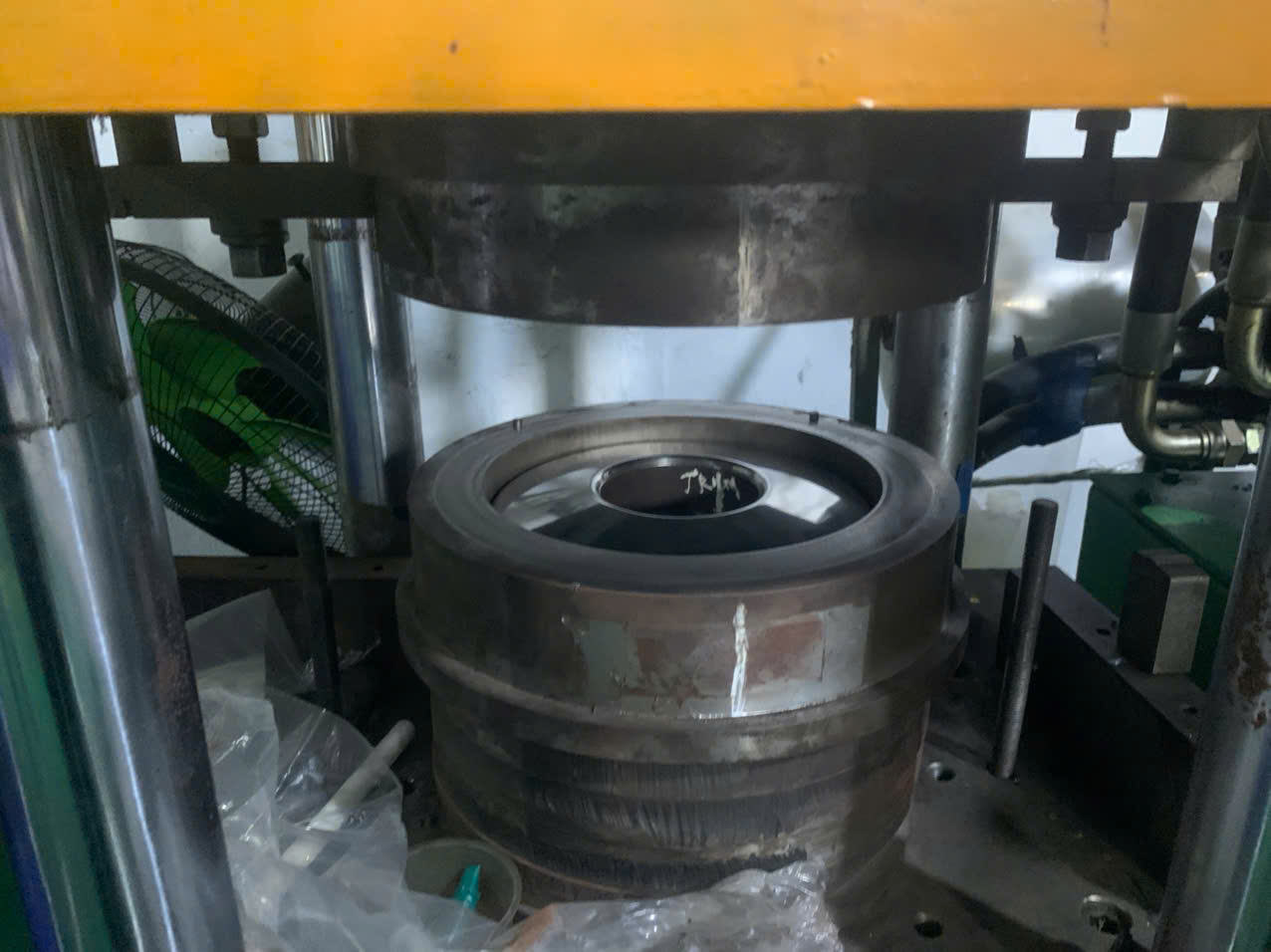
Last quarter, a delayed shipment of custom mounting brackets nearly shut down one of our client’s assembly lines in Ohio. That experience drove our Vietnam team to rebuild how we plan lead times for Vietnam sheet metal fabrication.
To avoid stockouts when sourcing Vietnam sheet metal fabrication, you must plan for a total lead time of 10 to 14 weeks — combining 4 to 6 weeks of fabrication with 4 to 6 weeks of ocean freight — and layer in safety stock, precise RFQs, and proactive quality control at every stage.
The sections below break down each phase of the timeline. They cover everything from calculating total lead time to building an inventory buffer that keeps your production floor running without interruption.
How do I accurately calculate the total lead time for my Vietnam sheet metal orders from production to my US warehouse?
A buyer we work with in Texas once assumed his parts would arrive in five weeks. He was counting only fabrication time. The ocean freight 1 leg — which he had overlooked — added another 35 days, and his line went idle.
To calculate total lead time, add fabrication time (4–6 weeks), raw material sourcing (1–2 weeks if imported from China), local finishing (2–3 days), ocean transit to the US (30–45 days), and customs clearance (3–7 days). The realistic total is 10 to 14 weeks door-to-door.

Why Freight Dominates the Schedule
Many buyers focus on the shop floor when they think about lead time. That is a mistake. In our experience exporting to the US and Europe, the ocean freight leg accounts for roughly half the total timeline. A fabricator can finish your parts in four weeks, but those parts will sit on the water for another five weeks before they reach your port.
Here is how the timeline typically breaks down for a standard order of custom sheet metal brackets:
| Phase | Duration | Notes |
|---|---|---|
| RFQ Review & Confirmation | 2–5 days | Depends on drawing completeness |
| Raw Material Procurement | 5–14 days | Longer if sourced from China |
| Fabrication (cutting, bending, welding) | 28–42 days | Complexity-dependent |
| Local Finishing (powder coat, plating) | 2–3 days | Done in-house or local subcontractor |
| Packing & Inland Transport to Port | 2–3 days | Ho Chi Minh City or Hai Phong |
| Ocean Freight to US West Coast | 25–35 days | East Coast adds 7–10 days |
| Customs Clearance 2 & Last-Mile Delivery | 3–7 days | Depends on broker efficiency |
| Total | 65–109 days | Roughly 10–16 weeks |
The Material Sourcing Variable
One factor that catches buyers off guard is raw material sourcing 3. Many Vietnamese fabricators import stainless steel and specialty alloys from China. If the material is not in stock locally, this step alone can add one to two weeks. Our team in Vietnam always confirms material availability before we lock in a production schedule. We ask the factory directly: "Is SUS 304, 2.0mm in stock today, or does it need to be ordered?" That single question has saved us weeks on multiple projects.
Incoterms Shape Your Timeline Responsibility
Your choice of Incoterms 4 determines who manages which part of the timeline. Under FOB (Free on Board) 5, the supplier delivers goods to the Vietnamese port. You handle the ocean leg. Under CIF (Cost, Insurance, and Freight) 6, the supplier manages freight to your destination port. Either way, the total days remain similar — but under FOB, you have more control over carrier selection and can sometimes shave days by choosing faster routes. We often recommend FOB to clients who have established freight forwarders, because it gives them direct visibility into logistics bottlenecks.
A Note on Air Freight
Some buyers ask about air freight 7 to cut the transit window. It works for small, urgent shipments — but it is rarely practical for heavy sheet metal parts. A set of powder-coated steel brackets can weigh 200 kg per pallet. Air freight for that volume would cost five to ten times more than ocean shipping. We reserve air freight for prototype runs or emergency replacements, not recurring production orders.
What steps can I take to mitigate potential shipping delays and port congestion when sourcing from Vietnam?
During the 2021 port congestion crisis, one of our clients had containers sitting at Long Beach for 18 days before they cleared the terminal. The parts inside were fine — but the production line they were meant to feed had already stopped.
To mitigate shipping delays, diversify your port of entry, build a 2–3 week buffer into your production scheduling, monitor vessel schedules weekly, pre-clear customs documentation, and maintain safety stock levels equivalent to one full shipment cycle to absorb disruptions without halting your operations.
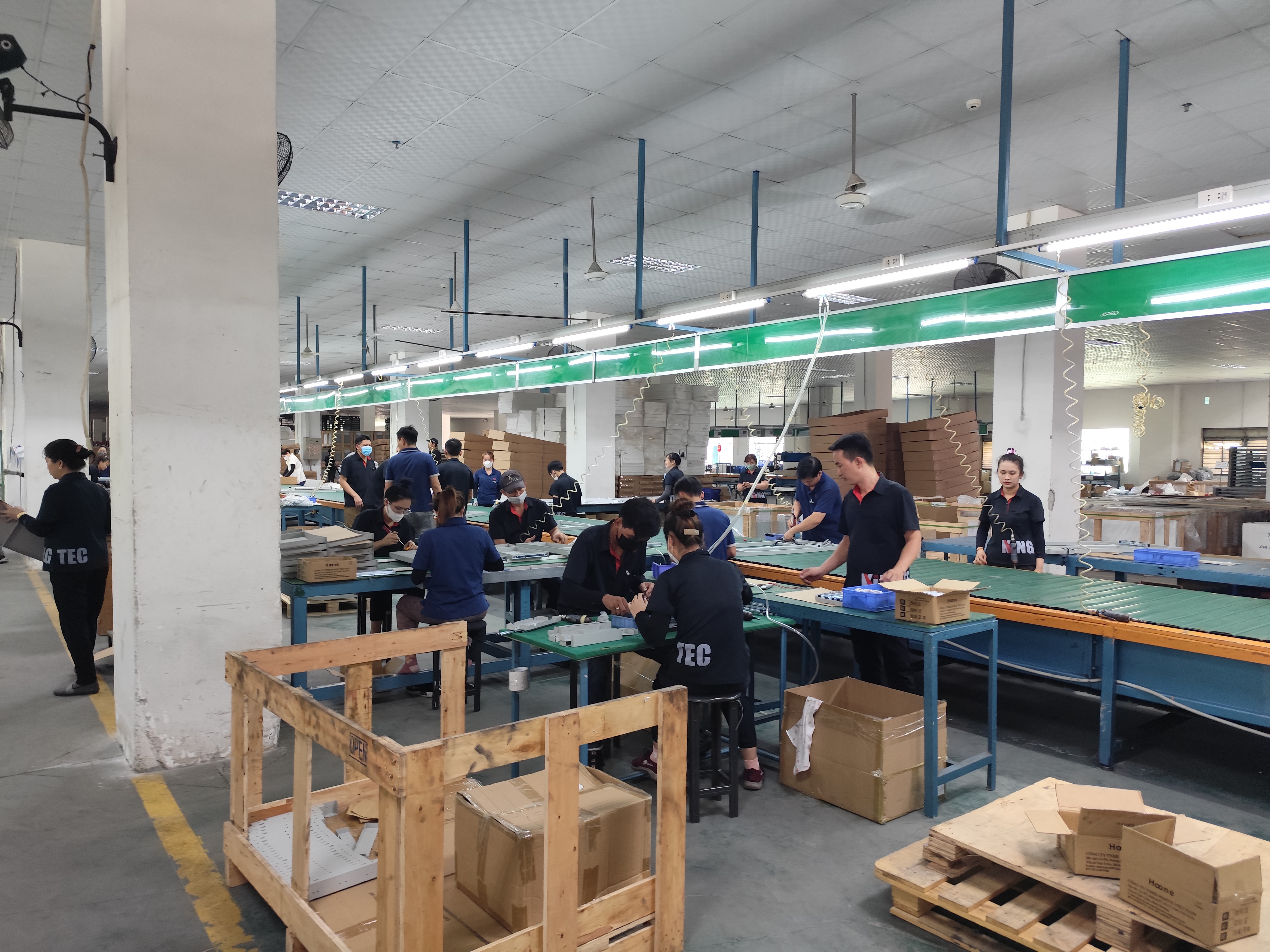
Plan Around Vietnamese Holidays
This is something Western buyers often overlook. Tet — the Lunar New Year — typically falls in late January or early February. Vietnamese factories shut down for 7 to 14 days. But the real impact extends further: workers travel home weeks early, and production ramps back up slowly after the holiday. In practice, you lose three to four weeks of manufacturing capacity. Our Vietnam office begins flagging Tet timelines to clients in October, giving them enough runway to front-load orders.
Other holidays that affect production scheduling include:
| Holiday | Typical Dates | Factory Shutdown Duration |
|---|---|---|
| Tet (Lunar New Year) 8 | Late Jan – Early Feb | 7–14 days (effective impact: 3–4 weeks) |
| Reunification Day + Labour Day | April 30 – May 1 | 2–4 days |
| National Day | September 2 | 1–2 days |
Port Diversification
If your freight always routes through a single US port, you are exposed to concentrated risk. We have seen buyers switch from Long Beach to the Port of Houston or Savannah during congestion peaks. The transit time may add a few days, but you avoid the queues. Talk to your freight forwarder about contingency routing before you need it — not during a crisis.
Pre-Clearance Documentation
Customs clearance delays often stem from incomplete paperwork, not from actual inspection holds. We prepare the commercial invoice, packing list, bill of lading, certificate of origin, and material test certificates well before the vessel arrives. Our logistics team sends the document package to the buyer's customs broker 7 to 10 days before estimated port arrival. This simple step has consistently cut our customs clearance window from 5–7 days down to 2–3 days.
Weekly Vessel Monitoring
Supply chain resilience depends on information flow. We track vessel positions using online tools and share updates with our clients every Monday. If a vessel is delayed, we alert the buyer immediately so they can adjust their inventory management plan. This proactive communication prevents the worst outcome: a buyer discovers the delay only when the container fails to show up on the expected date.
Build a Buffer — Do Not Rely on "On Time"
Even with perfect execution, ocean freight is inherently variable. Weather, port labor disputes, canal bottlenecks — these are outside anyone's control. We advise every client to add a minimum two-week buffer between expected delivery and the date they actually need parts on their production floor.
How can I ensure my Vietnam fabrication partner follows my QC process to avoid time-consuming reworks and delays?
We learned a hard lesson early in our Vietnam operations. A fabricator told us "yes, we can hold ±0.15mm tolerance on the bends." What they meant was "yes, we understand you want that." They had not actually confirmed their press brake was calibrated to achieve it. The first batch came back at ±0.4mm. That rework cost our client three weeks.
To ensure your Vietnam fabrication partner follows your QC process, provide a detailed inspection plan with measurable acceptance criteria, require First Article Inspection (FAI) approval before mass production, conduct in-process checks at critical stages, and request Welding Procedure Specifications (WPS) and welder certifications upfront to prevent rework.

The RFQ Is Your First QC Tool
Quality control does not start on the shop floor. It starts in the RFQ. Missing or vague specifications cause the majority of quality failures we see. When a drawing says "stainless steel" without specifying the grade, the factory will choose the cheapest option. When bend radii are not called out, the operator uses whatever tooling is already in the press brake.
Here is what every RFQ for Vietnam sheet metal fabrication should include:
| RFQ Element | Format / Detail Required | Why It Matters |
|---|---|---|
| Flat Pattern Geometry | DXF file (preferred for direct laser cutting) | Prevents translation errors from PDF or STEP |
| Material Grade & Thickness | e.g., "SUS 304, 2.0mm" | Eliminates substitution risk |
| Bend Lines & Inside Bend Radius | Marked on drawing with radius value | Ensures correct tooling selection |
| Tolerance Callouts | e.g., ±0.15mm (default if unspecified) | Defines pass/fail criteria |
| Surface Finish | e.g., "Powder coat RAL 7016, 60–80µm" | Prevents mismatched appearance |
| Weld Requirements | Weld type, WPS reference, visual acceptance criteria | Ensures structural integrity |
| Critical Dimensions | Flagged with inspection requirement | Focuses QC attention |
Navigating Indirect Communication
Vietnamese business culture tends toward indirect communication. A fabricator may say "we will try" when they mean "this will be very difficult." They may nod during a video call without asking clarifying questions, even if they do not fully understand the requirement. This is not evasion — it reflects a cultural preference for harmony and avoiding direct refusal.
Our Vietnam office has developed a practical approach: after every technical discussion, we send a written summary and ask the factory to reply point by point. We phrase questions to require specific answers. Instead of "Can you meet this tolerance?" we ask "What is the tightest tolerance your press brake achieved on your last stainless steel job?" This style of questioning surfaces real manufacturing capacity without putting anyone in an uncomfortable position.
First Article Inspection (FAI) Is Non-Negotiable
Before any mass production run begins, we require a First Article Inspection. First Article Inspection (FAI) 9 The factory produces 3 to 5 sample parts using the exact same process, tooling, and material that will be used for the full order. Our team inspects those samples against the drawing. Every critical dimension is measured and recorded. If the FAI fails, we work with the factory to adjust before committing to full production.
This step adds 3 to 5 days to the timeline. But it has saved us — and our clients — from entire batches of non-conforming parts. The cost of a failed FAI is a few days. The cost of a failed production run is weeks of rework, return shipping, and a stockout on the client's end.
Factory Audits and Ongoing Oversight
Design for manufacturability starts with understanding what a factory can actually do. Before we onboard any fabricator into our network, our Vietnam team conducts an on-site factory audit. We check machine lists, calibration records, welder certifications, and past project samples. We verify that the factory has the manufacturing capacity to handle the order volume without deprioritizing it.
Ongoing oversight is equally important. For complex parts — like the multi-bend mounting brackets with weld joints shown in our product line — we station a QC inspector at the factory during critical production stages. This is not distrust. It is partnership. The factory benefits from catching issues early, and the client benefits from receiving parts that are right the first time.
What inventory planning strategies should I implement to maintain a steady supply of custom parts and avoid stockouts?
The question I hear most from US purchasing managers is straightforward: "How much should I keep on hand?" The answer depends on your consumption rate, your tolerance for risk, and how much capital you are willing to tie up in inventory. There is no universal formula — but there are proven frameworks.
To maintain steady supply and avoid stockouts, implement a rolling forecast with 3–6 months visibility, set safety stock levels at 1.5 to 2 times your average monthly consumption, stagger orders to create overlapping shipment cycles, and use blanket purchase orders with scheduled releases to lock in production slots.
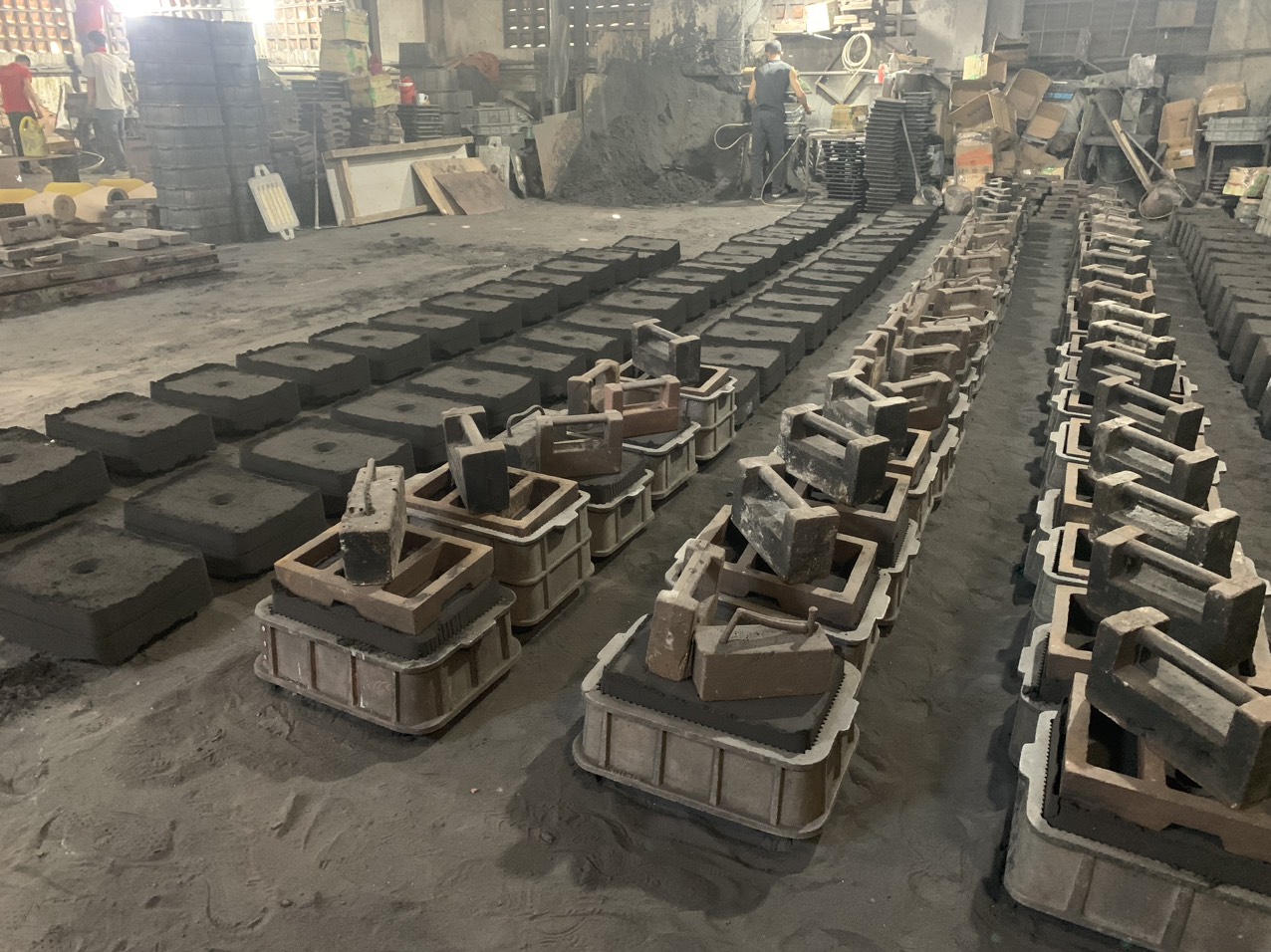
The Rolling Forecast Approach
A rolling forecast gives your supplier — and your own logistics team — advance notice of what is coming. We ask our clients to share a 3–6 month demand forecast, updated monthly. This does not need to be perfectly accurate. Even a directional forecast helps us reserve manufacturing capacity at the factory and pre-order raw materials that have long sourcing lead times.
When clients share forecasts, we can often negotiate better pricing because the factory can plan its production scheduling more efficiently. It also enables supplier diversification: if one factory is at capacity, we can shift part of the order to a second qualified fabricator without scrambling.
Safety Stock Calculation
For custom parts with a 10–14 week total lead time, we recommend setting safety stock at 1.5 to 2 times average monthly consumption. Safety stock calculation 10 Here is a simple example:
| Parameter | Value |
|---|---|
| Monthly consumption | 500 units |
| Total lead time | 12 weeks (3 months) |
| Safety stock (1.5x monthly) | 750 units |
| Reorder point | 2,250 units (3 months × 500 + 750 safety) |
| Order quantity | 1,500 units (3-month supply) |
When your on-hand inventory hits 2,250 units, you place the next order. The 750-unit safety buffer absorbs typical delays — a vessel running a week late, a customs hold, or a minor QC rework.
Staggered Ordering
Instead of placing one large order every quarter, consider staggering orders every 6 to 8 weeks. This creates overlapping shipment cycles. While one shipment is on the water, another is in production, and a third is being planned. If any single shipment is delayed, the others fill the gap.
This approach requires more coordination, but it dramatically improves supply chain resilience. Our team manages this scheduling for several clients, issuing purchase orders on a staggered calendar and tracking each shipment through production, inspection, and transit.
Blanket Purchase Orders
A blanket PO with scheduled releases is a powerful tool for inventory management. You commit to a total annual volume — say, 6,000 brackets — and schedule releases of 1,500 every quarter. The factory benefits from volume certainty and can purchase raw material sourcing in bulk. You benefit from price stability and guaranteed production slots.
We structure blanket POs with flexible release dates, allowing a ±2 week adjustment window. This gives clients room to accelerate or delay a release based on actual demand without losing their place in the factory's production queue.
The Cost of a Stockout vs. The Cost of Carrying Inventory
Some buyers resist holding safety stock because of carrying costs. But consider the alternative. A stockout means your customer's assembly line stops. They may source the part from a competitor. You may lose the account. The carrying cost of 750 extra brackets in a warehouse is almost always less than the revenue lost from a single stockout event.
Conclusion
Planning lead times for Vietnam sheet metal fabrication requires managing fabrication, freight, quality, and inventory as one connected system. Build buffers, submit precise RFQs, verify quality early, and maintain safety stock to keep your supply chain running without interruption.
Frequently Asked Questions
How do I accurately calculate the total lead time for my Vietnam sheet metal orders from production to my US warehouse?
A buyer we work with in Texas once assumed his parts would arrive in five weeks. He was counting only fabrication time. The ocean freight 1 leg — which he had overlooked — added another 35 days, and his line went idle.
What steps can I take to mitigate potential shipping delays and port congestion when sourcing from Vietnam?
During the 2021 port congestion crisis, one of our clients had containers sitting at Long Beach for 18 days before they cleared the terminal. The parts inside were fine — but the production line they were meant to feed had already stopped.
How can I ensure my Vietnam fabrication partner follows my QC process to avoid time-consuming reworks and delays?
We learned a hard lesson early in our Vietnam operations. A fabricator told us "yes, we can hold ±0.15mm tolerance on the bends." What they meant was "yes, we understand you want that." They had not actually confirmed their press brake was calibrated to achieve it. The first batch came back at ±0.4mm. That rework cost our client three weeks.
Footnotes
1. Explains ocean freight logistics, its role in global supply chain, and benefits for international trade. ↩︎
2. Explains the customs clearance process, including paperwork verification, duties, and release of shipments. ↩︎
3. Explains raw material procurement, its complexities, and strategies for effective supply chain management. ↩︎
4. Provides official definitions and responsibilities for buyers and sellers under Incoterms rules. ↩︎
5. Replaced with an authoritative government source (.gov) explaining Incoterms, including FOB. ↩︎
6. Replaced with an authoritative government source (.gov) explaining Incoterms, including CIF. ↩︎
7. Explains air freight shipping, its advantages, and typical use cases for various goods. ↩︎
8. Details the impact of Tet (Lunar New Year) on Vietnamese manufacturing, including factory closures and production slowdowns. ↩︎
9. Explains First Article Inspection (FAI) as a manufacturing and quality assurance process to verify product specifications. ↩︎
10. Defines safety stock, its purpose in inventory management, and how it mitigates stockout risks. ↩︎