
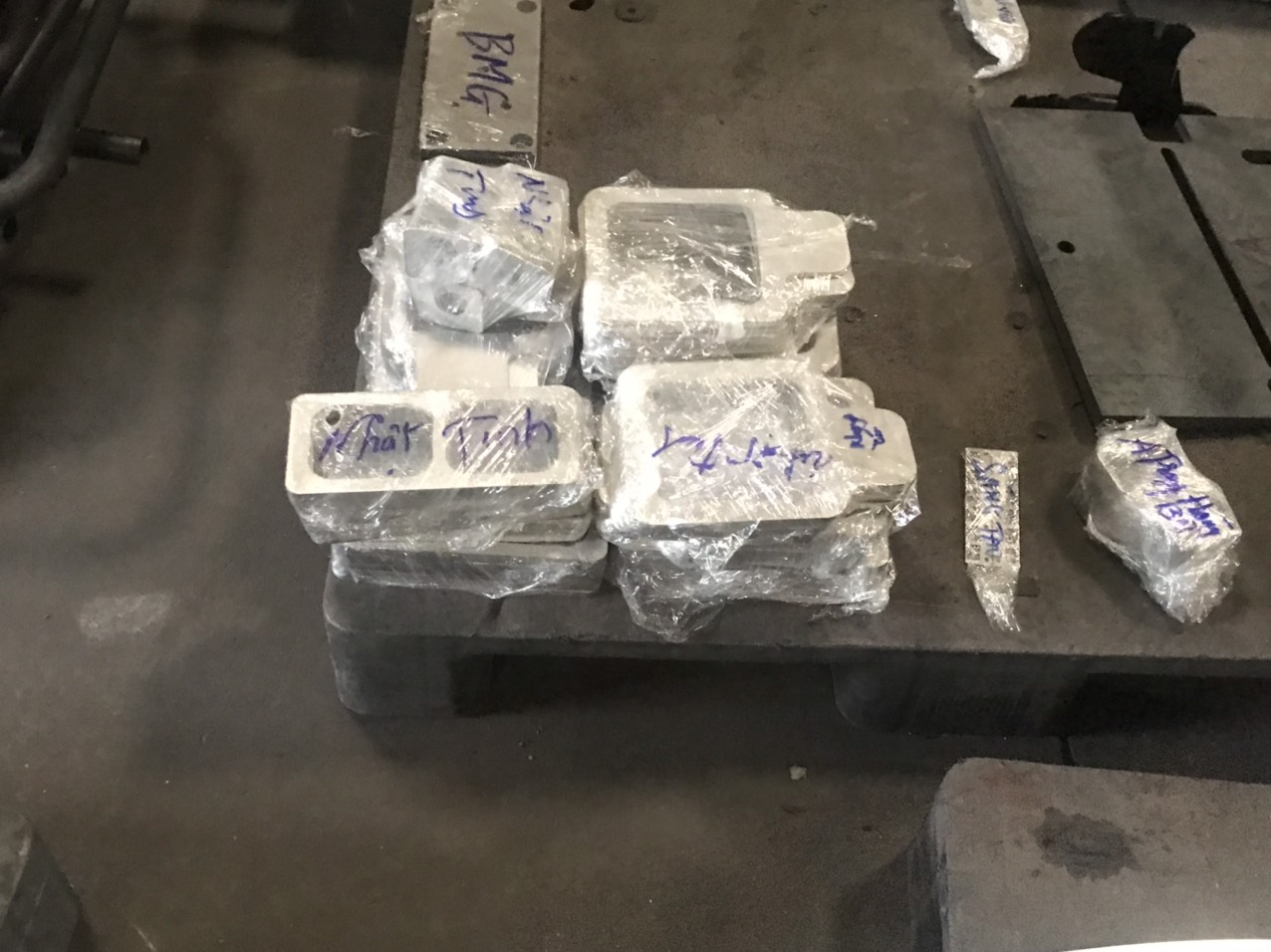
Planning a first trial order from Vietnam nearly went wrong for one of our stamped-bracket projects ANSI/ASQ Z1.4 1. The quantity was too small, the criteria too vague, and problems stayed hidden.
Plan a first trial order from Vietnam by ordering the smallest quantity that still reveals process variation, often 100–500 units, and by defining measurable acceptance criteria before production: dimensional tolerances, finish standards, AQL sampling levels, defect classifications, and packaging requirements, all written into the purchase order.
That sounds simple. But most buyers get one half wrong. They either order too little to learn anything, or they skip the written criteria. This article walks through both decisions step by step.
How much quantity should I order for a first trial run with a new Vietnam supplier?
A few years back, our Vietnam team pushed a client to double a trial run of zinc-plated brackets from 100 to 300 pieces. That decision exposed a die-wear issue that 100 pieces never would have shown.
Order the smallest quantity that exposes real production variation, typically 100–500 units for simple parts. The trial should span more than one production run or shift if possible. Size it for learning value, not freight savings, and keep the total cost survivable if the batch fails.
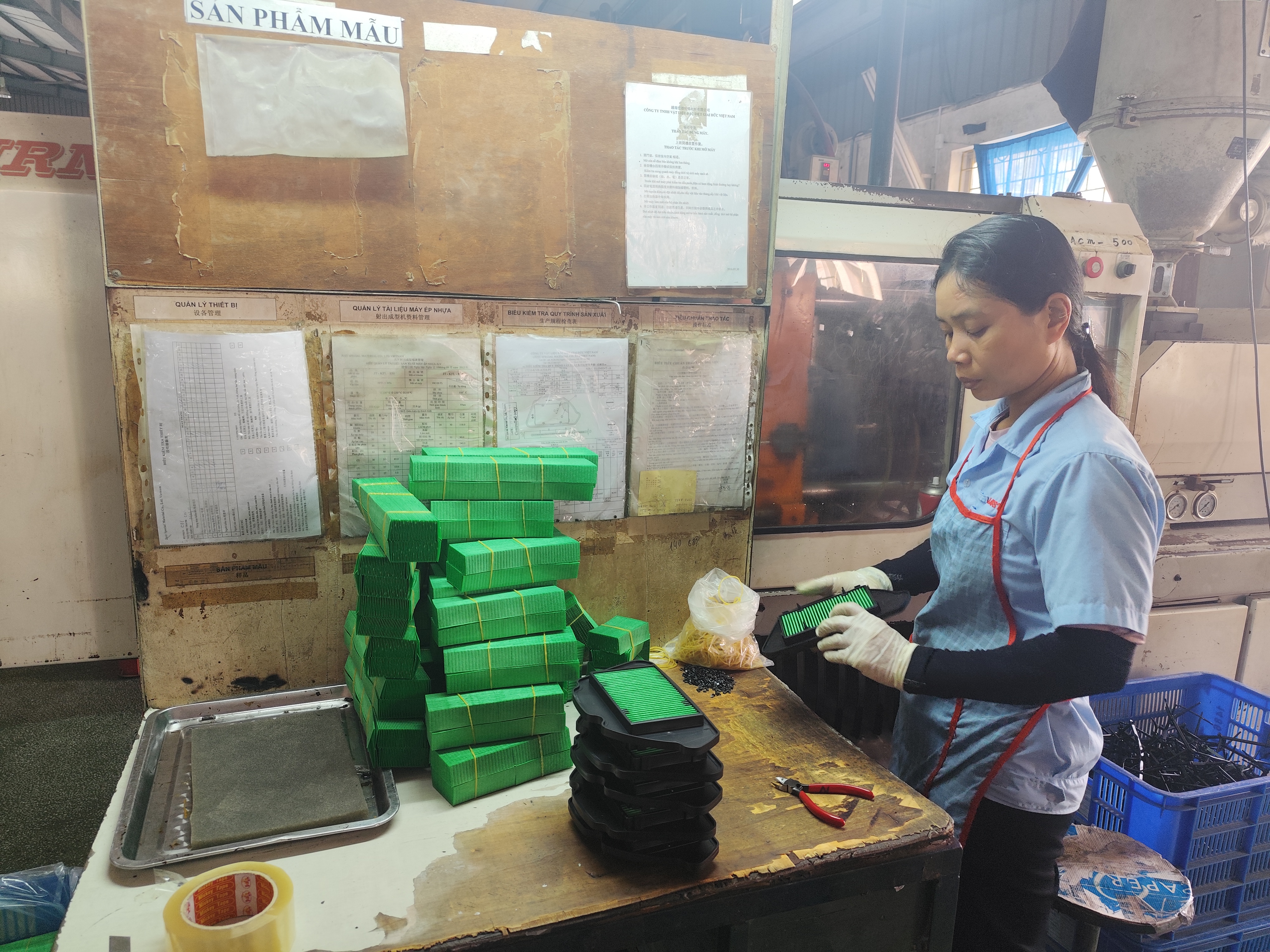
A trial order is not a sample. A sample proves the supplier can make one good part under ideal conditions. A trial order proves the supplier can make many good parts under normal conditions. Those are very different tests. The quantity you choose decides which test you actually run.
Match quantity to product risk
The right number depends on what could go wrong. For a stamped bracket like the ones we source, the risks are die wear, bend-angle drift, burrs, plating inconsistency, and hole-position variation. A handful of parts will not show drift. A few hundred parts, pulled across the run, will.
Here is how we frame the decision with our clients:
| Product type | Typical trial quantity | What the quantity must reveal |
|---|---|---|
| Simple stamped or turned part | 100–300 units | Dimensional consistency, burr control, finish uniformity |
| Multi-bend bracket with plating | 300–500 units | Bend drift, plating coverage, tooling stability |
| Assembly with several components | 200–500 units | Component matching, sub-supplier consistency |
| Custom part with new tooling | 500+ units | Tool break-in behavior, first-run scrap rate |
Factors that should push quantity up or down
Push quantity up when the part has new tooling, tight tolerances, multiple sub-suppliers, or complex packaging. Push it down when the process is mature, the design is simple, and the supplier has verified experience with similar parts. In our experience across Vietnam workshops, tooling-dependent parts deserve the larger end of the range. A stamping die behaves differently at piece 400 than at piece 40.
One more point. Do not let the supplier's MOQ alone decide your quantity. Negotiate. Many Vietnamese factories will accept a below-MOQ trial at a higher unit price. That premium is cheap insurance compared to a failed container.
What acceptance criteria should I define before placing my first trial order?
One purchasing manager we work with in the US sends us drawings where every dimension carries a tolerance and every surface has a callout. His rejection rate is near zero. That discipline is the whole game.
Define acceptance criteria before production starts: dimensional tolerances, material grade and certification, surface finish standards, functional tests, color or plating references, packaging and labeling specs, a defect classification system, and required documentation. Every criterion must be measurable, written, and confirmed by the supplier in writing.

Vague criteria are the number one cause of trial-order disputes. "Good quality" is not enforceable. "Same as sample" only works if the sample is physically signed, sealed, and referenced in the purchase order. Without written criteria, you have no basis to reject bad parts. The supplier will argue the parts are fine. And legally, they might be right.
The core criteria checklist
For a stamped bracket, our team writes criteria in these categories:
- Dimensions. Every critical dimension with a tolerance. For example, hole position ±0.1 mm, bend angle 90° ±1°.
- Material. Exact grade, thickness, and a mill certificate requirement. SPCC steel 2 is not the same as SGCC.
- Finish. Plating type, thickness range, salt-spray 3 expectation, and allowed cosmetic defects per surface.
- Function. Fit tests with mating parts, spring force for clip-type fasteners, torque retention for mounting tabs.
- Packaging. Inner protection, carton strength, moisture control, labeling format, and units per carton.
- Documentation. Inspection reports, material certs, and photos at key stages.
Separate critical, major, and minor defects
Not all defects matter equally. A missing hole is critical. A slightly deep scratch is major. A faint tool mark on a hidden face is minor. Define these classes in advance, with examples and photos where possible. Then attach a pass/fail threshold to each class. This is what turns "quality" from an opinion into a measurement.
We also recommend a graduated deviation clause. Instead of binary pass/fail, agree in advance what happens at each level of non-conformity: rework, sorting, discount, or rejection. This prevents the deadlock we often see when a batch is 95% good and both sides dig in.
How do I set AQL and inspection standards for a trial order from Vietnam?
Early in our Vietnam operations, I watched a final inspection where the inspector pulled 32 brackets from 8 different cartons instead of the top layer of one. He found bend-angle drift in the last cartons packed. That is why sampling rules matter.
Use ANSI/ASQ Z1.4 sampling with General Inspection Level II. Common AQL settings are 0 for critical defects, 2.5 for major defects, and 4.0 for minor defects. Combine pre-production sample approval, a first article inspection, and a final random inspection before shipment for trial orders.

AQL 4 sounds technical, but the idea is simple. You cannot inspect every part, so you inspect a statistically valid random sample. The AQL number sets how many defects in that sample trigger rejection of the whole batch. Lower AQL means stricter acceptance.
Standard AQL settings and when to tighten them
| Defect class | Common AQL | When to tighten |
|---|---|---|
| Critical (safety, function failure) | 0 — no acceptance | Always zero, no exceptions |
| Major (affects use or sale) | 2.5 | Use 1.5 for structural or load-bearing parts |
| Minor (cosmetic, no functional impact) | 4.0 | Use 2.5 for visible consumer-facing surfaces |
For structural brackets and fastening clips, we usually push majors down to 1.5. A bracket that cracks at a bend line is not a cosmetic issue. Match the AQL to the part's function, not to a generic default.
The inspection sequence for a trial order
- Pre-production sample approval. Sign and seal a golden sample before mass production.
- First article inspection. Check the first parts off the production line against every drawing dimension first article inspection 5.
- In-line check. A mid-production visit catches drift early, when correction is still cheap.
- Final random inspection. AQL-based sampling across cartons before balance payment.
- Loading check. For full containers, verify quantity, carton condition, and container integrity.
Third-party versus your own team
Third-party inspectors are objective and affordable, but they follow a checklist and stop there. An engineering-led inspection understands why a dimension matters and can judge borderline cases. For a first trial order, use both if you can. Our Vietnam-based staff conduct final inspections in person, which also lets us assess things a report never shows: factory housekeeping, operator skill, and how management reacts to a finding.
What should I include in my trial order agreement to protect against quality risks?
A client once forwarded me a supplier's one-page proforma invoice and asked if it was enough to protect him. It listed price, quantity, and a bank account. Nothing else. That document would have protected nobody.
Include the technical drawing and sealed sample reference, written acceptance criteria with AQL levels, staged payment terms tied to inspection approval, a graduated remedy clause for non-conformity, lead-time commitments with delay penalties, raw material traceability requirements, and documentation obligations including origin and export paperwork.

The purchase order and quality agreement are your only real leverage once money moves. In Vietnam, as anywhere, a well-drafted agreement prevents most disputes simply because both sides know where they stand. Here is what belongs in it.
The clauses that actually protect you
| Clause | What it does | Common mistake |
|---|---|---|
| Spec and sample reference | Makes the drawing and sealed sample legally binding | Referencing "the sample" without a signed, retained one |
| Acceptance criteria and AQL | Defines objective pass/fail rules | Leaving criteria as verbal understandings |
| Staged payment | Balance paid only after passed final inspection | Paying 100% before inspection |
| Graduated remedies | Sets rework, discount, or rejection paths by defect level | Binary pass/fail that guarantees deadlock |
| Lead time and delay terms | Commits dates and consequences | Ignoring Tet holiday and port congestion buffers |
| Material traceability | Requires disclosure of raw material sources | Assuming all inputs are Vietnamese |
| Documentation | Requires mill certs, inspection reports, Certificate of Origin 6 | Discovering origin paperwork gaps at customs |
Two clauses buyers underestimate
First, material traceability. Many Vietnamese factories import steel coil or components from other countries. If the source changes between your trial and your bulk order, quality can shift even though the factory did not. Require written notice of any material source change.
Second, origin documentation. Verify the Certificate of Origin 7 process during the trial itself. Tariff treatment and customs clearance depend on it. A trial order is the cheapest possible time to find a paperwork gap. Our team treats the document trail as part of the trial's pass/fail result, not an afterthought. When we offer clients open account terms, this documentation discipline is exactly what makes that trust possible.
Finally, use the trial to grade the supplier's behavior, not just the parts. Response speed, documentation accuracy, and honesty about problems predict long-term reliability better than one good batch does.
Conclusion
A bad first trial order teaches you nothing and costs you months. Size the quantity to expose real variation, write measurable criteria before production, and tie payment to inspection. Do that, and your first trial order from Vietnam becomes a genuine risk-management tool.
Frequently Asked Questions
How much quantity should I order for a first trial run with a new Vietnam supplier?
A few years back, our Vietnam team pushed a client to double a trial run of zinc-plated brackets from 100 to 300 pieces. That decision exposed a die-wear issue that 100 pieces never would have shown.
What acceptance criteria should I define before placing my first trial order?
One purchasing manager we work with in the US sends us drawings where every dimension carries a tolerance and every surface has a callout. His rejection rate is near zero. That discipline is the whole game.
How do I set AQL and inspection standards for a trial order from Vietnam?
Early in our Vietnam operations, I watched a final inspection where the inspector pulled 32 brackets from 8 different cartons instead of the top layer of one. He found bend-angle drift in the last cartons packed. That is why sampling rules matter.
Footnotes
1. Explains the statistical sampling standard referenced for AQL inspection levels. ↩︎
2. Background on steel grade classifications relevant to material specification differences. ↩︎
3. ISO standard for salt spray corrosion testing referenced in finish criteria. ↩︎
4. Background on acceptable quality limit concept used throughout inspection sections. ↩︎
5. Defines the manufacturing verification process cited in the inspection sequence. ↩︎
6. WTO reference explaining rules of origin and certificate requirements for trade compliance. ↩︎
7. Explains international rules of origin standards referenced in trial order documentation requirements. ↩︎