Every delayed shipment of custom sheet metal parts 1 traces back to one root cause: a poorly planned procurement timeline. I have watched U.S. buyers lose weeks — sometimes months — because their RFQ lacked critical details or their logistics window was too optimistic Bill of Materials 2. The cost of getting this wrong is not just money; it is lost production time, strained customer relationships, and a scramble that never needed to happen.
A sheet metal fabrication procurement timeline from RFQ to delivery typically spans 6 to 10 weeks for first-article parts. It covers five sequential phases: drawing review and DFM, material procurement, shop floor fabrication, first article inspection, and shipping. Thorough planning at each phase prevents delays and quality failures.
This guide breaks down every phase of that timeline international logistics and customs clearance 3. I will walk through what happens at each step, where delays hide, and how to build a realistic schedule that accounts for supplier readiness, sample approval, production lead times 4, and international logistics.
How do I accurately estimate the time required for the initial RFQ and technical design review?
A lesson our team learned early when managing sourcing projects out of Vietnam: the RFQ phase is where most timelines either succeed or silently fail. One incomplete drawing can add three weeks before anyone notices.
To accurately estimate RFQ and design review time, allow 1 week for drawing review and DFM feedback, plus 2 to 6 weeks for supplier quoting depending on part complexity. Standard components need 2 to 3 weeks; complex custom parts with tooling may need 4 to 6 weeks for a full response.
Making Your BOM Supplier-Ready
The RFQ process starts when procurement receives a Bill of Materials 5. But the first critical step is making that BOM supplier-ready. In our experience exporting custom parts to U.S. clients, we perform four upfront checks before sending anything to a fabricator:
- Completeness — Every part number, material spec, and surface finish is listed.
- Revision alignment — The BOM matches the latest engineering revision.
- Vendor mapping — Items are mapped to approved or qualified vendors.
- Format export — The BOM is formatted into a supplier-friendly template.
Skipping any of these checks leads to re-quotes, misunderstandings, and wasted days.
What a Strong RFQ Package Includes
A strong RFQ package goes beyond a drawing and a quantity. Here is what we include in every RFQ we issue to fabrication partners:
| RFQ Component | What to Include | Why It Matters |
|---|---|---|
| Commercial Terms | Quantities, delivery expectations, payment terms | Sets clear business boundaries |
| Technical Data | Part numbers, revisions, 2D/3D CAD files, technical drawings | Enables accurate quoting |
| Evaluation Criteria | Cost, lead time, quality, risk weighting | Ensures comparable bids |
| Compliance Requirements | Certifications, DFARS clause, ESG standards | Avoids disqualification later |
| Administrative Details | Submission deadline, contact info, quote format | Keeps the process organized |
| Material Specifications | Alloy, temper, condition, thickness | Prevents material procurement delays |
| Delivery Information | Site address, contacts, clear delivery date | Aligns logistics planning |
Including shop-ready drawings and 3D CAD models at the RFQ stage cuts days off the supplier's response time. When we specify material alloy and condition upfront, the fabricator can check stock availability immediately rather than asking follow-up questions.
RFQ Cycle Time Benchmarks
RFQ cycle time — the total duration from BOM receipt to supplier award — is a key benchmark. Here is what we typically see:
| Part Type | Typical RFQ Response Time |
|---|---|
| Simple commodities | 1 week |
| Standard sheet metal components | 2–3 weeks |
| Complex custom parts or tooling | 4–6 weeks |
We aim to send RFQs to 2 to 4 suppliers. Ideally, these are existing vendors with experience in similar products. If a new supplier is considered, we vet their product capability, quality systems, and service before they enter the qualification process. This supplier selection criteria step is non-negotiable.
Critical Capability-Screening Questions
Beyond price, we ask capability-screening questions during the RFQ to prevent months of quality and schedule issues later. Key questions include:
- Which processes are in-house versus subcontracted?
- What is your current capacity utilization?
- What quality certifications 6 do you hold, and when was your last audit?
- What inspection equipment do you use to verify tolerances and specifications?
- How do you handle non-conformance — containment and prevention?
- Can you provide DFM input and cost-reduction suggestions?
- Who owns the tooling, and who maintains it?
- What is included in your quoted price versus billed separately?
The most effective approach is to weight responses by program priorities, visit finalist suppliers to verify claims, and include engineering and operations in the final decision. We base sourcing decisions on total program risk and cost — not piece price alone.
What milestones should I include in my timeline to ensure thorough PPAP and sample approval?
A trade-off we weigh on nearly every project: how much time to allocate for first article inspection and PPAP versus how urgently the buyer needs parts on the ground. Rushing this stage is the fastest path to rework and returns.
Your timeline should include five key milestones: drawing review and DFM completion, material procurement sign-off, shop floor fabrication finish, first article inspection with full PPAP documentation, and final shipping release. For first-article runs, allocate 1 to 2 weeks specifically for FAI, CMM measurement, and certificate generation.
The Five Sequential Phases
When we manage a custom sheet metal project from our Vietnam or partner facilities, we break the timeline into five sequential phases. Each phase has a clear start, finish, and deliverable.
| Phase | Duration | Key Activities |
|---|---|---|
| 1. Drawing Review & DFM | 1 week | Fabricator reviews drawings, provides design for manufacturability input, flags potential issues |
| 2. Material Procurement | 2–4 weeks | Mill order, specialty-metals verification, Mill Test Report (MTR) 7 collection, material sourcing |
| 3. Shop Floor Fabrication | 2–3 weeks | CAM programming, tool path verification, fixture design, cutting, forming, welding, machining, finishing processes |
| 4. First Article Inspection & Documentation | 1–2 weeks | CMM measurement, AS9102 form completion, MTR collation, Certificate of Conformance, PPAP package 8 |
| 5. Shipping | Varies | Packaging, freight booking, customs documentation, delivery |
For low-quantity FAI runs, actual production may only take 1 to 3 days. But setup, programming, and fixturing can consume 3 to 10 days. This is why the fabrication phase still requires 2 to 3 weeks even for small batches.
Defining FAI Scope Early
One strategy that consistently saves time: define the FAI scope at the RFQ stage. Specify whether you need a full or partial inspection, whether AS9102 is required or a supplemental standard applies, and what documentation the PPAP package must include. When we clarify these details before the purchase order is issued, the fabricator plans their inspection resources accordingly and avoids last-minute scrambles.
Material Acquisition Variables
Material procurement is the phase with the widest range — anywhere from 1 to 8 weeks. Standard alloys in common thicknesses may be in stock. Specialty metals, specific tempers, or materials requiring qualifying-country sourcing can stretch this phase dramatically. We always advise our U.S. clients to authorize material commitment at quote acceptance rather than waiting for formal PO release. This simple step can save 1 to 2 weeks on the overall timeline.
Quote Release to PO Gap
The gap between quote release and PO issuance is often overlooked. It can range from 0 to 7 days. Internal approvals, budget sign-offs, and legal review all add time. Building this buffer into the timeline prevents the illusion that the project starts the moment a quote is accepted.
Quality control at the FAI stage is not just about checking dimensions. It is about verifying that the entire production process — material, tooling, setup, welding, finishing — produces a conforming part. When our team conducts process control reviews during PPAP, we look at the full chain. That is how we help buyers achieve "right first time" results.
How can I account for production lead times when sourcing custom sheet metal from Vietnam or other Asian markets?
When we opened our Vietnam office, one of the first things we mapped was the real production planning timeline for sheet metal fabrication in the region. The numbers surprised even our own team — not because they were longer than expected, but because the variability was so wide without proper management.
When sourcing custom sheet metal from Vietnam or other Asian markets, account for 2 to 4 weeks for material sourcing, 2 to 3 weeks for fabrication, and 1 to 2 weeks for inspection. Total production lead time is typically 5 to 9 weeks. Pre-ordering long-lead materials and using a local quality team significantly reduce variability.
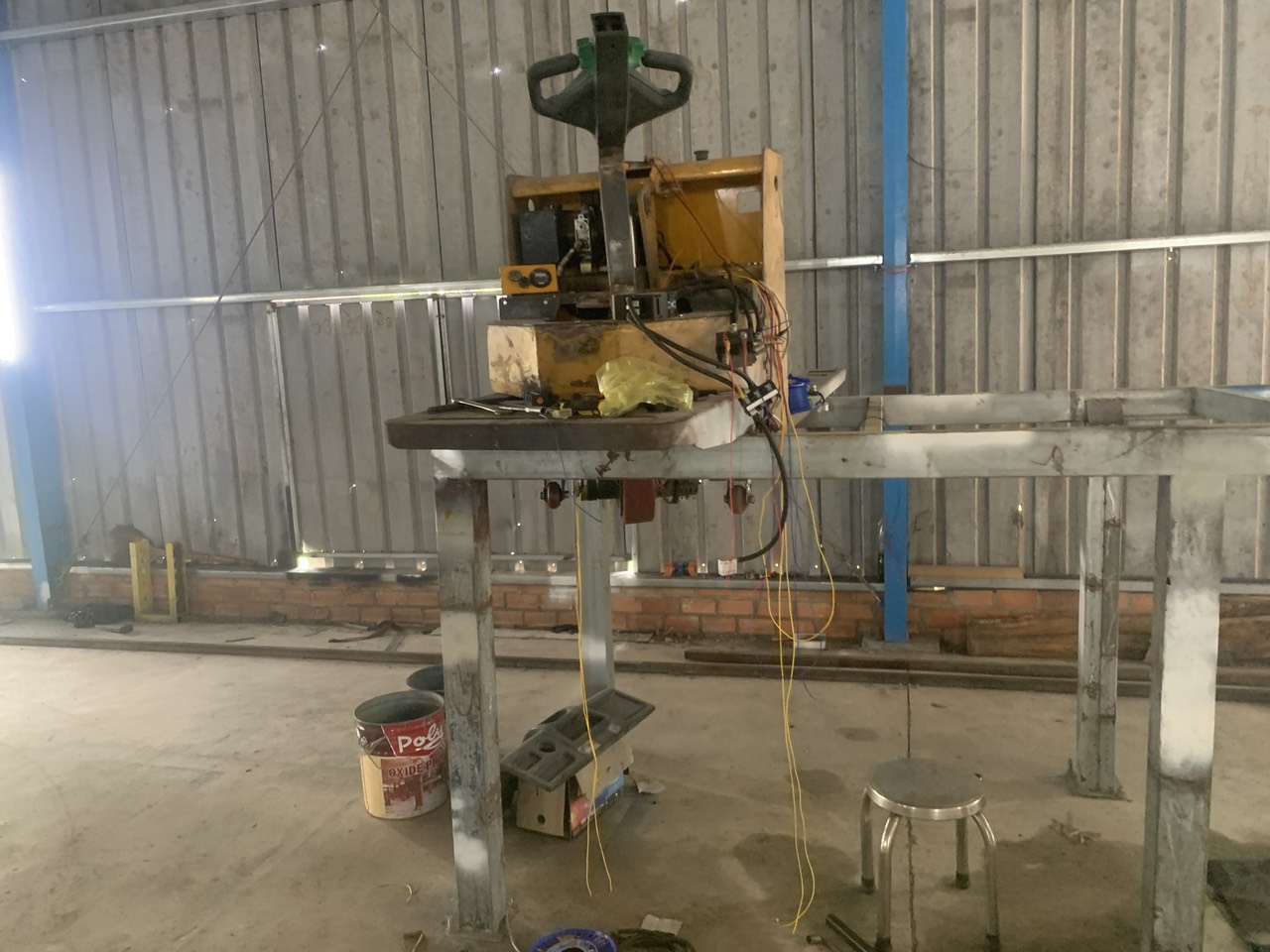
Why Vietnam and Asian Markets Differ
Production lead times in Vietnam differ from domestic U.S. fabrication for several reasons. Material availability is the biggest variable. Many specialty alloys must be imported into Vietnam from Japan, South Korea, or other qualifying countries. This adds procurement time that does not exist when sourcing domestically.
However, Vietnam offers meaningful cost optimization on labor-intensive processes like welding, grinding, and assembly. For parts like the precision-engineered mounting brackets we regularly source — with complex angular folds, multiple pre-drilled holes, and weld joints — the fabrication cost can be 30 to 50 percent lower than comparable U.S. shops, even after accounting for logistics.
Strategies for Lead Time Reduction
Here are the strategies we use to tighten production lead times for our U.S. clients:
- Pre-order long-lead materials during the design phase. If you know the alloy and thickness, place a material order before the PO is finalized.
- Use a vertically integrated supplier. A fabricator who handles cutting, forming, welding, machining, and finishing processes in-house eliminates inter-supplier transit time.
- Station a local quality team. Our 7-person Vietnam office conducts in-process inspections and catches non-conformances before they compound.
- Provide 3D CAD models with the PO. This allows CAM programming to start immediately.
- Standardize components where possible. Design for manufacturability reduces setup changes and tooling costs.
Capacity and Schedule Flexibility
One question we always ask fabricators during qualification: what is your current capacity utilization, and can you absorb an expedite? A shop running at 90 percent capacity has little buffer for disruptions. We prefer partners running at 60 to 75 percent, which gives them room to handle urgent orders without pushing other projects off schedule.
Supply chain management across Asian markets also means understanding local holidays, shipping schedules, and raw material import cycles. Vietnamese Lunar New Year, for example, can shut down production for 1 to 2 weeks. We build these windows into every project timeline we share with clients.
How do I factor in international logistics and customs clearance to guarantee my parts arrive on schedule?
A buyer interaction from last quarter drove this point home: a client had perfect production timing, but their parts sat in customs for 11 days because the HS code on the commercial invoice did not match the import declaration. Eleven days lost to a paperwork error.
To guarantee on-time arrival, add 3 to 6 weeks for international logistics: 1 week for export customs and container loading, 2 to 4 weeks for ocean freight from Vietnam to U.S. ports, and 1 to 2 weeks for U.S. customs clearance and last-mile delivery. Air freight reduces transit to 5 to 7 days but costs 4 to 6 times more.
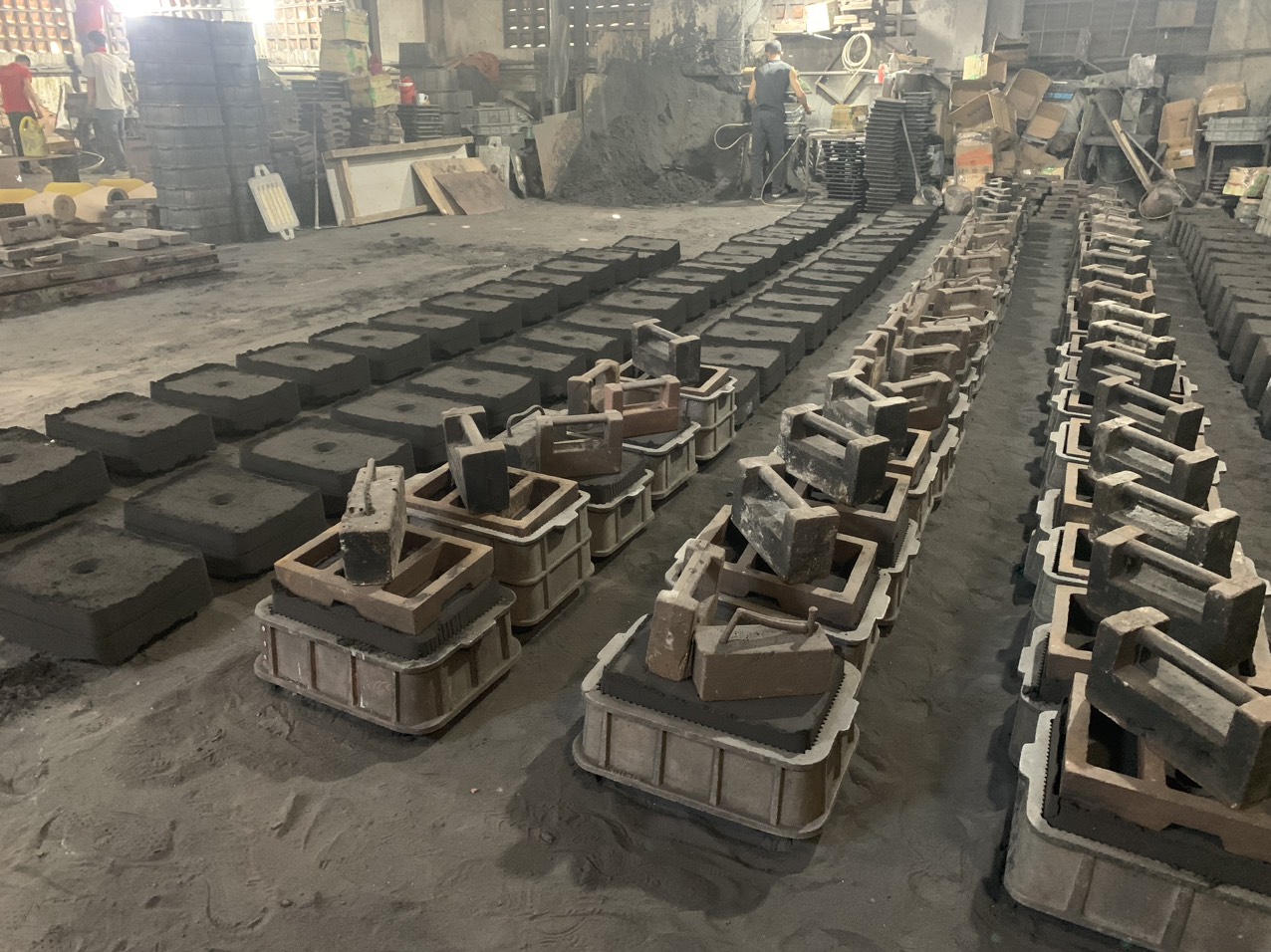
Logistics Timeline Breakdown
Here is the logistics timeline we use for standard ocean freight shipments from Vietnam to the U.S.:
| Logistics Phase | Typical Duration | Key Considerations |
|---|---|---|
| Export documentation & container loading | 3–5 days | Commercial invoice, packing list, certificate of origin, HS code accuracy |
| Ocean freight (Vietnam to U.S. West Coast) | 14–21 days | Carrier schedule, port congestion, transshipment delays |
| Ocean freight (Vietnam to U.S. East Coast) | 21–28 days | Longer route, potential Panama Canal delays |
| U.S. customs clearance | 3–7 days | Tariff classification, DFARS compliance, bond and duty payment |
| Last-mile delivery | 2–5 days | Trucking from port to final destination |
Incoterms and Landed Cost
The Incoterm you agree on with the supplier determines who bears logistics risk and cost at each stage. We typically work with DDP (Delivered Duty Paid) or DAP (Delivered at Place) terms so our U.S. clients have full cost visibility. This is where landed cost 9 becomes the only metric that truly matters. A part that is 15 percent cheaper at the factory gate means nothing if logistics, duties, and handling fees erase the savings.
Customs Clearance Pitfalls
Common customs clearance pitfalls we help clients avoid:
- Incorrect HS codes — Leads to holds, re-classification, and potential penalties.
- Missing Mill Test Reports — Required for DFARS compliance on specialty metals.
- Incomplete country-of-origin documentation — Can trigger anti-dumping duty assessments.
- Mismatched quantities — Discrepancy between PO, packing list, and physical count causes inspection holds.
Our door-to-door logistics management service covers all of these details. We prepare export documentation, coordinate with freight forwarders, and track shipments in real time. When parts clear customs, we arrange last-mile trucking to the client's facility.
Building Buffer Into Your Timeline
I always recommend clients add a 1-week buffer between their expected delivery date and their actual production need date. Shipping delays happen. Port congestion happens. Weather happens. That one-week buffer is the difference between a smooth handoff to the production line and a frantic call to arrange air freight at five times the cost.
For critical-path projects, we offer a split-shipment strategy: air-freight the first batch for immediate production needs while the bulk order travels by sea. This balances cost optimization with schedule protection.
Conclusion
A well-planned sheet metal fabrication procurement timeline removes surprises at every stage. From building a supplier-ready RFQ to accounting for customs clearance, each phase has clear durations and clear risks. Plan for 6 to 10 weeks on first-article projects, define quality requirements upfront, and always evaluate suppliers on total program cost — not just piece price. If your team needs help managing this process from RFQ through door-to-door delivery, reach out to us at DEWIN. We do this every day.
Frequently Asked Questions
How do I accurately estimate the time required for the initial RFQ and technical design review?
A lesson our team learned early when managing sourcing projects out of Vietnam: the RFQ phase is where most timelines either succeed or silently fail. One incomplete drawing can add three weeks before anyone notices.
What milestones should I include in my timeline to ensure thorough PPAP and sample approval?
A trade-off we weigh on nearly every project: how much time to allocate for first article inspection and PPAP versus how urgently the buyer needs parts on the ground. Rushing this stage is the fastest path to rework and returns.
How can I account for production lead times when sourcing custom sheet metal from Vietnam or other Asian markets?
When we opened our Vietnam office, one of the first things we mapped was the real production planning timeline for sheet metal fabrication in the region. The numbers surprised even our own team — not because they were longer than expected, but because the variability was so wide without proper management.
Footnotes
1. Explains custom sheet metal fabrication and its common applications. ↩︎
2. Explains what a Bill of Materials (BOM) is and its importance in manufacturing. ↩︎
3. Explains the multi-step process of customs clearance for international shipments. ↩︎
4. Defines production lead time and its components in a manufacturing context. ↩︎
5. Wikipedia provides a comprehensive foundational definition of a Bill of Materials for manufacturing contexts. ↩︎
6. Lists and explains common quality certifications relevant to the manufacturing industry. ↩︎
7. Explains what a Mill Test Report (MTR) is and its importance for material traceability. ↩︎
8. Wikipedia offers a detailed overview of the Production Part Approval Process standard used in manufacturing. ↩︎
9. Defines landed cost and outlines its various components in supply chain. ↩︎