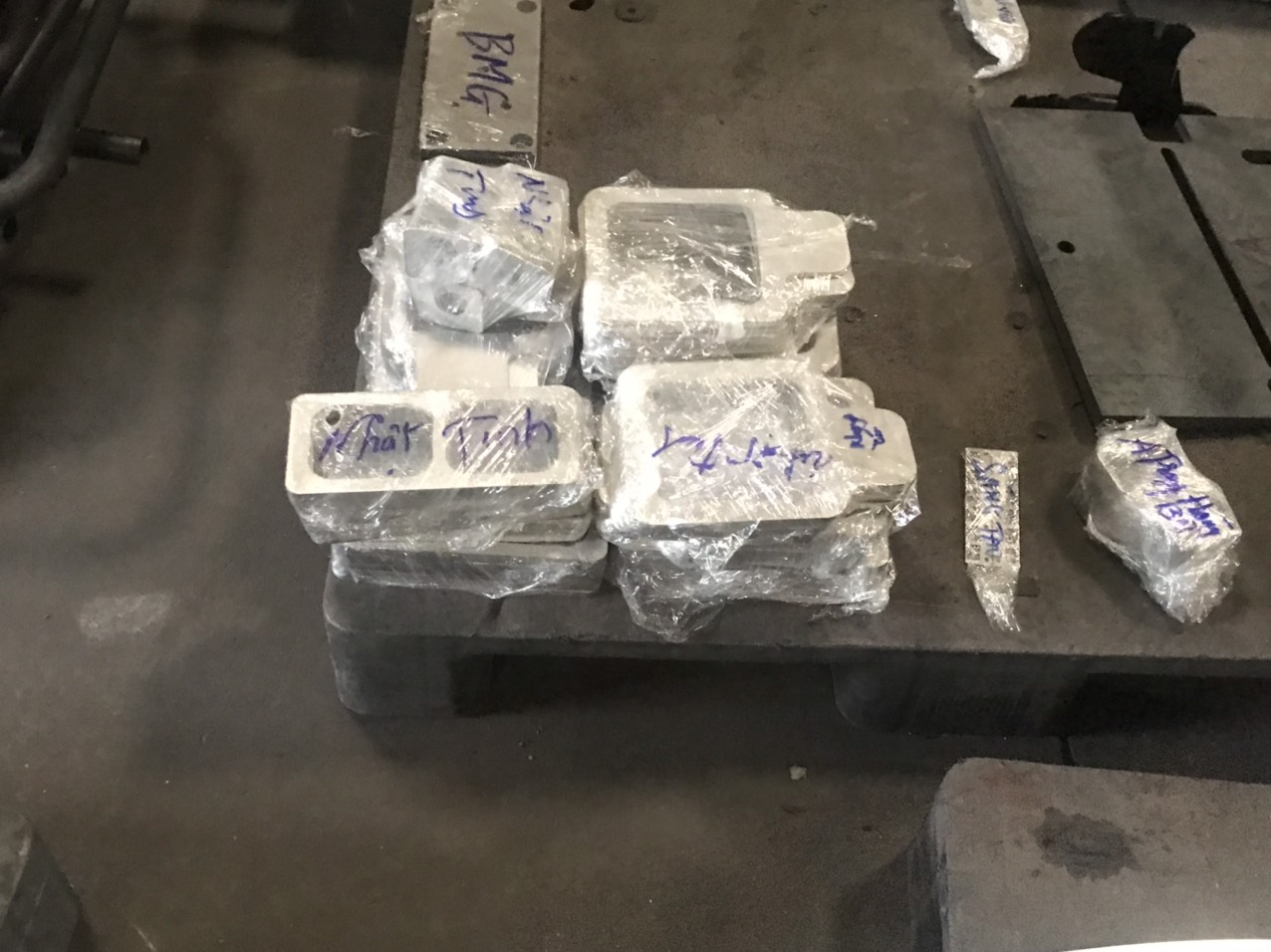

Last quarter, our Vietnam office spent three weeks vetting a sheet metal supplier in Ho Chi Minh City for a U.S. client — only to discover the “factory” was renting floor space in someone else’s plant and had zero in-house quality control processes.
To pre-screen Vietnam sheet metal fabrication suppliers on Alibaba and Global Sources, verify factory legitimacy through business licenses, cross-reference certifications like ISO 9001, request detailed RFQs with cost breakdowns, assess manufacturing capabilities via equipment lists, and conduct third-party factory audits or pilot orders before committing.
This guide walks through each verification step technical equipment 1. I will share specific lessons from our team’s on-the-ground experience in Vietnam and practical tools any procurement team can use right away.
How do I verify if a Vietnam sheet metal supplier is a legitimate factory or just a middleman?
A client in Ohio once forwarded us an Alibaba listing from a Vietnam supplier offering CNC-bent steel brackets at prices 20% below every other quote — the kind of deal that makes experienced buyers pause, not celebrate ISO 9001 certification 2.
Verify legitimacy by cross-checking the supplier's Vietnamese business registration number on the National Business Registration Portal, requesting geotagged factory photos with timestamps, confirming equipment ownership, and visiting the facility in person or through a local third-party auditor.
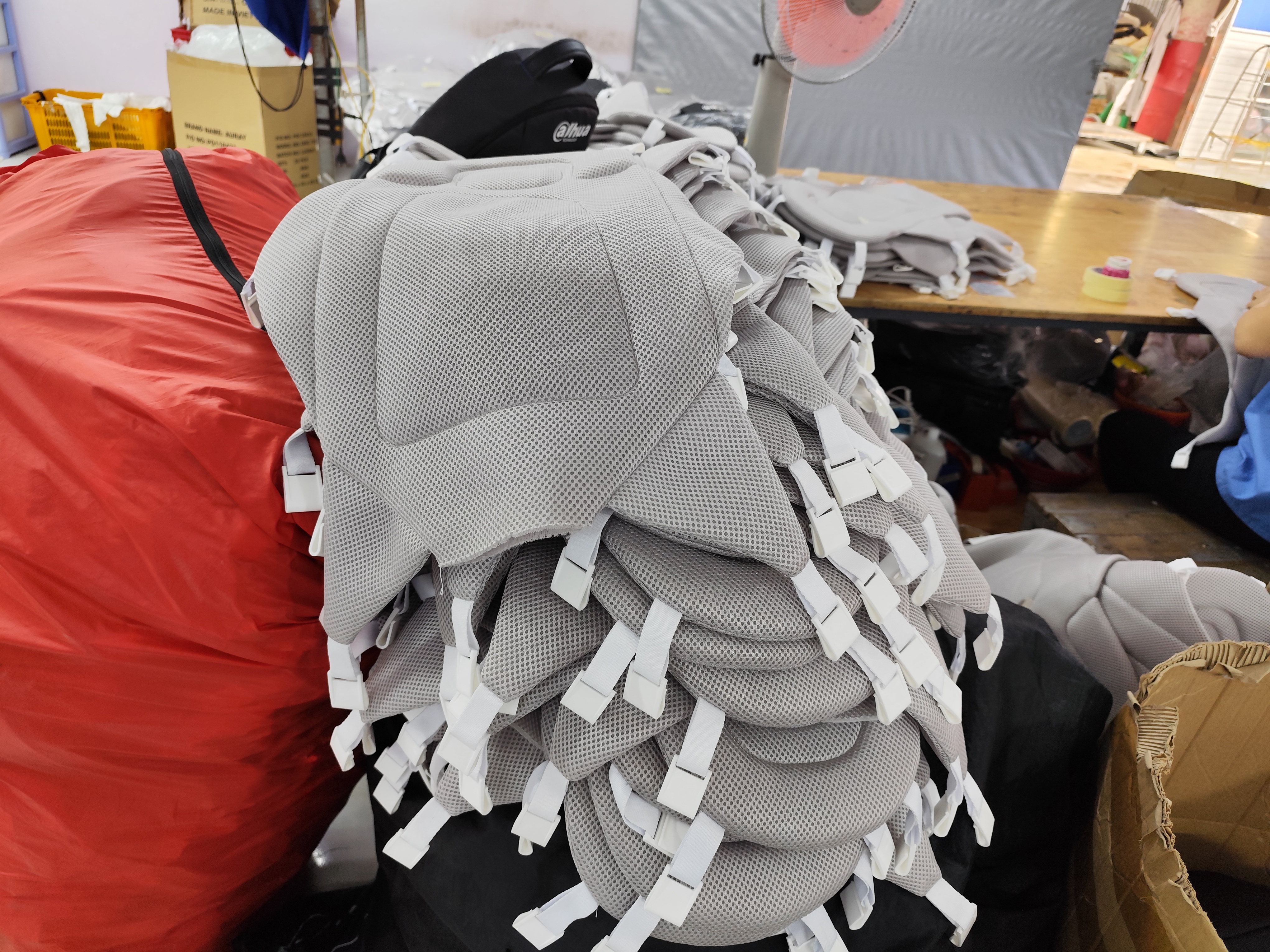
Why Middlemen Are Common in Vietnam's Sheet Metal Sector
Vietnam's sheet metal industry is fragmented. Many small workshops lack the marketing skills to list on Alibaba or Global Sources open account payment terms 3. Trading companies fill this gap. They build polished storefronts, handle English communication, and route orders to actual workshops. This is not always bad — some trading companies add real value through project management and quality oversight. The problem starts when you think you are buying from a factory but you are actually paying a markup to someone with no control over production.
Step-by-Step Supplier Verification
Here is the process our Vietnam team uses every time we evaluate a new sheet metal partner:
-
Request the Enterprise Registration Certificate. Every legitimate Vietnamese company has one. It includes a 10-digit or 13-digit tax code. Search this code on the National Business Registration Portal 4 (dangkykinhdoanh.gov.vn) to confirm the company exists, its registered address, and its stated business activities.
-
Cross-reference on VietnamExport.gov.vn. This government-run directory lists verified exporters. If a supplier claims export experience but does not appear here, ask why.
-
Ask for geotagged photos or a live video tour. Request images showing the factory floor with CNC press brakes, laser cutters, and welding stations. Ask them to hold a piece of paper with your company name and the date. This simple step eliminates a surprising number of fake listings.
-
Check Alibaba's verification badges. Alibaba offers "Verified Supplier" and "Trade Assurance 5" badges. These help, but they are not guarantees of factory ownership. A trading company can pass Alibaba's verification if it has a valid business license. Treat badges as one data point, not proof.
-
Request a client reference. Ask for contact information from a buyer who has placed comparable orders. Legitimate factories are usually willing to share references.
| Verification Method | What It Confirms | Reliability Level |
|---|---|---|
| Business Registration Portal lookup | Legal existence, address, business scope | High |
| VietnamExport.gov.vn 6 listing | Export activity and government vetting | Medium-High |
| Geotagged factory photos / video call | Physical facility and equipment ownership | Medium |
| Alibaba Verified Supplier badge | Basic business license validity | Medium-Low |
| Client reference check | Actual production track record | High |
When a Middleman Might Actually Be Acceptable
Not every middleman is a problem. If a trading company has its own quality control team embedded in the factory, manages tooling, and takes responsibility for defects, it can function like a manufacturer. The key question is: who controls the production schedule and inspection process? If the answer is "the middleman," and they have a track record, the arrangement can work. If the answer is "nobody," walk away.
What red flags should I look for when reviewing a Vietnam supplier's transaction history and ratings?
One lesson we learned early while supporting our U.S. clients: a supplier with 500 transactions on Alibaba can still deliver parts that fail incoming inspection — because transaction volume tells you nothing about whether those buyers reordered.
Watch for inconsistent product categories, suspiciously uniform five-star reviews, zero repeat buyers, no dispute resolution history, vague product descriptions lacking tolerances or material grades, and response times consistently exceeding 24 hours — all indicators of unreliable Vietnam sheet metal suppliers.
Reading Between the Lines on Alibaba and Global Sources
Alibaba and Global Sources both display supplier transaction data, but the numbers require interpretation. Here is what to examine — and what each data point really means.
Transaction History: Volume vs. Quality
A high transaction count looks impressive. But dig deeper. Check whether the transactions span consistent product categories. A supplier listing sheet metal brackets, plastic injection parts, textiles, and electronics is almost certainly a trading company aggregating orders across multiple factories. A genuine sheet metal fabrication shop will have transactions concentrated in metal components: brackets, enclosures, chassis, stampings, and similar items.
Also look for the geographic spread of buyers. Suppliers with buyers from multiple developed markets (U.S., EU, Japan) tend to have better regulatory compliance 7 and communication protocols than those selling exclusively to price-sensitive markets.
Rating Analysis: What the Stars Don't Tell You
| Red Flag | What It Suggests | How to Investigate |
|---|---|---|
| All reviews are 5 stars with generic text | Possibly fake or incentivized reviews | Ask for direct buyer references outside the platform |
| No reviews at all despite years of membership | Low actual transaction volume or new to export | Request export documentation and shipping records |
| Product range spans unrelated categories | Trading company, not a dedicated factory | Ask to see only sheet metal projects and equipment |
| Response time consistently over 24 hours | Poor communication discipline or understaffing | Send a technical question and measure response speed |
| No dispute history shown | May indicate suppressed data or very low volume | Ask directly how they have resolved past quality issues |
| MOQ listed as "1 piece" for complex fabrications | Likely a placeholder, not a real minimum order quantity | Request a formal quote with realistic volumes |
The Reorder Rate Question
One metric you will not find on any platform is the reorder rate. But it is the most telling indicator of supplier reliability. When we evaluate a potential Vietnam partner, we ask: "Can you share the names of three clients who have placed at least two orders with you?" A factory confident in its lead time reliability and quality will provide this without hesitation. One that deflects or offers excuses is telling you something important.
Platform-Specific Considerations
On Alibaba, suppliers that respond within 24 hours maintain higher visibility in search results. This means fast responders are not necessarily better — they are just optimizing for the algorithm. On Global Sources, the editorial team sometimes features suppliers, which adds a layer of vetting but still does not replace your own due diligence. Neither platform replaces an on-site inspection.
How can I assess a Vietnam factory's technical equipment and QC processes through their online storefront?
During a recent supplier evaluation for a client who needed precision-bent stainless steel mounting brackets — the kind with ±0.3 mm tolerances and multiple pre-drilled mounting holes — our engineers developed a checklist that separates factories with real capabilities from those padding their profiles.
Assess technical equipment by requesting detailed machine lists with brand names, tonnage ratings, and bed sizes. Evaluate QC processes by asking for inspection flow charts, gauge R&R records, and sample PPAP documentation. Listings with specific process details like press tonnage and tolerance ranges indicate genuine manufacturing capabilities.
What a Good Online Storefront Reveals
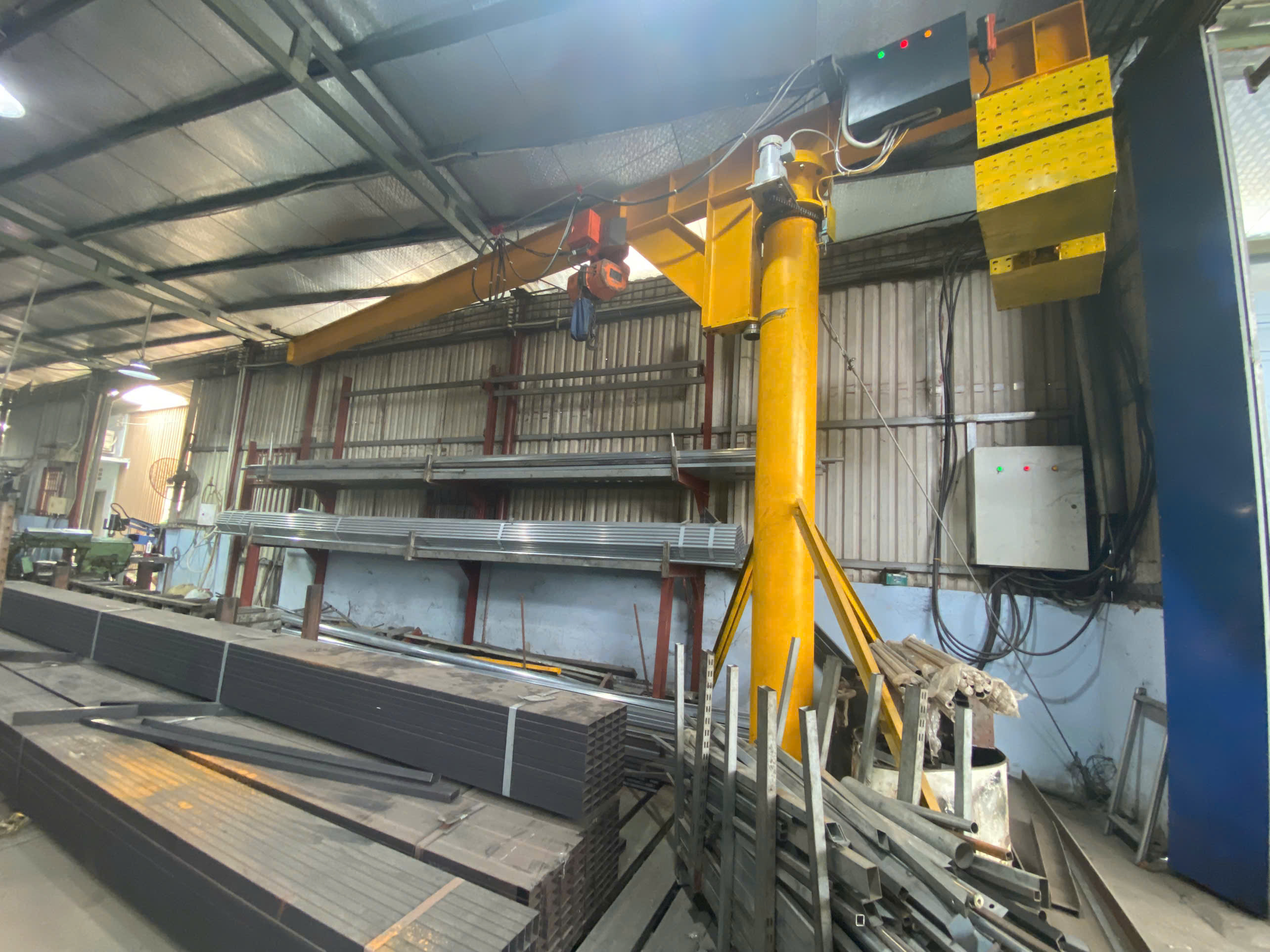
A factory that takes its online presence seriously will list specific equipment. Look for brand names (Amada, Trumpf, Bystronic for laser cutters; Komatsu, Aida for presses), rated capacities, and the number of machines. A listing that says "advanced CNC equipment" without naming a single machine model is hiding something — or simply does not have anything worth naming.
Key Equipment for Sheet Metal Fabrication
When evaluating manufacturing capabilities for components like the complex angular brackets with multiple precise folds and strategic mounting holes shown in our product images, you need to know the factory can actually produce them. Here is what to look for:
| Equipment Type | What to Ask For | Why It Matters |
|---|---|---|
| Laser cutter | Brand, wattage (e.g., 4kW fiber laser), max sheet size | Determines cutting precision and material thickness range |
| CNC press brake | Brand, tonnage (e.g., 110-ton Amada), bed length | Controls bending accuracy and part size limits |
| CNC turret punch | Brand, station count, max sheet thickness | Affects hole pattern speed and complexity |
| Welding stations | Process type (TIG, MIG, robotic), ISO 3834 compliance | Critical for weld-intensive parts like mirrored bracket pairs |
| CMM or measuring instruments | Brand, measurement range, calibration records | Validates dimensional inspection capability |
| Surface treatment | Powder coating line, sandblasting cabinet, plating | Determines available finishes (matte, gunmetal grey, etc.) |
Evaluating QC Processes Remotely
Quality control processes are harder to assess online than equipment. But there are effective proxies:
-
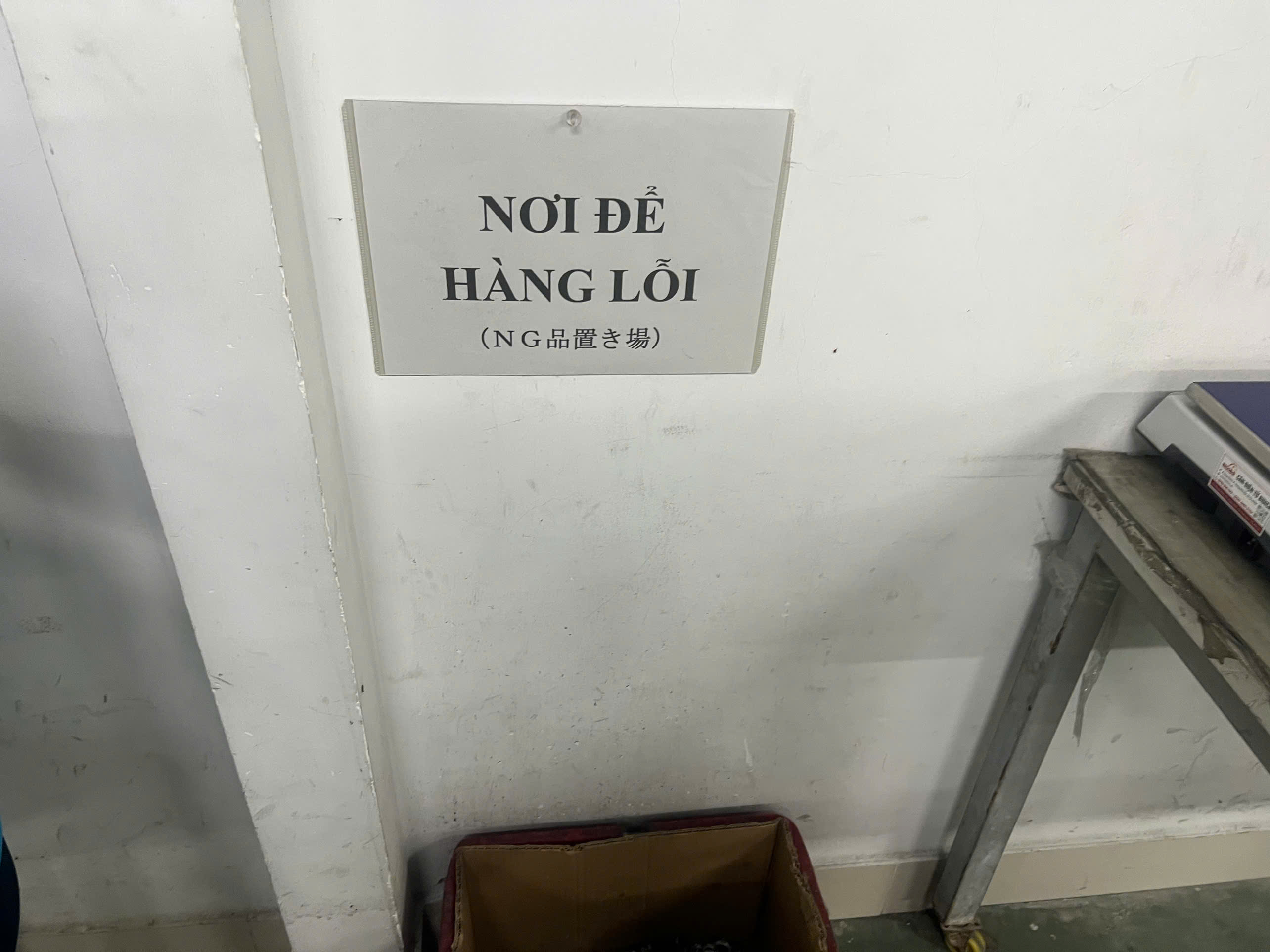
Ask for their Inspection Flow Chart. A factory with a real QC system will have a documented process: incoming material inspection, in-process checks at key operations, and final inspection before packing. If they cannot produce this document within 48 hours, they likely do not have one.
-
Request a sample PPAP package. PPAP (Production Part Approval Process 8) documentation is standard in automotive and industrial supply chains. Even if your project does not require formal PPAP, a factory that can produce one demonstrates process control maturity. Our team frequently uses PPAP as a benchmark when evaluating new Vietnam partners for design for manufacturability readiness.
-
Inquire about calibration records. Ask when their measuring instruments were last calibrated and by whom. Factories with ISO 9001 9 certification must maintain calibration schedules. If they cannot show records, the certification may be nominal.
Tolerances: What Vietnam Factories Can Realistically Hold
Standard sheet metal tolerances in Vietnam range from ±0.3 mm to ±0.5 mm, depending on the operation and tooling quality. Laser cutting can achieve tighter tolerances than plasma cutting. CNC bending accuracy depends heavily on the press brake's age and condition. When a supplier claims ±0.1 mm on bent features without specifying how, treat that claim with skepticism and ask for capability study data.
The Storefront Detail Test
Research shows that detailed technical specification listings on Alibaba receive roughly three times more qualified inquiries than generic ones. This is useful information for buyers too: suppliers who invest in detailed listings are more likely to understand technical requirements, communicate effectively about specs, and have genuine capabilities worth showcasing.
How do I find Vietnam sheet metal partners who are willing to offer the open account payment terms I need?
A purchasing manager we work with in Texas put it bluntly during a call last year: "I can find twenty Vietnam factories that make decent brackets, but I cannot find one that will ship before I wire money." Cash flow is the silent deal-breaker in international sourcing.
To find Vietnam sheet metal partners offering open account payment terms (Net 30–90 days), work with supply chain intermediaries who absorb payment risk, build trust through pilot orders with progressive payment terms, and look for suppliers with established export credit insurance or partnerships with trade finance platforms.
Why Most Vietnam Factories Demand Prepayment
Most Vietnamese sheet metal fabrication shops are small to mid-sized enterprises. They lack the working capital to finance production and wait 60–90 days for payment. Their raw material suppliers — many of whom import steel from China, Japan, or South Korea — require payment on delivery. This creates a cash flow chain where the factory simply cannot afford to extend credit to overseas buyers, regardless of the buyer's creditworthiness.
This is a structural issue, not a trust issue. Even factories that want your business may decline open account terms because the math does not work for them.
Strategies to Bridge the Payment Gap
There are several practical approaches:
-
Start with T/T 30% deposit, 70% before shipment. This is the standard in Vietnam. Use this structure for your pilot order to establish a track record.
-
Graduate to progressive terms. After two or three successful orders, propose T/T 30% deposit, 70% Net 30. Then move toward Net 60. Each step builds trust and demonstrates your payment reliability.
-
Work through an intermediary that offers credit terms. This is where companies like ours add tangible value. Because we maintain ongoing relationships with Vietnam factories and pay them on their preferred terms, we can offer our U.S. clients 60–90 day open account terms. The factory gets paid on time. The buyer gets breathing room. Supply chain risk management improves for everyone.
-
Use trade finance tools. Letters of credit (L/C) 10 from a reputable bank provide payment assurance to the supplier while giving the buyer deferred payment. Some Vietnam factories are experienced with L/C transactions; many smaller ones are not.
| Payment Approach | Buyer Cash Flow Impact | Supplier Acceptance | Best For |
|---|---|---|---|
| 100% T/T in advance | Worst — full capital at risk upfront | Highest | Very small trial orders |
| T/T 30/70 (deposit + pre-shipment) | Moderate — capital tied up early | High | Standard production orders |
| T/T 30% + Net 30 on balance | Better — 30 days post-shipment | Medium (after relationship built) | Repeat orders with proven suppliers |
| Net 60–90 open account | Best — aligns with buyer's receivables | Low (direct) / High (via intermediary) | Established programs via supply chain partner |
| Letter of Credit (L/C) | Good — payment deferred to shipment | Medium — requires banking familiarity | Larger orders with new suppliers |
The Role of Supply Chain Intermediaries
Some buyers view intermediaries as an added cost layer. But for payment terms, the intermediary's role is closer to trade finance than markup. When our team manages a Vietnam sheet metal program, we handle supplier payments within 7–14 days of shipment. Our client pays us on Net 60 or Net 90. This arrangement exists because we carry the credit risk — and we can do that because we have audited the factory, controlled the quality, and managed the logistics.
The debate about whether to use a sourcing agent or go direct often misses this financial dimension. Direct factory relationships offer transparency and potentially lower unit costs. But they almost never come with the payment flexibility that mid-market U.S. buyers need. The right choice depends on your order volume, your cash flow cycle, and how much on-the-ground oversight you can provide yourself.
Protecting Yourself Regardless of Payment Structure
No matter what terms you negotiate, always maintain leverage:
- Retain tooling ownership in writing. If the factory holds your dies and molds, you lose negotiating power.
- Require pre-shipment inspection reports before releasing final payment.
- Document everything — specs, approved samples, delivery schedules — in a purchase order that both parties sign.
- For open account arrangements, ensure your intermediary carries appropriate trade credit insurance.
Conclusion
Pre-screening Vietnam sheet metal fabrication suppliers demands verification beyond platform badges. Confirm factory legitimacy, scrutinize ratings critically, assess real equipment and QC rigor, and develop clear qualification criteria to partner strategically for the payment terms your business requires.
Frequently Asked Questions
How do I verify if a Vietnam sheet metal supplier is a legitimate factory or just a middleman?
A client in Ohio once forwarded us an Alibaba listing from a Vietnam supplier offering CNC-bent steel brackets at prices 20% below every other quote — the kind of deal that makes experienced buyers pause, not celebrate ISO 9001 certification 2 .
What red flags should I look for when reviewing a Vietnam supplier's transaction history and ratings?
One lesson we learned early while supporting our U.S. clients: a supplier with 500 transactions on Alibaba can still deliver parts that fail incoming inspection — because transaction volume tells you nothing about whether those buyers reordered.
How can I assess a Vietnam factory's technical equipment and QC processes through their online storefront?
During a recent supplier evaluation for a client who needed precision-bent stainless steel mounting brackets — the kind with ±0.3 mm tolerances and multiple pre-drilled mounting holes — our engineers developed a checklist that separates factories with real capabilities from those padding their profiles.
Footnotes
1. Overview of industrial machinery and equipment types. ↩︎
2. Information on requirements and benefits of ISO 9001 certification. ↩︎
3. Official government resource on international trade payment methods, including open accounts. ↩︎
4. Official portal for verifying business registration in Vietnam. ↩︎
5. Explains Alibaba’s program for buyer payment protection. ↩︎
6. Official government portal for Vietnam trade and export information. ↩︎
7. Introductory guide to international trade compliance regulations. ↩︎
8. Explains the standardized process for approving production parts. ↩︎
9. Official information on the ISO 9001 quality management standard. ↩︎
10. Comprehensive guide to Letters of Credit in international trade from a reputable trade finance resource. ↩︎