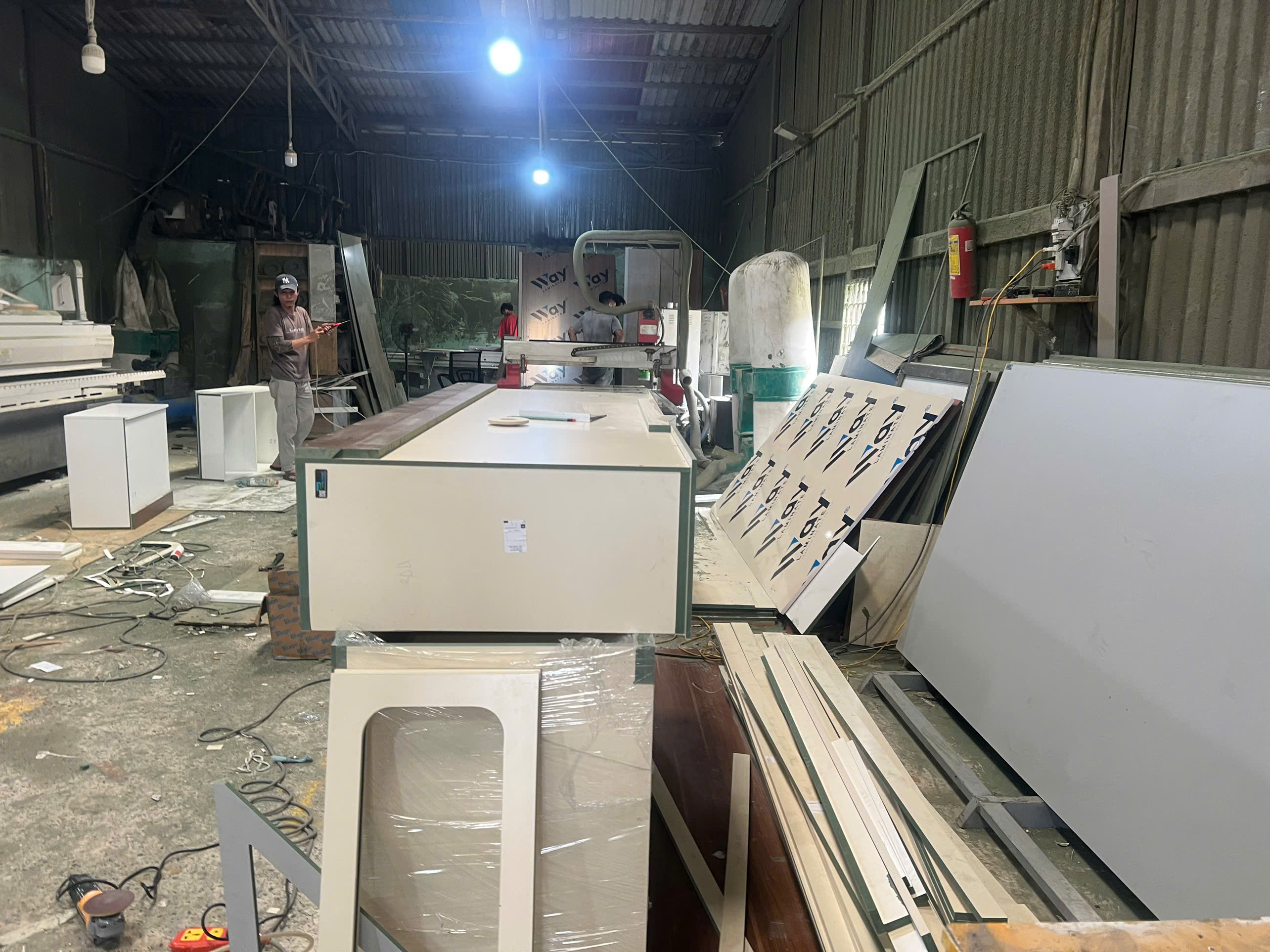
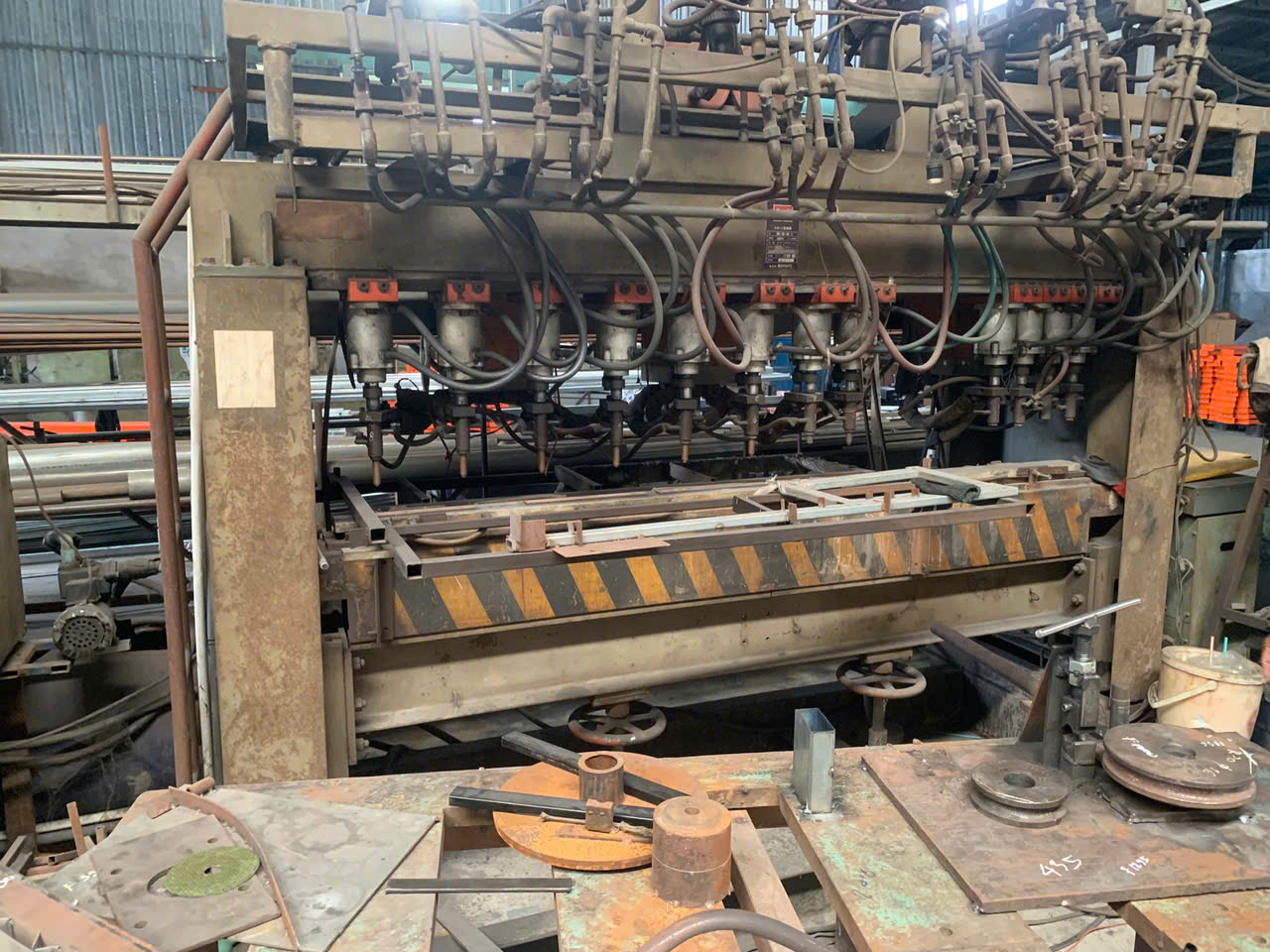
Bulk welding parts procurement can quietly drain your budget when drawings get misread, suppliers miss tolerances, and shipments arrive late with defects nobody catches until final assembly.
To prepare for bulk welding parts procurement, contract manufacturers must define precise technical specifications, vet suppliers for certifications and capacity, negotiate flexible payment terms, and establish clear communication workflows — all before the first purchase order is issued — to ensure consistent quality, on-time delivery, and cost optimization across every production run.
This guide walks through the exact steps our team uses when helping U.S. clients source custom welding parts from Vietnam and other Asian markets. Each section tackles a real pain point we see in the field every week.
How can I ensure my technical drawings and welding specifications are interpreted correctly to avoid costly reworks?
A lesson we learned early in our Vietnam office: a single ambiguous weld symbol on a drawing cost one client three weeks and a full re-run of 400 brackets. That project taught us how small oversights in documentation cascade into massive rework bills.
To avoid costly reworks, ensure your technical drawings include complete weld symbols per AWS A2.4, specify exact welding processes (TIG, MIG, or laser), call out material grades and thicknesses explicitly, and require a Design for Manufacturability review with your supplier before production begins.
Why Drawings Get Misread in Cross-Border Procurement
Most drawing interpretation failures happen for three reasons. Design for Manufacturability review 1 First, the drawing uses shorthand or company-specific notes that the overseas shop floor cannot decode. Second, tolerances are missing or ambiguous. Third, no one conducts a formal DFM review before cutting metal.
When we onboard a new welding project, the engineering team in our Vietnam facility sits down with the client's prints and creates an internal "drawing translation" document. This document maps every weld callout to a specific welding process, filler material, and inspection method. It sounds simple, but this step alone has eliminated roughly half of the first-article failures we used to see.
What Your Drawing Package Must Include
A complete drawing package for bulk welding parts procurement should contain these elements:
| Drawing Element | Why It Matters | Common Mistake |
|---|---|---|
| Weld symbols per AWS A2.4 2 | Universal language for weld type, size, and location | Using text notes instead of standard symbols |
| Material grade and thickness | Determines filler metal selection and heat input | Listing only generic "steel" or "aluminum" |
| Geometric tolerances (GD&T) 3 | Controls flatness, perpendicularity, and position after welding | Relying on ± linear dims only |
| Surface finish requirements | Dictates post-weld grinding and coating | Omitting finish specs entirely |
| Inspection criteria | Defines pass/fail for visual, dimensional, and NDE checks | No inspection callouts on the print |
The DFM Review Step Most Buyers Skip
Design for manufacturability analysis is not optional for bulk orders. During DFM, our engineers flag issues like inaccessible weld joints, unnecessary tight tolerances that drive up cost, and material choices that invite distortion. We then propose alternatives. For example, switching from a full-penetration groove weld to a properly sized fillet weld can cut cycle time by 30 percent on certain bracket assemblies — without sacrificing structural integrity.
The key is to complete this review before tooling or fixturing begins. Once fixtures are built, changes become expensive. We typically allow four to eight weeks from first contact to production start, and the DFM review occupies the first week of that window.
Bridging the Language Gap
Even with perfect drawings, language barriers exist. Our approach is to assign a bilingual project engineer who speaks both technical English and the shop-floor language. This person attends every kick-off call, translates critical notes, and confirms understanding through a written "echo-back" — a short document where the supplier restates every key requirement in their own words. If anything is misunderstood, it surfaces here, not on the inspection table.
What criteria should I use to audit a new welding supplier in Vietnam to guarantee consistent quality for my bulk orders?
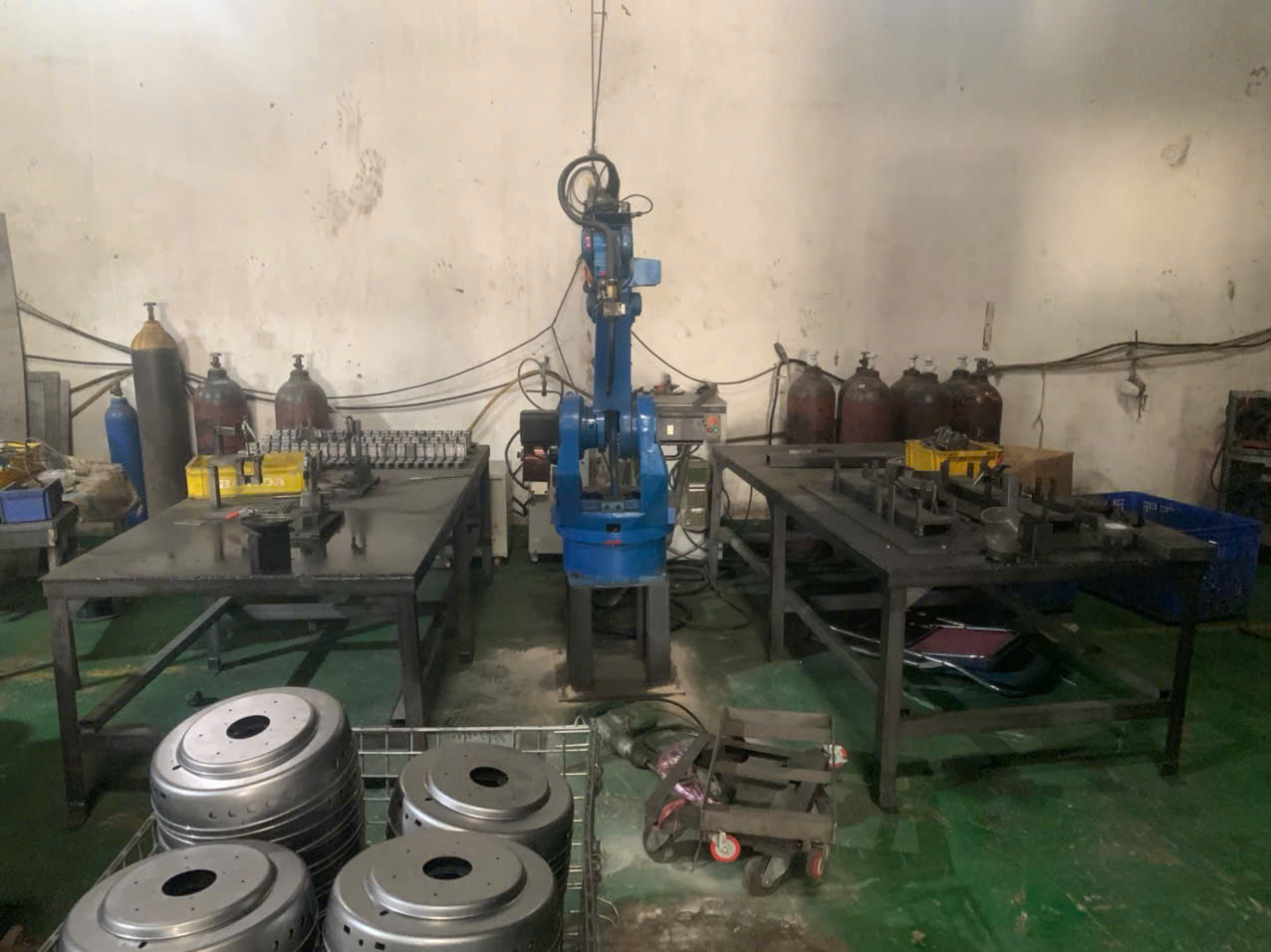
Before we opened our Ho Chi Minh City office, our team visited over 30 metal fabrication shops across southern Vietnam. The variation in capability was staggering — some facilities ran robotic MIG cells with real-time monitoring, while others relied on a single manual welder with no written procedures.
When auditing a welding supplier in Vietnam, evaluate five criteria: industry certifications (ISO 9001 minimum, AWS welding certs preferred), equipment match to your welding processes, documented quality control procedures with traceability, production capacity for your volume, and a verifiable track record with physical samples from similar projects.

The Five-Pillar Supplier Evaluation Framework
Our supplier evaluation process uses five pillars. Each pillar gets a weighted score, and the supplier must clear a minimum threshold before we proceed to trial orders.
| Audit Pillar | Weight | What We Check | Red Flag |
|---|---|---|---|
| Certifications | 20% | ISO 9001:2015 4, AWS D1.1 or D1.2, ASME if applicable | No quality management system at all |
| Equipment & Capacity | 25% | Machine list, tonnage range, welding power sources, annual throughput | Equipment doesn't match required process |
| Quality Control | 25% | Inspection tools (CMM, weld gauges), QA plan, NDE capability, weld logs | No incoming material inspection |
| Track Record | 15% | Reference projects, sample parts, defect rate history | Cannot provide physical samples |
| Communication & Responsiveness | 15% | Response time, English ability, willingness to collaborate | Takes more than 48 hours to reply |
Certifications Are the Entry Ticket
ISO 9001:2015 is the minimum. It proves the supplier has a documented quality management system. For structural welding, AWS certifications 5 matter because they verify that the welders themselves are qualified to specific codes. We also check whether the supplier's welding procedure specifications (WPS) 6 and procedure qualification records (PQR) are current. Expired documents signal a shop that treats compliance as a checkbox rather than a discipline.
Going Beyond the Paperwork
A certificate on the wall means nothing if the shop floor does not follow the procedures. During on-site audits, our Vietnam team walks the production line and watches welders at work. We check whether they actually reference the WPS, whether incoming raw materials are verified against mill certificates, and whether finished parts go through a documented inspection sequence.
We also look at inventory control practices. Disorganized material storage often correlates with mix-ups — wrong alloy, wrong thickness — that only surface during testing. A well-run shop labels every piece of incoming material and tracks it through production.
Requesting and Evaluating Samples
Before committing to a bulk order, we always request first-article samples. These samples go through the same inspection routine the production parts will face: dimensional check, visual weld inspection, and any specified NDE (dye penetrant, ultrasonic, etc.). If the supplier cannot produce conforming samples, they will not produce conforming bulk parts. It is that straightforward.
Our typical timeline for sample evaluation is one to two weeks. We share a formal first-article inspection report (FAIR) 7 with the client, and production only begins after written approval.
How do I streamline my communication with a contract manufacturer to ensure my welding parts are delivered on time?
One recurring conversation with U.S. purchasing managers goes like this: "My last supplier said four weeks, delivered in eight, and never told me about the delay until I chased them." Lead time management failures are almost always communication failures in disguise.
To ensure on-time delivery, establish a single point of contact, agree on a weekly status reporting cadence with milestone dates, use shared project trackers visible to both parties, and define escalation protocols for any deviation from the production schedule before the first order ships.
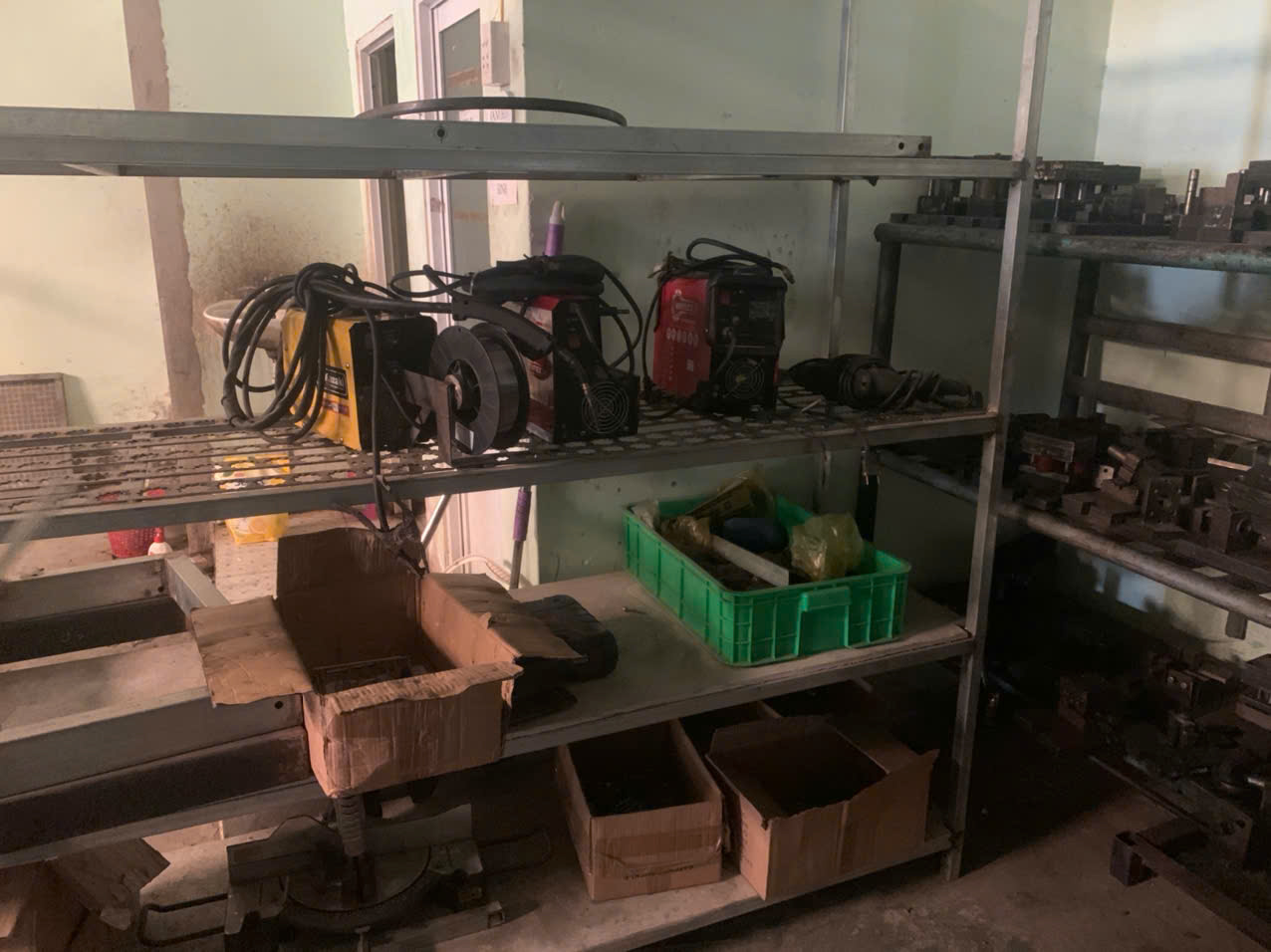
Why Deliveries Slip — and How to Prevent It
Delivery delays in bulk welding parts procurement usually trace back to one of these root causes:
- Raw material procurement delays (mill lead times, import clearance)
- Fixture or tooling problems discovered mid-run
- Quality holds due to non-conforming first articles
- Capacity conflicts with other orders at the supplier's shop
Our project managers tackle each of these proactively. We build buffer time into the schedule for material procurement — because raw material costs and availability fluctuate — and we resolve tooling issues during the tryout phase, not during the production run.
The Weekly Reporting Rhythm
We send every client a weekly status update. It is a short, structured email — not a novel. The format covers five items:
- Current production stage (e.g., material received, welding 60% complete)
- Quantity completed vs. plan
- Any quality issues found and corrective actions taken
- Updated ship date (confirmed or revised)
- Open items requiring client input
This cadence keeps everyone aligned. If a problem arises — say, a batch of incoming steel fails our material certification check — the client knows within 24 hours, not at the end of the project.
Choosing the Right Communication Tools
Email remains the primary channel for formal communication and approvals. For quick questions, we use instant messaging. For complex technical discussions, we schedule video calls with screen sharing so both sides can look at the same drawing simultaneously.
The critical rule: every decision made outside email gets summarized in email afterward. This creates a written trail that protects both the buyer and the supplier. Verbal agreements without written confirmation are a leading cause of disputes in cross-border supply chain management 8.
Milestone-Based Production Tracking
For large bulk orders, we break the project into milestones and assign a date to each:
| Milestone | Typical Timeline | Deliverable |
|---|---|---|
| Purchase order confirmed | Day 0 | Signed PO and drawing package |
| Raw material received and verified | Day 7–14 | Mill certs and incoming inspection report |
| First article completed and approved | Day 14–21 | FAIR with dimensional and weld inspection data |
| Production 50% complete | Day 21–28 | In-process inspection summary |
| Production 100% complete, final inspection | Day 28–35 | Full inspection report, photos |
| Shipment and logistics | Day 35–42 | Packing list, commercial invoice, tracking info |
Each milestone has a clear deliverable. If a milestone slips, the project manager flags it immediately and proposes a recovery plan. This approach has cut our average delivery variance to under three days on repeat orders. For a deeper look at structuring these timelines, see our guide on how to plan a procurement timeline from RFQ to delivery.
What steps can I take to secure flexible payment terms from my custom welding parts provider to manage my project budget better?
A purchasing manager we work with in the Midwest once told us he could not commit to a large welding bracket order because his company's cash was tied up in another project closing 60 days out. The parts were needed, the specs were locked, but the cash flow timing did not work. This is a more common barrier than most people admit.
To secure flexible payment terms, build trust through smaller initial orders with standard terms, request graduated terms (e.g., 30% deposit, 70% net 60), provide trade references and financial documentation, and choose suppliers who explicitly offer open account or credit terms as part of their service model.
Why Payment Terms Matter More Than Unit Price
Many buyers focus only on the per-piece cost of welding parts. But payment timing affects your total project cost just as much. If you must pay 100 percent upfront and the parts arrive in six weeks, your capital is locked for six weeks with zero return. That is a real cost, even though it does not appear on the invoice.
Flexible payment terms — such as net 60 or net 90 — let you receive the parts, integrate them into your assemblies, and often invoice your own customer before the supplier payment is due. This alignment of cash inflows and outflows is the foundation of healthy supply chain management for contract manufacturers.
How Payment Terms Typically Evolve
The relationship between a buyer and a welding parts supplier usually progresses through stages. Here is what we typically see:
| Order Stage | Typical Terms | Buyer Action to Advance |
|---|---|---|
| First order (trial) | 50% deposit, 50% before shipment | Pay on time, communicate professionally |
| Second to third order | 30% deposit, 70% net 30 | Provide trade references, share forecast |
| Ongoing relationship (6+ months) | Open account, net 60 | Maintain consistent order volume and payment history |
| Strategic partnership (1+ year) | Net 60–90, quarterly reconciliation | Commit to annual volume targets |
What Suppliers Look for Before Extending Credit
From our side of the table, extending open account terms involves real financial risk. We evaluate several factors before offering net 60 or net 90:
- Payment history: Did the buyer pay previous invoices on time?
- Order volume and regularity: Steady, predictable orders reduce risk.
- Company financials: A Dun & Bradstreet report 9 or equivalent gives us confidence.
- Trade references: Hearing from other suppliers that this buyer is reliable matters.
- Communication quality: Buyers who communicate clearly and promptly tend to pay the same way.
We offer open account terms specifically because we understand that U.S. purchasing managers need cash flow flexibility. But we extend those terms to partners who demonstrate reliability, not to every first-time inquiry.
Negotiation Tips That Actually Work
Do not open a payment terms conversation with "Can you give me net 90?" Instead, frame it as a partnership discussion. Share your project timeline and explain when your own customer pays you. Show the supplier that flexible terms will lead to larger and more frequent orders. This approach works because it aligns incentives — the supplier sees long-term revenue, not just short-term risk.
Also consider offering a longer-term purchase commitment in exchange for better terms. A twelve-month blanket order with monthly releases, for example, gives the supplier production predictability and justifies extending credit. This kind of vendor selection strategy benefits both sides and is far more effective than simply pushing for the lowest price. For more on developing a realistic procurement budget and cost structure, aligning payment terms with your overall financial plan is essential.
Conclusion
Bulk welding parts procurement is a strategic discipline, not just a purchasing task. Define your specs clearly, audit suppliers rigorously, communicate with structure, and negotiate payment terms that support your cash flow — and your supply chain becomes a competitive advantage.
Frequently Asked Questions
How can I ensure my technical drawings and welding specifications are interpreted correctly to avoid costly reworks?
A lesson we learned early in our Vietnam office: a single ambiguous weld symbol on a drawing cost one client three weeks and a full re-run of 400 brackets. That project taught us how small oversights in documentation cascade into massive rework bills.
What criteria should I use to audit a new welding supplier in Vietnam to guarantee consistent quality for my bulk orders?
Before we opened our Ho Chi Minh City office, our team visited over 30 metal fabrication shops across southern Vietnam. The variation in capability was staggering — some facilities ran robotic MIG cells with real-time monitoring, while others relied on a single manual welder with no written procedures.
How do I streamline my communication with a contract manufacturer to ensure my welding parts are delivered on time?
One recurring conversation with U.S. purchasing managers goes like this: "My last supplier said four weeks, delivered in eight, and never told me about the delay until I chased them." Lead time management failures are almost always communication failures in disguise.
Footnotes
1. Explains the DFM process and its importance in manufacturing. ↩︎
2. Official standard for welding, brazing, and NDE symbols. ↩︎
3. Replaced HTTP unknown with an authoritative Wikipedia page providing a comprehensive overview of ‘Geometric dimensioning and tolerancing (GD&T)’. ↩︎
4. Official source for the ISO 9001:2015 quality management standard. ↩︎
5. Replaced HTTP unknown with the official American Welding Society (AWS) certification page, which is the most authoritative source for ‘AWS certifications’. ↩︎
6. Explains WPS and PQR documents from the American Welding Society. ↩︎
7. Defines FAIR and its purpose in manufacturing quality assurance. ↩︎
8. Replaced HTTP 404 with an authoritative definition of ‘supply chain management’ from the Association for Supply Chain Management (ASCM), a highly relevant organization. ↩︎
9. Explains what a Dun & Bradstreet Business Information Report includes. ↩︎