Every scratched bracket or warped panel that arrives at a buyer’s dock is a failure I take personally — one that erodes trust, triggers costly rework, and delays production schedules downstream.
To prevent deformation and scratches on fabricated sheet metal products during shipping, apply surface protection film at the fabrication stage, use custom crating with vibration dampening and edge protectors, enforce strict loading and bracing protocols, conduct pre-shipment inspections, and manage door-to-door logistics with proper load securement and moisture control.
This guide walks through the exact steps we follow — from our factory floors in Vietnam and China all the way to a buyer’s warehouse in the United States — to make sure custom metal parts arrive in perfect condition. Each section covers a specific link in the chain where damage can occur, and what you can do about it.
How can I specify the right protective films and internal padding to avoid surface scratches on my fabricated parts?
A lesson we learned early in our export operations: the moment a finished part leaves the CNC table or press brake, its surface is at risk — and the packaging spec sheet you hand your supplier matters more than most buyers realize.
Specify low-tack polyethylene surface protection film on all visible faces, combined with closed-cell foam or corrugated cardboard separators between stacked parts, and kraft paper wrap for painted or powder-coated surfaces, to eliminate contact scratches before your parts ever reach a shipping container.
Why Film Selection Matters
Not all protective films are the same. A film that is too aggressive in adhesive strength 1 can leave residue on polished stainless steel. A film that is too weak will peel off during transit and leave the surface exposed. When we source parts for U.S. clients, we specify the film type in the purchase order — not just "apply protective film."
Low-tack polyethylene films 2 (such as Pregis PolyMask or equivalent) work well for brushed or mill-finish aluminum and stainless steel. Medium-tack films suit powder-coated or painted surfaces where the coating has fully cured. The key is matching adhesion level to the surface energy 3 of the material.
Internal Padding: Nested vs. Stacked Parts
The padding strategy depends on part geometry. Flat panels stacked in a crate need different treatment than complex brackets nested together. Here is a comparison we share with our suppliers:
| Part Type | Recommended Separator | Why |
|---|---|---|
| Flat panels (stacked) | Corrugated cardboard or plastic sheet | Prevents face-to-face rubbing and distributes weight |
| Nested brackets | Interleaving paper or thin foam | Avoids metal-on-metal contact in tight spaces |
| Painted or coated parts | Kraft paper wrap + foam corner pads | Protects finish without adhesive contact |
| Parts with hardware (studs, PEM inserts) | Closed-cell foam cutouts | Prevents hardware from gouging adjacent parts |
| Heavy parts (>10 kg each) | Plywood dividers + rubber pads | Absorbs compression load and prevents shifting |
Edge Protectors and Sharp-Feature Shielding
Fabricated sheet metal often has sheared edges 4, laser-cut profiles, or bent flanges that act like blades. These features scratch everything they touch. We require edge protectors — U-channel plastic or cardboard strips — on any exposed sharp edge. This protects both the part itself and adjacent parts in the same box.
For parts with protruding tabs or flanges, we ask suppliers to add foam sleeves or tape padding to those specific areas. The cost is minimal. The alternative — a rejected shipment — is not.
Specifying It in Your Purchase Order
I always recommend buyers include a packaging specification section in their purchase order or supplier quality agreement. At minimum, it should state:
- Film type and adhesion level
- Separator material between parts
- Edge protection requirements
- Maximum stack height per box or crate
- Orientation markings (e.g., "This Side Up")
When we manage sourcing for our clients, this packaging spec is part of the PPAP documentation 5. It removes ambiguity and gives inspection teams a clear checklist.
What should I include in my supplier's loading and bracing protocol to prevent sheet metal deformation during long-haul shipping?
One of the most frustrating calls I have received from a client started with: "The parts look great, but every single one is bowed." The root cause was not fabrication — it was a container loaded without proper bracing, and 30 days at sea did the rest.
Your supplier's loading protocol must include pallet-level load securement with strapping and corner boards, vibration dampening pads beneath pallets, anti-tip bracing inside the container, weight distribution plans to prevent crush damage, and clear maximum stacking limits enforced with physical stops or crate design.
Understanding How Deformation Happens in Transit
Sheet metal deformation during shipping is not usually caused by a single impact. It is the result of sustained pressure, vibration, and shifting loads over days or weeks. A container on an ocean vessel 6 experiences constant low-frequency vibration. Parts that are loosely packed will migrate, rub, and flex. Over time, thin gauge panels bow, flanges bend, and brackets warp.
Road transport adds high-frequency vibration and sudden directional changes. Rail introduces lateral forces. Every mode of transport has its own threat profile.
The Loading Protocol Checklist
Here is the protocol framework we require from every supplier we work with across Vietnam, China, Taiwan, and India:
| Protocol Element | Specification | Purpose |
|---|---|---|
| Pallet base material | Hardwood or plywood, heat-treated (ISPM-15) | Meets phytosanitary requirements and provides rigid base |
| Vibration dampening layer | Closed-cell foam or rubber mat under each pallet | Absorbs low-frequency vibration during ocean transit |
| Vertical stacking limit | Marked on crate; enforced by crate height design | Prevents crush deformation on lower layers |
| Lateral bracing | Airbags or lumber bracing between pallets and container walls | Stops shifting during turns, port handling, and rail switching |
| Strap type | Polyester strapping with corner protectors | Holds load without cutting into packaging |
| Weight distribution | Heaviest pallets on bottom, centered in container | Prevents tipping and uneven floor loading |
| "Fragile" and "This Side Up" labeling | Applied to all four sides plus top | Alerts handlers at every transfer point |
Custom Crating for High-Value or Oversized Parts
For complex, custom-fabricated brackets like the heavy-duty mounting assemblies we regularly source, standard cardboard boxes are not enough. We specify custom crating — plywood or OSB crates built to the part dimensions with internal foam-lined cradles. This approach adds cost, but the damage rate drops dramatically.
When parts are exceptionally large or heavy, we use bolted steel racks with protective linings. These reusable racks make sense in closed-loop supply chains where the same buyer orders repeatedly.
Corrosion Prevention Inside the Container
Long-haul shipping — especially ocean freight — exposes parts to humidity swings that cause condensation inside containers. This is called "container rain." For bare steel or carbon steel parts, moisture control is critical. We include:
- VCI (Vapor Corrosion Inhibitor) bags 7 or film around individual parts or bundles
- Desiccant packs inside sealed crates
- Anti-rust paper wrapping for ferrous metals
These measures are part of our standard packaging specification for any shipment crossing an ocean.
How do I verify that my overseas partner is conducting a final pre-shipment inspection specifically for structural integrity and finish quality?
A buyer in Ohio once told me he trusted his supplier's inspection reports for two years — until a container arrived with 15% of parts out of tolerance. The reports had been accurate on paper. The problem was that nobody checked the right things at the right time.
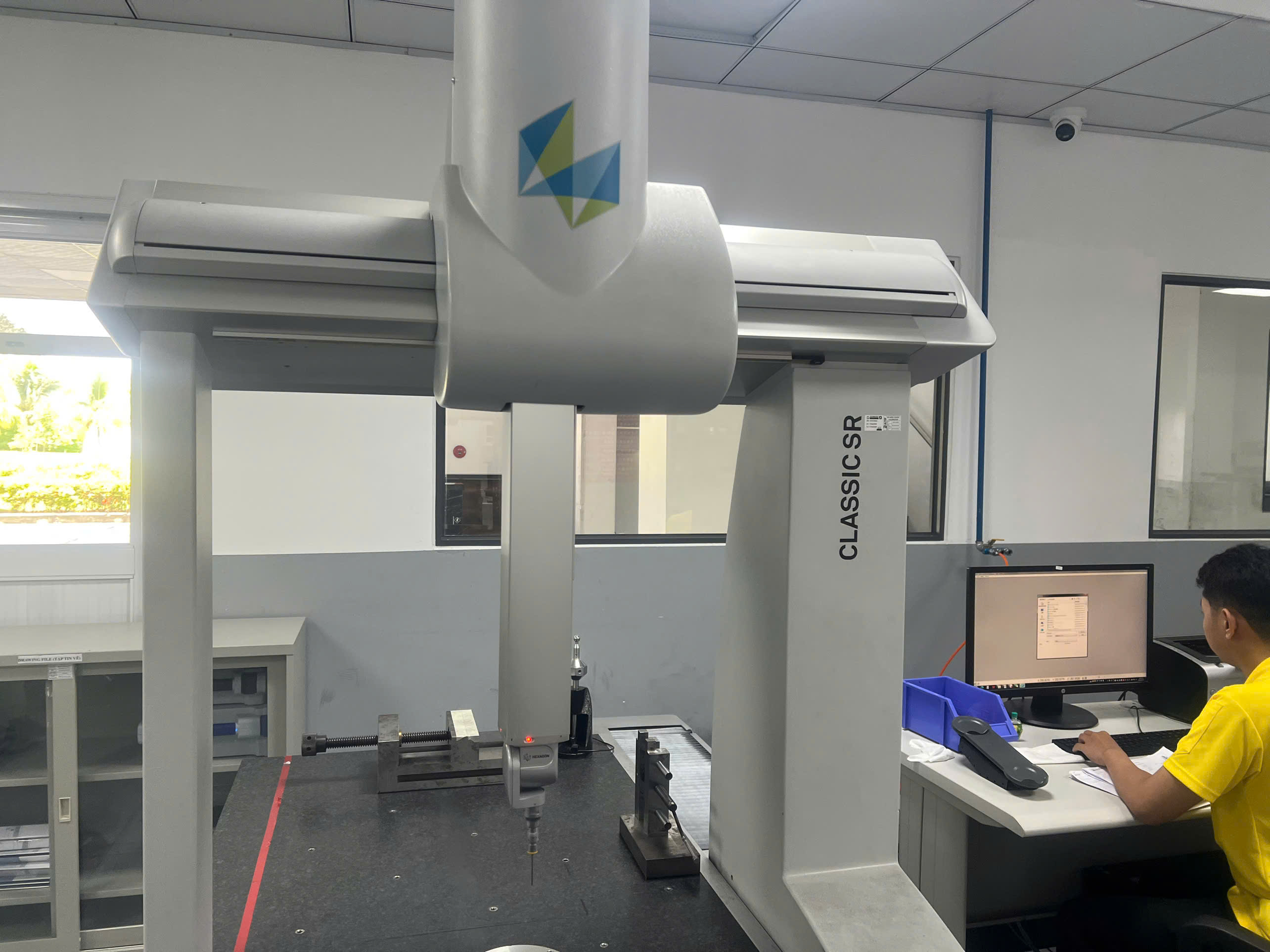
Verify pre-shipment inspection by requiring a third-party or your own on-site inspector to follow a documented checklist that includes dimensional checks with calibrated tools, surface finish evaluation under proper lighting, deformation measurement against flatness tolerances, and photographic evidence of every inspection step before container loading.
What the Inspection Must Cover
A final pre-shipment inspection for sheet metal products is not a quick visual scan. It must address two distinct categories: structural integrity and surface quality. These are different failure modes and require different tools.
For structural integrity, the inspector checks:
- Flatness and straightness using precision straightedges or surface plates
- Bend angles with digital protractors (tolerance typically ±0.5° to ±1°)
- Hole positions and diameters with calipers or CMM data
- Weld integrity — visual inspection for cracks, porosity, undercut
For surface quality, the inspector checks:
- Scratch-free surfaces under angled lighting (overhead fluorescent lights hide defects)
- Coating thickness with a mil gauge for painted or plated parts
- Film adhesion — ensuring protective film is intact and properly bonded
- No tool marks, clamp marks, or handling damage
Our Inspection Process
When we manage sourcing for clients, our team in Vietnam or China conducts the final inspection on-site at the supplier's facility. We follow ANSI/ASQ Z1.4 sampling plans (AQL-based) and use a custom checklist tailored to each product. For sheet metal specifically, we add checks that generic inspection firms often miss:
- Springback measurement on bent features
- Weld distortion assessment by placing parts on a flat reference surface
- Edge burr inspection (especially on laser-cut or sheared edges)
- Packaging condition review — confirming that the protective packaging matches the approved specification
Inspection Tools and Documentation
| Inspection Parameter | Tool Used | Acceptable Range |
|---|---|---|
| Flatness | Precision straightedge + feeler gauges | Per drawing (typically ≤0.5 mm/m) |
| Bend angle | Digital protractor | ±0.5° to ±1° |
| Hole diameter | Digital caliper or pin gauge | Per drawing ±0.05 mm |
| Surface roughness | Profilometer (if specified) | Per drawing (Ra value) |
| Coating thickness | Magnetic or eddy-current mil gauge | Per spec (e.g., 60–80 µm for powder coat) |
| Weld quality | Visual + dye penetrant (if critical) | No cracks, porosity, or undercut |
Every inspection generates a report with photographs — not just of the parts, but of the packaging, labeling, and loaded container. This documentation gives our clients traceability and evidence if a dispute arises.
The Role of PPAP in Prevention
For recurring orders, we implement a Production Part Approval Process 8 (PPAP) with the supplier. This front-loads quality planning so that by the time production runs, the supplier knows exactly what "good" looks like. The final inspection then becomes a verification step, not a discovery step. This is how we pursue "right first time" results that our U.S. clients expect.
What are the best ways for me to manage door-to-door logistics risks to ensure my custom metal products arrive without transit damage?
The trade-off I weigh on every project is this: how much logistics control justifies the cost? After managing hundreds of shipments from Asia to the U.S., the answer is clear — the cost of control is always less than the cost of damage.
Manage door-to-door logistics risks by selecting freight forwarders experienced with fabricated metal products, specifying impact cushioning and load securement requirements in shipping contracts, using shock and tilt sensors on high-value shipments, coordinating inland transport to minimize handling transfers, and maintaining real-time shipment visibility from factory gate to final delivery.
Mapping the Risk Points
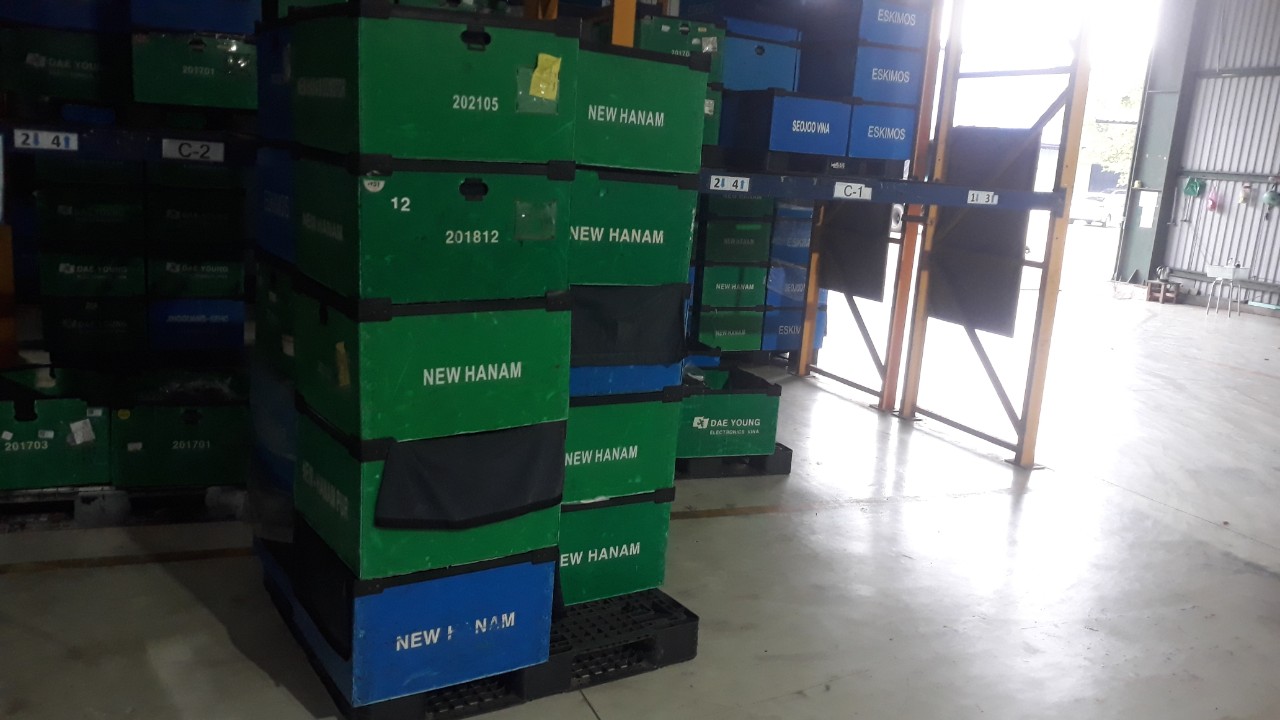
Every handoff in the supply chain logistics 9 is a risk point. A typical shipment from a factory in Vietnam to a warehouse in Texas touches at least six to eight handlers:
- Factory warehouse to local truck
- Local truck to port
- Port loading onto vessel
- Vessel transit (ocean)
- Destination port unloading
- Port to inland truck or rail
- Rail or truck to distribution center
- Final delivery to buyer
Each transfer involves lifting, stacking, and repositioning. Each one is a chance for impact, drop, or improper stacking. The goal is to reduce the number of transfers and control the quality of each one.
Choosing the Right Freight Partner
Not all freight forwarders handle fabricated metal well. We work with forwarders who understand that a pallet of sheet metal brackets is not the same as a pallet of consumer electronics. The key qualifications we look for:
- Experience with heavy, oddly shaped industrial cargo
- Ability to book flat-rack or open-top containers for oversized items
- Willingness to follow specific loading instructions (not just "stuff and go")
- Real-time tracking capability
- Insurance options that cover fabrication replacement cost, not just material weight
Smart Monitoring for High-Value Shipments
For precision parts or large orders, we attach shock and tilt indicators 10 to pallets. These are small, inexpensive devices that change color or trigger an alert if the package experiences excessive impact or is tilted beyond a set angle. Some are digital and feed data to a cloud platform in real-time.
This does two things. First, it provides accountability — if damage occurs, you know which leg of the journey caused it. Second, it creates a deterrent. Handlers who see visible monitoring devices treat cargo more carefully.
Transit Coatings and Climate Considerations
For shipments that cross climate zones — for example, departing from tropical Vietnam and arriving in a cold U.S. winter — temperature swings cause condensation. Transit coatings and VCI protection become essential. We coordinate with our suppliers to apply appropriate corrosion prevention measures based on the specific shipping route and season.
Desiccant quantities are calculated based on container volume and expected transit duration. A 20-foot container on a 30-day voyage needs a different moisture control plan than a 40-foot container on a 14-day voyage.
Reducing Handling Through Consolidation
One of the simplest ways to reduce damage risk is to reduce the number of times cargo is touched. We consolidate shipments whenever possible — combining multiple purchase orders into a single container load. This means fewer LCL (Less than Container Load) transfers at consolidation warehouses, where cargo is most vulnerable to rough handling.
When full container loads are not feasible, we ensure our freight forwarder uses protective packaging standards for LCL cargo that match our specifications — not the warehouse's default.
The Final Mile
The last leg — from the U.S. port or rail yard to the buyer's facility — is often the most neglected. We coordinate with domestic carriers to confirm they have the right equipment (liftgate trucks, forklifts with appropriate fork spacing, or belt slings) for unloading. A beautifully packed shipment can be ruined by a forklift driver who punctures a crate because the fork spacing was wrong.
Conclusion
Preventing deformation and scratches on fabricated sheet metal products requires end-to-end discipline — from protective film selection and impact cushioning through loading protocols, pre-shipment inspection, and controlled door-to-door logistics. Every link matters. Understanding the factors that affect the service life of sheet metal fabrication products can further inform your quality and packaging decisions.
Frequently Asked Questions
How can I specify the right protective films and internal padding to avoid surface scratches on my fabricated parts?
A lesson we learned early in our export operations: the moment a finished part leaves the CNC table or press brake, its surface is at risk — and the packaging spec sheet you hand your supplier matters more than most buyers realize.
What should I include in my supplier's loading and bracing protocol to prevent sheet metal deformation during long-haul shipping?
One of the most frustrating calls I have received from a client started with: "The parts look great, but every single one is bowed." The root cause was not fabrication — it was a container loaded without proper bracing, and 30 days at sea did the rest.
How do I verify that my overseas partner is conducting a final pre-shipment inspection specifically for structural integrity and finish quality?
A buyer in Ohio once told me he trusted his supplier's inspection reports for two years — until a container arrived with 15% of parts out of tolerance. The reports had been accurate on paper. The problem was that nobody checked the right things at the right time.
Footnotes
1. Explains the importance of proper film adhesion for surface protection. ↩︎
2. Provides information on the types and properties of polyethylene films. ↩︎
3. Explains how surface energy influences adhesive bonding in materials. ↩︎
4. Describes the characteristics and factors affecting sheared metal edges. ↩︎
5. Details the requirements and importance of Production Part Approval Process documentation. ↩︎
6. Discusses noise and vibration issues on maritime vessels and their origins. ↩︎
7. Explains how VCI bags prevent rust and corrosion on metal parts. ↩︎
8. Outlines the standardized process for approving production parts in manufacturing. ↩︎
9. Defines supply chain logistics and its role in managing goods flow. ↩︎
10. Describes devices used to monitor and indicate mishandling during shipping. ↩︎