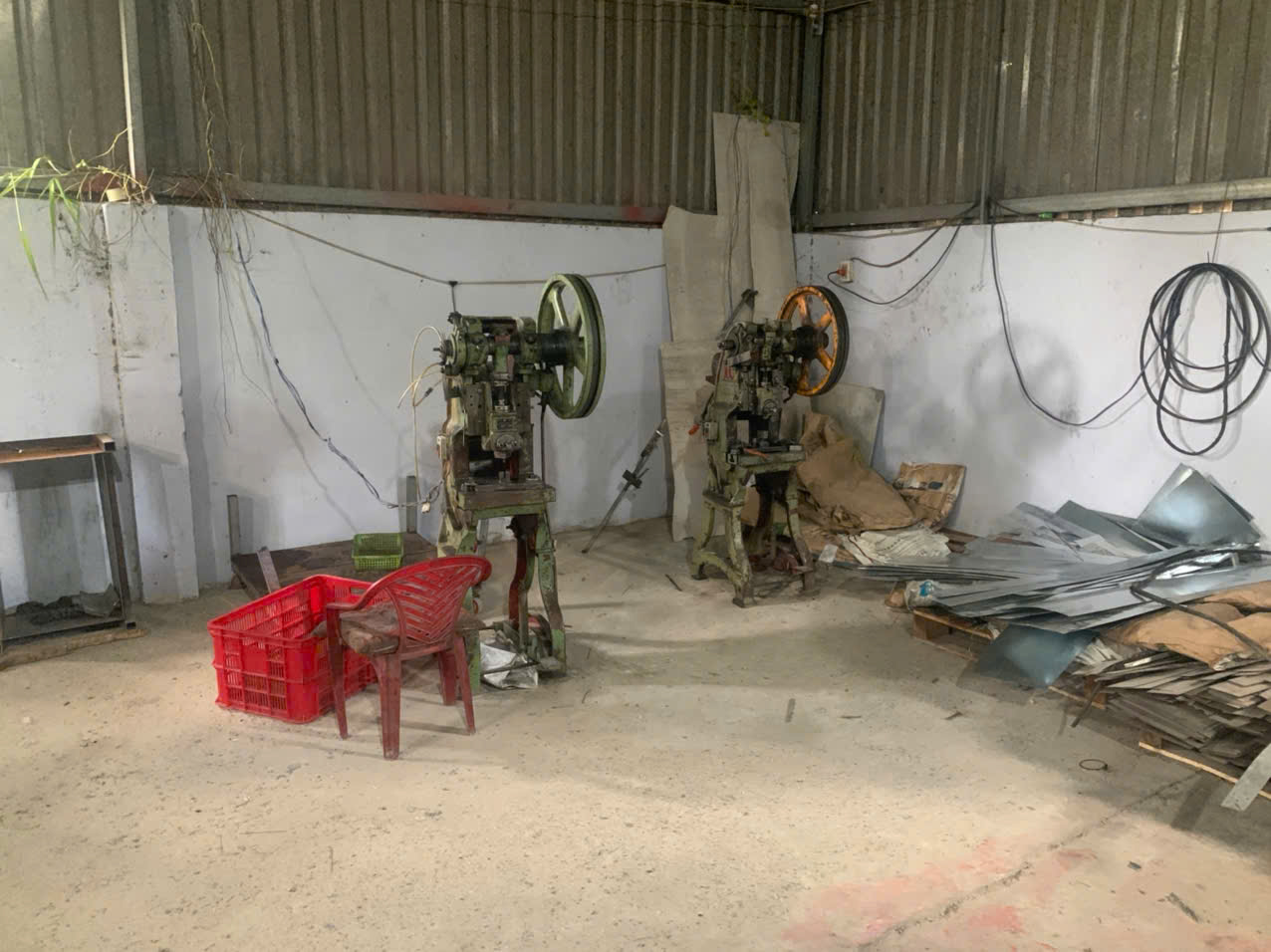
Nicks, scratches, and deformation of stamping parts during transportation ruin perfect production runs data loggers 1. I have seen flawless brackets leave our Vietnam line, then arrive in the U.S. bent and rejected.
To prevent nicks, scratches, and deformation of stamping parts during transportation, apply surface protection such as VCI paper or film, separate every part with interleaving, immobilize parts in trays or custom inserts, limit stacking loads, secure pallets tightly, and inspect packaging before dispatch.
That answer sounds simple. But each step hides details that decide whether your parts arrive perfect or damaged. Let me walk you through the full system, layer by layer.
How can I choose the right packaging materials to protect stamping parts in transit?
A few years back, our team packed thin-gauge Z-clips in plain cartons for a U.S. client. Half the batch arrived scratched. That mistake taught us that packaging materials must match part geometry, not budget alone.
Choose packaging materials based on three needs: surface protection, separation, and immobilization. Use VCI paper or protective film for bare metal surfaces, foam or kraft interleaving between parts, and rigid trays or dividers that lock each stamping in place so nothing rubs or shifts.
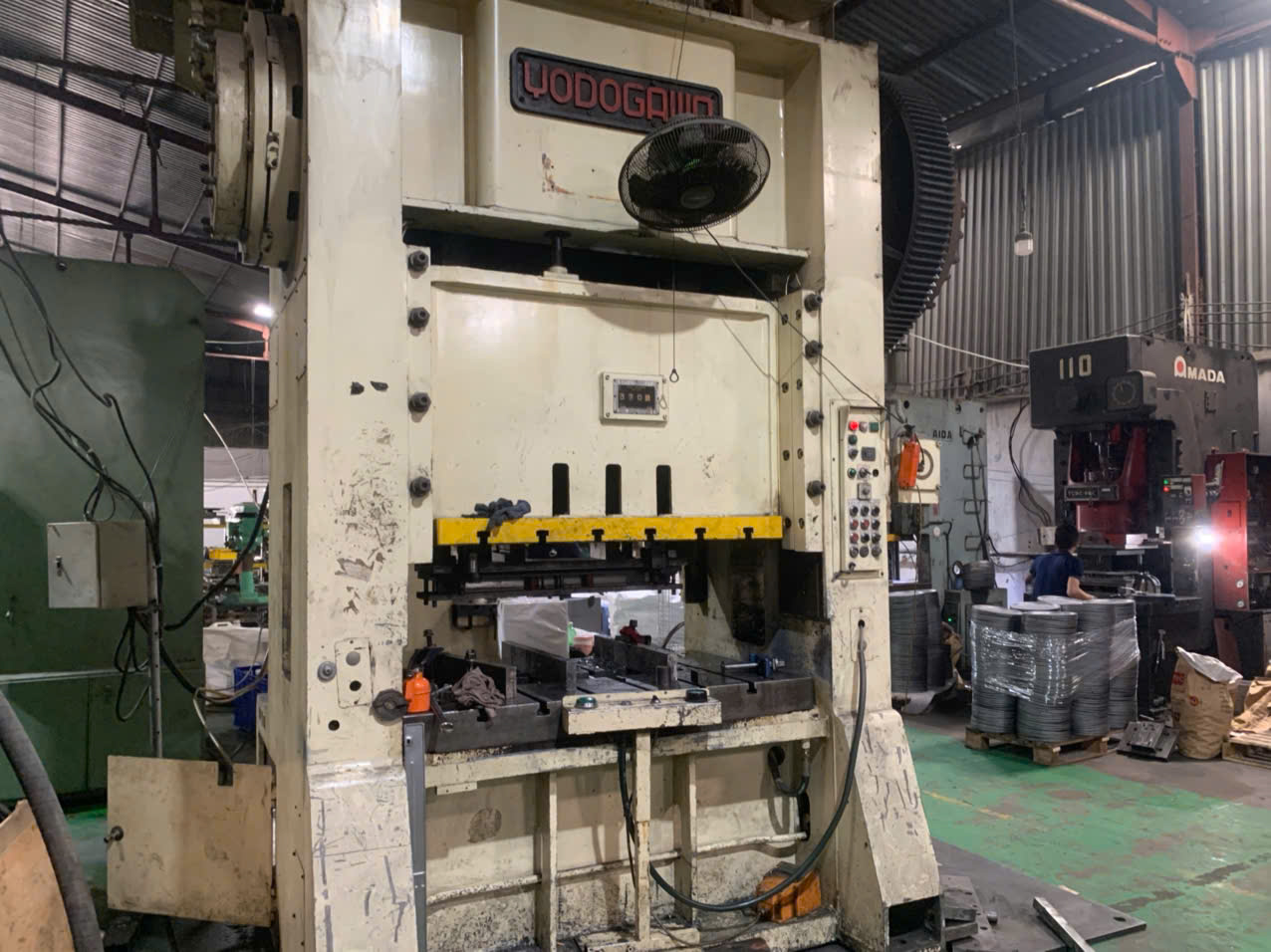
Damage in transit comes from three sources: contact, movement, and pressure. So your material choices should attack all three. One material rarely does everything. In our export projects from Vietnam and China, we usually build packaging in layers, and each layer has a clear job.
Match the material to the risk
Bare steel or aluminum brackets, like the ones we ship for construction hardware clients, scratch easily and can rust during a long sea voyage. VCI paper handles both problems at once. It blocks abrasion and releases a vapor that stops corrosion vapor corrosion inhibitor 2. For polished or cosmetic surfaces, we add a peelable protective film before the part ever leaves the press area.
Thin-gauge parts with folded flanges deform under uneven pressure. Soft cushioning alone will not save them. They need rigid support, such as hard paper trays or molded inserts, so stacking weight passes through the packaging instead of through the parts.
| Material | Main Job | Best For | Watch Out For |
|---|---|---|---|
| VCI paper | Rust + scratch protection | Bare steel, long sea freight | Must stay sealed and dry |
| Protective film/tape | Surface protection | Polished or cosmetic faces | Adds labor cost to apply and remove |
| Foam sheets / kraft paper | Interleaving between parts | Stacked flat stampings | Does not stop movement alone |
| Rigid trays / dividers | Immobilization | Bent brackets, clips with flanges | Poor fit can still allow rubbing |
| Custom-molded inserts | Full contour lock | High-value or fragile parts | Higher upfront tooling cost |
Balance protection against cost
More protection always costs more. For low-value nesting parts, simple separators may be enough. For cosmetic or precision parts, the cost of one rejected shipment usually exceeds years of premium packaging spend. We help clients run that math before every new project, because the right answer changes with part value, gauge thickness, and transit distance.
What should I ask my supplier about their packing process before shipment?
One buyer once told me his previous supplier photographed beautiful samples, then tossed production parts loose into cartons. The lesson stuck with us: you must audit the packing process, not just the packing promise.
Ask your supplier for a documented packing specification, photos or video of actual production packing, stacking height and weight limits, pallet securing methods, packaging drop or vibration test results, and who signs off on packaging before each shipment leaves the facility.

Most transit damage is decided before the truck arrives. In our supplier audits across Vietnam and China, we have found that factories with great presses often have careless packing benches. The right questions expose this gap fast.
The questions that reveal real practice
Start with documentation. A serious supplier can show you a written packing spec for your part number ISO 9001 4. It should state the interleaving material, parts per layer, layers per carton, carton strength, and pallet pattern. If the answer is "our workers know how to pack," treat that as a red flag.
Then ask about verification. Who checks that packers actually follow the spec? Is there a photo record of packed cartons before sealing? When we manage contract manufacturing for U.S. clients, our local team photographs each packing stage. That record settles disputes and drives improvement.
Here is the checklist we use during pre-shipment reviews:
- Is there a written, part-specific packing specification?
- Are parts deburred and cleaned before packing?
- What interleaving or surface protection is applied, and by whom?
- What is the maximum stacking height and pallet weight?
- How are pallets strapped, wrapped, and corner-protected?
- Has the packaging been tested under real transit conditions?
- Who signs off on packaging at final inspection?
- How is damage feedback from past shipments recorded and acted on?
Push for evidence, not assurances
Words are cheap. Ask for photos of the last three shipments, packed and palletized. Ask for any damage claims history. Suppliers who track this data usually run tighter processes across the board. Suppliers who cannot answer usually improve only after your parts get damaged.
How do I prevent damage to stamping parts when working with suppliers in Vietnam, China, or Taiwan?
Distance changes everything. Our office in Vietnam exists partly because we learned that packaging discipline slips fastest when nobody local is watching. Remote emails cannot fix a packing bench nine time zones away.
Prevent damage by using local, on-the-ground oversight: audit the supplier's packing process in person, set packaging requirements in the purchase order, require pre-shipment photo evidence, validate packaging with trial shipments, and hold suppliers accountable through documented inspection sign-offs before every dispatch.

Sourcing from Asia adds long ocean transits, multiple handling points, and humid climates supply chain management 5. Each factor raises the risk of nicks, scratches, and deformation of stamping parts. But the bigger risk is invisible: you cannot see how your parts are actually packed unless someone checks on-site.
Regional realities we deal with every week
Each sourcing region has its own strengths and habits. Our team in Vietnam works with local stamping shops daily, and our China office has handled export packing for years. Here is a practical comparison based on our field experience:
| Factor | Vietnam | China | Taiwan |
|---|---|---|---|
| Packing standardization | Improving, needs clear specs | Generally mature at export factories | Usually strong and consistent |
| Humidity risk in transit | High, VCI strongly advised | High from southern ports | High, VCI strongly advised |
| Typical transit to U.S. | 3–5 weeks by sea | 2–5 weeks by sea | 2–4 weeks by sea |
| Oversight need | Local presence very valuable | Local presence valuable | Documentation often sufficient |
Put packaging into the contract
Make packaging a purchase order 6 requirement, not a suggestion. Specify interleaving material, carton strength, pallet pattern, strapping, and labeling in writing. Include handling labels like "Do Not Stack" where relevant. Then tie payment or acceptance to compliance. When we manage projects for U.S. purchasing managers, packaging requirements sit right beside dimensional tolerances in the quality plan.
Validate before you scale
Never approve mass shipment packaging on faith. Run a trial shipment first. Some clients go further and request vibration or drop testing matched to the transport mode. For repeat high-volume programs, returnable dunnage trays in a closed-loop system pay for themselves. They lock each part in place, shipment after shipment, and cut long-term packaging waste.
What quality inspection steps can catch transportation damage before it reaches my customers?
Early in my career, a client returned a full container over edge dents that our final inspection had missed. Since then, our inspection plans always cover the package, not just the part.
Catch transportation damage through layered inspection: check parts for burrs and defects before packing, verify packing against the specification during loading, photograph sealed cartons and pallets, perform incoming inspection on arrival, and review damage data after every shipment to fix recurring failure points.
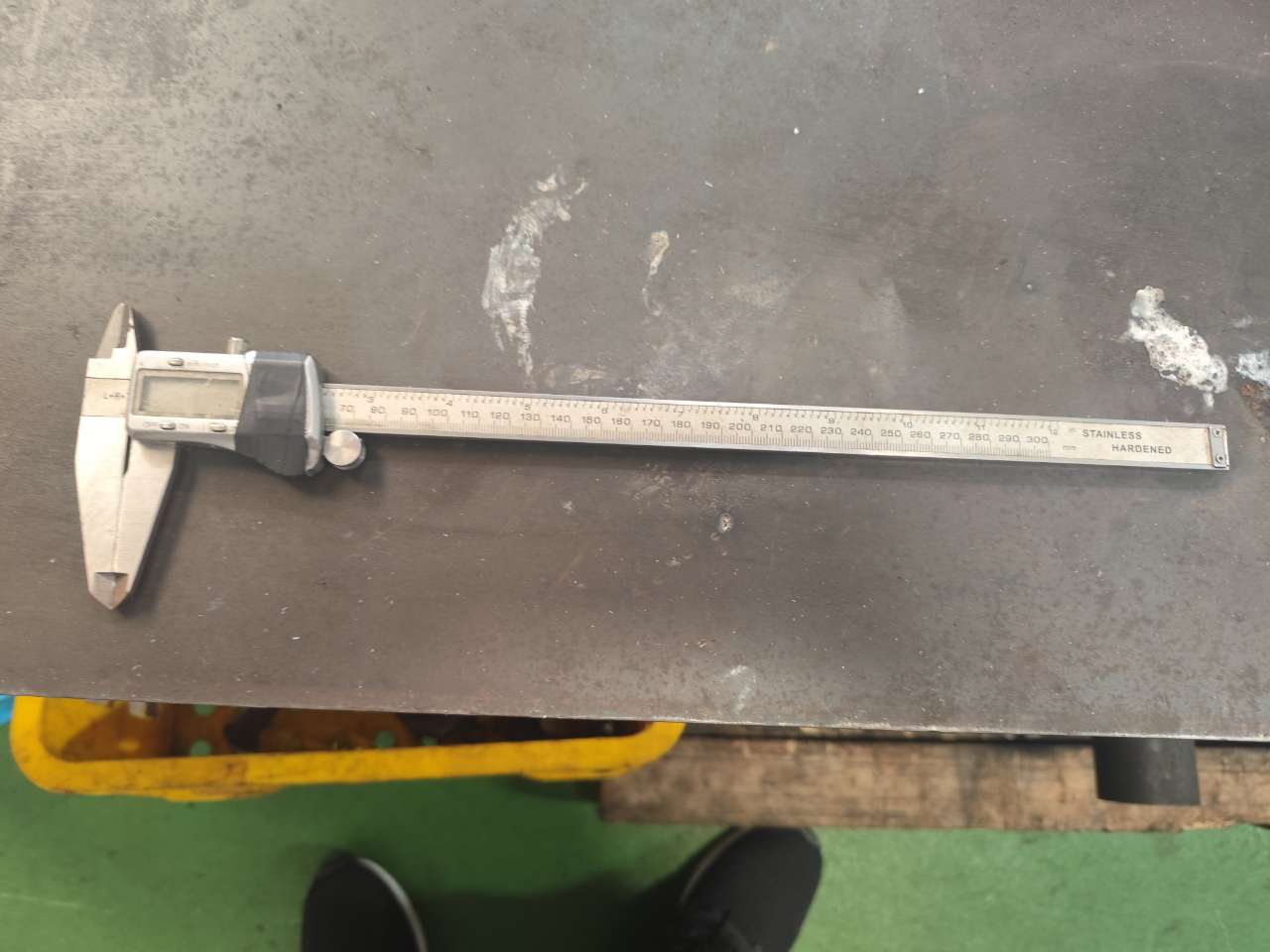
Inspection is your last line of defense and your best learning tool. A single missed step can undo everything the packaging did right. In our process control work, we split inspection into four stages, each with a clear owner and record.
The four-stage inspection flow
| Stage | Timing | What to Check | Evidence to Keep |
|---|---|---|---|
| Pre-pack inspection | Before packing | Burrs, sharp edges, debris, existing scratches, flatness | Inspection report, defect photos |
| Packing verification | During packing | Interleaving in place, correct tray fit, parts immobilized | Photos of each packing layer |
| Pre-dispatch check | Before loading | Pallet balance, strapping, labels, carton condition | Loading photos, sign-off sheet |
| Incoming inspection | On arrival | Carton damage, shifted contents, scratches, deformation | Unboxing photos, damage log |
Why the pre-pack check matters most
Damage found after transit is expensive to trace. Was the scratch caused in transit, or was it there before packing? Pre-pack inspection with photo records answers that question. It also removes hidden damage sources. A single burr left on one part can scratch every neighboring part during vibration, even inside good packaging. That is why our final inspection includes deburring verification and cleanliness checks before any part touches the interleaving.
Close the loop with data
Every damage incident should feed back into the packaging design. Track which failure mode occurred: rubbing, crushing, shifting, or drop impact. Each mode points to a different fix. Rubbing means better separation. Crushing means stacking limits or rigid trays. Shifting means tighter immobilization. Drops mean handling training or labeling. For critical shipments, shock and tilt data loggers 7 give you objective evidence of what happened in transit. That data turns arguments with carriers into solved problems.
Conclusion
Transit damage is preventable. Layer surface protection, separation, and immobilization. Audit packing, demand evidence, and inspect at every stage. Do this, and your stamping parts arrive as perfect as they left the press.
Frequently Asked Questions
How can I choose the right packaging materials to protect stamping parts in transit?
A few years back, our team packed thin-gauge Z-clips in plain cartons for a U.S. client. Half the batch arrived scratched. That mistake taught us that packaging materials must match part geometry, not budget alone.
What should I ask my supplier about their packing process before shipment?
One buyer once told me his previous supplier photographed beautiful samples, then tossed production parts loose into cartons. The lesson stuck with us: you must audit the packing process, not just the packing promise.
How do I prevent damage to stamping parts when working with suppliers in Vietnam, China, or Taiwan?
Distance changes everything. Our office in Vietnam exists partly because we learned that packaging discipline slips fastest when nobody local is watching. Remote emails cannot fix a packing bench nine time zones away.
Footnotes
1. Explains the shock and tilt monitoring devices used to document transit conditions objectively. ↩︎
2. Explains the VCI technology used to protect bare metal parts during transit. ↩︎
3. Background reference on sea freight transit conditions affecting packaging decisions. ↩︎
4. Referenced quality management standard relevant to documented packing specifications and audits. ↩︎
5. Background concept for coordinating overseas suppliers, oversight, and logistics discussed in the article. ↩︎
6. Trade facilitation context for specifying packaging requirements in international purchase agreements. ↩︎
7. ISO standards define shock and vibration testing methods referenced for transit damage evidence. ↩︎