I’ve seen too many custom sheet metal parts arrive at a client’s warehouse covered in orange rust spots — after just two weeks in transit through a humid port city. The frustration is real: you invest in precision fabrication, tight tolerances, and careful finishing, only to have atmospheric corrosion 1 undo everything before the parts even reach the assembly line.
To prevent rust and maintain sheet metal in humid environments, you need a layered defense: control ambient humidity with dehumidifiers and desiccants, apply durable protective coatings like powder coating or galvanizing, and maintain a strict schedule of cleaning, inspection, and early rust treatment to catch problems before they spread.
This article breaks down each layer of that defense. Whether you’re a purchasing manager importing custom brackets from Asia or an engineer specifying finishes for outdoor enclosures, the sections below walk you through surface treatments, supplier QC verification, shipping protection, and long-term storage — all from our hands-on experience managing supply chains across Vietnam, China, and into the United States.
Which surface treatments should I specify to prevent rust on my custom sheet metal parts?
A few years back, one of our U.S. clients ordered a batch of heavy-gauge mounting brackets for outdoor telecom equipment. The original spec called for a basic primer-and-paint finish. Our engineering team in China pushed back and recommended hot-dip galvanizing 2 instead, because the brackets would live on rooftops in a coastal environment near the Gulf of Mexico. That single spec change saved the client thousands in warranty replacements.
Specify surface treatments based on the end-use environment: powder coating for indoor-to-mild-outdoor use, hot-dip galvanizing or zinc-nickel plating for harsh or coastal environments, and vapor corrosion inhibitors for parts that will sit in transit or storage before final assembly.
Choosing the right surface treatment is not a one-size-fits-all decision. It depends on where the part will live, how long it needs to last, and what your budget allows. Let me walk you through the main options we regularly specify for clients.
Paints and Primers
A high-quality, rust-resistant primer is the foundation. It blocks moisture from reaching the base metal. For mild indoor environments, an epoxy primer 3 plus a polyurethane topcoat works well. For harsher conditions, epoxy-based paints offer better chemical and moisture resistance. The key is proper surface preparation before painting — if you skip degreasing and surface profiling, the paint will peel, and moisture will creep underneath.
Powder Coating
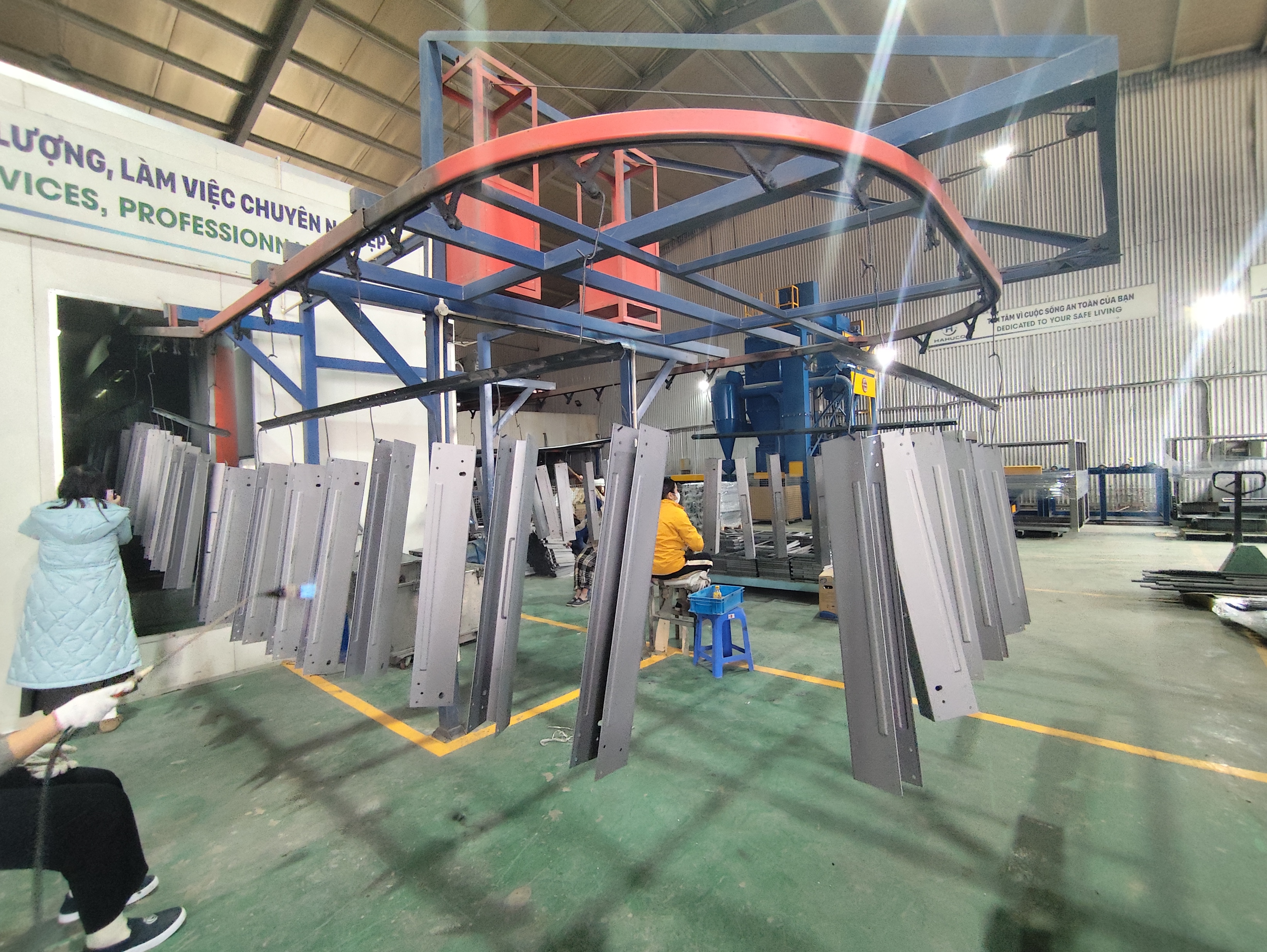
Powder coating 4 creates a hard polymer shell around the part. It is thicker and more uniform than liquid paint, and it resists chipping, scratching, and fading. We recommend it for parts like enclosures, panels, and brackets that face moderate humidity but not constant submersion. It also comes in a wide range of colors, which matters for consumer-facing products.
Galvanizing and Plating
For parts exposed to rain, salt spray, or coastal environments, galvanized steel is the gold standard. Hot-dip galvanizing applies a thick zinc layer that acts as sacrificial protection — the zinc corrodes before the steel does. Zinc-nickel plating 5 provides similar benefits in a thinner layer, which is better for parts with tight tolerances.
Oils, Waxes, and Dry Coatings
For short-term protection during shipping or between manufacturing steps, a thin layer of machine oil or paste wax works. Dry coatings are gaining popularity because they are eco-friendly, dry to a clear finish, and last longer than oil. They are ideal for parts that need to stay clean for assembly.
Vapor Corrosion Inhibitors (VCI)
VCI packaging releases protective vapors that form an invisible molecular layer on the metal surface. Vapor Corrosion Inhibitors 6 We use VCI Kraft paper and polyethylene film to wrap parts before packing them into crates. This is especially effective for international shipping where humidity control is impossible during ocean transit.
| Surface Treatment | Best For | Durability | Relative Cost |
|---|---|---|---|
| Primer + Paint | Indoor, mild outdoor | Medium (2–5 years) | Low |
| Powder Coating | Moderate humidity, indoor/outdoor | High (5–10 years) | Medium |
| Hot-Dip Galvanizing | Outdoor, coastal, harsh environments | Very High (15–25 years) | Medium–High |
| Zinc-Nickel Plating | Tight-tolerance parts, harsh environments | High (10–15 years) | High |
| VCI Packaging | Shipping and storage | Short-term (6–24 months) | Low |
| Dry Coating | In-process and short-term storage | Medium (1–3 years) | Low–Medium |
A Note on Material Selection
Sometimes the best rust prevention strategy is choosing the right base material. If your design allows, consider stainless steel grades 7 like 304 or 316 for parts that will face constant moisture. Aluminum is another option — it forms a natural oxide layer that resists atmospheric corrosion. These materials cost more upfront but eliminate the need for ongoing corrosion protection. To understand the trade-offs between these options, see how stainless steel, aluminum alloy, and carbon steel compare in sheet metal fabrication.
How can I verify that my supplier's QC process effectively addresses corrosion risks?
During a supplier audit at a factory in Vietnam last year, I noticed something concerning: the plating line operator was skipping the alkaline degreasing step on a batch of steel brackets to save time. The parts looked fine visually, but I knew those brackets would fail salt spray testing within 48 hours. That audit finding alone prevented a major quality escape for our client.
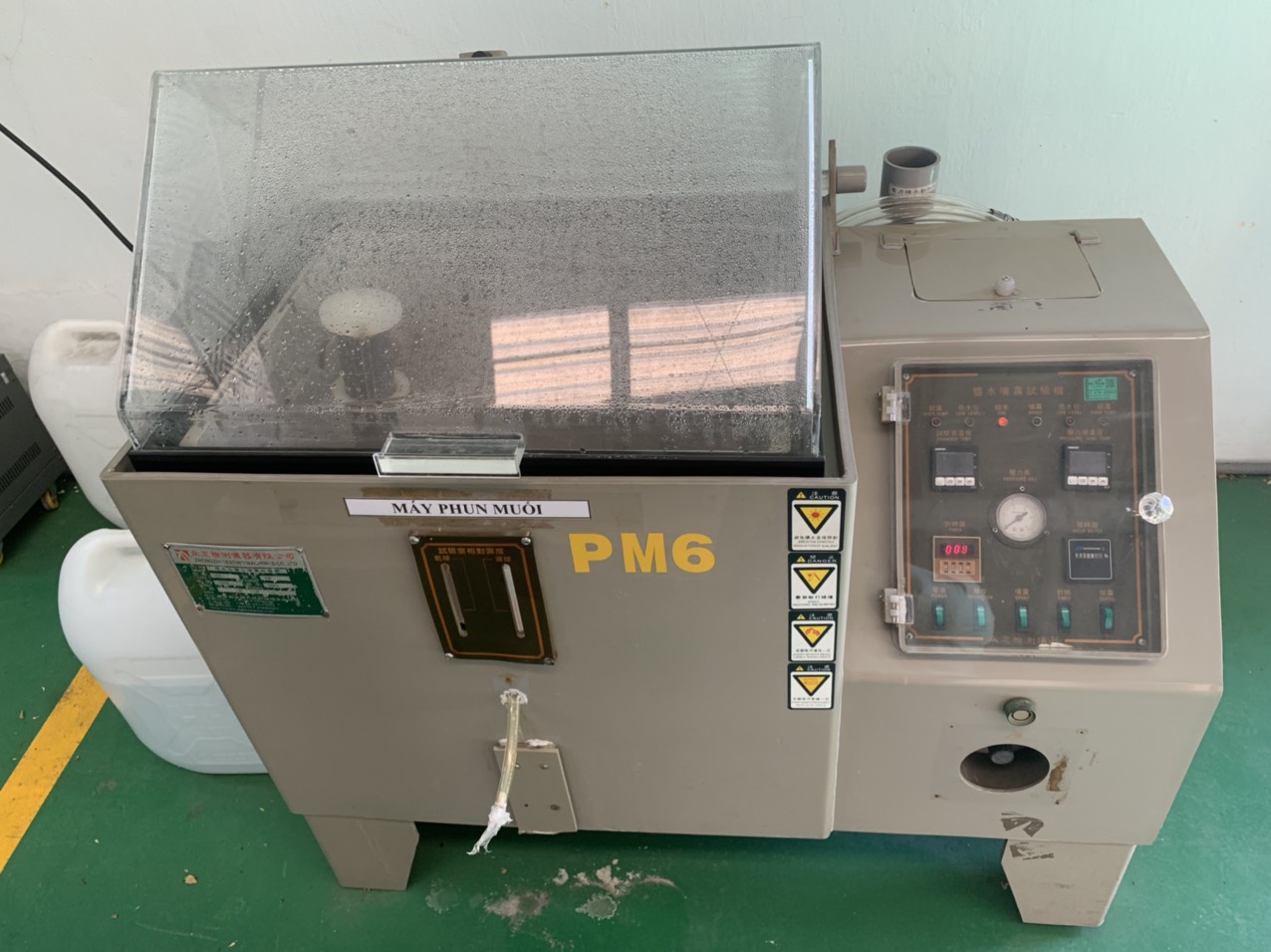
Verify your supplier's corrosion-prevention QC by reviewing their surface preparation procedures, requesting salt spray test reports (ASTM B117), auditing their coating thickness measurements, and confirming they use calibrated instruments and documented inspection checklists at every stage.
Trusting a supplier's word is not enough. You need a system to verify that their corrosion prevention is actually working. Here is how we approach this with every factory in our supply chain.
Surface Preparation Is Where Most Failures Start
The single biggest predictor of coating failure is poor surface preparation. If the metal is not properly cleaned, degreased, and profiled before coating, nothing you apply will stick properly. During audits, I check whether the factory follows a documented cleaning procedure — typically involving alkaline wash, rinse, acid pickle, and a final rinse. I also look for contamination sources near the prep area: oil leaks, dust, and open containers.
Salt Spray Testing (ASTM B117)
This is the industry standard for evaluating corrosion resistance. Salt Spray Testing (ASTM B117) 8 We require suppliers to submit salt spray test reports showing how many hours their coated samples survived before red rust appeared. The table below shows typical benchmarks we use:
| Coating Type | Minimum Salt Spray Hours (ASTM B117) | Acceptable Rating |
|---|---|---|
| Zinc Plating (Clear Chromate) | 96 hours | No red rust |
| Zinc-Nickel Plating | 500+ hours | No red rust |
| Hot-Dip Galvanizing | 1000+ hours | No red rust |
| Powder Coating over Zinc Primer | 500+ hours | No red rust, no blistering |
| E-Coat (Electrocoat) | 500+ hours | No red rust |
Coating Thickness Verification
We use magnetic or eddy-current thickness gauges to measure coating thickness on incoming parts. A powder coat spec of 60–80 microns means exactly that — not 40, not 120. Too thin means inadequate protection. Too thick can cause adhesion problems and cracking. We log these measurements on our PPAP (Production Part Approval Process) documentation.
Process Control Audits
Beyond testing finished parts, we audit the process itself. This includes verifying that bath concentrations are monitored daily, that oven temperatures for powder coating cure are within spec, and that operators follow standardized work instructions. We also check for traceability — can the factory tell us which batch of chemicals was used on which lot of parts?
Incoming Inspection at Our End
Even after the supplier passes audits, we inspect every shipment. Our team in Vietnam or China performs visual checks under strong lighting, runs adhesion tests (cross-hatch tape test per ASTM D3359), and measures coating thickness on a statistical sample. Any non-conformance triggers a corrective action request before the parts ship to the U.S.
What steps can I take to protect my sheet metal from humidity during international shipping?
One lesson I learned early in our logistics operations: a container ship crossing the Pacific in summer can experience temperature swings of 30°C or more between day and night. That temperature fluctuation causes "container rain" — condensation that drips onto your parts like a leaky faucet. No amount of great fabrication matters if your sheet metal arrives soaked.
Protect sheet metal during international shipping by wrapping parts in VCI (vapor corrosion inhibitor) film or paper, placing desiccant bags inside sealed containers, avoiding direct contact between metal and wood packaging, and monitoring humidity with indicator cards or IoT sensors inside the crate.
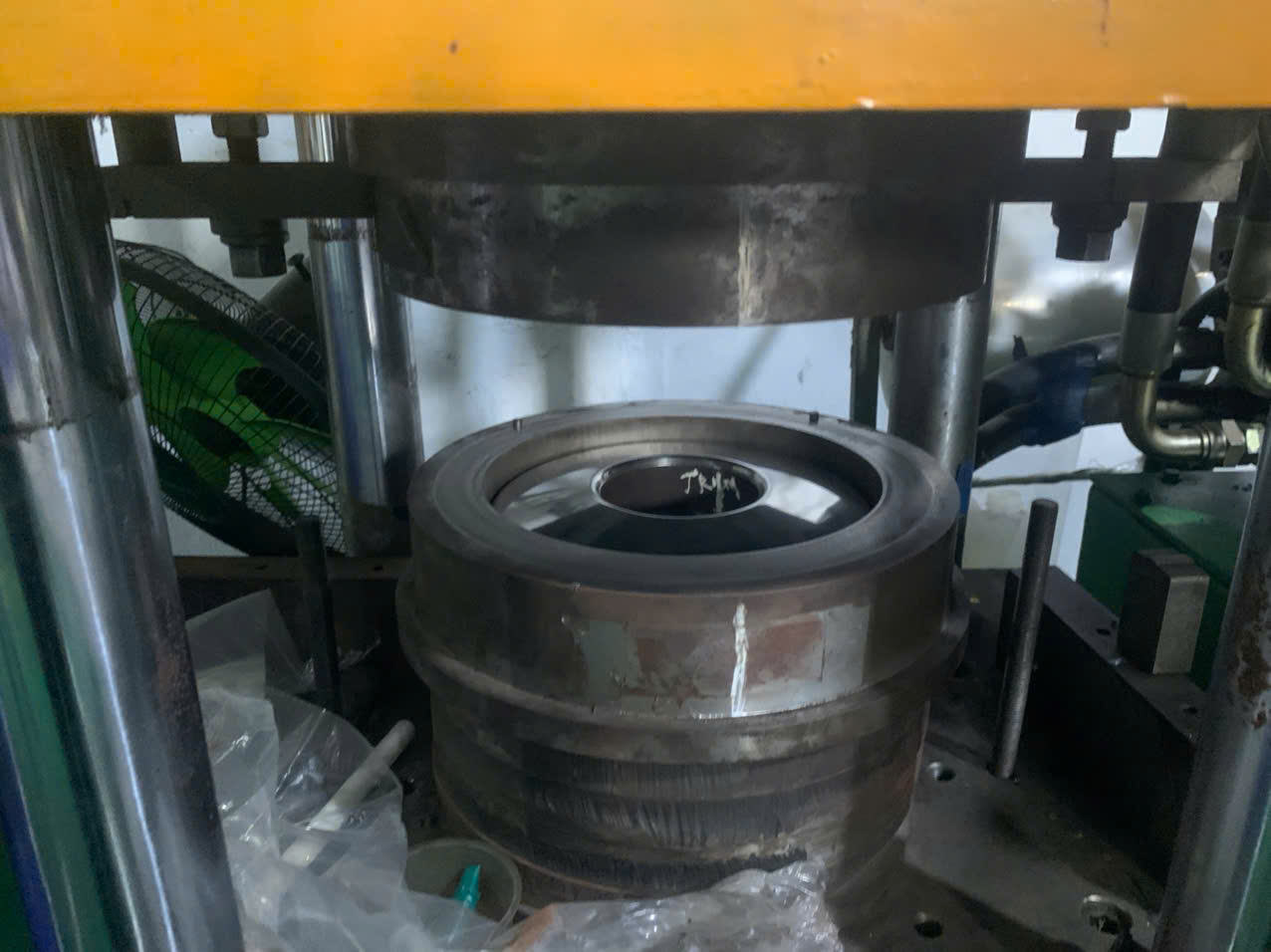
Ocean freight is the most hostile environment for bare or lightly coated metal. Here is the packing and logistics protocol we follow for every shipment leaving Asia bound for U.S. ports.
VCI Packaging: Your First Line of Defense
We wrap every exposed metal surface in VCI-impregnated Kraft paper or polyethylene film. The VCI molecules vaporize and settle on the metal surface, forming an invisible barrier that blocks oxidation. This protection activates the moment the package is sealed and continues as long as the packaging stays closed. It is particularly effective against atmospheric corrosion during the 3–5 week ocean transit from Vietnam or China to the East Coast of the United States.
Desiccants Inside the Container
We place industrial-grade desiccant bags — typically calcium chloride 9-based — inside each wooden crate and at strategic points within the shipping container. The quantity depends on container volume, transit duration, and the route's expected humidity levels. A rule of thumb: for a 20-foot container on a tropical route, we use 8–12 desiccant units rated at 1,000 grams each.
Avoiding Metal-to-Wood Contact
Untreated wood contains moisture. If sheet metal parts rest directly on raw wooden pallets, the moisture wicks into the metal surface and accelerates corrosion. We always use plastic sheeting or VCI paper as a barrier between the parts and the wood dunnage. For heavy brackets and fabricated assemblies, we elevate the parts on corrosion-resistant supports within the crate.
Humidity Indicator Cards and Smart Monitoring
We place humidity indicator cards inside sealed packages so the receiving warehouse can immediately see whether conditions exceeded safe levels during transit. For high-value shipments, we have started using IoT-enabled temperature and humidity sensors that log data throughout the journey. The client can download the full transit report and flag any concerning spikes.
Sealing and Wrapping the Crate
The outer crate must be sealed to prevent ambient humid air from entering. We use heat-shrink polyethylene wrapping over the entire pallet or crate. This creates a semi-hermetic environment where the desiccants and VCI can do their job effectively.
| Shipping Protection Measure | Purpose | When to Use |
|---|---|---|
| VCI Kraft Paper / Film | Prevents oxidation on metal surfaces | Every metal shipment |
| Calcium Chloride Desiccants | Absorbs moisture inside sealed containers | Ocean freight, humid routes |
| Plastic Barrier Sheeting | Prevents moisture transfer from wood to metal | When using wood pallets/crates |
| Humidity Indicator Cards | Visual check of moisture exposure | Inside each sealed package |
| IoT Humidity/Temp Sensors | Continuous monitoring and data logging | High-value or critical shipments |
| Heat-Shrink Pallet Wrap | Seals the crate environment | All containerized shipments |
How do I ensure my sheet metal components maintain their quality in long-term storage?
A client in the Midwest once told me he had 600 custom brackets sitting in a warehouse for nine months before the project was ready for assembly. When his team finally opened the boxes, half the parts had surface rust along the edges. His question was simple: "What should I have done differently?" Here is the advice we now give every client who plans to store parts for more than 30 days.
For long-term storage, keep sheet metal in a climate-controlled space with humidity below 50%, store parts off the ground on racks, maintain VCI packaging integrity, inspect parts quarterly, and apply corrosion inhibitors to any exposed or unsealed surfaces.
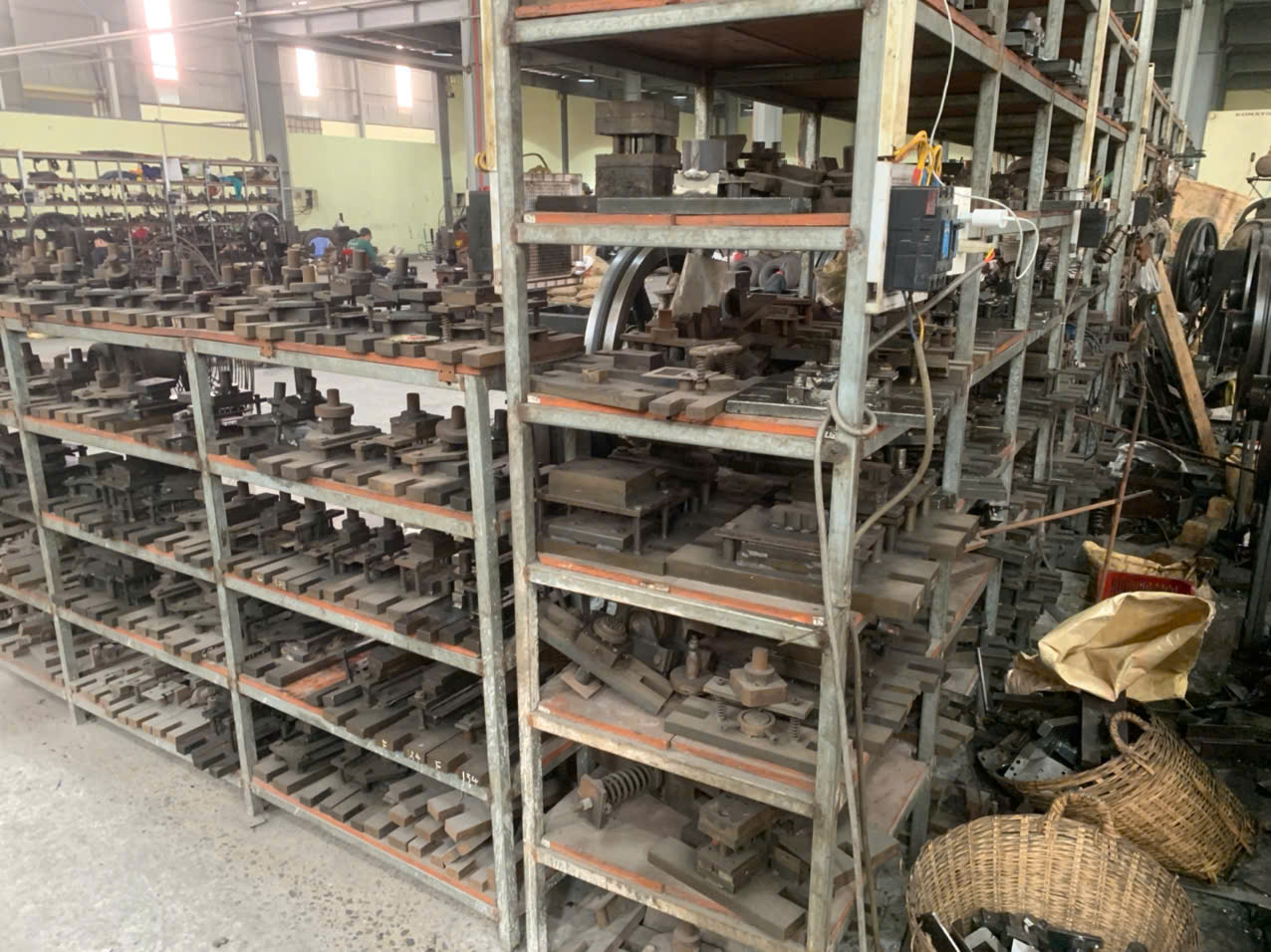
Long-term storage is where many companies fail at rust prevention. They invest in good coatings and careful shipping, then let parts sit in a damp corner of a warehouse for months. Here is how to avoid that trap.
Humidity Control Is Non-Negotiable
The target is to keep relative humidity 10 below 50% in your storage area. Above that threshold, the rate of atmospheric corrosion on ferrous metals increases sharply. If you have a dedicated warehouse, invest in industrial dehumidifiers. For smaller storage rooms, portable dehumidifiers work. In either case, install a hygrometer and monitor readings daily — or use a smart monitoring system that alerts you when humidity spikes.
For locations where dehumidifiers are impractical — like a rented overflow warehouse — use passive humidity control. Place large desiccant bags (calcium chloride or silica gel) near the stored parts. Refresh or replace them on a regular schedule, because saturated desiccants stop absorbing moisture.
Proper Racking and Elevation
Never store sheet metal parts directly on a concrete floor. Concrete absorbs and releases moisture constantly. Use corrosion-resistant racking or wooden dunnage that is treated or sealed. Ensure adequate spacing between stored items so air circulates freely. Stagnant pockets of air trap moisture and create localized corrosion hot spots.
Keep VCI Packaging Intact
If your parts arrived in VCI packaging, do not open the packages until you are ready to use the parts. Every time you break the seal, the VCI vapors escape, and the protection diminishes. If you need to inspect parts, reseal the packaging promptly or add fresh VCI emitters inside the package before closing it.
Establish a Routine Inspection Schedule
Inspect stored parts at least once every quarter. Look for early signs of rust, especially at edges, cut surfaces, welded joints, and any areas where the coating might be thin. Pitting corrosion can start small and spread quickly. If you catch it early, a light sanding and a fresh coat of corrosion inhibitor can stop it. Wait too long, and the parts may need rework or replacement. For guidance on addressing early-stage oxidation, learn how to handle rust spots on stainless steel in sheet metal fabrication.
Cleaning Before Storage
Before placing parts into long-term storage, make sure they are clean and dry. Remove any fingerprints — the oils and salts from human skin accelerate corrosion. Remove any sawdust, packing debris, or residual cutting fluids. Wipe surfaces with a clean, lint-free cloth dampened with a mild solvent, and allow them to dry completely before packaging. Following a proper cleaning and maintenance routine before storage is one of the most effective ways to prevent long-term corrosion issues.
Active vs. Passive Corrosion Prevention in Storage
There is an ongoing debate about whether you should invest in active humidity control (dehumidifiers, HVAC) or rely on passive methods (desiccants, VCI). In our experience, the answer depends on scale.
For a toolbox or a small cabinet of precision parts, silica gel packs and VCI emitters inside a sealed container are sufficient and cost-effective. For a warehouse holding thousands of parts, you need active systems. Desiccants alone cannot keep up with the moisture load of a large, frequently opened space.
Conclusion
Preventing rust on sheet metal in humid environments comes down to controlling moisture, specifying the right protective coatings, verifying supplier quality, and maintaining rigorous storage and shipping protocols — a layered defense that leaves nothing to chance.
Frequently Asked Questions
Which surface treatments should I specify to prevent rust on my custom sheet metal parts?
A few years back, one of our U.S. clients ordered a batch of heavy-gauge mounting brackets for outdoor telecom equipment. The original spec called for a basic primer-and-paint finish. Our engineering team in China pushed back and recommended hot-dip galvanizing 2 instead, because the brackets would live on rooftops in a coastal environment near the Gulf of Mexico. That single spec change saved the client thousands in warranty replacements.
How can I verify that my supplier's QC process effectively addresses corrosion risks?
During a supplier audit at a factory in Vietnam last year, I noticed something concerning: the plating line operator was skipping the alkaline degreasing step on a batch of steel brackets to save time. The parts looked fine visually, but I knew those brackets would fail salt spray testing within 48 hours. That audit finding alone prevented a major quality escape for our client.
What steps can I take to protect my sheet metal from humidity during international shipping?
One lesson I learned early in our logistics operations: a container ship crossing the Pacific in summer can experience temperature swings of 30°C or more between day and night. That temperature fluctuation causes "container rain" — condensation that drips onto your parts like a leaky faucet. No amount of great fabrication matters if your sheet metal arrives soaked.
Footnotes
1. Explains what atmospheric corrosion is and its causes, providing a foundational understanding. ↩︎
2. Details the process and purpose of hot-dip galvanizing for corrosion protection. ↩︎
3. Highlights the benefits of epoxy primers for adhesion, durability, and corrosion resistance. ↩︎
4. Defines powder coating, its process, and advantages over liquid paint for durable finishes. ↩︎
5. Describes the zinc-nickel plating process and its advantages for corrosion resistance. ↩︎
6. Explains how VCI technology works to protect metal surfaces from rust and corrosion. ↩︎
7. Compares 304 and 316 stainless steel grades, highlighting their corrosion resistance properties. ↩︎
8. Provides an overview of ASTM B117 as the global standard for corrosion resistance testing. ↩︎
9. Explains calcium chloride desiccant’s hygroscopic properties and effectiveness in moisture control. ↩︎
10. Discusses how relative humidity influences the rate of corrosion on metal surfaces. ↩︎