
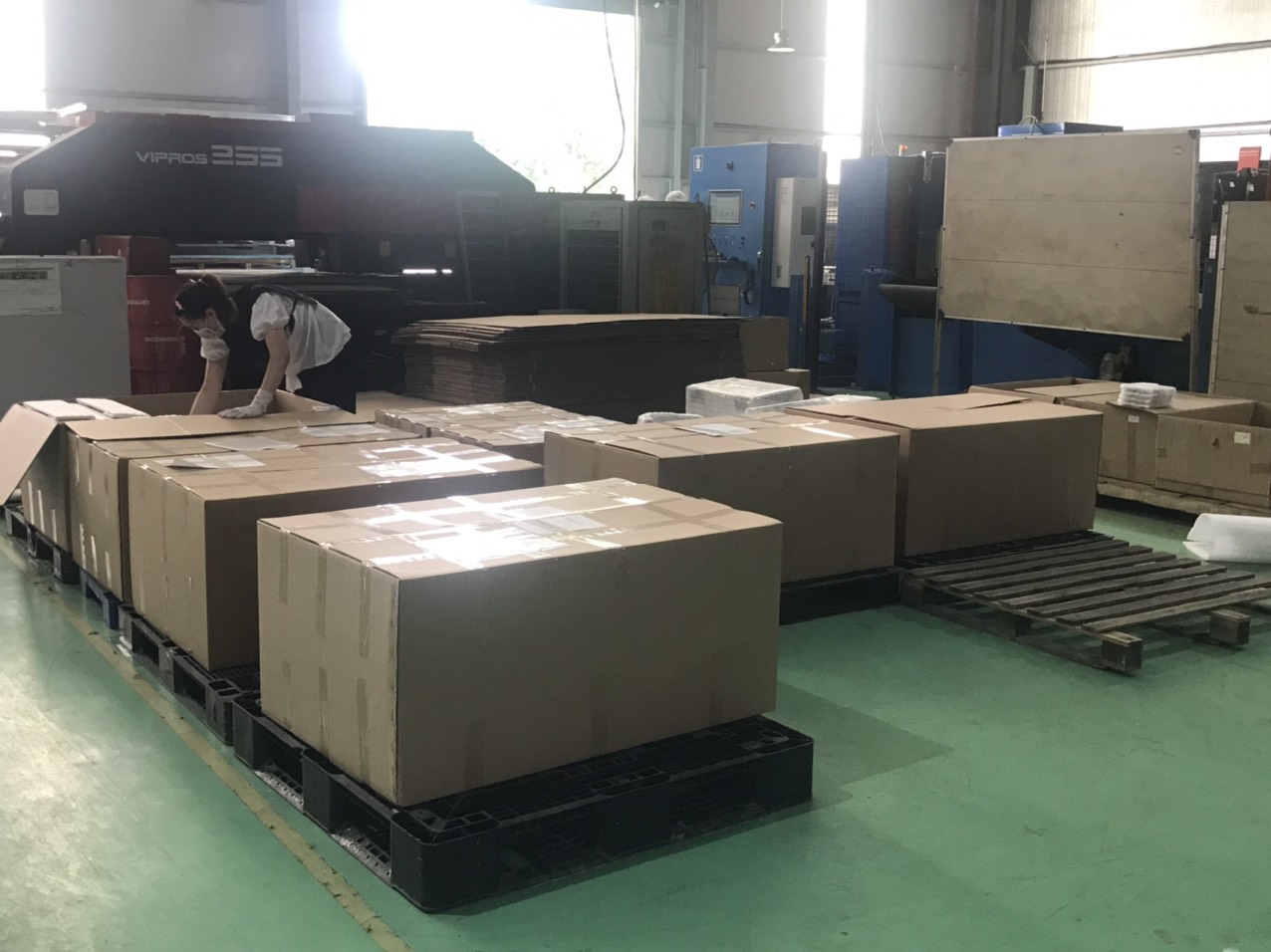
A single scratch on a polished stainless steel bracket can turn a $5,000 shipment into a costly return — we learned that lesson early when shipping precision sheet metal parts 1 from our Vietnam facility to clients in the US.
To prevent surface scratches on precision sheet metal parts during transport, apply protective film before packing, use paper-first wrapping before foam padding, separate each part with custom dividers, secure loads against vibration, and monitor handling with shock sensors throughout the entire shipping journey.
Surface damage is the single most common complaint we hear from purchasing managers receiving custom sheet metal components from Asia. Dents and scratches reduce product value, delay production schedules, and erode trust in a supplier relationship. This guide walks through every layer of protection — from the factory floor to the loading dock — so you know exactly what to demand from your contract manufacturer.
What specific packaging standards should I demand for my high-finish sheet metal components?
One conversation changed how our team approaches packaging forever. A US client rejected three consecutive shipments of anodized mounting plates — not because of dimensional issues, but because bubble wrap left tiny impression marks across every surface. That single problem cost weeks of rework and reshipping.
Demand paper-first wrapping before any cushioning, custom-fit foam inserts or dividers between parts, edge protectors on all corners, and corrugated packaging rated for your shipment weight. Specify these standards in writing within your purchase order or supplier quality agreement.
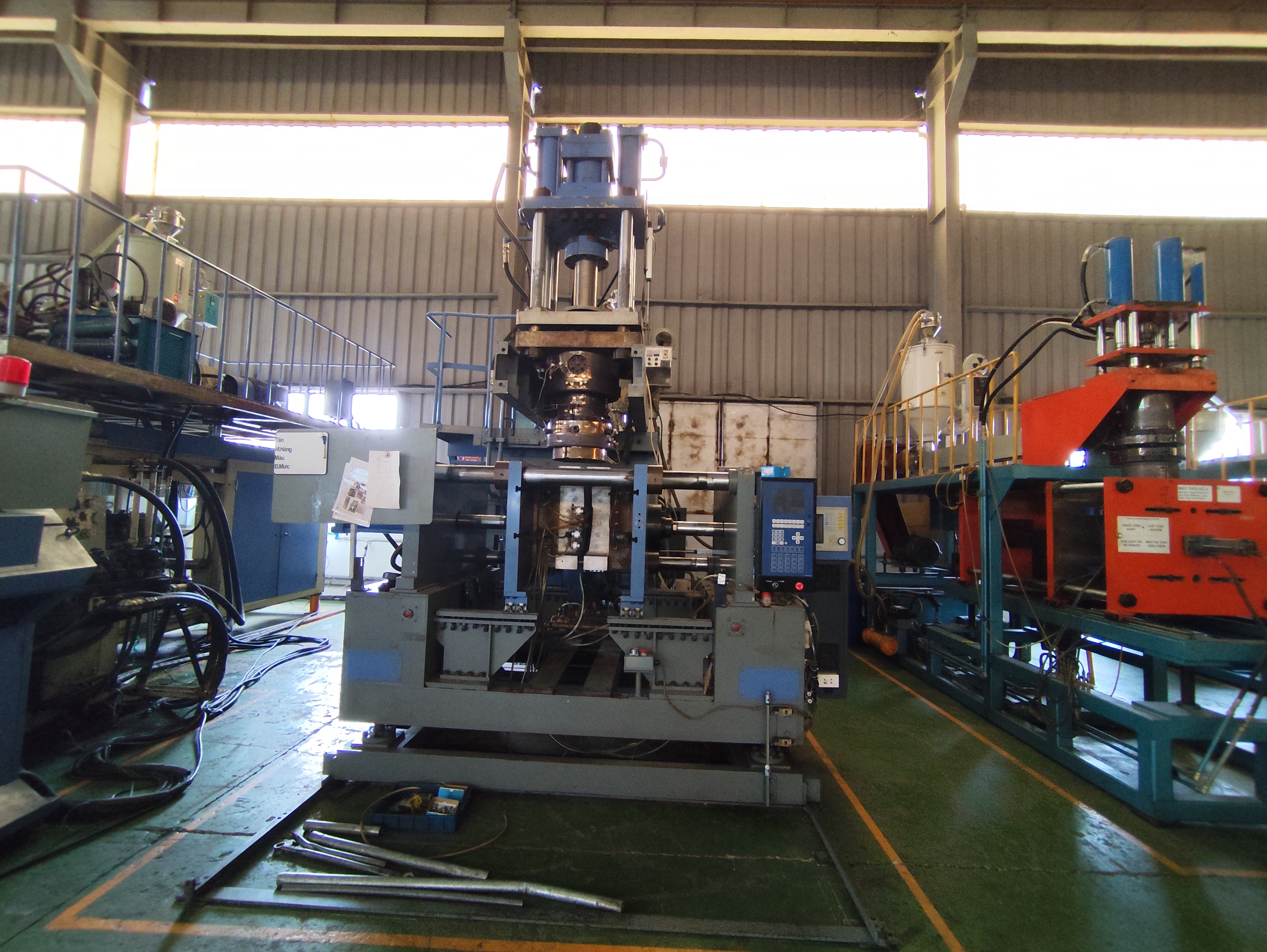
The Paper-First Rule
This is the detail most suppliers get wrong. When you wrap a painted or anodized sheet metal part directly in bubble wrap, the air pockets leave circular impression marks on the finish. The fix is simple: wrap the part in clean, acid-free paper 2 first, then apply bubble wrap or foam padding over the paper layer. Our quality team in China now enforces this as a mandatory step on every outbound shipment of high-finish parts.
Nesting vs. Non-Nesting Parts
Not all parts pack the same way. Flat brackets that nest together need a different approach than complex mounting housings that cannot stack.
| Part Type | Recommended Internal Packaging Materials | Spacer Method |
|---|---|---|
| Flat nesting parts (plates, simple brackets) | Acid-free paper interleaving between each layer | Paper sheets only — no foam needed between layers |
| Non-nesting parts (housings, complex brackets) | Custom-cut foam inserts or corrugated dividers | Individual foam slots or cardboard cells for each part |
| Large structural components | Heavy-duty wooden crate with internal bracing | Foam blocks at contact points, edge protectors on corners |
| Small precision parts | Multi-layer box with foam padding lining | Vacuum-formed plastic trays with individual cavities |
What to Put in Your Packaging Specification
Your purchase order should include a written packaging standard. At minimum, specify:
- Paper-first wrapping for all finished surfaces
- No direct metal-to-metal contact between parts
- Edge protectors on all external corners of the crate
- Maximum stack height and weight per layer
- Corrugated packaging 3 minimum wall thickness or burst strength rating
- Orientation arrows and "fragile" labels on outer packaging
We keep a packaging specification template that we share with every new supplier we onboard. It removes ambiguity and gives inspectors a clear checklist to verify before the crate is sealed.
Secure Stacking Inside the Crate
Even perfect wrapping fails if parts shift during transit. Secure stacking means each layer is locked in place. Use stretch wrap 4 around grouped parts to minimize vibration. Fill void space with foam blocks or air pillows — never crumpled newspaper, which can leave ink marks. The goal is zero movement inside the box when you shake it.
How can I ensure my supplier performs a final surface inspection before the parts are crated?
When we first set up our Vietnam office, one of the earliest process gaps we identified was the space between "final inspection" and "packing." Parts would pass QC perfectly, then pick up scratches on the packing table because someone dragged them across a dusty surface. The inspection had to extend all the way to the sealed crate.
Require your supplier to perform a documented final surface inspection at the packing station — not just at the end of the production line. This inspection should include visual checks under controlled lighting, photographs of every part before wrapping, and a signed packing checklist tied to each shipment.
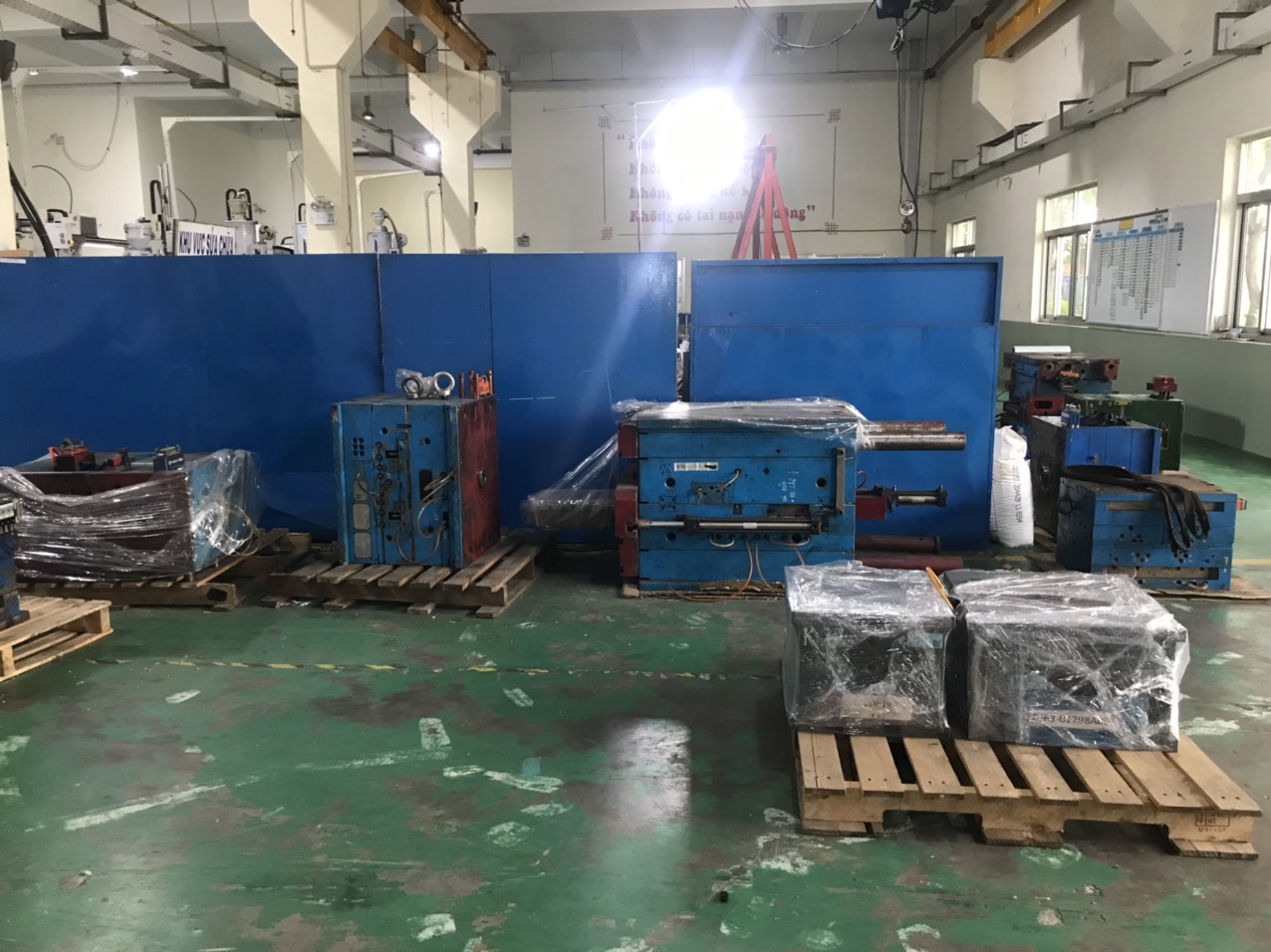
Moving Inspection to the Packing Station
Most factories separate quality control from the packing area. Parts pass inspection, get placed on a cart, wheeled across the shop floor, and then packed by a different team. Every transfer point is a scratch risk. We restructured the workflow so that the final inspector works at the packing station. The part is inspected, photographed, wrapped in protective film 5, and placed in the crate in one continuous sequence. No cart rides. No handoffs.
Clean Environment Protocols
Surface integrity starts with cleanliness. A single metal shaving on a work surface can gouge a polished stainless steel bracket when you slide it across the table. We require:
- Packing tables wiped clean before every batch
- Lint-free gloves for all handlers
- No loose tools or debris on the packing surface
- Dedicated packing areas separated from grinding or welding zones
What a Proper Pre-Shipment Inspection Report Looks Like
Your supplier's inspection report should go beyond dimensional checks. For surface-critical parts, demand the following:
| Inspection Element | What to Look For | Acceptable Evidence |
|---|---|---|
| Visual surface check | Scratches, dents, discoloration, tool marks | Photos under angled lighting showing each critical surface |
| Protective film application | Film covers all exposed finish surfaces | Photo showing film applied before wrapping |
| Packaging verification | Paper-first wrapping, correct dividers, void fill | Photo of parts in crate before sealing |
| Packing checklist | Signed by inspector with date and batch number | Scanned copy included with shipping documents |
| Part count and orientation | Correct quantity, correct orientation in crate | Photo of packed crate with parts visible |
When our team conducts final inspections on behalf of US clients, we send this full photo package before the crate is sealed. The client reviews and approves remotely. This simple step has virtually eliminated "surprise" damage claims on arrival.
The Role of Protective Film
Temporary protective film is one of the most effective tools for maintaining surface integrity from factory to final destination. Products like polyethylene masking film 6 adhere to polished or painted metal surfaces and peel off cleanly after delivery. Our suppliers apply protective film immediately after the finishing process — whether that is powder coating, anodizing, or polishing. The film stays on through inspection, packing, and shipping. It only comes off when the end user is ready to install the part.
Some raw material suppliers ship stainless steel or aluminum sheet with an adhesive covering already applied. There is debate in the industry about whether this is best practice. We find it effective for preventing early-stage scratches during cutting and bending, as long as the adhesive does not leave residue on the finished surface. We test every new material lot to confirm clean removal.
What are the best ways for me to manage the risk of transit damage when sourcing from Vietnam or China?
Last year, a client asked us to investigate why his precision brackets kept arriving with fine surface scratches — but only on ocean shipments, never air freight. The answer was not the ocean itself. It was 21 days of constant vibration inside a steel container, combined with humidity changes that degraded the protective coating and made surfaces vulnerable.
To manage transit damage risk from Asia, use vibration dampening materials inside crates, seal parts in VCI bags with desiccant packs for ocean freight, attach shock sensors and tilt indicators to monitor handling, and work with freight forwarders experienced in precision component logistics.

Ocean vs. Air: Different Risks, Different Solutions
Ocean and air transport expose your parts to fundamentally different hazards. The right shipping damage prevention strategy depends on which mode you use.
| Risk Factor | Ocean Freight | Air Freight |
|---|---|---|
| Transit duration | 21–35 days | 3–7 days |
| Vibration exposure | Continuous low-frequency vibration from engines and waves | Short bursts during takeoff, landing, and turbulence |
| Humidity risk | High — condensation inside containers during temperature swings | Low — pressurized and climate-controlled cargo holds |
| Handling touchpoints | Many — truck to port, crane to vessel, vessel to port, truck to warehouse | Fewer — truck to airport, aircraft, airport to truck |
| Primary protection focus | Corrosion prevention, vibration dampening, moisture barriers | Shock absorption, secure stacking, impact protection |
For ocean shipments of bare metal parts, we always use vacuum-sealed, water-vapor-proof foil barriers with desiccant packs (silica gel or activated clay). This creates a sealed microenvironment inside the crate that prevents deformation and scratches on fabricated sheet metal products during shipping. VCI bags 8 add another layer — Volatile Corrosion Inhibitor molecules create a thin, translucent protective layer on the metal surface that barely alters appearance but blocks oxidation. This is especially important for carbon steel and uncoated aluminum parts.
Vibration Dampening for Long Hauls
Vibration is the hidden enemy of surface integrity during ocean transport. Continuous low-frequency vibration causes parts to shift against each other or against packing materials, creating micro-abrasions over thousands of miles. Foam padding alone is not enough. We use layered vibration dampening systems:
- Foam blocks between parts and crate walls to absorb gross movement
- Anti-vibration pads under the parts inside the crate
- Stretch wrap around grouped parts to lock them together as a unit
- Void fill to eliminate any space where parts could shift
For high-value precision components, some clients request suspension-style packaging where the part is literally suspended inside the crate by foam corners, floating free of all rigid surfaces.
Smart Monitoring: Shock Sensors and Humidity Cards
One of the most important trends in material handling practices for precision parts is the use of smart monitoring devices. We attach shock sensors (like ShockWatch indicators 9) and tilt indicators to the outside of crates. These devices change color if the package is dropped, tilted beyond a safe angle, or exposed to excessive impact.
Humidity indicator cards placed inside the sealed moisture barrier show whether the seal was broken or the desiccants were overwhelmed during transit. When a shipment arrives with a tripped sensor, we know exactly where to look for damage — and we have evidence to hold the logistics provider accountable.
This is not expensive. A shock sensor costs a few dollars per crate. But the data it provides can save thousands in disputed damage claims.
How do I hold my contract manufacturer accountable for surface quality throughout the entire supply chain?
A purchasing manager we work with in Texas put it bluntly during a call: "I don't care where the scratch happened — factory, port, or truck. If it arrives scratched, it's the supplier's problem." That mindset is increasingly common, and honestly, it is fair. The question is how to structure the relationship so accountability is clear and enforceable.
Hold your contract manufacturer accountable by establishing a written surface quality standard in your contract, requiring photo documentation at every stage, using third-party inspection, attaching shock and humidity monitors to shipments, and defining clear rework or credit terms for any parts that arrive damaged.
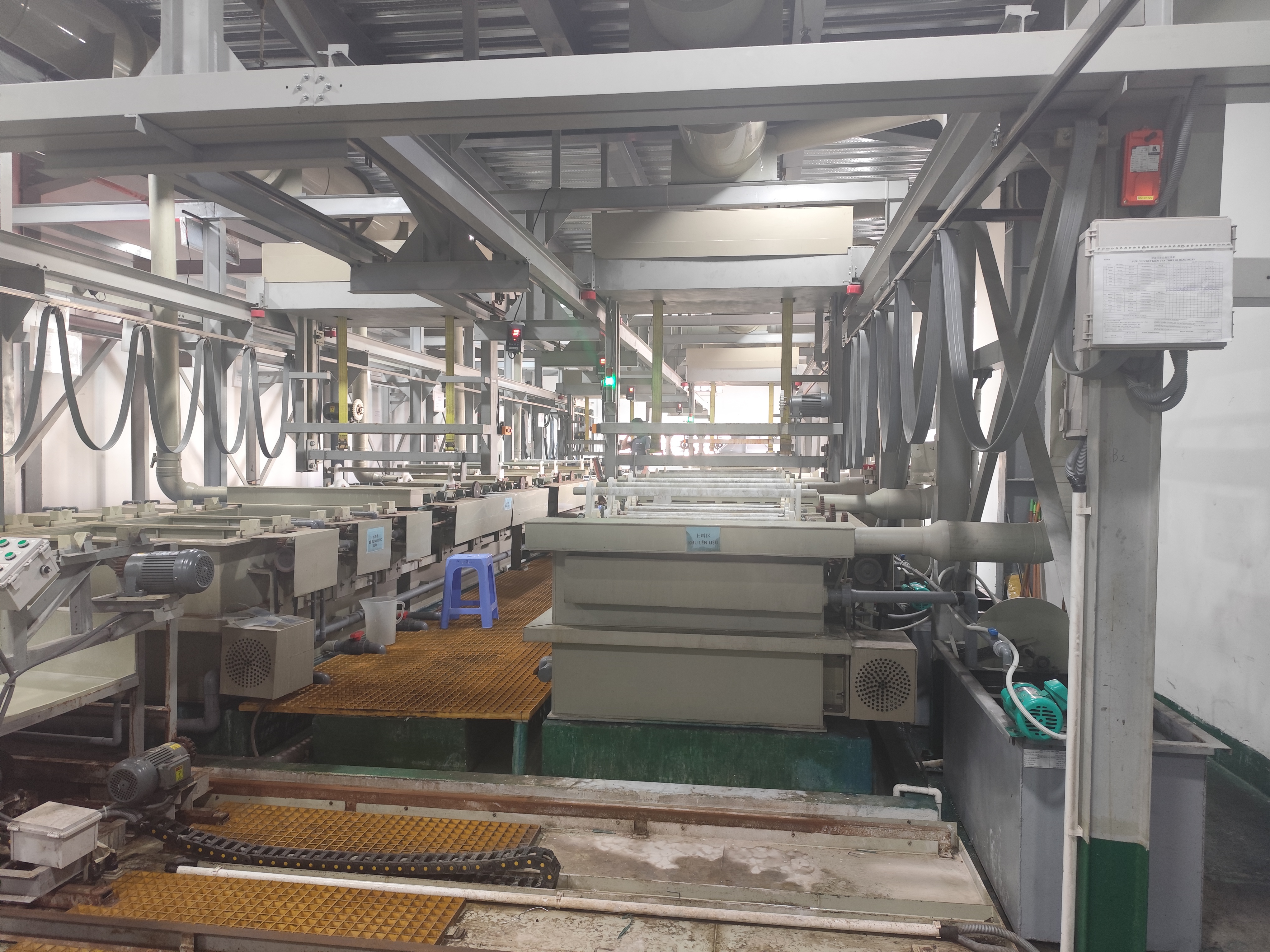
Building Accountability Into the Contract
Accountability starts before the first part is made. Your supplier agreement should include:
- A defined surface finish standard with acceptance criteria (e.g., no visible scratches under 500 lux lighting at 30 cm viewing distance)
- Packaging specifications as a contractual requirement, not a suggestion
- A clause requiring photo documentation of parts before packing and of the sealed crate
- Defined responsibility for transit damage — does the supplier bear risk until delivery (DDP terms), or does risk transfer at the port (FOB terms)?
- Credit, rework, or replacement terms for parts that fail incoming inspection at your facility
When we manage the supply chain for our clients, we use DDP Incoterms whenever possible. This means we own the risk from factory door to the client's warehouse. It simplifies accountability completely. If it arrives damaged, it is our problem to solve.
The Role of Third-Party Inspection
If you do not have your own team on the ground in Asia, third-party inspection is essential. But not all inspection services focus on surface quality. Many only check dimensions and count parts. You need to specify that the inspector must:
- Examine surface finish under controlled lighting
- Verify protective film application on all critical surfaces
- Confirm custom packaging solutions match your specification
- Photograph the packing process
- Sign off on the sealed crate
Our offices in Vietnam and China perform this function directly for our clients. Having a local team — not just an occasional third-party auditor — means we catch problems in real time, not after the container is already on the water.
Continuous Improvement Through Data
Every scratched part that arrives is data. Track the type of damage, its location on the part, and the likely cause. Over time, patterns emerge. Maybe one particular part geometry always arrives with edge damage — that tells you the edge protectors are insufficient. Maybe scratches only appear on ocean shipments in summer — that points to humidity-related surface degradation making parts vulnerable to abrasion.
We maintain a defect log for every client project. When the same issue appears twice, we change the process. Simple changes like adding an extra layer of paper or switching to custom foam slots have stopped recurring rejections entirely for several of our long-running programs.
Aligning Standards With International Benchmarks
For clients who need formal compliance, packaging requirements for bulk sheet metal fabrication can be tied to international standards. ISO 2247 10 covers packaging for transport. ASTM D4169 defines performance testing for shipping containers. Referencing these standards in your supplier agreement gives you a measurable benchmark — not just a vague expectation of "good packaging."
Conclusion
Preventing surface scratches on precision sheet metal parts requires a holistic approach — protective film, paper-first wrapping, custom packaging solutions, vibration dampening, smart monitoring, and clear contractual accountability from factory floor to your receiving dock.
Frequently Asked Questions
What specific packaging standards should I demand for my high-finish sheet metal components?
One conversation changed how our team approaches packaging forever. A US client rejected three consecutive shipments of anodized mounting plates — not because of dimensional issues, but because bubble wrap left tiny impression marks across every surface. That single problem cost weeks of rework and reshipping.
How can I ensure my supplier performs a final surface inspection before the parts are crated?
When we first set up our Vietnam office, one of the earliest process gaps we identified was the space between "final inspection" and "packing." Parts would pass QC perfectly, then pick up scratches on the packing table because someone dragged them across a dusty surface. The inspection had to extend all the way to the sealed crate.
What are the best ways for me to manage the risk of transit damage when sourcing from Vietnam or China?
Last year, a client asked us to investigate why his precision brackets kept arriving with fine surface scratches — but only on ocean shipments, never air freight. The answer was not the ocean itself. It was 21 days of constant vibration inside a steel container, combined with humidity changes that degraded the protective coating and made surfaces vulnerable.
Footnotes
1. Explains the definition and applications of precision sheet metal fabrication. ↩︎
2. Explains the properties, manufacturing, and importance of acid-free paper for preservation. ↩︎
3. Describes the structure, benefits, and protective qualities of corrugated packaging. ↩︎
4. Explains how stretch wrap secures palletized loads and prevents movement during transit. ↩︎
5. Details the importance and various applications of protective films in manufacturing. ↩︎
6. Describes the material, its properties, and applications for temporary surface protection. ↩︎
7. Outlines the role and techniques of surface inspection in quality control processes. ↩︎
8. Explains the technology, uses, and benefits of VCI bags for corrosion prevention. ↩︎
9. Describes how these indicators deter mishandling and provide evidence of impacts during transit. ↩︎
10. Provides information on the international standard for vibration testing of transport packages. ↩︎