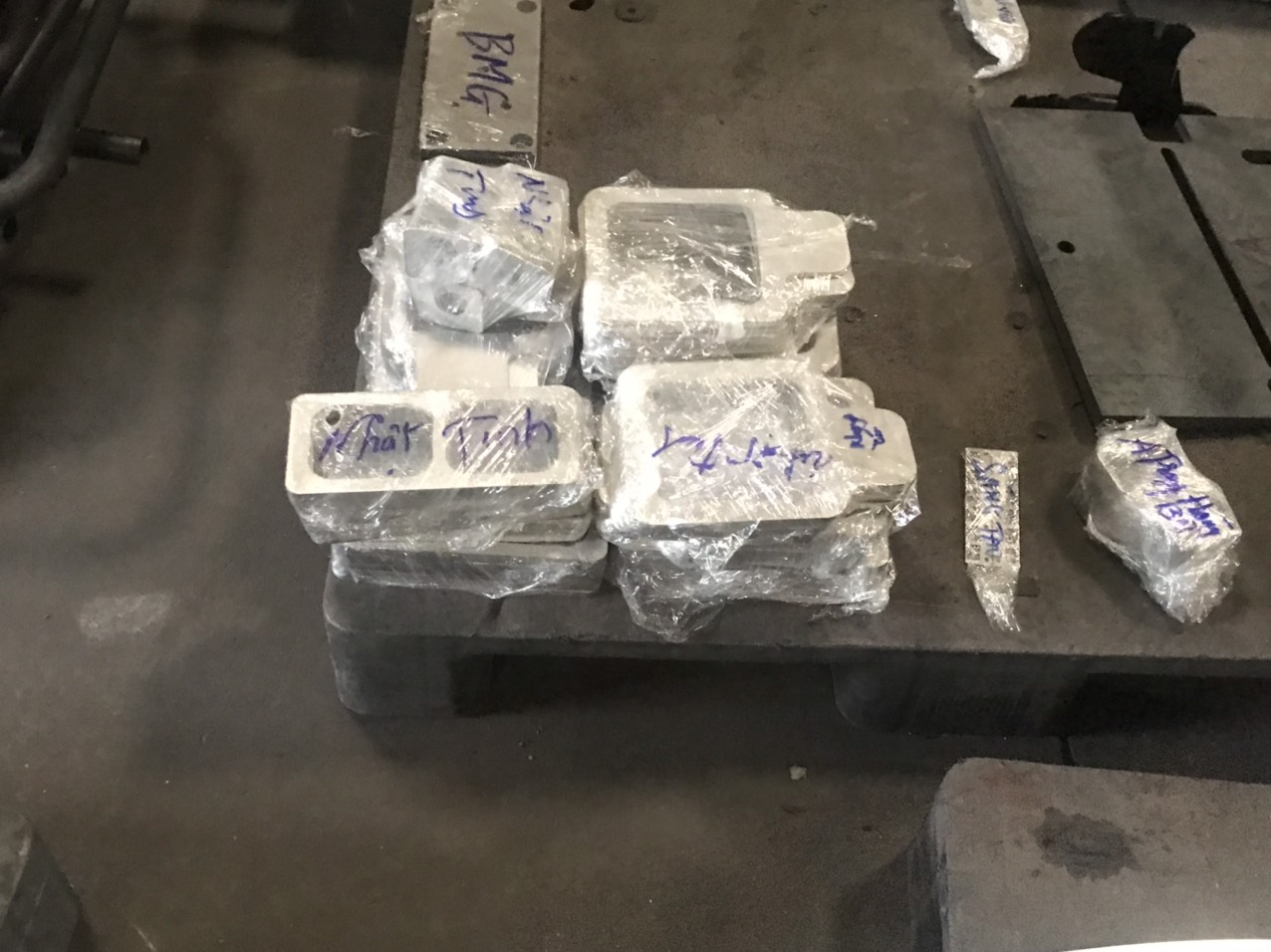

Every year, we watch buyers scramble when Tet shuts down Vietnam’s sheet metal fabrication 1 sector — orders stall, ports clog, and Q1 timelines collapse.
To prevent Vietnam holiday delays when sourcing sheet metal fabrication, place purchase orders by October–November, build 3–4 weeks of buffer stock, pre-book freight and inspections, verify your supplier’s shutdown schedule in writing, and qualify at least one backup fabricator before the Tet holiday window begins.
The Tet holiday 2 is not just a long weekend. It is a multi-week disruption that ripples through production planning 3, logistics, and workforce availability. Below, I walk through exact timelines, checklists, and strategies we use at our Vietnam office to keep sheet metal orders on track for U.S. buyers.
How should I adjust my sheet metal production timeline to account for the Tet holiday?
A client once told us their previous supplier in Ho Chi Minh City "promised" a January 20 ship date — then went dark on January 15 and did not resume emails until mid-February port congestion 4. That single missed shipment cost them a six-figure contract with their end customer.
Adjust your sheet metal production timeline by placing POs no later than October–November, finalizing designs by mid-December, approving samples by early January, and ensuring goods leave the factory at least three weeks before Tet Eve — which in 2026 falls on February 16.
What exactly is Tet, and why does it hit sheet metal so hard?
Tet — the Lunar New Year — is Vietnam's most important cultural event cross-train operators 5. In 2026, the official holiday runs from February 12 to February 25. But here is what most foreign buyers miss: the real disruption window is much wider. Workers begin leaving factories as early as February 5–7, and many do not return until the first week of March. Full production capacity may not resume until mid-March.
Sheet metal fabrication is labor-intensive. Laser cutting 6, CNC bending, welding, powder coating, and final assembly all require skilled operators. When those operators go home to their provinces — often hundreds of kilometers away — the factory floor goes quiet. Even raw material suppliers and surface treatment subcontractors shut down, which creates a chain reaction of delays.
The 6-month preparation roadmap
Lead time management for Tet requires working backward from the shutdown date. Here is the timeline we recommend to our U.S. clients:
| Milestone | Target Date | Action |
|---|---|---|
| Strategic planning kickoff | August–September | Identify all sheet metal SKUs needed through Q1; forecast volumes |
| Purchase order placement | October–November | Issue POs with confirmed specs, quantities, and delivery dates |
| Design and dieline finalization | Mid-December | Lock all drawings; no design changes after this point |
| First article / sample approval | Early January | Approve samples and sign off on PPAP documentation 7 |
| Production completion | Late January | All parts fabricated, inspected, and packed |
| Factory gate shipment | 3 weeks before Tet Eve | Goods must clear the factory and reach port/freight forwarder |
| Tet shutdown begins | ~February 5–7 (soft) / Feb 12 (official) | Factory at minimal or zero capacity |
| Full capacity resumes | Early to mid-March | Expect 1–2 weeks of ramp-up after official reopening |
Why late design changes are the biggest killer
I have seen this pattern repeat every year. A buyer finalizes their PO in November, but then sends a revised drawing in mid-January — a new hole pattern, a different bend radius, an updated surface finish. By that point, our fabrication partners in Vietnam have already allocated their remaining pre-Tet capacity. A revision means re-programming CNC machines, re-cutting tooling, and re-scheduling welding jigs. The order gets bumped to post-Tet. The buyer loses six weeks.
The rule is simple: freeze your design by mid-December. If you cannot finalize specifications by then, plan for a post-Tet delivery and adjust your inventory accordingly.
How can I maintain strict quality control on my custom parts during the pre-holiday rush in Vietnam?
One lesson we learned early on: the two weeks before Tet are when quality problems spike. Factories are running overtime, trying to push every last order out the door. Workers are mentally checked out — thinking about family, travel plans, and holiday bonuses. That is exactly when weld defects, dimensional errors, and coating inconsistencies creep in.
Maintain strict quality control during the pre-holiday rush by scheduling in-line inspections at 30% and 70% completion, requiring first-article approvals before mass production, conducting a final pre-shipment inspection at least five days before factory closure, and never skipping dimensional checks on the first post-Tet batch.

The pre-holiday quality risk matrix
Not all quality risks are equal during the rush period. Here is how we categorize them for our sheet metal projects:
| Risk Area | Pre-Holiday Severity | Root Cause | Mitigation |
|---|---|---|---|
| Dimensional accuracy (bends, holes) | High | Rushed CNC setup, skipped first-piece checks | Require first-article sign-off per batch; in-line gauging |
| Weld quality (porosity, undercut) | High | Fatigued welders working overtime shifts | Rotate welders; mandate rest breaks; visual + destructive weld tests |
| Surface finish (powder coat, plating) | Medium-High | Subcontracted finishers also rushing | Inspect coating thickness and adhesion before packing |
| Packaging and labeling | Medium | Temp workers unfamiliar with export packing specs | Provide photo-standard packing instructions; spot-check |
| Raw material traceability | Medium | Mills and distributors clearing stock fast | Verify mill certs upon arrival; confirm material grade with PMI gun |
Why factory audits matter more before Tet
Our team in Vietnam conducts factory audits throughout the year, but the pre-Tet audit is the most critical. We look at workforce availability — how many workers have already left, and who is covering their stations. We check whether the factory has sufficient raw material on hand to finish our orders, because steel distributors also close early. And we verify that inspection equipment — calipers, CMMs, coating thickness gauges — is calibrated and in use, not sitting idle because the QC manager left early.
If you do not have a local team, consider hiring a third-party inspection company. Schedule inspections no later than the last week of January. After that, it becomes very difficult to find available inspectors.
The first post-Tet batch deserves extra scrutiny
When factories restart, they often bring in new or temporary workers. Machines that sat idle for weeks may need recalibration. The first production batch after Tet is statistically the most likely to have quality issues. We always schedule a full dimensional and visual inspection on the first post-holiday run before approving continued production. This one step has saved our clients from receiving non-conforming parts more times than I can count.
What logistics strategies will help me avoid port congestion and shipping delays for my Vietnam orders?
Last February, one of our clients had a container sitting at Cat Lai port in Ho Chi Minh City for 11 extra days. The goods were produced on time. The factory did everything right. But the freight forwarder had not booked the vessel early enough, and every available slot was taken by companies doing the same last-minute push. The lesson was expensive — airfreight to meet their downstream deadline cost four times the original ocean freight rate.
Avoid port congestion and shipping delays by pre-booking ocean freight 6–8 weeks before Tet, completing all customs clearance documentation before the holiday rush, using a forwarder experienced with Vietnam's peak-season logistics bottlenecks, and building a 3–4 week buffer into your delivery schedule rather than the typical one week.
Understanding the logistics bottleneck timeline
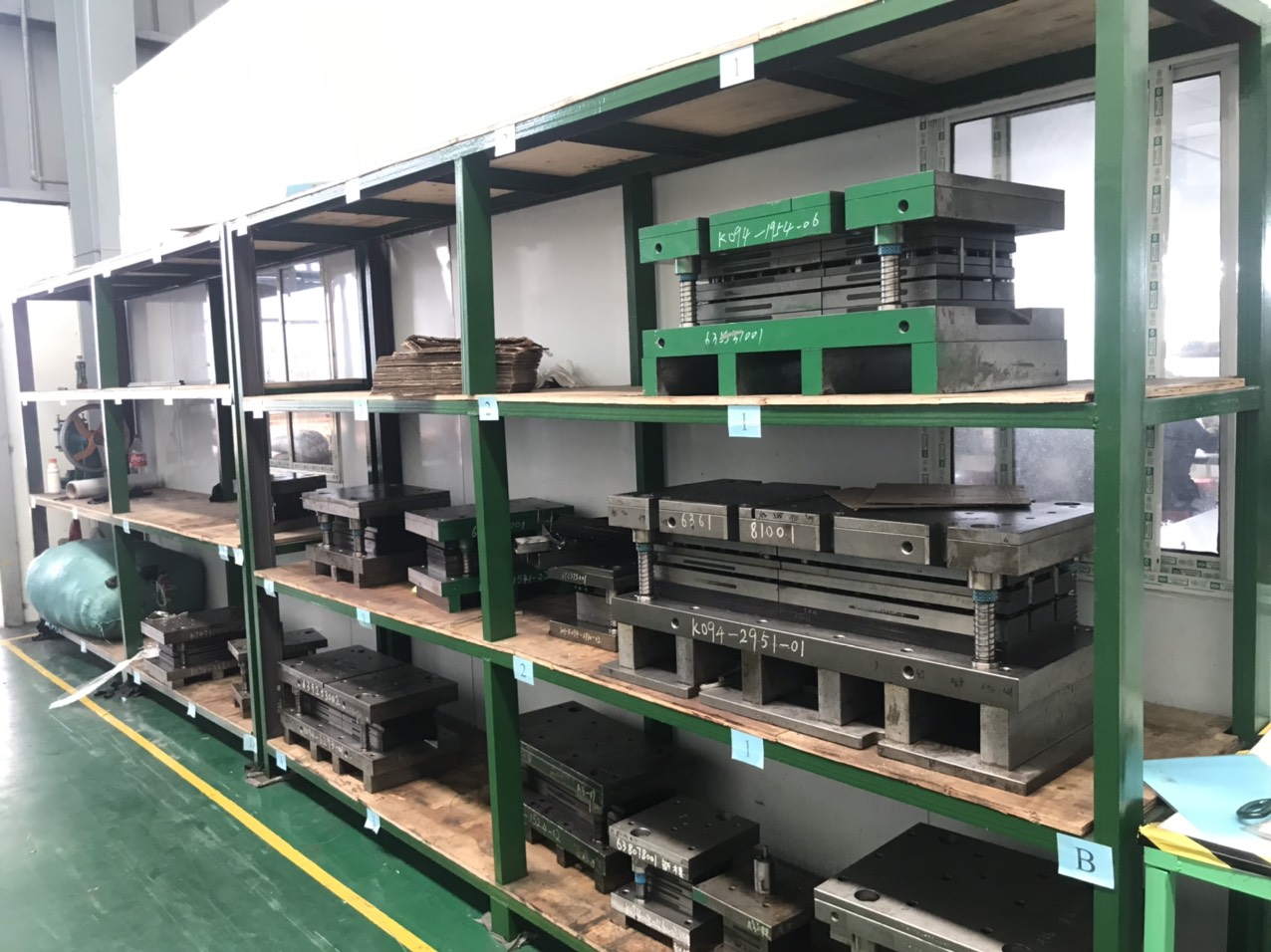
Vietnam's major ports — Cat Lai (Ho Chi Minh City), Hai Phong, and Da Nang — experience peak congestion from approximately three weeks before Tet through one week after. During this window, vessel space is scarce, trucking rates spike, and customs clearance slows as government offices operate with skeleton crews. For a deeper dive into navigating these disruptions, see our guide on how to manage port congestion and shipping delays for Vietnam sheet metal fabrication.
The critical insight is that production completion is not the finish line. Getting your sheet metal parts out of the factory, onto a truck, through customs, and onto a vessel is a multi-step process. Each step has its own holiday bottleneck.
Pre-booking freight: the non-negotiable step
We tell every client the same thing: book your vessel space the moment you confirm your PO. Do not wait for production to finish. If you are shipping in late January, you should have a confirmed booking by mid-December at the latest. Carriers offer limited slots during peak season, and they prioritize high-volume shippers.
For urgent orders, some companies are now adopting a "pull-forward" strategy — shipping partially completed orders in multiple smaller batches rather than waiting for the full order. This costs more in freight but reduces the risk of a total delay.
Airfreight: when it makes sense
Airfreight from Vietnam to the U.S. typically costs $4–$8 per kilogram compared to $0.15–$0.30 per kilogram for ocean freight. For heavy sheet metal parts, this rarely makes economic sense for full orders. But for critical components — say, a specific bracket needed to keep an assembly line running — airfreighting 50–100 pieces while the rest come by sea can be a smart trade-off. We help clients balance logistics cost and time when sourcing sheet metal fabrication from Vietnam on a case-by-case basis.
The 3–4 week buffer rule
Many buyers plan for a one-week inventory buffer. That is not enough for the Tet period. Between the pre-holiday slowdown, the actual closure, and the post-holiday ramp-up, you need 3–4 weeks of buffer stock for any fast-moving sheet metal SKU. This means placing larger orders in October–November to build that cushion.
| Logistics Action | Recommended Timing | Why It Matters |
|---|---|---|
| Book ocean freight | 6–8 weeks before Tet | Vessel slots fill fast; late bookings get bumped |
| Complete customs documentation | 4–5 weeks before Tet | Customs offices operate at reduced capacity during holidays |
| Final shipment leaves factory | 3 weeks before Tet Eve | Allows buffer for trucking and port processing delays |
| Arrange backup airfreight option | By early January | Gives you a plan B for critical components |
| Confirm post-Tet vessel booking | Before factory closure | First available slots after Tet fill quickly |
How do I ensure my Vietnam supplier has a reliable contingency plan for holiday-related labor shortages?
During a supplier review meeting last year, I asked our fabrication partner in Binh Duong Province a direct question: "What happens if 30% of your welders don't come back after Tet?" The production manager paused, then said, "It happened in 2023. We lost 40%." That conversation changed how we approach contingency planning with every Vietnam-based supplier.
Ensure your Vietnam supplier has a reliable contingency plan by requesting their written holiday schedule and workforce retention data, verifying they cross-train operators across multiple stations, confirming they pre-stock raw materials before the holiday, and checking whether they have relationships with temporary staffing agencies for post-Tet ramp-up.
Vetting suppliers: real fabricators vs. resellers
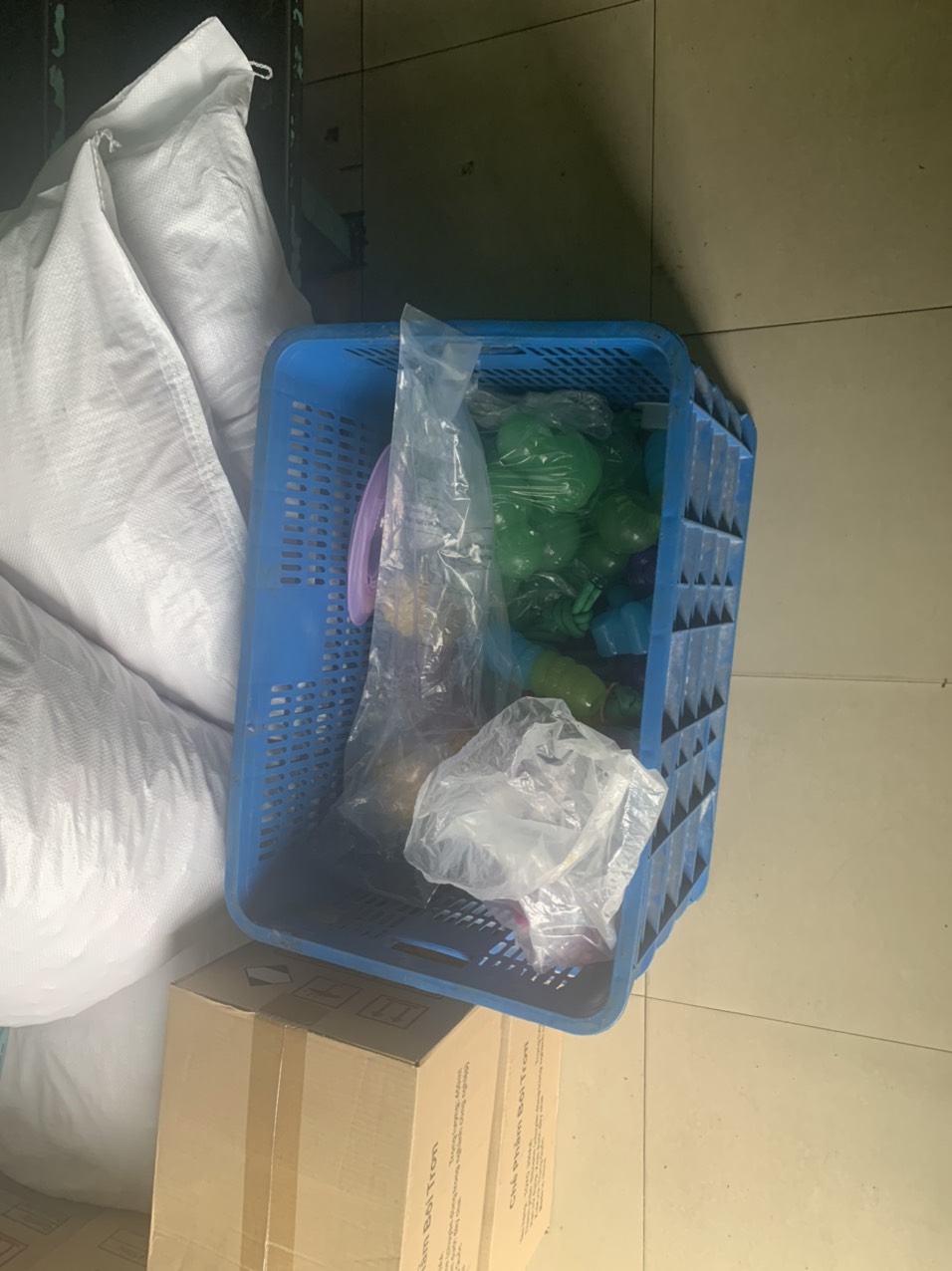
Before you even discuss contingency plans, you need to confirm you are dealing with a real sheet metal fabricator — not a trading company or reseller. This is a common pitfall in Vietnam sourcing. A reseller will not have direct control over workforce availability, production scheduling, or quality control 9 processes. They are an intermediary, and during Tet, they have zero leverage over the actual factory.
During our factory audits, we look for specific indicators: do they own their laser cutters, press brakes, and welding stations? Is there a dedicated QC area with measuring instruments? Can they show us process control documents and PPAP records? Do they have ISO 9001 certification — and is it current and audited? These checks are essential for supply chain resilience.
The contingency planning checklist
Here is what we require from every sheet metal supplier we work with in Vietnam before the Tet period:
1. Written holiday schedule with exact dates. Not "we close for Tet" — we need the date the last shift runs, the date the first shift returns, and the expected date of full capacity.
2. Workforce retention plan. Do they pay Tet bonuses to incentivize workers to return? Do they offer early-return bonuses? What was their actual return rate last year?
3. Cross-training documentation. If the primary CNC brake operator does not return, who is qualified to run that machine? A well-managed factory cross-trains operators across at least two stations.
4. Raw material pre-stocking. Steel coils, aluminum sheets, fasteners, and coating materials should all be on-site before the holiday. Raw material shortages after Tet can delay production restart by weeks because steel mills and distributors also shut down.
5. Temporary staffing relationships. Some factories work with staffing agencies that provide skilled temporary welders and machine operators for the post-Tet ramp-up period. This is a sign of mature production planning.
6. Communication protocol during closure. Who is the emergency contact? Will anyone monitor email? We establish a single point of contact who checks messages at least every 48 hours during the shutdown.
Supplier diversification: the "China Plus One Plus One" approach
Relying on a single Vietnam supplier for all your sheet metal needs is risky, especially around Tet. More of our clients are now adopting a diversified approach — qualifying two or three fabricators across different regions in Vietnam or across multiple countries. This does not mean splitting every order. It means having a pre-qualified backup ready to absorb volume if your primary supplier faces unexpected labor shortages or delays.
We help clients evaluate whether trade tariffs make Vietnam the right choice compared to other sourcing countries. For orders above $100K annually, the math usually favors Vietnam due to Section 301 tariffs 10 on Chinese imports ranging from 25% to 145%. But for smaller volumes under $50K, the tooling amortization and switching costs may not justify the move. Here is a simplified decision framework:
| Annual Volume | China Tariff Impact | Vietnam Recommendation |
|---|---|---|
| Under $50K | Moderate (25% tariff adds ~$12.5K) | May not justify switching costs; evaluate case by case |
| $50K–$100K | Significant (25% tariff adds $12.5K–$25K) | Worth exploring; run a pilot order to compare total landed cost |
| Over $100K | Substantial (25%+ tariff adds $25K+) | Strong candidate for Vietnam sourcing; qualify 2+ suppliers |
The key is not to make this decision in January when you are already under pressure. Start the supplier diversification process in Q2 or Q3, so you have qualified backups in place well before the next Tet cycle begins.
Conclusion
Preventing Vietnam holiday delays in sheet metal fabrication comes down to early planning, verified suppliers, locked designs, pre-booked logistics, and buffer inventory — start six months ahead, not six weeks.
Frequently Asked Questions
What exactly is Tet, and why does it hit sheet metal so hard?
Tet — the Lunar New Year — is Vietnam's most important cultural event cross-train operators 5 . In 2026, the official holiday runs from February 12 to February 25. But here is what most foreign buyers miss: the real disruption window is much wider. Workers begin leaving factories as early as February 5–7, and many do not return until the first week of March. Full production capacity may not resume until mid-March.
How should I adjust my sheet metal production timeline to account for the Tet holiday?
A client once told us their previous supplier in Ho Chi Minh City "promised" a January 20 ship date — then went dark on January 15 and did not resume emails until mid-February port congestion 4 . That single missed shipment cost them a six-figure contract with their end customer.
How can I maintain strict quality control on my custom parts during the pre-holiday rush in Vietnam?
One lesson we learned early on: the two weeks before Tet are when quality problems spike. Factories are running overtime, trying to push every last order out the door. Workers are mentally checked out — thinking about family, travel plans, and holiday bonuses. That is exactly when weld defects, dimensional errors, and coating inconsistencies creep in.
Footnotes
1. Replaced HTTP 404 with an authoritative industry resource defining sheet metal fabrication. ↩︎
2. Provides cultural and historical context for Vietnam’s Lunar New Year. ↩︎
3. Defines the strategic process of organizing manufacturing operations. ↩︎
4. Explains the causes and impacts of crowded shipping ports. ↩︎
5. Describes the practice of training employees for multiple job functions. ↩︎
6. Describes a key manufacturing process using a focused laser beam. ↩︎
7. Explains the Production Part Approval Process in manufacturing. ↩︎
8. Details the international standard for quality management systems. ↩︎
9. Outlines methods and techniques to ensure product standards are met. ↩︎
10. Replaced HTTP 404 with an official USTR fact sheet providing an overview of Section 301 investigations, specifically related to China. ↩︎