Dirty, corroded sheet metal parts cost our clients thousands in replacements every year. The frustrating part? Most of that damage starts small — a water spot here, a chemical residue there — and snowballs into costly failures.
To properly clean and maintain sheet metal products daily, use a soft microfiber cloth with mild, pH-neutral detergent and warm water. Wipe in the direction of the grain, rinse thoroughly, dry immediately, and apply protective coatings or rust inhibitors to prevent corrosion and preserve the surface finish long-term.
Below, I walk through the daily routines, chemical dos and don’ts, inspection techniques, and structural maintenance practices that keep precision metal components performing at their best.
How can I establish a daily cleaning routine that preserves the finish of my custom sheet metal parts?
A few years back, one of our U.S. clients reported streaky discoloration on a batch of stainless steel 1 brackets only weeks after delivery. The parts were fine — their cleaning crew had been wiping against the grain with a rough shop towel.
Establish a daily cleaning routine by wiping sheet metal parts with a soft microfiber cloth and mild detergent in warm water, always moving in the direction of the brushed grain. Rinse with clean water and dry immediately to prevent water spots and mineral deposits from forming.

Why Grain Direction Matters
Most brushed stainless steel and aluminum surfaces have a visible grain pattern from the finishing process. When you wipe parallel to that grain, you avoid trapping dirt in the micro-grooves. Wipe against it, and you push contaminants deeper into the surface. This is one of the simplest steps in surface preparation, yet it is the one most teams skip.
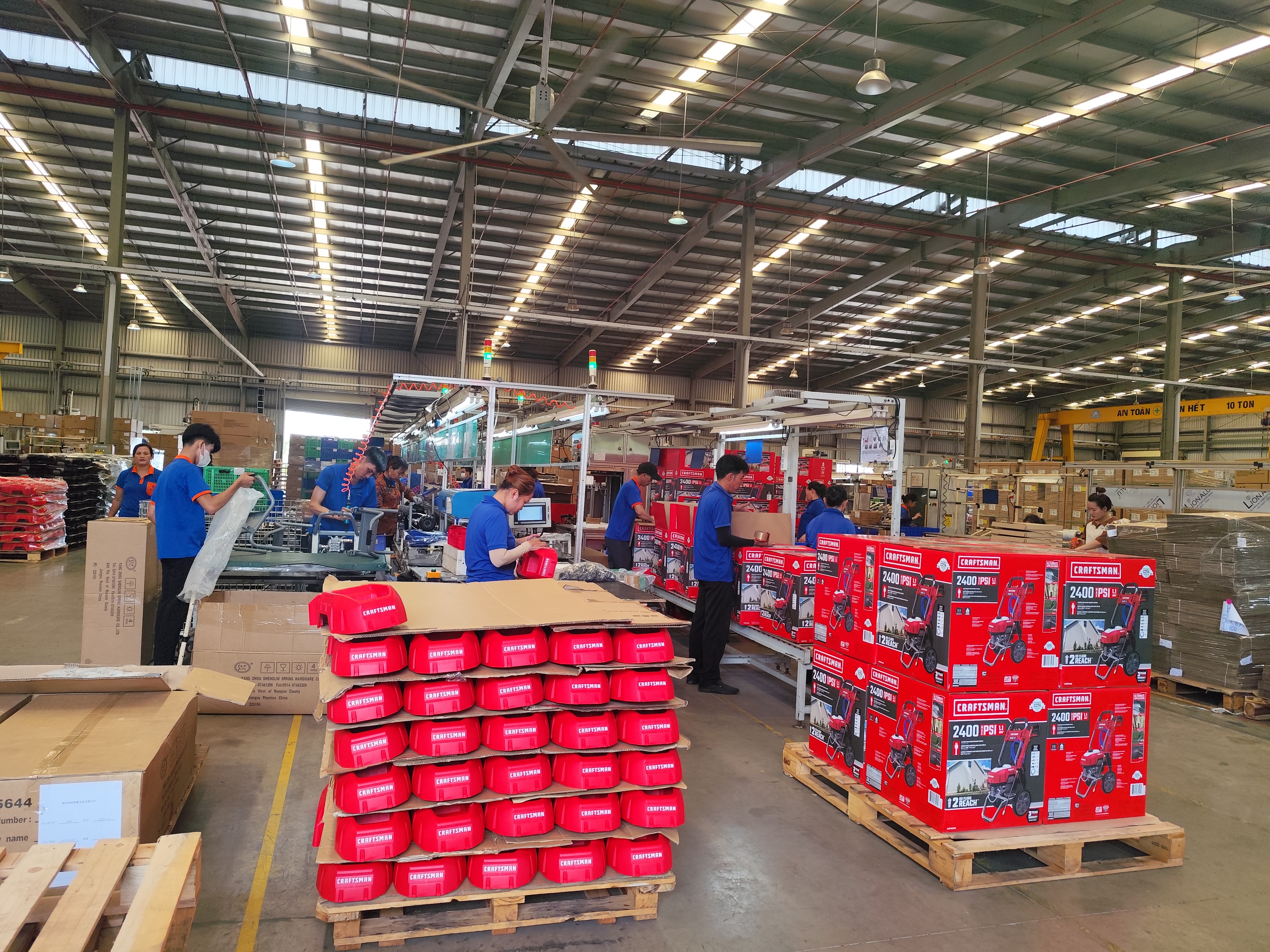
On our production floor in Vietnam, we train every operator to check grain direction before touching a finished part. It takes two seconds and prevents callbacks that take two weeks to resolve.
The 5-Minute Daily Protocol
Here is a practical routine any facility team can follow each morning:
- Remove loose debris. Use a soft nylon brush or compressed air to clear dust, metal shavings, or sand from the surface.
- Prepare the cleaning solution. Mix a quarter cup of mild, chloride-free detergent per gallon of warm water.
- Wipe with a microfiber cloth. Follow the grain direction. For large fabrications, a garden hose or low-pressure washer works well.
- Rinse thoroughly. Use clean water to remove every trace of detergent. Residue left behind accelerates corrosion.
- Dry immediately. A clean, dry microfiber cloth 2 prevents water spots and mineral buildup.
Cleaning Frequency by Application
Not every sheet metal product needs the same attention. The table below helps you match cleaning frequency to your environment.
| Application Type | Recommended Frequency | Key Concern |
|---|---|---|
| Indoor industrial equipment | Weekly or bi-weekly | Dust and oil accumulation |
| Outdoor structural panels | Monthly to quarterly | Weather exposure, bird droppings |
| Food-processing surfaces | Daily | Hygiene compliance, bacterial growth |
| Coastal installations | Every 2–4 weeks | Salt spray and accelerated oxidation |
| Medical-grade enclosures | Daily | Sterility, contamination control |
Cleaning Tools Checklist
The right cleaning tools make all the difference. Here is what we recommend keeping on hand:
| Tool / Material | Purpose | Avoid Instead |
|---|---|---|
| Microfiber cloth | General wiping and drying | Paper towels (leave lint) |
| Soft nylon brush | Removing caked-on dirt or sand | Steel wool or wire brushes |
| Low-pressure washer | Large surface areas | High-pressure washer (damages finish) |
| Rubber padding | Protecting parts during storage | Bare concrete or rough shelving |
| Maintenance logbook | Tracking cleaning dates and issues | Relying on memory alone |
Consistency is the real secret. A five-minute daily wipe-down prevents the kind of buildup that leads to expensive rust removal or refinishing down the road. When we ship precision metal assemblies to the U.S., we include a laminated care card with every order so the end user knows exactly how to handle the part from day one.
What specific cleaning agents should I avoid to prevent corrosion on my industrial metal components?
During a recent supplier audit in Vietnam, I watched a machining shop clean aluminum brackets with an off-the-shelf bathroom cleaner. Within a week, those parts showed white pitting across every surface. The cleaning solution contained hydrochloric acid 4 — a common ingredient in bathroom products but absolutely destructive to metal finishes.
Avoid chloride-based cleaners like bleach, abrasive scouring agents, strong acids such as hydrochloric or muriatic acid, and alkaline rust removers on sheet metal components. These chemicals destroy the passive oxide layer that protects stainless steel and aluminum, accelerating corrosion instead of preventing it.
The Science Behind the Damage
Stainless steel resists corrosion because of a thin, self-healing chromium oxide layer on its surface. This passive layer forms naturally when chromium in the alloy reacts with oxygen. Chloride ions — found in bleach, salt, and many industrial cleaners — penetrate and break down this layer. Once the layer is compromised, corrosion starts and spreads fast.
Aluminum maintenance follows a similar logic. Aluminum forms its own protective oxide film. Strong acids and strong alkalis dissolve that film. Even short exposure — under five minutes — can cause visible damage if the acid is concentrated.
What to Use and What to Avoid
| Category | Safe Options | Dangerous Options |
|---|---|---|
| General cleaning | Mild pH-neutral detergent 5, warm water | Bleach, chlorine-based sprays |
| Spot cleaning | White vinegar, diluted ammonia (1%) | Muriatic acid, hydrochloric acid |
| Degreasing | Aqueous cleaning agents 6 | Petroleum-based solvents on coated parts |
| Rust removal | Phosphoric acid (controlled use) | Alkaline rust removers (cause pitting) |
| Polishing | Stainless steel polish, food-grade mineral oil | Abrasive compounds, steel wool |
Critical Warnings
I cannot stress these enough:
- Never mix ammonia with bleach. This produces toxic chloramine gas. If you use a one-percent ammonia solution for stainless steel cleaning, keep bleach products completely out of the area.
- Never leave any cleaning solution sitting on the metal. Even mild detergent residue can cause discoloration over time. Rinse and dry every surface after cleaning.
- Test before you commit. When cleaning painted or coated sheet metal, always test on a small, hidden area first to confirm color-fastness.
- Limit acid contact to five minutes maximum. If you must use a diluted acid for oxidation removal on a fluoropolymer-coated surface, flush the area with copious water immediately afterward.
Aqueous Cleaning: The Industry Standard
Across our supply chain — from CNC shops in Vietnam to stamping facilities sourcing galvanized steel 7 — aqueous cleaning agents have become the default for industrial cleaning. They emulsify oil, grease, and shop-floor grime without attacking the metal's passive layer. They are water-based, so they rinse cleanly. And they are far safer for operators than solvent-based alternatives.
When we manage contract manufacturing for U.S. clients, we specify chloride-free cleaning solutions in the process control documentation. It is a small detail that prevents big problems. Corrosion prevention starts long before the part ships — it starts on the production floor.
How do I identify early signs of wear or damage during my daily sheet metal inspections?
One lesson we learned early in our quality control work is that most sheet metal failures do not happen overnight. They announce themselves — sometimes weeks or months in advance — through subtle visual and tactile cues. The challenge is training your team to spot them before they become expensive.
During daily inspections, look for discoloration, small pits, surface scratches, warping, fastener loosening, and any change in surface texture or coating adhesion. These early signs indicate developing corrosion, fatigue, or mechanical damage that, if addressed promptly, prevents costly part replacement or system failure.
What to Look For
A quick visual scan each day can catch problems that a monthly audit would miss. Here are the specific indicators I train our inspection teams to flag:
Discoloration or staining. Any color change on bare or coated metal is a warning. On stainless steel, brownish or reddish spots suggest the passive layer has been breached. On aluminum, white powdery deposits indicate oxidation. On galvanized steel, white rust (zinc oxide) signals that the zinc coating is eroding.
Pitting. These are tiny cavities on the surface, sometimes no larger than a pinhead. Pitting is especially dangerous because it can undermine structural integrity while looking minor on the surface. It is a classic consequence of exposure to chloride-containing cleaning solutions or salty environments.
Scratches and abrasion marks. Even shallow scratches compromise protective coatings and become entry points for moisture. If your team handles parts without rubber padding or drags them across rough surfaces, scratches are inevitable.
Warping or distortion. Subtle bends or twists in flat sheet metal panels often indicate thermal stress or improper storage. Check edges and corners with a straightedge.
Coating peeling or bubbling. When paint, powder coat, or protective films start to lift, moisture is getting underneath. This is often the first visible stage of undercoat corrosion.
Fastener condition. Loose bolts, stripped threads, or corroded fasteners weaken the entire assembly. Check torque values on critical joints during every inspection cycle.
Building an Inspection Habit
The most effective inspection routine is the one that actually gets done. Keep it short — under ten minutes — and tied to the daily cleaning process. While your team is already wiping down a part, they should be looking for anomalies.
Document everything. Our process control approach requires a maintenance logbook where operators record the date, what they inspected, and any findings. This written record creates a timeline. When you can see that a small scratch appeared on March 3 and grew to visible corrosion by March 20, you learn how fast your environment attacks your metal — and you adjust your protective coatings schedule accordingly.
We also encourage our clients' teams to report problems immediately, not at the end of the shift. Early reporting means early intervention. A five-dollar tube of rust inhibitor applied today can save a five-hundred-dollar replacement part next month.
Smart Monitoring for High-Value Installations
For critical sheet metal installations — electrical enclosures in coastal plants, for example — some of our clients have started integrating humidity sensors and corrosion detectors 8. These systems alert maintenance teams when environmental conditions cross a threshold, enabling predictive maintenance instead of reactive repair. It is not necessary for every application, but for high-value assemblies, the return on investment is significant.
What are the best practices I should follow to maintain the structural integrity of my precision metal assemblies?
When we co-develop custom parts with our engineering clients, we design for durability. But even the best-engineered bracket or enclosure will degrade if post-installation maintenance is neglected. I have seen precision assemblies with tolerances under 0.05 mm fail not because of a design flaw, but because someone stored them in a humid warehouse without protection.
Maintain the structural integrity of precision metal assemblies by applying protective coatings and rust inhibitors, storing parts in dry environments with rubber padding, lubricating all moving components after every cleaning, and conducting documented inspections on a fixed schedule to catch and address degradation early.
Protective Coatings Are Not Optional
Many buyers treat protective coatings as an aftermarket add-on. In our experience exporting to the U.S. and Europe, coatings are a core part of the product's service life. Whether it is a clear lacquer on stainless steel, a powder coat on mild steel, or an anodized layer on aluminum 9, that coating is the first line of defense against environmental attack.
Reapply protective sprays or waxes on a regular schedule. For indoor parts, every six months is usually sufficient. For outdoor or coastal installations, every one to three months is more appropriate. A thin layer of protective oil or dedicated rust inhibitor adds measurable life to the part. Understanding how surface treatments extend the service life of sheet metal products can help you choose the right coating strategy for your specific application.
Lubrication After Every Cleaning
This is a step many teams forget. Water-soluble lubricants get washed away during the cleaning process. If you clean a hinged enclosure door or a sliding bracket assembly and do not re-lubricate afterward, you introduce metal-on-metal friction that accelerates wear.
Use the lubricant specified by the part manufacturer or engineer. Applying the wrong grease — one that attracts dust, for example — can do more harm than good. Our PPAP documentation 10 typically includes a lubrication specification for any assembly with moving parts.
Storage and Handling
How you store sheet metal between uses matters as much as how you clean it. Here are the essentials:
- Keep parts dry. Moisture is the primary driver of rust formation. Use climate-controlled storage when possible, or at minimum, ensure good ventilation.
- Use rubber padding. Never stack bare metal parts directly on concrete or against each other. Soft padding prevents contact scratches and dents.
- Lift, do not drag. Sliding heavy parts across surfaces causes deep scratches that compromise metal finishes and invite corrosion.
- Handle with clean gloves. Fingerprints contain salts and oils that can etch sensitive surfaces over time.
Maintenance Schedule by Metal Type
Different alloys demand different attention. The table below outlines recommended maintenance intervals and focus areas.
| Metal Type | Coating Reapplication | Lubrication Interval | Primary Threat |
|---|---|---|---|
| Stainless steel | Every 6–12 months | After every cleaning | Chloride-induced pitting |
| Aluminum | Every 3–6 months | As needed for moving parts | Galvanic corrosion when in contact with dissimilar metals |
| Galvanized steel | Every 6–12 months | After every cleaning | White rust (zinc oxide erosion) |
| Mild steel (painted) | Touch up chips immediately | After every cleaning | Undercoat rust at scratch sites |
| Copper / brass | Every 3–6 months (if patina is undesired) | Rarely needed | Tarnishing and green patina |
Training Your Team
The best maintenance plan fails without trained personnel. Provide ongoing training on proper handling, lifting techniques, and tool usage. A careless forklift operator or a technician using the wrong wrench can undo months of careful maintenance in one moment.
At DEWIN, our quality philosophy centers on getting it right the first time. That philosophy extends past our production line and into the aftercare guidance we provide. When we deliver final inspection reports and ship door-to-door, we include maintenance recommendations tailored to the part's alloy, finish, and intended environment. For parts destined for exterior use, we also advise clients on how to ensure corrosion resistance for outdoor sheet metal fabrications. Because a part that lasts is a part that gets reordered.
Conclusion
Daily cleaning and maintenance of sheet metal products comes down to consistency: soft cloths, mild detergent, grain-direction wiping, immediate drying, and regular protective coating application. Document every inspection, train every handler, and treat corrosion prevention as a daily investment — not an afterthought.
Frequently Asked Questions
How can I establish a daily cleaning routine that preserves the finish of my custom sheet metal parts?
A few years back, one of our U.S. clients reported streaky discoloration on a batch of stainless steel 1 brackets only weeks after delivery. The parts were fine — their cleaning crew had been wiping against the grain with a rough shop towel.
What specific cleaning agents should I avoid to prevent corrosion on my industrial metal components?
During a recent supplier audit in Vietnam, I watched a machining shop clean aluminum brackets with an off-the-shelf bathroom cleaner. Within a week, those parts showed white pitting across every surface. The cleaning solution contained hydrochloric acid 4 — a common ingredient in bathroom products but absolutely destructive to metal finishes.
How do I identify early signs of wear or damage during my daily sheet metal inspections?
One lesson we learned early in our quality control work is that most sheet metal failures do not happen overnight. They announce themselves — sometimes weeks or months in advance — through subtle visual and tactile cues. The challenge is training your team to spot them before they become expensive.
Footnotes
1. Offers comprehensive information on stainless steel properties, composition, and common applications. ↩︎
2. Authoritative and comprehensive explanation of microfiber. ↩︎
3. Details the formation and protective role of the chromium oxide layer in stainless steel. ↩︎
4. Provides authoritative information on hydrochloric acid’s chemical properties and corrosive effects on metals. ↩︎
5. Explains the characteristics and suitability of pH-neutral cleaners for various metals. ↩︎
6. Provides a clear explanation of aqueous cleaning solutions. ↩︎
7. Compares galvanized steel with stainless steel, focusing on corrosion resistance and properties. ↩︎
8. Describes the development and application of sensors and devices for industrial corrosion monitoring. ↩︎
9. Explains the anodizing process for aluminum, enhancing durability and corrosion resistance. ↩︎
10. Defines the Production Part Approval Process (PPAP) and its importance in quality assurance. ↩︎