A client once sent us a perfect-looking sheet metal prototype and asked, “Why can’t we just make 10,000 of these at the same price per piece?” That question — and the painful gap between expectation and reality — is exactly what this article addresses.
Prototyping and mass production in sheet metal fabrication differ fundamentally in cost structure, tooling investment, quality control rigor, design flexibility, and lead time. Prototyping prioritizes speed and design validation at low volumes, while mass production optimizes consistency, process repeatability, and cost per part at scale.
Below, we break down the four biggest questions our U.S. purchasing clients ask when they plan to move a sheet metal part from prototype to full production PPAP documentation 1. Each section covers real trade-offs we navigate every day.
How will my unit costs and tooling expenses change when I transition from a sheet metal prototype to mass production?
One lesson we learned early in our Vietnam facility was that a prototype costing $85 per unit could drop below $8 at volume — but only after a tooling investment that made more than a few purchasing managers pause before signing off statistical process control 2.
When you move from prototype to mass production, your tooling costs rise sharply — often $5,000 to $50,000 or more for dedicated dies — but your unit cost drops dramatically because that investment is amortized across thousands of parts, and cycle times shrink with automation.
Why Prototype Parts Cost More Per Unit
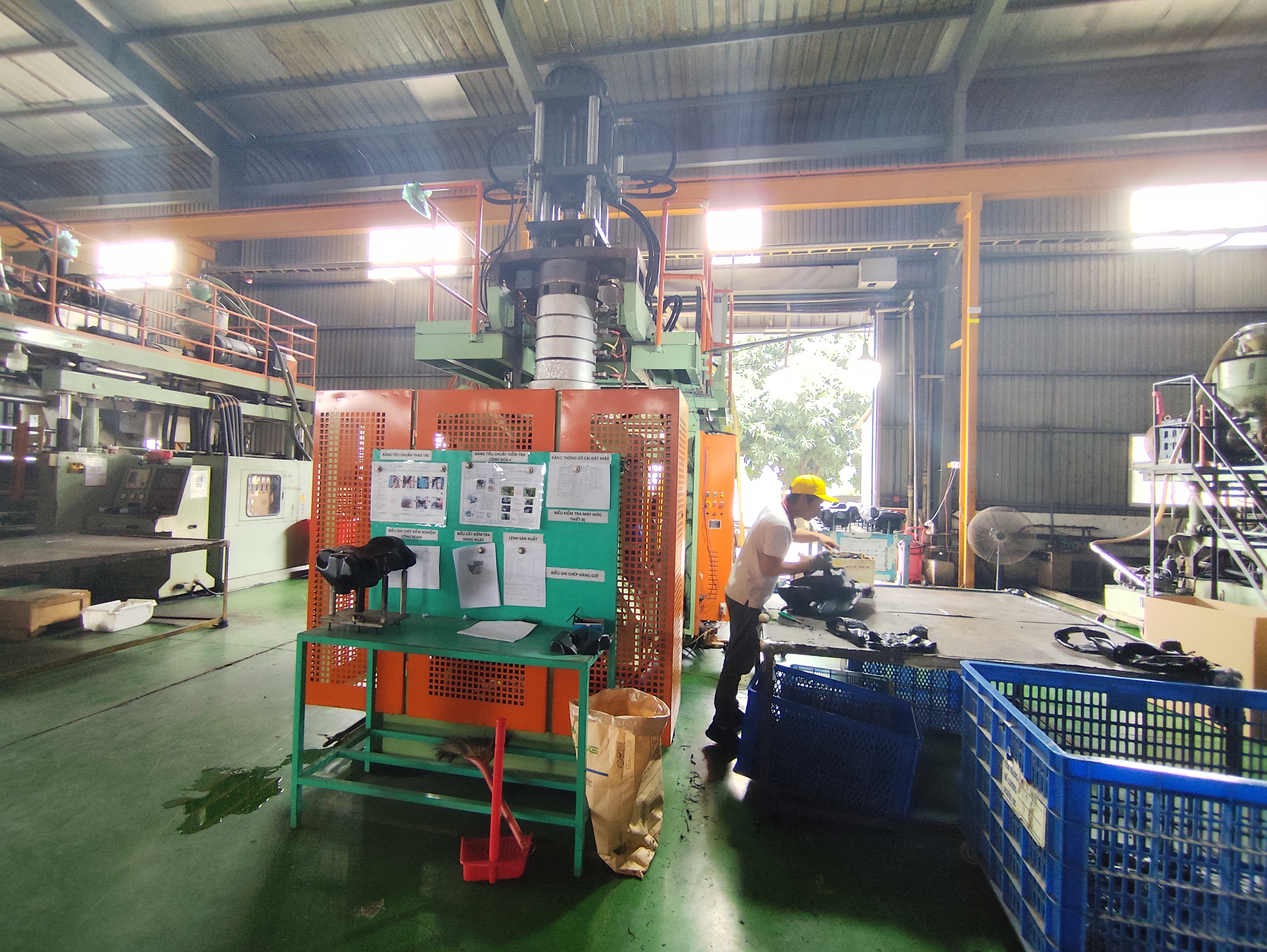
In a prototype run, we typically use general-purpose equipment — a CNC laser cutter, a press brake with quick-change tooling, maybe a manual welding station. There is no dedicated die. No progressive stamping setup. Each part gets individual attention from a skilled operator. That flexibility is the whole point: it lets us iterate fast, catch design flaws, and validate form, fit, and function before committing capital.
But flexibility has a price. Operator labor per unit is high. Machine utilization is low because we are constantly adjusting setups. And material waste tends to be worse because we are not nesting parts on sheets with the same optimization we use at volume.
Where the Money Goes in Mass Production
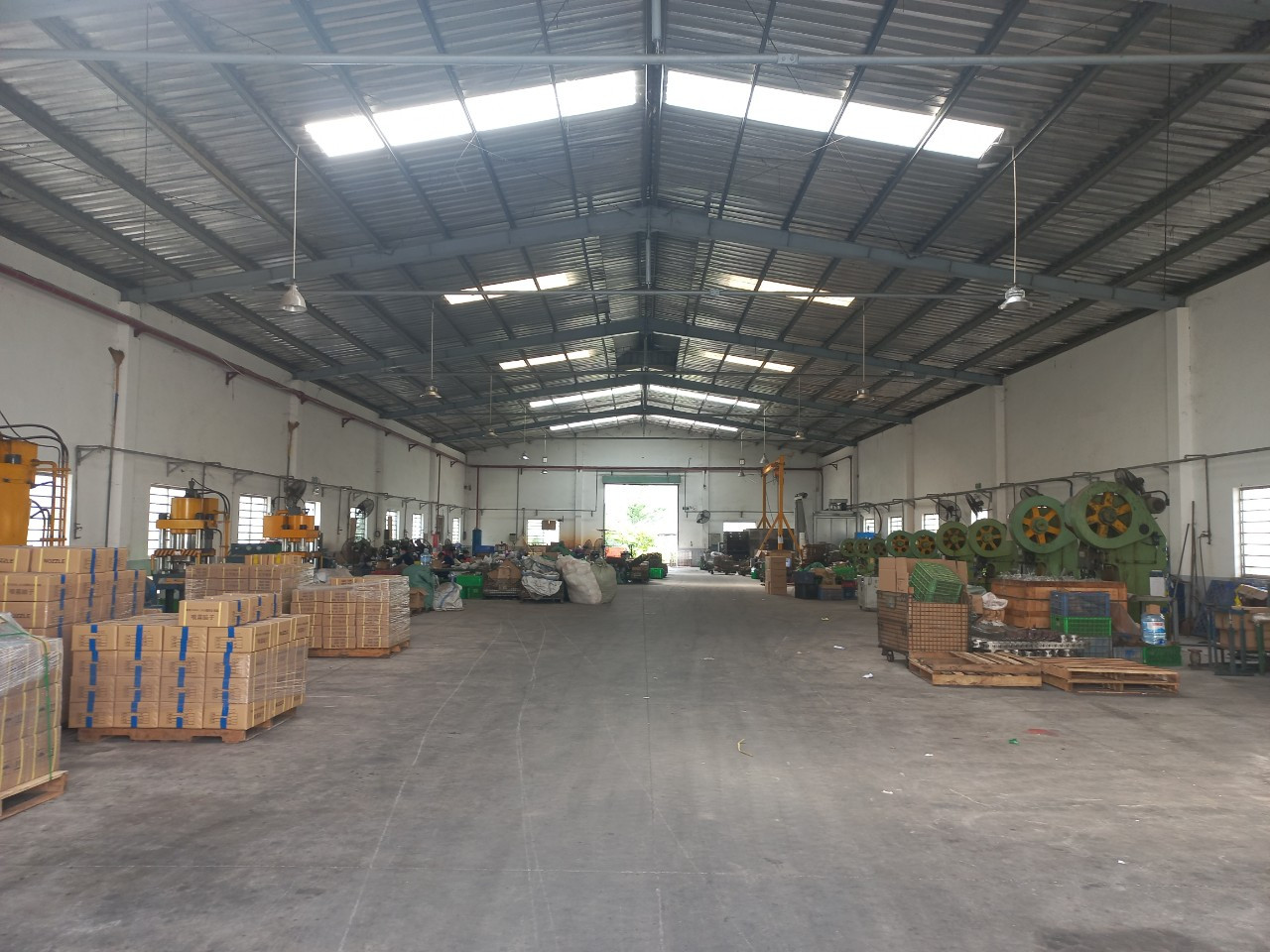
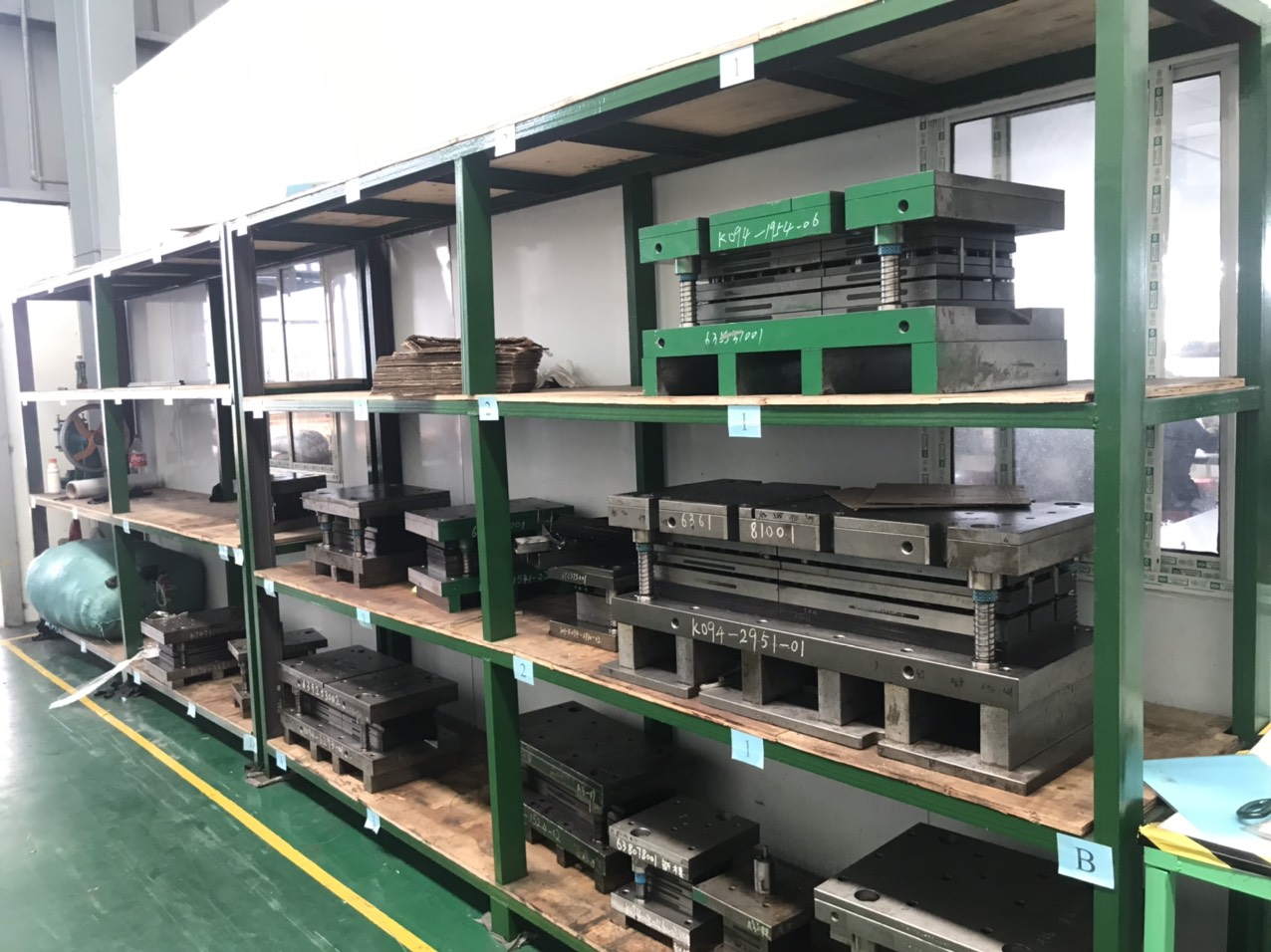
Mass production flips that equation. The upfront tooling costs — stamping dies, custom fixtures, automated bending programs — are significant. A progressive die 3 for a moderately complex bracket can run $15,000 to $40,000. But once it is built and qualified, that die can stamp parts in seconds instead of minutes.
Here is a simplified cost comparison we often share with clients:
| Cost Factor | Prototype (1–50 units) | Mass Production (5,000+ units) |
|---|---|---|
| Tooling investment | $0 – $2,000 (soft tooling) | $5,000 – $50,000+ (hard tooling) |
| Cost per part | $40 – $150 | $3 – $15 |
| Setup time per run | 1 – 4 hours | Minutes (once tooling is installed) |
| Cycle time per part | 15 – 60 minutes | Seconds to a few minutes |
| Material waste | Higher (less optimization) | Lower (optimized nesting) |
The Gray Area: Pilot Runs of 50–500 Units
Many of our clients land in an awkward middle zone. They have validated their prototype, but they are not ready for a 10,000-unit commitment. Pilot runs of 50 to 500 units use short-run tooling — less expensive than production dies but more efficient than prototype setups. We find this bridge step is essential for working out assembly processes and confirming dimensional tolerances before the big investment.
The key takeaway: do not skip the cost-modeling conversation. We always walk clients through a breakeven analysis 4 so they can see exactly where the tooling investment starts paying for itself.
Can I expect the same level of precision and quality control in my bulk order as I saw in my initial prototype?
A purchasing manager in Ohio once told us, "My prototype was flawless — then the first production shipment had three different bend-angle deviations." That experience is more common than most people think, and it usually traces back to gaps in process planning, not a decline in capability.
Yes, you can achieve equal or better precision in mass production, but only if you invest in robust quality control systems — including PPAP documentation, in-process inspections, custom jigs and fixtures, and statistical process control — that replace the hand-fitted attention your prototype received.

Why Prototype Precision Can Be Misleading
During prototyping, a skilled operator often hand-adjusts each part. They might tweak a bend angle by feel, deburr an edge with extra care, or re-run a laser cut to hit a tight tolerance. The result looks and measures perfectly. But that level of individual attention does not scale.
In mass production, you need systems that guarantee consistency without operator intervention on every piece. That means:
- Dedicated fixtures and jigs that hold parts in the exact same position every cycle.
- Automated inspection stations — coordinate measuring machines (CMMs) 5, vision systems, or go/no-go gauges embedded in the production line.
- Statistical process control (SPC) charts that flag drift before it becomes a defect.
- Material traceability so every batch of raw sheet metal can be linked back to mill certificates.
How We Manage the Transition
Our approach at DEWIN is to build quality control into the production process, not bolt it on at the end. During the PPAP phase, we work with the supplier to define control plans, confirm dimensional tolerances on first articles, and set inspection frequencies. This is especially critical for sheet metal because springback — the tendency of bent metal to partially return to its original shape — behaves differently across material lots.
Here is how quality control typically scales:
| Quality Activity | Prototype Phase | Mass Production Phase |
|---|---|---|
| Inspection method | Manual measurement, calipers, basic CMM | Automated CMM, SPC, vision systems |
| Inspection frequency | 100% of parts | First article + sampling per AQL standards |
| Process documentation | Minimal | Full control plan, FMEA, PPAP |
| Fixture usage | General-purpose clamps | Custom jigs and go/no-go gauges |
| Surface finishing check | Visual only | Standardized finish specs with gloss/roughness meters |
| Material traceability | Often informal | Full lot traceability with mill certs |
Dimensional Tolerances: Prototype vs. Production
Prototypes often hold tolerances of ±0.1 mm or better because each part is individually verified. In mass production, achievable tolerances depend on the metal stamping process, the material grade, and the tooling quality. A well-built progressive die can hold ±0.05 mm on critical features — actually tighter than many prototype methods — but only if the die is properly maintained and the material is consistent.
The bottom line: production precision can match or exceed prototype precision. But it requires planning, investment, and a quality system that catches problems before they reach the shipping dock.
What design adjustments do I need to make to ensure my prototype is optimized for high-volume manufacturing?
We once received a beautifully designed sheet metal enclosure with twelve different bend radii, five unique fastener types, and internal features that required four separate welding operations. The prototype looked stunning. Making 5,000 of them economically? That was a different story entirely.
To optimize a sheet metal prototype for high-volume manufacturing, simplify bend geometries, standardize hardware, minimize secondary operations, ensure uniform material thickness, and follow design for manufacturability principles — reducing part count, weld joints, and tight-tolerance features wherever possible.
The Core Principle: Design for Manufacturability
Design for manufacturability 6 (DFM) is the practice of adjusting a design so it can be produced efficiently, consistently, and at lower cost — without sacrificing function. In sheet metal fabrication 7, DFM focuses on several key areas.
Bend geometry. Standardize bend radii across the part. Each unique radius may require a different punch, which adds setup time and tooling cost. Our engineering team typically recommends using a bend radius equal to the material thickness as a default. For more detail on achievable accuracy, see our guide on typical bending angle accuracy ranges in sheet metal fabrication.
Hole and feature placement. Keep holes and cutouts away from bend lines. A general rule: maintain a distance of at least 2× material thickness between the edge of a hole and the start of a bend. This prevents distortion.
Material selection. Choose a single material grade and thickness for the entire part when possible. Mixing thicknesses means multiple blanking setups and more complex assembly. For most commercial enclosures and brackets, we find that 1.0 mm to 3.0 mm cold-rolled steel 8 or aluminum covers the majority of applications.
A Practical DFM Checklist
Here is the checklist we use internally when reviewing a client's prototype drawing before quoting mass production:
| DFM Factor | Prototype Approach | Recommended Production Approach |
|---|---|---|
| Bend radii | Multiple unique radii | Standardize to 1–2 radii |
| Fastener types | Mixed (rivets, screws, clips) | Standardize to 1–2 types |
| Weld joints | Complex multi-pass welds | Reduce joints; use tabs/slots instead |
| Material thickness | May vary across sub-parts | Uniform thickness where possible |
| Surface finishing | Hand-finished, custom | Specify repeatable automated finish |
| Tolerance callouts | Tight on all dimensions | Tight only on critical features |
| Part count in assembly | High (many sub-components) | Consolidate into fewer stampings |
Secondary Operations: The Hidden Cost Driver
Every secondary operation — tapping, countersinking, deburring, powder coating, silk screening — adds time, labor, and potential for defects. During prototyping, these steps are manageable because volumes are tiny. At scale, they multiply.
We advise clients to question every secondary operation. Can a self-clinching fastener replace a tapped hole? Can a formed tab replace a welded bracket? Can the part be designed so the laser-cut edge is the finished edge, eliminating a deburring step?
When CNC Machining Might Be the Better Path
Not every prototype should become a stamped sheet metal part. If the design requires intricate three-dimensional geometries, blind features like threaded bosses, or extremely tight tolerances on complex surfaces, CNC machining may be more suitable for production — even at higher volumes. Sheet metal fabrication excels at flat, folded, angular, and modular shapes: enclosures, chassis, housings, panels with perforations and vents. Recognizing which process fits your geometry early saves costly redesigns later. To understand how different types and classifications of sheet metal fabrication apply, review the options before committing to a production method.
How do the lead times and logistics requirements differ when I move from small-batch testing to full-scale production?
A trade-off we weigh on nearly every project is the tension between speed-to-market in the prototype phase and the long planning horizon that mass production demands. Clients who expect production-run deliveries on prototype-run timelines often face painful surprises.
Prototype lead times are typically 1–3 weeks because they skip dedicated tooling and use flexible equipment. Mass production lead times extend to 8–16 weeks or more, factoring in tooling fabrication, first-article approval, raw material procurement, production runs, surface finishing, inspection, and international shipping logistics.
Breaking Down the Timeline
The manufacturing lead time for a prototype is short because the scope is narrow. We laser-cut, bend, and weld a handful of parts using stock material already on the shelf. There is no tooling to build, no PPAP to complete, and shipping a small box by air freight is cheap.
Mass production adds layers. Here is a realistic timeline breakdown for a typical sheet metal production order sourced from our partner facilities in Vietnam or other Asian suppliers:
| Phase | Prototype Timeline | Mass Production Timeline |
|---|---|---|
| Design review and DFM | 1–3 days | 1–2 weeks |
| Tooling fabrication | None (soft tooling only) | 4–8 weeks |
| Raw material procurement | From stock | 2–4 weeks (bulk order) |
| First-article inspection / PPAP | 1–2 days | 1–2 weeks |
| Production run | 1–3 days | 2–6 weeks |
| Surface finishing and assembly | 1–2 days | 1–3 weeks |
| Final inspection and packing | Same day | 3–5 days |
| Shipping (sea freight 9 to U.S.) | Air freight: 3–5 days | Sea freight: 4–6 weeks |
| Total | 1–3 weeks | 8–16+ weeks |
Supply Chain Complexity at Scale
Prototype supply chains are nimble. We source a single sheet of aluminum locally, cut it, and ship it. Production supply chains involve bulk purchasing from qualified mills, incoming material inspection, vendor audits, and backup sourcing plans. Any disruption — a mill delay, a customs hold, a quality issue at the coating vendor — can cascade through the timeline.
Our team manages this by building buffer into the schedule and qualifying secondary suppliers before production begins. We also use real-time tracking and regular status updates so our U.S. clients always know where their order stands.
Logistics: From a Small Box to a Container
Shipping 10 prototypes is trivial. Shipping 10,000 stamped brackets requires freight planning: pallet configurations, moisture protection, custom packaging to prevent scratches on finished surfaces, container booking, customs documentation, and delivery scheduling at the client's warehouse.
We handle door-to-door logistics management as part of our service, which means the client does not have to coordinate between the factory, the freight forwarder, and the customs broker. This is especially important for clients importing into the U.S., where tariff classifications and country-of-origin documentation must be accurate.
Planning Ahead Is Non-Negotiable
The single biggest mistake we see is treating production ordering like prototype ordering. Clients who plan 16 weeks ahead get their parts on time. Clients who plan 4 weeks ahead get delays. The transition from low-volume production to full-scale manufacturing is not just a scaling exercise — it is a fundamentally different planning discipline.
Conclusion
Prototyping and mass production in sheet metal fabrication serve different purposes, demand different investments, and require different planning horizons — but together, they form the complete path from concept to delivered product at scale.
Frequently Asked Questions
How will my unit costs and tooling expenses change when I transition from a sheet metal prototype to mass production?
One lesson we learned early in our Vietnam facility was that a prototype costing $85 per unit could drop below $8 at volume — but only after a tooling investment that made more than a few purchasing managers pause before signing off statistical process control 2 .
Can I expect the same level of precision and quality control in my bulk order as I saw in my initial prototype?
A purchasing manager in Ohio once told us, "My prototype was flawless — then the first production shipment had three different bend-angle deviations." That experience is more common than most people think, and it usually traces back to gaps in process planning, not a decline in capability.
What design adjustments do I need to make to ensure my prototype is optimized for high-volume manufacturing?
We once received a beautifully designed sheet metal enclosure with twelve different bend radii, five unique fastener types, and internal features that required four separate welding operations. The prototype looked stunning. Making 5,000 of them economically? That was a different story entirely.
Footnotes
1. Replaced HTTP 404 link with a comprehensive guide to PPAP documentation requirements from Fictiv. ↩︎
2. Replaced HTTP 403 link with an authoritative Wikipedia page on statistical process control. ↩︎
3. Replaced HTTP 403 link with an authoritative Wikipedia page explaining progressive stamping. ↩︎
4. Provides a clear definition and purpose of breakeven analysis. ↩︎
5. Describes the equipment used for precise measurement of physical objects. ↩︎
6. Defines the engineering practice of optimizing designs for efficient production. ↩︎
7. Defines the process of transforming flat metal sheets into shapes. ↩︎
8. Replaced HTTP 404 link with a page explaining cold-rolled steel from Worthington Steel, a relevant industry source. ↩︎
9. Explains the method of transporting large quantities of goods by sea. ↩︎