
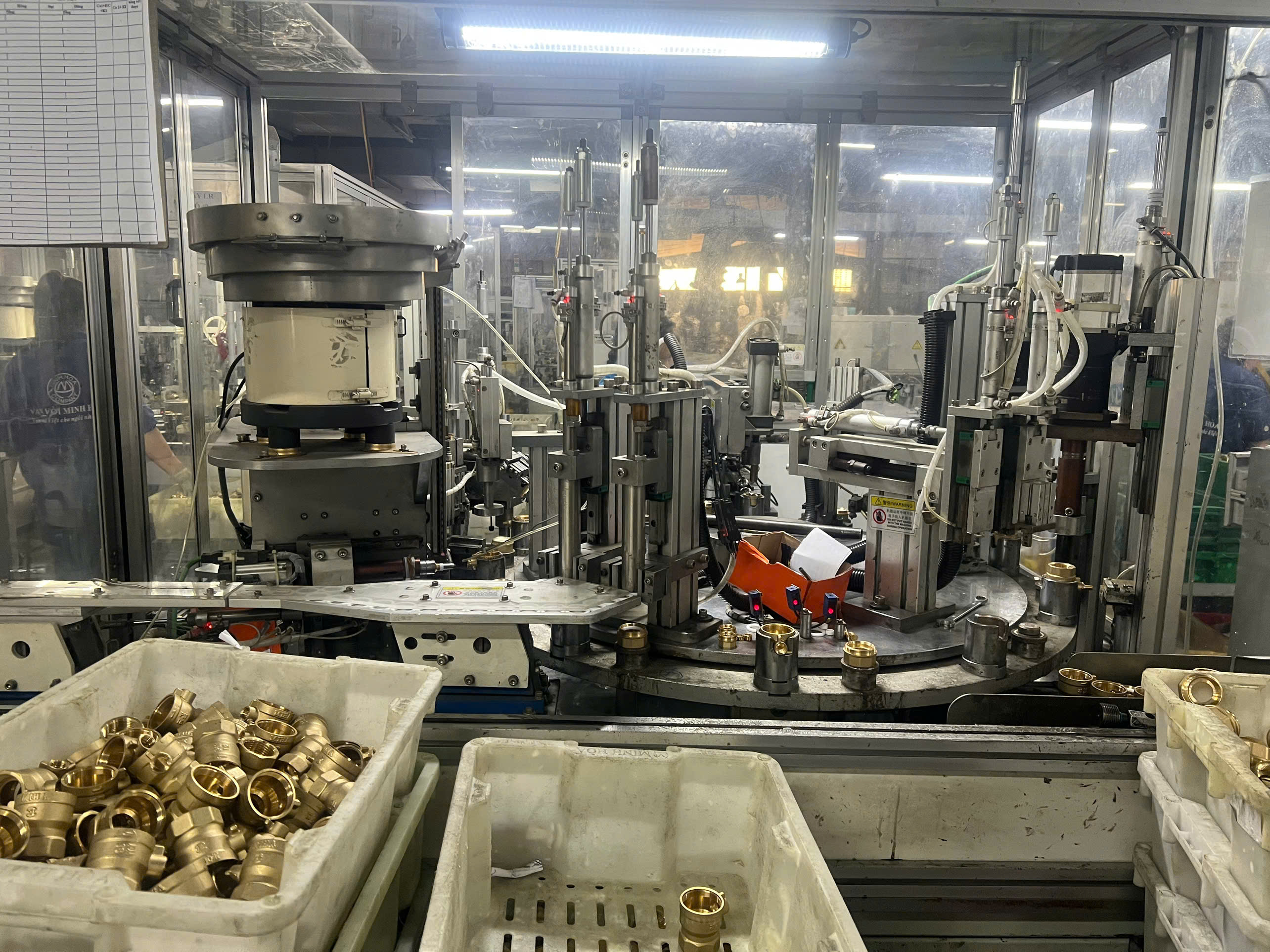
I learned the hard way that skipping material certificates on sheet metal orders creates real headaches—rejected parts, failed audits, and costly rework that nobody budgets for.
To request ASTM-compliant material certificates when sourcing sheet metal fabrication, specify the exact ASTM grade and certificate type (MTR, MTC, or CoC) in your purchase order or RFQ, require heat number traceability, and verify the document’s authenticity before approving final shipment.
This guide walks through every step of the process, from what to verify on a mill test report to handling local material equivalents. Whether you source from Vietnam, Taiwan, or India, these practices will protect your supply chain.
What specific details must I verify on an ASTM material certificate to ensure my sheet metal meets US standards?
A buyer we work with in the Midwest once received a certificate that listed "ASTM compliant" without naming a single specific standard—no grade, no heat number, no mechanical properties 1. That shipment sat in a warehouse for three weeks while everyone scrambled.
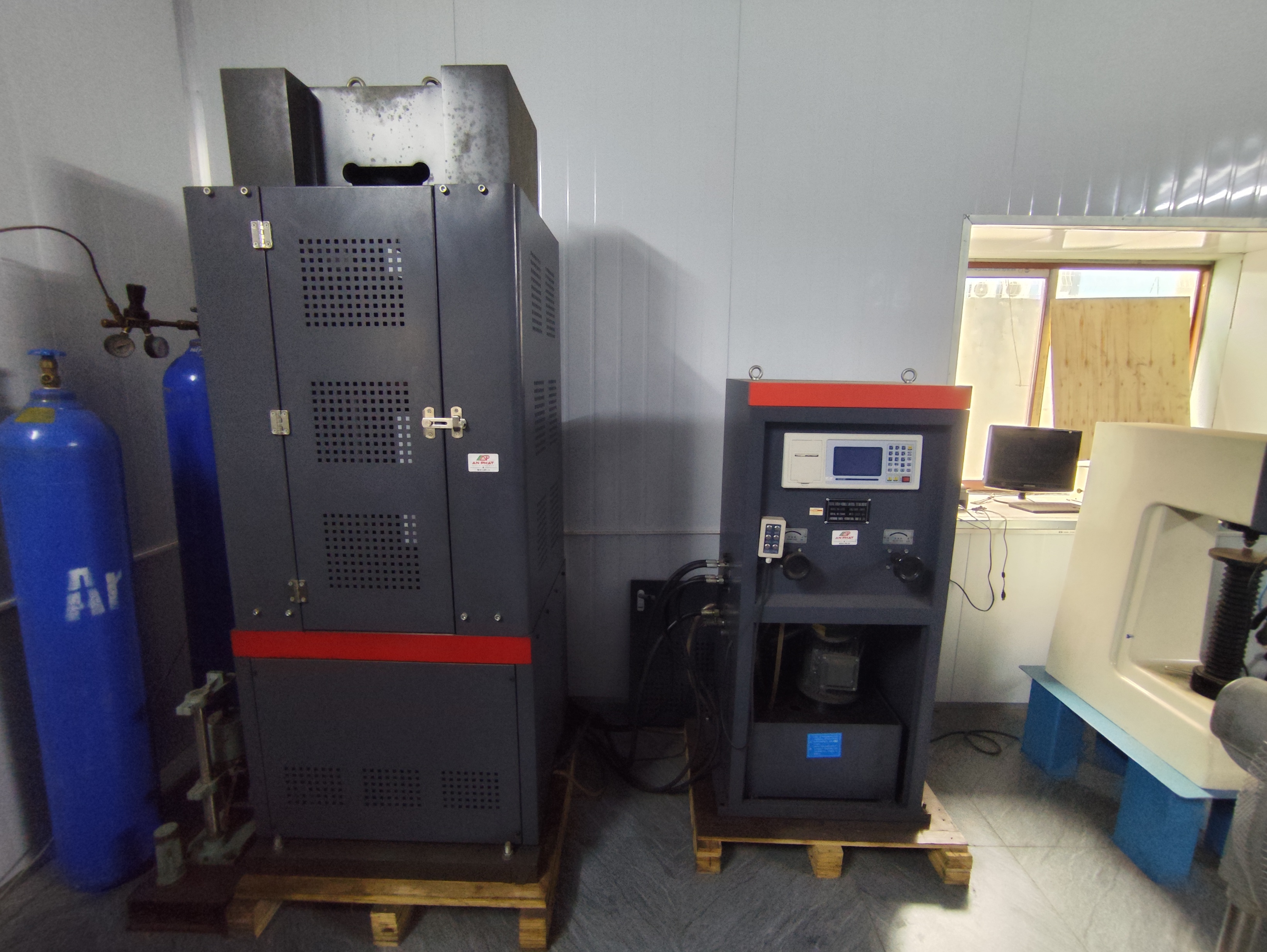
Verify the exact ASTM grade designation, heat number, chemical composition percentages, mechanical properties (tensile and yield strength), the producing mill's official QC stamp, and the production country. Every data point must match the physical material markings.
Understanding the Three Certificate Types
Before you check any details, you need to know what kind of document you are looking at. There are three primary forms of material certification, and they serve different purposes.
| Certificate Type | What It Proves | Level of Detail | When to Use |
|---|---|---|---|
| Mill Test Report (MTR) 2 | Chemical and mechanical test results from the producing mill | High — includes heat number, element percentages, tensile/yield data | Critical structural or regulated parts |
| Mill Test Certificate (MTC) | Same as MTR; often used interchangeably in practice | High | Projects referencing EN 10204 3.1 |
| Certificate of Conformance (CoC) 3 | States the material conforms to a named standard | Low — no test data, just a declaration | Non-critical or supplementary documentation |
A common mistake is treating a CoC as equivalent to an MTR. A certificate of conformance only declares that the material meets a standard. It does not show you the chemical composition 4 or mechanical properties. For raw material verification against ASTM requirements, you need the MTR.
The Must-Check Data Points
When our quality team in Vietnam reviews incoming material for a sheet metal fabrication 5 project, we use a simple checklist. Here is what every purchasing manager should confirm:
- Material grade: The certificate must cite the exact ASTM standard. "ASTM A36 6" is valid. "ASTM steel" is not.
- Heat number: This number links the certificate to a specific batch of material. It must match the stamp or label on the physical sheet metal. If these do not match, material traceability is broken.
- Chemical composition: Look for element percentages—carbon, manganese, phosphorus, sulfur, silicon, and others depending on the alloy. Compare them to the ASTM specification limits.
- Mechanical properties: Tensile strength, yield strength, and elongation percentage must fall within the ASTM-specified range.
- Mill QC stamp: An official stamp or signature from the producing mill's quality control department. Without this, the document is not an authenticated mill test report.
- Production country: Especially important for DFARS-compliant or Buy America projects.
A Quick Reference for Common Sheet Metal ASTM Grades
| ASTM Standard | Material | Key Properties to Verify |
|---|---|---|
| ASTM A36 | Structural carbon steel | Yield strength ≥ 250 MPa, tensile 400–550 MPa |
| ASTM A240 7 | Stainless steel (304, 316) | Cr and Ni percentages, corrosion resistance class |
| ASTM B209 | Aluminum alloy sheet | Alloy and temper designation, tensile strength |
| ASTM A1008 | Cold-rolled carbon steel sheet | Surface finish, formability grade |
| ASTM B633 | Zinc-coated steel | Coating class/type (e.g., Fe/Zn 8, Type III) |
Missing even one of these data points can invalidate a certificate for audit purposes. In our experience exporting to the US, we have seen auditors reject entire shipments because the heat number on the MTR did not match the physical material stamp. That single mismatch cost our client weeks of delay.
How can I confirm that my overseas supplier is providing authentic MTRs before I authorize the final shipment?
One trade-off we constantly weigh is speed versus verification depth. Rushing to approve a shipment saves a few days, but releasing product against a questionable MTR can trigger recalls, audit failures, or worse—field failures in the end application.
Confirm MTR authenticity by cross-checking the heat number on the certificate against the physical material stamp, verifying the issuing mill's identity, requesting third-party lab testing for critical projects, and conducting supplier qualification audits that include document control procedures.
Why Fake or Inaccurate MTRs Happen
The problem is not always deliberate fraud. In many cases, overseas suppliers receive material from multiple sub-suppliers. Certificates get mixed up, photocopied from old batches, or generated by the fabricator rather than the original mill. The result is the same: the document does not represent the actual material in front of you.
Our team in Vietnam has encountered situations where a supplier provided an MTR with a heat number that did not exist in the mill's records. When we pushed for clarification, it turned out the sheet metal had been sourced from a secondary trader who had lost the original paperwork. This is more common than most buyers realize.
A Step-by-Step Verification Process
Here is the process we follow for every shipment that requires ASTM-compliant documentation:
Step 1: Require original mill documents. Specify in the purchase order that only original MTRs from the producing mill are acceptable. Fabricator-generated certificates are not substitutes.
Step 2: Match heat numbers physically. When material arrives at the fabrication facility—or at final inspection—verify that the heat number stamped or etched on the sheet metal matches the number on the MTR. If your inspector cannot find a stamp, that is a red flag.
Step 3: Contact the mill directly. For high-value or safety-critical orders, call or email the producing mill to confirm that the heat number and test results are genuine. Many established mills maintain databases for this purpose.
Step 4: Request third-party testing. For aerospace, defense, or medical applications, commission an independent laboratory to run chemical and mechanical tests on a sample. Compare those results to the MTR. If the data aligns within acceptable tolerances, the document is credible.
Step 5: Audit the supplier's document control system. During supplier qualification, check how the fabricator stores, tracks, and links MTRs to specific production lots. ISO 9001-certified facilities 8 typically have formal procedures for this. A supplier who cannot show you a clear document trail is a risk.
Red Flags to Watch For
Not every discrepancy means fraud, but these warning signs deserve investigation:
- The MTR lacks a mill letterhead or official QC stamp.
- Chemical composition values are suspiciously round numbers (e.g., exactly 0.20% carbon for every heat).
- The same heat number appears on certificates for orders placed months apart.
- The supplier resists sharing the mill's contact information.
- Test results fall exactly on the boundary of ASTM specification limits with no margin.
Regulatory compliance in industries like aerospace and defense demands full material traceability from the raw material source to the finished part. Roughly 70% of aerospace and defense contracts require DFARS-compliant MTRs with complete heat number traceability 9. Skipping verification is simply not an option.
At what stage of the procurement process should I request material certifications to avoid production delays?
A lesson we learned early in our supply chain management work is this: requesting certificates after production starts almost always causes delays. The fabricator has already cut the metal, formed it, and welded it before anyone realizes the MTR is missing or incorrect.
Request material certifications at the RFQ and purchase order stage—before production begins. Specify the exact ASTM standard, certificate type, and traceability requirements upfront so your supplier sources the correct certified material and avoids costly mid-production disruptions.
Mapping Certification Requests to the Procurement Timeline
Timing matters more than most buyers expect. Here is how we structure certification requirements across the procurement lifecycle for our US clients:
| Procurement Stage | Certification Action | Why It Matters |
|---|---|---|
| RFQ / Quoting | State ASTM grade and certificate type in the RFQ document | Supplier prices in certified material; avoids cost surprises later |
| Purchase Order | Include formal language: "Material must include ASTM-compliant MTR with heat number traceability" | Creates a contractual obligation; protects you legally |
| Pre-Production | Verify supplier has sourced certified material before cutting begins | Prevents rework if wrong grade was procured |
| In-Process Inspection | Confirm heat numbers on raw material match incoming MTRs | Catches mix-ups before fabrication is complete |
| Final Inspection | Collect and review all certificates against the finished parts | Ensures complete documentation package ships with the order |
| Post-Shipment | Archive certificates for audit readiness | Supports regulatory compliance and warranty claims |
The Cost of Late Requests
When a buyer waits until the final inspection stage to ask for an MTR, several things can go wrong. The fabricator may have purchased non-certified material because the PO did not require it. Or the supplier used a different heat of material for part of the run and cannot provide a single matching certificate. In either case, the options are bad: re-manufacture with certified material, or accept the parts without proper documentation.
On quoting platforms, adding certification requirements typically increases project cost by 5–15% and lead time by one to three days. That is a small price compared to the cost of scrapping a completed batch.
Contract Language That Works
I have seen purchase orders that say "provide material certs" with no further detail. That vague language gives the supplier room to send a generic CoC instead of a full MTR. Here is the kind of language we recommend our clients use:
"All sheet metal material shall conform to [ASTM A36 / ASTM A240 / etc.]. Supplier shall provide original Mill Test Reports per EN 10204 Type 3.1, including heat number, chemical composition, and mechanical properties. Heat numbers must be traceable to the physical material. Certificates shall accompany the shipment and be available for review at final inspection."
This language removes ambiguity. It tells the supplier exactly what standard, what document type, and what data points you expect. It also establishes when the documents must be available.
For projects with longer lead times, we build a PPAP (Production Part Approval Process) stage into the timeline. During PPAP, the supplier submits sample parts along with all supporting documentation—including MTRs—for approval before full production begins. This catches material issues before they scale.
How do I handle situations where my supplier offers local material equivalents instead of the exact ASTM grade I specified?
During a recent project sourcing precision sheet metal brackets from a facility in Southeast Asia, the supplier proposed using a local equivalent grade instead of the ASTM A36 we had specified. Their argument was straightforward: it costs less, it is locally available, and "it is basically the same thing."
When a supplier offers a local equivalent, request the equivalent grade's full material data sheet and MTR, compare chemical composition and mechanical properties side by side with the ASTM specification, get engineering approval for the substitution, and document the deviation formally in your quality records.
Why Equivalents Are Not Always Equal
Material standards vary by country. JIS (Japan), GB (China), KS (Korea), and TCVN (Vietnam) each define grades that may overlap with ASTM specifications but are not identical. Differences can appear in allowable ranges for specific elements, testing methods, or mechanical property thresholds. Understanding which ASTM vs JIS material grade standards matter is critical when evaluating these substitutions.
For example, ASTM A36 structural steel has a minimum yield strength of 250 MPa. A local equivalent might specify 235 MPa. That 15 MPa gap could matter in a load-bearing bracket or a mounting component that sees cyclic stress.
A Comparison Framework
When a supplier proposes a substitution, we use this comparison framework:
| Comparison Criteria | ASTM Grade (Specified) | Local Equivalent (Proposed) | Acceptable? |
|---|---|---|---|
| Yield strength | ≥ 250 MPa | Check MTR value | Only if it meets or exceeds ASTM minimum |
| Tensile strength | 400–550 MPa | Check MTR value | Must fall within ASTM range |
| Carbon content | ≤ 0.26% | Check MTR value | Must not exceed ASTM limit |
| Manganese content | 0.60–0.90% (heat) | Check MTR value | Must fall within ASTM range |
| Phosphorus | ≤ 0.04% | Check MTR value | Must not exceed ASTM limit |
| Sulfur | ≤ 0.05% | Check MTR value | Must not exceed ASTM limit |
| Testing method | ASTM E8 (tensile) | May use ISO 6892 | Verify method equivalence |
Fill this table with the actual data from the proposed equivalent's MTR. If every value meets or exceeds the ASTM specification limits, the substitution may be technically acceptable. But "technically acceptable" is not the same as "approved."
The Approval Process
Never approve a material substitution at the purchasing level alone. Here is the process we follow:
- Collect full documentation. Get the local equivalent's MTR, the national standard specification document, and a cross-reference table from a recognized source.
- Send to engineering. Your design engineer or the end customer's engineering team must review the comparison and sign off. They understand the application loads, corrosion environment, and safety factors.
- Document the deviation. Create a formal deviation request or Engineering Change Notice. Record why the substitution was proposed, how equivalence was verified, and who approved it.
- Update the purchase order. Revise the PO to reflect the approved equivalent grade. Keep the original ASTM requirement visible for traceability.
- Require the MTR for the equivalent. Even if the grade name changes, you still need a full mill test report with heat number, chemical composition, and mechanical properties.
Industry standards exist for a reason. When a customer's drawing calls for ASTM A240 Type 304 stainless steel and the supplier offers a local 304-equivalent, the chemical composition—particularly chromium and nickel percentages—must match. A shortfall in chromium content directly reduces corrosion resistance, which defeats the purpose of specifying stainless steel in the first place.
Our quality assurance team has rejected substitutions that looked acceptable on paper but failed when we ran independent verification tests. The lesson is clear: trust the data, not the label.
Conclusion
Requesting ASTM-compliant material certificates 10 is not optional—it is the foundation of quality assurance, material traceability, and regulatory compliance in sheet metal fabrication. Specify requirements early, verify every detail, and never accept substitutions without engineering approval.
Frequently Asked Questions
What specific details must I verify on an ASTM material certificate to ensure my sheet metal meets US standards?
A buyer we work with in the Midwest once received a certificate that listed "ASTM compliant" without naming a single specific standard—no grade, no heat number, no mechanical properties 1 . That shipment sat in a warehouse for three weeks while everyone scrambled.
How can I confirm that my overseas supplier is providing authentic MTRs before I authorize the final shipment?
One trade-off we constantly weigh is speed versus verification depth. Rushing to approve a shipment saves a few days, but releasing product against a questionable MTR can trigger recalls, audit failures, or worse—field failures in the end application.
At what stage of the procurement process should I request material certifications to avoid production delays?
A lesson we learned early in our supply chain management work is this: requesting certificates after production starts almost always causes delays. The fabricator has already cut the metal, formed it, and welded it before anyone realizes the MTR is missing or incorrect.
Footnotes
1. Explains how a material responds to forces like tension, compression, bending, or twisting. ↩︎
2. Comprehensive guide defining MTRs, their contents, and importance in the metal industry. ↩︎
3. Explains CoC as a formal declaration that products meet specified requirements and standards. ↩︎
4. Defines chemical composition as the arrangement, ratio, and type of atoms in a substance. ↩︎
5. Explains the process of transforming flat metal sheets into specific shapes. ↩︎
6. Explains the standard specification for carbon structural steel, its properties and applications. ↩︎
7. Official ASTM standard specification for chromium and chromium-nickel stainless steel. ↩︎
8. Discusses benefits of ISO 9001 certification, including enhanced quality management. ↩︎
9. Explains how heat numbers provide traceability for consistent metal quality and compliance. ↩︎
10. Official ASTM site explaining certification programs and their requirements. ↩︎