
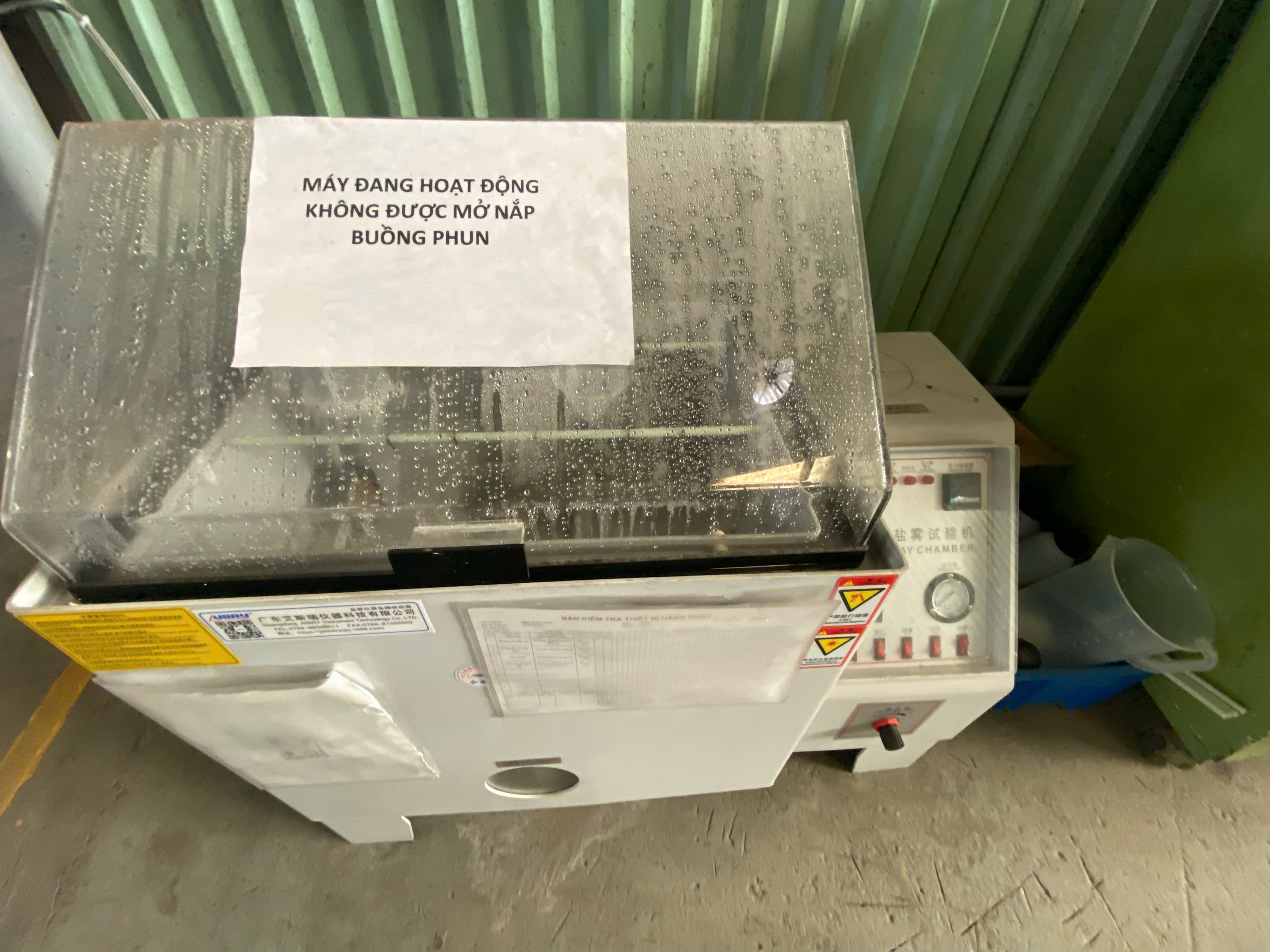
A buyer we work with in the U.S. recently rejected an entire shipment of powder-coated steel brackets — not because of dimensional errors, but because the coating peeled within weeks of outdoor installation ASTM G85 1. The root cause? No salt spray testing was ever specified or performed. That single oversight cost thousands in warranty claims and delayed the project by two months. This problem is far more common than most purchasing managers realize, and it gets worse when sourcing from overseas suppliers who may cut corners on surface treatment verification.
To request batch salt spray testing from sheet metal fabrication suppliers, specify the exact standard (ASTM B117 or ISO 9227), required test hours, sample quantity per batch, and acceptance criteria in your RFQ. Demand certified test reports with chamber parameters, photographic evidence, and traceability to each production batch.
This guide walks through every step — from writing the spec to verifying your supplier’s capability. Each section tackles a specific question buyers ask when adding accelerated corrosion testing to their procurement process for metal components.
How do I specify the required salt spray test hours and standards in my RFQ?
One lesson we learned early in our supply chain management work was that vague corrosion specs invite vague results. A client once wrote "parts must be corrosion resistant" on a drawing. Three suppliers quoted three different coatings, and none included any testing. The fix was simple: get specific in the RFQ.
In your RFQ, state the exact salt spray testing standard (e.g., ASTM B117 or ISO 9227 NSS), the required test duration in hours (e.g., 720H), the acceptance criteria (e.g., no red rust), sample size per batch, and the coating or surface treatment expected. This removes ambiguity and makes suppliers accountable.
Choose the Right Standard First
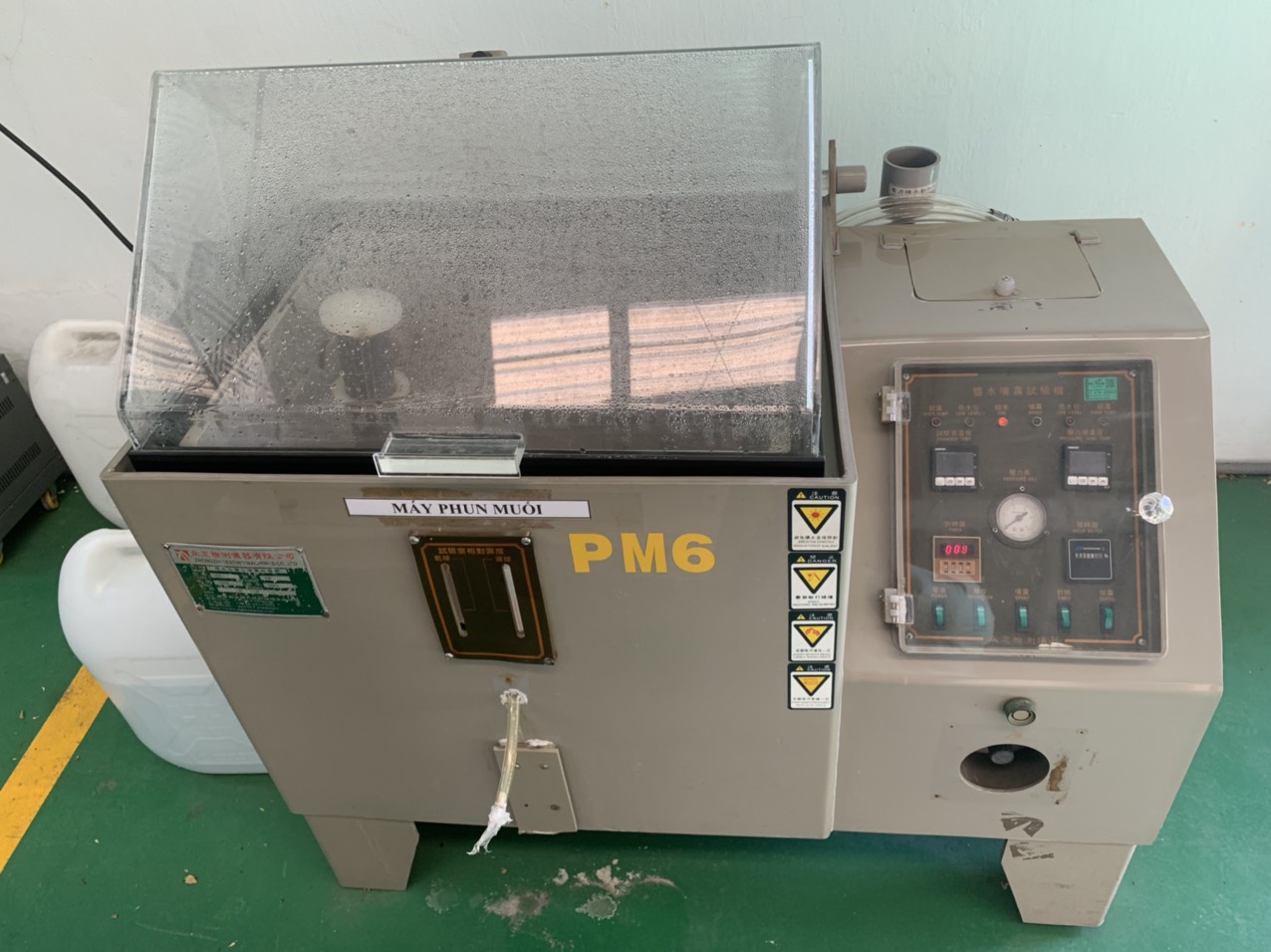
The two most widely referenced standards for salt spray testing are ASTM B117 2 and ISO 9227. Both describe essentially the same neutral salt spray 3 (NSS) test method — a 5% sodium chloride solution sprayed at 35°C ±1°C with a pH of 6.5–7.2. However, your customer's industry or region may dictate which one to use. U.S. automotive OEMs typically call out ASTM B117. European buyers lean toward ISO 9227 4. Japanese clients may reference JIS Z 2371. Always confirm which standard your end customer requires before passing it to your supplier.
Define the Test Duration
Test hours are the most critical number in your spec. They vary based on the protective coating and end-use environment. Here is a reference table we share with our clients:
| Coating / Surface Treatment | Typical Salt Spray Hours | Common Applications |
|---|---|---|
| Phosphated steel (oiled) | 8–24 hours | Indoor machinery parts |
| Electro-galvanized zinc | 96–240 hours | Indoor/light outdoor fasteners |
| Hot-dip galvanized steel 5 | 240–480 hours | Structural outdoor brackets |
| Zinc-nickel electroplating | 480–720 hours | Automotive underbody components |
| Powder coating 6 (60–80 µm) | 500–1000 hours | Outdoor enclosures, cabinets |
| Zinc flake coating | 720–1000 hours | Heavy-duty marine hardware |
If your sheet metal brackets will be installed outdoors in a coastal environment, specifying 720 hours is a reasonable starting point. For indoor-only use, 240 hours may suffice. Do not over-specify — it raises costs without adding value.
Write Clear Acceptance Criteria
Hours alone are not enough. You must define what constitutes a pass or fail. Common criteria include:
- No red rust 7 (base metal corrosion) on any rated surface
- White rust (zinc corrosion product) permitted only on edges or non-critical areas
- No blistering, peeling, or coating delamination
- Scribe lines (if required) may show controlled creep up to a defined width (e.g., ≤1 mm from scribe)
Specify Sample Size and Batch Definition
State clearly how many parts per batch must be tested and what constitutes a "batch." For example: "Test 3 random samples per production lot of 500 pieces. A lot is defined as parts produced in one continuous production run with the same coating batch." This prevents suppliers from cherry-picking their best parts for testing.
How can I verify that my supplier is actually performing the batch testing correctly?
During a supplier audit we conducted at a plating facility in Vietnam, we found the salt spray cabinet running at the wrong temperature — off by nearly 3°C. The supplier had not calibrated the equipment in over a year. Every test report they had issued during that period was unreliable. That experience reinforced a hard truth: you cannot trust a report you have not verified.
Verify your supplier's salt spray testing by auditing their chamber calibration records, checking for ISO/IEC 17025 lab accreditation or equivalent, reviewing daily test logs (temperature, pH, NaCl concentration), confirming sample traceability to your specific batch, and requesting before-and-after photographic documentation of tested specimens.
Check Equipment and Calibration
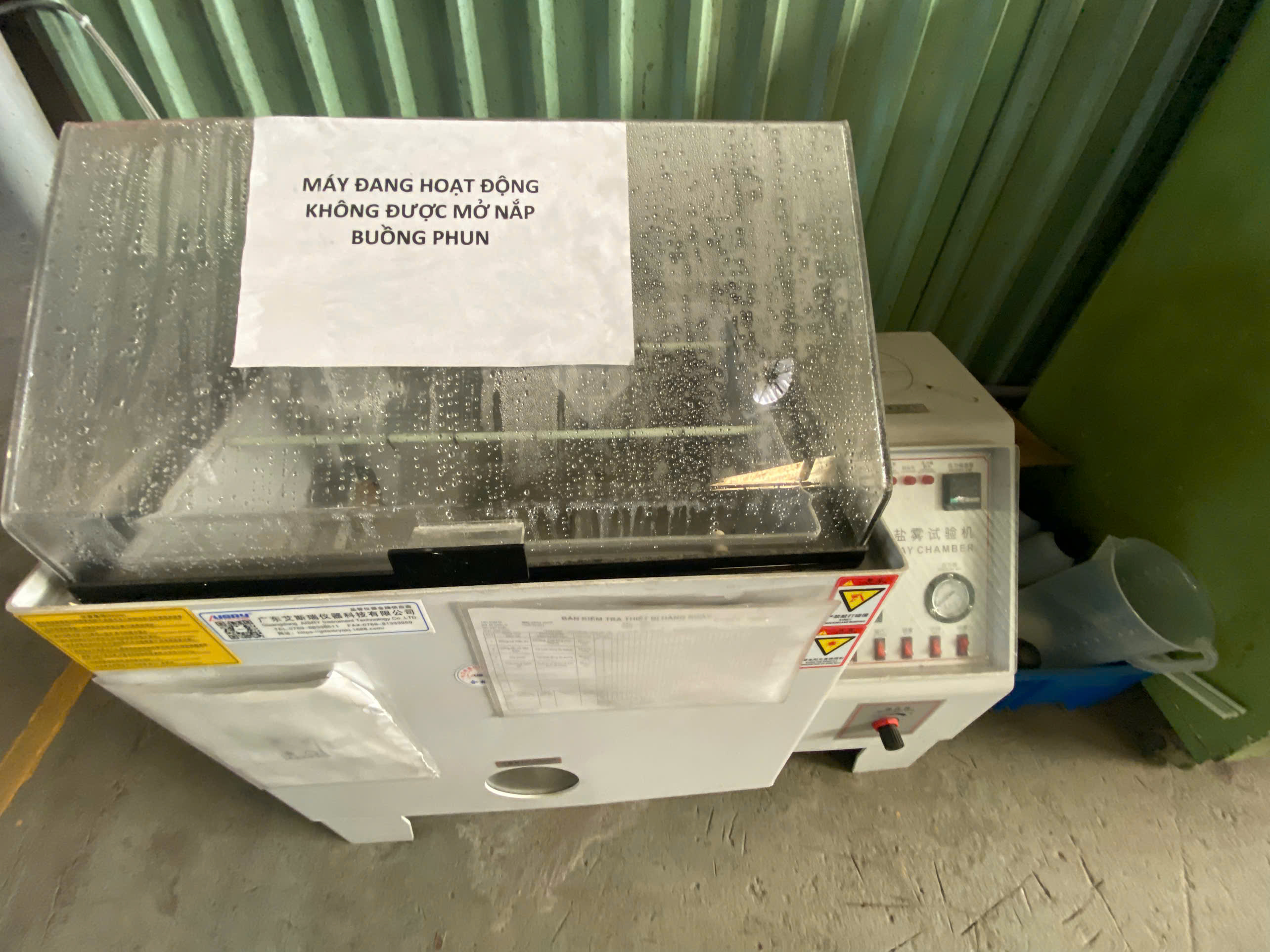
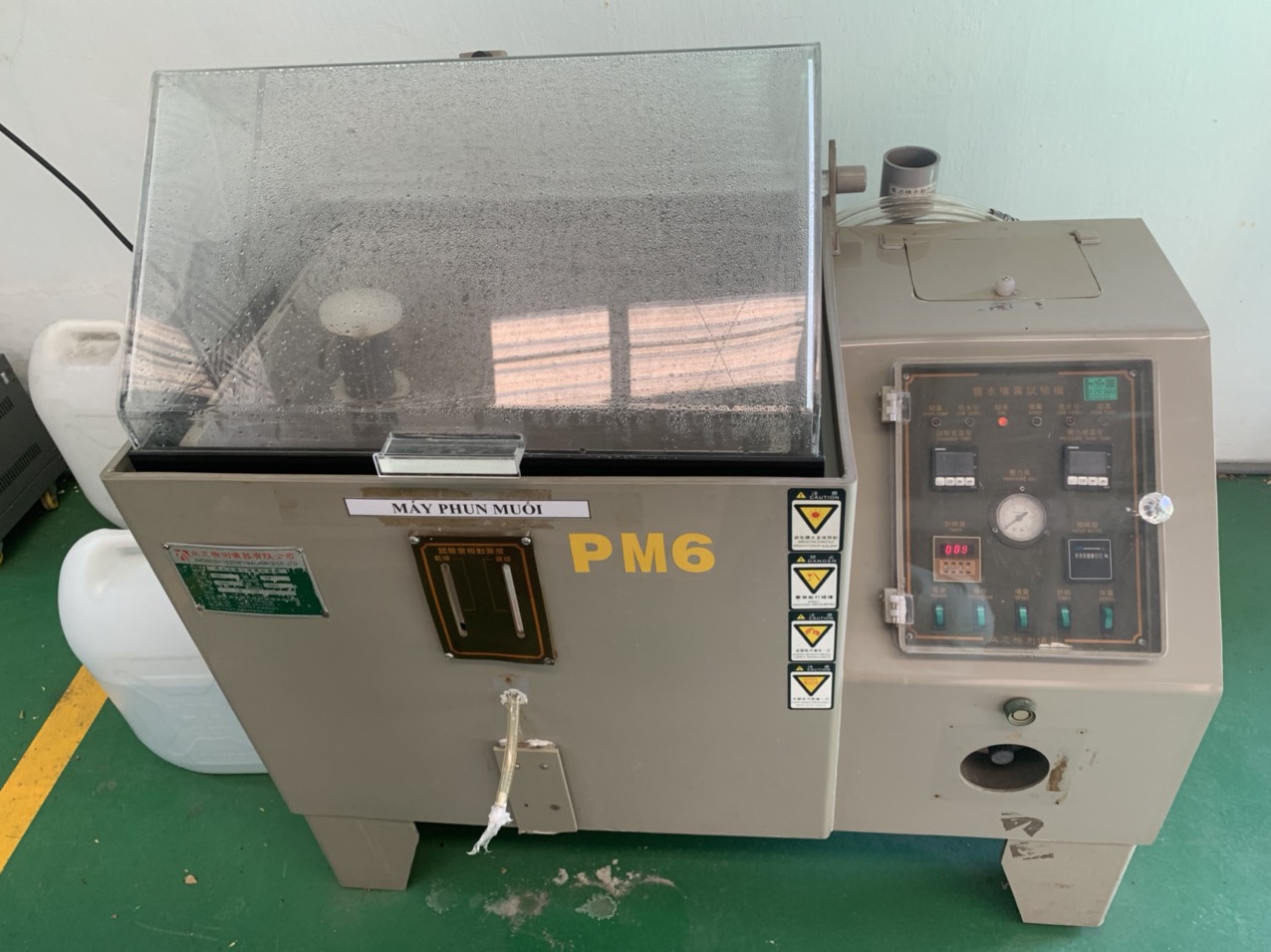
A legitimate salt spray test requires a properly maintained chamber. Ask your supplier whether they own a salt spray cabinet or outsource to a third-party lab. Both are acceptable, but the verification steps differ. If they own the equipment, request calibration certificates for the temperature sensor, the salt solution concentration meter, and the spray nozzle fallout rate. The fallout rate should be 1.0–2.0 ml/hour per 80 cm² collection area. If they outsource, confirm the third-party lab holds ISO/IEC 17025 accreditation for corrosion testing. ISO/IEC 17025 lab accreditation 8
Review Daily Test Logs
A proper test log should record the following parameters at regular intervals during the test:
| Parameter | Required Value | Acceptable Tolerance |
|---|---|---|
| Chamber temperature | 35°C | ±1°C |
| Salt solution concentration | 5% NaCl | ±1% |
| Solution pH | 6.5–7.2 (NSS) | Measured before each run |
| Spray fallout rate | 1.0–2.0 ml/hr/80 cm² | Checked daily |
| Air pressure to nozzle | Per equipment spec | Per equipment spec |
If a supplier cannot produce these logs, treat it as a red flag. We have seen cases where suppliers run the chamber for only a fraction of the claimed hours. Without logs, there is no proof.
Confirm Sample Traceability
Every tested sample must be traceable to your production batch. Ask for part serial numbers, lot numbers, or date codes on the test samples. We recommend marking samples before shipment to the test lab so you can confirm the tested parts actually came from your order, not from a previous run or a different customer's batch.
Demand Photographic Evidence
Request photos of each sample at the start of the test, at intermediate inspection intervals (e.g., every 24 or 48 hours for long tests), and at the conclusion. Photos should be high resolution, clearly labeled with the sample ID, and taken against a neutral background. This visual record is your strongest evidence if a dispute arises later.
Consider Third-Party Verification
For high-value or safety-critical parts, we often recommend our clients engage an independent testing lab to run a parallel salt spray test on random samples pulled from the same batch. This adds cost, but it provides an unbiased second opinion on the supplier's quality control claims.
How will adding salt spray testing requirements affect my project lead times and costs?
A question we hear in almost every new project kick-off is: "How much will this add to my unit price?" The honest answer depends on several factors — test duration, sample quantity, whether the supplier owns a chamber, and the coating spec itself. But we have found the cost is almost always less than the cost of a field failure.
Adding salt spray testing typically adds 2–7 days to your lead time (depending on the required test hours) and increases per-batch costs by $100–$500 for in-house testing or $200–$800 for third-party lab testing. Higher-hour specs (720H+) also require premium coatings, which raise per-unit material costs by 10–30%.
Lead Time Impact
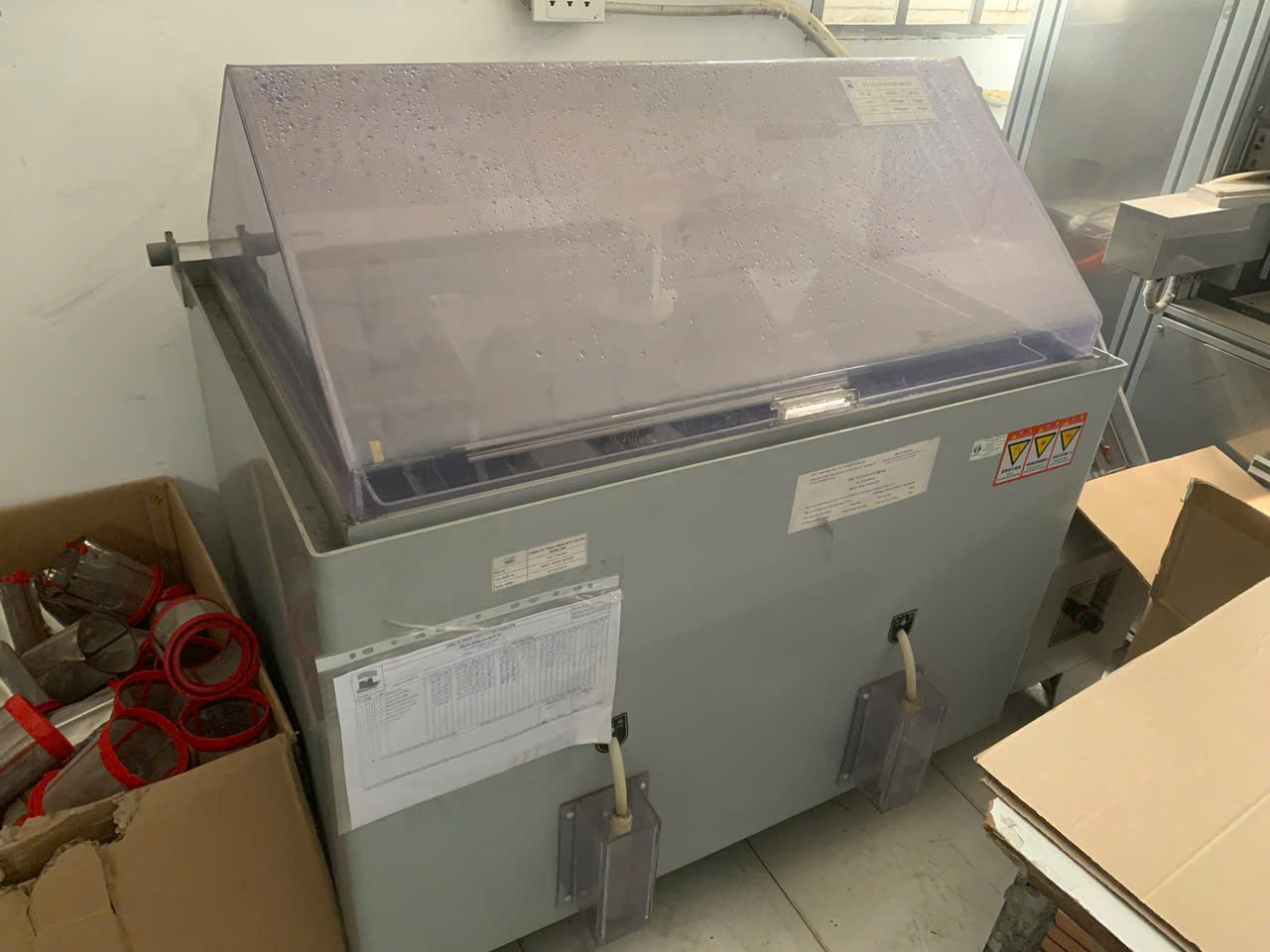
The test itself runs continuously. A 240-hour test takes 10 days. A 720-hour test takes 30 days. However, smart scheduling can minimize the impact on your overall delivery timeline. Here is how we typically handle it:
Most suppliers run salt spray tests concurrently with production. They pull samples from an early production batch, start the test, and continue manufacturing the remaining order. If the test passes, the full order ships on time. If it fails, only the early batch is affected, and corrective action begins immediately.
The risk comes when buyers require test completion before any shipment is authorized. In that case, the full test duration adds directly to your lead time. For a 720-hour test, that is an extra 30 calendar days — significant for time-sensitive projects.
Cost Breakdown
| Cost Factor | Estimated Range | Notes |
|---|---|---|
| In-house salt spray test (per batch) | $100–$500 | Depends on supplier's equipment and labor |
| Third-party lab test (per batch) | $200–$800 | Accredited labs charge more but offer independence |
| Premium coating upgrade (per unit) | +10–30% | e.g., zinc-nickel vs. standard zinc plating |
| Scribe testing (additional prep) | +$50–$150 per batch | If cross-hatch or scribe-to-base-metal is required |
| Photographic documentation | Usually included | Some labs charge extra for interval photos |
Balancing Cost and Risk
We always encourage our clients to weigh the testing cost against the cost of failure. A single batch of corroded parts returned from the field can cost 5–10 times more than the testing fee when you factor in shipping, rework, lost production time, and warranty claims. For rust prevention on safety-critical or outdoor-exposed metal components, salt spray testing is not an expense — it is insurance.
For non-critical indoor parts, you may choose to test only the first article or every fifth batch rather than every single production run. This lowers cost while still providing periodic quality control verification.
What specific documentation should I demand from my supplier to prove corrosion resistance?
When we manage supplier relationships for our U.S. clients, one of the first things we set up is a documentation checklist for every batch that includes surface treatment. Without it, test reports arrive incomplete, late, or not at all. The checklist becomes part of the purchase order, and it eliminates back-and-forth after the fact.
Demand a complete salt spray test report including the testing standard used, test duration, chamber parameters (temperature, pH, NaCl concentration), sample identification with batch traceability, pass/fail results against defined criteria, photographic evidence before and after testing, and the testing facility's calibration or accreditation certificate.
The Complete Documentation Package
A proper material certification and test report package for corrosion resistance should include all of the following items. We recommend inserting this list directly into your purchase order or quality agreement:
- Test report header — Supplier name, part number, batch/lot number, test date, testing standard (e.g., ASTM B117), and report number.
- Test parameters — Chamber temperature, NaCl solution concentration, pH value, spray fallout rate, and test duration in hours.
- Sample identification — Number of samples tested, their serial numbers or identifiers, and confirmation they were pulled from the specific production batch.
- Pre-test photos — Clear, labeled images of each sample before exposure.
- Post-test photos — Images at the conclusion of the test, clearly showing the condition of each sample. For long tests, include intermediate interval photos (e.g., every 48 or 96 hours).
- Results and verdict — A clear pass/fail statement based on the acceptance criteria defined in the purchase order.
- Calibration certificate — Proof that the salt spray chamber was calibrated within the last 12 months (or per the lab's accreditation requirements).
- Coating thickness report — A separate measurement confirming the coating thickness meets drawing specs. This is critical because thin coatings are the most common cause of early salt spray failure. Learn more about evaluating powder coating and surface treatment when sourcing sheet metal fabrication.
- Accreditation certificate — If testing was performed by a third-party lab, include a copy of their ISO/IEC 17025 accreditation.
What About Cyclic Corrosion Testing?
For critical applications — especially automotive or marine — standard neutral salt spray may not be enough. Cyclic corrosion testing 9 (e.g., ASTM G85 or ISO 12944-9) alternates between salt spray, dry-off, and humidity cycles. This simulates real-world wet/dry conditions more realistically than continuous salt fog. If your parts will face outdoor exposure with temperature swings, consider specifying cyclic testing in addition to or instead of standard ASTM B117.
The Hours vs. Years Myth
One important caveat we always share with our clients: salt spray hours do not convert directly into years of real-world service life. A coating that passes 720 hours does not mean it will last 10 years outdoors. The test is a comparative and quality control tool. It tells you whether your coating meets a defined performance benchmark and whether batch-to-batch consistency is maintained. Real-world durability depends on UV exposure, temperature fluctuations, humidity, chemical exposure, and many other environmental factors that a salt fog chamber cannot replicate. For a deeper understanding of how this testing method works, see how salt spray testing evaluates corrosion resistance in sheet metal fabrication.
Use salt spray results to compare coatings, verify production consistency, and catch defective batches before they ship. Do not use them as a warranty period calculator.
Conclusion
Requesting batch salt spray testing protects your investment and ensures every shipment meets your corrosion resistance requirements. Specify the standard, define the hours, demand complete documentation, and verify your supplier's capability — before the first part ships.
Frequently Asked Questions
What About Cyclic Corrosion Testing?
For critical applications — especially automotive or marine — standard neutral salt spray may not be enough. Cyclic corrosion testing 9 (e.g., ASTM G85 or ISO 12944-9) alternates between salt spray, dry-off, and humidity cycles. This simulates real-world wet/dry conditions more realistically than continuous salt fog. If your parts will face outdoor exposure with temperature swings, consider specifying cyclic testing in addition to or instead of standard ASTM B117.
How do I specify the required salt spray test hours and standards in my RFQ?
One lesson we learned early in our supply chain management work was that vague corrosion specs invite vague results. A client once wrote "parts must be corrosion resistant" on a drawing. Three suppliers quoted three different coatings, and none included any testing. The fix was simple: get specific in the RFQ.
How can I verify that my supplier is actually performing the batch testing correctly?
During a supplier audit we conducted at a plating facility in Vietnam, we found the salt spray cabinet running at the wrong temperature — off by nearly 3°C. The supplier had not calibrated the equipment in over a year. Every test report they had issued during that period was unreliable. That experience reinforced a hard truth: you cannot trust a report you have not verified.
Footnotes
1. Official standard for modified salt spray (fog) testing. ↩︎
2. Official standard for neutral salt spray (fog) testing. ↩︎
3. Explains the fundamental principles and standards of the neutral salt spray test. ↩︎
4. Describes the neutral salt spray test, often referenced with ASTM B117. ↩︎
5. Provides information on the process and benefits of hot-dip galvanizing. ↩︎
6. Details the advantages and performance properties of powder coatings. ↩︎
7. Defines red rust and explains its formation and consequences. ↩︎
8. Authoritative source for laboratory accreditation standard. ↩︎
9. Explains the purpose and methodology of cyclic corrosion testing. ↩︎