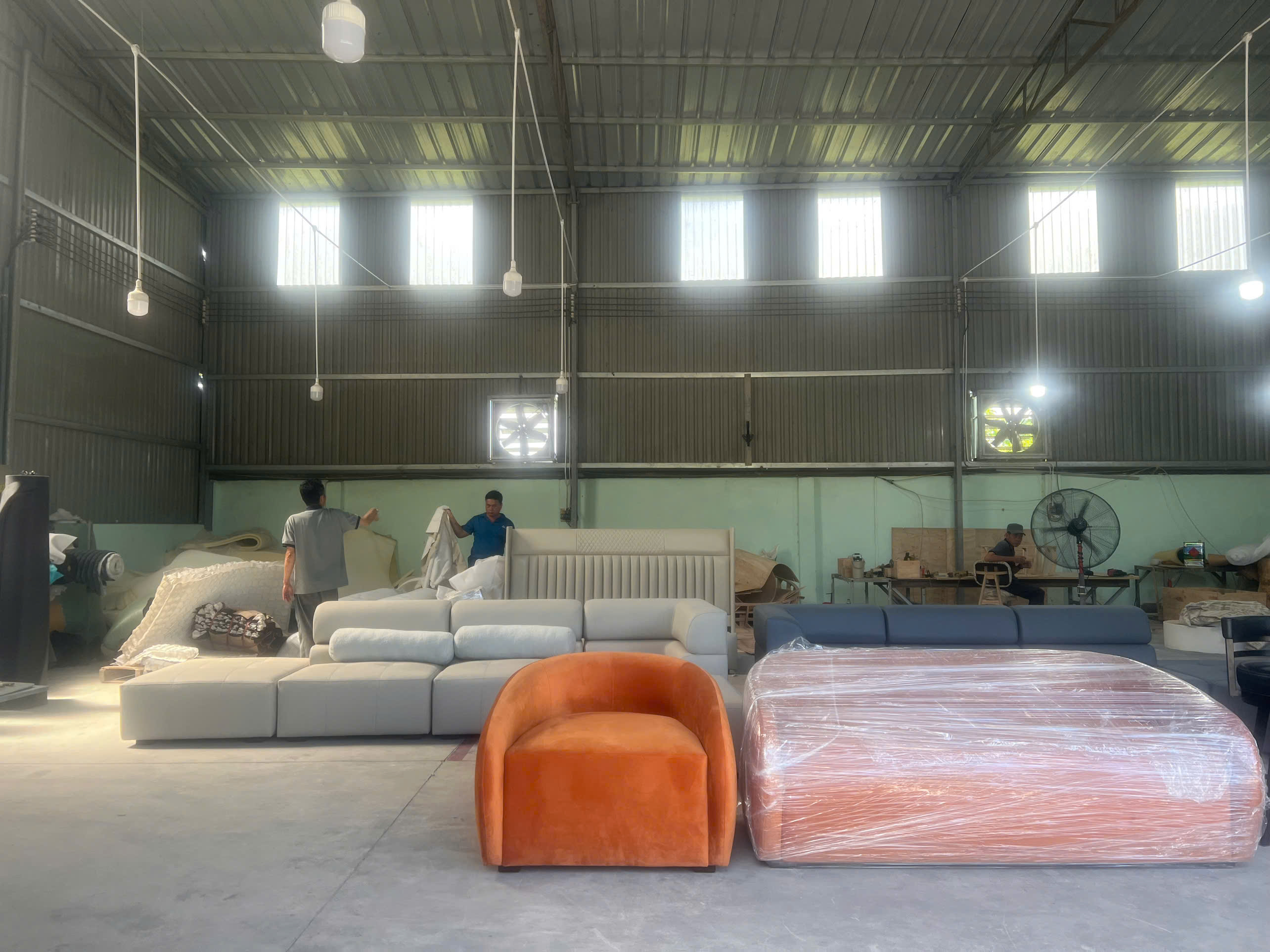
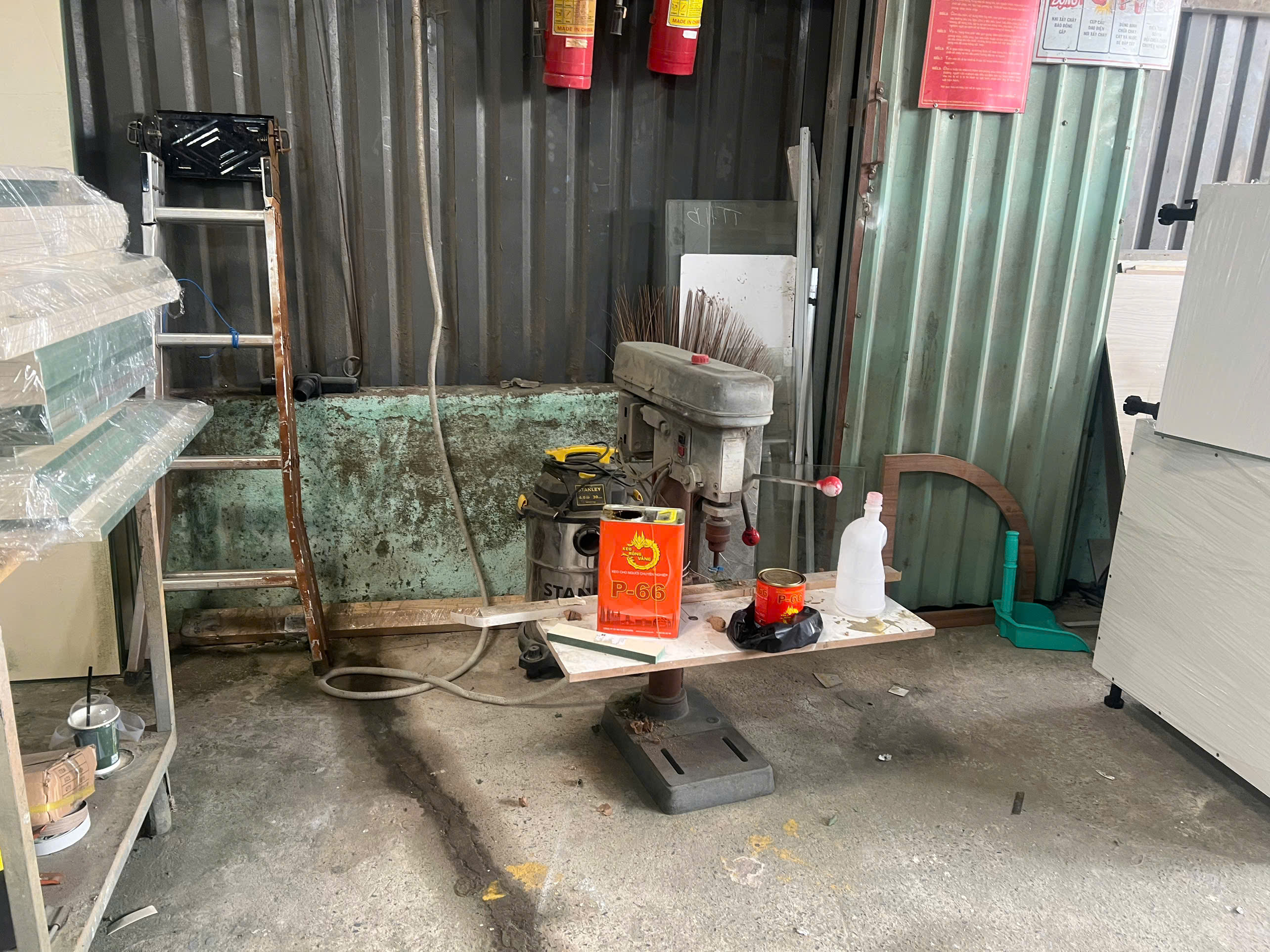
Last quarter, a European client asked our Vietnam team for carbon footprint data from stamping parts suppliers Combined Nomenclature codes 1. The supplier had no idea what CBAM 2 meant. Shipments stalled. Costs climbed. We fixed it with a structured data request process — and that process is what I want to share here.
To request carbon footprint data from stamping parts suppliers for EU compliance, confirm CBAM scope via CN codes, send the EU CBAM Communication Template, specify per-installation direct and indirect emissions in tCO₂e per tonne, require accredited third-party verification, and set a 6–12 month phased data-maturity timeline.
That is the short answer. Now let me walk you through each part, step by step, so you can put it into practice with your own suppliers.
What Carbon Footprint Data Should I Request From My Stamping Parts Supplier?
A buyer once forwarded me a supplier's "carbon report." It was one line: total factory emissions for the year. That number was useless for CBAM. Our sourcing team sees this mistake constantly across the stamping plants we audit in Vietnam and beyond.
Request per-installation, per-product data: installation name and address, direct emissions in tCO₂e per tonne, indirect emissions with electricity source and grid factor, production route, bill of materials, energy consumption by process step, precursor material embedded emissions, and the methodology used, including system boundaries and scrap allocation.

Company-level averages will not pass an EU customs review. CBAM requires data tied to the specific installation that made your part, reported per product, per production route, and per reporting period. So your request needs to be precise from the start.
The Core Data Elements
Here is the checklist we send to stamping suppliers on behalf of our clients:
| Data Element | What to Ask For | Why It Matters |
|---|---|---|
| Installation details | Facility name, address, operator, production route confirmation | CBAM reporting is per installation, not per company |
| Direct emissions | tCO₂e per tonne of product (Scope 1) | Core figure in your CBAM declaration |
| Indirect emissions | Electricity consumed, grid or site-specific emission factor | Stamping presses are energy-intensive; this can dominate the footprint |
| Precursor emissions | Embedded emissions of the steel or aluminum coil input | CBAM separates raw material emissions from processing emissions |
| Bill of materials | Weight, material grade, and origin of each input | Ties the footprint to the actual part |
| Energy by step | Electricity, gas, and fuel split across blanking, forming, welding, coating | Reveals hotspots and supports verification |
| Transport and waste | Mode, distance, scrap disposal method | Needed for full LCA and CSRD 3-aligned reporting |
Precursor vs. Process Emissions
For stamped steel or aluminum parts, most of the footprint sits in the coil or sheet material, not the press stroke. So ask for the mill's embedded emissions separately from the stamping plant's own energy use. If the supplier buys coil from a third party, they must chase that mill for data — or fall back on EU default values, which usually cost more.
Boundaries and Allocation
Also specify the system boundary. Cradle-to-gate is standard for CBAM-linked requests. And nail down the scrap allocation method. Stamping generates significant offcut scrap. Whether the supplier uses mass or economic allocation can materially swing the reported footprint per part. State your required method in writing so figures stay comparable across suppliers.
How Do I Verify the Accuracy of a Supplier's Carbon Footprint Reports?
There is a trade-off I weigh on every project: accept supplier numbers at face value and move fast, or slow down and validate. After one supplier's electricity figures turned out to be estimates copied from a brochure, our team stopped taking shortcuts.
Verify supplier carbon data by requiring an accredited third-party verifier for CBAM declarations, cross-checking energy bills against reported consumption, confirming the emission factors and grid values used, testing figures against industry benchmarks, and reviewing methodology notes for correct system boundaries and allocation rules.

Verification has two layers. The first is the formal legal layer. The second is your own internal sanity check. You need both, because an accredited verifier may be booked out for months, and you cannot wait that long to spot obvious errors.
The Formal Layer: Accredited Verification
Actual emissions data must be verified by an accredited third-party verifier before it goes into an annual CBAM declaration. Verifier capacity is a known bottleneck, especially for smaller Asian plants. So we help suppliers book verifiers early — ideally at the same time the data request goes out, not after the numbers arrive.
The Internal Layer: Your Own Validation Checklist
Before anything reaches a verifier, run these checks yourself:
- Completeness. Are all required fields filled — installation details, direct emissions, indirect emissions, production route?
- Consistency. Does reported electricity match utility invoices? We ask for twelve months of bills and compare.
- Plausibility. Does the tCO₂e per tonne fall within normal ranges for cold-stamped steel parts? A figure far below the industry average is a red flag, not good news.
- Methodology. Location-based or market-based electricity reporting? This distinction alone can shift a part's footprint by two to three times. Insist the supplier states which one they used.
- Allocation. Was scrap handled by the method you specified? If not, results are not comparable across your supplier base.
- Traceability. Can every number be traced to a meter reading, invoice, or recognized database? Keep the audit trail.
When our QC engineers visit stamping plants for process audits, we now add energy metering to the walkthrough. If a plant cannot show sub-metering on its press lines, its "per-part" energy data is almost certainly an allocation estimate — acceptable in year one, but flag it for improvement.
Which EU Compliance Standards Must My Stamping Parts Documentation Meet?
Early in one European bracket program, our project team assumed CBAM was the only regulation in play. Then the client's sustainability lead asked about CSRD-aligned product footprints too. The documentation requirements were different, and we had to backtrack.
Stamped steel and aluminum parts documentation must meet CBAM requirements for verified embedded emissions per installation, follow GHG Protocol and ISO 14067 or PEF methodology for product carbon footprints, support CSRD Scope 3 reporting, and prepare for ESPR Digital Product Passport data requirements.
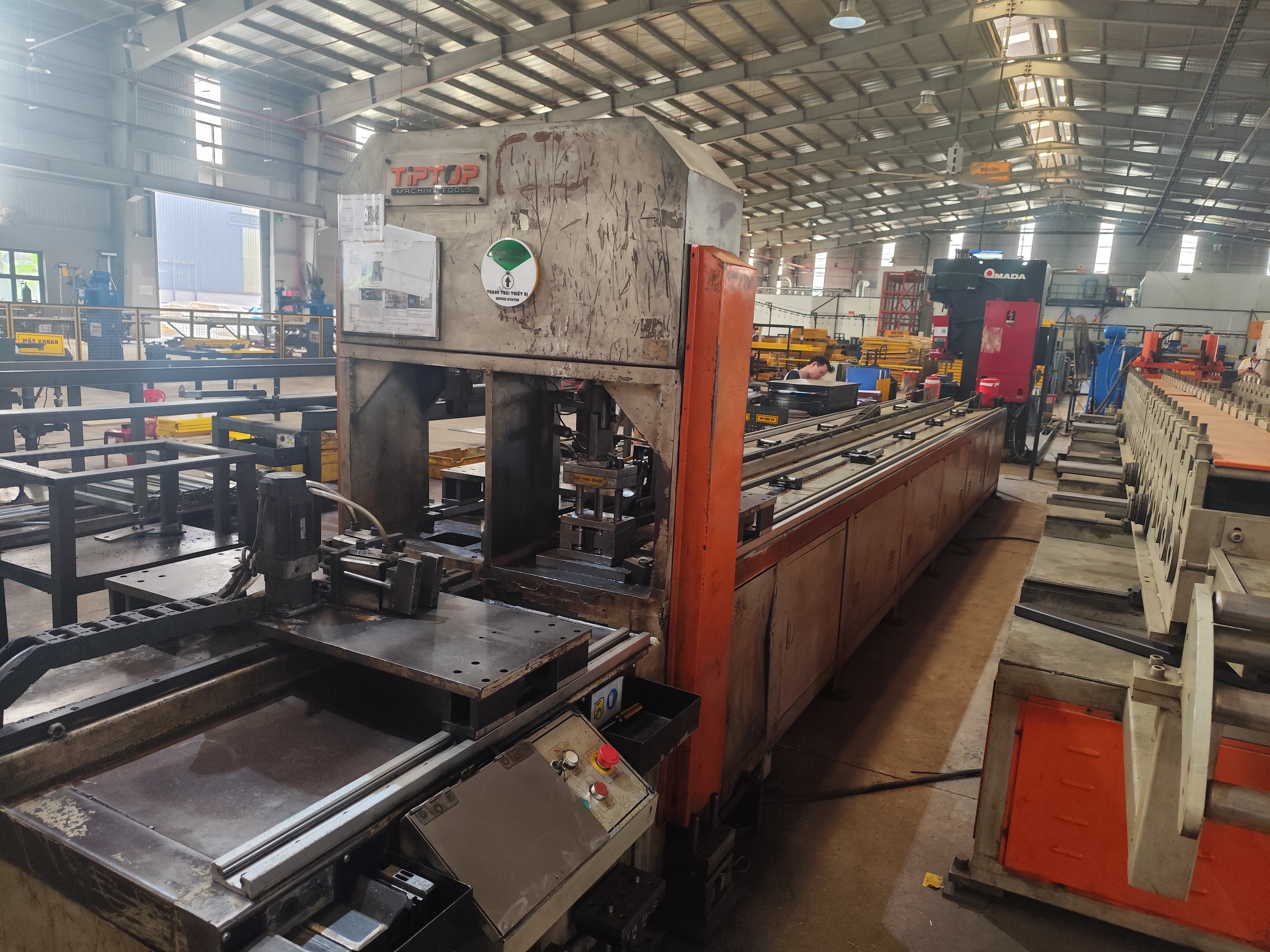
Each regulation asks a different question. Knowing which one drives your request determines the data granularity, the deadline, and who bears the legal risk. Here is how they compare:
| Standard | What It Demands | Who Is Liable | Data Granularity |
|---|---|---|---|
| CBAM | Verified embedded emissions for imported iron, steel, and aluminum goods | The EU importer (declarant) | Per installation, per product, per route |
| CSRD | Corporate sustainability reporting, including Scope 3 supply chain emissions | The reporting EU company | Supplier-level and product-level estimates |
| ISO 14067 4 / PEF | Standardized product carbon footprint methodology | Voluntary, but contractually enforceable | Part-level, cradle-to-gate or cradle-to-grave |
| ESPR / Digital Product Passport 5 | Product-level environmental data attached to goods | Producers and importers, phasing in | Part-level, digital format |
Start With CN Codes
First, map your stamped parts against Combined Nomenclature codes 6. CBAM covers iron, steel, and aluminum goods, including many semi-finished and fabricated articles. A powder-coated steel bracket and a raw aluminum channel mount may fall under different CN codes with different treatment. We run this mapping for clients before any supplier conversation starts, because it defines whether the strict CBAM machinery even applies.
Layer the Standards, Don't Duplicate Work
The smart move is one data collection exercise that serves all frameworks. A supplier who reports energy use, material inputs, and emission factors in an ISO 14067 7-aligned format gives you the raw ingredients for CBAM figures, CSRD Scope 3 numbers, and future Digital Product Passport fields. Ask once, structure well, and reuse. That is far cheaper than sending suppliers three separate questionnaires that half-overlap and fully confuse.
How Can I Get Asian Suppliers to Provide Reliable Carbon Data Without Delays?
A purchasing manager in the US once told me his stamping supplier ignored three carbon data emails in a row. The supplier was not hostile — the request simply looked like unpaid homework in a foreign regulatory language. Our on-the-ground team in Vietnam sees this daily, and framing changes everything.
Get reliable carbon data from Asian suppliers by framing requests as a condition of continued EU market access, providing the EU CBAM template with a simple checklist, giving 6–12 months notice before contractual enforcement, offering training and verifier connections, and using a phased data-maturity approach.
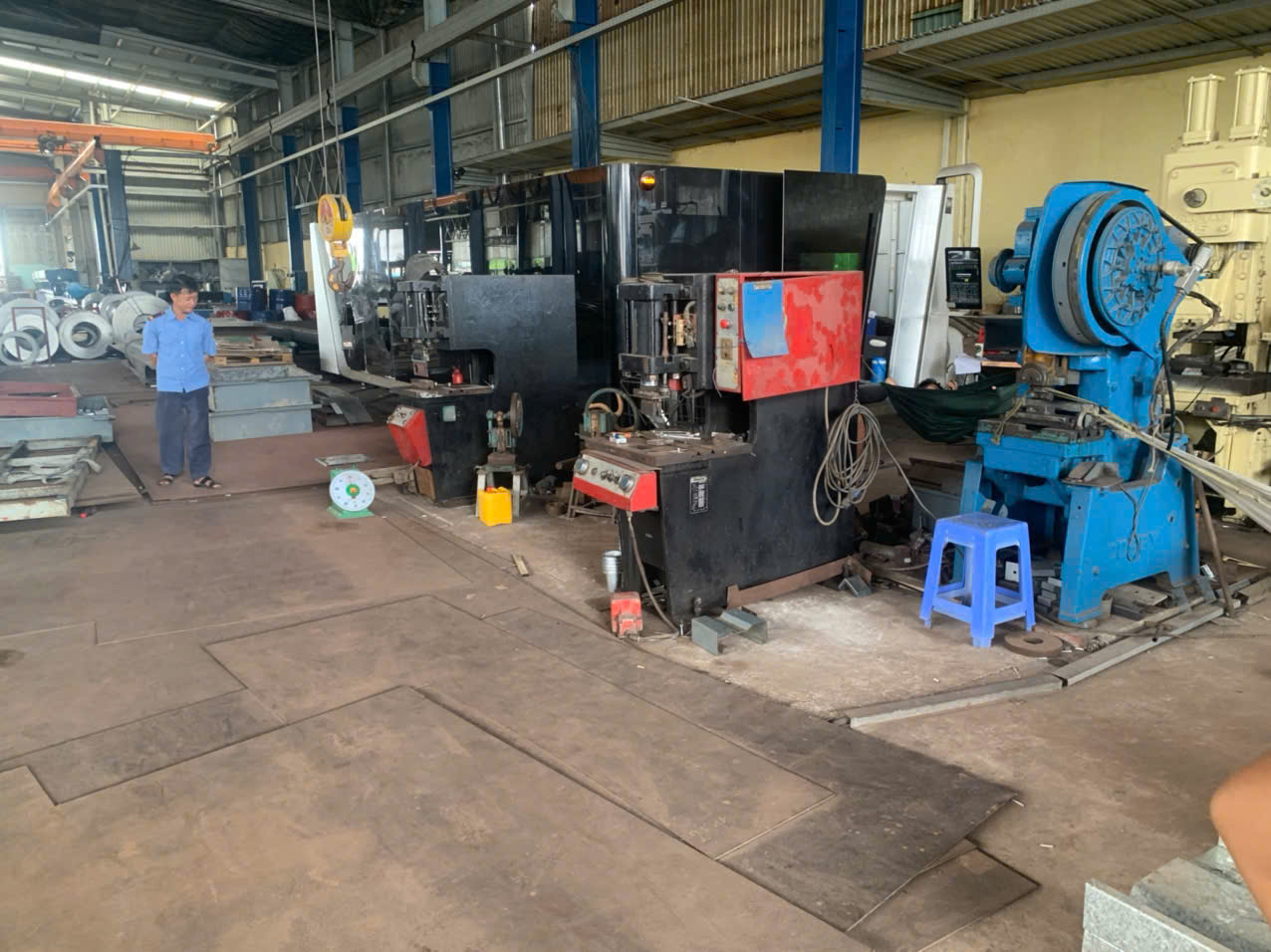
Most delays are not resistance. They are capacity gaps. Many Asian stamping plants — especially SMEs — have never calculated a product carbon footprint. If your request assumes they have, it will sit unanswered. Here is the playbook we use.
Frame It as Shared Market Access
Do not present the request as your compliance burden dumped on them. Present it as the ticket to keep selling into Europe — for both of you. In our experience coordinating between US buyers and Vietnamese plants, that single reframe cuts response time dramatically. Add a clear subject line, a one-page checklist, and a named contact person. Long regulatory attachments in English get ignored; short structured forms get filled in.
Use a Phased Data-Maturity Clause
Demanding verified primary data on day one guarantees delay. Instead, negotiate a staged commitment in the contract:
| Phase | Timeframe | Acceptable Data | Your Action |
|---|---|---|---|
| Phase 1 | Months 0–12 | Secondary or database estimates with declared sources | Provide templates, run training, map gaps |
| Phase 2 | Months 12–24 | Primary energy-meter and invoice-based data | Fund or facilitate sub-metering, review quarterly |
| Phase 3 | Months 24–36 | Third-party-verified product carbon footprint | Connect suppliers with accredited verifiers |
Prioritize and Support
Do not chase every supplier equally. Typically, a small group of components drives 70–80% of your total footprint. Focus your engagement effort there. For low-impact parts, secondary data from recognized databases is a reasonable interim fill. For the high-impact suppliers, invest: run a short training session, share a worked calculation example, and help them shortlist verifiers. Having local staff who speak the language and can sit in the plant office matters more than any software platform. When we walk a plant manager through the template line by line, data that stalled for months arrives in weeks.
Conclusion
Unverified carbon data means higher CBAM costs and stalled shipments. The fix: scope your parts, send structured requests, verify rigorously, and support suppliers through a phased timeline. Start now — the deadline will not wait.
Frequently Asked Questions
What Carbon Footprint Data Should I Request From My Stamping Parts Supplier?
A buyer once forwarded me a supplier's "carbon report." It was one line: total factory emissions for the year. That number was useless for CBAM. Our sourcing team sees this mistake constantly across the stamping plants we audit in Vietnam and beyond.
How Do I Verify the Accuracy of a Supplier's Carbon Footprint Reports?
There is a trade-off I weigh on every project: accept supplier numbers at face value and move fast, or slow down and validate. After one supplier's electricity figures turned out to be estimates copied from a brochure, our team stopped taking shortcuts.
Which EU Compliance Standards Must My Stamping Parts Documentation Meet?
Early in one European bracket program, our project team assumed CBAM was the only regulation in play. Then the client's sustainability lead asked about CSRD-aligned product footprints too. The documentation requirements were different, and we had to backtrack.
Footnotes
1. EU official page detailing CBAM scope and CN code classification for covered goods. ↩︎
2. Provides background on the EU regulation central to the article’s compliance requirements. ↩︎
3. Background on the EU corporate sustainability reporting directive referenced multiple times. ↩︎
4. Official standards body for the product carbon footprint methodology referenced. ↩︎
5. Explains the emerging ESPR data requirement mentioned for future compliance. ↩︎
6. Official EU source explaining the customs classification system used for CBAM scope. ↩︎
7. Official ISO standard defining product carbon footprint methodology referenced for CBAM-aligned reporting. ↩︎