I learned the hard way that missing material traceability reports can derail an entire shipment — and cost a buyer thousands in rejected parts and lost time.
To request material traceability reports when sourcing sheet metal fabrication, specify Mill Test Report (MTR) requirements in your RFQ before quoting begins, require heat number tracking on all raw materials, and confirm your supplier’s chain of custody documentation covers every step from mill to finished part.
This guide walks through the exact steps, documents, and verification methods you need to secure reliable material certification for your custom sheet metal parts First Article Inspection Report 1. Whether you source from domestic or international fabricators, these practices protect your quality assurance program and reduce liability risk.
How do I include material traceability requirements in my sheet metal RFQ?
A purchasing manager we work with once told us he assumed his supplier would "just include" Mill Test Report 2s. They didn't. The parts arrived with zero documentation, and his customer's audit failed the next week.
Include material traceability requirements in your sheet metal RFQ by specifying MTR delivery with raw materials, listing the applicable standard (such as EN 10204 3.1), requiring heat number tracking, and stating that traceability documentation is a condition of order acceptance — all before the quote is finalized.
Why Timing Matters More Than Anything
The single most important thing about requesting material traceability reports is timing AS9120 certification 3. You must ask during the quoting phase. If you wait until after delivery, it is often too late. Most mills and service centers attach MTRs to specific shipments. Once the material leaves the mill and enters a fabricator's inventory, the link between the physical metal and its documentation can break.
When we prepare RFQs for our U.S. clients, we embed traceability language directly into the request document. This forces every potential supplier to price in the cost of sourcing traceable material and maintaining the paperwork. If a fabricator says they can "get the reports later," treat that as a red flag.
Exact Language to Use in Your RFQ
Here is a simple framework you can copy and adapt:
| RFQ Line Item | Example Language |
|---|---|
| Material Specification | "Material shall be [grade, e.g., ASTM A36] with full MTR per EN 10204 3.1 4." |
| Heat Number Requirement | "Heat number must be marked on all raw material and traceable to the MTR." |
| Documentation Delivery | "MTRs and Certificates of Conformance 5 (CoC) shall be delivered with or before shipment." |
| Retention Requirement | "Supplier shall retain copies of all MTRs for a minimum of 10 years." |
| Non-Compliance Clause | "Material received without valid MTR documentation will be rejected." |
Documents to Request Beyond the MTR
An MTR alone does not guarantee full supply chain integrity. You should also request:
- Packing slips with heat numbers printed on them
- Internal transfer slips showing how material moved through the fabricator's shop
- Certificate of Conformance (CoC) confirming the finished part meets your drawing specs
- First Article Inspection Report (FAIR) for new part numbers
Our team in Vietnam and China routinely audits supplier paperwork before any shipment leaves the factory. We cross-check heat numbers on physical tags against the MTR and the packing slip. If any number doesn't match, we hold the shipment. This level of process control is what prevents non-conforming products from reaching U.S. buyers.
What Happens When You Skip This Step
Without upfront traceability requirements, you expose yourself to several risks. The fabricator may use leftover stock from a different batch. They may mix domestic and imported metal without documentation. They may lose track of heat numbers after slitting or cutting. In regulated industries like aerospace or medical devices, any of these gaps can trigger a full product recall.
What should I look for when verifying a Mill Test Report from my supplier?
One lesson we learned early in our supply chain management work: not all MTRs are created equal. Some are detailed, multi-page documents from reputable mills. Others are single-page printouts with suspiciously round numbers and no mill logo.
When verifying a Mill Test Report, check that it includes the correct heat number, chemical composition matching the specified grade, mechanical properties (yield strength, tensile strength, elongation), the mill's name and location, the applicable ASTM or ASME standard, and a date consistent with your order timeline.
Core Components of a Valid MTR
A Mill Test Report — also called a Mill Test Certificate — is the primary piece of metal fabrication documentation that proves your material is what it claims to be. Without it, you have no verified proof of material identity. Here is what a complete MTR should contain:
| MTR Component | What to Check |
|---|---|
| Heat Number | Unique batch ID; must match the number stamped or tagged on the physical material |
| Chemical Composition 6 | Percentages of carbon, manganese, phosphorus, sulfur, silicon, etc., must fall within the specified ASTM/ASME grade limits |
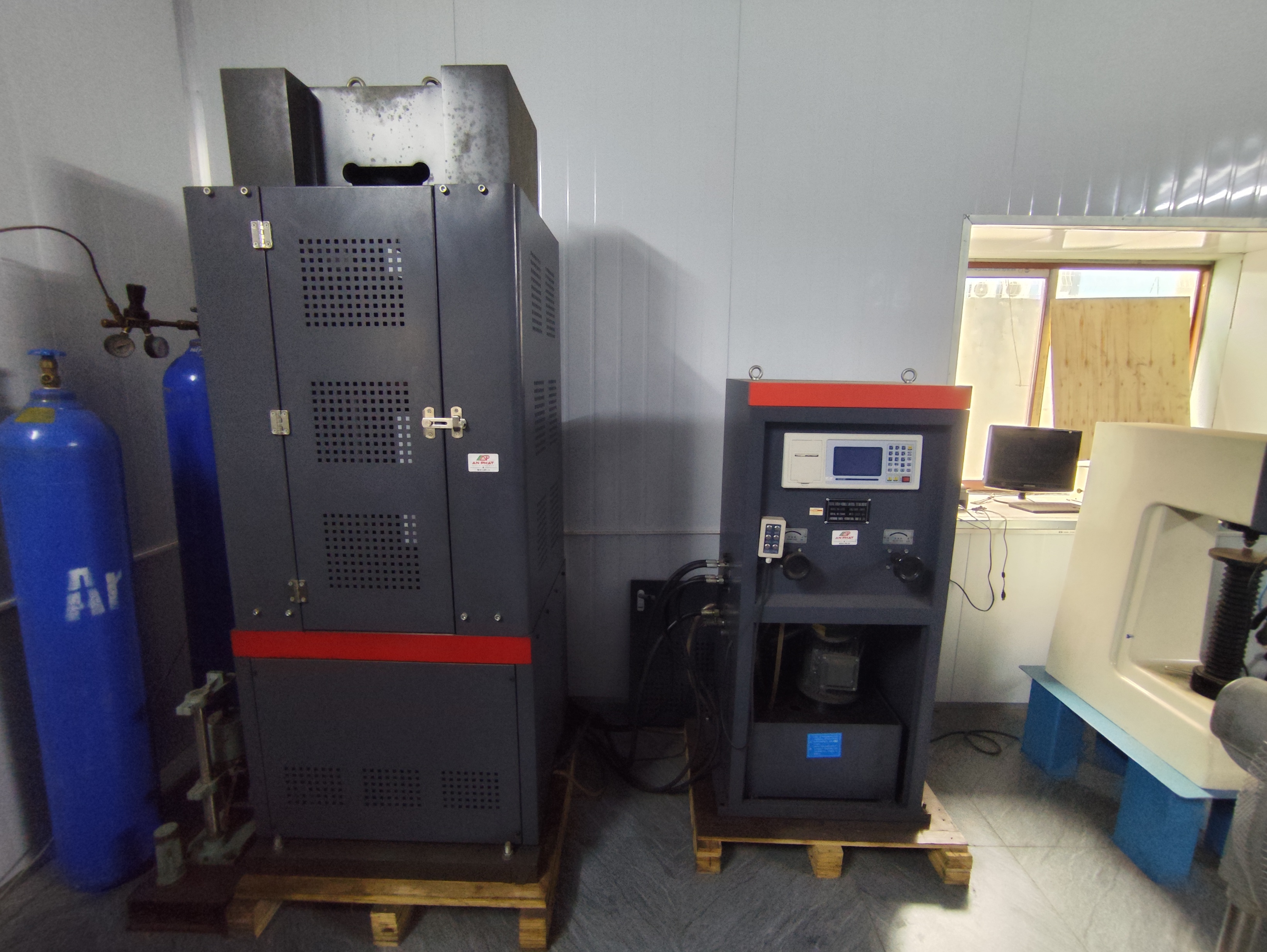
| Mechanical Properties 7 | Yield strength, tensile strength, elongation, and hardness values must meet the grade requirement |
| Mill Identification | Name, address, and country of the producing mill |
| Standard Compliance | Reference to the specific standard (e.g., ASTM A36 8, ASTM A240, ASME SA-516) |
| Date of Test | Should be recent enough to correspond with your material order |
| Authorized Signature | A quality representative's signature or digital certification stamp |
| Origin of Melt | Country where the metal was melted; critical for Buy American Act or DFARS compliance 9 |
Red Flags to Watch For
Over the years, our quality team has flagged several recurring issues on MTRs from suppliers across Asia:
- Missing heat number: If the heat number is blank or listed as "N/A," the document is useless for traceability purposes.
- Generic or photocopied reports: Some suppliers provide the same MTR for multiple orders. This often means they are not actually tracking which batch went into your parts.
- Chemical composition outside spec: Even small deviations from the ASTM grade limits can indicate the wrong material was supplied.
- No mill logo or watermark: Legitimate mills issue MTRs on branded letterhead or through verified digital portals.
- Date mismatch: If the MTR is dated years before your order, the material may be old stock with unclear storage history.
How to Cross-Reference the MTR
Verification goes beyond reading the document. You need to physically match the heat number on the MTR to the heat number stamped, etched, or tagged on the raw material. Then confirm that same heat number appears on the packing slip and any internal transfer documents.
When our inspectors perform final inspection at a fabricator's facility, they photograph the heat number on the material tag, the MTR, and the packing slip side by side. This creates an unbroken visual chain of custody record. For aerospace and medical parts, this level of documentation is non-negotiable. For commercial parts, it remains best practice and separates reliable supply chains from risky ones. You can learn more about how to verify authenticity and validity of sheet metal fabrication supplier certifications to strengthen this process.
Chemical and Mechanical Property Verification
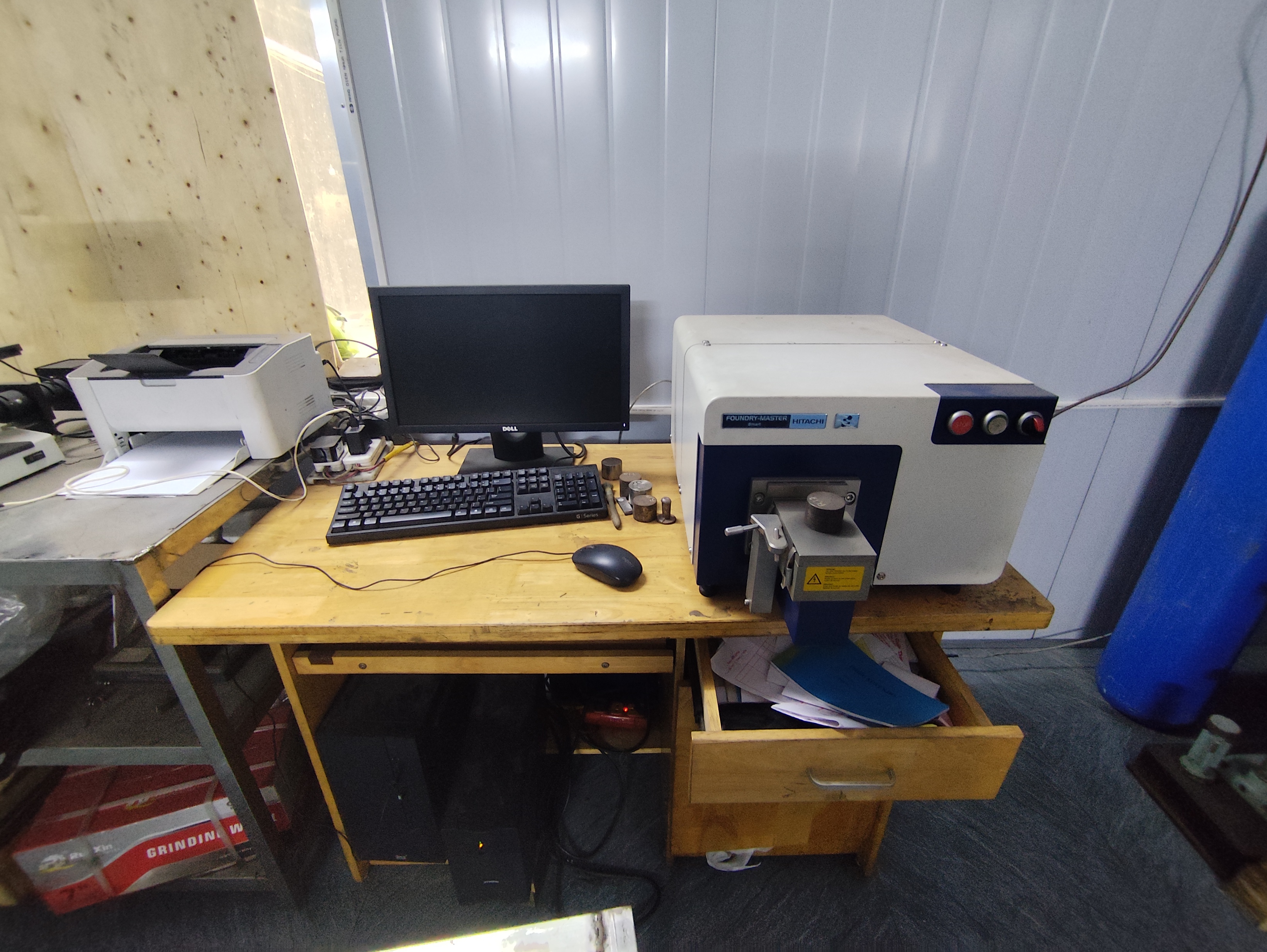
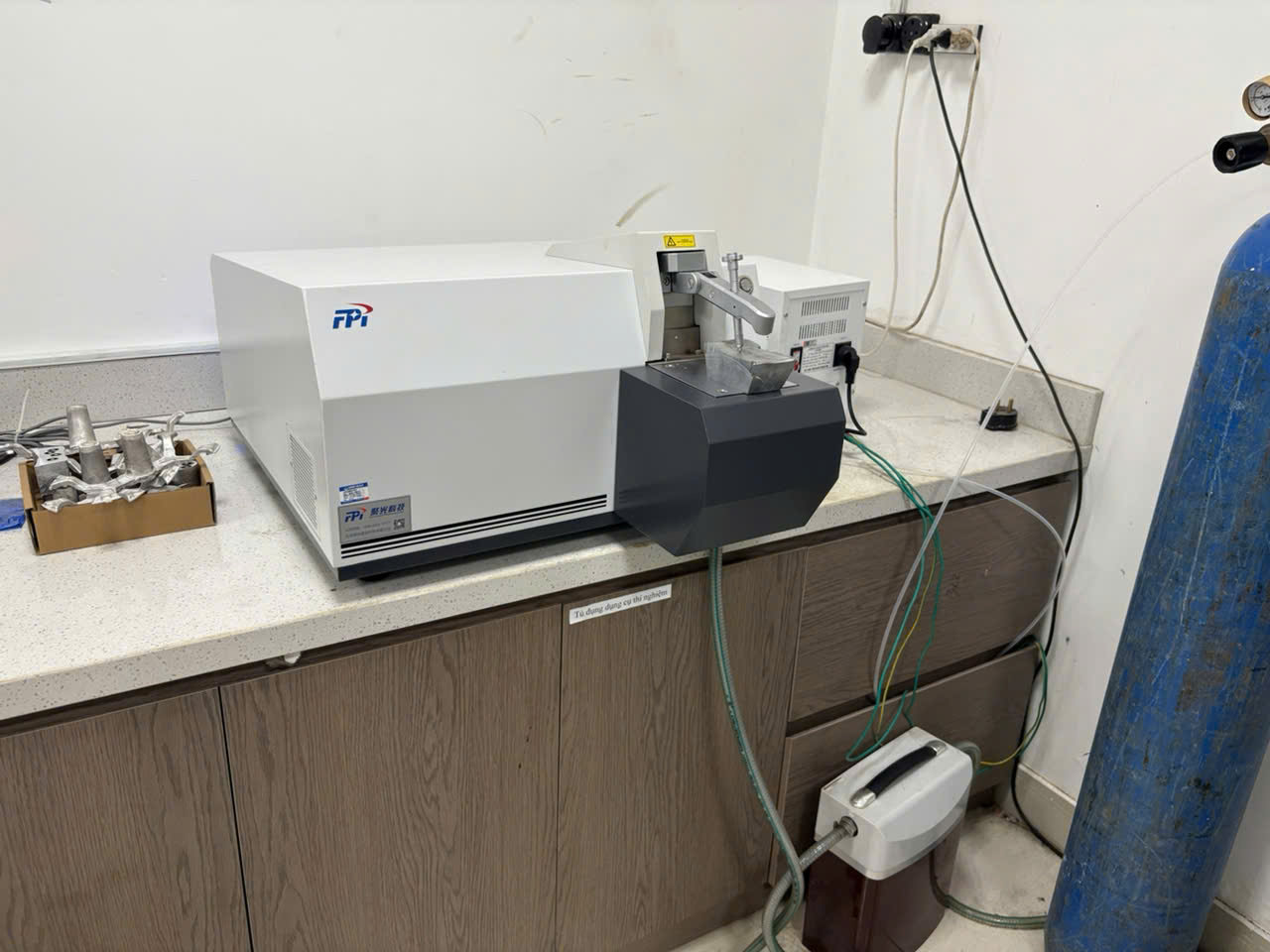
If you have any doubt about the accuracy of an MTR, you can request independent third-party testing. A metallurgical lab can perform spectrographic analysis to verify the chemical composition and mechanical testing to confirm yield and tensile strength. This adds cost, but for high-value or safety-critical custom parts, it provides an extra layer of regulatory compliance assurance.
How can I ensure my manufacturer maintains heat number tracking for my custom parts?
During a supplier audit at a sheet metal shop in Southeast Asia last year, we asked the production manager to show us how they tracked heat numbers from receiving dock to finished part. He pointed at a whiteboard with faded marker notes. That was their system. Needless to say, we did not approve that supplier.
Ensure your manufacturer maintains heat number traceability by auditing their material handling procedures, verifying they mark or tag heat numbers at every processing stage — receiving, cutting, forming, welding, and shipping — and confirming they hold ISO 9001 or AS9120 certification with documented quality management systems.

The Chain of Custody Problem
Material traceability is the system of tracking and documenting where your metal materials came from, their exact composition, and how they were handled throughout the entire manufacturing process. The challenge is that sheet metal goes through many steps: receiving, slitting, laser cutting, punching, bending, welding, surface finishing, and assembly. At each step, the original mill tag or marking can be removed, covered, or lost.
A good fabricator has a written procedure for transferring the heat number at every stage. When a large sheet is cut into smaller blanks, each blank should be marked or tagged with the original heat number. When parts are welded together, the heat numbers of all parent materials should be recorded on a traveler or router sheet.
The 6-Question Supplier Audit
Before signing a contract with any fabricator, I recommend asking these six questions. They reveal more about a supplier's real capabilities than any sales presentation.
| Question | Why It Matters |
|---|---|
| "Do you provide MTRs with every order?" | Establishes whether traceability is standard practice or an afterthought |
| "How do you track heat numbers through processing?" | Reveals their internal material handling and documentation system |
| "How quickly can you retrieve an MTR for a past order?" | Tests their record-keeping infrastructure |
| "Do you maintain chain of custody documentation from mill to shipment?" | Verifies they track material beyond just the receiving dock |
| "Are you ISO 9001 or AS9120 certified?" | Confirms a third-party-audited quality management system is in place |
| "Do you source material domestically or internationally, and how do you differentiate?" | Identifies risk of mixed stock and documentation gaps |
ISO Certification as a Baseline
ISO 9001 certification 10 is a standard for quality management that requires documented procedures for material handling. AS9120 is specific to aerospace supply chains and includes stricter requirements for raw material certificates and traceability. When we evaluate fabricators for our clients, ISO certification is a minimum threshold. It doesn't guarantee perfection, but it means the supplier has been audited by an independent body and has written procedures in place.
Digital Traceability Tools
Increasingly, forward-thinking fabricators use digital platforms to manage heat number traceability. Some integrate traceability data directly into their ERP systems, so every work order automatically pulls the heat number from the receiving record. Others use QR codes or laser-etched markings on individual parts that link to a cloud-hosted MTR. These digital solutions reduce human error and make retrieval fast during audits.
For extremely critical or high-value components, some manufacturers offer micro-traceability methods such as laser etching or RFID tagging on individual pieces. This ensures granular tracking even after the sheet metal has been cut, formed, or welded.
Our approach when managing supplier relationships in Vietnam and China is to verify these systems during on-site audits. We walk the production floor, pick a random part, and ask the operator to show us how they would trace it back to its raw material certificate. If they can do it within minutes, we know the system works.
Why is material traceability critical for my quality control and liability in the U.S.?
A buyer we support once received a batch of custom brackets that looked perfect. Dimensions were on spec. Surface finish was clean. But when his end customer — a defense contractor — requested the MTRs, none existed. The entire order was scrapped. The cost wasn't just the parts; it was the lost contract and damaged reputation.
Material traceability is critical for U.S. quality control and liability because it provides verified proof of material identity, enables targeted recalls if failures occur, satisfies regulatory compliance for industries like aerospace and medical, and protects your company from product liability lawsuits by documenting the full material chain of custody.
Regulated vs. Commercial Applications
Not every sheet metal part requires the same level of traceability. The requirements vary dramatically based on end use:
- Aerospace and defense: Full mill-to-part traceability is mandatory. DFARS and Buy American Act compliance often require documented origin of melt. AS9100 and AS9120 standards apply.
- Medical devices: FDA regulations require documented material verification. Raw material certificates must be retained for the life of the device plus additional years.
- Nuclear and energy: NRC and ASME codes demand complete material certification with no gaps.
- Automotive safety: IATF 16949 requires traceability for safety-critical components.
- General commercial: Traceability is not always legally required, but it is strongly recommended as a risk mitigation measure.
Even for general commercial fabrication, maintaining traceability acts as an insurance policy. If a product fails in the field and causes injury or property damage, the first question a lawyer will ask is: "Can you prove what material was used?" If you cannot, liability shifts squarely onto your shoulders. Understanding what material certifications to request for US sheet metal fabrication compliance is essential for staying ahead of these requirements.
The Documentation-Traceability-Verification Triad
Effective quality assurance for sheet metal parts rests on three pillars:
- Documentation: Collecting the right paperwork — MTRs, CoCs, inspection reports, packing slips — at every stage.
- Traceability: Maintaining an unbroken link between the physical material and its documentation through heat number tracking and chain of custody records.
- Verification: Actively checking that documents match physical reality — not just filing them.
Many quality failures happen because companies focus on only one or two of these pillars. They collect documents but never verify them. Or they verify at receiving but lose traceability during processing. A robust system addresses all three.
Retention Periods
How long should you keep material traceability reports? The answer depends on your industry and your risk tolerance.
| Industry | Minimum Retention Period |
|---|---|
| General commercial fabrication | 7–10 years |
| Aerospace and defense | 10–30 years or life of aircraft |
| Medical devices | Life of device + 2–5 years |
| Nuclear | Life of facility |
| Automotive safety-critical | 15+ years |
Our recommendation to every U.S. buyer: keep digital copies of all MTRs and related documentation for at least 10 years, regardless of industry. Storage is cheap. A product liability lawsuit is not.
Domestic vs. International Sourcing Considerations
Some buyers assume that metal sourced from U.S. mills and metal sourced internationally are documented the same way. They are not. U.S. mills generally provide standardized MTRs that follow ASTM and ASME conventions. International mills — especially smaller operations — may use different formats, omit certain data points, or issue reports in languages that require translation and verification.
When we help clients source custom parts from fabricators in Vietnam or other Asian countries outside of China, we pay close attention to the raw material origin. We verify that the steel or aluminum supplier provides English-language MTRs with all required fields. We also confirm that the fabricator does not mix domestic and imported stock without clear differentiation in their records. Mixed stock without clear documentation is one of the most common causes of audit failures. For a deeper dive into this topic, see our guide on how to verify sheet metal suppliers for stainless steel, aluminum, and carbon steel when sourcing.
The Shift Toward Digital and Sustainable Traceability
Looking ahead, buyers should anticipate that traceability requirements will expand beyond material identity. Future demands will likely include data on environmental impact, carbon footprint of the melt process, and ethical sourcing verification. Some industry leaders are already exploring blockchain technology for immutable, real-time tracking of materials across complex supply chains.
For now, the practical takeaway is straightforward: request material traceability reports proactively, verify them thoroughly, and retain them permanently. This protects your quality control program, shields you from liability, and builds a supply chain you can defend under audit.
Conclusion
Request material traceability reports before quoting begins, verify every MTR against physical heat numbers, audit your supplier's tracking systems, and retain all documentation for years. Proactive traceability protects your quality, your compliance, and your business.
Frequently Asked Questions
How do I include material traceability requirements in my sheet metal RFQ?
A purchasing manager we work with once told us he assumed his supplier would "just include" Mill Test Report 2 s. They didn't. The parts arrived with zero documentation, and his customer's audit failed the next week.
What should I look for when verifying a Mill Test Report from my supplier?
One lesson we learned early in our supply chain management work: not all MTRs are created equal. Some are detailed, multi-page documents from reputable mills. Others are single-page printouts with suspiciously round numbers and no mill logo.
How can I ensure my manufacturer maintains heat number tracking for my custom parts?
During a supplier audit at a sheet metal shop in Southeast Asia last year, we asked the production manager to show us how they tracked heat numbers from receiving dock to finished part. He pointed at a whiteboard with faded marker notes. That was their system. Needless to say, we did not approve that supplier.
Footnotes
1. Details the process of verifying initial production units against specifications. ↩︎
2. Wikipedia provides a comprehensive and authoritative definition of a Mill Test Report. ↩︎
3. Explains the aerospace quality management system for distributors. ↩︎
4. Explains this European standard for inspection certificates. ↩︎
5. Explains CoC as a formal document declaring product compliance. ↩︎
6. Explains the elements that make up steel. ↩︎
7. Details various properties like strength, ductility, and hardness. ↩︎
8. Defines the standard specification for carbon structural steel. ↩︎
9. Explains the Defense Federal Acquisition Regulation Supplement requirements for contractors. ↩︎
10. Official source for the globally recognized quality management standard. ↩︎