A client once shipped 2,000 powder-coated enclosures to Germany—only to have the entire lot flagged at customs for missing RoHS and REACH compliance 1 documentation, costing weeks of delay and thousands in penalties. That scenario still keeps purchasing managers up at night. Through our supply chain work connecting U.S. buyers with Vietnam-based fabrication partners, we have seen this problem repeat itself far too often.
To request RoHS and REACH compliance from sheet metal fabrication suppliers, audit their material sourcing processes, demand part-specific RoHS Compliance Certificates and Mill Test Certificates for every production order, verify coating and finish certificates, and validate high-risk materials with XRF screening or independent lab analysis.
This guide walks through each step—from supplier qualification to final validation—so you can build a compliance paper trail that protects your business and satisfies regulators in the EU and beyond.
What specific documentation should I request to verify RoHS and REACH compliance for my custom sheet metal parts?
One lesson we learned early in our Vietnam operations was that a supplier saying "we are RoHS compliant" means almost nothing without the right paperwork behind it. The gap between a verbal assurance and a legally defensible paper trail is enormous—and it is exactly where procurement teams get burned.
You should request a RoHS Compliance Certificate or Declaration of Conformity specific to each production order, Mill Test Certificates showing chemical composition of the base metal, and separate compliance certificates for every coating, plating chemical, and consumable used on your parts.
The Core Documentation Checklist
Getting this right starts with understanding what each document proves. A Declaration of Conformity 2 confirms the finished part meets the restricted substances thresholds. Mill Test Certificates 3 trace the raw steel or aluminum back to the mill and show its exact chemical makeup. Coating certificates cover paints, powder coats, plating solutions, and conversion coatings—areas where hexavalent chromium 4 and lead often hide.
Here is a practical checklist we use when onboarding a new fabrication partner:
| Document | What It Proves | When to Request |
|---|---|---|
| RoHS Compliance Certificate 5 / Declaration of Conformity | Finished part meets RoHS restricted substance limits | Every production order |
| Mill Test Certificate (MTC) | Chemical composition of raw metal; traceability to the mill | Every material lot or order |
| Coating / Finish Compliance Certificate | Plating, powder coat, or conversion coating is free of restricted substances | Every order involving surface treatment |
| Material Safety Data Sheet (MSDS/SDS) | Identifies hazardous substances in consumables (welding rods, adhesives) | Initial qualification + any material change |
| REACH SVHC Declaration | Confirms presence or absence of Substances of Very High Concern above 0.1% by weight | Annually or per order for EU-bound parts |
| Material Declaration (IPC-1752A or IEC 62474 format 6) | Standardized substance-level data for each homogeneous material layer | Complex assemblies or electronics enclosures |
Why Generic Certificates Are Not Enough
A common mistake is accepting a single company-wide RoHS certificate. That document tells you the supplier has a policy—not that your specific batch of parts is compliant. The restricted substances limits under RoHS are measured at the homogeneous material level 7: each individual layer of metal, each layer of plating, each layer of paint. A blanket certificate does not address that granularity.
We always ask suppliers to tie each certificate to a specific purchase order number or lot number. If they cannot do that, it is a red flag. Supply chain transparency depends on this linkage. Without it, you have no traceability if a problem surfaces months later. For a deeper look at what these regulations actually require, see our guide on the RoHS and REACH compliance requirements for sheet metal fabrication.
Standardized Data Exchange Formats
For buyers managing dozens of part numbers, collecting material declarations manually is painful and error-prone. Digital platforms and standardized formats like IPC-1752A or IEC 62474 streamline this process. These formats let you pull substance data into your PLM system directly, making it easier to track compliance across your entire product portfolio. If your fabrication partner is ISO 9001:2015 certified 8, they should already be familiar with structured data reporting.
How can I ensure my Vietnam-based fabrication partner is using compliant raw materials for my project?
During a recent supplier audit at a fabrication shop outside Ho Chi Minh City, we discovered that the steel supplier they used for one client's brackets was different from the one listed on their approved vendor list. The substitution was not malicious—it was a stock shortage. But the replacement steel had no Mill Test Certificate, and nobody had checked for restricted substances. That single gap could have invalidated the entire shipment's compliance status.
Ensure your Vietnam-based fabrication partner uses compliant raw materials by requiring an approved vendor list for all metals and coatings, demanding Mill Test Certificates traceable to the specific mill for every lot, and conducting periodic on-site audits or third-party inspections to verify material sourcing practices.
Building an Approved Vendor List
The foundation of raw material compliance is the supplier's approved vendor list (AVL). This list names every mill, steel trader, coating supplier, and consumable vendor the fabricator is authorized to purchase from. Each vendor on the list should have been pre-qualified with their own compliance documentation.
When we set up a new fabrication partner in Vietnam, we review their AVL and request the following for each sub-supplier:
| Sub-Supplier Type | Required Qualification Evidence |
|---|---|
| Steel / Aluminum Mill | Mill certifications, RoHS declaration, sample MTCs |
| Plating / Anodizing Shop | Process certifications, RoHS certificate for chemicals, environmental permits |
| Powder Coat / Paint Supplier | Product data sheets, RoHS compliance certificate per product line |
| Welding Consumable Supplier | MSDS/SDS, material declarations confirming no restricted substances |
| Hardware / Fastener Supplier | RoHS declarations, conflict minerals compliance statements |
Traceability from Mill to Finished Part
Traceability means you can follow the metal in your finished bracket all the way back to the heat number at the steel mill. This chain is critical. If a compliance issue arises—say, elevated cadmium levels detected during incoming inspection at your customer's facility—you need to identify exactly which coil or sheet caused it and which other parts might be affected.
Our Vietnam team stamps or etches lot identification on parts during production. We also require fabricators to maintain internal records linking each purchase order to the specific material lot used. This practice aligns with supplier due diligence expectations under both RoHS and REACH. For more on ensuring sheet metal fabrication materials meet US market standards, we have a dedicated guide covering material verification in depth.
Addressing Material Substitution Risks
Material substitutions happen. A mill runs out of a specific gauge. A plating shop switches chemical suppliers. These changes can introduce non-compliant substances without anyone noticing. The best defense is a formal change notification process. We require our fabrication partners to notify us in writing before any material or process change. No exceptions. This is written into the supply agreement and reinforced during every audit.
For parts destined for automotive applications, similar controls exist through the IMDS automotive database, which tracks material composition across the entire supply chain. Even if your parts are not automotive, adopting that mindset of rigorous material tracking pays dividends in compliance confidence.
What steps should I take to audit a supplier's internal quality control for environmental regulations?
A buyer we work with in the Midwest once told us he had "audited" a supplier by reviewing their ISO certificate and touring the shop floor. Six months later, a batch of enclosures failed RoHS material testing because the plating vendor had switched to a cheaper chemical line. The ISO certificate was real. The compliance gap was in the details the audit never examined.
To audit a supplier's quality control for environmental regulations, evaluate their documented RoHS/REACH control procedures, inspect incoming material verification practices, review sub-supplier qualification records, check for cross-contamination controls, and verify that corrective action processes address compliance failures specifically.

A Structured Audit Approach
Auditing for environmental compliance is different from a standard quality audit. You are not just looking at dimensional accuracy or surface finish. You are examining whether the supplier has systems to prevent restricted substances from entering your parts at any stage—from raw material receipt through fabrication, finishing, and packaging.
Here is the audit framework our team uses:
Step 1: Review the Quality Manual. Look for specific sections addressing RoHS and REACH. A mature fabricator will have written procedures for incoming material inspection, sub-supplier qualification, and non-conforming material handling that reference environmental regulations explicitly.
Step 2: Inspect Incoming Material Controls. How does the supplier verify that incoming steel or aluminum matches the Mill Test Certificate? Do they perform any incoming material testing—even basic checks like XRF screening 9? Or do they simply accept whatever the steel trader delivers?
Step 3: Examine Sub-Supplier Records. Pull the files for their top three material vendors. Are compliance certificates current? Are they specific to the products being supplied? Check dates—an expired certificate is as bad as no certificate.
Step 4: Evaluate Cross-Contamination Prevention. In shops that process both RoHS-compliant and non-compliant orders, cross-contamination is a real risk. Shared tooling, shared plating baths, or even shared storage areas can introduce restricted substances. Look for physical separation, dedicated tooling, and clear labeling.
Step 5: Test the Corrective Action System. Ask the supplier to show you a past compliance non-conformance and how they resolved it. If they cannot produce one, either they have never had an issue (unlikely) or they do not track them (a problem).
For practical guidance on planning and executing these visits, our article on how to arrange a factory audit when sourcing sheet metal fabrication from Vietnam covers the logistics in detail.
What to Look for in Mature vs. Immature Suppliers
| Compliance Indicator | Mature Supplier | Immature Supplier |
|---|---|---|
| RoHS/REACH procedures | Documented, integrated into QMS | Informal or absent |
| Incoming material verification | XRF or lab testing on high-risk items | Accepts MTCs at face value |
| Sub-supplier qualification | Formal AVL with periodic re-evaluation | No formal list; buys on price |
| Cross-contamination controls | Segregated storage, dedicated lines | Shared everything |
| Corrective action for compliance | Specific CAPA records for substance issues | Generic or nonexistent |
| Regulatory monitoring | Tracks SVHC candidate list updates | Unaware of recent additions |
Integrating Compliance into Design for Manufacturability
One practice that separates excellent fabrication partners from average ones is embedding compliance into DFM reviews. When our engineering team reviews a new bracket design, we flag material and finish choices that could create compliance risks. For example, specifying a free-machining aluminum alloy that traditionally contains lead, or calling out a chromate conversion coating without specifying trivalent chromium. Catching these issues at the DFM stage avoids costly changes after production tooling is set.
How do I manage the risk of non-compliant materials when sourcing sheet metal components from Southeast Asia?
The trade-off we weigh constantly is this: Vietnam and other Southeast Asian countries offer competitive fabrication costs and increasingly sophisticated capabilities, but the regulatory infrastructure around environmental compliance is still developing. That gap creates risk. The question is not whether to source from the region—it is how to manage the risk effectively.
Manage non-compliant material risk when sourcing from Southeast Asia by implementing a risk-based supplier assessment program, requiring lot-level compliance documentation, conducting periodic XRF screening or independent lab testing, maintaining SCIP database entries for EU-bound products, and building contractual protections including clear liability clauses for non-compliance.
Risk-Based Supplier Assessment
Not all materials carry the same compliance risk. Plain carbon steel sheet is relatively low risk for RoHS substances. But add a zinc-nickel plating with a chromate seal coat, and the risk profile changes dramatically. A risk-based approach means you concentrate your verification effort where the danger is highest.
High-risk categories include:
- Plated finishes — potential source of hexavalent chromium, lead, and cadmium
- Specialty alloys — brass, free-machining steels, and certain aluminum grades may contain lead above 0.1%
- Adhesives and sealants — may contain phthalates or other restricted substances
- Printed markings or labels — inks can contain lead or cadmium pigments
For these categories, we require not just certificates but periodic third-party lab analysis. For low-risk materials like standard cold-rolled steel, we accept Mill Test Certificates with periodic XRF spot checks.
XRF Screening: Useful but Not Sufficient
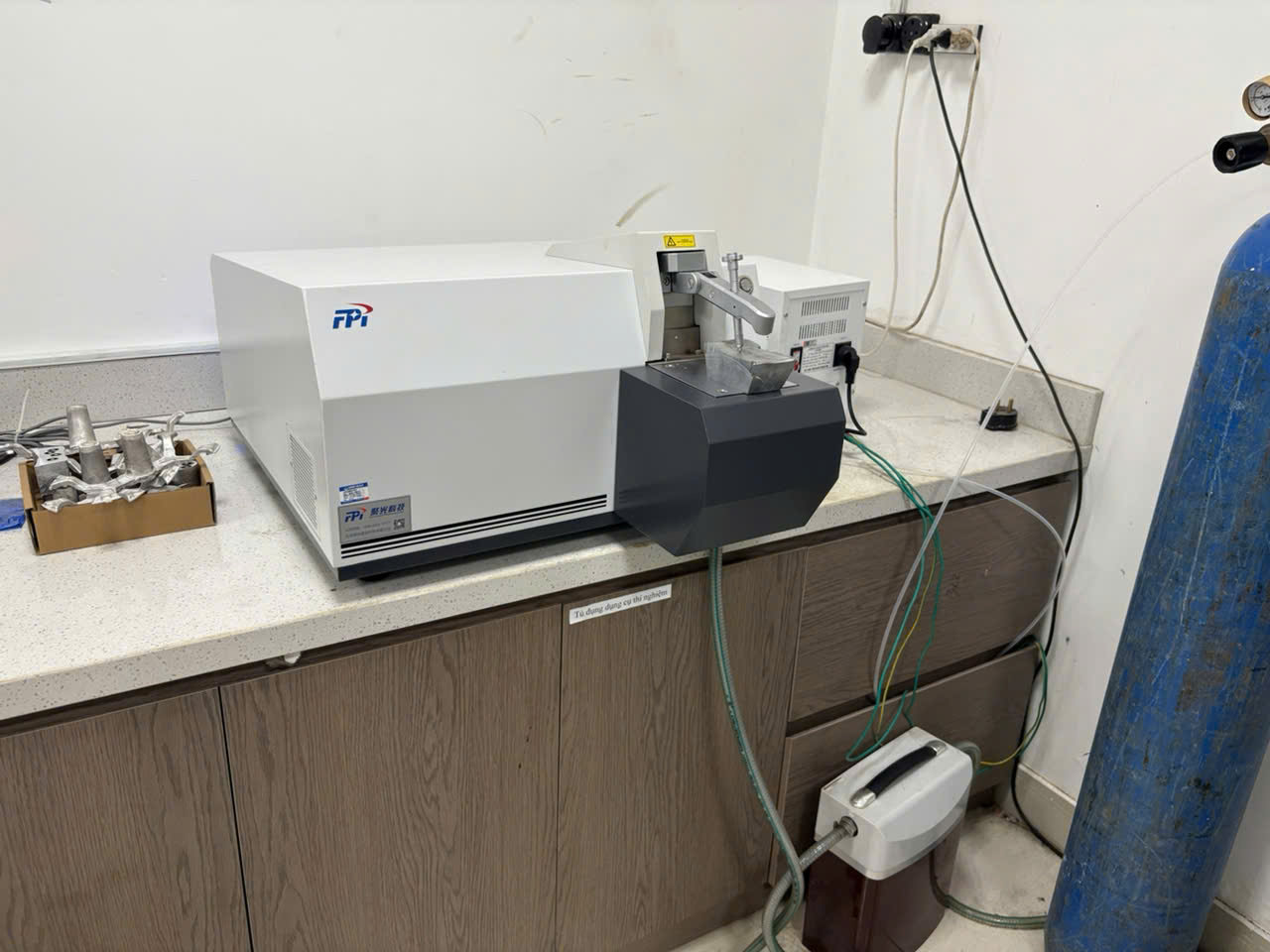
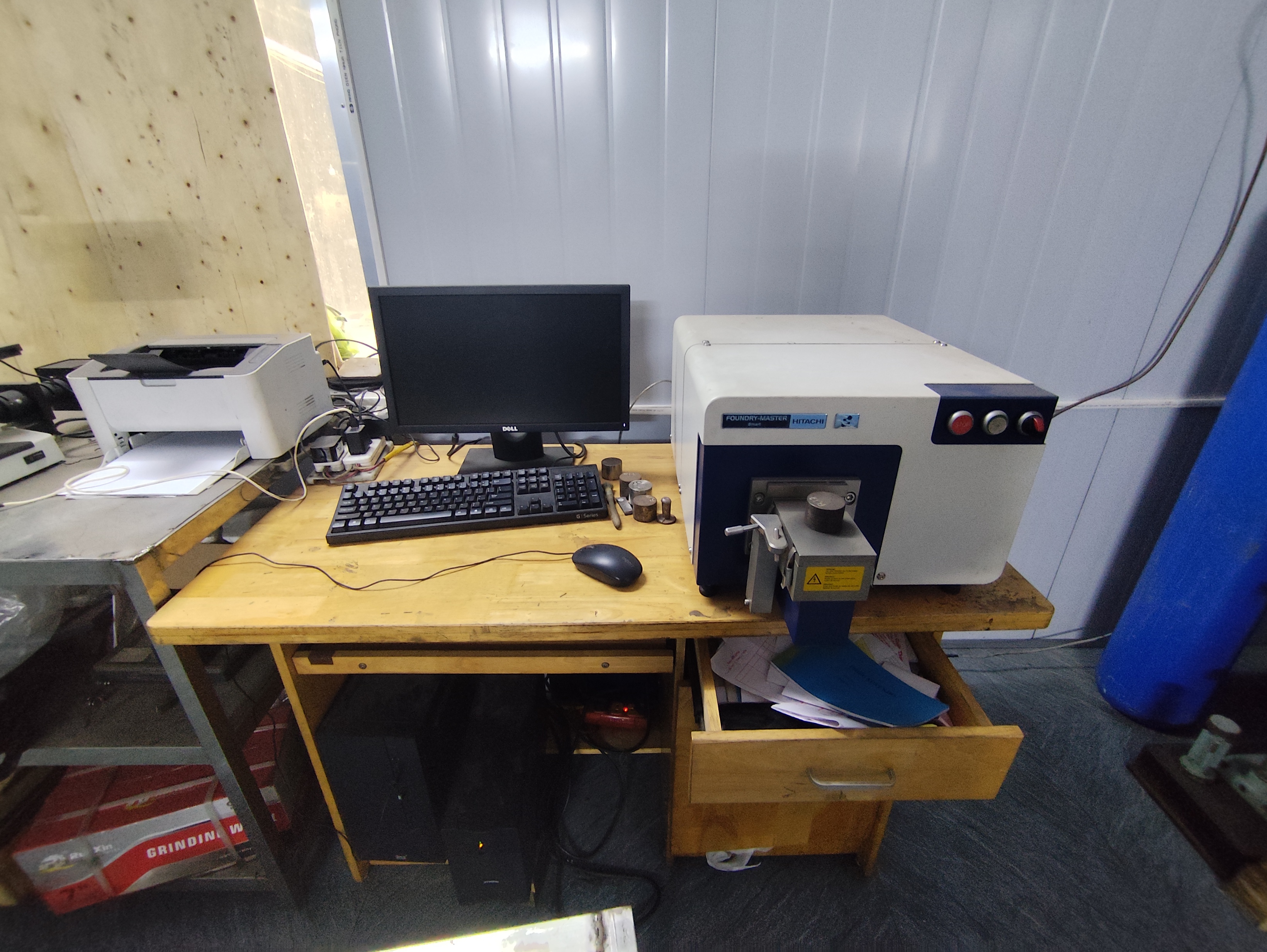
X-Ray Fluorescence screening is a powerful non-destructive tool. You point the gun at a surface and get an elemental composition reading in seconds. We use it routinely during incoming inspection and supplier audits. But XRF has limitations. It measures surface composition, which is great for coatings but less reliable for substrate analysis through thick finishes. It also cannot distinguish between different oxidation states of chromium—meaning it cannot tell you if chromium is the harmless trivalent form or the restricted hexavalent form.
For high-stakes orders or new suppliers, XRF is a screening step. If anything looks suspicious, the sample goes to an accredited lab for full wet chemistry analysis. This two-tier approach balances cost and confidence.
REACH-Specific Risk Management
REACH compliance adds a layer beyond RoHS. The SVHC candidate list is dynamic—new substances are added regularly. For sheet metal parts, the most relevant SVHCs tend to be in coatings and surface treatments rather than the base metal itself. However, if your parts contain articles weighing more than one tonne per year in total, REACH registration obligations may apply depending on substance release characteristics.
For products sold into the EU, you may also need to submit data to the SCIP database 10, which tracks articles containing SVHCs above 0.1% by weight. Our team monitors SVHC candidate list updates quarterly and communicates changes to both our fabrication partners and our clients. This proactive approach prevents surprises at the border.
Contractual and Operational Safeguards
Beyond testing and documentation, contractual protections matter. We include specific clauses in our manufacturing agreements that:
- Define compliance requirements by regulation (RoHS, REACH, conflict minerals compliance where applicable)
- Require advance written notification of any material or process change
- Assign liability for non-compliance to the party responsible for the deviation
- Grant the buyer the right to conduct unannounced audits
- Require the supplier to maintain compliance records for a minimum of five years
These clauses do not prevent problems, but they create accountability and make it clear that compliance is non-negotiable.
Negative Declarations and Emerging Substances
Forward-thinking procurement teams also request "negative declarations"—statements confirming the absence of specific substances that may not yet appear on official restricted lists but are under regulatory scrutiny. This is particularly relevant for substances being evaluated for addition to the SVHC candidate list. By asking suppliers to confirm non-use now, you reduce the risk of a future regulatory change forcing expensive material substitutions mid-production.
Conclusion
RoHS and REACH compliance from sheet metal fabrication suppliers requires systematic documentation, rigorous audits, lot-level traceability, and ongoing validation—not just promises. Build the paper trail, verify with testing, and choose partners who treat compliance as a core capability.
Frequently Asked Questions
What specific documentation should I request to verify RoHS and REACH compliance for my custom sheet metal parts?
One lesson we learned early in our Vietnam operations was that a supplier saying "we are RoHS compliant" means almost nothing without the right paperwork behind it. The gap between a verbal assurance and a legally defensible paper trail is enormous—and it is exactly where procurement teams get burned.
How can I ensure my Vietnam-based fabrication partner is using compliant raw materials for my project?
During a recent supplier audit at a fabrication shop outside Ho Chi Minh City, we discovered that the steel supplier they used for one client's brackets was different from the one listed on their approved vendor list. The substitution was not malicious—it was a stock shortage. But the replacement steel had no Mill Test Certificate, and nobody had checked for restricted substances. That single gap could have invalidated the entire shipment's compliance status.
What steps should I take to audit a supplier's internal quality control for environmental regulations?
A buyer we work with in the Midwest once told us he had "audited" a supplier by reviewing their ISO certificate and touring the shop floor. Six months later, a batch of enclosures failed RoHS material testing because the plating vendor had switched to a cheaper chemical line. The ISO certificate was real. The compliance gap was in the details the audit never examined.
Footnotes
1. Explains both RoHS and REACH regulations for EU exporters. ↩︎
2. Comprehensive guide to the EU Declaration of Conformity requirements. ↩︎
3. Details the purpose, content, and importance of Mill Test Certificates. ↩︎
4. Official EU source listing hexavalent chromium as a restricted substance. ↩︎
5. Defines RoHS certification and its importance for product compliance. ↩︎
6. Introduces IPC-1752A as a standard for material declaration data exchange. ↩︎
7. Explains the definition of homogeneous material for RoHS compliance. ↩︎
8. Official standard for quality management systems, relevant for structured reporting. ↩︎
9. Describes XRF screening as a method for RoHS compliance testing. ↩︎
10. Official ECHA page for the SCIP database, tracking SVHCs in products. ↩︎