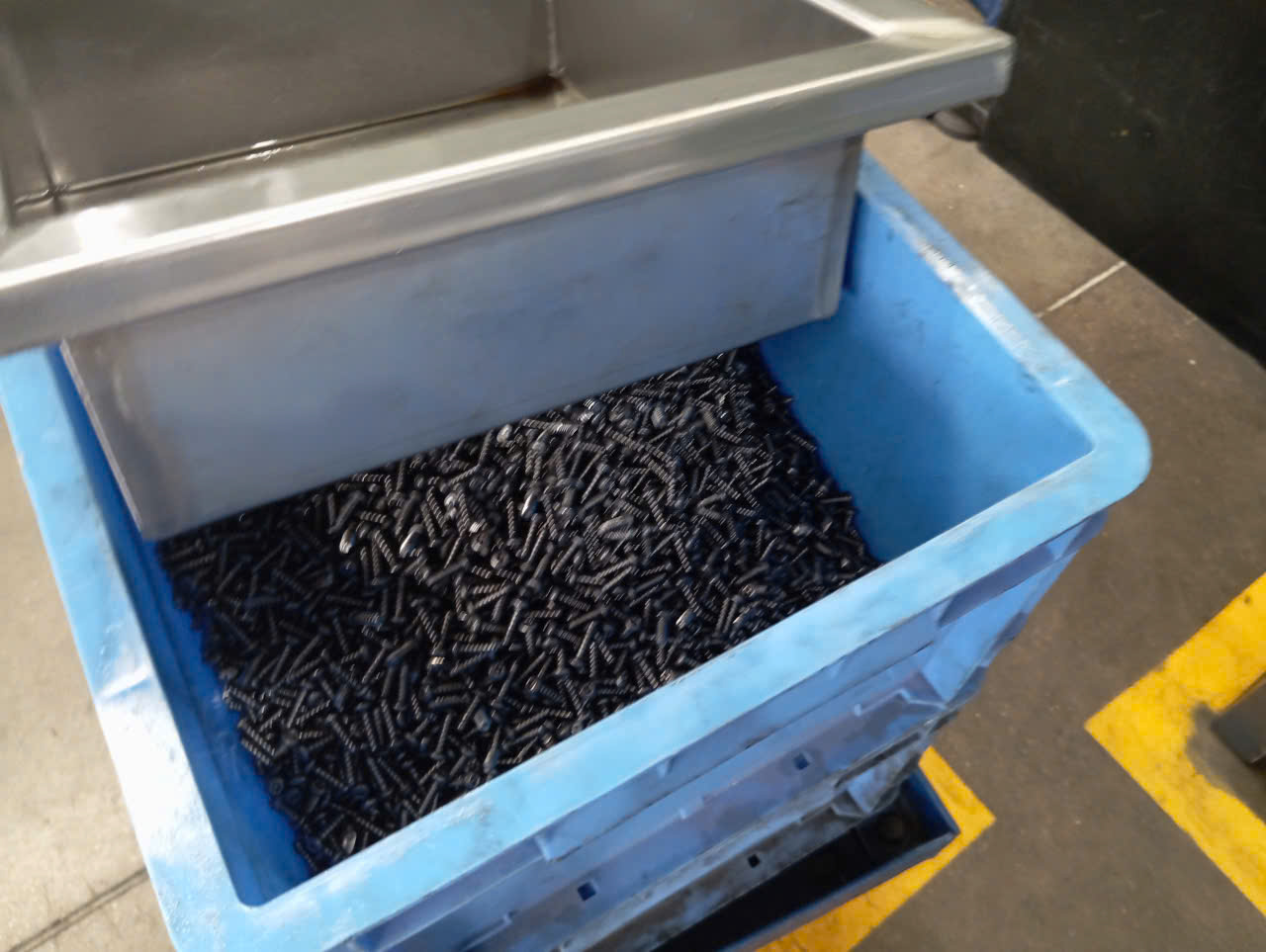
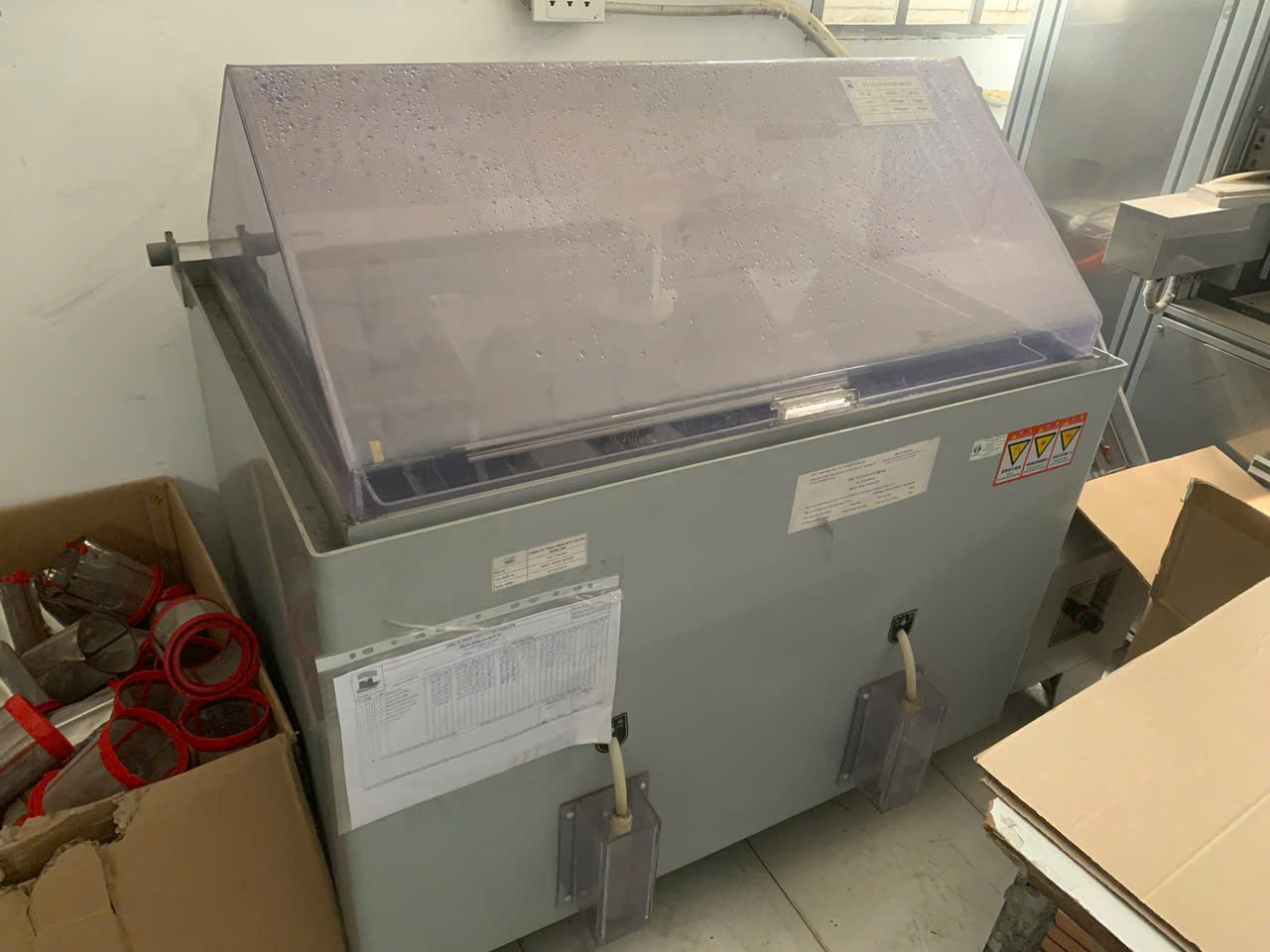
A recurring headache in our supply chain work is parts that look perfect on arrival but corrode within months in the field—a problem salt spray testing 1 prevents.
To request salt spray testing when sourcing corrosion-resistant sheet metal fabrication, specify ASTM B117 or ISO 9227 in your procurement documents, define the required test duration in hours, mandate a 5% sodium chloride solution at 35°C with neutral pH, and require a detailed test report with photos and pass/fail criteria.
This guide walks through every step, from choosing the right test hours to verifying your supplier’s equipment and understanding how it affects lead time and cost. Whether you source powder-coated mounting brackets or stainless steel fabrication assemblies, you will know exactly what to put in your quality agreement.
How do I specify the correct salt spray test hours for my custom sheet metal requirements?
One question I field almost weekly from purchasing managers is deceptively simple: "How many hours should I spec?" The answer depends on the coating type, the base metal, and where the finished part will live.
Specify salt spray test hours based on your coating system, base material, and end-use environment. Standard zinc or galvanized steel parts typically require 96–240 hours under ASTM B117, while high-performance powder coats or protective coatings in marine or outdoor settings may need 480–1000+ hours to prove adequate corrosion resistance.
Why Test Duration Is Not One-Size-Fits-All
Salt spray test hours are a comparative benchmark, not a calendar lifespan. A 500-hour result does not mean the part survives 500 hours outdoors. It means the coating passed an accelerated stress test that lets you compare batches and suppliers on equal ground. When our team in Vietnam audits a new metal finishing supplier, we always map the client's real-world exposure to a test-hour range before the first sample ships.
Matching Hours to Coating and Environment
The table below is the reference we share with U.S. clients during project kick-off. It covers the most common sheet metal material selection scenarios we encounter.
| Coating / Finish | Typical ASTM B117 2 Hours | Typical End-Use Environment |
|---|---|---|
| Zinc plating (clear chromate) | 96–168 | Indoor, mild humidity |
| Zinc plating (yellow chromate) | 240–480 | Sheltered outdoor, light industrial |
| Hot-dip galvanized steel | 240–600 | Outdoor infrastructure, agricultural |
| Powder coat (polyester) | 500–1000 | Outdoor signage, HVAC enclosures |
| Powder coat over zinc primer | 1000–1500 | Marine-adjacent, chemical plants |
| E-coat + topcoat | 1000–2000 | Automotive, heavy equipment |
| High-performance fluoropolymer | 2000–3000+ | Offshore, severe coastal |
How to Write It in Your Sourcing Contract
Be explicit. A vague line like "parts must resist corrosion" invites interpretation. Instead, write something like: "All finished parts shall withstand a minimum of 480 hours neutral salt spray per ASTM B117 with no red rust on surfaces and no more than 2 mm scribe creepage." That single sentence removes ambiguity. It defines the standard, the duration, and the acceptance criteria.
A Note on Aluminum Alloys Corrosion
Aluminum does not red-rust, so the failure mode shifts to pitting corrosion or white corrosion products. If your custom brackets use 5052 or 6061 aluminum alloys 3, specify that pitting depth must not exceed a stated threshold, or that the anodize layer must show no breakdown after the defined hours. Without this clarity, a supplier can technically pass a test while delivering parts that pit in service.
How can I verify that my offshore supplier has the internal equipment to conduct reliable salt spray testing?
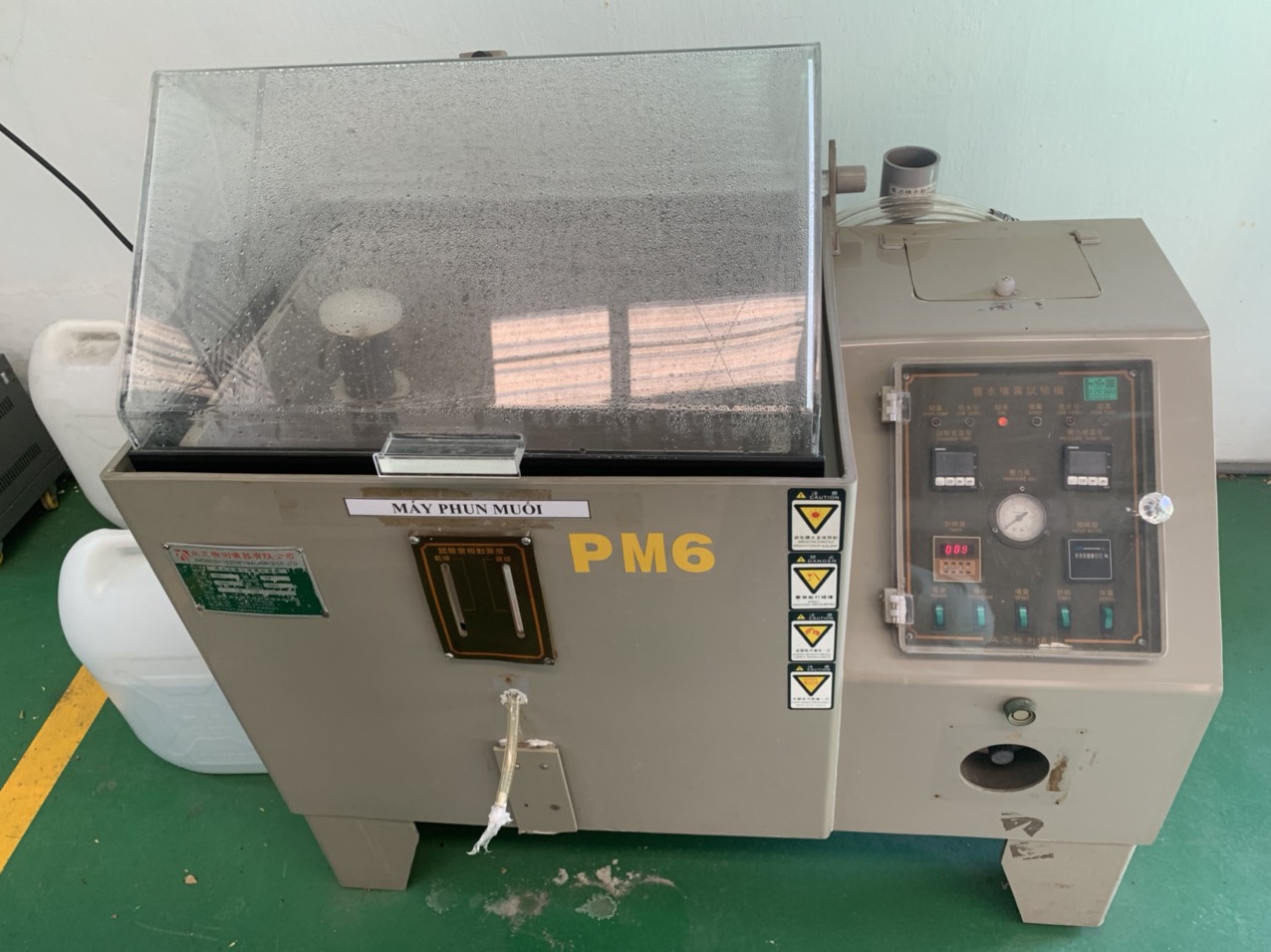
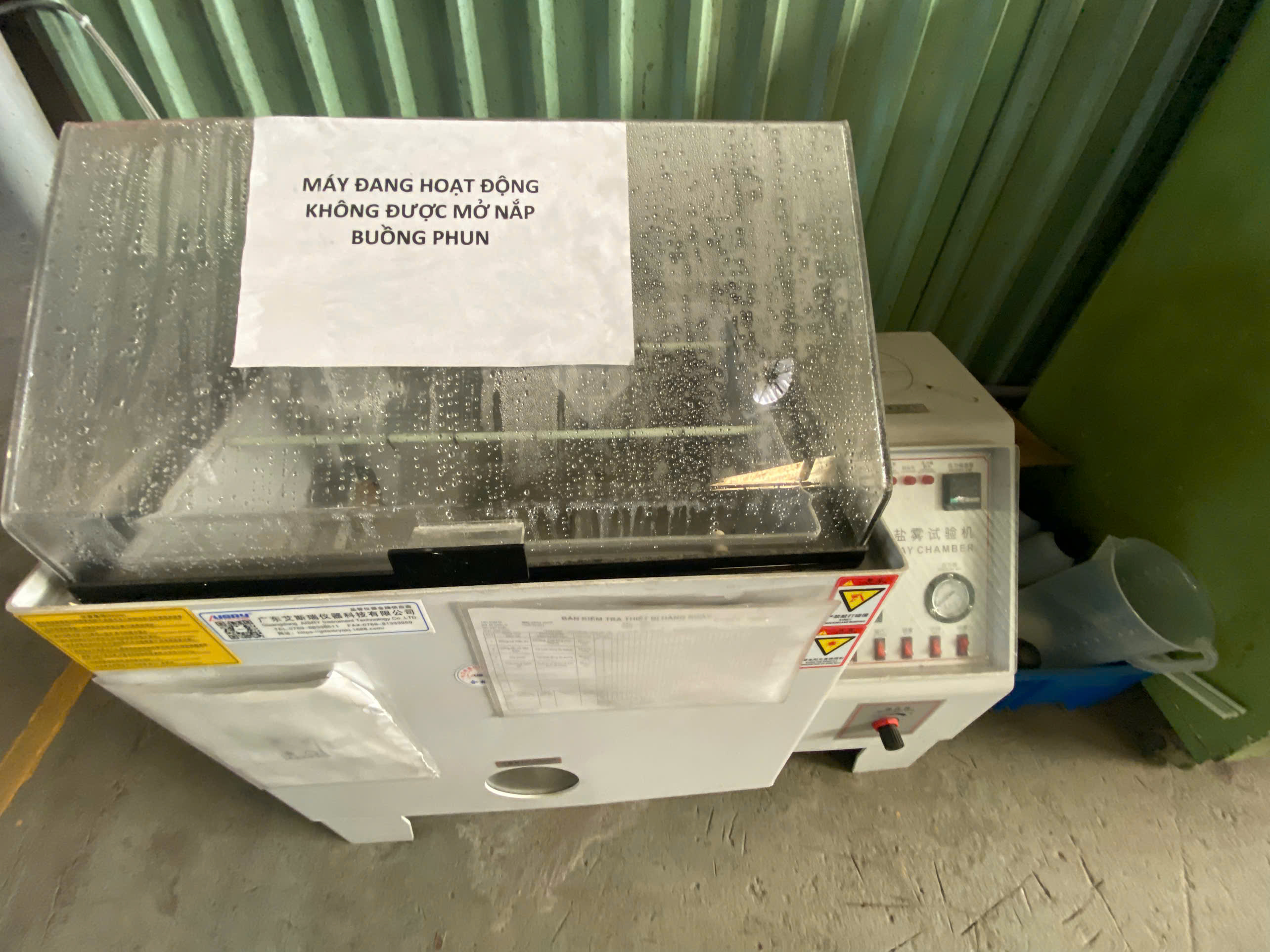
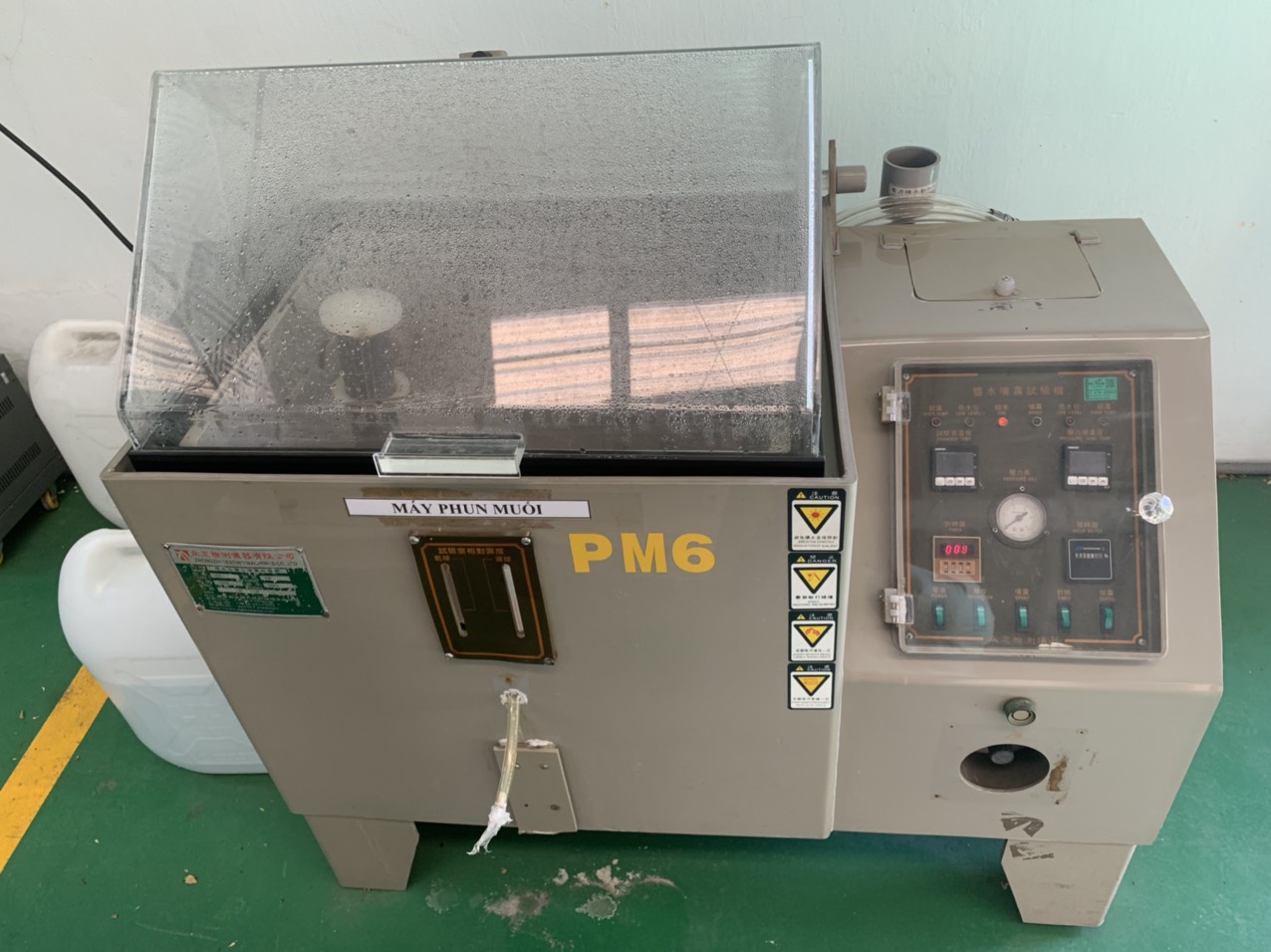
During a supplier audit in Ho Chi Minh City last year, we discovered a fabrication shop claiming in-house salt spray capability. Their chamber existed—but the temperature controller had been broken for months, and they had been running tests at room temperature.
Verify your offshore supplier's salt spray testing capability by requesting calibration certificates for their chamber, confirming compliance with ASTM B117 or ISO 9227 parameters, reviewing historical test reports, and—ideally—conducting an on-site audit or requiring testing at an accredited third-party lab.
What to Look for During a Supplier Audit
An in-house salt spray chamber is only useful if it is properly maintained. When our China and Vietnam teams visit factories, we check the following items systematically.
| Verification Item | What to Ask For | Red Flag |
|---|---|---|
| Chamber model and capacity | Equipment spec sheet, photos | No documentation available |
| Temperature calibration | Annual calibration certificate from accredited lab | Expired or missing certificate |
| Solution concentration control | SOP for preparing 5% NaCl solution | No written procedure; mixed "by feel" |
| pH monitoring | pH meter calibration records; target 6.5–7.2 | No pH meter on site |
| Fog collection rate | Records showing 1–2 mL/hr per 80 cm² | Never measured |
| Sample positioning | Fixtures that hold parts at 15–30° tilt | Parts laid flat on chamber floor |
| Historical reports | Past test reports with photos and data | Unable to produce any examples |
When to Insist on Third-Party Testing
If the supplier cannot demonstrate calibrated equipment or a robust SOP, push for third-party testing at an accredited laboratory. Labs certified to ISO/IEC 17025 4 operate under strict corrosion resistance standards and provide traceable results. This adds a small cost—usually between $150 and $500 per test batch—but it eliminates the risk of unreliable data.
Remote Verification Tactics
Not every project justifies a flight to Asia. Here are practical remote checks we use:
- Request a live video walkthrough of the salt spray chamber, including the control panel readouts.
- Ask for the last three test reports they issued to other clients (with proprietary details redacted).
- Send a reference coupon (a coated panel with known performance) and compare their result against the expected outcome.
- Cross-check the chamber brand against the manufacturer's website to confirm it meets ASTM B117 specifications.
These steps take minimal time but reveal whether the supplier treats testing as a genuine quality gate or a checkbox exercise. In our experience managing PPAP and process control across Southeast Asia, the suppliers who welcome scrutiny are the ones worth keeping.
What documentation should I expect in a salt spray test report to ensure my parts meet corrosion-resistance standards?
A client once sent us a "test report" from their previous supplier. It was a single sentence: "Parts passed salt spray." No hours listed, no photos, no standard referenced. That report was worthless for any engineering or regulatory purpose.
A proper salt spray test report should include the testing standard referenced (ASTM B117 or ISO 9227), test duration, solution parameters (5% NaCl, 35°C, pH 6.5–7.2), sample identification, before-and-after photographs, detailed observations of rust or blistering, scribe creepage measurements if applicable, and a clear pass/fail conclusion against agreed acceptance criteria.
Anatomy of a Complete Test Report
Below is the minimum content we require from every supplier or third-party lab before we release parts for shipment to U.S. clients.
| Report Section | Required Content | Why It Matters |
|---|---|---|
| Header / Lab Info | Lab name, accreditation number, report date | Traceability and credibility |
| Test Standard | ASTM B117, ISO 9227, or other specified standard | Confirms the correct method was followed |
| Test Parameters | NaCl concentration, temperature, pH, fog rate | Proves conditions met specification |
| Sample Description | Part number, material, coating type, batch/lot ID | Links results to your specific production run |
| Sample Photos (Before) | Clear images of all tested surfaces | Baseline reference |
| Test Duration | Exact hours of exposure | Confirms the agreed duration was completed |
| In-Test Observations | Notes at interim checkpoints (e.g., 24h, 96h, 240h) | Early detection of marginal coatings |
| Sample Photos (After) | Close-up images showing condition post-test | Visual evidence of pass or fail |
| Rating / Evaluation | Numerical rating per ASTM D1654 or ISO 4628, or descriptive assessment | Objective, quantifiable result |
| Scribe Creepage | Measured in mm from the scribed line | Critical for coatings that must resist chip-through |
| Pass / Fail Statement | Clear declaration against your acceptance criteria | Eliminates subjective interpretation |
| Calibration Records | Attached or referenced chamber calibration certificate | Validates equipment accuracy |
Beyond Visual Inspection
For critical applications—think outdoor electrical enclosures or heavy-duty mounting brackets exposed to road salt—visual inspection alone may not tell the whole story. Consider requesting post-test metallurgical analysis 6. Cross-sectional microscopy reveals whether the coating delaminated at the substrate interface. Elemental analysis (EDS) 7 can confirm that the zinc or chromate layer maintained its specified thickness after exposure. These advanced steps add cost, but they help diagnose why a coating failed, not just that it failed.
Setting Quantifiable Acceptance Criteria
Avoid subjective language like "no significant corrosion." Instead, define measurable limits:
- Red rust: 0% on visible surfaces; maximum 2 mm from cut edges.
- White rust (on galvanized steel): Acceptable on less than 5% of the surface area.
- Blistering: None larger than Size 2 per ASTM D714.
- Scribe creepage: Maximum 1.5 mm from the scribe line.
When these numbers appear in your purchase order and quality agreement, both you and the supplier share the same definition of "pass." This is especially important when sourcing from multiple metal finishing processes suppliers who may interpret vague criteria differently.
How will adding a salt spray test requirement affect my production lead times and overall project cost?
A trade-off we discuss openly with every new client is the tension between speed, cost, and proof. Nobody wants to add two weeks and extra dollars to a project—but nobody wants a container of corroded parts either.
Adding salt spray testing typically extends production lead time by 2–10 days depending on the required test duration, and increases per-order cost by $150–$800 for in-house testing or third-party lab fees. However, this investment prevents costly field failures, warranty claims, and re-orders that far exceed the testing expense.
Breaking Down the Time Impact
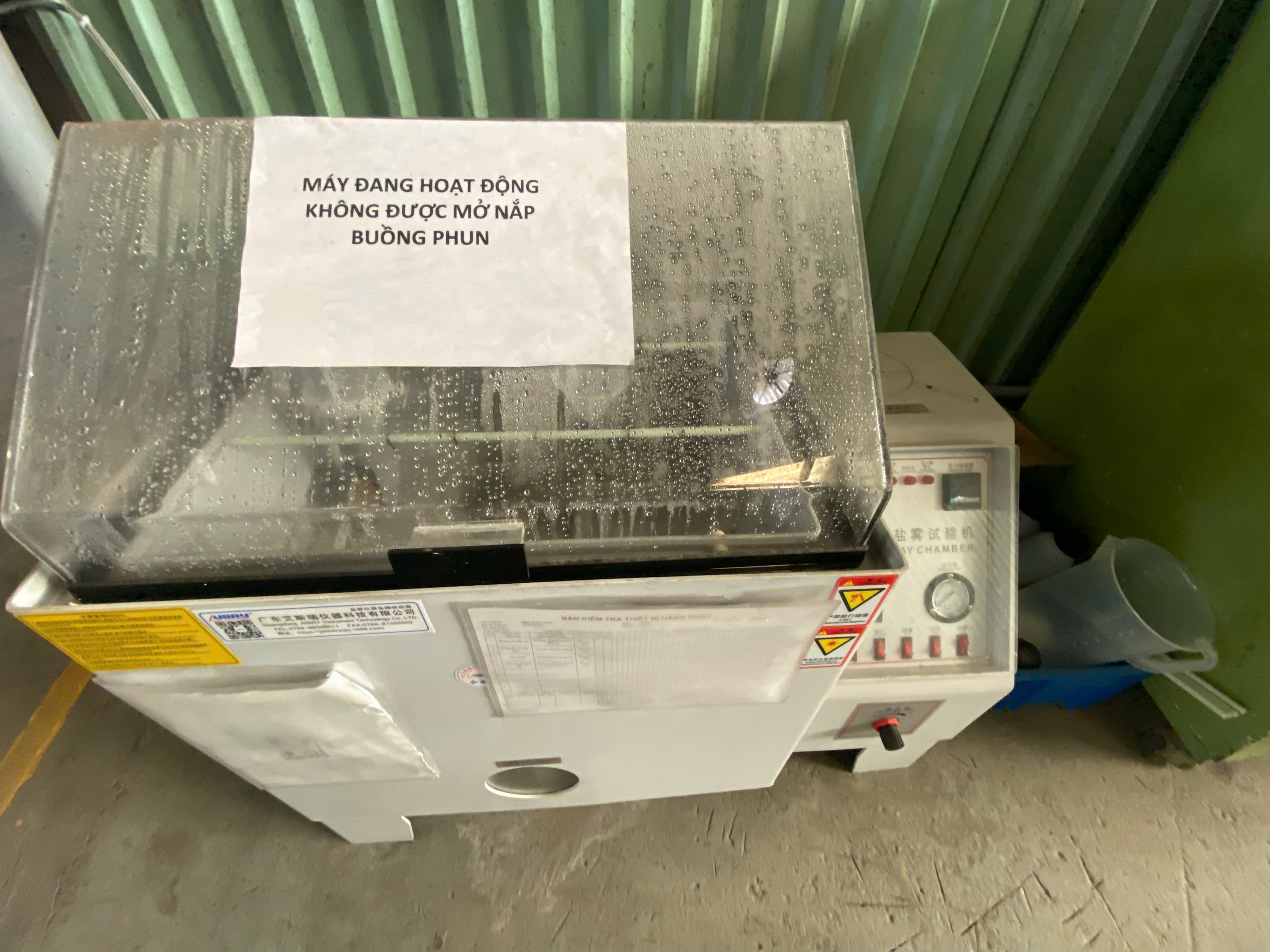
The test itself runs continuously once it starts. A 96-hour test takes four days. A 500-hour test takes almost three weeks. But the real question is whether testing runs in parallel with production or sequentially. Here is how we typically structure the timeline.
Sequential approach: Produce samples → test → wait for results → produce full batch. This is safer for first-article runs. It adds the full test duration to your lead time.
Parallel approach: Produce full batch → pull samples at start of production → run test while remaining parts are in finishing or packaging. If results pass, parts ship on schedule. If results fail, you catch the issue before the container leaves. This approach adds minimal lead time—usually just the lag between pulling samples and receiving the report.
For most repeat orders with proven coatings and stable metal finishing processes, we recommend the parallel approach. For new coating systems or new suppliers, sequential is worth the wait.
Cost Breakdown
| Cost Component | Typical Range | Notes |
|---|---|---|
| In-house chamber test (supplier) | $0–$200 | Often included if supplier owns equipment |
| Third-party lab (standard NSS test) | $150–$500 | Per batch, accredited lab |
| Third-party lab (CASS or cyclic corrosion testing 8) | $300–$800 | More complex test protocols |
| Post-test metallurgical analysis | $200–$600 | Cross-section microscopy, EDS |
| Re-test if first batch fails | $150–$500+ | Plus delay for rework and re-coating |
The Hidden Cost of Skipping the Test
I have seen projects where a client skipped salt spray testing to save $300 and two weeks. Six months later, their end customer reported pitting corrosion on powder-coated steel enclosures installed near a coastal facility. The rework cost was over $15,000—not counting the damage to the client's reputation. Salt spray testing is insurance. It is cheap insurance.
Cyclic Corrosion Testing: When Standard Salt Spray Is Not Enough
For parts exposed to real-world wet-dry cycling—think outdoor infrastructure, automotive underbody components, or marine hardware—continuous salt fog per ASTM B117 may not tell the full story. Cyclic corrosion testing protocols like ISO 12944-9 9 combine salt spray with UV exposure and freeze-thaw cycles. These tests correlate better with actual service life, especially for galvanized steel where the zinc patina needs wet-dry transitions to form properly. The trade-off is longer test cycles and higher lab fees, but the data is far more meaningful for corrosion resistance standards compliance in aggressive environments.
Conclusion
Requesting salt spray testing is straightforward when you specify the standard, hours, parameters, and acceptance criteria upfront—and verify your supplier can deliver reliable results with proper documentation.
Frequently Asked Questions
How do I specify the correct salt spray test hours for my custom sheet metal requirements?
One question I field almost weekly from purchasing managers is deceptively simple: "How many hours should I spec?" The answer depends on the coating type, the base metal, and where the finished part will live.
How can I verify that my offshore supplier has the internal equipment to conduct reliable salt spray testing?
During a supplier audit in Ho Chi Minh City last year, we discovered a fabrication shop claiming in-house salt spray capability. Their chamber existed—but the temperature controller had been broken for months, and they had been running tests at room temperature.
What documentation should I expect in a salt spray test report to ensure my parts meet corrosion-resistance standards?
A client once sent us a "test report" from their previous supplier. It was a single sentence: "Parts passed salt spray." No hours listed, no photos, no standard referenced. That report was worthless for any engineering or regulatory purpose.
Footnotes
1. Replaced broken link with an authoritative Wikipedia overview of salt spray testing. ↩︎
2. Replaced broken link with a working page explaining the ASTM B117 standard. ↩︎
3. Compares properties and applications of 5052 and 6061 aluminum alloys. ↩︎
4. Explains the international standard for the competence of testing and calibration laboratories. ↩︎
5. Specifies the international standard for salt spray tests. ↩︎
6. Describes the process and importance of metallurgical analysis after corrosion testing. ↩︎
7. Replaced broken link with an authoritative Wikipedia explanation of EDS. ↩︎
8. Explains how cyclic corrosion testing simulates real-world environments more accurately. ↩︎
9. Specifies performance requirements for protective paint systems in offshore and related structures. ↩︎