

Last year, our team shipped stamped brackets to a German client, and customs flagged the chemical paperwork. Requiring MSDS/SDS compliant with EU regulations for stamping parts is trickier than most buyers expect—and one outdated document can freeze an entire shipment at the border.
To require EU-compliant MSDS/SDS for stamping parts, ask suppliers for a 16-section SDS aligned with REACH Annex II and Regulation (EU) 2020/878, written in the destination Member State’s official language, covering process chemicals like lubricants and coatings, delivered free at first shipment.
That is the short answer. Now let me walk you through what to request, how to verify it, which extra documents matter, and how to get Asian suppliers on board.
What Should I Include When Requesting MSDS/SDS from My Stamping Parts Supplier?
A purchasing manager once asked me for an SDS on a bare steel clip we source from Vietnam. I had to explain that the clip itself is an article—the real SDS need sits with the oils and coatings behind it.
Your request should specify: the current 16-section EU SDS format under Regulation (EU) 2020/878, coverage of all process chemicals (stamping oils, cleaners, rust preventives, coatings), the destination country's official language, the latest revision date, and SVHC/PBT/vPvB disclosure statements for the finished parts.

The first thing to get right is scope. Under EU rules, a finished stamped bracket is normally an "article," not a chemical. Articles usually do not need an SDS. But the chemicals used to make and protect those parts do—when they are hazardous or trigger other REACH conditions 1. In our sourcing projects across Vietnam and China, the SDS conversation almost always centers on the process chemistry, not the metal itself.
Which Chemicals Around Stamping Parts Need an SDS?
Here is how we break it down for our clients before every project kickoff:
| Item | Classification | SDS Required? |
|---|---|---|
| Bare stamped steel bracket | Article | No, unless it releases a substance or contains SVHC above 0.1% w/w |
| Stamping oil / die lubricant | Mixture | Yes, if classified hazardous under CLP |
| Degreaser / cleaning agent | Mixture | Yes, in most cases |
| Rust preventive coating on shipped parts | Mixture applied to article | Yes, for the chemical itself |
| Plating or surface-treatment bath | Mixture | Yes, almost always |
| Part shipped with anti-corrosion oil film | Article + chemical | SDS needed for the oil |
What to Write in the Actual Request
When we draft SDS requests for our clients, we include five concrete asks. First, we ask for the SDS revision number and date. Second, we specify the EU 16-section structure. Third, we name the target market so the language is correct. Fourth, we request an SVHC declaration for the article itself, since REACH Article 33 2 creates a separate duty to communicate SVHC content above 0.1% by weight. Fifth, we state that documentation is a pre-condition for order approval—not a post-shipment courtesy. Putting these points in the RFQ and purchase order gives you contractual leverage if the supplier drags their feet later.
How Do I Verify My Supplier's SDS Meets EU REACH and CLP Requirements?
During a supplier audit in Vietnam, I opened a folder labeled "MSDS" and found documents dated 2014, written for the US market, with only 12 usable sections. The supplier genuinely believed they were compliant. They were not.
Verify the SDS by checking five things: all 16 mandatory headings are present and completed, the format follows Regulation (EU) 2020/878, CLP hazard classifications and pictograms appear in Sections 2 and 3, REACH registration numbers are listed where required, and the revision date is recent.

Verification is where most buyers stumble. A document titled "MSDS" can look official yet fail EU rules completely. The EU expects a specific structure, specific regulatory references, and current classification data. When our quality team reviews an SDS before approving a chemical for a client's production line, we run through a fixed checklist rather than trusting the cover page.
The 16-Section Structure Check
The EU SDS must contain all 16 headings in the correct order. Missing or blank sections are red flags. Watch especially for Section 2 (hazard identification with CLP classes), Section 3 (composition with EC and CAS numbers), Section 8 (exposure controls with EU occupational limits), and Section 15 (regulatory information citing REACH and CLP).
Quick Verification Checklist
| Check Point | What a Compliant SDS Shows | Common Failure |
|---|---|---|
| Format basis | Regulation (EU) 2020/878 / REACH Annex II | Old 2015/830 or US OSHA format |
| Sections | All 16, none blank | Missing Sections 8, 11, or 15 |
| Classification | CLP (EC) No 1272/2008 hazard classes | Old DSD/DPD phrases or GHS-US only |
| Language | Official language of destination Member State | English-only document |
| Revision | Recent date, revision history noted | Undated or years old |
| Composition | EC/CAS numbers, concentration ranges | Vague "proprietary blend" entries |
Beyond the Paper Check
We also cross-check content quality. Generic, copy-pasted text is a warning sign. The exposure limits 3 in Section 8 should reference EU or national limits, not only ACGIH values from the US. If a mixture contains an SVHC Candidate List substance, it should appear in Section 3 even below classification thresholds in some cases. Finally, remember the delivery rules: the SDS must reach you free of charge, no later than first delivery, on paper or electronically. A link buried on a website does not count as active delivery under EU practice.
Which Documents Should I Request Alongside MSDS/SDS for EU Compliance?
One trade-off we weigh on every European project is documentation depth versus supplier burden. Ask for too little, and compliance gaps surface at the worst moment. Ask for everything, and small stamping houses simply stop replying.
Alongside the SDS, request a REACH Article 33 SVHC declaration, RoHS test reports for plated or coated parts, REACH registration confirmation for surface-treatment substances, a material composition declaration or IMDS entry for automotive work, and CE-related documents where applicable.
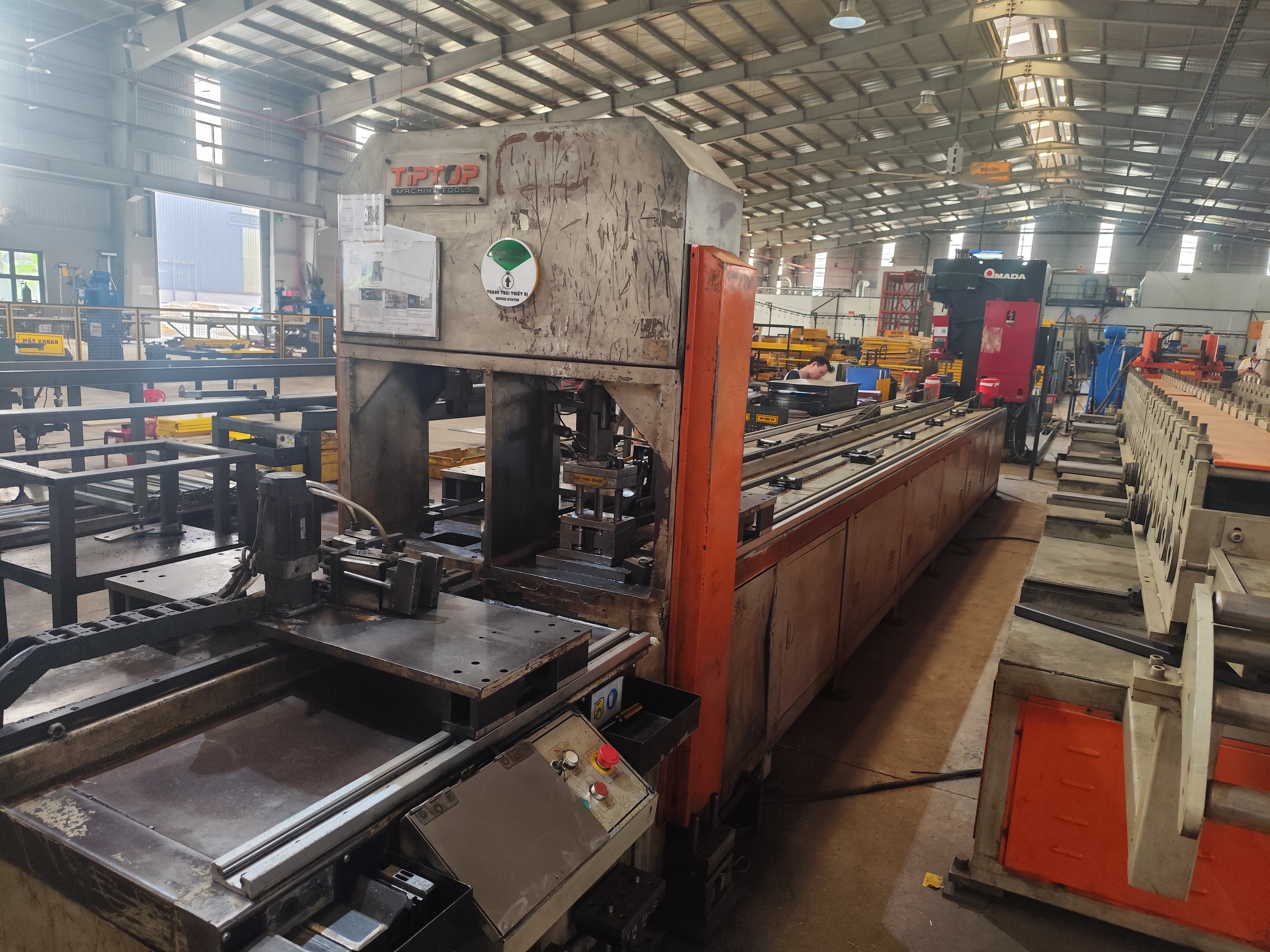
The SDS is only one piece of the EU compliance puzzle for stamped parts. In our supply chain services, we build a document package for each part number before the first shipment leaves Asia. That package protects our client if a customer, auditor, or authority asks questions later.
The Core Document Package
Here is the set we typically assemble:
| Document | Purpose | When It Applies |
|---|---|---|
| SDS (2020/878 format) | Hazard communication for process chemicals | Any hazardous mixture used or shipped |
| SVHC declaration (Article 33) | Confirms SVHC content below 0.1% w/w | All articles sold into the EU |
| RoHS test report 4 | Verifies restricted substances in coatings/plating | Parts for electrical/electronic products |
| REACH registration evidence | Confirms substances are legally registered | Surface treatments, plating chemistry |
| IMDS submission | Full material composition disclosure | Automotive Tier 1/2 supply chains |
| Plating/coating certificate | Confirms treatment specification met | Zinc-plated, galvanized, passivated parts |
Why SDS and IMDS Are Not the Same Thing
Automotive buyers often confuse these two. The SDS communicates chemical hazards and handling for substances and mixtures. IMDS declares the full material composition of the part itself for the automotive supply chain. A zinc-plated bracket for a Tier 1 customer usually needs an IMDS entry 5, while the plating bath behind it needs an SDS. You will often need both, and neither substitutes for the other.
Independent Verification
We also recommend third-party checks for coated or plated parts. XRF screening 6 or wet-chemical testing can verify SVHC and RoHS levels independently, so you are not relying only on supplier-declared data. On mid-to-high specification projects, we build this testing into the PPAP and final inspection stage. It is a small cost against the risk of a rejected shipment or a customer recall.
How Can I Ensure My Asian Suppliers Understand EU SDS Format and Language Requirements?
A lesson we learned the hard way: assuming a supplier "knows REACH" because they export a lot. One of our long-term stamping partners in Vietnam exported heavily to North America, so their entire documentation system was built around US OSHA HazCom—useless for a French customer.
Educate suppliers with a written SDS specification citing Regulation (EU) 2020/878, require the destination country's official language rather than English-only documents, embed SDS compliance clauses in contracts and RFQs, verify samples before ordering, and audit documentation control during supplier qualification.
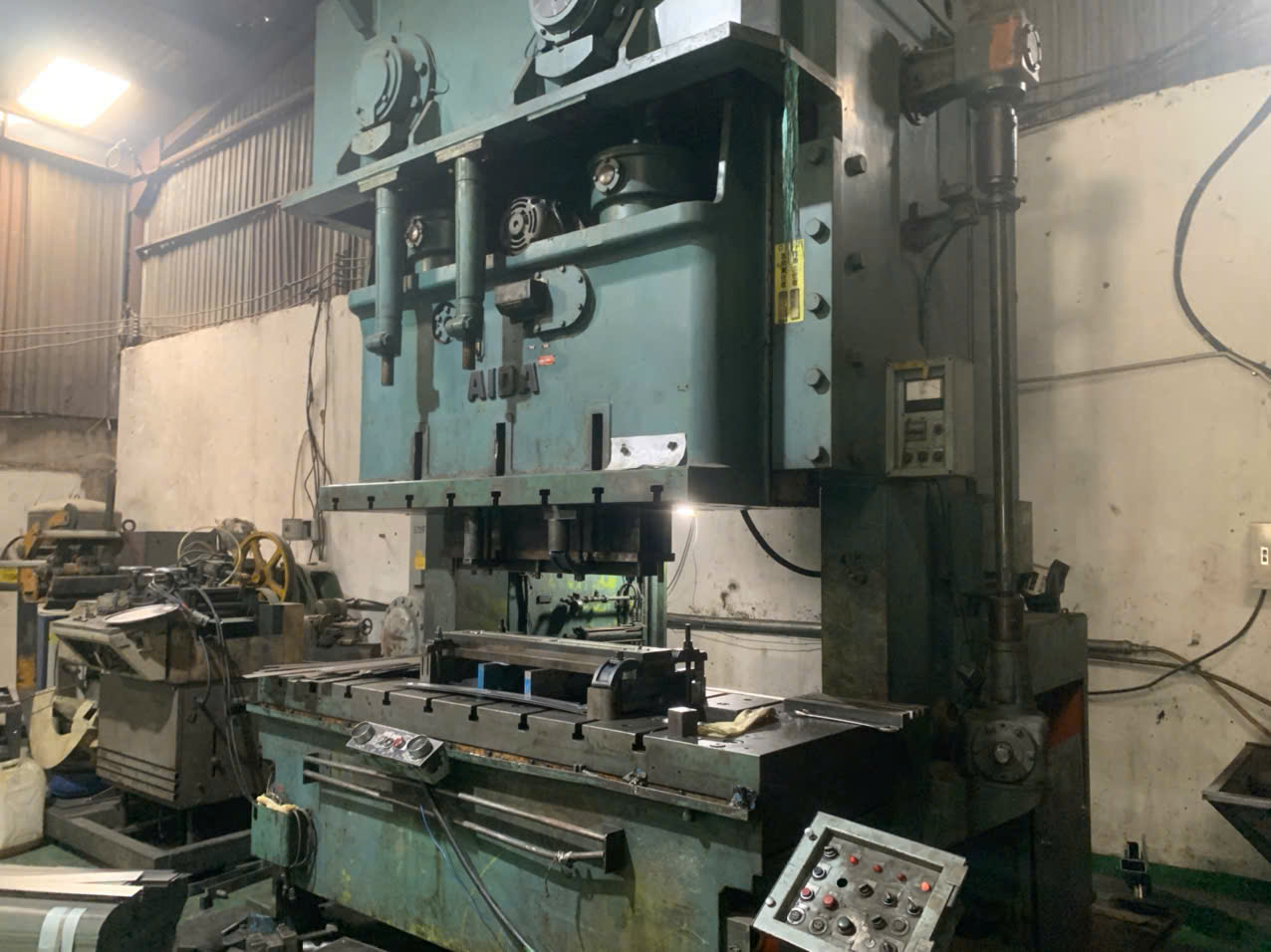
Most Asian suppliers are willing to comply. The gap is knowledge, not intent. Their default documents follow US or GHS-generic formats, and they often believe an English SDS covers all of Europe. It does not. The SDS generally must be in the official language of the Member State 7 where the product is placed on the market. A shipment to Poland needs Polish. A shipment split between Spain and Italy needs both languages.
A Practical Onboarding Process
We use a simple five-step process when qualifying stamping suppliers for European programs:
- Send a one-page EU SDS specification with the RFQ. State the 16-section format, the 2020/878 basis, and the required languages up front.
- Request a sample SDS for one representative chemical before awarding the order. Review it against the checklist from the verification section above.
- Write compliance into the contract. Make current, correct-language SDS delivery a condition of payment or shipment release, not a favor.
- Verify translation quality. Machine-translated SDSs are common and dangerous. Chemical terminology must be accurate, so we route local-language versions through expert review.
- Re-check periodically. Suppliers must revise the SDS when new hazard or regulatory information appears. We ask for revision status at every annual audit and whenever a chemical or coating changes.
Handling the Language Problem at Scale
For clients selling across several EU markets, we keep an internal chemical register. It maps each chemical to its use, location, hazard class, and the language versions on file. When a supplier updates a classification, the register tells us exactly which local-language documents and labels need updating. This sounds bureaucratic, but it turns a scramble into a routine. For automotive work, we tie this register into IATF 16949-aligned document control, so SDS review sits inside the same quality system as PPAP and process audits rather than floating in someone's inbox.
Frequently Asked Questions
Which Chemicals Around Stamping Parts Need an SDS?
Here is how we break it down for our clients before every project kickoff:
What Should I Include When Requesting MSDS/SDS from My Stamping Parts Supplier?
A purchasing manager once asked me for an SDS on a bare steel clip we source from Vietnam. I had to explain that the clip itself is an article—the real SDS need sits with the oils and coatings behind it.
How Do I Verify My Supplier's SDS Meets EU REACH and CLP Requirements?
During a supplier audit in Vietnam, I opened a folder labeled "MSDS" and found documents dated 2014, written for the US market, with only 12 usable sections. The supplier genuinely believed they were compliant. They were not.
Have a STEP Model or 2D Drawing for This Project?
Share your drawing, material, quantity and finishing requirements to begin a manufacturing quote. Confirm pricing, delivery and inspection requirements during the review.
This article is part of DEWIN's technical manufacturing engineering knowledge base. Factory-specific details come from each factory's profile page — please verify current information there or with our team.