When a batch of custom brackets came back from the field with rust spots after just six months, our team knew we had to rethink how we validated protective coatings before shipment.
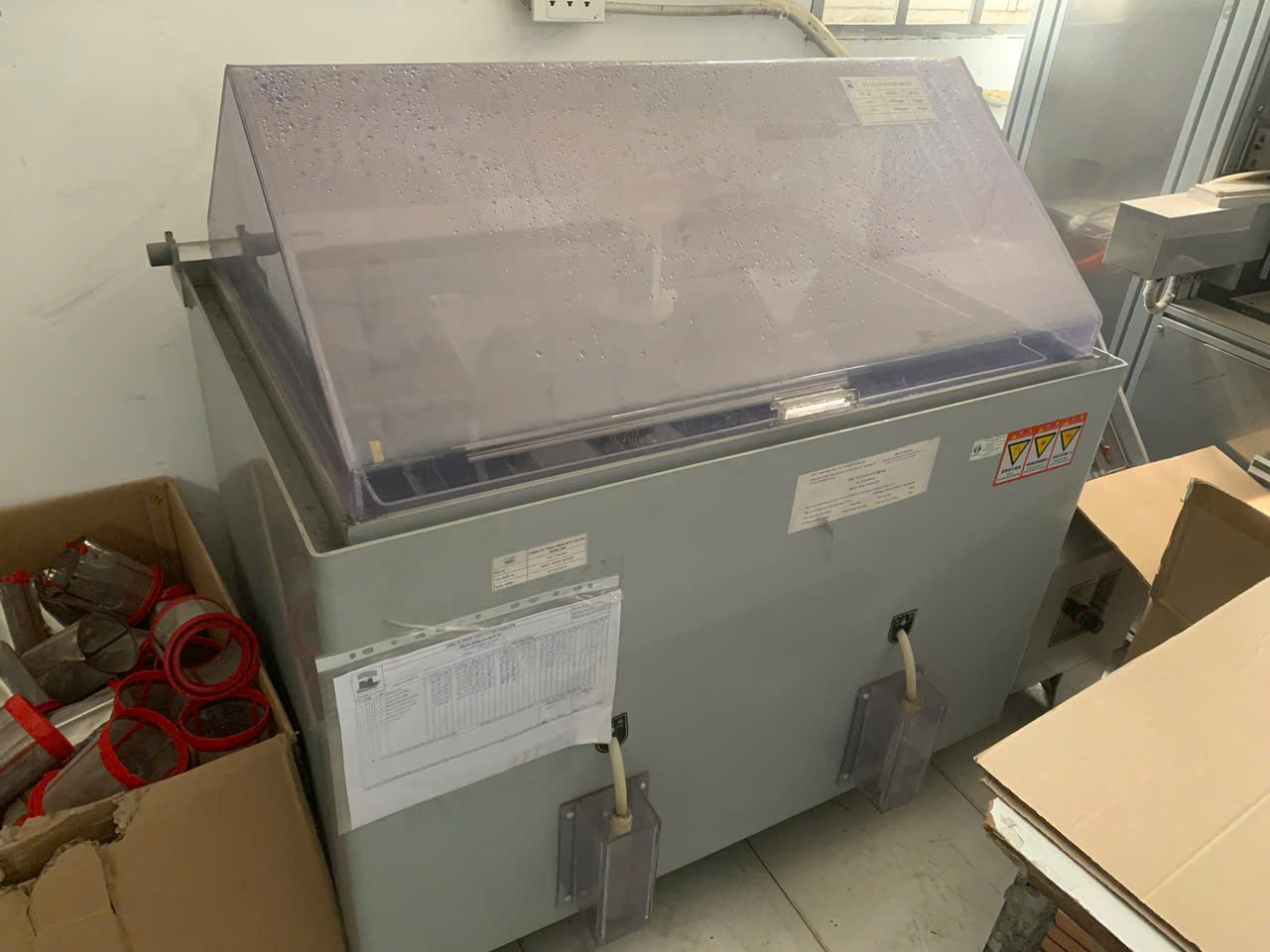
Salt spray testing evaluates corrosion resistance in sheet metal fabrication by exposing coated samples to a continuous 5% sodium chloride fog inside a controlled salt fog chamber at 35°C, then measuring the time until red rust formation, blistering, pitting corrosion, or coating failure appears on the surface.
This article walks through exactly how the test works, what the results mean, how to set hour requirements, and how to confirm your supplier runs it correctly ISO 9227 1. Let’s get into it.
How do I interpret salt spray test results to ensure my custom sheet metal parts meet quality standards?
A U.S. client once sent us photos of rusted mounting plates and asked, "Didn't these pass testing?" That question taught our quality team that passing a test means nothing if you don't know how to read the results properly sodium chloride solution 2.
To interpret salt spray test results, examine each sample for red rust formation, blistering, coating delamination, and scratch creepage distance after the specified exposure hours. Parts meet quality standards when rust appears only after the required duration and creepage from the scribed line stays below 2mm.
Understanding the Test Setup First
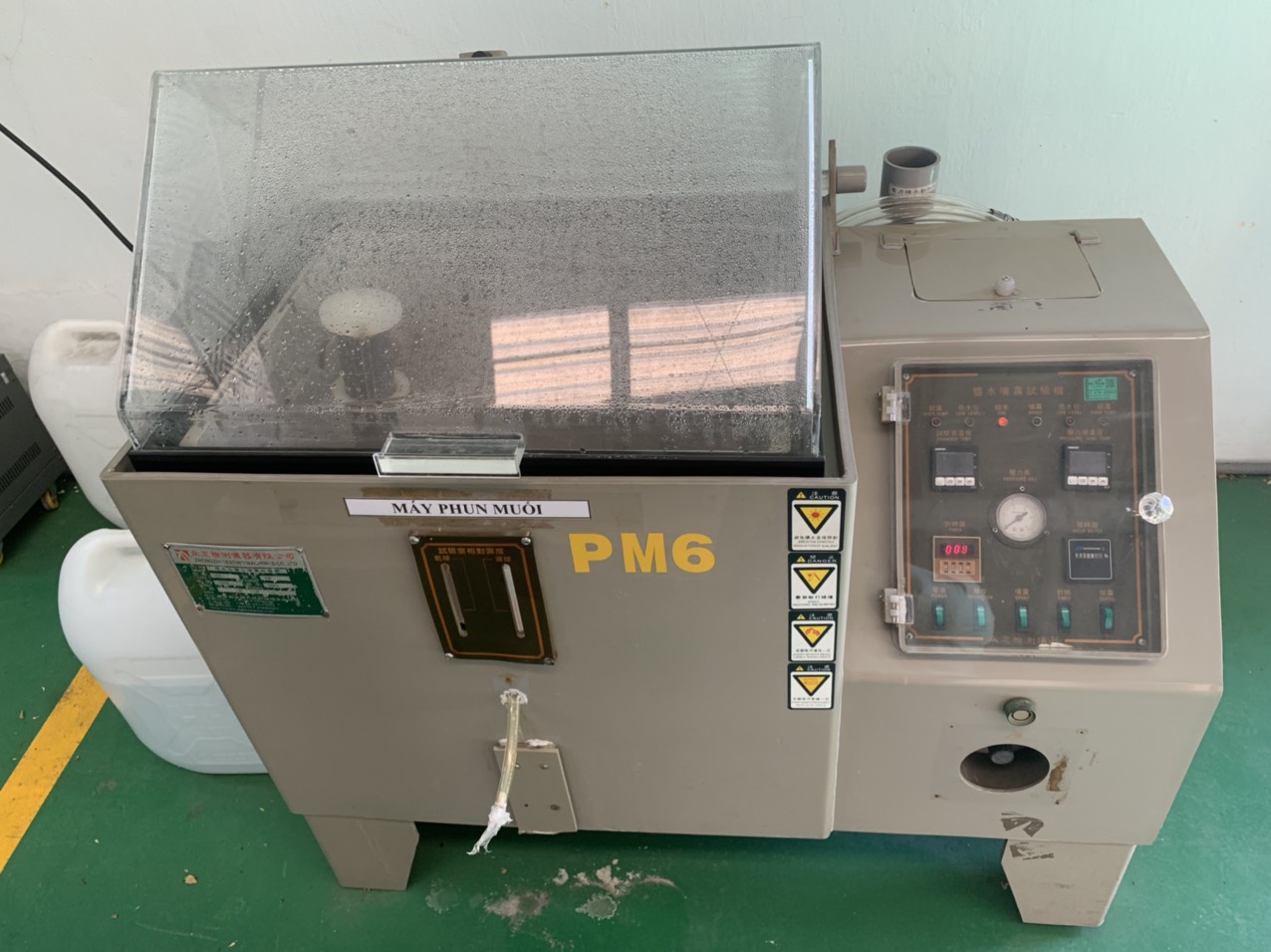
Before you can read results, you need to understand what happened inside the salt fog chamber. The test follows ASTM B117 3 or ISO 9227. A 5% sodium chloride solution is atomized into a fine mist. The chamber stays at a constant 35°C (95°F). The pH sits between 6.5 and 7.2. Test panels are tilted at 15 to 30 degrees from vertical so the fog settles evenly.
The most critical preparation step is scribing. Our engineers score a line through the coating down to bare metal. This simulates a real-world scratch or edge damage. The scribe is where the real story unfolds.
What to Look for After the Test
When we pull samples from the chamber, we inspect four things:
| Failure Indicator | What It Looks Like | What It Tells You |
|---|---|---|
| Red rust 4 | Orange-brown iron oxide spots on the surface | Base metal is exposed; coating has failed at that point |
| Blistering | Raised bubbles under the coating film | Moisture has penetrated the coating; adhesion is weak |
| Scratch creepage | Rust spreading sideways from the scribed line | Poor coating adhesion; corrosion travels under the film |
| Pitting corrosion 5 | Small holes or pits in the metal surface | Localized attack; coating may be too thin in spots |
Why the Scribe Matters Most
Many buyers focus only on whether the flat surface rusted. That is a mistake. The scribe line tells you far more. If rust creeps more than 2mm from the scratch, the coating adhesion is poor. In real life, every cut edge, every bolt hole, every bend in your sheet metal part is a potential scratch. A coating that cannot resist undercutting will fail in the field.
We log creepage measurements in millimeters for every test panel. When results come back with less than 1mm of creepage after 500 hours, we know the protective coating and the surface preparation are solid.
Reading Results in Context
A common trap is treating the test as pass/fail with a single number. Salt spray testing 6 is primarily a comparative tool. It ranks coatings against each other. A part that survives 750 hours is more resistant than one that fails at 200 hours. But "750 hours" does not directly translate to "750 days of outdoor life." Environmental exposure in the real world includes UV, temperature swings, and dry periods that the steady-state salt fog chamber cannot replicate.
So when reviewing results, compare them to your specification, your coating supplier's data sheet, and your end-use environment. That context is what turns raw data into a quality decision.
What specific salt spray hour requirements should I set for my offshore metal fabrication projects?
During a recent project for an offshore equipment housing, our team debated whether 500 hours was enough or if we needed to push to 1,000. The answer depended entirely on the coating system, the substrate, and the severity of the marine environment.
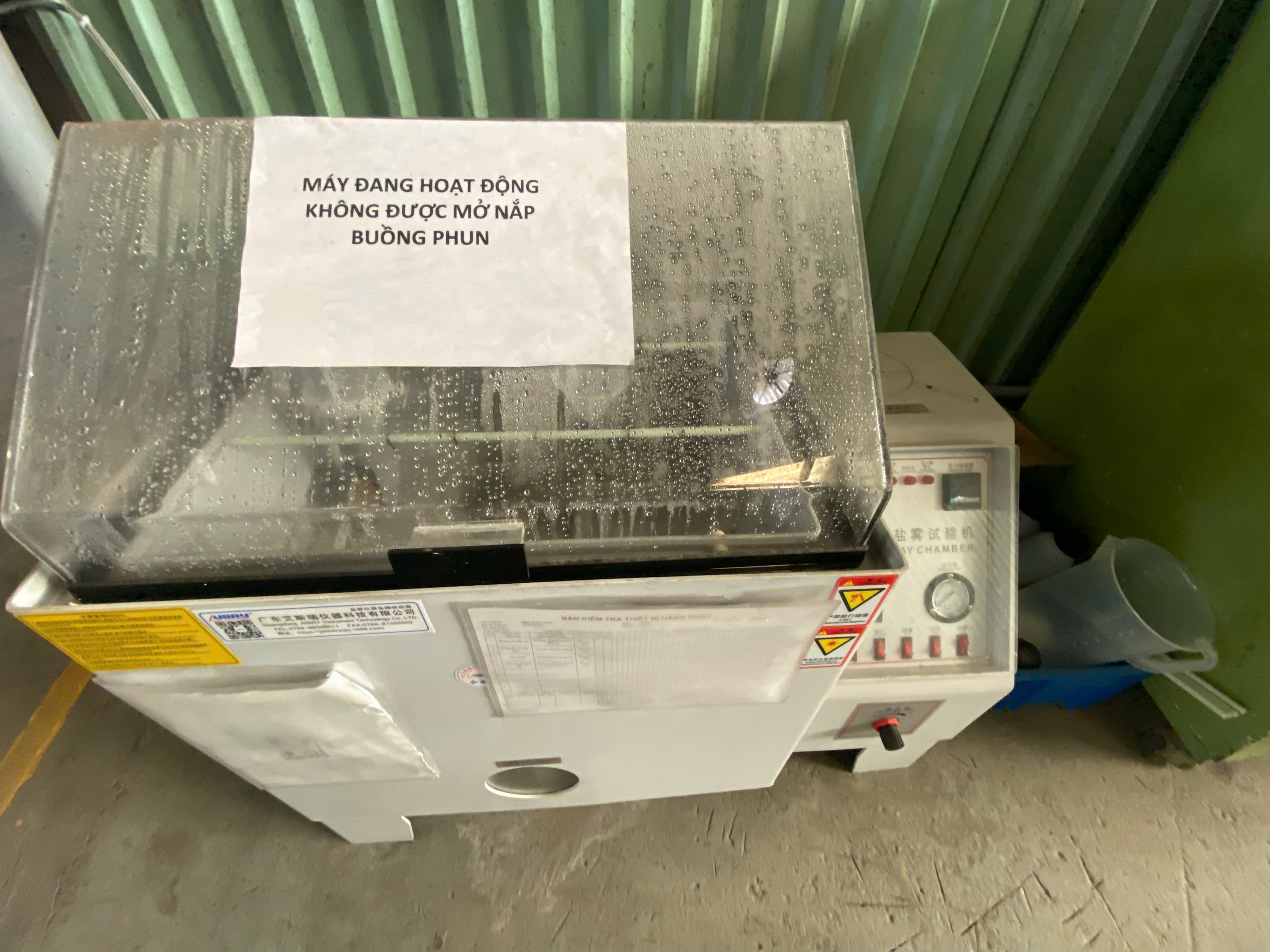
For offshore metal fabrication, set salt spray hour requirements between 500 and 1,500 hours depending on coating type and exposure severity. Zinc-rich primers typically require 500–750 hours, while high-performance aluminum-zinc or epoxy-polyester systems should withstand 1,000 to 1,500+ hours per ASTM B117.
Matching Hours to Coating Systems
Not every coating is built for the same fight. Thin powder coats behave differently from multi-layer marine-grade systems. Here is a practical reference we use when setting specifications for clients:
| Coating Type | Typical Salt Spray Requirement | Common Application |
|---|---|---|
| Thin zinc plating (5–8 µm) | 24–96 hours | Interior brackets, low-risk enclosures |
| Standard powder coat | 200–500 hours | General industrial housings, indoor/outdoor |
| Zinc-rich primer + topcoat | 500–750 hours | Structural components, moderate exposure |
| Hot-dip galvanizing 7 | 500–1,000 hours | Utility frames, outdoor infrastructure |
| Aluminum-zinc (Al-Zn) coating | 1,000+ hours | Roofing, marine-adjacent structures |
| Epoxy primer 8 + polyurethane topcoat | 1,000–1,500 hours | Offshore equipment, HVAC-R housings |
| Multi-layer marine system | 1,500+ hours | Direct seawater contact, oil & gas |
How Offshore Conditions Change the Equation
Offshore environments are far more aggressive than inland ones. Salt-laden air, constant humidity, and UV bombardment combine to attack sheet metal finishes from every angle. A standard 500-hour requirement that works for a warehouse bracket in Ohio will not protect a mounting plate on a Gulf Coast platform.
When we help U.S. clients source parts for marine or coastal use, we recommend starting at 1,000 hours minimum. For direct splash zones or submerged components, we push that to 1,500 hours or transition to cyclic corrosion testing 9 entirely.
Consider the Geometry of Your Parts
The shape of your sheet metal components affects corrosion risk. Cut edges expose bare substrate. Bends create stress points where coatings thin out. Welds disrupt the coating layer. These vulnerable zones corrode first, long before the flat surfaces show any sign of failure.
For complex parts — like the custom mounting brackets we fabricate with multiple bends and fastener holes — we specify thicker coating at edges and test both flat panels and actual production parts in the salt fog chamber. Testing only flat coupons gives you an optimistic picture. Testing real parts gives you truth.
Don't Forget Surface Preparation
Even the best coating fails on a poorly prepared surface. Coating adhesion depends on cleaning, degreasing, and pre-treatment. Phosphating or chromate conversion coatings 10 create a chemical bond layer between the metal and the topcoat. Without this step, your 1,000-hour target becomes meaningless.
We audit our suppliers' pre-treatment lines before approving any offshore project. If the surface preparation is inconsistent, no amount of salt spray hours on the spec sheet will save you from field failures.
How can I verify that my supplier is performing salt spray testing correctly to prevent field failures?
Last year, one of our Vietnam-based suppliers reported "1,000 hours passed" on a batch of protective housings. When we asked for the test log, the pH records were missing and the chamber temperature had fluctuated by 4°C. That batch got retested. It failed at 600 hours.
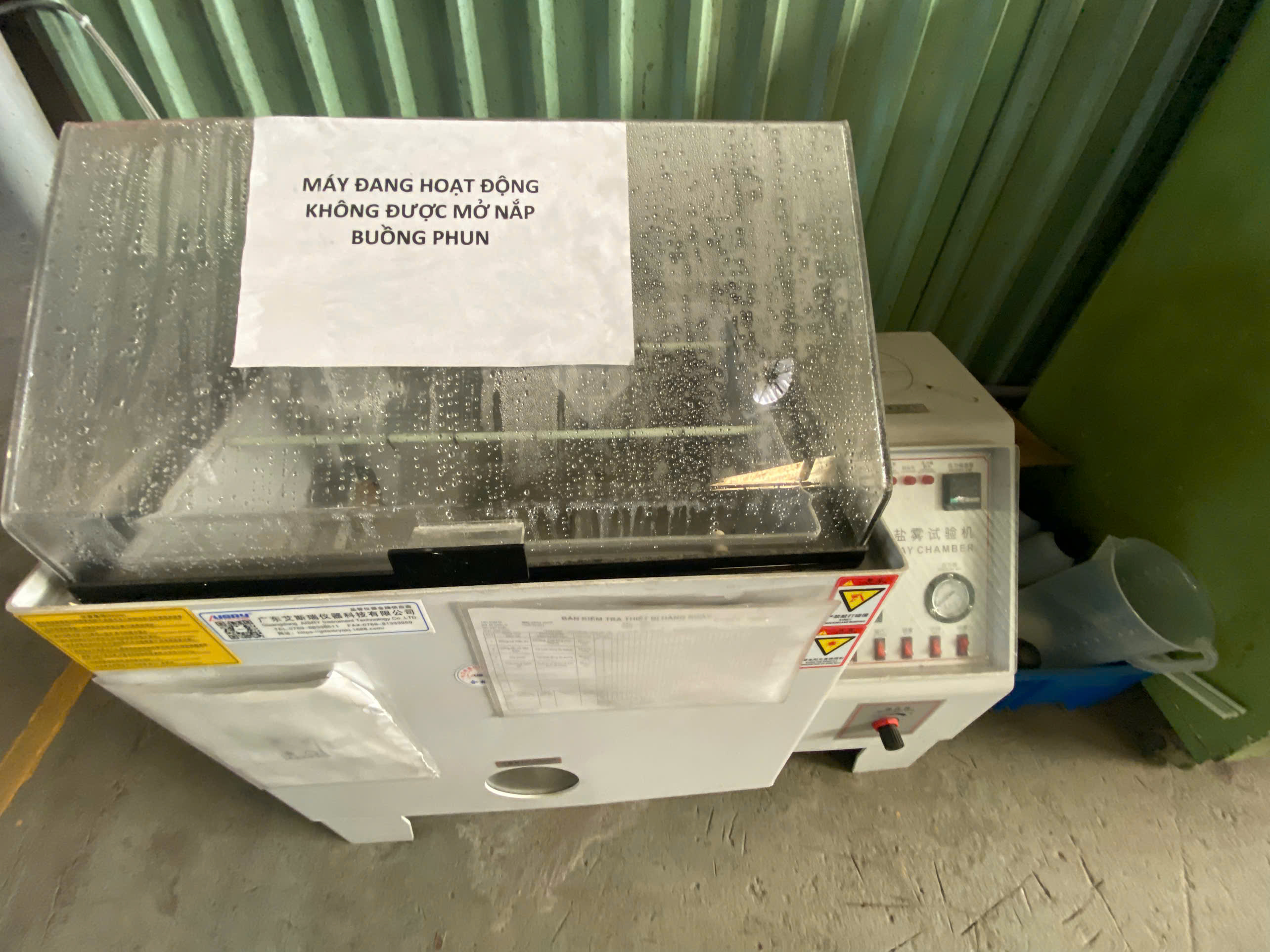
Verify your supplier's salt spray testing by auditing their salt fog chamber calibration records, confirming solution concentration (5% NaCl), temperature stability at 35°C, pH range of 6.5–7.2, proper sample angle of 15–30 degrees, and reviewing documented time-to-failure data with photographs of tested specimens.
The Audit Checklist
Trust but verify. When we conduct supplier audits — which is a core part of our supply chain service — we walk through the testing lab with a specific checklist. Here is what we look for:
- Chamber calibration certificate. The salt fog chamber must be calibrated at least annually. Ask for the certificate.
- Solution preparation log. The 5% NaCl solution must use deionized water. Ask how they measure concentration.
- Temperature records. The chamber must hold 35°C ± 2°C. Ask for continuous data logger output, not just a single reading.
- pH verification. The collected spray solution pH must stay between 6.5 and 7.2. Ask how often they check it.
- Sample placement. Panels must be angled at 15–30 degrees. Ask for photos of the loaded chamber.
- Scribe method. The scribe must reach bare metal. Ask what tool they use and how deep they cut.
- Inspection records. After testing, they must document rust location, creepage measurement, and overall rating. Ask for photographs with timestamps.
Common Shortcuts That Cause Problems
Some suppliers cut corners. Here are the shortcuts we have caught:
- Diluted solution. Using less than 5% NaCl makes the test less aggressive. Parts "pass" but fail in the field.
- Inconsistent temperature. If the heater cycles too aggressively, parts may dry out periodically, reducing corrosive attack.
- Shallow scribe. If the scribe does not reach bare metal, creepage results look artificially good.
- Cherry-picked samples. Testing only the best-looking parts from a batch, not random samples, hides process variation.
- No fog collection rate check. ASTM B117 requires collecting the fog at a specific rate (1.0 to 2.0 mL/hour per 80 cm²). Skipping this check means the salt concentration on the parts may be too low.
What to Request from Your Supplier
| Document / Record | Why It Matters | Red Flag if Missing |
|---|---|---|
| Chamber calibration certificate | Confirms equipment accuracy | Test results are unreliable |
| Solution concentration log | Ensures correct 5% NaCl | Parts may be under-tested |
| Temperature data logger export | Proves stable 35°C environment | Temperature drift invalidates results |
| pH measurement records | Confirms neutral fog (6.5–7.2) | Acidic or alkaline fog changes test severity |
| Pre- and post-test photographs | Visual proof of coating condition | No way to verify claims |
| Creepage measurements in mm | Quantifies coating adhesion quality | Subjective "pass" claim with no data |
Third-Party Testing as a Backup
For critical projects, we recommend sending samples to an independent lab for accelerated corrosion testing in parallel. This eliminates bias. We have used this approach for PPAP submissions where the end customer requires certified test data. The cost is modest — typically $200 to $500 per test panel set — and the peace of mind is worth every cent.
When your supplier knows you verify their data independently, test quality improves across the board. It is a simple incentive structure. Accountability drives accuracy.
Why is salt spray testing essential for my sheet metal components before I approve mass production?
The most expensive quality problem is the one you find after 10,000 parts are already on a boat. We learned this early in our custom parts business. One client lost three months and significant cost to a recall because a coating that "looked fine" in the prototype phase degraded within weeks of installation.
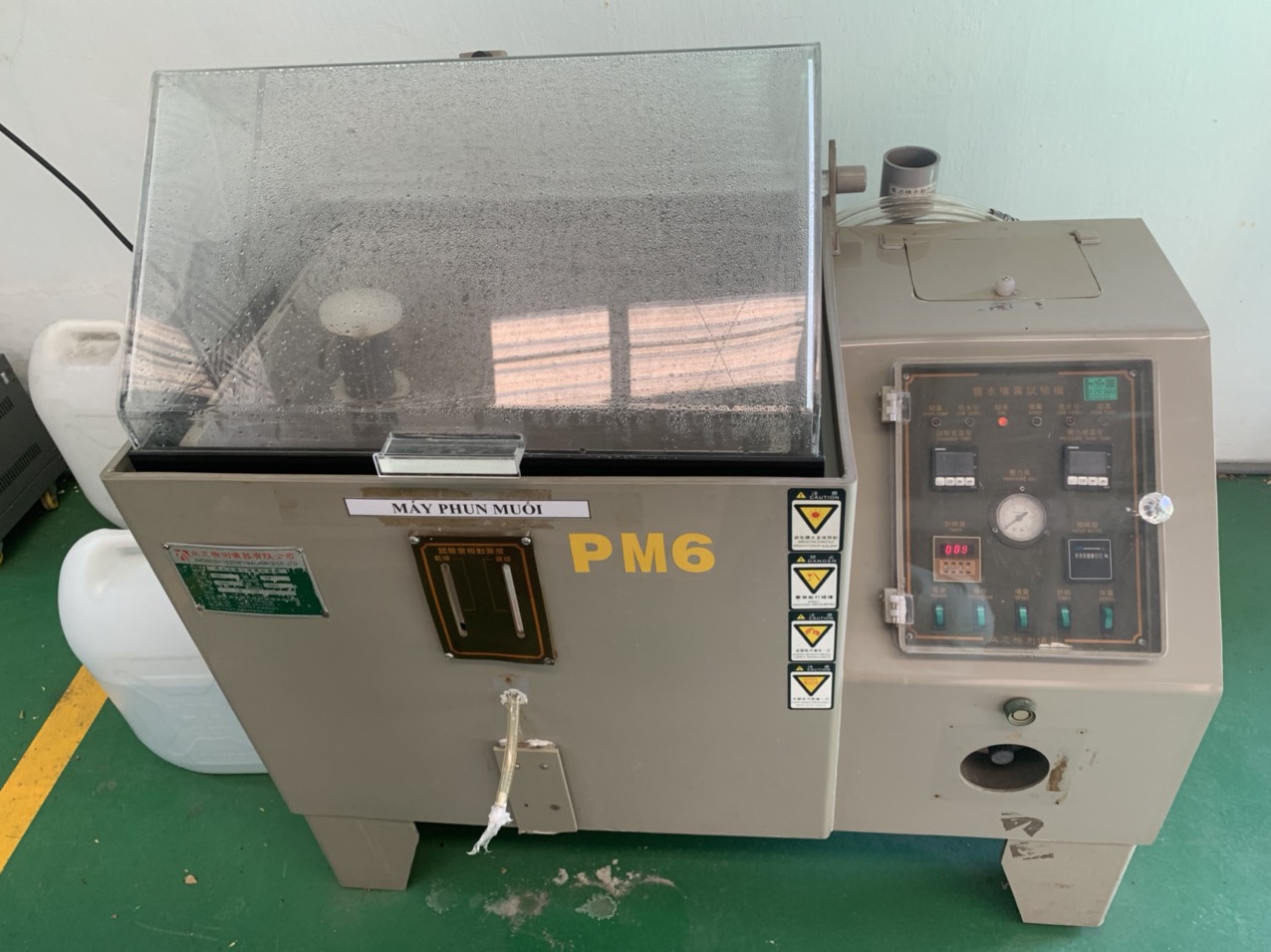
Salt spray testing is essential before mass production because it catches coating defects, poor surface preparation, and inadequate corrosion resistance early — when changes are cheap. It validates that your sheet metal finishes will survive their intended environment, preventing costly field failures and warranty claims.
Catching Problems When They Are Cheap to Fix
During prototype and PPAP stages, fixing a coating issue might cost a few hundred dollars. During mass production, it costs thousands. After delivery, it costs tens of thousands — plus reputation damage.
Salt spray testing during pre-production gives you data to make go/no-go decisions. It confirms that the chosen coating, the surface preparation process, and the application method all work together. If the coating fails at 300 hours when you need 750, you know before committing to volume.
What the Test Reveals About Your Process
Accelerated corrosion testing does more than test the coating itself. It tests your entire fabrication process:
- Surface preparation quality. Did the supplier clean and pre-treat the metal properly? Poor prep shows up as early blistering and delamination.
- Coating thickness consistency. Thin spots — common at bends, edges, and weld areas — rust first. The test exposes them.
- Coating adhesion. The scribe test reveals whether the coating is mechanically and chemically bonded or just sitting on top.
- Material compatibility. Dissimilar metals in contact (like steel fasteners on aluminum panels) create galvanic corrosion. Salt spray exposes this risk fast.
The Shift Toward Cyclic Corrosion Testing
Traditional ASTM B117 salt spray is a steady-state test. The environment never changes. But real life cycles through wet, dry, hot, cold, and UV exposure. This is why many industries — automotive, HVAC-R, marine — are moving toward cyclic corrosion testing.
Cyclic tests like ISO 12944-9 combine salt spray, UV exposure, and freeze cycles over 4,200 hours (25 weeks). They simulate real-world environmental exposure far more accurately. We see this trend accelerating among our U.S. clients who specify parts for outdoor or harsh environments.
The trade-off is cost and time. A standard salt spray test might run 1,000 hours (about 6 weeks). A full cyclic test runs 25 weeks. For routine quality control, ASTM B117 remains practical. For critical applications, cyclic testing is worth the investment.
When to Use Each Test Type
| Factor | ASTM B117 Salt Spray | Cyclic Corrosion Testing (ISO 12944-9) |
|---|---|---|
| Test duration | 24–1,500 hours | ~4,200 hours (25 weeks) |
| Environmental conditions | Steady-state salt fog only | Salt fog + UV + freeze + dry cycles |
| Real-world correlation | Low to moderate | High |
| Cost | Lower | Significantly higher |
| Best for | QC checks, coating comparison, routine validation | Critical marine, automotive, outdoor applications |
| Industry adoption | Universal baseline | Growing for high-performance requirements |
The Bottom Line for Purchasing Managers
If you are approving mass production of custom sheet metal parts, salt spray testing is your insurance policy. It costs a fraction of what a field failure costs. It gives you objective data instead of subjective confidence. And it holds your supply chain accountable to measurable standards.
Our process control approach treats salt spray results as a gate. No acceptable results, no production approval. This "right first time" philosophy saves our clients from the rework cycles and returns that plague poorly controlled supply chains.
Understanding how surface treatments extend the service life of sheet metal products is critical context for interpreting salt spray results and choosing the right coating system.
Conclusion
Salt spray testing remains a foundational tool for validating corrosion resistance for outdoor sheet metal fabrications. Use it wisely — set clear hour requirements, audit your supplier's process, and consider cyclic testing for critical applications.
Frequently Asked Questions
How do I interpret salt spray test results to ensure my custom sheet metal parts meet quality standards?
A U.S. client once sent us photos of rusted mounting plates and asked, "Didn't these pass testing?" That question taught our quality team that passing a test means nothing if you don't know how to read the results properly sodium chloride solution 2 .
What specific salt spray hour requirements should I set for my offshore metal fabrication projects?
During a recent project for an offshore equipment housing, our team debated whether 500 hours was enough or if we needed to push to 1,000. The answer depended entirely on the coating system, the substrate, and the severity of the marine environment.
How can I verify that my supplier is performing salt spray testing correctly to prevent field failures?
Last year, one of our Vietnam-based suppliers reported "1,000 hours passed" on a batch of protective housings. When we asked for the test log, the pH records were missing and the chamber temperature had fluctuated by 4°C. That batch got retested. It failed at 600 hours.
Footnotes
1. Explains the international standard for salt spray corrosion tests. ↩︎
2. Replaced HTTP 403 link with a detailed guide on preparing salt spray solutions from a testing equipment manufacturer. ↩︎
3. Details the widely recognized standard for operating salt spray (fog) apparatus. ↩︎
4. Defines red rust as a common form of iron oxidation and corrosion. ↩︎
5. Explains this highly localized and damaging form of corrosion. ↩︎
6. Provides a comprehensive overview of the salt spray testing method. ↩︎
7. Explains how hot-dip galvanizing provides corrosion protection through barrier and cathodic action. ↩︎
8. Describes the protective qualities and applications of epoxy primers. ↩︎
9. Replaced HTTP 404 link with a practical guide to cyclic corrosion testing from a testing laboratory. ↩︎
10. Explains a chemical treatment for enhancing corrosion resistance and adhesion. ↩︎