Choosing the right sheet metal fabrication partner can make or break your supply chain 1 — I learned this the hard way after years of managing custom parts sourcing across Asia.
Select the best sheet metal fabrication partner by evaluating their quality control processes, industry certifications like ISO 9001, in-house capabilities including CNC laser cutting and DFM engineering support, communication responsiveness, on-time delivery track record, and flexible payment terms that align with your business needs.
The sections below break down the critical factors we use every day when vetting fabricators for our U.S. and European clients. Each factor comes from real project experience — not theory.
How do I evaluate a fabricator's quality control to ensure my sheet metal parts are right the first time?
A few years ago, one of our long-term U.S. clients received a shipment of mounting brackets with a critical bend angle off by two degrees — a mistake that cost weeks in rework and strained the relationship with their end customer First Article Inspection (FAI) reports 2. That experience reshaped how our team in Vietnam now audits every fabricator's quality systems before we approve them.
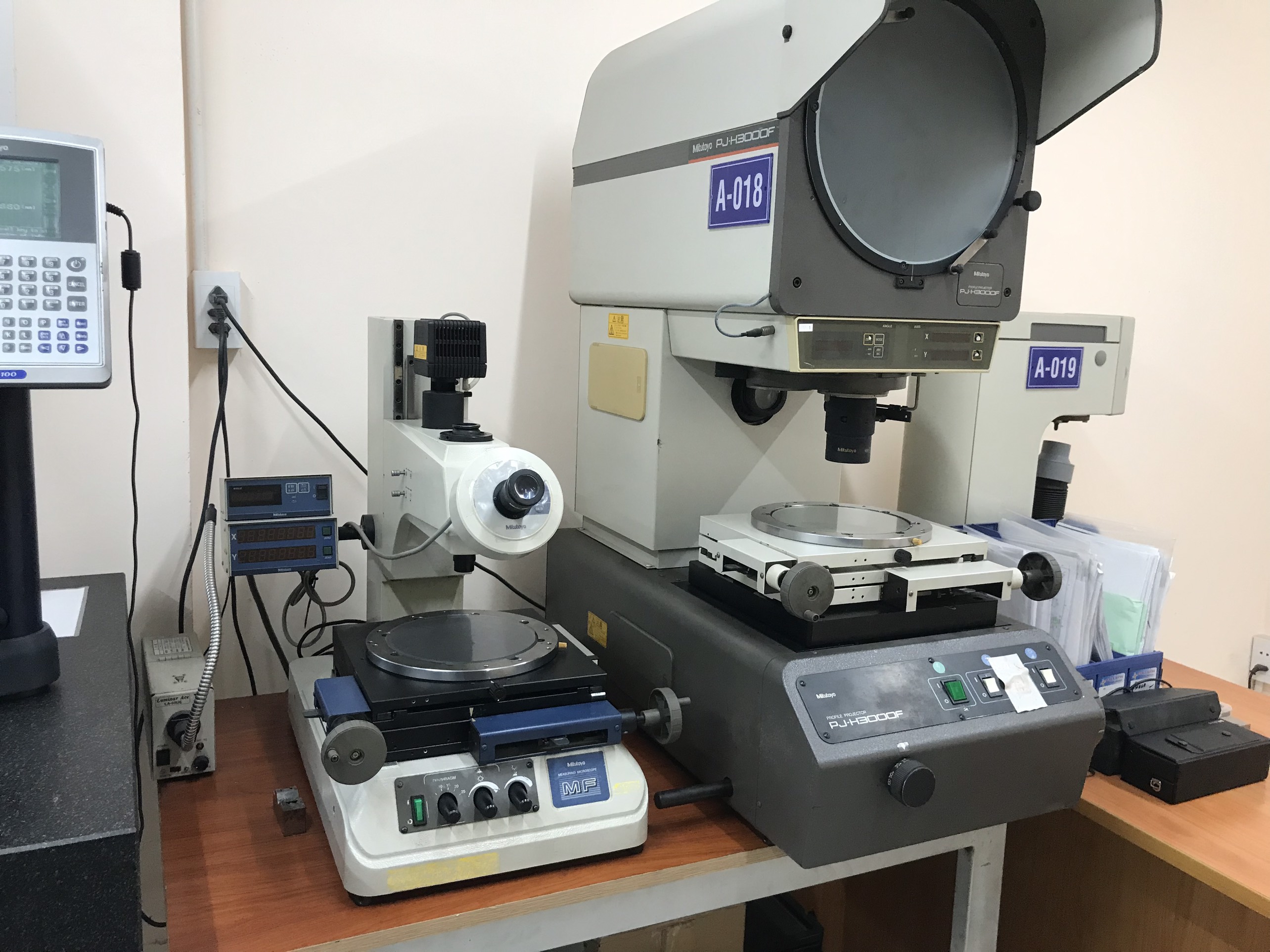
Evaluate a fabricator's quality control by verifying ISO 9001 certification, reviewing their inspection protocols at each production stage, confirming they use calibrated measuring instruments, checking their corrective action procedures, and asking for First Article Inspection (FAI) reports and documented PPAP processes.
Why "Right First Time" Matters More Than You Think
Getting parts right the first time is not just about avoiding scrap PPAP processes 3. It protects your delivery schedule, your reputation, and your cash flow. When a batch fails incoming inspection at your warehouse in the U.S., you face re-manufacturing lead time, air freight costs, and sometimes lost orders open account arrangements 4. Our experience managing PPAP and process control for custom parts has shown us that the root cause of most quality failures is not the machine — it is the system around the machine.
Key Quality Control Checkpoints
Here is a breakdown of the quality control stages we look for when auditing a sheet metal fabricator:
| Stage | What to Check | Why It Matters |
|---|---|---|
| Incoming Material | Mill certificates, material grade verification, thickness measurement | Wrong material selection leads to part failure in the field |
| In-Process | First-piece inspection, dimensional checks after CNC laser cutting 5 and bending | Catches drift before a full batch is ruined |
| Welding | Welder qualifications, welding certifications (e.g., AWS D1.1), visual and penetrant testing | Structural integrity depends on weld quality |
| Final Inspection | Full dimensional report against drawing, surface finish check, packaging audit | Last gate before shipping — must be thorough |
| Documentation | FAI reports, PPAP package, certificate of conformance | Provides traceability and accountability |
Certifications That Actually Matter
Not every certification carries the same weight. ISO 9001 certification 6 is the baseline — it tells you the fabricator has a documented quality management system. But for specific industries, you may also need IATF 16949 7 for automotive or AS9100 for aerospace. During our supplier audits, we check not just whether the certificate exists, but whether the system is actively followed on the shop floor. A framed certificate on the wall means nothing if operators skip inspection steps.
Ask for Evidence, Not Promises
I always tell our clients: request sample inspection reports from a recent production run. Look at how they document non-conformances. Do they have a corrective action process? How fast do they close out issues? A fabricator with a mature quality system will welcome these questions. One that hesitates is a red flag.
We also recommend asking about their prototyping services. A good fabricator will produce a small trial run, measure every dimension, and share detailed data before committing to volume production. This step alone prevents most "surprise" quality failures.
What should I look for when sourcing sheet metal fabrication from Vietnam versus other Asian markets?
When our team opened our Vietnam office, I expected the transition from China-based sourcing to be straightforward. It was not. The supplier landscape, workforce maturity, and logistics infrastructure are different enough that the same evaluation criteria need adjustment — and buyers who ignore those differences pay a steep price in delayed timelines and inconsistent quality.
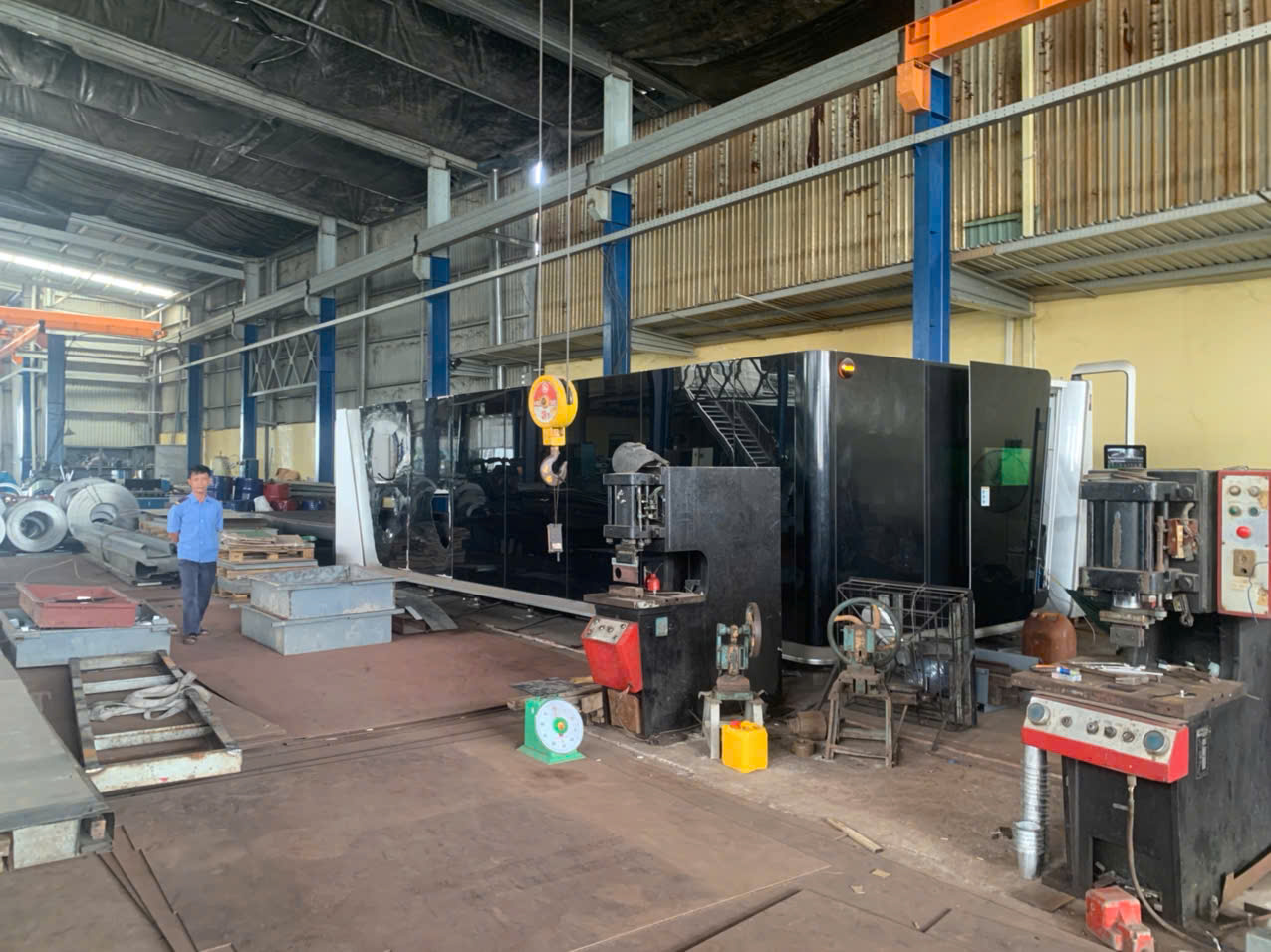
When sourcing from Vietnam, look for fabricators with proven export experience, investment in modern CNC laser cutting equipment, a trained workforce with welding certifications, transparent supply chain health for raw materials, and a local project management team that bridges language and time-zone gaps with your U.S. operations.
Vietnam vs. Other Asian Markets: A Practical Comparison
The table below compares key factors across the most common Asian sourcing regions for custom sheet metal parts:
| Factor | Vietnam | China | India | Taiwan |
|---|---|---|---|---|
| Labor Cost | Low to moderate | Moderate (rising) | Low | High |
| CNC Equipment Maturity | Growing rapidly | Very mature | Moderate | Very mature |
| Welding Certifications Availability | Improving | Widely available | Variable by region | Widely available |
| Raw Material Supply Chain | Import-dependent for specialty grades | Strong domestic supply | Moderate domestic supply | Strong domestic supply |
| Export Infrastructure | Good (major ports in HCMC, Haiphong) | Excellent | Moderate | Excellent |
| Tariff Advantage for U.S. Buyers | Significant (avoids Section 301 tariffs 8) | Subject to tariffs | Moderate advantage | Moderate advantage |
| English Communication | Moderate — improving with younger workforce | Variable | Generally strong | Generally strong |
Why Vietnam Is Gaining Ground
The tariff situation has accelerated the shift. Many of our U.S. clients began exploring Vietnam specifically to avoid the additional duties on Chinese-origin goods. But cost savings alone should not drive the decision. What I have seen over the past several years is that Vietnamese fabricators are investing heavily in modern equipment — fiber laser cutters, CNC press brakes, robotic welding cells. The in-house capabilities are catching up fast.
However, the supply chain health for raw materials remains a real consideration. Vietnam imports most of its specialty steel and aluminum alloys. This means lead time for material procurement can be longer than in China, where domestic mills supply the market directly. A good sourcing partner will maintain buffer stock agreements or pre-qualify multiple material suppliers to mitigate this risk.
The Value of a Local Team
One of the reasons we maintain seven employees in Vietnam is to provide on-the-ground project management. Language barriers, cultural differences in how "yes" is interpreted, and the lack of direct flights from many U.S. cities to Vietnamese factory towns — all of these create friction. Having a local team that conducts supplier audits, monitors production, and manages final inspection before shipment is the difference between a smooth project and a painful one. When evaluating a sheet metal fabrication partner in Vietnam, ask whether they have boots on the ground or are managing everything remotely from another country.
How can I ensure my partner provides the proactive communication and project management my designs require?
Last quarter, a client forwarded me an email chain with a previous supplier — twelve messages over three weeks, all asking for the same drawing clarification that was never resolved. The project stalled. The root cause was not a technical problem. It was a communication failure. This is the single most common complaint I hear from U.S. purchasing managers sourcing custom parts from Asia.
Ensure proactive communication by selecting a partner with dedicated account managers, structured project management using ERP systems, regular milestone reporting, Design for Manufacturability reviews before production, and a clear escalation process — not one that only responds when you chase them.

What "Proactive" Actually Looks Like
There is a difference between a supplier who answers your emails and one who anticipates problems. Proactive communication means your partner flags a potential issue — a tolerance that is hard to hold, a material substitution that might be needed, a holiday shutdown that affects your lead time — before it becomes your crisis. In our workflow, we review every set of customer drawings through a Design for Manufacturability 9 lens before quoting. If we see a feature that will drive cost up or create a quality risk, we raise it immediately with a suggested alternative.
Communication Cadence That Works
For custom sheet metal projects, especially those involving multiple production stages (cutting, forming, welding, finishing, assembly), a structured communication rhythm prevents surprises. Here is a cadence that works well for mid-complexity projects:
| Project Phase | Communication Frequency | Key Deliverables |
|---|---|---|
| Quoting & DFM Review | Within 48 hours of drawing receipt | Detailed quote, DFM feedback, material selection confirmation |
| Prototyping Services | Weekly updates | Prototype photos, dimensional report, timeline confirmation |
| Pre-Production | Milestone-based (e.g., tooling complete, FAI done) | FAI report, process control plan |
| Volume Production | Weekly status report | Production progress, any deviation alerts |
| Pre-Shipment | Upon final inspection completion | Final inspection report, packing photos, shipping documents |
The Role of ERP and Digital Tools
A fabrication partner running on spreadsheets and memory is a risk. We use ERP systems to track every order from PO receipt through shipment. This gives both our team and the client a single source of truth on order status, material availability, and delivery dates. When evaluating a potential partner, ask them to show you their project tracking system. If they cannot demonstrate how they monitor production progress digitally, consider it a warning sign.
Handling Drawing Complexity
Custom sheet metal parts often have tight tolerances, specific surface finish requirements, or complex bend sequences. A partner with genuine in-house capabilities will have engineers who read drawings critically — not just pass them to the shop floor unchanged. Our engineers flag GD&T callouts that may need clarification, identify features that affect CNC laser cutting nesting efficiency, and confirm welding certifications match the joint requirements on the drawing. This upfront work is what makes "right first time" possible.
Can I find a sheet metal fabrication partner that offers flexible payment terms to support my business cash flow?
One trade-off that keeps purchasing managers up at night is the tension between locking in a reliable fabrication partner and managing working capital. I have sat across the table from clients who told me bluntly: "Your quality is great, but if I have to wire 50% upfront on every order, my CFO will push me to find someone else." That conversation changed how we structure commercial relationships.
Yes — some sheet metal fabrication partners offer flexible payment terms such as net 60 or net 90 open account arrangements, reducing your upfront cash outlay, improving your working capital cycle, and enabling you to pay after receiving and inspecting the goods rather than before production begins.
Why Payment Terms Matter in Custom Parts Sourcing
Most Asian fabricators operate on a simple model: 30% deposit before production, 70% before shipment. This means the buyer's cash is tied up for the entire production and shipping cycle — sometimes 8 to 12 weeks. For a purchasing manager handling multiple SKUs and suppliers, this creates real cash flow pressure.
We recognized early on that offering open account payment terms — typically net 60 or net 90 — is a genuine competitive advantage for our clients. It lets them receive the goods, inspect them, and even begin selling to their end customers before the invoice is due. This is standard practice in domestic U.S. manufacturing relationships, but it is rare in cross-border Asian sourcing.
Comparing Payment Structures
| Payment Structure | Cash Flow Impact on Buyer | Risk to Supplier | Common In |
|---|---|---|---|
| 100% Advance | Severe — all cash out before production | Minimal | New, unestablished supplier relationships |
| 30/70 (Deposit + Pre-Shipment) | Moderate — cash tied up for full lead time | Low | Most Asian fabricators |
| Net 30 Open Account | Manageable — pay after goods arrive | Moderate | Established domestic suppliers |
| Net 60–90 Open Account | Favorable — pay well after receipt and inspection | Higher — requires trust and financial stability | Select international partners like DEWIN |
| Letter of Credit | Moderate — bank fees and administrative burden | Low — bank-guaranteed | Large volume, new relationships |
What Makes Flexible Terms Possible
Not every fabricator can afford to offer credit terms. It requires financial stability, a track record of reliable client relationships, and confidence in the buyer's creditworthiness. From our side, we can extend these terms because our Singapore headquarters provides the financial backbone, and we invest in building long-term partnerships rather than chasing one-time transactions. We conduct our own credit assessment of clients and structure terms that reflect the relationship's maturity.
How to Negotiate Terms That Work
If payment terms matter to your business — and for most mid-market importers, they do — raise the topic early in the supplier evaluation process. Do not wait until the first PO. Ask the potential partner:
- Do you offer open account terms for repeat customers?
- What is the credit approval process?
- Are terms available from the first order, or after a qualification period?
- Can terms be extended as order volume grows?
A partner willing to discuss these questions openly signals a partnership mindset, not a transactional one. It also reflects their supply chain health and financial confidence — a fabricator living order-to-order cannot extend credit.
Conclusion
Selecting the right sheet metal fabrication partner comes down to quality systems, regional sourcing expertise, proactive project management, and commercial flexibility — every factor must align with your operational needs and business goals.
Frequently Asked Questions
How do I evaluate a fabricator's quality control to ensure my sheet metal parts are right the first time?
A few years ago, one of our long-term U.S. clients received a shipment of mounting brackets with a critical bend angle off by two degrees — a mistake that cost weeks in rework and strained the relationship with their end customer First Article Inspection (FAI) reports 2 . That experience reshaped how our team in Vietnam now audits every fabricator's quality systems before we approve them.
What should I look for when sourcing sheet metal fabrication from Vietnam versus other Asian markets?
When our team opened our Vietnam office, I expected the transition from China-based sourcing to be straightforward. It was not. The supplier landscape, workforce maturity, and logistics infrastructure are different enough that the same evaluation criteria need adjustment — and buyers who ignore those differences pay a steep price in delayed timelines and inconsistent quality.
How can I ensure my partner provides the proactive communication and project management my designs require?
Last quarter, a client forwarded me an email chain with a previous supplier — twelve messages over three weeks, all asking for the same drawing clarification that was never resolved. The project stalled. The root cause was not a technical problem. It was a communication failure. This is the single most common complaint I hear from U.S. purchasing managers sourcing custom parts from Asia.
Footnotes
1. Explains the concept of supply chain transparency and its importance. ↩︎
2. Details the purpose, process, and documentation of First Article Inspection. ↩︎
3. Explains the Production Part Approval Process and its importance in quality management. ↩︎
4. Explains open account payment terms in international trade and their implications. ↩︎
5. Explains the process, types, and applications of CNC laser cutting technology. ↩︎
6. Provides official information about the ISO 9001 standard and its requirements. ↩︎
7. Provides official information about the IATF and the IATF 16949 standard for automotive quality. ↩︎
8. Provides official information from the USTR regarding Section 301 tariffs. ↩︎
9. Defines Design for Manufacturability and outlines its principles and benefits. ↩︎