When our team helps U.S. clients source custom welding frames and brackets from Vietnam and other Asian suppliers, one question comes up repeatedly: how do I keep procurement costs for welding parts under control?
To set a budget and control procurement costs for welding parts, you must calculate total landed costs, standardize specifications, consolidate suppliers, negotiate payment terms, conduct spend analysis, and implement quality control processes that prevent costly rework and delivery delays.
This article breaks down a practical, step-by-step approach total landed costs 1. Whether you are sourcing heavy-duty metal frames, mounting brackets, or fabricated hardware components, the strategies below will help you build a realistic budget and keep spending on track.
How do I accurately calculate the total landed cost for my custom welding projects?
A lesson I learned early while managing our Vietnam office is that unit price on a quote is never the real cost quality control processes 2. One client received a great per-piece price on galvanized steel brackets, only to find that freight, duties, and rework expenses pushed the actual cost 30 percent higher than expected.
To accurately calculate total landed cost, add the unit price to freight, customs duties, insurance, inspection fees, packaging, inland transport, payment financing costs, and potential rework or rejection expenses — then divide by the quantity of accepted parts.
Breaking Down Every Cost Component
Most purchasing managers focus on the FOB price 3. That is a mistake. Total landed cost includes several layers that can quietly erode your budget. Here is a framework I recommend to every client we work with.
| Cost Component | Description | Typical Range |
|---|---|---|
| Unit / FOB Price | Base manufacturing cost per part | Varies by complexity |
| Tooling & Fixtures | Jigs, welding fixtures, custom dies | One-time or amortized |
| Packaging | Crates, VCI wrap, foam for heavy steel frames | 1–3% of FOB |
| Inland Transport (Origin) | Factory to port in Vietnam or other source country | Flat fee per shipment |
| Ocean Freight 4 | Port-to-port shipping | Varies by volume and lane |
| Marine Insurance | Coverage for loss or damage in transit | 0.3–0.5% of cargo value |
| Customs Duties & Tariffs 5 | U.S. import duties on welded steel or aluminum parts | 0–25% depending on HTS code |
| Inland Transport (Destination) | Port to your warehouse in the U.S. | Flat fee or per-mile |
| Inspection & PPAP Costs | Third-party or in-house quality control before shipment | Per-lot fee |
| Rework / Rejection Allowance | Budget for non-conforming parts | 1–5% of order value |
| Payment Financing Cost | Cost of capital tied up during lead time | Depends on terms |
Why Rework Allowance Matters
In our experience exporting structural welding assemblies — things like multi-level metal frames with V-shaped brackets and pre-drilled mounting holes — even a small deviation in hole position or weld bead quality can trigger a rejection. If your supplier lacks strict process control, that rework allowance climbs fast. We run PPAP and final inspection before every shipment specifically to keep that number low.
Building a Scenario Manager
I encourage clients to build a simple spreadsheet with three columns: best case, expected case, and worst case. Assign each cost component a value under each scenario. Your best case assumes perfect yield and favorable freight rates. Your worst case factors in tariff increases, rework, and expedited shipping. This gives you a realistic budget range instead of a single fragile number. Align these scenarios with your procurement KPIs — on-time delivery rate, first-pass yield, and cost-per-accepted-part — so leadership and the purchasing team share the same expectations.
What are the most effective ways for me to reduce welding procurement costs without sacrificing quality?
During a recent project involving heavy-duty L-shaped mounts and U-channel brackets, we helped a client cut per-part cost by consolidating three separate suppliers into one qualified factory — without changing any material spec or tolerance.
The most effective ways to reduce welding procurement costs include standardizing part designs, consolidating vendors, optimizing welding consumables usage, investing in preventive maintenance, negotiating volume-based pricing, and enforcing quality control to eliminate rework and scrap.
Standardize Before You Source
Standardization is the single biggest lever. When every project uses a different tube profile, wall thickness, or surface finish, you lose bulk-purchasing power. Review your product line. Can multiple assemblies share the same square hollow tubing size? Can mounting holes follow a common pattern? Every reduction in variation lets your supplier buy raw material in larger batches and set up welding fixtures once instead of repeatedly.
Consolidate Vendors Strategically
Vendor consolidation increases your spend volume per supplier. That unlocks tiered discounts and gives you negotiation leverage. But do not consolidate to a single source. We advise clients to maintain at least two qualified suppliers for critical welding parts. This balances cost savings with supply chain management resilience. If you are new to evaluating potential partners, understanding how to find the best welding parts suppliers is a critical first step.
| Strategy | Cost Impact | Quality Impact | Risk Level |
|---|---|---|---|
| Vendor Consolidation | Reduces unit cost through volume | Neutral if suppliers are qualified | Medium — single-source risk |
| Design Standardization | Reduces tooling and setup costs | Neutral or positive | Low |
| Welding Process Optimization | Reduces labor costs and consumable waste | Positive — fewer defects | Low |
| Preventive Maintenance 6 Programs | Avoids downtime and emergency repairs | Positive — consistent output | Low |
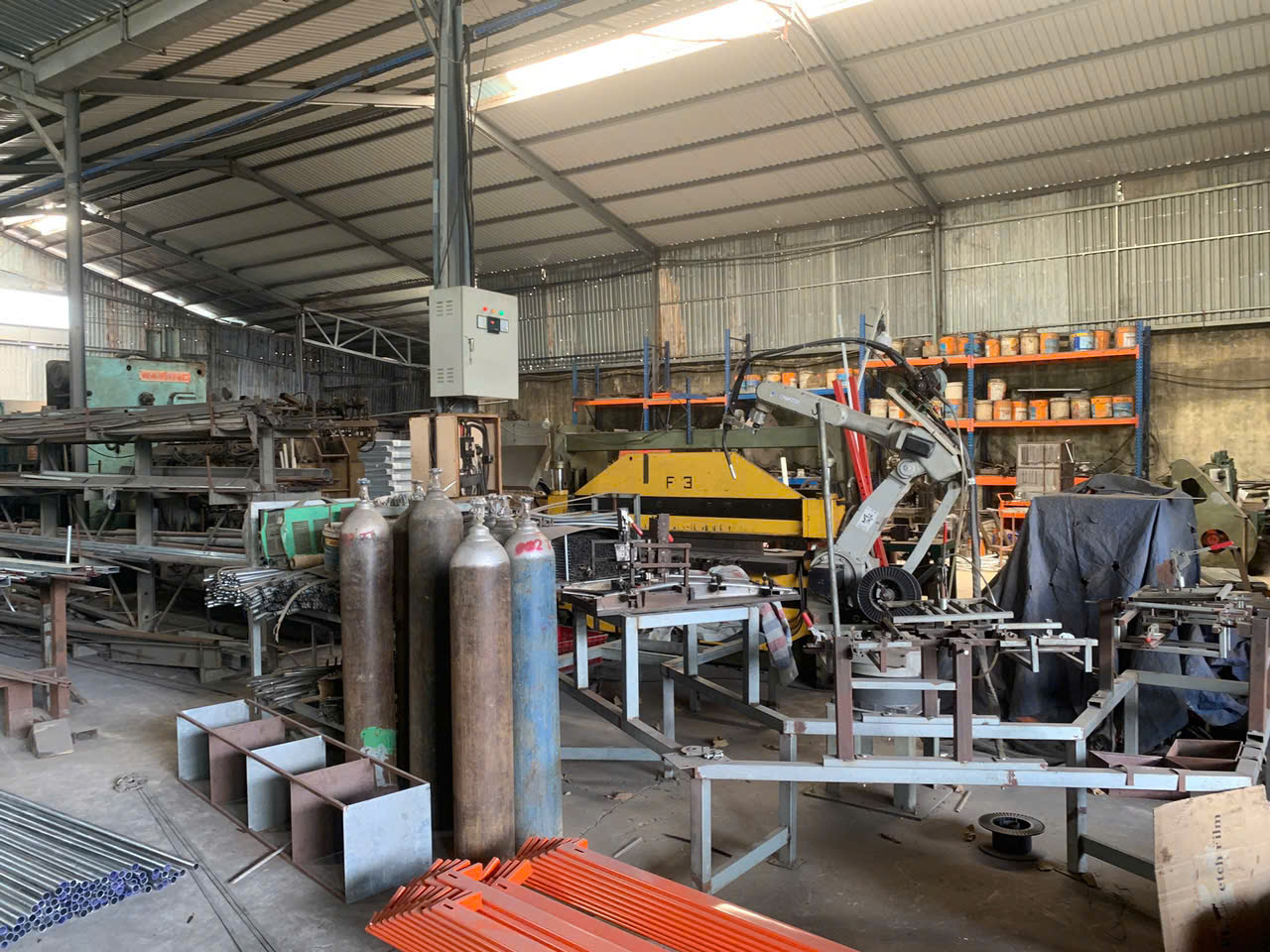
| Welding Automation for Repetitive Joints | Reduces labor costs significantly | Positive — improved consistency | Medium — capital investment |
| Shielding Gas Optimization | Reduces consumable spend | Neutral if properly managed | Low |
Reduce Waste in Consumables and Material
Overwelding is a silent budget killer. When a welder deposits more filler metal than the joint design requires, you waste welding consumables, increase labor costs, and sometimes introduce distortion that requires rework. We see this frequently in fabricated hardware with thick-gauge steel plates and reinforced gussets. Clear weld procedure specifications — backed by inspector verification — prevent this.
Material handling also matters. Improper storage of steel tubing leads to rust, which means extra surface prep before welding. Our warehouse teams in Vietnam follow strict material handling protocols for this reason.
Invest in Equipment Maintenance
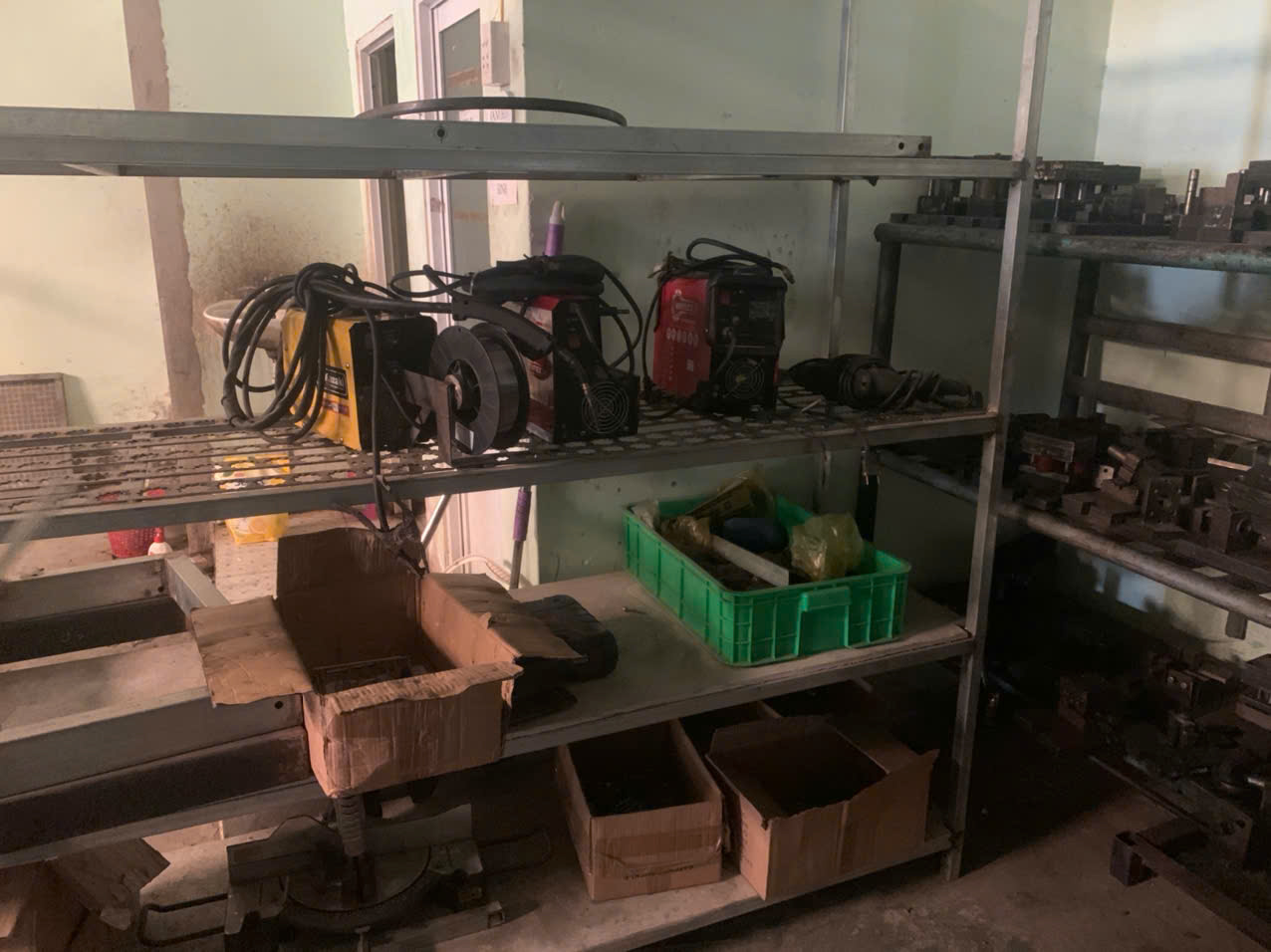
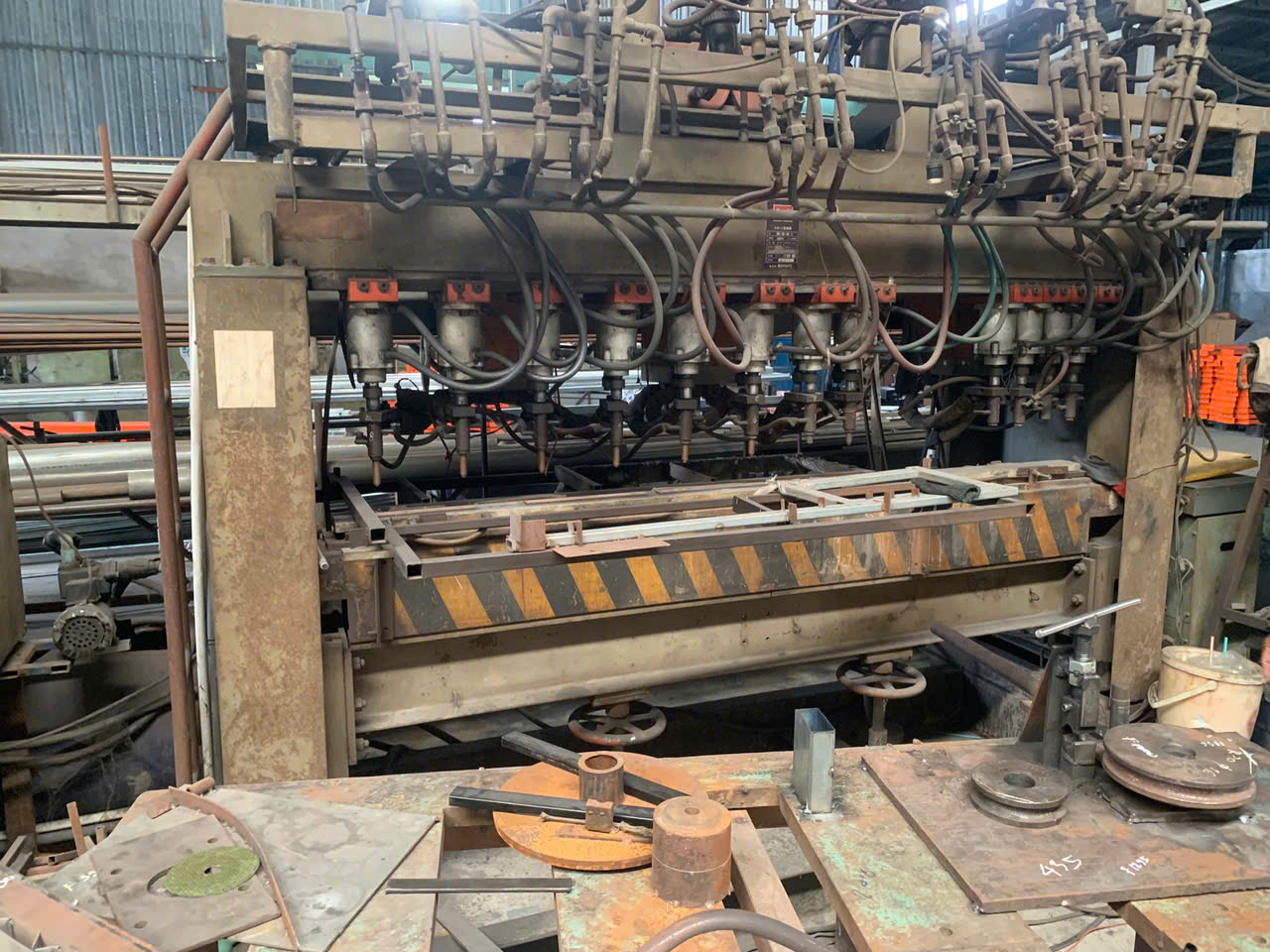
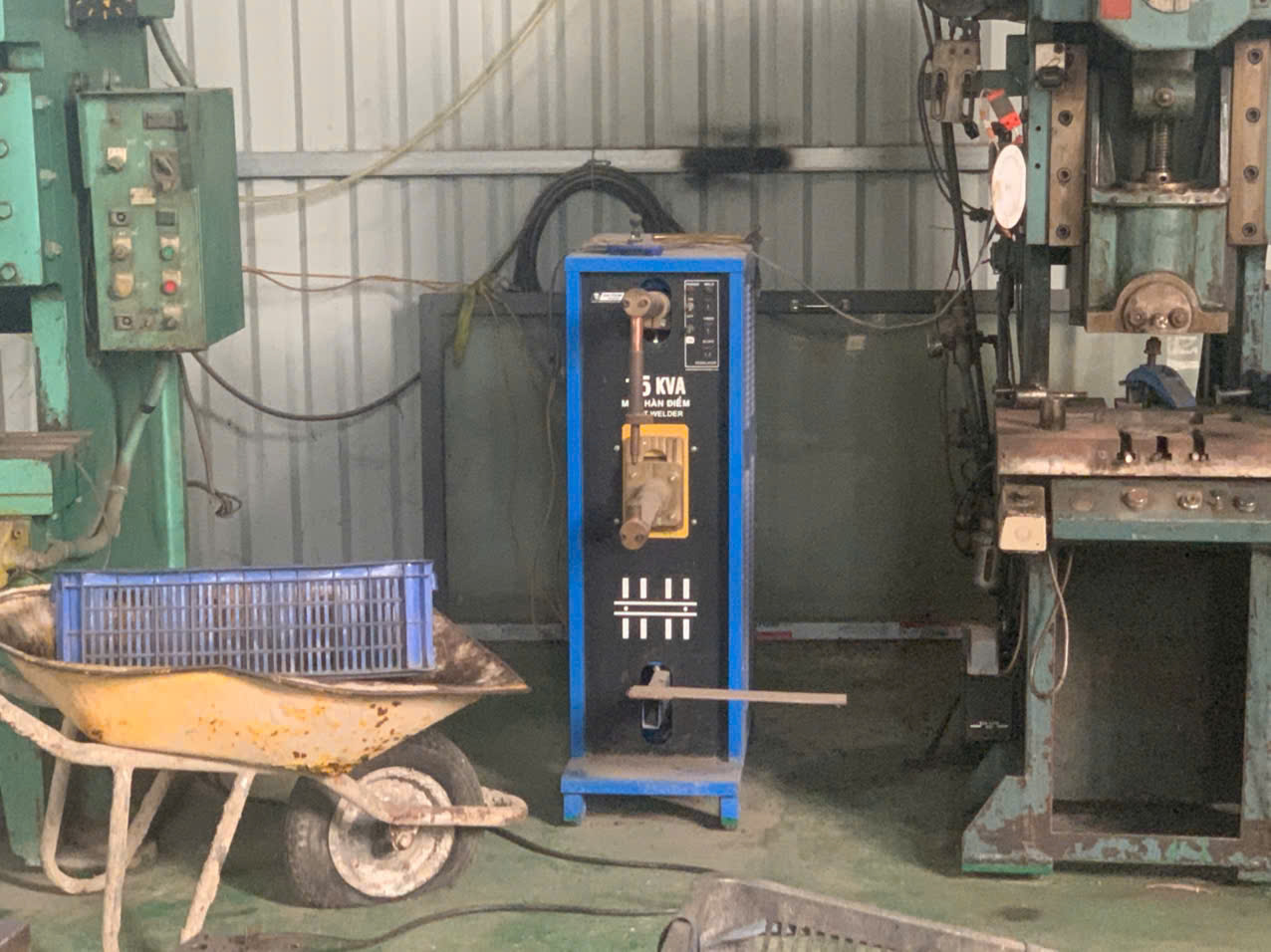
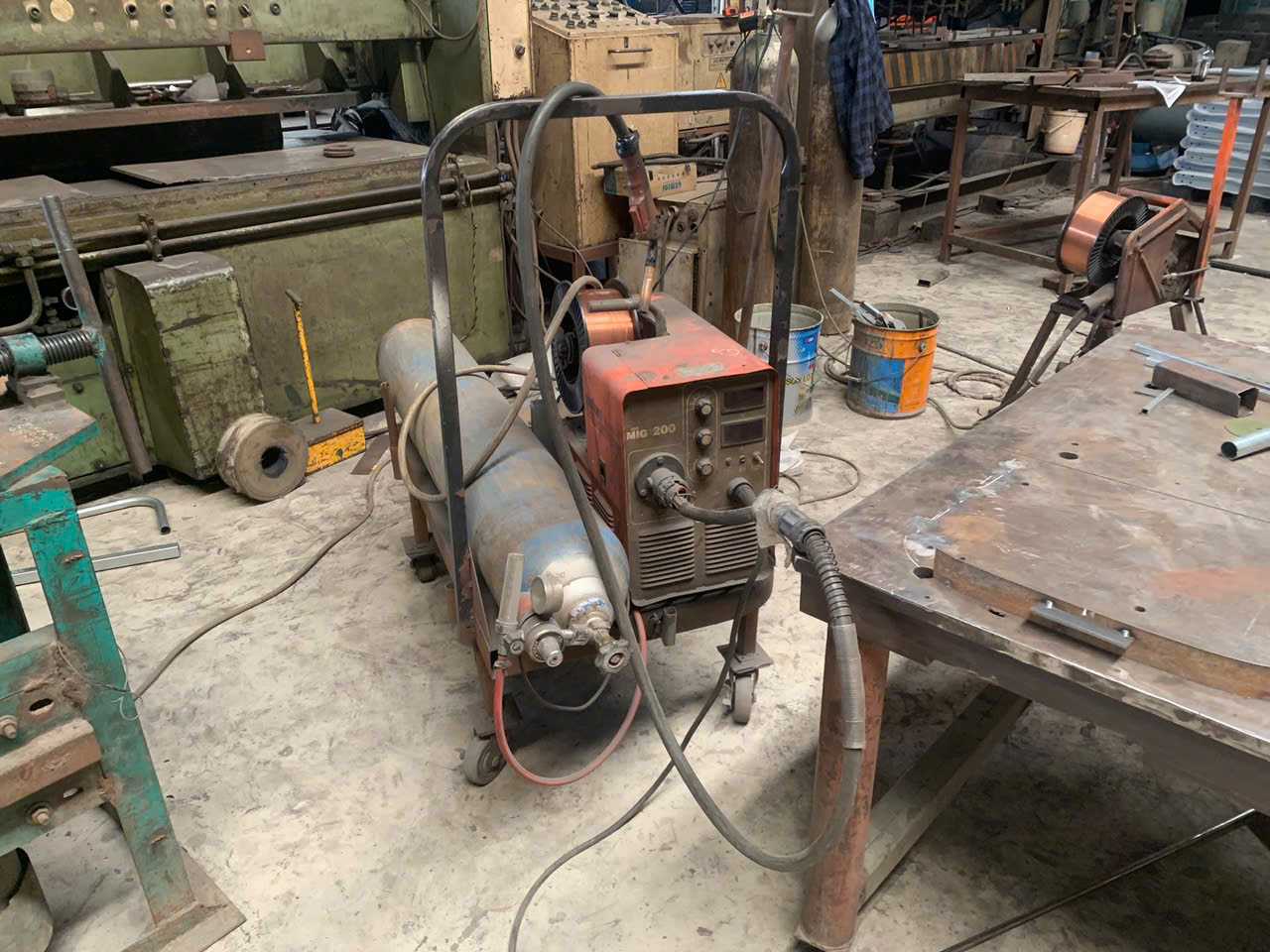
Equipment maintenance is not optional. A MIG gun with a worn contact tip produces inconsistent arc, more spatter, and higher reject rates. A scheduled preventive maintenance program for welding machines, positioners, and fixtures keeps output predictable and avoids surprise downtime. This directly protects your budget.
How can I identify hidden expenses when reviewing quotes for welded parts from Asian suppliers?
One trade-off I weigh constantly is speed versus thoroughness when evaluating supplier quotes. A client once forwarded three quotes for flat base plates with precision-drilled holes. The prices looked similar. But once we dug in, one quote excluded packaging, another assumed the client would arrange inland transport, and the third buried a 5 percent surcharge for small batch sizes.
To identify hidden expenses in welding quotes, compare line items across suppliers using a standardized checklist that covers tooling amortization, surface treatment, packaging, inspection scope, minimum order surcharges, material certification fees, and payment-term financing costs.
Common Hidden Cost Categories
When our team reviews quotes on behalf of clients, we use an internal checklist. Here are the areas where costs most often hide.
Tooling and fixture charges. Some suppliers include tooling in the unit price. Others list it separately. A few bury it in a "setup fee" that recurs with every order. Ask explicitly: is tooling amortized, and over how many pieces?
Surface treatment scope. A quote for brushed aluminum brackets might not include the passivation or anodizing step. For galvanized steel frames, ask whether the price covers hot-dip galvanizing or just a zinc-rich primer. The difference in cost and corrosion protection is significant.
Inspection and certification. Some suppliers provide material test reports and dimensional inspection reports at no extra charge. Others charge per certificate. If your end customer requires full PPAP documentation 7 — which many U.S. manufacturers do — confirm that cost upfront.
Minimum order quantity penalties. A supplier may quote a competitive price for 1,000 pieces but apply a 10–15 percent surcharge for orders of 200. If your demand fluctuates, this surcharge can blow your budget.
A Checklist for Quote Comparison
| Quote Line Item | Questions to Ask | Red Flag If Missing |
|---|---|---|
| Unit Price | Does it include all processing steps? | Vague "price subject to final confirmation" |
| Tooling | One-time or recurring? Amortized over how many parts? | No mention of tooling at all |
| Raw Material | Grade specified? Mill cert included? | Generic "steel" with no grade |
| Surface Finish | Specific treatment named? Thickness or standard cited? | "As per sample" with no standard |
| Packaging | Export-grade? VCI protection? Crating for heavy parts? | "Standard packaging" with no detail |
| Inspection | Scope defined? PPAP included? | No inspection mentioned |
| Delivery Terms | FOB, CIF, or DDP? Inland transport included? | Ambiguous Incoterm |
| MOQ Surcharge | Price valid at what quantity? Surcharge below MOQ? | No quantity break table |
| Payment Terms | Net 30? T/T in advance? L/C? | 100% prepayment with no negotiation |
Supplier Negotiation Beyond Price
The best way to manage hidden costs is not just to find them — it is to negotiate them out. In our supplier negotiation process, we use RFQ templates that force every line item into the open. We benchmark current pricing against market intelligence from our sourcing teams in Vietnam and China. And we negotiate beyond unit price: delivery schedules, bundled inspection services, and extended payment terms all affect your real cost. Timing matters too. Approach suppliers for renegotiation when raw material prices dip, not when your order is urgent and your leverage is low. For a deeper dive into building a complete cost structure, see our guide on developing a realistic procurement budget and cost structure for sourcing stamping parts, which covers many principles that apply equally to welding procurement.
How do open account payment terms help me better manage my budget for large-scale welding orders?
A buyer interaction I recall vividly involved a U.S. purchasing manager who had been paying 30 percent upfront and 70 percent before shipment for every welding order. His cash was tied up for 8–10 weeks before a single bracket arrived at his warehouse. When we offered open account terms with 60-day net payment, his response was immediate: "That changes my entire cash flow model."
Open account payment terms — such as net 60 or net 90 — let you receive welding parts before payment is due, freeing working capital to fund other projects, reducing financing costs, and giving you time to inspect goods and confirm quality before releasing funds.
How Open Account Terms Work in Practice
Under open account terms, the supplier ships the goods and invoices you. You pay 60 or 90 days after the invoice date. This is standard in domestic U.S. transactions but rare in international trade with Asian suppliers, because the supplier assumes credit risk. We offer this option because we have built the financial infrastructure and trust relationships to support it. For the buyer, the benefit is straightforward: you do not pay for welding parts until they are in your hands — or even already delivered to your end customer.
Impact on Budget Management
Open account terms affect your budget in three ways.
Cash flow timing. Instead of front-loading payments, you spread costs to align with your own receivables. If your customer pays you within 45 days, and you pay your supplier at 60 days, you operate with positive cash flow on that order.
Reduced financing cost. If you currently use letters of credit 8 or wire transfers, those carry bank fees and opportunity costs. Open account eliminates L/C fees and frees the capital for other uses — like investing in process optimization or new equipment.
Quality assurance leverage. When payment happens after receipt, you have time to inspect. If parts do not meet spec — say the weld beads on your steel mounting brackets show porosity, or the matte charcoal black powder coat is inconsistent — you can address the issue before payment. This shifts risk from buyer to supplier.
Comparing Payment Term Structures
| Payment Structure | Cash Flow Impact on Buyer | Quality Leverage | Supplier Risk |
|---|---|---|---|
| 100% T/T in Advance | Maximum cash burden; all risk on buyer | None — paid before shipment | Zero |
| 30/70 (Deposit + Pre-Shipment) | Moderate burden; partial risk | Limited — goods not yet received | Low |
| Letter of Credit | Moderate; bank fees apply | Moderate — tied to document compliance | Low |
| Open Account Net 30 | Favorable; pay after receipt | Strong — inspect before paying | Moderate |
| Open Account Net 60–90 | Most favorable; aligns with buyer receivables | Strong | Higher — requires trust |
When Open Account Makes Sense
Open account terms work best for large-scale, recurring welding orders where both parties have an established relationship. If you are placing regular orders for structural metal frames, fabricated brackets, and mounting hardware, predictable volume justifies the supplier's credit exposure. It also encourages long-term partnership, which in turn yields better pricing, priority scheduling, and collaborative process optimization over time. For guidance on formalizing these relationships, learn how to structure long-term supply agreements for infrastructure sheet metal fabrication. For one-off prototype orders, traditional deposit terms are still more common and appropriate.
Conclusion
Controlling procurement costs for welding parts requires a disciplined approach — from calculating total landed cost and exposing hidden expenses to standardizing designs, consolidating suppliers, and leveraging favorable payment terms that protect your cash flow and quality standards.
Frequently Asked Questions
How do I accurately calculate the total landed cost for my custom welding projects?
A lesson I learned early while managing our Vietnam office is that unit price on a quote is never the real cost quality control processes 2 . One client received a great per-piece price on galvanized steel brackets, only to find that freight, duties, and rework expenses pushed the actual cost 30 percent higher than expected.
What are the most effective ways for me to reduce welding procurement costs without sacrificing quality?
During a recent project involving heavy-duty L-shaped mounts and U-channel brackets, we helped a client cut per-part cost by consolidating three separate suppliers into one qualified factory — without changing any material spec or tolerance.
How can I identify hidden expenses when reviewing quotes for welded parts from Asian suppliers?
One trade-off I weigh constantly is speed versus thoroughness when evaluating supplier quotes. A client once forwarded three quotes for flat base plates with precision-drilled holes. The prices looked similar. But once we dug in, one quote excluded packaging, another assumed the client would arrange inland transport, and the third buried a 5 percent surcharge for small batch sizes.
Footnotes
1. Defines total landed cost and its components for accurate budgeting. ↩︎
2. Explains the importance and methods of quality control in manufacturing. ↩︎
3. Defines FOB (Free On Board) in Incoterms for international trade. ↩︎
4. Located an authoritative explanation of ocean freight in supply chain management from Project44. ↩︎
5. Clarifies the definitions of customs duties and tariffs in international trade. ↩︎
6. Defines preventive maintenance and its benefits for equipment reliability. ↩︎
7. Provides a comprehensive overview of the Production Part Approval Process. ↩︎
8. Defines letters of credit as a payment mechanism in international trade. ↩︎
9. Explains open account terms in international trade and their advantages for buyers. ↩︎