Missed milestones cost money and trust. I learned this the hard way when a defense bracket project slipped six weeks because nobody locked down material procurement dates in the contract manufacturing agreement 1 upfront.
To set phased delivery milestones in sheet metal fabrication contracts, break the project into five sequential stages — drawing review, material procurement, shop-floor setup, production, and first-article inspection — then tie each stage to specific payment terms, approval gates, and calendar deadlines so both parties stay aligned.
This article walks through exactly how to structure those milestones PPAP approval stages 2. Whether you are sourcing precision mounting brackets 3 or complex multi-bend assemblies, the principles are the same. I will share the frameworks, timelines, and contract templates our team uses when managing fabrication projects across Vietnam, Taiwan, and other qualifying-country suppliers for U.S. buyers.
How do I define the initial prototype and PPAP approval stages in my contract?
A few months ago, a buyer sent us a sketch on a napkin and expected PPAP-ready parts in three weeks sheet metal supply chain 4. That gap between expectation and reality is where contracts fall apart — and where clear prototype development stages save the relationship.
Define your prototype and PPAP approval stages by establishing five sequential contract phases: RFQ/drawing review with DFM feedback, material procurement with DFARS/MTR verification, shop-floor setup and programming, first-article production, and formal FAI documentation with PPAP submission — each with explicit deliverables and approval gates.
The Five Sequential Phases of Sheet Metal Fabrication
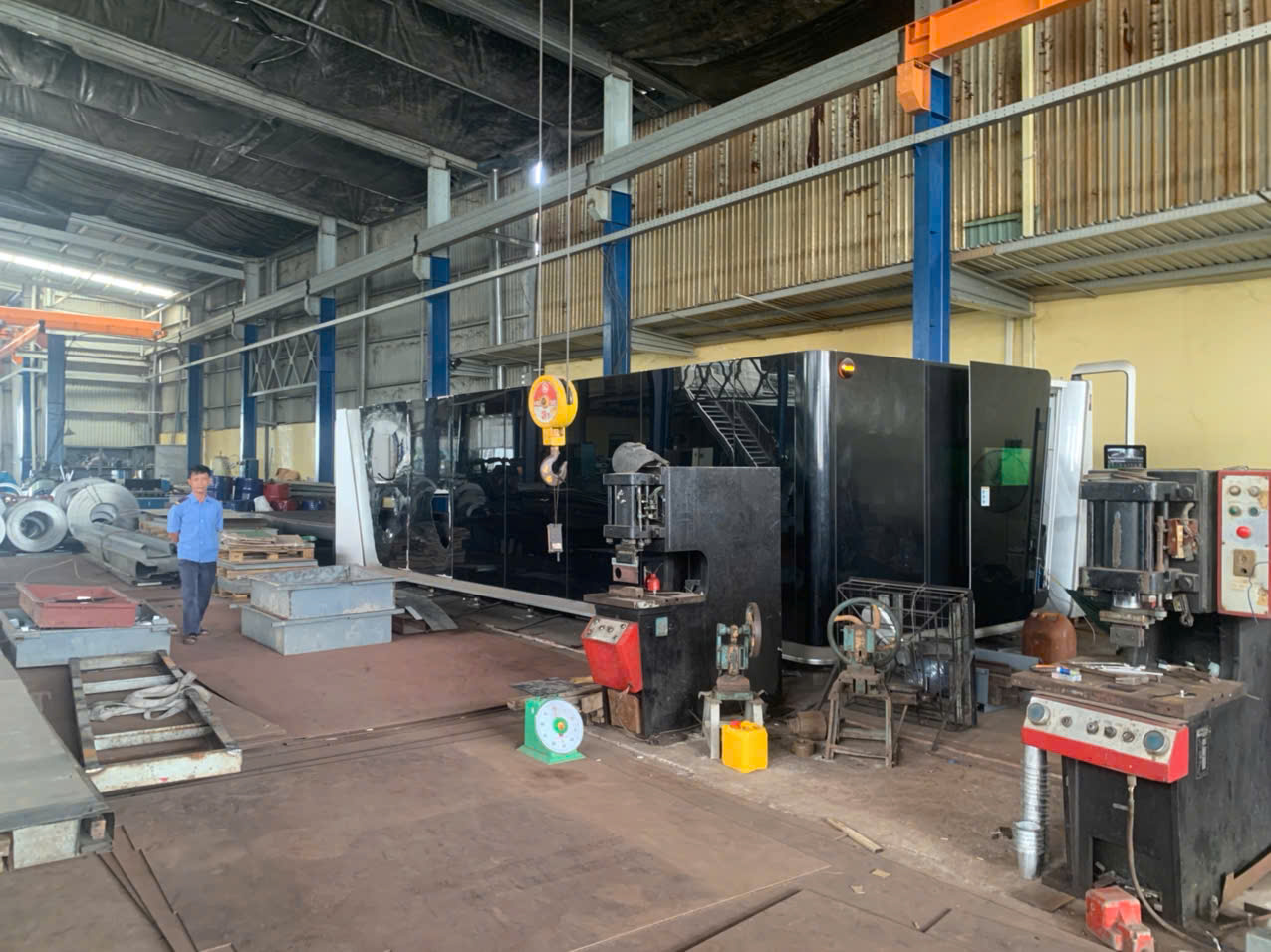
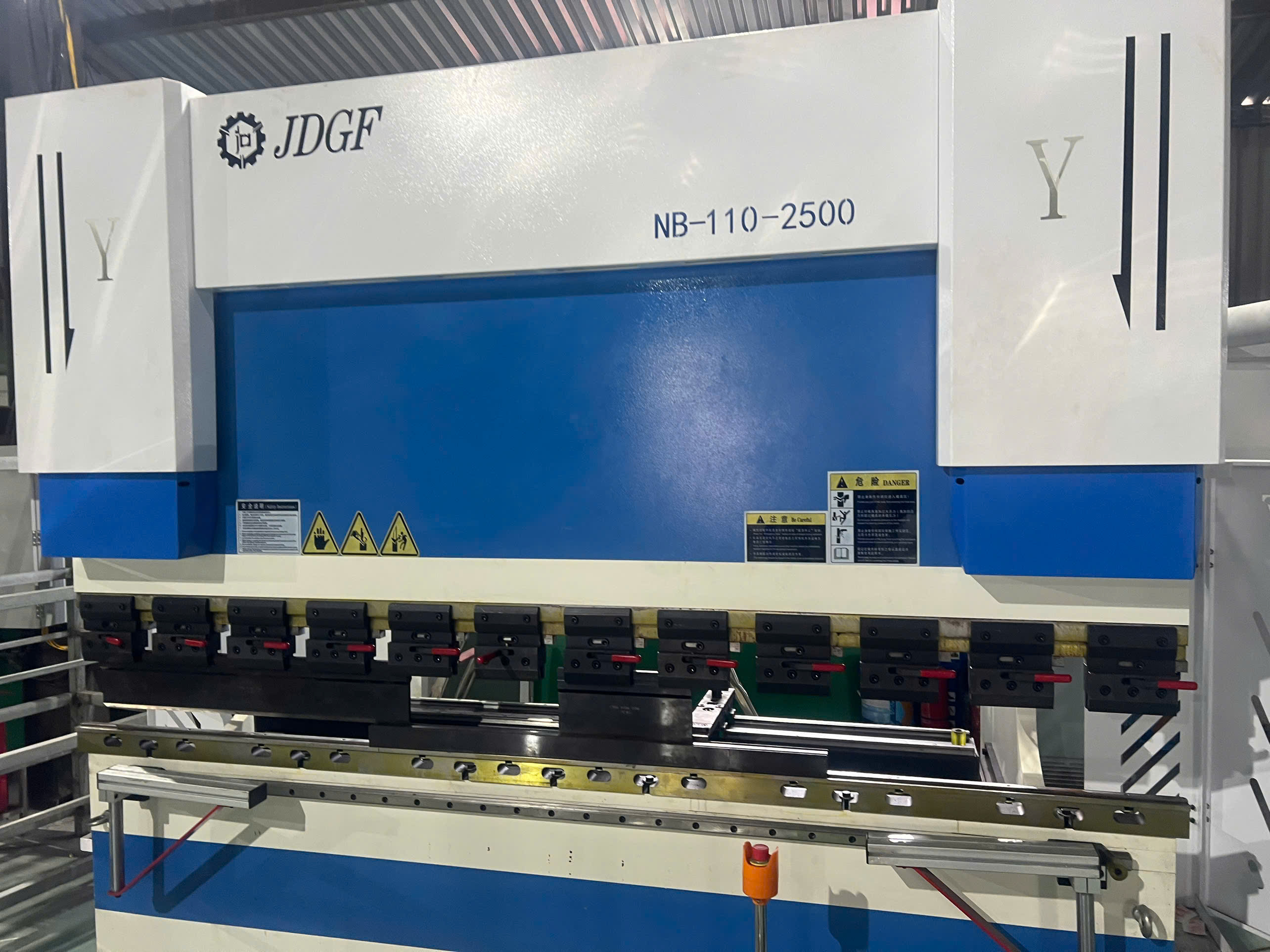
Every sheet metal project we manage follows a predictable sequence. The key is making each phase a distinct milestone in your scope of work — not just an internal process step. Here is how they break down:
| Phase | Duration | Key Deliverables | Approval Gate |
|---|---|---|---|
| 1. RFQ / Drawing Review & DFM | 3–5 business days | DFM report, revised drawings, quote confirmation | Client sign-off on final drawings |
| 2. Material Procurement | 2–4 weeks (up to 8 for specialty alloys) | Purchase orders to mills, DFARS compliance docs 5, Mill Test Reports (MTRs) | MTRs received and verified |
| 3. Shop-Floor Setup & Programming | 3–10 days | CNC programs, fixture design, tooling validation | Internal first-piece check |
| 4. Production (FAI Run) | 1–3 days for low-quantity FAI | Finished parts per drawing | Parts ready for inspection |
| 5. First-Article Inspection & Documentation | 5–14 days | AS9102 FAI forms 6, CMM reports, dimensional data, PPAP package | Client FAI/PPAP approval |
Why Each Phase Needs Its Own Contract Clause
I have seen buyers try to collapse these into two milestones: "order placed" and "parts shipped." That approach hides risk. When material procurement alone can swing from one week to eight weeks depending on qualifying-country sourcing, you need visibility into each stage.
In our contracts, we write each phase as a separate line item. The contract deliverables are specific. Phase 1 deliverable is not "review the drawing." It is "deliver a written DFM report identifying at minimum bend radius feasibility, tolerance callouts, and material grade confirmation." Phase 2 deliverable is not "buy material." It is "provide MTRs traceable to a DFARS-compliant source within 15 business days of PO release."
Prototype vs. PPAP: Two Different Exit Points
Many buyers confuse prototype approval with PPAP approval. A prototype proves the design works. PPAP proves the process is repeatable. Your contract should treat these as separate milestones with separate acceptance criteria.
For prototype development, the acceptance criteria might be dimensional conformance to critical features only. For PPAP, you need the full package: process flow diagrams 7, control plans, measurement system analysis, and AS9102 first-article inspection forms. Our team in Vietnam handles the PPAP documentation assembly, but the client must specify which PPAP submission level they require — Level 1 through Level 5 — before we begin.
One trend we are seeing: suppliers now offer dual bids, one for standard lead times and one for expedited. This is useful during the prototype phase when speed matters more than per-unit cost. But be careful — frequent expedites signal poor planning and increase costs across all your projects.
What delivery timelines should I set to avoid delays in my sheet metal supply chain?
The single biggest cause of delay I encounter is not fabrication speed. It is material procurement. A buyer once told me, "The parts are simple — just some bent brackets with holes. How can it take six weeks?" The answer was that the DFARS-compliant stainless steel had an eight-week mill lead time, and nobody flagged it during quoting.
Set delivery timelines by mapping realistic lead times for each phase: 3–5 days for drawing review, 2–8 weeks for material procurement, 3–10 days for setup, 1–3 days for FAI production, and 5–14 days for inspection and documentation — then add buffer periods for client approvals and long-lead material risks.
First-Article vs. Repeat Production Timelines
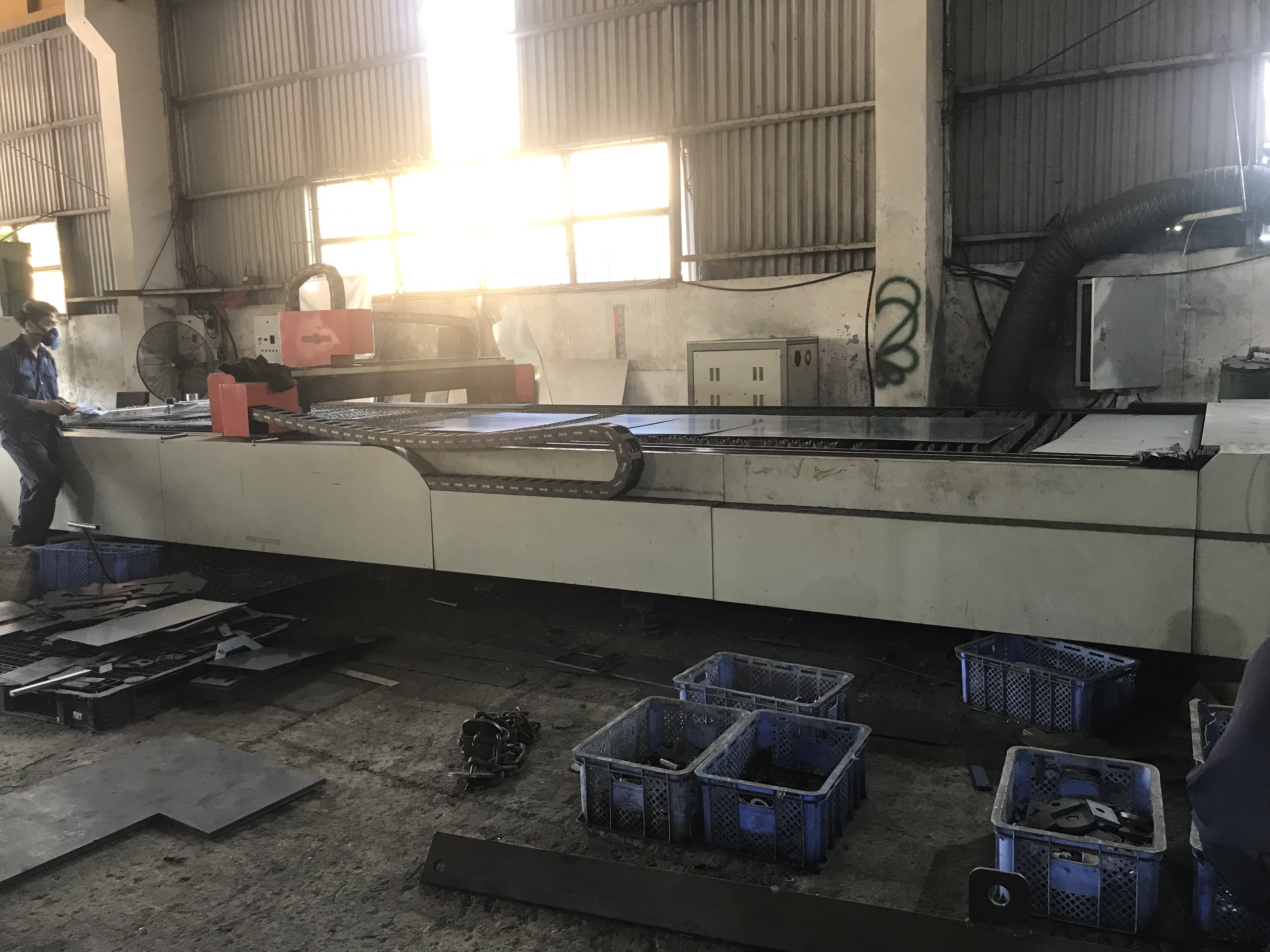
One of the most useful things you can do in a contract is separate first-article timelines from repeat production timelines. They are fundamentally different. Here is a realistic comparison:
| Activity | First-Article Timeline | Repeat Production Timeline |
|---|---|---|
| Drawing Review / DFM | 3–5 days | 0–1 day (minor revision check) |
| Material Procurement | 2–8 weeks | 1–3 weeks (if standard stock) |
| Setup & Programming | 3–10 days | 1–2 days (programs/fixtures exist) |
| Production | 1–3 days | Scales with quantity |
| FAI / Documentation | 5–14 days | 1–3 days (delta inspection only) |
| Total | 6–10 weeks | 2–5 weeks |
The difference is dramatic. Once the CNC programs, fixtures, and tooling are validated, repeat orders move much faster. Your project timeline should reflect this. Do not apply first-article lead times to every purchase order.
Compressing Lead Times with Early Material Commitment
Here is a practice that has become standard among the fabricators we work with: authorize material commitment at quote acceptance, not at PO release. This can shave two to four weeks off your total lead time.
Some buyers resist this because they want to control risk. They do not want to pay for material on a project that might get cancelled. That is a fair concern. The compromise we use is a material commitment clause: the buyer authorizes material purchase upon quote acceptance, with a cap on liability (typically the raw material cost only, not the full contract value). If the project is cancelled, the buyer pays for material already ordered. If it proceeds, the material is already in-house when the PO drops, and fabrication starts immediately.
Building Buffer Into Your Schedule
Never plan a project timeline with zero slack. Our rule of thumb is to add 20% buffer to each phase for first-article projects. For repeat orders, 10% is usually enough.
The biggest risk factor is client approval turnaround. I have seen projects where fabrication took three weeks but client review of the FAI package took four. Build explicit approval windows into your contract — for example, "Client shall review and respond to FAI submission within 5 business days. Failure to respond constitutes approval." This prevents your project from stalling in someone's inbox.
Digital production portals are replacing manual check-ins for status updates. If your fabricator offers a real-time tracking dashboard, use it. If they do not, require weekly written status updates as a contract term. Proactive communication catches delays before they compound.
How can I link my payment terms to specific fabrication milestones to protect my cash flow?
During a recent project involving precision mounting brackets — the kind with complex angular folds, multiple mounting holes, and mirror-image pairs — our client asked a simple question: "Why should I pay anything before I see parts?" My answer was equally simple: "Because your fabricator has already spent money on your behalf the moment they order material."
Link payment terms to fabrication milestones by structuring progress payments around verified deliverables: 20% upon material procurement with MTR verification, 30% upon production completion with in-process inspection data, 30% upon FAI/PPAP approval, and 20% upon delivery and final acceptance — adjusting percentages to match your risk tolerance.
Structuring SMART Milestone Payments
The key to milestone-based payment terms is making each trigger Specific, Measurable, Achievable, Relevant, and Time-bound. Vague milestones like "fabrication complete" invite disputes. Here is what SMART milestones look like in practice:
| Milestone | Trigger Event | Payment % | Evidence Required |
|---|---|---|---|
| Contract Execution | Signed PO and drawing package | 0–10% | Countersigned PO |
| Material Procurement Complete | MTRs received and DFARS verified | 15–20% | MTR copies, DFARS cert |
| Shop-Floor Setup Complete | Programs validated, first piece approved internally | 0–10% | Setup approval photos |
| Production Complete | All parts fabricated, in-process QC passed | 25–30% | In-process inspection report |
| FAI / PPAP Approved | Client signs off on AS9102 package | 25–30% | Signed FAI acceptance |
| Delivery & Final Acceptance | Parts received at destination, final count verified | 15–20% | Packing list, delivery receipt |
Why Payment Timing Matters for Both Sides
Buyers want to delay payment as long as possible. Fabricators want payment as early as possible. A well-structured milestone schedule meets both needs. The buyer never pays for work not yet completed. The fabricator never carries the full financial burden of a project alone.
In our experience managing supply chains for U.S. buyers, we often negotiate 60–90 day open account terms on repeat production. But for first-article and prototype development projects, milestone payments are more appropriate because the financial risk is front-loaded. The fabricator commits to tooling, material, and programming before a single part ships.
Protecting Against Change Orders
Change orders are the silent killer of milestone payment schedules. A buyer changes a dimension after material is cut. A designer adds three holes after setup is complete. Each change resets the clock — and potentially the cost.
Your contract should include a clear change order procedure: any design change after a milestone is approved triggers a requote, a revised timeline, and a separate payment event. Without this clause, fabricators absorb the cost of rework, and that cost eventually shows up in their next quote to you — or worse, in reduced quality assurance effort. Nobody wins.
One clause we always recommend: "No change order shall be implemented until a written amendment specifying the cost impact, lead time impact, and revised milestone dates has been signed by both parties." This single sentence prevents more disputes than any other contract language I have encountered.
What quality checkpoints must I include in my phased delivery schedule to ensure "right first time" results?
The most expensive word in manufacturing is "rework." I recall a project where a fabricator shipped 200 brackets without checking the hole pattern against the drawing. Every single part had to go back. The cost of that one missed quality checkpoint exceeded the original fabrication cost. That experience shaped how we build quality gates into every contract.
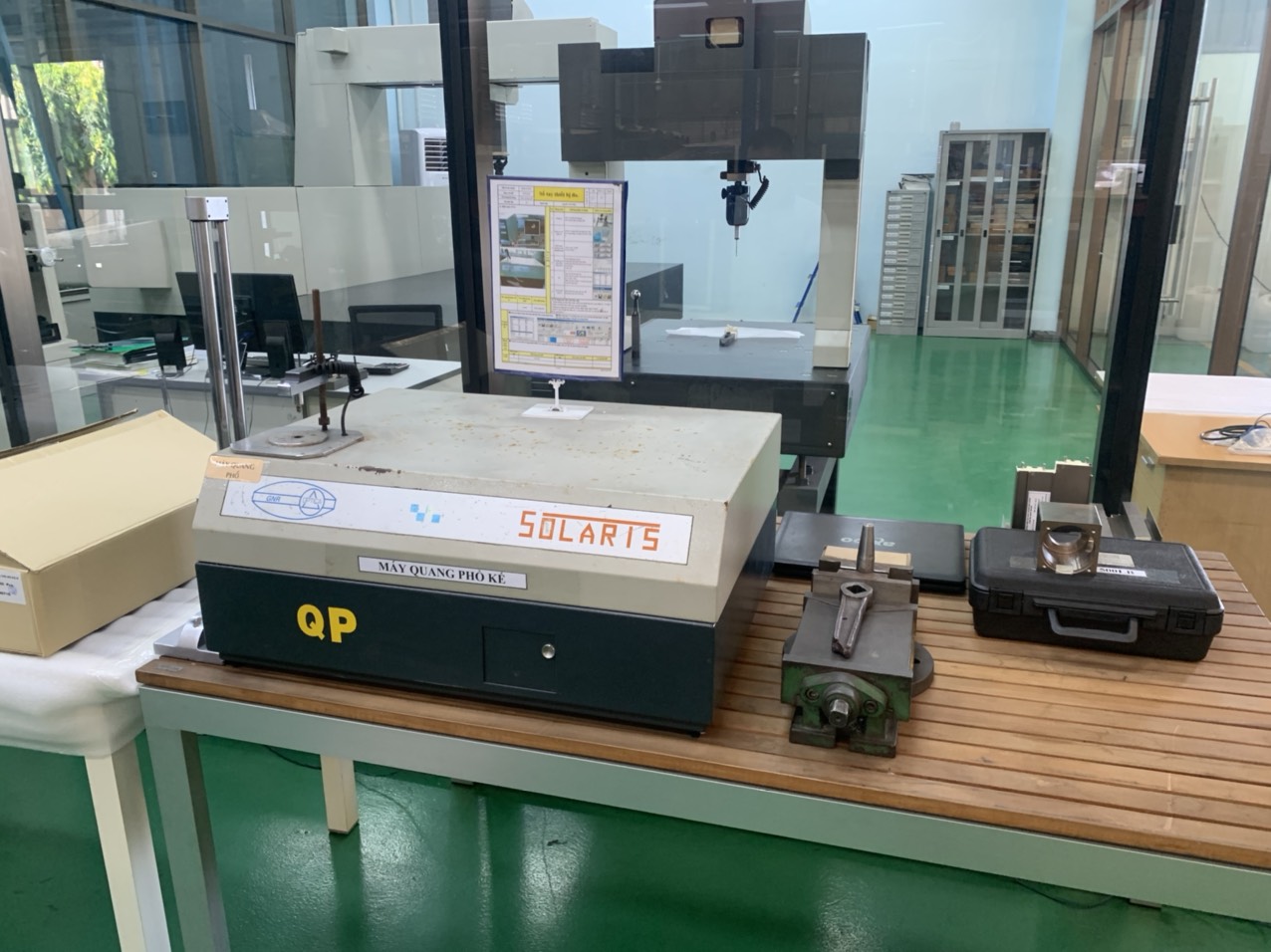
Include quality checkpoints at five critical stages: incoming material verification with MTRs, in-process dimensional checks during cutting and forming, weld inspection per AWS or client spec, final first-article inspection using CMM and AS9102 documentation, and pre-shipment inspection with packaging verification — each requiring documented evidence before the next phase begins.
The "Hold Point" Concept
A hold point is a contractual pause. Fabrication cannot proceed past a hold point without explicit client sign-off. Not every quality checkpoint needs to be a hold point — that would slow things down unnecessarily. But certain critical stages should require approval before the fabricator moves forward.
For the precision brackets and mounting components we manage, we typically designate two hold points:
- After first-article production and CMM measurement — The client reviews dimensional data before the fabricator produces the full batch.
- After surface treatment — For powder-coated or sandblasted finishes like the matte gunmetal grey typical of heavy-duty brackets, the client confirms color, texture, and adhesion results before packaging begins.
Design for Manufacturability as a Quality Checkpoint
Quality assurance does not start on the shop floor. It starts in the drawing. Design for manufacturability feedback 8 is the earliest quality checkpoint you can implement, and it is the most cost-effective.
When our engineering team reviews a new bracket design — say, a mirrored pair of angular mounting brackets with multiple folds, irregular cutouts, and pre-drilled mounting holes — we check for issues like: minimum bend radius vs. material thickness, hole proximity to bend lines, weld access for joint integrity, and tolerance stacking across multiple bends. Catching these issues during the DFM phase costs nothing. Catching them after fabrication costs everything.
Your contract should require a written DFM report as a deliverable in Phase 1, and it should specify that the fabricator must flag any drawing features that risk non-conformance. This is not optional — it is the foundation of "right first time" results.
Inspection Methods by Checkpoint
Different production stages require different inspection methods. Here is a practical breakdown:
| Checkpoint | Inspection Method | Acceptance Criteria | Documentation |
|---|---|---|---|
| Incoming Material | Visual + MTR review | Material grade, thickness, DFARS compliance | MTR on file |
| Post-Cutting | Dimensional check (calipers, gauges) | Profile dimensions ± drawing tolerance | In-process record |
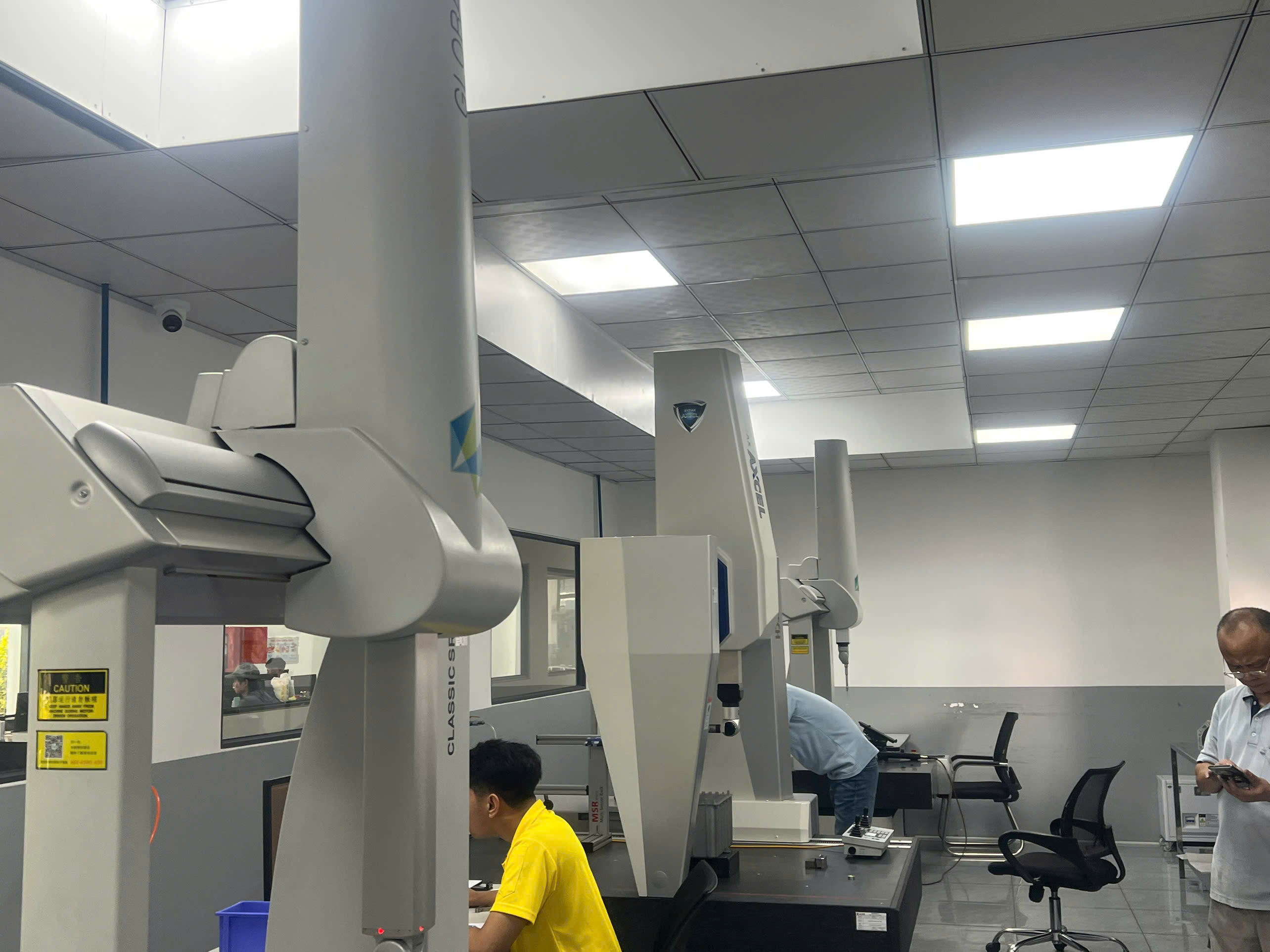
| Post-Forming | CMM or fixture check | Bend angles, flange lengths, hole positions | CMM report or go/no-go log |
| Post-Welding | Visual + weld gauge | AWS D1.1 or client spec, no porosity/undercut | Weld inspection report |
| Surface Treatment | Visual + adhesion test | Color match, coating thickness, adhesion per ASTM | Test report |
| Final / FAI | Full CMM measurement | All drawing dimensions per AS9102 | AS9102 Forms 1, 2, 3 |
| Pre-Shipment | Count, packaging, labeling | Correct qty, no transit damage risk, labels per spec | Packing list, photos |
Leveraging Digital Tools for Quality Visibility
A growing trend we encourage: requiring your fabricator to share CMM data and inspection 9 photos through a digital portal or shared folder in real time. This eliminates the two-week wait for a mailed PPAP binder. We set up shared folders for every project so our U.S. clients can review CMM results the same day they are generated.
For complex projects — like mirrored bracket pairs where symmetry and hole alignment across mating parts are critical — some of our clients request digital simulation validation before physical fabrication begins. The fabricator runs a virtual forming simulation to predict springback, potential cracking, and dimensional outcomes. This adds a milestone to the project timeline (typically 2–3 days), but it dramatically reduces the chance of first-article failure.
Managing Long-Lead Items and Risk Assessment
Long-lead items are the invisible threats to your delivery schedule. They include specialty alloys with limited mill sources, custom fasteners or inserts specified in the BOM, and surface treatments that require outsourcing to certified processors.
Your contract should include a risk assessment clause that requires the fabricator to identify all long-lead items within the first week of contract execution and provide procurement timelines for each. If any item exceeds the contracted delivery window, the fabricator must notify the client immediately and propose alternatives.
We use a simple three-step risk process:
- Identify — List every purchased component and raw material with its expected lead time.
- Assess — Flag any item with a lead time exceeding 50% of the total project timeline.
- Mitigate — For flagged items, secure secondary sources, authorize early procurement, or negotiate schedule adjustments with the client.
This process has saved several of our projects from delay, particularly when sourcing DFARS-compliant materials from qualifying countries where mill capacity fluctuates.
Conclusion
Phased delivery milestones turn vague sheet metal fabrication contracts 10 into enforceable roadmaps. Define each production stage, tie payments to verified deliverables, embed quality checkpoints, and build realistic lead times — your supply chain will reward you with fewer surprises and stronger supplier relationships.
Frequently Asked Questions
How do I define the initial prototype and PPAP approval stages in my contract?
A few months ago, a buyer sent us a sketch on a napkin and expected PPAP-ready parts in three weeks sheet metal supply chain 4 . That gap between expectation and reality is where contracts fall apart — and where clear prototype development stages save the relationship.
What delivery timelines should I set to avoid delays in my sheet metal supply chain?
The single biggest cause of delay I encounter is not fabrication speed. It is material procurement. A buyer once told me, "The parts are simple — just some bent brackets with holes. How can it take six weeks?" The answer was that the DFARS-compliant stainless steel had an eight-week mill lead time, and nobody flagged it during quoting.
How can I link my payment terms to specific fabrication milestones to protect my cash flow?
During a recent project involving precision mounting brackets — the kind with complex angular folds, multiple mounting holes, and mirror-image pairs — our client asked a simple question: "Why should I pay anything before I see parts?" My answer was equally simple: "Because your fabricator has already spent money on your behalf the moment they order material."
Footnotes
1. Defines the legal aspects and components of a contract manufacturing agreement. ↩︎
2. Explains the PPAP process, its stages, and submission levels in manufacturing. ↩︎
3. Details the manufacturing process for sheet metal mounting brackets. ↩︎
4. Discusses strategies for optimizing the supply chain in metal fabrication. ↩︎
5. Outlines documentation and record-keeping requirements for DFARS compliance. ↩︎
6. Provides a comprehensive guide to AS9102 First Article Inspection forms. ↩︎
7. Defines process flow diagrams and their application in manufacturing. ↩︎
8. Replaced with a working URL from the same domain that outlines design for manufacturability principles. ↩︎
9. Replaced with a working URL from the same domain that provides a complete checklist for reading CMM inspection reports. ↩︎
10. Explains manufacturing contracts, including specifications, quality, and payment terms. ↩︎