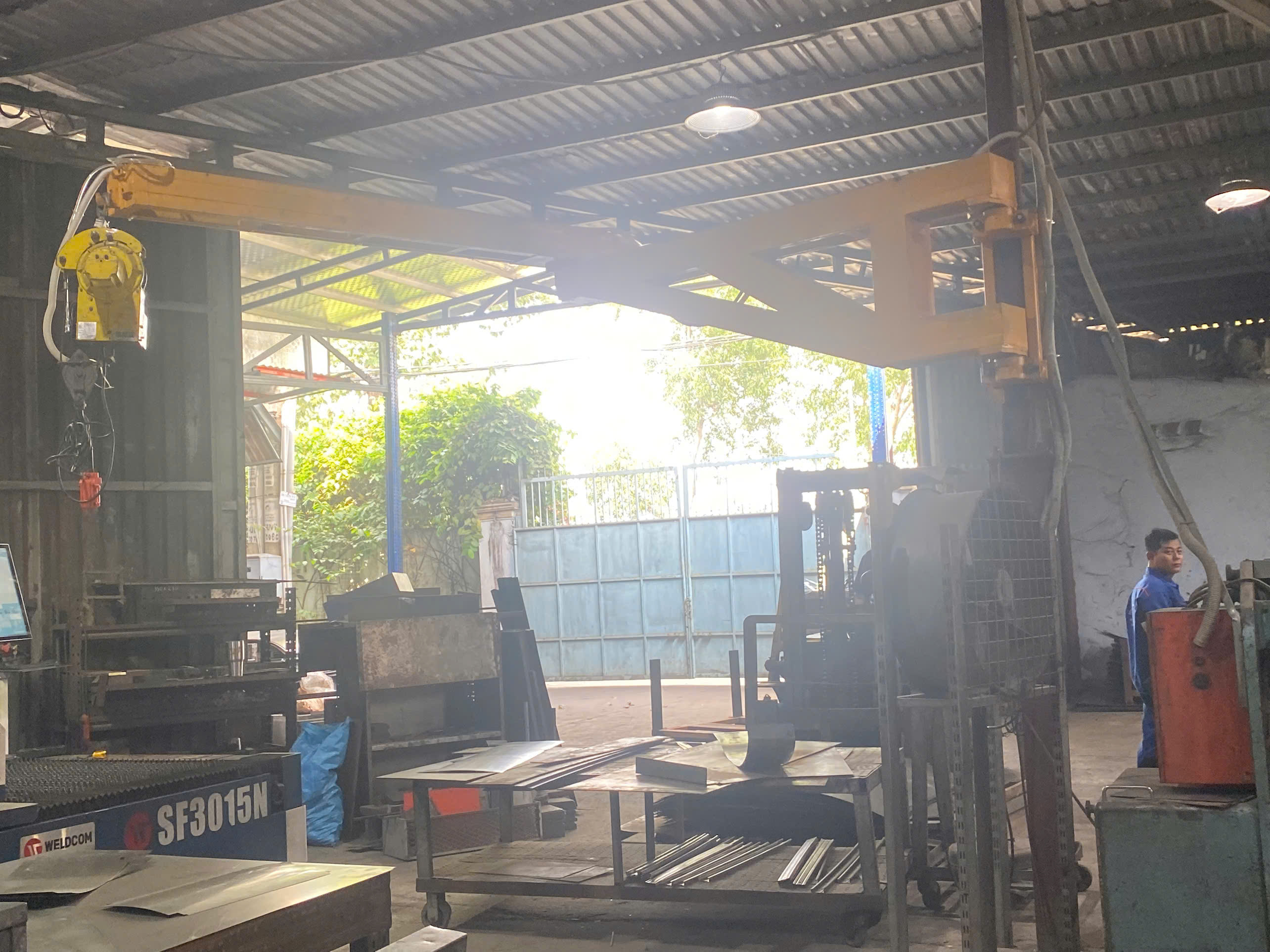

Delayed launches and missed delivery windows — we’ve watched these problems erode buyer trust across dozens of custom sheet metal fabrication 1 projects we manage between Asia and the U.S.
Setting realistic sheet metal fabrication lead times for OEM production requires breaking the timeline into five phases — quoting, material procurement, setup, fabrication, and inspection — then building buffers around material availability and quality control, which together dominate total lead time far more than actual production.
Most purchasing managers focus on the days a part spends on the shop floor PPAP submissions 2. But the real timeline killers hide in procurement queues, first article inspection documentation 3, and coordination gaps across fragmented supply chains 4. Let me walk you through how we approach this at every phase.
How can I accurately calculate the lead time for my custom sheet metal projects?
A buyer once told me his previous supplier quoted "two weeks" for a set of custom mounting brackets — then delivered eight weeks later quality control process 5. The gap came from phases nobody discussed upfront.
To accurately calculate lead time, break your project into five sequential phases: quote-to-PO (0–7 days), material acquisition (1–8 weeks), setup and programming (3–10 days), production (1–3 days for low-volume runs), and first article inspection with documentation (5–14 days). Material procurement and inspection — not fabrication — drive the total timeline.
The Five-Phase Timeline Breakdown
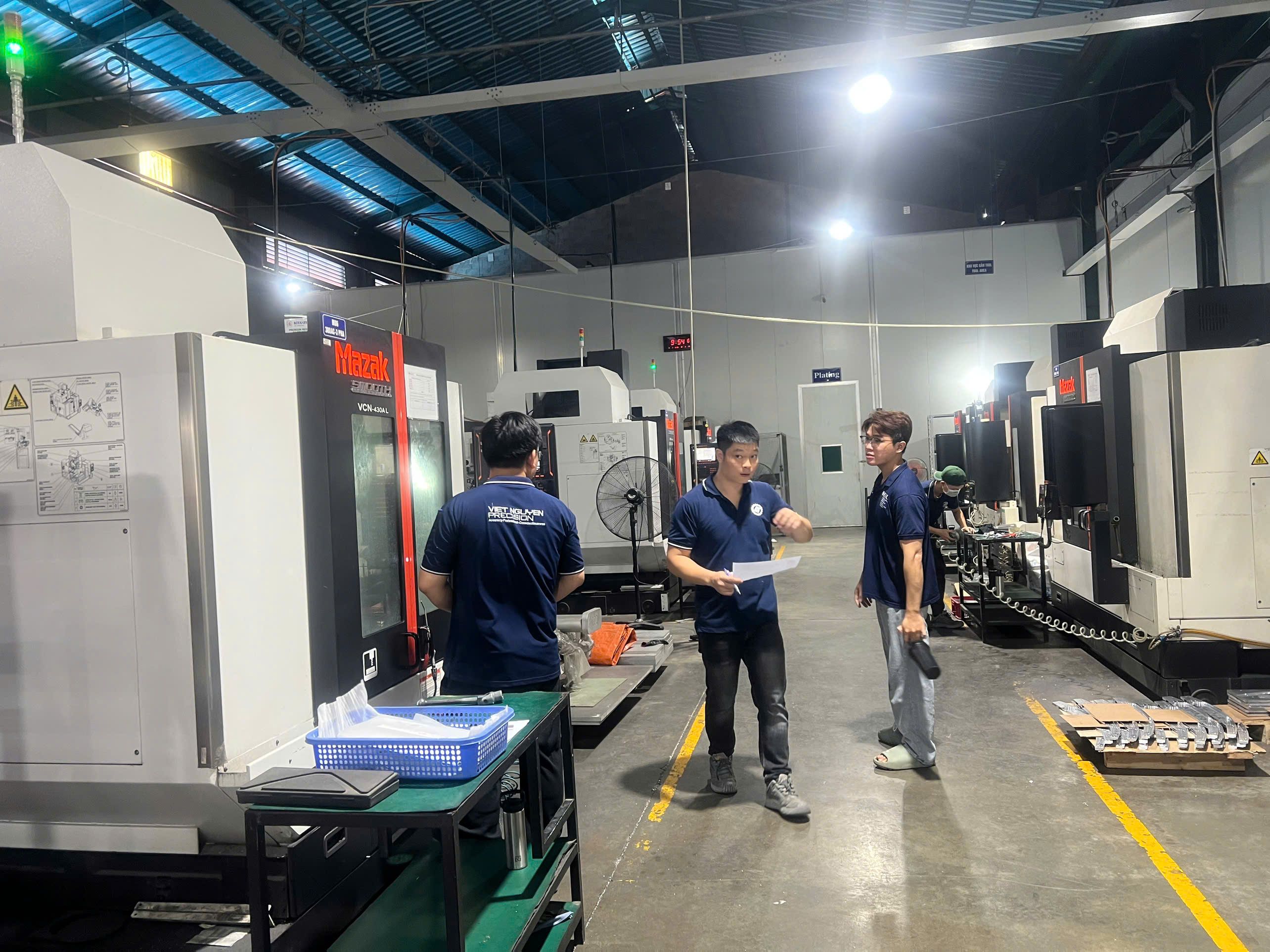
When our team in Vietnam or China kicks off a new sheet metal project, we map the entire timeline before the first piece of steel is cut. Here is how each phase typically breaks down:
| Phase | Typical Duration | Key Driver |
|---|---|---|
| Quote release to PO | 0–7 days | Drawing clarity, buyer decision speed |
| Material acquisition 6 | 1–8 weeks | Material availability, alloy type, DFARS compliance |
| Setup and programming | 3–10 days | Design complexity, CNC/laser programming |
| Production run | 1–3 days (low volume) | Batch size, process cycle times |
| FAI and documentation | 5–14 days | Inspection scope, PPAP requirements |
Notice something? Actual production — the cutting, bending, welding — is often the shortest phase. The bulk of the timeline sits in procurement and inspection. For a realistic first-article run on defense or regulated OEM work, expect 6–10 weeks total.
Why Material Procurement Takes So Long
Standard mild steel or 304 stainless ships in days from most Asian mills. But the moment you specify a specialty alloy, a specific temper, or DFARS-compliant material 7, procurement can stretch to weeks or even months. We always ask our clients to confirm material specifications early, because a single alloy change can shift the entire schedule by three or four weeks.
The Inspection Phase Most Buyers Underestimate
First article inspection documentation is not a rubber stamp. It involves dimensional verification, material certifications, visual inspection records, and sometimes destructive testing. On a complex bracket with multiple bends, cutouts, and weld joints — like the mirrored mounting brackets we recently produced with pre-drilled holes and sandblasted finish — the FAI package alone took nine working days. Buyers who plan for "a day or two" of inspection are setting themselves up for schedule overruns.
What steps can I take to prevent production delays with my overseas sheet metal suppliers?
Last year, one of our U.S. clients lost a full month on a bracket order because drawings lacked bend radius callouts and the supplier guessed wrong. The rework rippled through the entire production scheduling calendar.
To prevent production delays with overseas sheet metal suppliers, provide shop-ready drawings with complete specifications at the RFQ stage, authorize early material commitment, partner with integrated one-stop suppliers, pre-procure high-demand materials, and maintain weekly communication cadences to catch issues before they compound.
Start With a Complete RFQ Package
The single fastest way to prevent delays is to give your supplier everything they need before production begins. Incomplete information creates back-and-forth that eats days or weeks. Here is what a shop-ready RFQ package 8 should include:
- Fully dimensioned 2D drawings (PDF and native CAD)
- 3D STEP or IGES models
- Material and finish specifications
- Quantity and delivery date
- Tolerance callouts for critical dimensions
- Surface treatment requirements (powder coat, sandblast, anodize)
- Any compliance requirements (DFARS, RoHS, REACH)
When we receive a complete package, our engineering team can start Design for Manufacturability 9 (DFM) review within 24 hours. When information is missing, the project stalls in the quoting phase.
Authorize Material Commitment Early
Here is a tactic many experienced purchasing managers use: authorize your supplier to purchase raw material at quote acceptance rather than waiting for a formal PO. This can shave one to three weeks off the total timeline. Yes, it means committing spend earlier. But the cost optimization from avoiding expedite fees and air freight later usually outweighs the risk.
Choose Integrated One-Stop Suppliers
Fragmented supply chains — where one vendor cuts, another bends, a third welds, and a fourth finishes — introduce handoff delays at every step. Each transition adds queue time, shipping time, and communication overhead. We manage projects through integrated facilities that handle laser cutting, CNC bending, welding, and surface finishing under one roof. The difference is significant:
| Supply Chain Model | Typical Lead Time (Same Project) | Risk of Miscommunication |
|---|---|---|
| Fragmented (4+ vendors) | 6–8 weeks | High — specs lost between handoffs |
| Integrated one-stop supplier | 4–5 weeks | Low — single point of contact |
The integrated model also makes it far easier to respond to engineering changes. When a design revision arrives mid-production, one facility can adjust immediately. With a fragmented chain, every vendor needs separate updated instructions. This is why our OEM supply chain strategy favors consolidation.
Build Strong Supplier Relationships
Supply chain disruptions are inevitable — raw material shortages, port congestion, factory holidays. The difference between a minor hiccup and a catastrophic delay often comes down to supplier relationships. Suppliers who know your business, understand your quality expectations, and have inventory management systems aligned with your demand patterns will prioritize your orders when capacity constraints hit. We invest heavily in these relationships on behalf of our clients, including regular supplier audits and on-site visits from our Vietnam and China offices.
How should I adjust my expectations for lead times when moving from prototyping to full OEM production?
A trade-off I weigh constantly with clients: the speed of a quick prototype versus the discipline required for production-ready parts. These are fundamentally different workflows with different timelines.
When transitioning from prototyping to full OEM production, expect lead times to increase due to added requirements — tooling validation, process documentation, PPAP submissions, and capacity planning. Prototype runs may take 2–3 weeks, while initial production runs typically require 6–10 weeks including first article approval and quality control setup.
Why Production Takes Longer Than Prototypes
Prototypes are fast because shortcuts are acceptable. You might skip formal inspection, use available material instead of specified material, or accept cosmetic imperfections. None of that flies in OEM production. Here is a direct comparison:
| Factor | Prototype Phase | Full OEM Production |
|---|---|---|
| Material sourcing | Use what's available | Must match exact spec and certification |
| Tolerances | General tolerances acceptable | Critical dimensions held to drawing callouts |
| Inspection | Visual check, basic measurements | Full FAI with documented results |
| Documentation | Minimal | PPAP package, material certs, inspection reports |
| Tooling | Existing tooling preferred | Custom fixtures and jigs may be required |
| Process validation | Not required | Process capability studies may be needed |
Design for Manufacturability Becomes Critical
During prototyping, a designer can get away with aggressive geometry — tight bend radii, unusual cutout shapes, or non-standard hole spacing. In production, these features slow things down. Every unnecessary bend adds programming time. Every non-standard dimension requires custom tooling or fixture adjustments.
We always recommend a DFM review at the transition point. Simplifying geometry, standardizing tolerances, and optimizing nesting for efficient material usage can cut programming and setup time dramatically. I have seen cases where reducing the number of bends on a bracket from seven to four saved three days of setup and reduced scrap by 15%.
Scaling Challenges You Should Anticipate
Moving to full production introduces capacity constraints that prototypes never face. A prototype run of five pieces can squeeze into any open machine slot. A production run of 500 pieces requires dedicated machine time, operator scheduling, and raw material in bulk quantities. Production scheduling must account for other jobs competing for the same equipment.
Automation technology helps here. Facilities with automated laser cutting and robotic welding can ramp volume faster than manual shops. But even with automation, the planning and scheduling overhead adds time to the first production run. Subsequent repeat orders move faster because tooling, fixtures, and programs are already validated.
The Mindset Shift for Buyers
The key adjustment is this: prototyping rewards speed and flexibility, while production rewards predictability and process control. When you move into production, your priorities should shift from "how fast can I get parts?" to "how reliably can I get conforming parts on a repeating schedule?" That shift in expectations prevents the frustration that comes from comparing a two-week prototype turnaround to a six-week production timeline.
How does implementing a strict PPAP and QC process affect my overall sheet metal fabrication timeline?
A lesson we learned early in our quality control journey: the first time you implement PPAP on a new sheet metal part, it adds time. Every time after that, it saves time.
Implementing a strict PPAP and quality control process typically adds 1–3 weeks to initial sheet metal fabrication lead times due to documentation, dimensional studies, and material verification requirements. However, it dramatically reduces rework, returns, and production interruptions on subsequent runs, delivering net time savings across the product lifecycle.

What PPAP Actually Adds to the Timeline
PPAP — Production Part Approval Process — is not just paperwork. It is a structured validation that confirms your supplier can consistently produce parts that meet your specifications. For sheet metal fabrication, a typical PPAP submission includes:
- Dimensional inspection results on a statistically meaningful sample
- Material certifications with traceability
- Process flow diagrams
- Control plans
- Appearance approval (surface finish, color, texture)
- Packaging and labeling specifications
Each of these elements requires time. Our team typically allocates 5–14 days for FAI documentation alone, depending on part complexity. A pair of mirrored mounting brackets with multiple bends, weld joints, and pre-drilled holes — like the ones shown in our product portfolio — demands thorough measurement across dozens of dimensions.
The Hidden Benefit: Getting It Right the First Time
Here is where the math works in your favor. Without PPAP, a supplier might ship 500 brackets with a critical dimension out of spec. You catch it at incoming inspection. Now you are facing rework costs, return shipping, line-down charges, and a new production slot that might be weeks away.
With PPAP, that dimensional issue gets caught during the first article run — when only a handful of parts are produced. The fix happens before full production begins. The upfront time investment in quality control pays for itself many times over.
Balancing Speed and Quality
Some vendors promise expedited schedules by skipping formal inspection steps. This is a gamble that works until it doesn't. In our experience managing projects for U.S. buyers, a reasonable lead time of 6–10 weeks with proper PPAP delivers better outcomes than a "rush" 3-week timeline that results in non-conforming parts and a restart.
That said, there are ways to run PPAP in parallel with other activities to compress the overall schedule:
- Begin documentation templates during material procurement
- Run dimensional checks on first-off pieces before the full production batch completes
- Pre-approve material certifications digitally before physical parts ship
- Use digital project management tools for real-time status sharing between your team and the supplier
These tactics can recover a week or more without sacrificing rigor. The goal is not to eliminate quality control — it is to eliminate dead time between quality control steps.
Cost Optimization Through Quality
There is a direct link between strict QC processes and cost optimization. Parts that pass inspection the first time avoid the hidden costs of rework, re-inspection, expedited re-shipping, and production line disruptions at the OEM's facility. For purchasing managers evaluating sheet metal fabrication sourcing requirements, lead-time reliability and first-pass yield are often more valuable metrics than quoted unit price.
Conclusion
Realistic sheet metal fabrication lead times come from understanding every phase — procurement, setup, production, and inspection — not just machine time. Plan thoroughly, engage your fabricator early, invest in DFM and PPAP, and prioritize predictability over speed.
Frequently Asked Questions
How can I accurately calculate the lead time for my custom sheet metal projects?
A buyer once told me his previous supplier quoted "two weeks" for a set of custom mounting brackets — then delivered eight weeks later quality control process 5 . The gap came from phases nobody discussed upfront.
What steps can I take to prevent production delays with my overseas sheet metal suppliers?
Last year, one of our U.S. clients lost a full month on a bracket order because drawings lacked bend radius callouts and the supplier guessed wrong. The rework rippled through the entire production scheduling calendar.
How should I adjust my expectations for lead times when moving from prototyping to full OEM production?
A trade-off I weigh constantly with clients: the speed of a quick prototype versus the discipline required for production-ready parts. These are fundamentally different workflows with different timelines.
Footnotes
1. Explains the process and applications of custom metal fabrication. ↩︎
2. Defines the Production Part Approval Process (PPAP) and its role in manufacturing. ↩︎
3. Details the purpose and requirements of first article inspection documentation (FAI). ↩︎
4. Provides a general understanding of supply chains and their components. ↩︎
5. Provides an overview of quality control processes in manufacturing and their importance. ↩︎
6. The article uses ‘material acquisition’ and ‘material procurement’ interchangeably. This URL provides a comprehensive explanation of material procurement, its process, strategies, and benefits. ↩︎
7. Explains the Defense Federal Acquisition Regulation Supplement compliance for materials. ↩︎
8. Explains the components and importance of a Request for Quotation (RFQ) package. ↩︎
9. Wikipedia provides an authoritative and comprehensive overview of Design for Manufacturability (DFM), including its definition, importance, and techniques. ↩︎