Setting tiered pricing for welding parts used to feel like guesswork until our sourcing team started tracking what actually moves the needle on supplier performance.
To set tiered pricing for welding parts that incentivizes supplier efficiency, structure price tiers around volume commitments, defect-rate reductions, lead-time compression, and multi-year learning curves. Tie each tier to measurable KPIs so suppliers earn better rates by delivering consistent quality, on-time shipments, and lower per-unit costs.
This article walks through four concrete approaches Defective Parts Per Million (DPPM) 1. Each section covers a different lever — volume, quality, speed, and long-term mastery — so you can build a pricing agreement that rewards your welding supplier for getting better over time. Whether you source custom brackets, structural frames, or fabricated mounting hardware, these strategies apply.
How can I structure volume-based price tiers to lower my unit costs as my welding supplier scales production?
A lesson we learned early in our Vietnam office: a client ordered 200 custom steel brackets per month, then jumped to 1,200 within six months — but the per-unit price barely moved because no volume-based pricing structure existed First-Pass Yield (FPY) 2.
Structure volume-based price tiers by defining clear order-quantity thresholds — such as 1–499, 500–999, and 1,000+ units — each with a progressively lower unit price. Anchor discounts to the supplier's actual cost savings from batch efficiency, reduced setup time, and bulk purchasing of welding consumables.
Why Volume Lowers Welding Costs
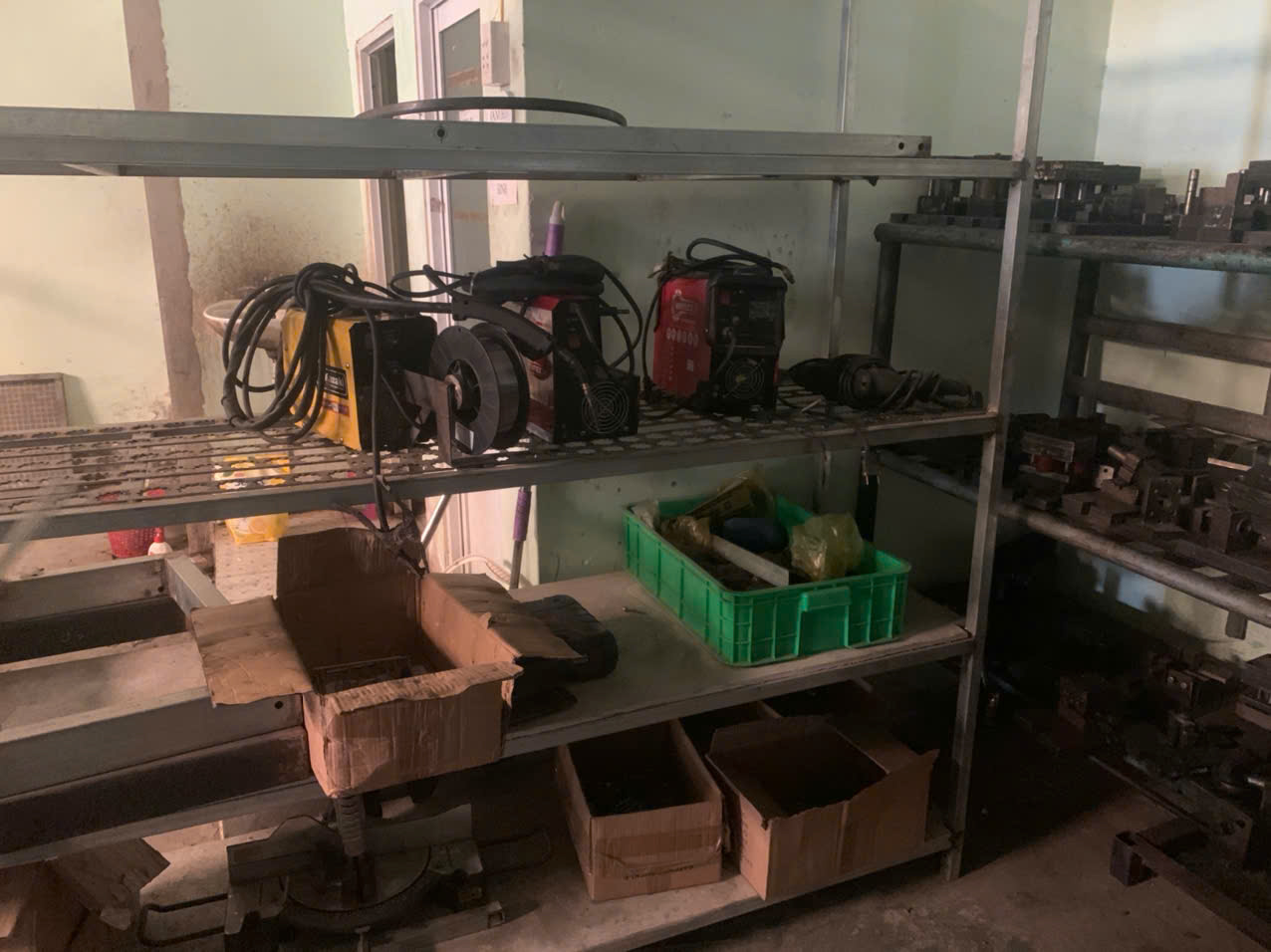
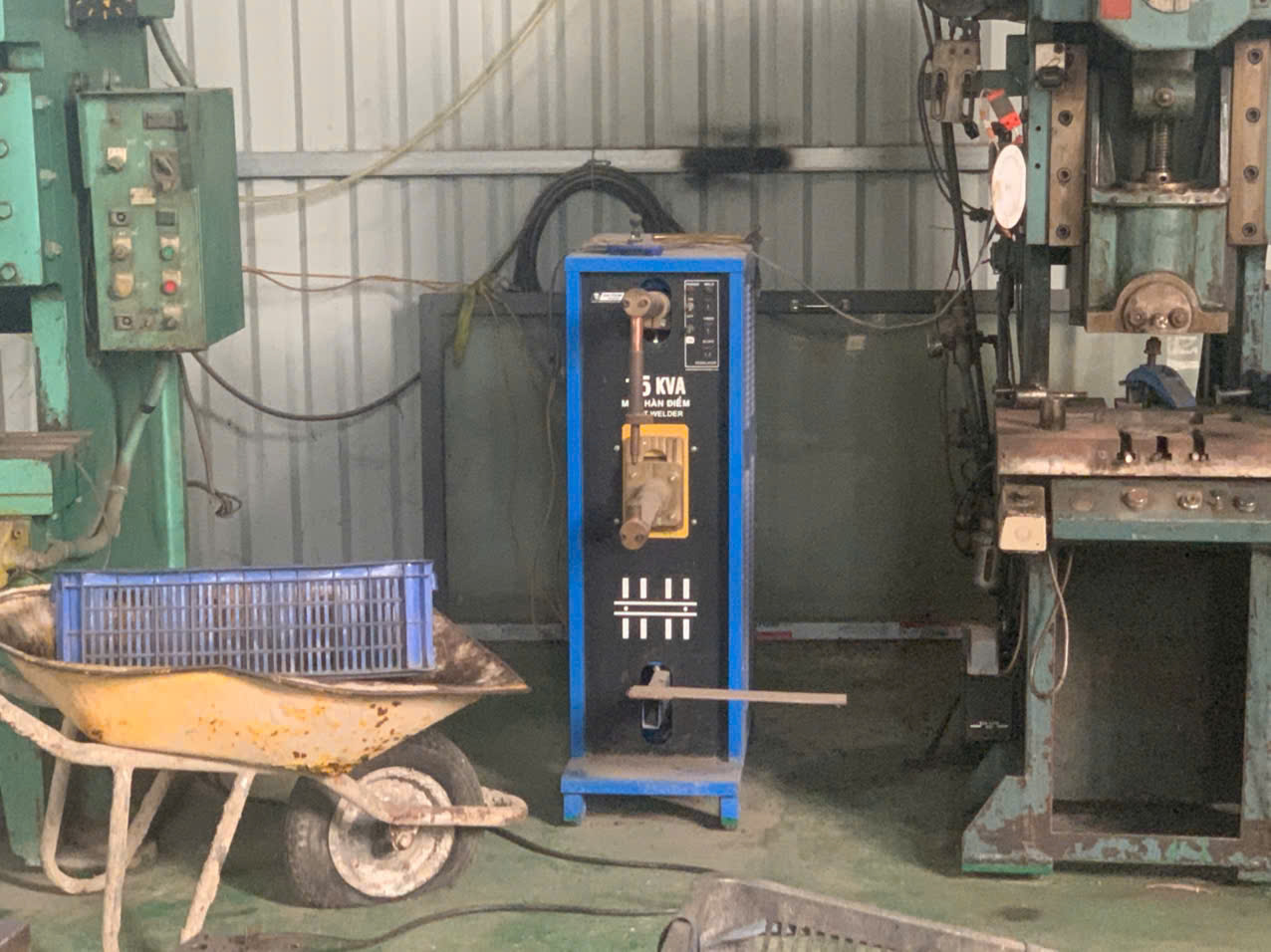
Welding costs break down into two main buckets: labor and overhead, plus consumables Automation and robotics 3. When a supplier runs larger batches, the setup time per unit drops. Fixture alignment, machine calibration, and programming happen once instead of repeatedly. The supplier also buys filler wire, shielding gas, and flux in bulk at lower rates. These savings are real and measurable. welding consumables 4 Your job is to capture a share of them through structured volume discounts.
Mapping Your Supply Chain First
Before setting price tiers, map your supply chain. Identify who is your Tier 1 supplier — the shop that welds and assembles your parts. Then identify Tier 2 suppliers — those who supply raw tubing, plate steel, or pre-cut blanks to your Tier 1. Sometimes there is a Tier 3 supplier providing raw material to Tier 2. Understanding this chain helps you see where cost reductions originate.
| Supplier Tier | Role | Example for Welding Parts |
|---|---|---|
| Tier 1 | Direct contractor — fabricates and welds your parts | Your welding shop or contract manufacturer |
| Tier 2 | Supplies materials/components to Tier 1 | Steel tubing supplier, laser-cut blank provider |
| Tier 3 | Supplies raw inputs to Tier 2 | Steel mill, aluminum smelter |
Setting the Volume Brackets
Do not pick arbitrary numbers. Base your brackets on the supplier's batch-efficiency breakpoints. Ask your supplier: at what quantity does your setup cost per unit drop by more than 10%? At what quantity can you negotiate better consumable pricing? Use those answers to define tiers.
| Monthly Volume (Units) | Unit Price | Discount vs. Base | Rationale |
|---|---|---|---|
| 1–249 | $48.00 | Base price | Small batch, full setup cost per unit |
| 250–499 | $44.50 | 7.3% | Setup amortized, moderate consumable savings |
| 500–999 | $41.00 | 14.6% | Dedicated fixtures, bulk gas and wire |
| 1,000+ | $38.00 | 20.8% | Continuous production, maximum efficiency |
This table is an example. Your actual numbers depend on part complexity, material, and weld joint count. The key principle: each tier should reflect a genuine cost reduction the supplier experiences — not just a negotiating tactic.
Procurement Strategies to Maximize Tier Benefits
Consider consolidating orders across multiple part numbers to reach higher volume brackets. If you buy L-shaped mounts, U-channels, and flat base plates from the same supplier, aggregate the total welding labor hours rather than pricing each part in isolation. This approach strengthens supplier relationships because the supplier gets predictable workload, and you get better rates.
Also consider a vendor managed inventory 5 arrangement. The supplier holds finished stock and ships on demand. You commit to annual volumes. They plan production in larger, more efficient runs. Both sides win.
What metrics should I include in my tiered pricing model to reward my supplier for reducing welding defects?
One of our U.S. clients once received a shipment of 600 welded mounting brackets where 11% had undercut defects at critical load-bearing joints. The rework cost exceeded what a 5% quality-incentive discount would have been worth over an entire year.
Include first-pass yield rate, defect parts-per-million (DPPM), weld porosity percentage, and dimensional accuracy compliance as core metrics. Set performance tiers — such as DPPM below 500 for Tier A pricing — so suppliers earn price premiums or retain margin by consistently reducing welding defects.
Choosing the Right Quality KPIs
Not every quality metric matters equally for welding. Focus on metrics that directly affect your end product. For structural frames and heavy-duty brackets like the ones we source, these matter most:
- First-Pass Yield (FPY): The percentage of parts that pass inspection the first time, with no rework. This is your single best indicator of manufacturing efficiency and process control.
- Defective Parts Per Million (DPPM): Scales the defect rate for comparison across different order sizes.
- Weld-Specific Defects: Porosity, undercut, incomplete fusion, spatter, and distortion. Each has different causes and different cost impacts.
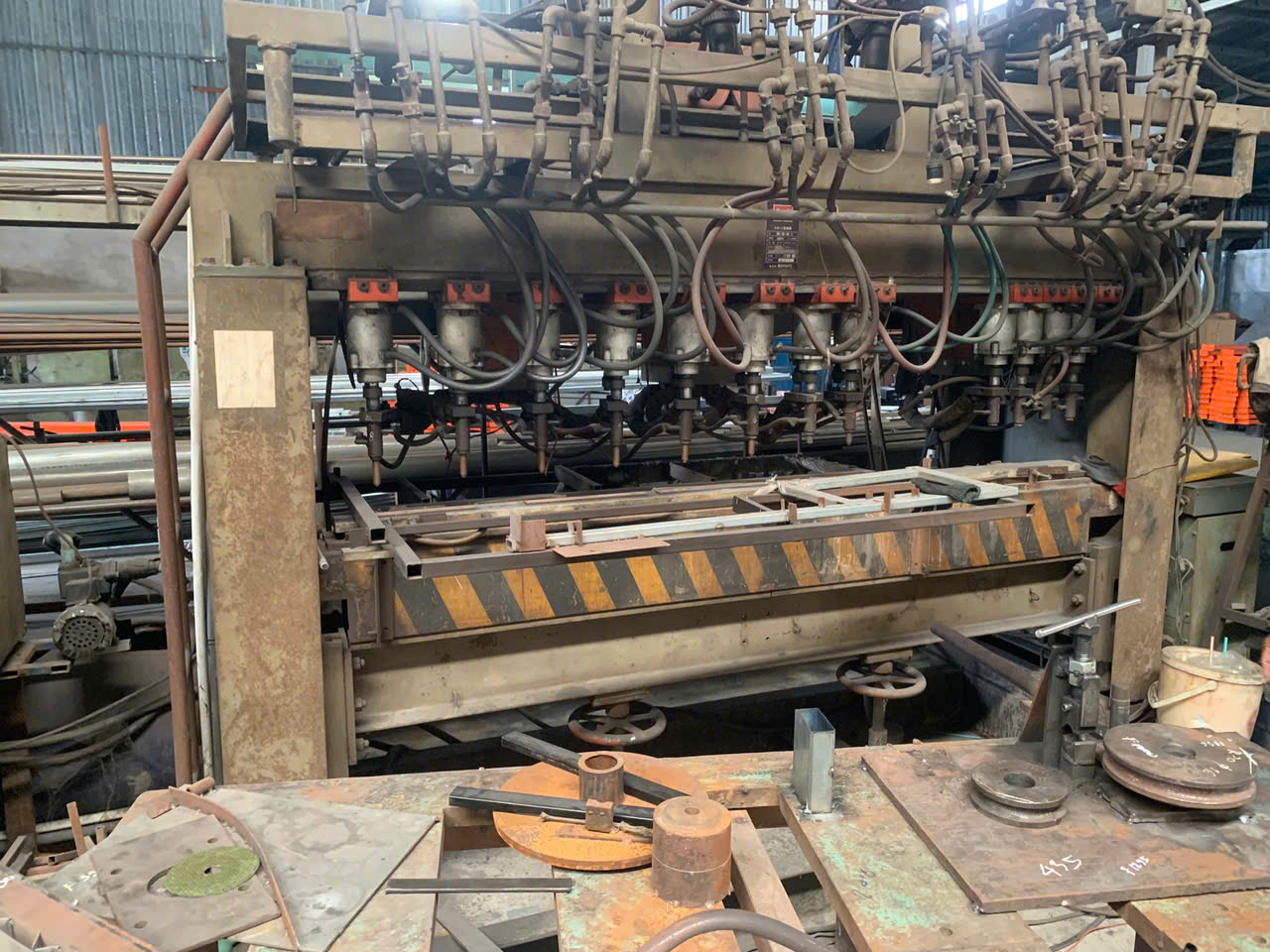
- Dimensional Accuracy: Does the finished weldment meet drawing tolerances? For custom parts with pre-drilled mounting holes and V-shaped brackets, even 0.5 mm of weld distortion can make the part unusable.
Building Performance-Based Pricing Tiers
Structure your tiers so the supplier earns a better price — or retains more margin — as quality improves. Here is a framework we have used in contract manufacturing agreements:
| Quality Tier | First-Pass Yield | DPPM Threshold | Pricing Impact |
|---|---|---|---|
| Tier A (Premium) | ≥ 98% | < 500 | Base price minus 5% discount |
| Tier B (Standard) | 95–97.9% | 500–2,000 | Base price (no adjustment) |
| Tier C (Probation) | 90–94.9% | 2,001–5,000 | Base price plus 3% surcharge |
| Tier D (Corrective Action) | < 90% | > 5,000 | Triggered quality hold and root-cause review |
The surcharge at Tier C is not punitive for its own sake. It covers your incoming inspection costs, potential rework, and schedule disruption. It also sends a clear signal: quality matters, and the pricing structure proves it.
Connecting Quality to Cost Reduction Strategies
When a supplier reduces defects, costs drop everywhere in the chain. You spend less on incoming inspection. You stop rejecting shipments. Your production line does not stop waiting for replacement parts. These are real savings, and performance-based pricing lets you share them with the supplier who made it happen.
From a lean manufacturing perspective 6, defect reduction is one of the highest-leverage activities. Every reworked weld doubles the labor and consumable cost for that joint. A supplier running at 98% FPY is fundamentally more efficient than one running at 92%. Your pricing should reflect that difference.
We advise our clients to conduct quarterly reviews of these metrics. Share the data openly. Show the supplier where they stand on the tier chart. This transparency builds trust and gives both sides a common scorecard.
How do I design a tiered pricing agreement that incentivizes my supplier to shorten lead times for custom welded components?
A buyer interaction last year changed how we think about lead-time incentives. The client needed custom welded frames — multi-level angular assemblies with upright supports — and the standard lead time was 6 weeks. Demand spiked. The supplier could not flex. We lost the order window.
Design a tiered pricing agreement for lead-time reduction by defining baseline, target, and stretch delivery windows — such as 6 weeks, 4 weeks, and 3 weeks — and assigning a price premium, standard rate, or bonus margin to each. Include on-time delivery percentage (target ≥ 95%) as a qualifying gate for each tier.
Why Lead Time Matters for Custom Welding
Custom welded components are not off-the-shelf. They involve engineering review, fixture fabrication, material procurement, welding, post-weld treatment, and inspection. Each step has potential for delay. When your supplier shortens this cycle, you gain flexibility in your own supply chain management 7. You can respond faster to your customers, carry less safety stock, and reduce working capital.
A Three-Window Lead-Time Model
Instead of a single delivery date, define three windows:
- Baseline Window (e.g., 6 weeks): This is the standard. The supplier gets the base price.
- Target Window (e.g., 4 weeks): The supplier has invested in better material planning or dedicated capacity. They earn a 3% price premium or a quarterly bonus.
- Stretch Window (e.g., 3 weeks): The supplier has adopted automation, parallel processing, or maintains buffer stock of common materials. They earn the highest premium — say 5% — or priority status for future orders.
The on-time delivery rate acts as a qualifying gate. A supplier who promises 4-week delivery but misses 20% of the time is not actually a 4-week supplier. Require ≥ 95% on-time performance within the window to qualify for that tier's pricing.
Process Improvements That Shorten Lead Times
What actually makes a welding supplier faster? Several things:
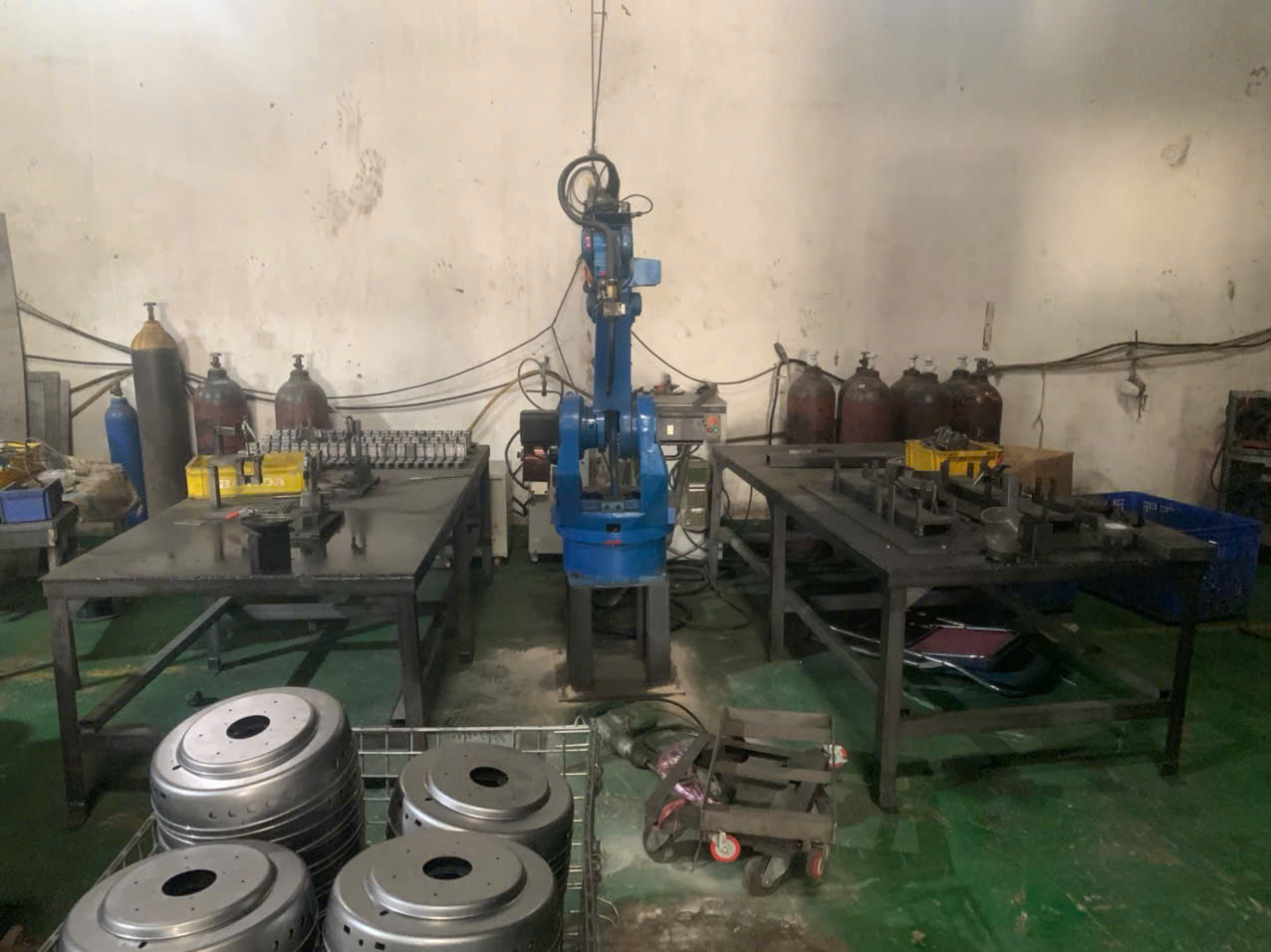
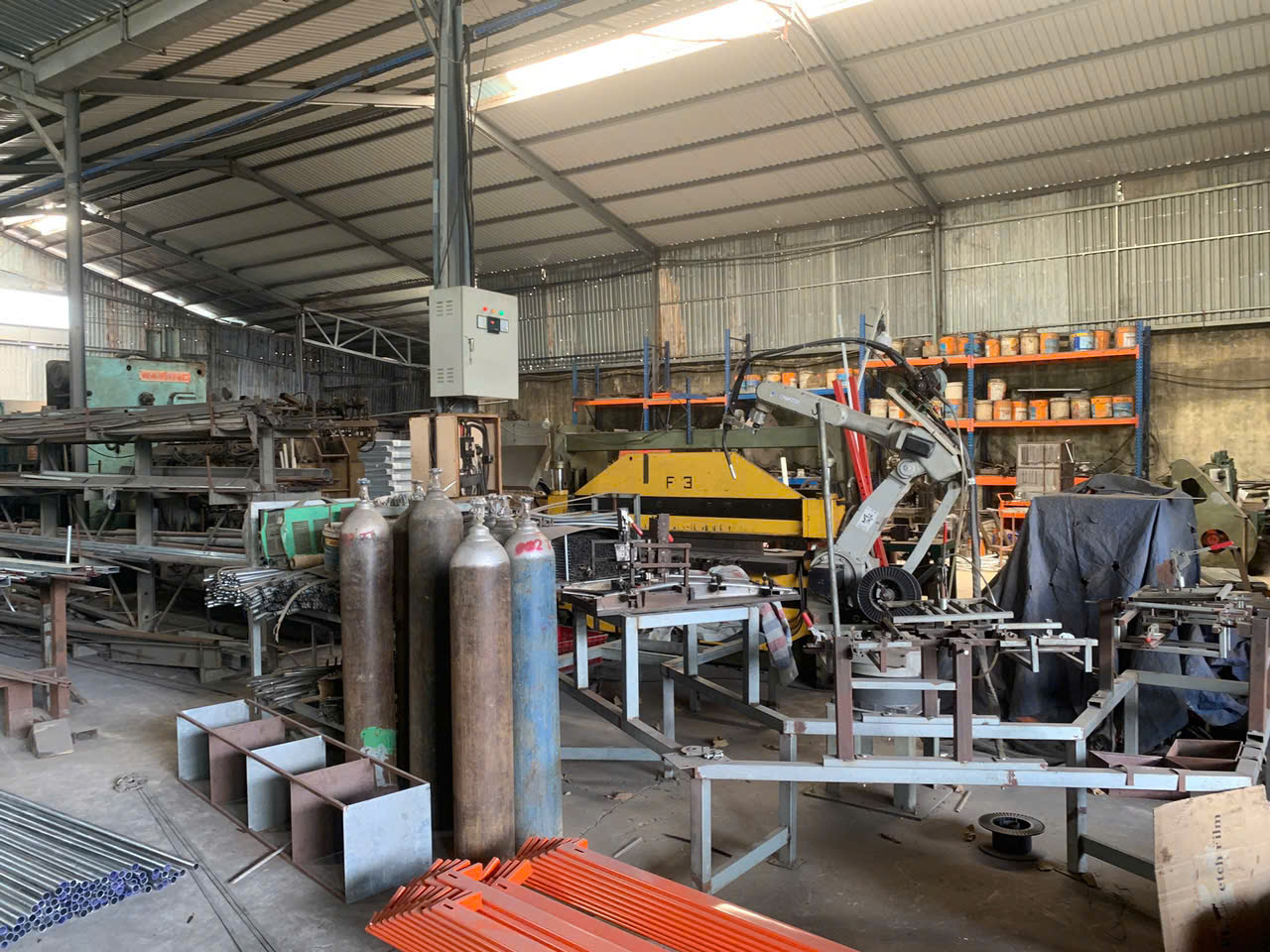
- Automation and robotics: Robotic MIG or TIG cells can run longer shifts with consistent deposition rates, directly reducing weld cycle time.
- Material pre-positioning: If the supplier keeps common tubing sizes and plate thicknesses in stock, they skip 1–2 weeks of material lead time.
- Fixture standardization: Modular fixtures reduce setup between part variants.
- Operator training: Skilled welders produce conforming parts faster. Training on specific joint types — like the heavy-duty joints on structural frames — cuts trial-and-error time.
- Sub-tier visibility: If your Tier 1 supplier has real-time visibility into Tier 2 delivery schedules using AI-powered tools, they can anticipate material delays and adjust. Companies using such visibility tools report up to 25% better forecast accuracy.
Balancing Speed and Quality
One critical trade-off: faster is only better if quality holds. Build a safeguard into your agreement. If the supplier achieves a shorter lead time but FPY drops below 95%, the lead-time bonus does not apply. This prevents suppliers from rushing at the expense of weld integrity.
Our approach at DEWIN is to review both lead-time and quality data monthly with our suppliers. We share a simple dashboard. Green means both metrics are in the incentive zone. Yellow means one metric is slipping. Red triggers a joint improvement meeting. This communication cadence keeps everyone aligned.
How can I implement a multi-year tiered pricing strategy to capture efficiency gains as my supplier masters my specific welding requirements?
The trade-off we constantly weigh: do we push for lower prices now, or invest in a supplier relationship that delivers compounding savings over two to three years? Our experience managing metal fabrication projects across Vietnam and the broader region consistently shows that the multi-year approach wins.
Implement a multi-year tiered pricing strategy by establishing a base price in Year 1, then defining annual cost-reduction targets — typically 3–5% per year — tied to the supplier's learning curve, process automation investments, and reduced scrap rates. Lock in these targets contractually, with shared savings and exit clauses if benchmarks are missed.
The Learning Curve in Welding
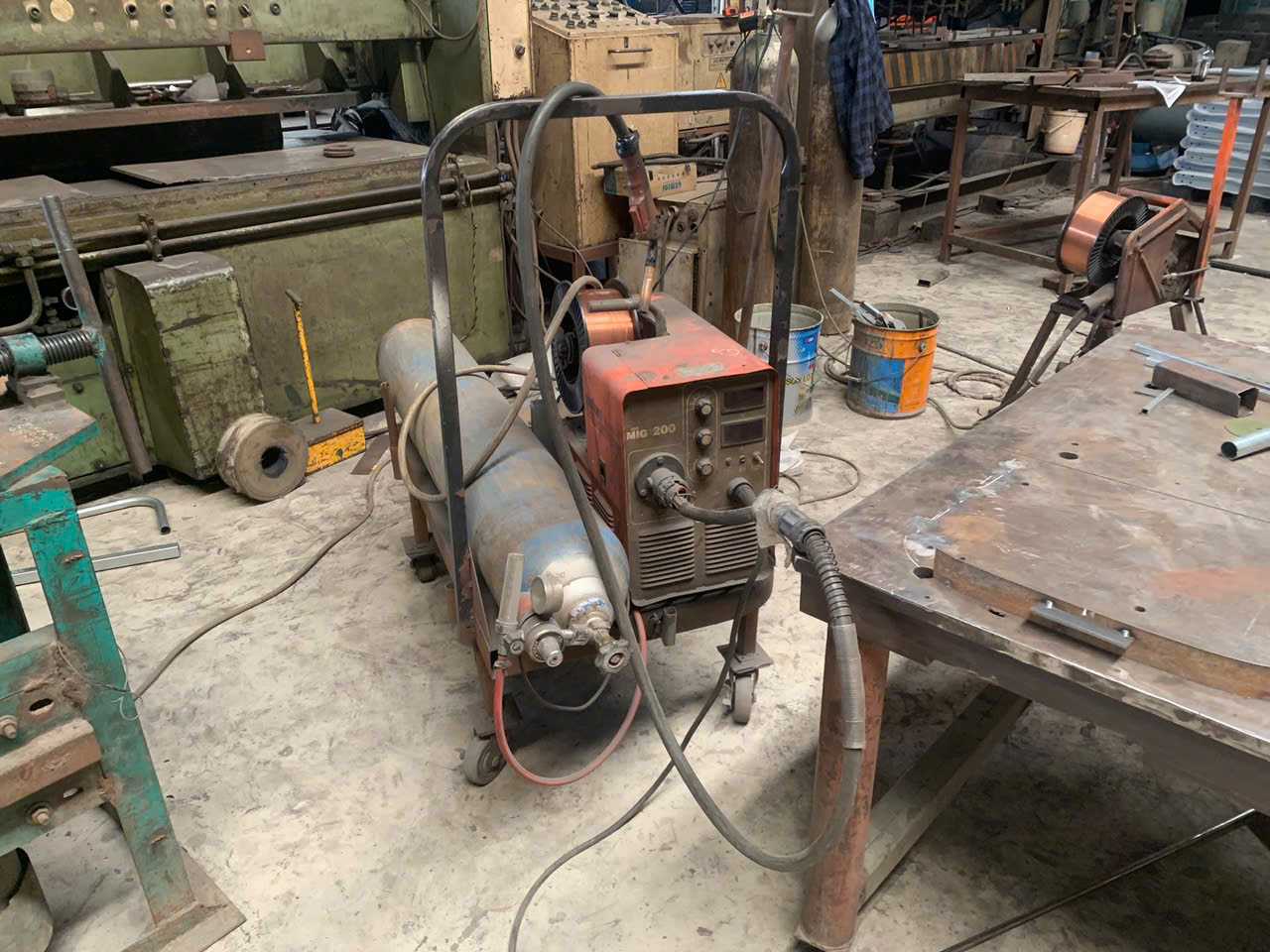
Every custom welding job has a learning curve 8. The first time a supplier builds a complex frame assembly — with square tubing intersections, gusset reinforcements, and precision-drilled mounting holes — they spend extra time on trial welds, fixture adjustments, and process qualification. By the 500th unit, they know exactly which wire feed speed, travel angle, and shielding gas flow works. By the 2,000th unit, they may have built a dedicated automated cell.
This learning curve translates into real cost reduction. Your multi-year pricing strategy should capture those gains progressively.
Year-by-Year Pricing Framework
| Contract Year | Expected Efficiency Gain | Target Cost Reduction | Key Supplier Actions |
|---|---|---|---|
| Year 1 | Process qualification, baseline yield | 0% (establish base price) | PPAP completion, fixture build, operator training |
| Year 2 | Reduced rework, stable cycle times | 3–4% | Process optimization, scrap reduction |
| Year 3 | Automation adoption, sub-tier optimization | 5–7% cumulative | Robotic welding cells, bulk consumable contracts |
How to Structure the Agreement
The contract should include:
- Base price with annual review dates. Do not let the price float without structure.
- Cost-reduction targets. Specify exact percentages. If the supplier achieves them, they keep 50% of the savings as added margin. You get the other 50% as a lower unit price. This shared-savings model motivates real improvement rather than corner-cutting.
- Open-book cost transparency. The supplier shares their cost breakdown: material, labor, overhead, consumables. This is common in mature procurement strategies and essential for trust. Open-book cost transparency 9
- Exit clauses. If the supplier misses targets for two consecutive quarters, you can renegotiate or transition. Fair but firm.
- Technology investment incentives. If the supplier invests in automation — a robotic welding cell, for instance — you might commit to a minimum annual volume to help them amortize the investment. They commit to a specific cost reduction once the cell is operational.
Sustainability and Long-Term Value
Multi-year agreements also open the door to sustainability improvements. A supplier who knows they have a three-year commitment is more willing to invest in energy-efficient welding equipment, reduce shielding gas waste, or source recycled-content steel. These changes take time and capital. Short-term contracts discourage them.
From a supply chain management perspective, a multi-year strategy with a capable supplier reduces your total cost of sourcing — not just the unit price, but also the cost of qualification, quality failures, expediting, and relationship management. When we onboard a new welding supplier through our PPAP process and invest in site audits and process control setup, that investment only pays off over multiple years.
AI-driven tools are increasingly useful here. By analyzing production data over time, you can identify exactly when a supplier's learning curve flattens and when new investment is needed to unlock the next tier of savings. Companies using AI-powered multi-tier visibility have reported 15–20% cost savings and significantly better demand forecasting.
For more guidance on aligning with suppliers on annual cost reduction targets and roadmaps, a structured approach to setting and reviewing these benchmarks can make a significant difference in long-term outcomes.
Conclusion
Tiered pricing for welding parts works when it is anchored to real metrics — volume, quality, lead time, and long-term learning — not arbitrary discounts. Build transparent agreements, share data, and let efficiency drive savings for both sides. To deepen your approach, learn how to build strategic partnerships with welding parts suppliers that sustain these gains over time.
Frequently Asked Questions
How can I structure volume-based price tiers to lower my unit costs as my welding supplier scales production?
A lesson we learned early in our Vietnam office: a client ordered 200 custom steel brackets per month, then jumped to 1,200 within six months — but the per-unit price barely moved because no volume-based pricing structure existed First-Pass Yield (FPY) 2 .
What metrics should I include in my tiered pricing model to reward my supplier for reducing welding defects?
One of our U.S. clients once received a shipment of 600 welded mounting brackets where 11% had undercut defects at critical load-bearing joints. The rework cost exceeded what a 5% quality-incentive discount would have been worth over an entire year.
How do I design a tiered pricing agreement that incentivizes my supplier to shorten lead times for custom welded components?
A buyer interaction last year changed how we think about lead-time incentives. The client needed custom welded frames — multi-level angular assemblies with upright supports — and the standard lead time was 6 weeks. Demand spiked. The supplier could not flex. We lost the order window.
Footnotes
1. Defines DPPM as a key quality metric in manufacturing with formula and benchmarks. ↩︎
2. Comprehensive guide to FPY as a critical metric for manufacturing efficiency and quality. ↩︎
3. NIST resource on benefits and applications of robotics and automation in manufacturing. ↩︎
4. Explains different types and uses of welding consumables. ↩︎
5. Defines VMI as a collaborative approach for optimizing inventory and supplier relationships. ↩︎
6. Wikipedia provides a comprehensive and authoritative overview of lean manufacturing. ↩︎
7. Authoritative definition and components of supply chain management. ↩︎
8. Explains the concept of learning curves in manufacturing and their impact on cost and productivity. ↩︎
9. Defines open-book costing as a transparent approach to supplier cost structures. ↩︎