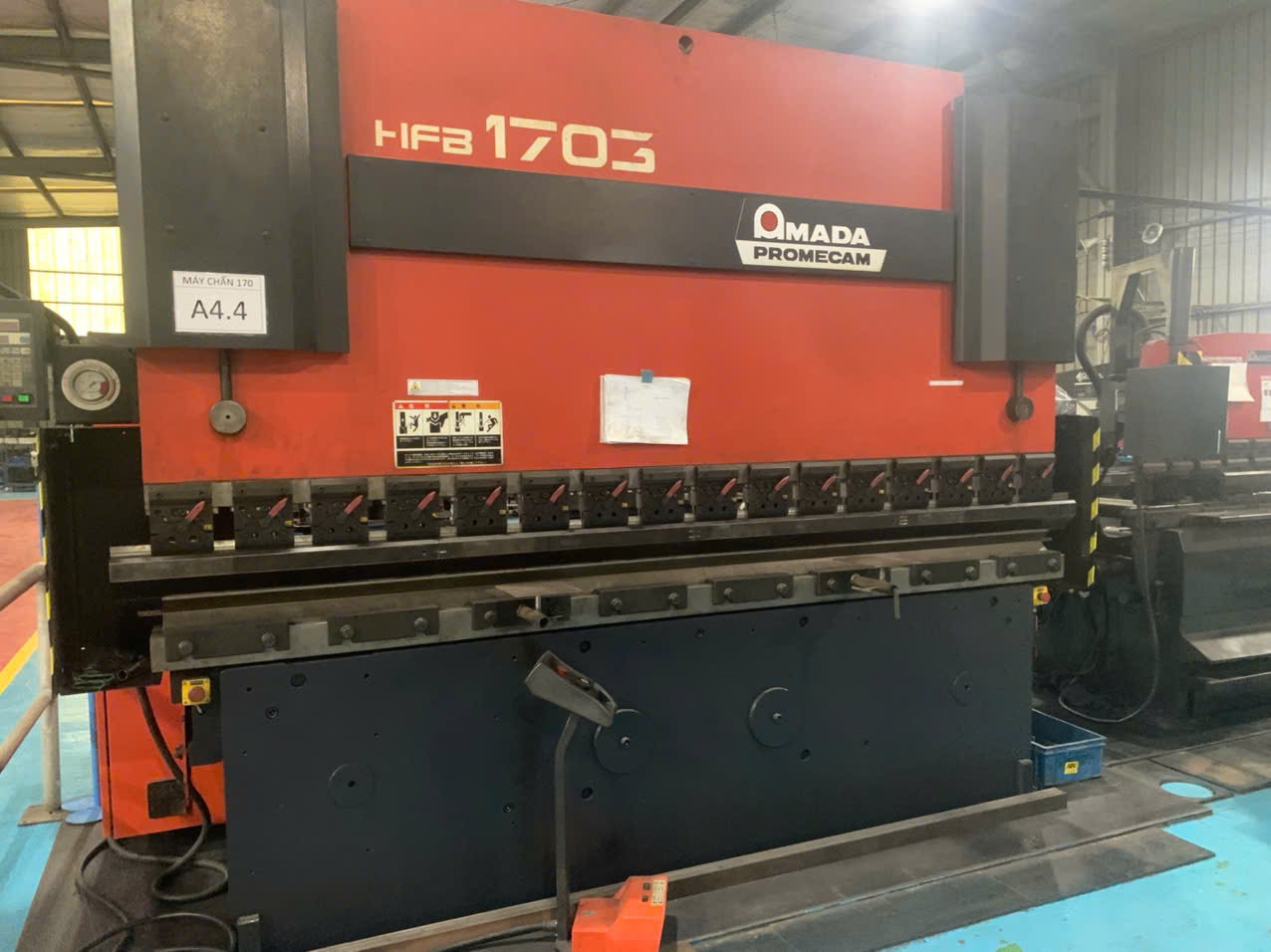

When our engineering team in Vietnam reviews a new automotive bracket drawing, the first question is always the same: can we hold these tolerances at volume without slowing down the line?
Sheet metal fabrication impacts automotive manufacturing by enabling the mass production of precise, lightweight, and durable components — from vehicle body panels and chassis structures to under-hood brackets — using processes like laser cutting, stamping, bending, and forming that drive cost efficiency, safety, and design flexibility across every vehicle platform.
This article breaks down the real-world quality, cost, and supply chain factors that purchasing managers face when sourcing custom sheet metal parts for automotive programs IATF 16949 1. We will walk through quality standards, QC expectations, Vietnam sourcing economics, and how a professional partner handles complex PPAP and engineering requirements.
How can I ensure my custom sheet metal parts meet strict automotive quality standards?
A lesson we learned early on is that "meeting the drawing" and "meeting automotive quality standards" are two very different things. One of our U.S. clients returned an entire batch of mounting brackets because the supplier had hit every dimension but ignored the surface finish callout buried in a drawing note. That single oversight cost weeks of production time.
To ensure custom sheet metal parts meet strict automotive quality standards, you need a supplier that controls material certification, dimensional inspection at every operation, surface treatment verification, and full traceability — backed by a documented quality management system aligned to IATF 16949 or equivalent frameworks.
Why Drawing Review Is the First Line of Defense
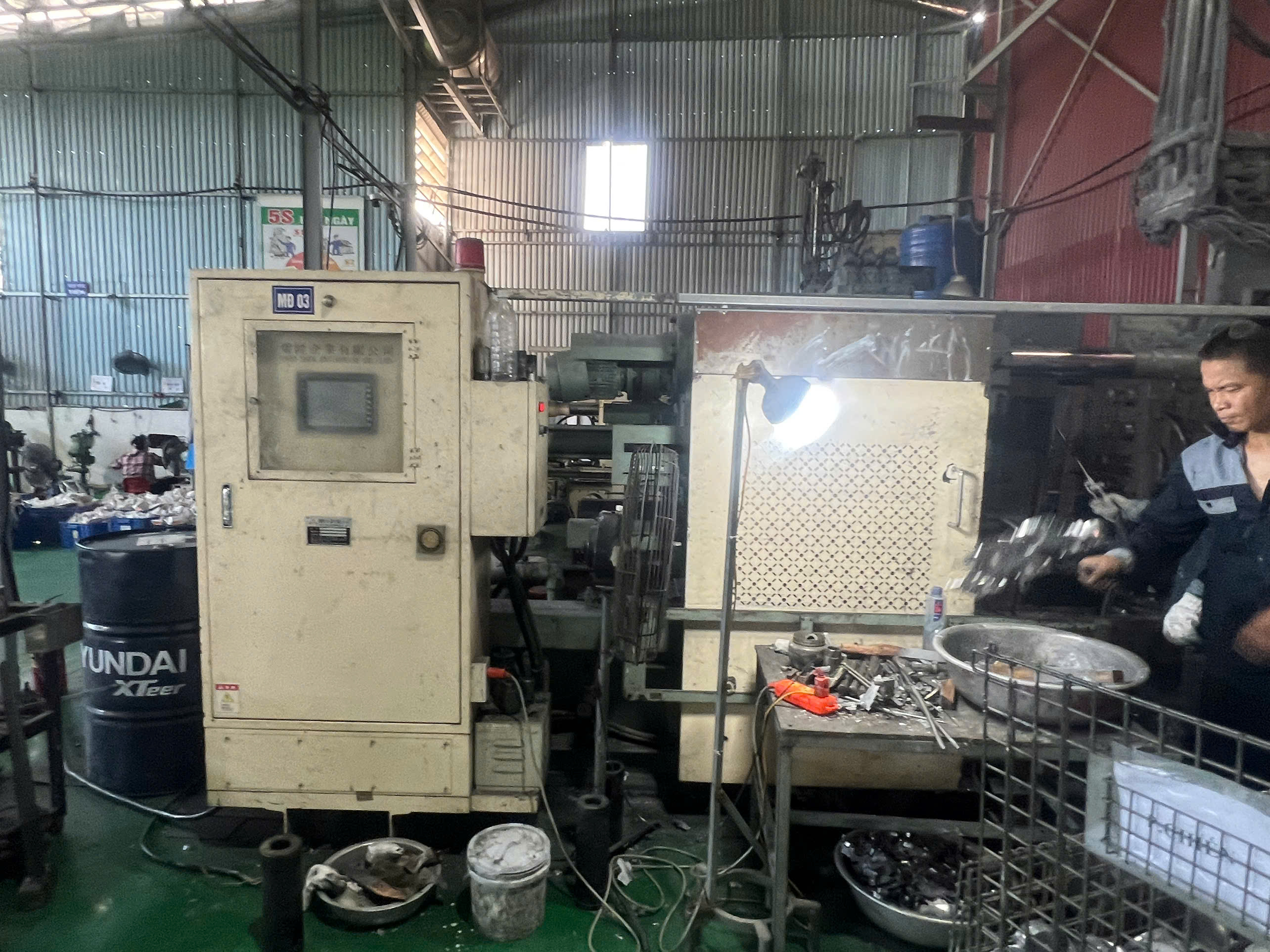
Most quality failures in automotive sheet metal start before metal is ever cut. In our experience, the critical step is a thorough design-for-manufacturability (DFM) review 2. Our engineers go through every drawing note, GD&T callout, and material specification before quoting. We flag issues like unrealistic bend radii, tolerance stacking risks, and material grade mismatches. This prevents problems that surface during first article inspection — or worse, at the customer's assembly line.
Key Quality Dimensions for Automotive Sheet Metal
Automotive buyers evaluate sheet metal parts across several quality dimensions. Here is a breakdown of what matters most:
| Quality Dimension | What It Covers | Why It Matters |
|---|---|---|
| Dimensional Accuracy | Tolerances on critical features, hole positions, bend angles | Ensures proper fit during vehicle assembly |
| Material Certification | Mill certs, chemical composition, mechanical properties | Confirms the part meets strength and corrosion resistance requirements |
| Surface Finish | Roughness (Ra), plating thickness, paint adhesion | Affects aesthetics, corrosion protection, and downstream coating processes |
| Weld Quality | Penetration, porosity, strength per AWS or ISO standards | Structural integrity depends on sound welds |
| Traceability | Lot tracking from raw material to finished part | Enables root-cause analysis if a defect is found in the field |
Material Selection and Its Quality Implications
The choice between aluminum alloys, high-strength steel, and stainless steel directly affects quality outcomes. Aluminum offers excellent lightweighting benefits — reducing part weight by 25–40% compared to mild steel — but it requires careful control of forming parameters to avoid cracking. Stainless steel delivers superior corrosion resistance and heat tolerance for under-hood applications, but it is harder to cut and form precisely. We work with our clients to match the material to the application, balancing performance needs with manufacturability.
The Role of Precision Manufacturing Technology
Modern automotive sheet metal demands precision manufacturing. Laser cutting delivers clean edges with tolerances as tight as ±0.05 mm. Computer-aided design (CAD) integration ensures that the digital model and the physical part match exactly. Press brake forming with CNC back gauges holds bend angles within ±0.5°. When these technologies are paired with in-process gauging and statistical process control (SPC) 3, you get parts that are right the first time.
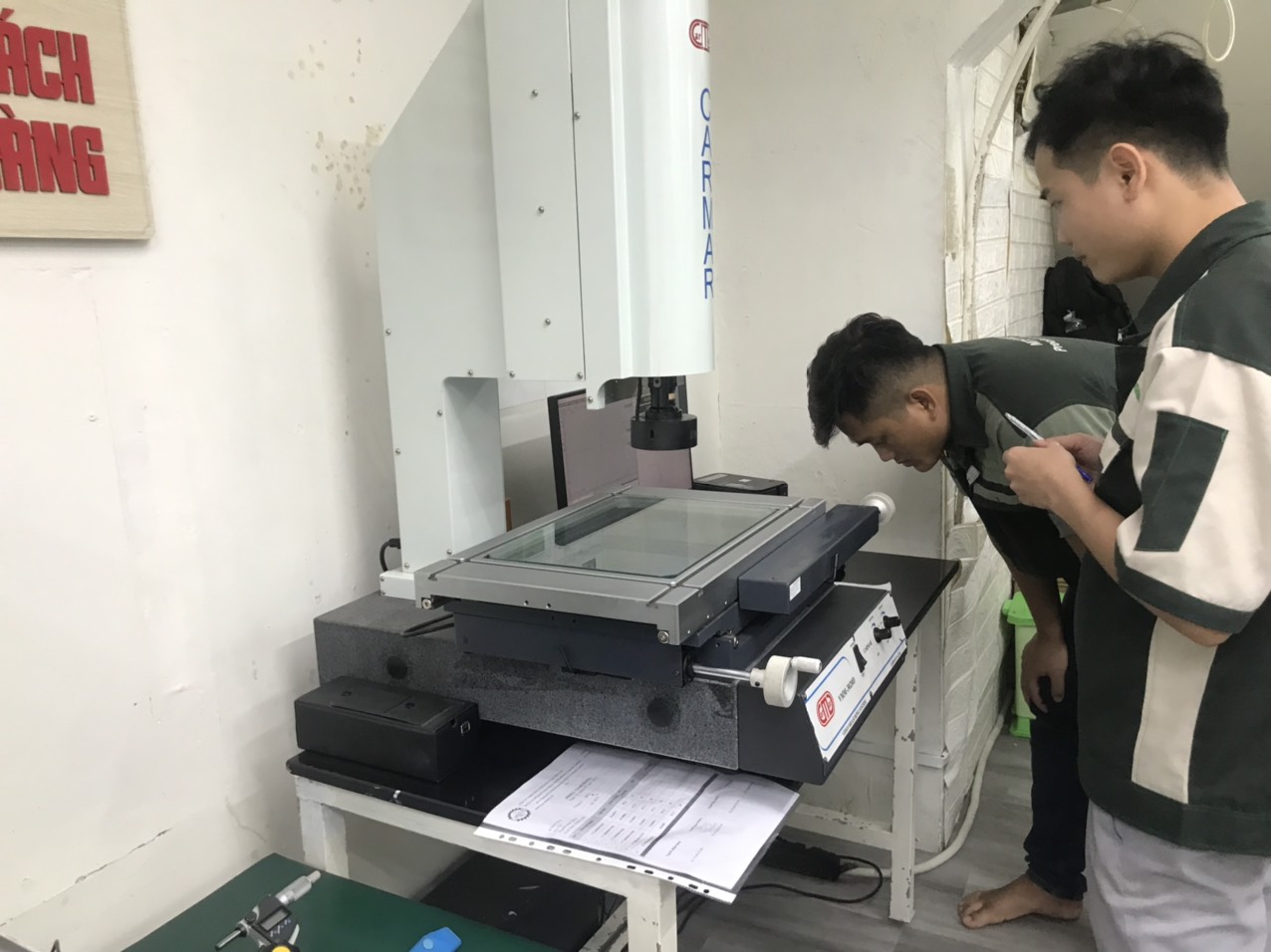
Our Vietnam facility uses calibrated inspection equipment — including CMMs, optical comparators, and surface roughness testers — to verify every critical dimension before parts ship. We have found that investing in front-end quality planning eliminates 80% of the rework that plagues less disciplined suppliers.
What QC processes should I expect from my sheet metal supplier to avoid production delays?
During a recent project for a U.S. distributor, we discovered that their previous supplier had no incoming material inspection process. Raw coil arrived, went straight to the press, and nobody checked thickness or hardness. The result? Three consecutive shipments with out-of-spec parts, each one delaying the customer's production by two weeks.
You should expect your sheet metal supplier to follow a structured QC process that includes incoming material inspection, first article inspection (FAI), in-process checks at each operation, final dimensional and visual inspection, and packaging audits — all documented with inspection records tied to your purchase order.
A Step-by-Step QC Process for Automotive Sheet Metal
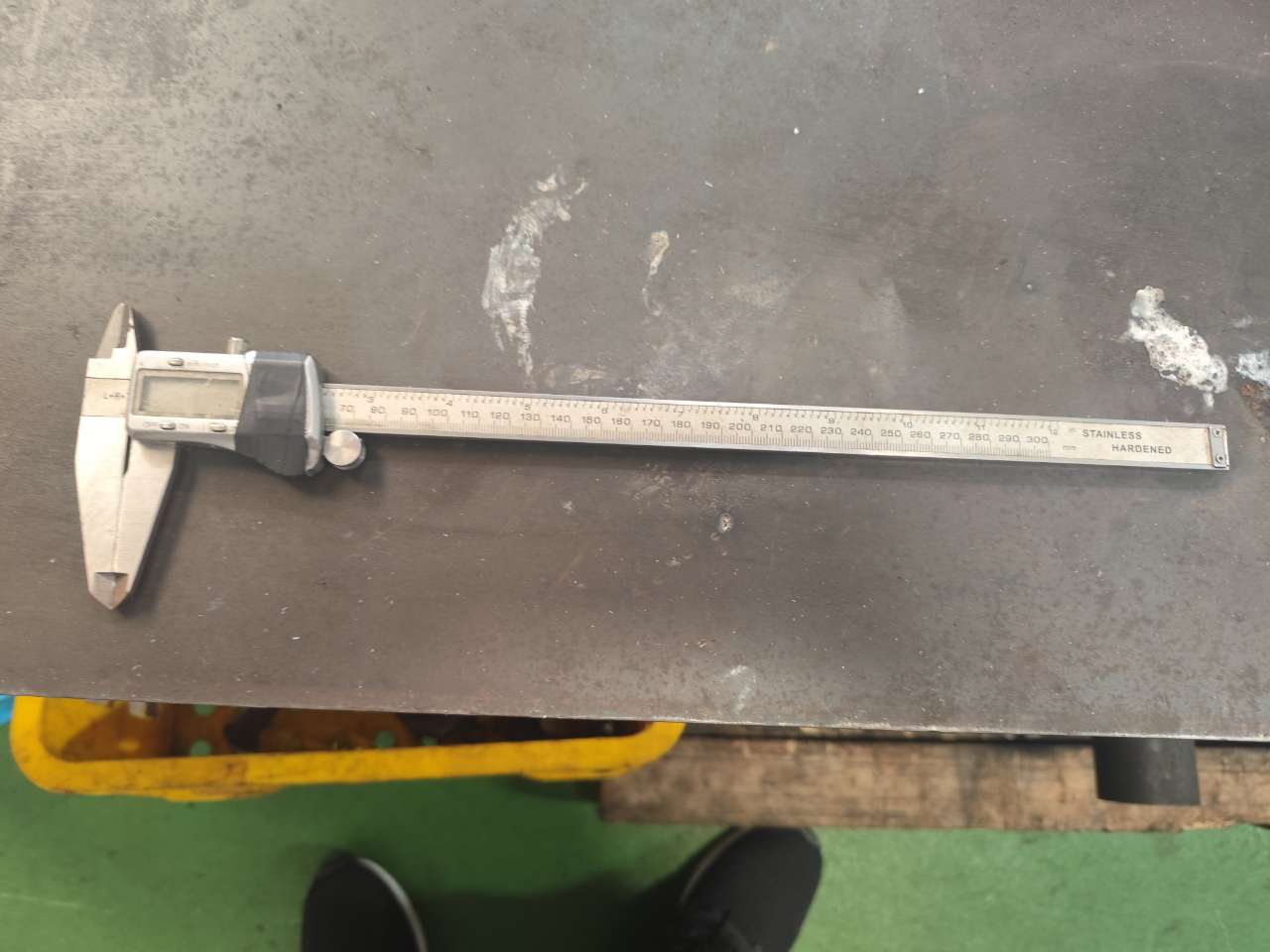
Here is the QC workflow we follow for every automotive sheet metal order. Each step has a specific purpose, and skipping any one of them introduces risk.
| QC Stage | Activities | Documentation |
|---|---|---|
| Incoming Material Inspection | Verify mill certs, check thickness, hardness, surface condition | Material inspection report, mill cert on file |
| First Article Inspection (FAI) 4 | Full dimensional layout of first pieces against drawing | FAI report with measurements vs. tolerances |
| In-Process Inspection | Monitor critical dimensions at each operation (cutting, bending, welding) | SPC charts, in-process check sheets |
| Final Inspection | 100% visual check, AQL sampling for dimensions, functional checks | Final inspection report, photos |
| Packaging Audit | Verify packing method protects parts, correct labeling and quantity | Packing list, shipping photos |
Why In-Process Checks Matter More Than Final Inspection
Many buyers focus on final inspection results. But in our experience, the real value is in catching deviations during production — not after. For example, if a laser cutting program drifts by 0.1 mm after 500 cuts, an in-process check at the 100th piece catches it before 400 parts become scrap. We use SPC charts to track critical dimensions in real time. When a trend appears, the operator stops and adjusts before a single bad part moves forward.
Handling Automotive Stamping and Forming Variability
Automotive stamping introduces variability that simple go/no-go gauges cannot catch. Sheet metal springs back after bending. Tool wear changes dimensions gradually. Humidity affects surface coatings. A good QC process accounts for all of these variables.
We calibrate our press brakes daily. We track tool wear by shot count. We control ambient conditions in our coating area. These are not optional extras — they are baseline requirements for any supplier serving the automotive sector. When buyers ask us how we avoid production delays, the answer is always the same: we prevent problems instead of reacting to them.
Communication Protocols That Prevent Delays
QC processes only work if the results reach the right people at the right time. We send inspection reports to our U.S. clients before shipment, including dimensional data, photos, and any deviation notes. If a non-conformance is found, we issue a formal notification within 24 hours with a proposed corrective action. This proactive communication lets the buyer make informed decisions — accept, rework, or reject — without waiting until parts arrive at their dock.
How does sourcing automotive sheet metal from Vietnam impact my total cost of ownership?
A trade-off we weigh on almost every new project is this: our clients want China-level pricing, but they also want to reduce their exposure to China-specific tariff and geopolitical risk. Vietnam sits right in the middle of that conversation. Over the past several years, we have built a seven-person team in Vietnam specifically to manage supplier qualification, process control, and logistics for sheet metal programs.
Sourcing automotive sheet metal from Vietnam can reduce total cost of ownership by 15–30% compared to domestic U.S. production through lower labor and overhead costs, while also mitigating China tariff exposure — but only when logistics, quality management, and supplier development costs are factored into the equation.
Breaking Down Total Cost of Ownership
Total cost of ownership (TCO) 5 goes far beyond the unit price on a quote. Purchasing managers who compare only piece prices often miss the costs that erode savings. Here is how TCO breaks down for a typical automotive sheet metal sourcing decision:
| Cost Category | Domestic (U.S.) | China | Vietnam |
|---|---|---|---|
| Unit Price | Highest | Lowest | Low to Mid |
| Tooling Investment | High | Low | Low to Mid |
| Tariffs and Duties | None | 25%+ (Section 301) | 0–5% (most MFN rates) |
| Ocean Freight (per container) | N/A | $2,500–$4,500 | $2,800–$4,800 |
| Transit Time | 1–2 weeks | 4–6 weeks | 4–6 weeks |
| Supplier Development Cost | Low | Low (established base) | Moderate (growing base) |
| Quality Risk Cost | Low | Variable | Moderate (improving) |
| IP Protection Risk | Low | Higher | Lower than China |
Where Vietnam Wins — and Where It Doesn't
Vietnam's sheet metal fabrication sector has matured significantly. Factories now operate CNC press brakes, fiber laser cutting systems, and robotic welding cells. For components like brackets, enclosures, heat shields, and mounting chassis, Vietnamese suppliers deliver competitive quality at costs well below U.S. domestic shops.
However, Vietnam's supply chain for specialty materials — certain aluminum alloys and high-strength steel grades — is less developed than China's. Material lead times can be longer. This means planning horizons need to extend. We help our clients navigate this by maintaining buffer stock agreements and qualifying multiple material sources.
Logistics and Lead Time Considerations
Ocean freight from Vietnam to U.S. West Coast ports takes roughly 18–22 days. East Coast transit via the Suez or Panama Canal runs 30–38 days. These timelines are comparable to China. The key difference is tariff savings. For many automotive sheet metal parts, the tariff delta alone — avoiding 25% Section 301 duties 6 — makes Vietnam the better TCO choice even if the unit price is slightly higher than China.
We manage door-to-door logistics for our clients, including container loading supervision, customs documentation, and delivery coordination. This removes a layer of complexity that many purchasing managers struggle with when working directly with overseas factories.
Payment Terms and Cash Flow Impact
One often-overlooked TCO factor is payment terms. Many Asian suppliers require 30% deposits and balance before shipment. We offer open account terms — net 60 to net 90 — to qualified U.S. buyers. This keeps cash in the buyer's hands longer, reducing working capital pressure and improving overall cost position. For purchasing managers managing tight budgets across multiple programs, this flexibility matters.
Can a professional sheet metal partner help me manage my complex PPAP and engineering requirements?
When a buyer interaction turns to PPAP, the conversation changes. One of our U.S. clients — a sourcing company supplying brackets and structural components to a Tier 1 automotive supplier — needed Level 3 PPAP submissions for every new part number. Their previous supplier in Asia had never heard of a control plan. The relationship fell apart after the first submission was rejected.
A professional sheet metal partner with automotive experience can fully manage your PPAP requirements — including control plans, process flow diagrams, MSA, capability studies, and dimensional reports — ensuring submissions are accepted on the first attempt and engineering changes are incorporated without disrupting production.
What PPAP Involves for Sheet Metal Parts
PPAP — Production Part Approval Process 7 — is the automotive industry's standard method for proving that a supplier can consistently produce parts that meet all engineering and quality requirements. For sheet metal components, this involves documenting every step from raw material through finished part.
Most automotive programs require Level 3 PPAP, which includes the following elements:
- Design records and engineering change documents
- Process flow diagram
- Process FMEA 8 (Failure Mode and Effects Analysis)
- Control plan
- Measurement system analysis (MSA / Gage R&R)
- Dimensional results (full layout inspection)
- Material and performance test results
- Initial process capability study (Cpk ≥ 1.67 for critical characteristics)
- Appearance approval report (if applicable)
- Sample parts
- Part submission warrant (PSW)
How We Handle PPAP for Our Clients
Our team prepares PPAP packages as a standard part of our project management process. We do not treat it as an afterthought. Before production begins, we develop the process flow, PFMEA, and control plan in collaboration with the factory. We conduct MSA studies on all inspection equipment used for critical measurements. We run capability studies during the initial production run and calculate Cpk values.
This is where having a local team in Vietnam makes a difference. Our engineers are on the factory floor during trial runs. They verify that the control plan is being followed. They collect data in real time. When the PPAP package reaches the buyer, it is complete, accurate, and ready for submission to their end customer.
Engineering Change Management
Automotive programs rarely stay static. Engineering changes — revised tolerances, new material specifications, updated surface treatments — happen throughout a program's life. Each change triggers a new PPAP submission or, at minimum, a deviation approval.
We maintain a formal engineering change process. When a revised drawing arrives, we log it, compare it against the current revision, identify affected processes, update the control plan, and run a new FAI. This discipline prevents the "which revision are we running?" confusion that causes assembly challenges at the customer's plant.
Co-Development and Design Support
Beyond PPAP, many of our clients rely on us for co-development support. They send us a concept — sometimes just a sketch — and our engineers develop it into a manufacturable design using computer-aided design (CAD) tools 9. We optimize bend sequences, nesting layouts, and weld joint designs to reduce cost and improve structural integrity. For electric vehicle components, we pay special attention to lightweighting — selecting materials and geometries that minimize weight without sacrificing strength or crashworthiness.
This co-development capability is especially valuable for clients who do not have in-house sheet metal engineering expertise. We become an extension of their engineering team, handling the technical details while they focus on their core business.
Conclusion
Sheet metal fabrication is the backbone of automotive manufacturing — touching every system from body panels to structural frames. Choosing the right sourcing partner means fewer delays, lower total cost, and first-time-right quality on every shipment.
Frequently Asked Questions
How can I ensure my custom sheet metal parts meet strict automotive quality standards?
A lesson we learned early on is that "meeting the drawing" and "meeting automotive quality standards" are two very different things. One of our U.S. clients returned an entire batch of mounting brackets because the supplier had hit every dimension but ignored the surface finish callout buried in a drawing note. That single oversight cost weeks of production time.
What QC processes should I expect from my sheet metal supplier to avoid production delays?
During a recent project for a U.S. distributor, we discovered that their previous supplier had no incoming material inspection process. Raw coil arrived, went straight to the press, and nobody checked thickness or hardness. The result? Three consecutive shipments with out-of-spec parts, each one delaying the customer's production by two weeks.
How does sourcing automotive sheet metal from Vietnam impact my total cost of ownership?
A trade-off we weigh on almost every new project is this: our clients want China-level pricing, but they also want to reduce their exposure to China-specific tariff and geopolitical risk. Vietnam sits right in the middle of that conversation. Over the past several years, we have built a seven-person team in Vietnam specifically to manage supplier qualification, process control, and logistics for sheet metal programs.
Footnotes
1. Official site for the automotive quality management system standard. ↩︎
2. Explains DFM as an engineering method to optimize product design. ↩︎
3. Authoritative and accessible explanation of Statistical Process Control. ↩︎
4. Wikipedia provides a comprehensive overview of First Article Inspection. ↩︎
5. Wikipedia defines TCO as a financial estimate of direct and indirect costs. ↩︎
6. Explains Section 301 tariffs imposed by the U.S. on imports. ↩︎
7. Wikipedia provides a detailed explanation of the PPAP quality assurance process. ↩︎
8. Quality-One explains PFMEA as a methodical approach for identifying process risks. ↩︎
9. Autodesk defines CAD as using computers to create technical drawings and designs. ↩︎