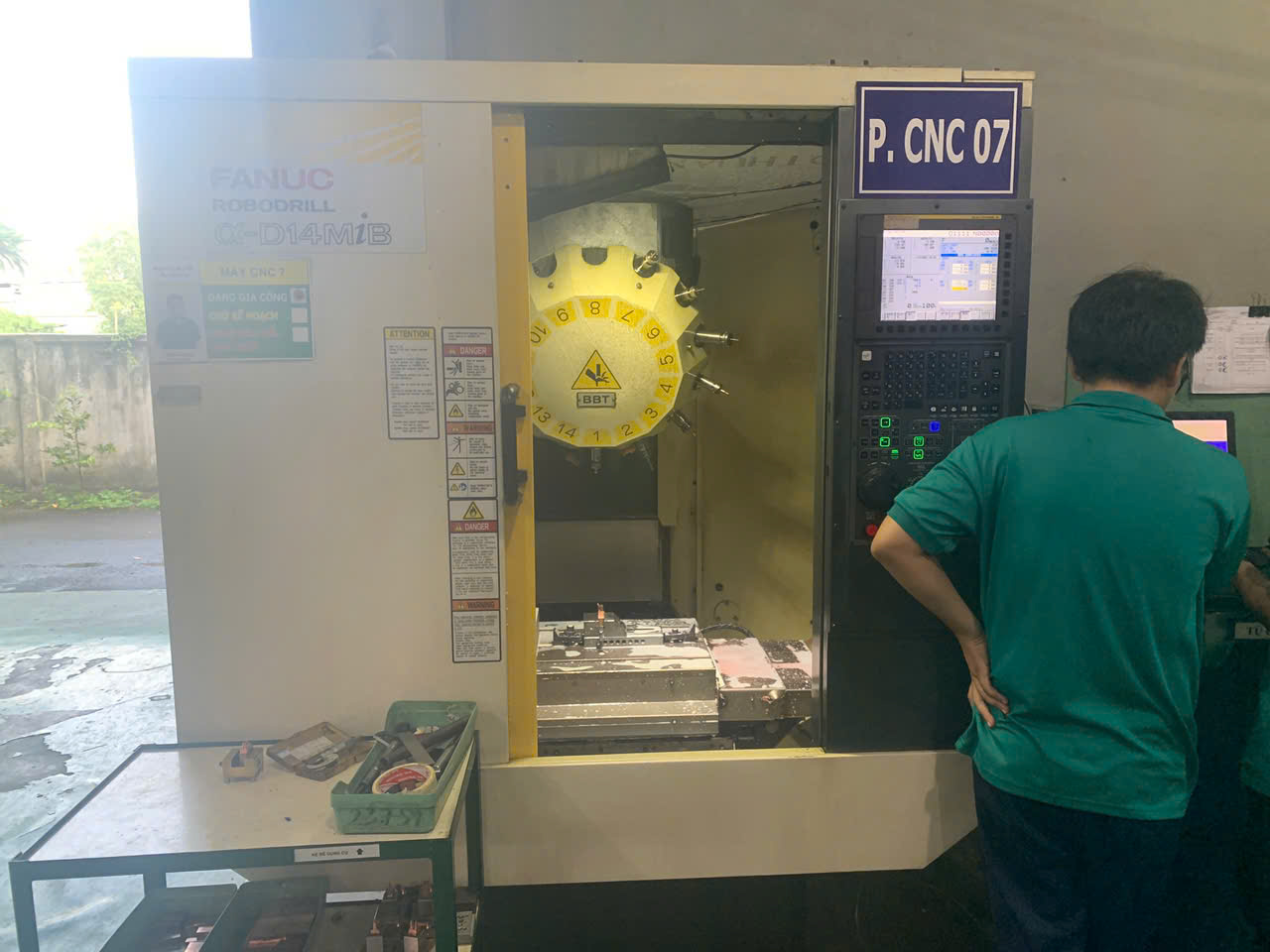

When our team audits sheet metal fabrication suppliers across Vietnam and other Asian markets, one question from US buyers keeps surfacing — how do these factories actually meet green manufacturing standards?
Sheet metal fabrication suppliers meet environmental and green manufacturing standards by obtaining ISO 14001 certification, adopting energy-efficient technologies like fiber laser cutting, implementing closed-loop recycling systems, using low-VOC coatings, and complying with EPA regulations on air emissions and hazardous waste disposal.
The pressure on purchasing managers to verify green compliance is real environmental management systems 1. Your US customers want documentation. Your supply chain needs to be defensible. This article breaks down the practical steps, certifications, and technologies that separate compliant suppliers from risky ones — based on what we see on factory floors every week.
How do I verify if my offshore sheet metal supplier complies with international environmental certifications?
A lesson we learned early in our supplier audit work: a certificate hanging on a factory wall means nothing if the management system behind it is hollow NESHAP standards 2. Verification takes more than a PDF.
To verify offshore supplier compliance, request current ISO 14001 certificates from accredited bodies, audit their environmental management systems on-site, review waste disposal records, check TRI reporting where applicable, and confirm they meet destination-market regulations like EPA's NESHAP standards for metal fabrication.

Start with ISO 14001 Certification
ISO 14001:2015 is the global benchmark for environmental management. It requires suppliers to address four core objectives: preventing pollution to water, land, and air; monitoring and reducing carbon footprints; reducing packaging waste; and minimizing waste through reuse and recycling. But not all ISO 14001 certificates carry the same weight. You need to confirm the issuing body is accredited by a recognized national accreditation organization, such as ANAB in the US or JAS-ANZ in the Asia-Pacific region.
When our team in Vietnam conducts supplier audits, we verify the certificate number directly with the issuing body. We also check the scope of the certificate — does it cover the specific processes used for your parts, or just a portion of the factory's operations?
Key Certifications to Look For
| Certification | What It Covers | Why It Matters for Buyers |
|---|---|---|
| ISO 14001:2015 | Environmental management system | Proves structured pollution prevention and waste reduction |
| ISO 50001 | Energy management system | Confirms energy efficiency improvements and monitoring |
| RoHS Compliance 3 | Restriction of hazardous substances | Required for electronics and EU-bound products |
| REACH Compliance 4 | Chemical substance registration | Mandatory for products entering the European market |
| LEED Certification | Green building and facility design | Signals commitment to sustainable facility operations |
Go Beyond the Certificate
A certificate is only a starting point. During our audits, we look at waste disposal manifests, chemical storage areas, and emission control equipment. We ask to see the supplier's environmental policy and their internal audit records. A factory with real ISO 14001 compliance will have corrective action reports. If everything looks perfect on paper, that is a red flag.
We also check whether the supplier reports under frameworks like the Toxics Release Inventory 5. Under EPCRA, facilities that use listed chemicals above threshold quantities must report releases. This is especially relevant for sheet metal operations involving cadmium, chromium, lead, manganese, and nickel — the five hazardous air pollutant metals targeted by EPA's 6X rule under NESHAP.
What to Ask During a Supplier Audit
Here is a practical checklist we use when evaluating a new sheet metal partner:
- Is the ISO 14001 certificate current and from an accredited body?
- Does the certificate scope cover the specific processes for your project?
- Can the supplier provide waste disposal and recycling records for the past 12 months?
- What emission control equipment is installed for welding, blasting, and painting?
- Does the supplier track energy consumption per unit of output?
- Are chemical storage areas compliant with local environmental law?
Verification is not a one-time event. We recommend annual surveillance audits, or at minimum, a desktop review of updated records. Your sustainable supply chain depends on ongoing vigilance.
What sustainable manufacturing processes should I look for to reduce material waste in my custom parts?
One trade-off we weigh constantly when selecting fabrication partners is this: can a factory deliver tight tolerances on custom parts while also minimizing the scrap that ends up in a landfill?
Look for suppliers using advanced nesting software to optimize sheet layouts, fiber laser cutting for precision with 30–40% less energy, closed-loop scrap recycling programs, and automated press brakes with sleep modes — these waste reduction strategies cut material loss and energy use simultaneously.
Advanced Nesting Software
The single biggest lever for reducing material waste in sheet metal fabrication is how parts are arranged on a sheet before cutting. Advanced nesting software uses algorithms to pack parts as tightly as possible. This is not trivial. On complex custom jobs with irregular shapes, the difference between a basic layout and an optimized one can mean 10–15% less scrap per sheet.
We have seen factories in Vietnam invest in nesting optimization and immediately reduce their raw material costs. For a purchasing manager, this matters because less scrap means lower per-unit material costs — and it means your supplier is practicing real circular economy principles, not just talking about them.
Fiber Laser Cutting vs. CO2 Lasers
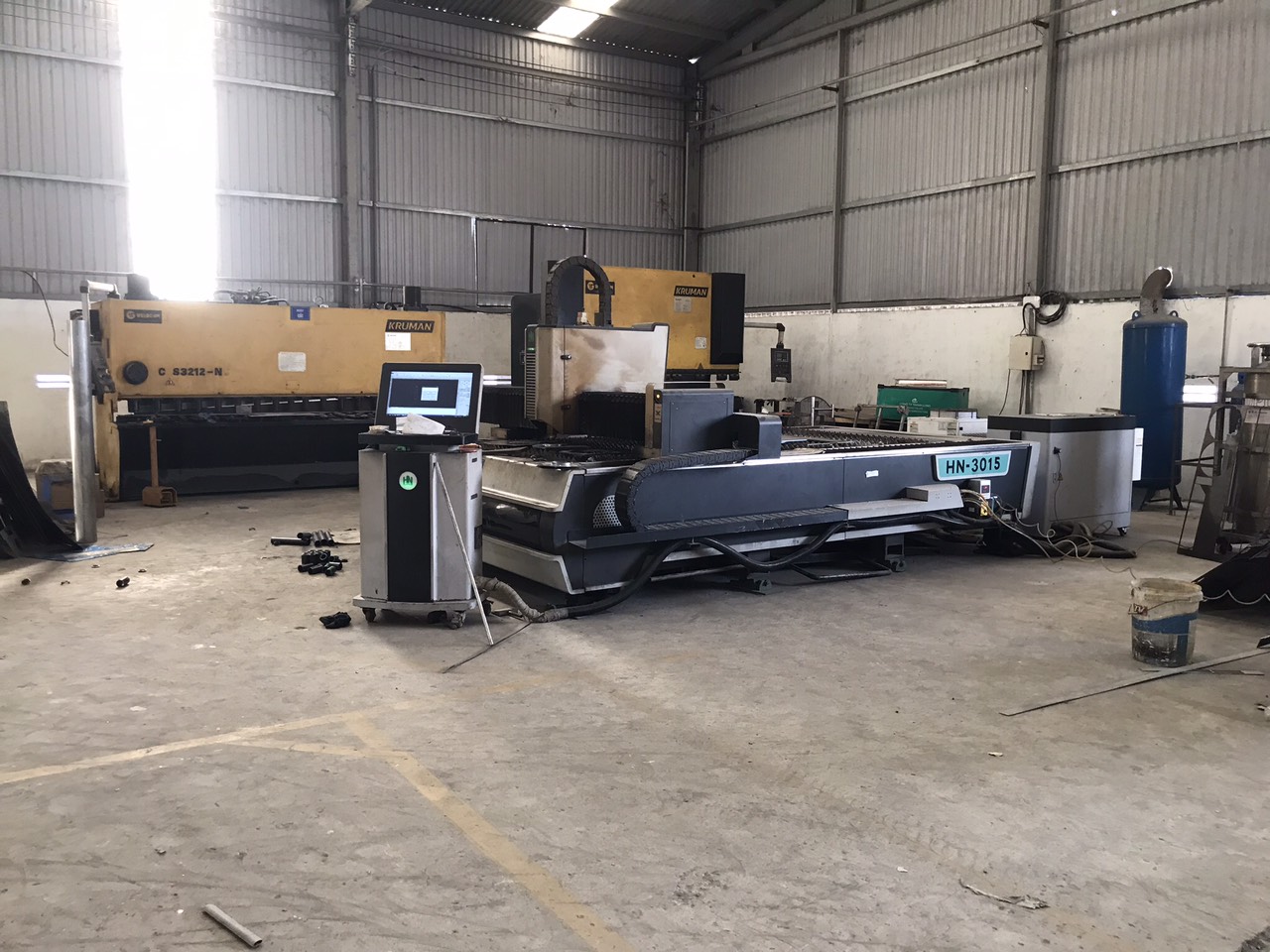
The shift from CO2 to fiber laser cutting 8 is one of the most important energy efficiency improvements in modern sheet metal fabrication. Here is a direct comparison:
| Feature | CO2 Laser | Fiber Laser |
|---|---|---|
| Energy consumption | Higher (baseline) | 30–40% lower |
| Cutting speed (thin sheets) | Moderate | Faster |
| Maintenance costs | Higher (mirrors, gas) | Lower (solid-state) |
| Material suitability | Wide range | Excellent for reflective metals |
| Environmental impact | More energy waste, more consumables | Reduced carbon footprint |
When we evaluate a sheet metal supplier, we check what cutting technology they use. A factory still running older CO2 lasers is not necessarily disqualified — but they should have a clear roadmap for upgrading. Fiber lasers are better for precision, better for energy, and better for your carbon footprint reduction goals.
Closed-Loop Recycling and Scrap Management
Every sheet metal operation generates scrap. The question is what happens to it. A green supplier runs a closed-loop recycling system 9 where scrap metal — especially aluminum and steel — is collected, sorted, and sent back for reprocessing. This reduces the need for virgin material extraction and aligns with recycled material sourcing practices your US customers increasingly expect.
We ask suppliers to show us their scrap management flow. Where does the metal go? Who processes it? Is there documentation? A well-run recycling program is not just environmentally responsible — it generates revenue from scrap sales that can offset production costs.
Automation and Idle Energy Reduction
Modern press brakes and welding systems now feature "sleep" and "hibernate" modes. These cut idle energy consumption dramatically. In a typical fabrication shop, machines may sit idle 30–40% of the time between jobs. Smart automation ensures that energy is not wasted during those gaps.
We look for this kind of operational discipline during factory visits. It tells us whether a supplier takes energy management seriously or just runs everything at full power around the clock.
How can I ensure my Asian fabrication partners meet the green standards required by my US customers?
A buyer we work with in the Midwest put it bluntly during a call last year: "My end customer sent me a 12-page sustainability questionnaire. I need my Asian suppliers to help me fill it out — with real data."
Ensure your Asian fabrication partners meet US green standards by requiring ISO 14001 documentation, conducting on-site audits of pollution control systems, demanding Life Cycle Assessment data for your parts, verifying compliance with EPA's NESHAP and Clean Air Act requirements, and establishing clear sustainability KPIs in your supply agreements.
Bridging the Standards Gap
US customers increasingly demand sustainability data that goes beyond a simple yes-or-no checkbox. They want to see Life Cycle Assessment reports 10, Scope 3 emission estimates, and proof of pollution prevention technologies in use. The challenge for purchasing managers sourcing from Asia is that regulatory frameworks differ from country to country. What qualifies as compliant in Vietnam or Taiwan may not satisfy the EPA's Clean Air Act or Clean Water Act standards that your US buyer references.
Our approach is to map the US buyer's requirements against the supplier's actual capabilities. We create a compliance matrix for each project. This forces the conversation from vague assurances to specific, documented practices.
A Practical Compliance Matrix
Here is a simplified version of what we use:
| US Requirement | What to Verify at Asian Supplier | Evidence to Collect |
|---|---|---|
| EPA NESHAP (6X rule) | Controls on welding, blasting, painting emissions | Fume capture system specs, maintenance logs |
| Clean Air Act compliance | Air emission monitoring and controls | Emission test reports, filter replacement records |
| Low-VOC coatings | Type of coatings and chemical treatments used | Material safety data sheets, VOC content certificates |
| Hazardous waste management (RCRA) | Waste storage, handling, and disposal practices | Waste manifests, disposal contractor licenses |
| Carbon footprint reporting | Energy tracking per unit, renewable energy use | Utility bills, renewable energy certificates |
| Recycled content in materials | Sourcing of recycled steel or aluminum | Mill certificates showing recycled content percentage |
Pollution Control on the Factory Floor
When we visit fabrication shops, we pay close attention to four areas:
-
Welding stations — Are fume capture systems installed? Do they use filler metals and shielding gases that reduce fume generation? Management practices here directly affect air quality compliance.
-
Spray painting booths — Are HVLP spray guns in use for objects under 15 feet? Are booth filters maintained? High-volume low-pressure systems are required in many jurisdictions to capture metal particulates effectively.
-
Blasting and grinding areas — Is there dust control? Blast enclosures, vacuum systems, and wet blasting suppress particulate matter. Without them, the factory fails basic pollution prevention standards.
-
Chemical treatment areas — Are low-VOC coatings and green chemical treatments in use? Traditional processes may deliver familiar results, but newer low-VOC alternatives now meet or exceed durability requirements while satisfying regulatory mandates.
Setting Up Sustainability KPIs
We recommend building sustainability metrics directly into your supply agreement. This is not about punishing suppliers. It is about creating shared accountability. Key performance indicators might include scrap rate per project, energy consumption per kilogram of finished parts, and percentage of recycled material sourcing in raw inputs.
Digital twin technology is emerging as a powerful tool here. Some advanced suppliers create virtual models of their manufacturing processes to predict energy use, identify waste reduction opportunities, and optimize production before cutting a single sheet. It is not yet widespread in mid-tier Asian factories, but it is the direction the industry is moving.
Collaborative supply chain decarbonization is also gaining traction. This means working with your fabrication partner, their upstream material suppliers, and your downstream logistics providers to measure and reduce emissions across the entire value chain — including Scope 3 emissions.
Will switching to a green sheet metal supplier impact my project costs or delivery schedules?
This is the question that stops most purchasing managers from making the switch. I understand the hesitation. When you are managing tight margins and fixed delivery dates, the last thing you want is a disruption disguised as an improvement.
Switching to a green sheet metal supplier may involve slightly higher initial tooling or setup costs, but most buyers see long-term savings through reduced scrap, lower energy costs, fewer compliance risks, and streamlined waste management — typically without negative impact on delivery schedules.
The Real Cost Picture
The concern that green manufacturing is more expensive is partly rooted in truth — and partly in outdated thinking. Yes, fiber laser systems cost more upfront than older CO2 units. Yes, advanced filtration and fume capture equipment requires capital investment. But the operational savings are significant and well-documented.
Suppliers with ISO 14001 certification consistently report reduced waste management costs. Energy-efficient machinery lowers utility bills. Closed-loop recycling generates revenue from scrap. And precision-cutting technologies reduce material loss per part. Over a 12-month contract, these savings often offset the marginal cost differences.
Here is a simplified comparison we have observed across our supplier network:
| Cost Factor | Traditional Supplier | Green-Certified Supplier |
|---|---|---|
| Raw material waste | Higher scrap rates | Lower scrap via nesting and precision cutting |
| Energy cost per unit | Higher (older equipment) | Lower (fiber lasers, smart automation) |
| Waste disposal fees | Standard or elevated | Reduced through recycling and waste reduction |
| Compliance risk costs | Potential fines, shipment holds | Lower risk with documented compliance |
| Coating/treatment costs | Standard VOC-based | Comparable with low-VOC alternatives |
| Long-term total cost | Appears lower initially | Often lower over 6–12 months |
Impact on Delivery Timelines
In our experience managing production schedules for US-bound shipments, green suppliers are rarely slower. In fact, the automation and process discipline required for environmental compliance often translates into better production consistency. Automated systems with real-time monitoring catch problems earlier. Standardized waste handling prevents disruptions from regulatory inspections or shutdowns.
The risk to delivery comes not from green practices themselves, but from the transition period. If a supplier is mid-upgrade — installing new equipment, training staff on new procedures — there may be a temporary learning curve. We manage this by staggering the transition. We do not shift an entire project to a new supplier overnight. We run parallel production, validate quality through our PPAP process, and only cut over when the new line is stable.
Renewable Energy and Facility Upgrades
Some suppliers are integrating renewable energy sources like solar panels to offset grid power. This does not directly affect your part cost in most cases, but it strengthens your supply chain's sustainability profile. For buyers whose end customers require carbon footprint reduction data, a supplier running on partial solar power provides a tangible data point.
Green building design and energy-efficient facility layouts — aligned with LEED standards — also contribute to lower operating costs over time. These are not expenses your supplier passes through to you. They are infrastructure investments that pay back through lower overhead.
The Bottom Line for Purchasing Managers
The question is not whether green manufacturing costs more. The question is whether you can afford the risks of non-compliance. A shipment held at port because of hazardous substance documentation issues costs far more than the marginal price difference of a compliant supplier. A customer lost because you cannot fill out their sustainability questionnaire costs more than any equipment upgrade.
We help our clients navigate this transition by identifying suppliers who have already made these investments. The goal is to find partners where green compliance is built into their operations — not bolted on as an afterthought. Understanding how to verify sheet metal suppliers for specific materials is a critical part of this process.
Conclusion
Green manufacturing in sheet metal fabrication is no longer optional — it is a competitive requirement. From ISO 14001 certification to fiber lasers and closed-loop recycling, the right supplier turns environmental compliance into operational advantage for your supply chain.
Frequently Asked Questions
How do I verify if my offshore sheet metal supplier complies with international environmental certifications?
A lesson we learned early in our supplier audit work: a certificate hanging on a factory wall means nothing if the management system behind it is hollow NESHAP standards 2 . Verification takes more than a PDF.
What sustainable manufacturing processes should I look for to reduce material waste in my custom parts?
One trade-off we weigh constantly when selecting fabrication partners is this: can a factory deliver tight tolerances on custom parts while also minimizing the scrap that ends up in a landfill?
How can I ensure my Asian fabrication partners meet the green standards required by my US customers?
A buyer we work with in the Midwest put it bluntly during a call last year: "My end customer sent me a 12-page sustainability questionnaire. I need my Asian suppliers to help me fill it out — with real data."
Footnotes
1. Explains the framework for managing environmental responsibilities. ↩︎
2. Official information on hazardous air pollutant emission standards. ↩︎
3. Official EU directive restricting hazardous substances in electronics. ↩︎
4. Replaced with the official REACH regulation page from the European Commission’s environment section, which is a highly authoritative government source. ↩︎
5. Official EPA program tracking toxic chemical releases. ↩︎
6. Official standard for environmental management systems. ↩︎
7. Official source for US environmental regulations. ↩︎
8. Explains the technology and benefits in metal fabrication. ↩︎
9. Defines the concept of continuous material reuse. ↩︎
10. Explains methodology for assessing environmental impacts of products. ↩︎