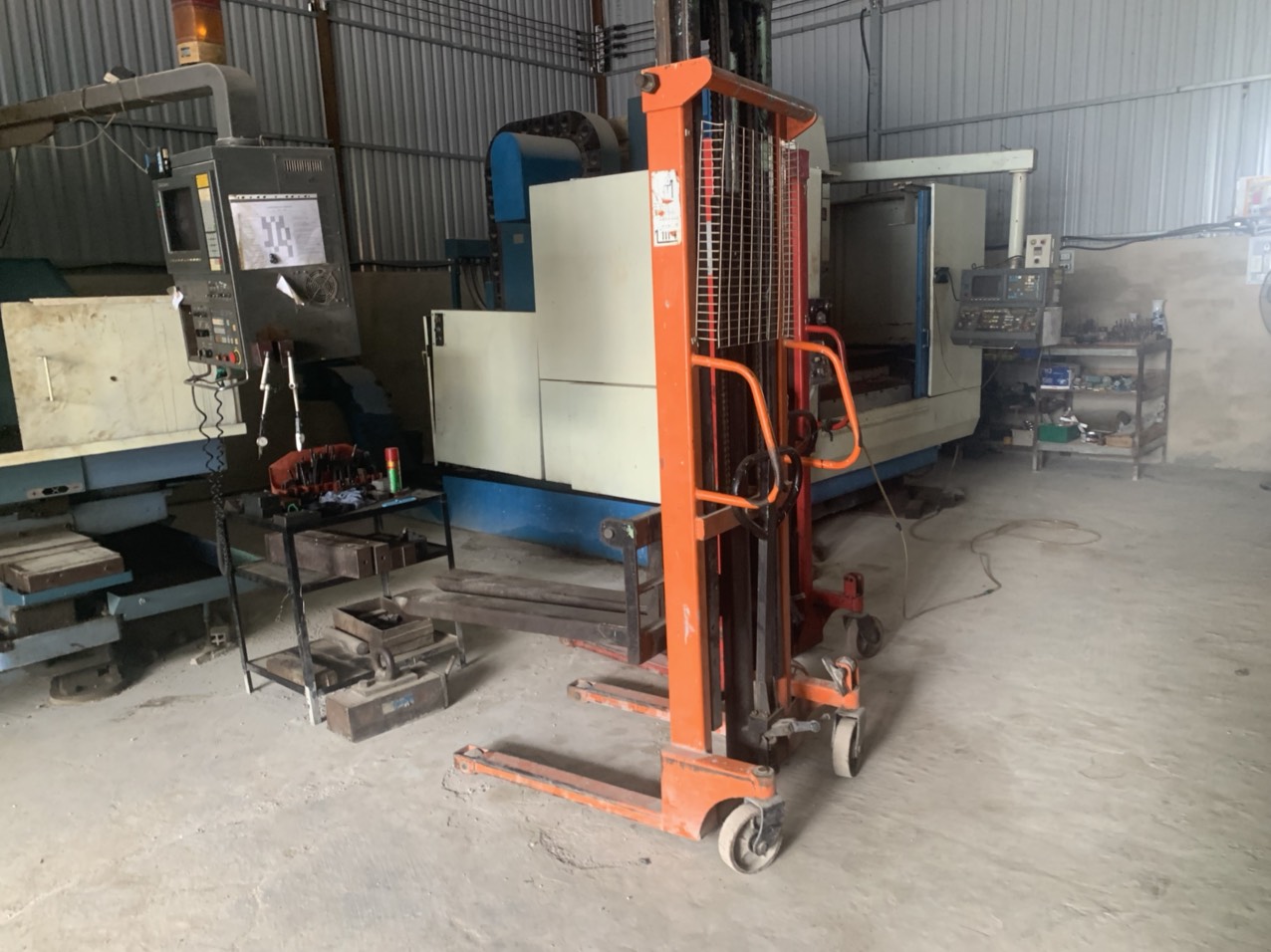
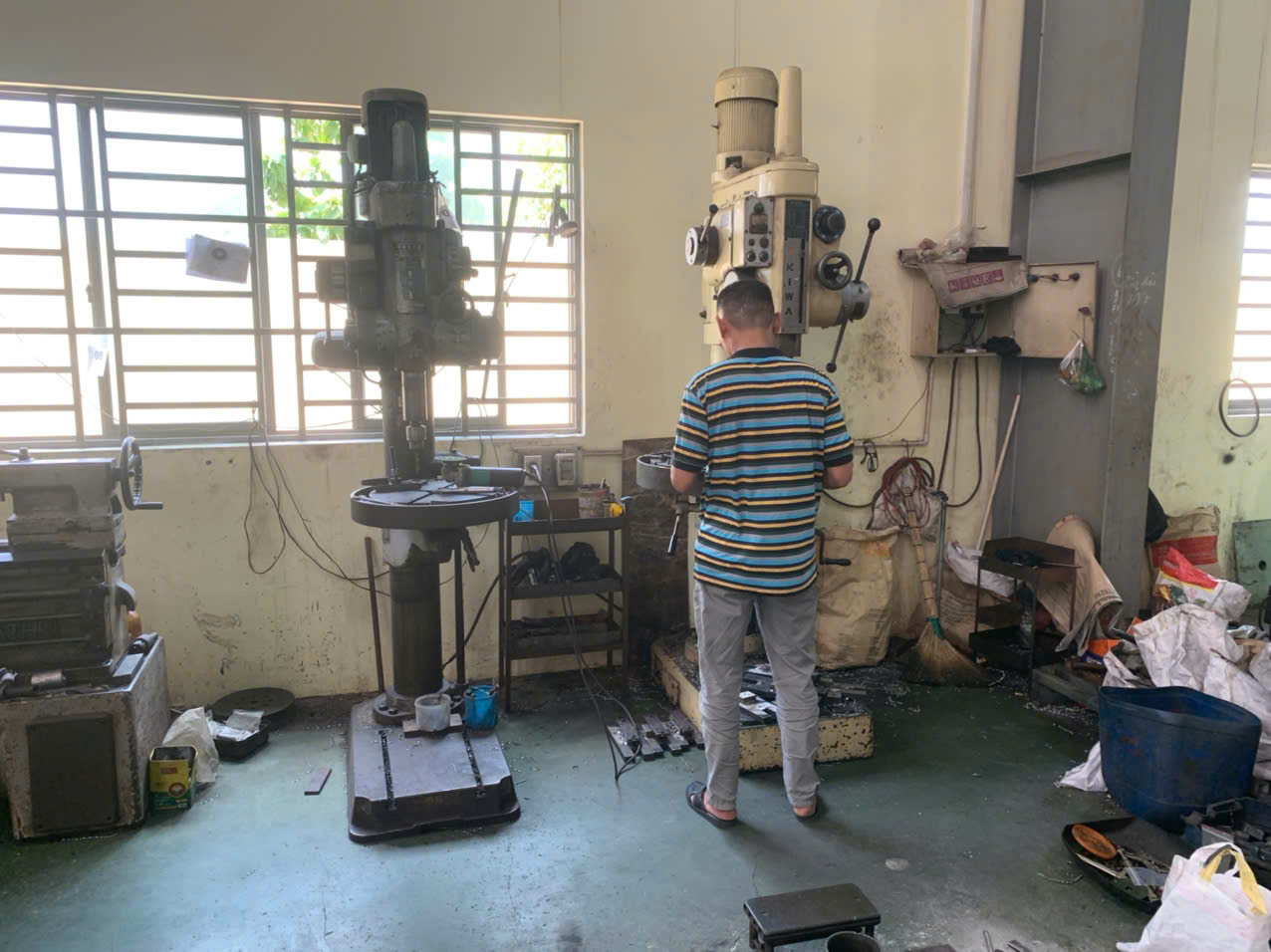
Every week, I hear from U.S. purchasing managers frustrated by missed delivery dates, inconsistent part quality, and suppliers who cannot keep pace with evolving design requirements in sheet metal fabrication 1.
Smart manufacturing and automation are transforming sheet metal fabrication by integrating robotics, AI-driven quality control, IoT-connected machines, and advanced CNC and laser cutting systems to deliver 20–40% faster lead times, superior repeatability, dramatically lower scrap rates, and the flexible capacity needed for high-mix custom production.
The shift from manual processes to data-driven smart factory environments is not incremental Industrial Internet of Things sensors 2. It is a fundamental change in how custom sheet metal parts are designed, produced, inspected, and delivered. Below, I break down what this means for your costs, your quality standards, your supplier audits, and your project management.
How will automated sheet metal processes reduce my lead times and production costs?
A client recently asked me why his bracket order from a traditional shop took eight weeks while a comparable run through our partner facility in Vietnam shipped in under five AI-driven in-process inspection 3. The answer came down to one word: automation.
Automated sheet metal processes reduce lead times by 20–40% and cut production costs by eliminating manual bottlenecks, enabling 24/7 unmanned operations, reducing scrap through optimized nesting, and shortening changeover times between part runs with programmable CNC machining and laser cutting systems.
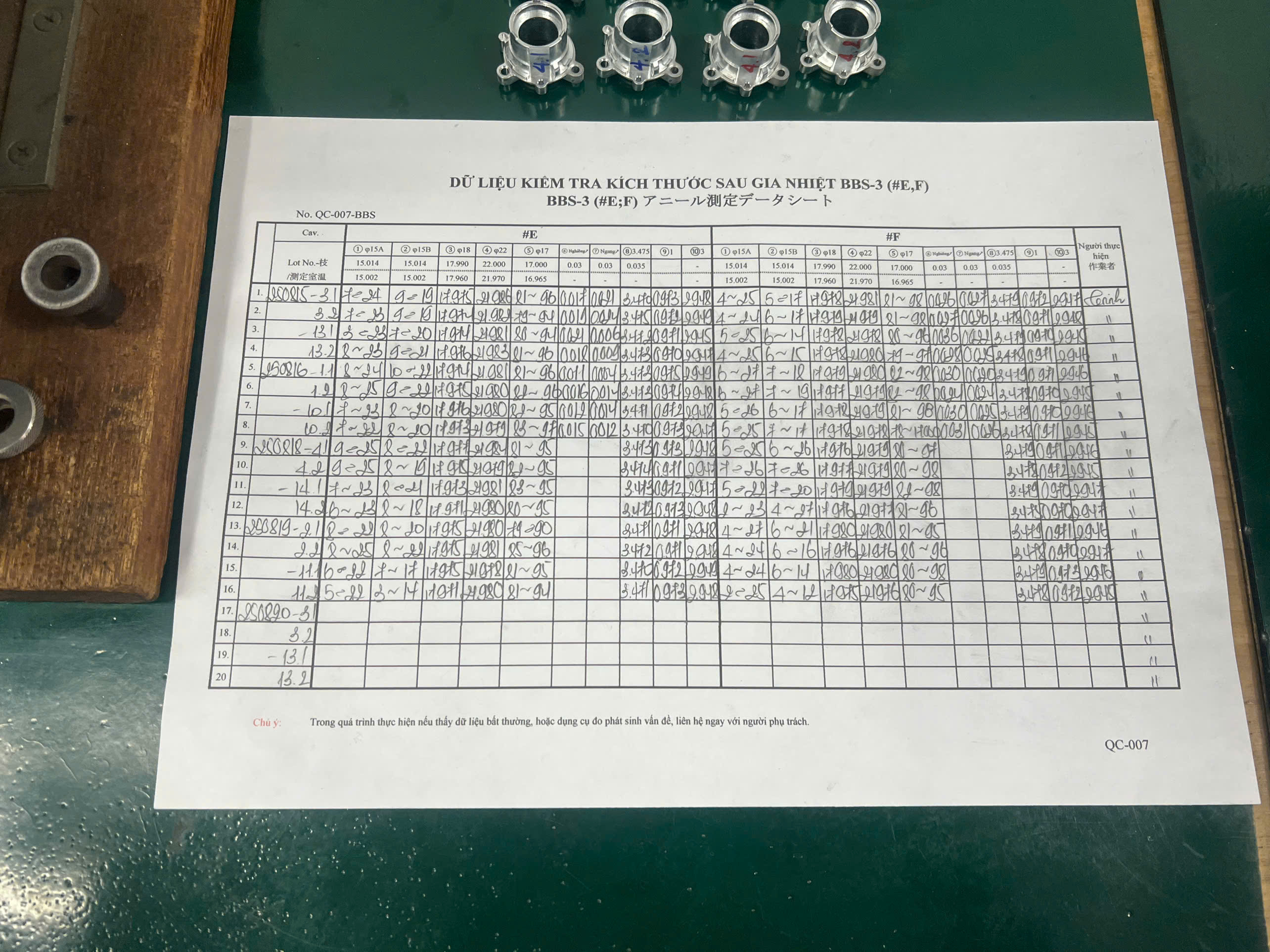
Where Time Savings Actually Come From
Lead time in sheet metal fabrication is not just about cutting speed. It includes programming, setup, material handling, forming, welding, inspection, and packaging. Automation compresses nearly every stage.
Consider a typical custom mounting bracket. In a manual shop, an operator programs the punch press, loads sheets by hand, runs parts one at a time, deburrs manually, and sends pieces to a separate welding station. Each handoff introduces wait time and risk of error.
In a smart factory, a fiber laser cutting system receives the nested file directly from CAD/CAM software. Robotic material handling loads and unloads sheets. An intelligent press brake executes bends with stored programs. Robotic welding completes joints with consistent heat input. The digital thread 4 connects every step, so there is no lost time hunting for the next job or re-entering dimensions.
Cost Drivers That Automation Addresses
| Cost Driver | Manual Process | Automated Process |
|---|---|---|
| Setup / changeover | 30–60 min per job | 2–10 min (stored programs) |
| Scrap rate | 5–12% | 1–3% (AI-optimized nesting) |
| Labor per shift | 8–10 operators | 2–3 operators + cobots |
| Production window | Single shift (8 hrs) | 24/7 unmanned capability |
| Rework rate | 8–15% | Under 2% |
When we coordinate production for our U.S. clients across Southeast Asian facilities, the difference in unit cost between a highly automated supplier and a manual one can reach 15–25% on runs of 500 pieces or more. That gap widens further on repeat orders, because automated lines store all parameters and eliminate re-learning curves.
The Role of Predictive Maintenance
One hidden cost killer in traditional shops is unplanned downtime. A hydraulic press fails mid-run, and the entire order sits for days waiting on parts. Predictive maintenance 5, powered by Industrial Internet of Things sensors on motors, bearings, and hydraulic systems, flags anomalies before they cause breakdowns. Our partner facilities in Vietnam track spindle vibration, coolant temperature, and servo load in real time. This data flows to cloud dashboards that we monitor alongside the supplier. The result is fewer surprises and more reliable delivery dates for our clients.
Practical Impact on Your Procurement
For a purchasing manager sourcing custom sheet metal parts, these efficiency gains translate directly into shorter quoted lead times and more competitive pricing. They also mean your supplier can absorb engineering changes mid-order without pushing delivery out by weeks. That flexibility is critical when your own customers are compressing product development cycles.
Can smart manufacturing ensure my custom sheet metal parts meet strict quality standards every time?
One lesson I learned early in my career coordinating supplier quality across Asia: buying the best machine does not guarantee good parts. What guarantees good parts is closing the loop between process data and quality decisions—before a defect ever reaches the shipping dock.
Smart manufacturing ensures strict quality standards on custom sheet metal parts by embedding AI-driven in-process inspection, real-time sensor monitoring, and digital twin technology into every production step, catching micro-level defects like cracks, warping, and misalignments before they leave the machine—not after.
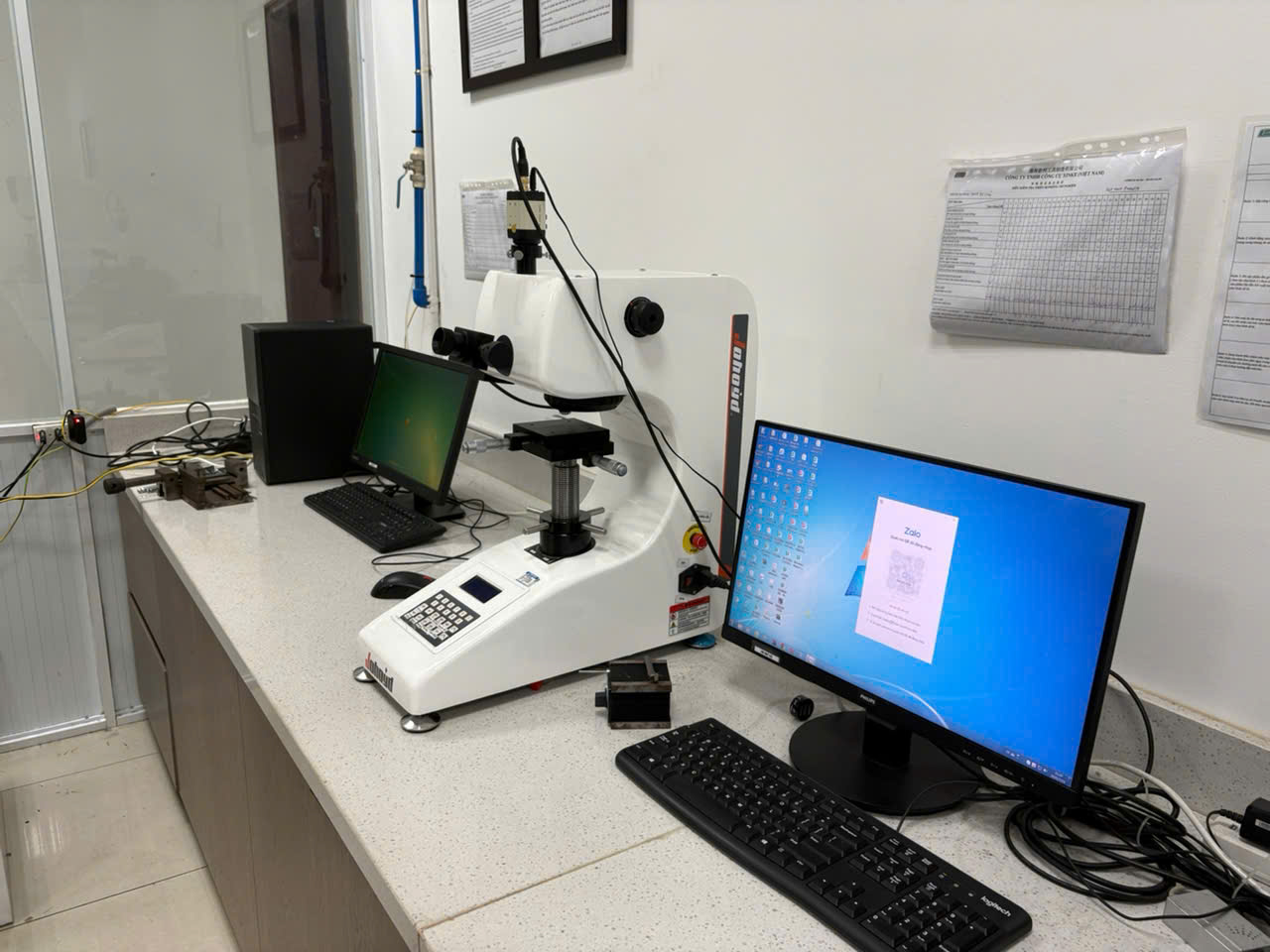
From Post-Production Inspection to In-Process Monitoring
Traditional quality control in sheet metal shops works like this: parts are made, collected in bins, and then inspected at a separate station. If a tool drifted or a weld parameter changed, you may not find out until dozens—sometimes hundreds—of parts are already finished. The rework cost and delivery delay are painful.
Smart manufacturing 6 flips this model. Quality control systems now sit inside the production process itself. A laser sensor on the press brake measures every bend angle in real time. If the angle drifts by 0.2 degrees, the controller compensates automatically or halts the run and alerts the operator. Artificial intelligence algorithms on robotic welding cells analyze weld pool images frame by frame, detecting porosity or undercut as it happens.
How AI and Machine Learning Improve Detection
Machine learning models are trained on thousands of images of good and bad welds, bends, and cuts. Over time, the system becomes more accurate than even experienced human inspectors at identifying subtle defects. Here is how AI-driven quality compares to traditional methods:
| Quality Parameter | Traditional Inspection | AI-Driven Smart Inspection |
|---|---|---|
| Defect detection speed | Minutes to hours (batch) | Milliseconds (real-time) |
| Detection accuracy | 85–92% (human visual) | 97–99% (trained AI model) |
| Feedback loop | Post-production correction | In-process correction |
| Data traceability | Paper records, partial | Full digital record per part |
| Consistency over shifts | Declines with fatigue | Constant |
When we run PPAP (Production Part Approval Process) documentation 7 for our U.S. clients, having this level of traceability built into the supplier's system makes the difference between a smooth approval and weeks of back-and-forth. Every dimension, every weld parameter, every material lot number is captured automatically.
Digital Twins for Process Optimization
Some of our more advanced partner facilities use digital twin technology 8 to simulate production runs before metal is ever cut. The digital twin mirrors the physical machine and its tooling in software. Engineers test new part programs, predict springback on complex bends, and verify clearance on formed features—all virtually. This reduces first-article rejection rates dramatically and supports our commitment to getting it right the first time.
What This Means for Your Specifications
If you are sourcing parts that require tight tolerances, GD&T callouts, or certified material traceability, smart manufacturing infrastructure at your supplier's facility is no longer optional. It is the foundation that makes "right first time" achievable and repeatable. During our process control reviews, we verify not just that a supplier owns the equipment, but that their quality control systems are actively integrated into production, with closed-loop feedback and documented corrective action protocols.
What should I look for when auditing a supplier's automation capabilities in Southeast Asia?
During a recent factory audit at a sheet metal facility outside Ho Chi Minh City, I watched a brand-new fiber laser sit idle for an entire shift because the shop had no one trained to run its nesting software. That experience reinforced something I tell every client: equipment on the floor means nothing without the systems and people to operate it.
When auditing a supplier's automation capabilities in Southeast Asia, evaluate the integration between hardware and software, verify real-time quality data capture, assess workforce upskilling programs, confirm predictive maintenance practices, and check for a functioning digital thread from CAD to shipping—not just the presence of expensive machines.

A Practical Audit Checklist
Our team in Vietnam conducts supplier audits regularly. Over the years, we have refined what to look for beyond the obvious. Here is a structured approach:
1. Software-Hardware Integration
Ask the supplier to demonstrate how a customer drawing moves from CAD/CAM to the machine. Can they show you the digital thread? Do the CNC machines pull programs from a central server, or does an operator manually key in values? Manual entry is a red flag for errors and inconsistency.
2. Real-Time Data and Traceability
Check whether machines are connected to a network. IoT-enabled equipment should feed data—cycle times, tool wear, dimensional measurements—to a dashboard. If quality records are still on paper clipboards, the supplier is not operating a smart factory, regardless of what machines they own.
3. Workforce and Training
Automation creates demand for new skills. Ask about workforce upskilling programs. Who programs the robots? Who interprets the machine learning alerts? A well-run facility invests continuously in operator training and cross-skilling.
4. Maintenance Approach
| Maintenance Type | What to Look For | Risk If Absent |
|---|---|---|
| Reactive | Parts replaced only after failure | High unplanned downtime, delivery delays |
| Preventive | Scheduled service intervals | Better, but still misses random failures |
| Predictive | IoT sensors + analytics, condition-based | Lowest downtime, earliest failure warning |
A supplier practicing predictive maintenance demonstrates both technological maturity and a commitment to on-time delivery.
5. Flexibility for Custom and Small-Batch Work
Smart automation should support high-mix production, not just mass production. Ask the supplier how long a changeover takes between different parts. Request examples of small-batch custom work. Flexible manufacturing capability is essential if your product mix changes frequently.
6. Quality System Certification and Process Control
Beyond ISO certification, verify how process control is implemented on the shop floor. Do they run SPC (Statistical Process Control) 9? Do they have documented reaction plans when a parameter goes out of control? We walk the floor and check that control charts are current and that operators understand them.
Why This Matters for Your Supply Chain
Choosing a supplier based on price alone, without auditing their actual automation maturity, is how purchasing managers end up with late deliveries and rejected lots. Our role at DEWIN is to bridge that gap—performing on-the-ground assessments so our U.S. clients can make decisions based on verified capability, not brochure claims.
How does real-time data integration improve the way I manage my custom fabrication projects?
Three years ago, managing a custom sheet metal project across time zones meant daily email chains, spreadsheets updated manually, and a constant feeling that you were always one surprise away from a missed deadline. The introduction of real-time data integration has changed that dynamic fundamentally.
Real-time data integration improves custom fabrication project management by providing instant visibility into production status, quality metrics, and delivery timelines through cloud-based dashboards, enabling faster decisions, earlier problem detection, and tighter coordination between buyers and suppliers across time zones.
What Real-Time Data Integration Actually Looks Like
In a connected smart factory, every machine feeds data to a central platform. This platform tracks which orders are running, what stage each part is in, how many pieces have passed inspection, and whether any quality alerts have been triggered. Cloud-based access means a purchasing manager in Ohio can check the same dashboard that a production supervisor in Vietnam sees.
For us, this capability transforms how we serve clients. Instead of waiting for a weekly status email from the supplier, we pull live data. If a laser cutting system goes down or a material shipment is delayed, we know within hours—not days. That early warning gives us time to adjust schedules, communicate proactively, and protect delivery commitments.
Key Data Points Worth Tracking
Not all data is equally useful. Here is what I recommend focusing on for custom sheet metal projects:
- Order completion percentage — how many parts are finished versus planned
- First-pass yield — percentage of parts passing inspection without rework
- Machine utilization rate — indicates whether production is on track or bottlenecked
- Nonconformance alerts — real-time flags when a dimension or weld falls out of spec
- Shipping and logistics status — container booking, customs clearance, estimated arrival
Process Optimization Through Data
When you accumulate production data over multiple orders, patterns emerge. You might discover that a particular bracket design consistently requires extra deburring time, or that bend accuracy drifts on longer runs of a specific alloy. These insights feed back into process optimization. We work with suppliers to adjust tooling, modify programs, or change material sourcing based on what the data reveals.
Digital twin technology takes this further. By running a virtual model of the production process alongside the physical one, engineers can test parameter changes without risking actual parts. This is especially valuable for complex custom geometries where trial-and-error on the shop floor wastes material and time.
How This Changes the Buyer-Supplier Relationship
Real-time data integration shifts the relationship from reactive to collaborative. Instead of the buyer constantly chasing the supplier for updates, both parties look at the same information. Discussions move from "Where is my order?" to "How can we improve cycle time on this part family?" That shift is where long-term cost savings and quality improvements really take root.
For purchasing managers who source from Southeast Asia, this transparency also builds trust. You can verify claims about production capacity, quality rates, and delivery performance with actual data—not just promises. It aligns with the way we operate at DEWIN: providing our clients with evidence-based confidence in their supply chain.
Conclusion
Smart manufacturing and automation are reshaping sheet metal fabrication from design to delivery. For purchasing managers sourcing custom parts from Southeast Asia, understanding and verifying these capabilities is now essential to achieving competitive lead times, consistent quality, and reliable supply chain performance.
Frequently Asked Questions
How will automated sheet metal processes reduce my lead times and production costs?
A client recently asked me why his bracket order from a traditional shop took eight weeks while a comparable run through our partner facility in Vietnam shipped in under five AI-driven in-process inspection 3 . The answer came down to one word: automation.
Can smart manufacturing ensure my custom sheet metal parts meet strict quality standards every time?
One lesson I learned early in my career coordinating supplier quality across Asia: buying the best machine does not guarantee good parts. What guarantees good parts is closing the loop between process data and quality decisions—before a defect ever reaches the shipping dock.
What should I look for when auditing a supplier's automation capabilities in Southeast Asia?
During a recent factory audit at a sheet metal facility outside Ho Chi Minh City, I watched a brand-new fiber laser sit idle for an entire shift because the shop had no one trained to run its nesting software. That experience reinforced something I tell every client: equipment on the floor means nothing without the systems and people to operate it.
Footnotes
1. Replaced with Wikipedia page for ‘Sheet metal’ which provides a comprehensive overview of the topic. ↩︎
2. Replaced with Wikipedia page for ‘Industrial Internet of Things’ which covers IIoT sensors as a core component. ↩︎
3. Discusses AI’s role in real-time monitoring and quality assurance in smart manufacturing. ↩︎
4. Replaced with Wikipedia page for ‘Digital thread’ which defines and explains the concept in manufacturing. ↩︎
5. Detailed explanation of predictive maintenance, its definition, and benefits. ↩︎
6. Replaced with Wikipedia page for ‘Smart manufacturing’ which defines and explains the concept. ↩︎
7. Replaced with Wikipedia page for ‘Production part approval process’ which explains the documentation and process. ↩︎
8. Defines digital twin technology and its application in manufacturing for simulation and optimization. ↩︎
9. Authoritative definition and explanation of Statistical Process Control from a quality organization. ↩︎