Last year, a purchasing manager reached out to our team after his previous supplier shipped geothermal casing components that cracked under thermal cycling — a costly failure that delayed a renewable energy infrastructure project 1 by three months.
To source high-temperature and pressure resistant sheet metal fabrication for energy projects, verify supplier certifications, audit advanced fabrication capabilities, demand strict PPAP and quality control processes, and partner with a supply chain specialist experienced in material selection for extreme-condition power generation components.
The stakes in energy fabrication are high. A single defective bracket or pressure vessel shell can halt an entire project ASME Boiler and Pressure Vessel Code standards 2. This guide breaks down the exact steps we follow when helping U.S. clients source these critical parts from qualified Asian fabricators.
How do I verify that a supplier can meet the material specs for my high-temperature energy project?
One lesson we learned early in our custom parts business is that a supplier's material certificate is only as good as the testing behind it Design for Manufacturability process 3. We once received mill test reports that looked perfect on paper, but independent lab analysis revealed the nickel content fell outside specification.
To verify a supplier meets material specs, request original mill certificates, conduct independent third-party material testing, confirm the supplier's experience with high-temperature alloys like nickel-based superalloys and high-chromium steels, and validate compliance with ASME Boiler and Pressure Vessel Code standards.
Why Material Selection Matters for Extreme Conditions
Energy projects are not forgiving. Boiler components in advanced Ultra-Supercritical power plants operate at steam temperatures above 700°C. Geothermal casing must endure both extreme heat and corrosive mineral-laden fluids. The wrong material fails — sometimes catastrophically.
When our engineering team reviews a client's drawings, we start by mapping each component to its operating environment. Temperature, pressure, chemical exposure, and expected service life all drive the material selection impact on durability. A turbine bracket exposed to 500°C is a fundamentally different challenge than a structural support in a coastal wind farm.
Key Materials for Energy Fabrication
| Material | Max Service Temp | Primary Advantage | Common Application |
|---|---|---|---|
| Nickel-based superalloys 4 | 700°C+ | Creep resistance, thermal fatigue resistance | USC boiler/turbine components |
| 9–12% Cr martensitic steels | ~620°C | Cost-effective high-temp performance | Conventional power plant piping |
| Austenitic stainless steel | ~750°C | Corrosion resistance, formability | Heat exchangers, geothermal systems |
| Galvanized steel | ~200°C | Affordability, moderate strength | Standard HVAC, indoor systems |
| Aluminum alloys | ~200°C | Lightweight, coastal corrosion resistance | Wind turbine nacelle enclosures |
Some engineers argue that martensitic 9–12% Cr steels remain cost-effective enough for most applications. That is true for conventional plants. But for next-generation energy projects pushing past 650°C, nickel-based superalloys are not optional — they are essential. The upfront cost is higher, but the lifecycle cost analysis tells a different story when you factor in fewer shutdowns and longer component life.
How to Validate a Supplier's Material Capability
Here is a practical checklist we use during our supplier qualification process:
- Request original mill certificates for every heat lot. Cross-reference the chemical composition against your project's material specification.
- Send samples to an independent lab. We routinely commission third-party testing for tensile strength, hardness, and chemical analysis.
- Ask for the supplier's material sourcing history. A fabricator who regularly works with nickel-based superalloys will have established relationships with reputable mills.
- Confirm welding procedures match the base material. High-temperature alloys require specific filler metals and post-weld heat treatments to maintain creep resistance and thermal fatigue resistance.
- Check for ASME or equivalent certifications. If your project involves pressure vessels or oil and gas equipment, ASME Boiler and Pressure Vessel Code compliance is non-negotiable.
Our Vietnam office has physically visited material warehouses to verify stock matches documentation. This level of diligence catches problems before they reach your production floor.
What should I look for when auditing Asian fabricators for high-pressure sheet metal capabilities?
A buyer we work with in the U.S. once asked us to audit a fabricator in Southeast Asia who claimed full capability for pressure vessel components. On the factory floor, we found their hydraulic press maxed out at 200 tons — far too light for the 6mm stainless steel plates the project required.
When auditing Asian fabricators for high-pressure sheet metal, inspect their press tonnage and CNC forming equipment, review welding certifications and procedures, evaluate their experience with energy-grade materials, and assess their Design for Manufacturability process and documented quality systems.

Equipment and Process Capabilities
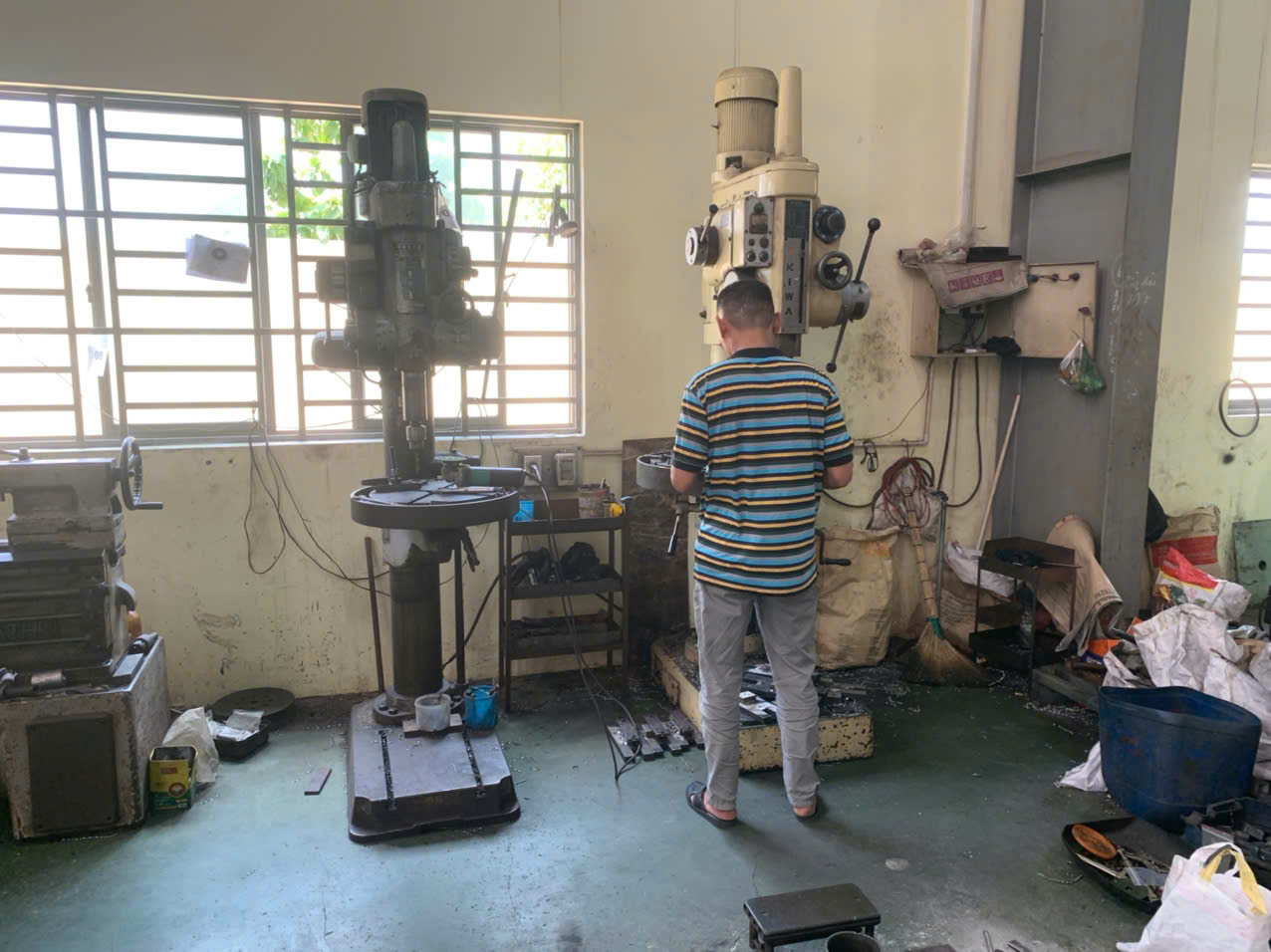
The machinery on the shop floor tells you more than any sales brochure. For power generation components that must withstand extreme pressure, you need fabricators with serious forming equipment.
Press hardening, for instance, involves heating steel to approximately 900°C to achieve formability, then quenching it in a die to lock in high-strength properties. Not every shop can do this. Look for dedicated heat treatment furnaces, high-tonnage hydraulic presses, and CNC press brakes with verified repeatability.
| Equipment | Purpose | Why It Matters for Energy Projects |
|---|---|---|
| High-tonnage hydraulic press (500T+) | Forming thick plate metal | Required for heavy-duty pressure vessel shells and structural brackets |
| CNC press brake | Precision bending | Ensures tight tolerances on complex bracket geometries |
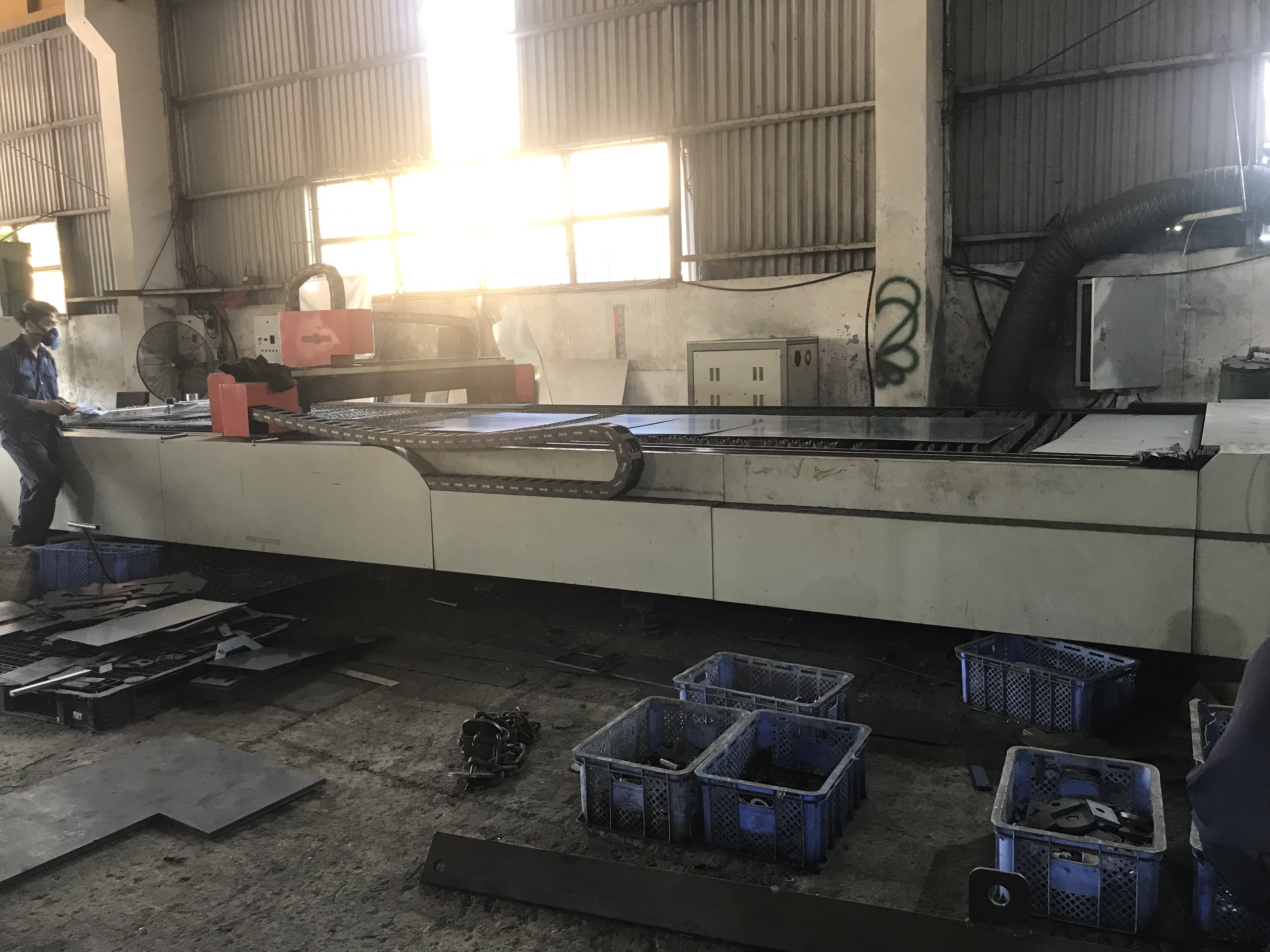
| Fiber laser cutter | Precision cutting of alloy plate | Clean edges reduce weld prep time and defect risk |
| TIG/MIG welding stations | Joining high-alloy components | Critical for maintaining corrosion resistance at weld joints |
| Post-weld heat treatment oven | Stress relief after welding | Prevents cracking and ensures creep resistance in service |
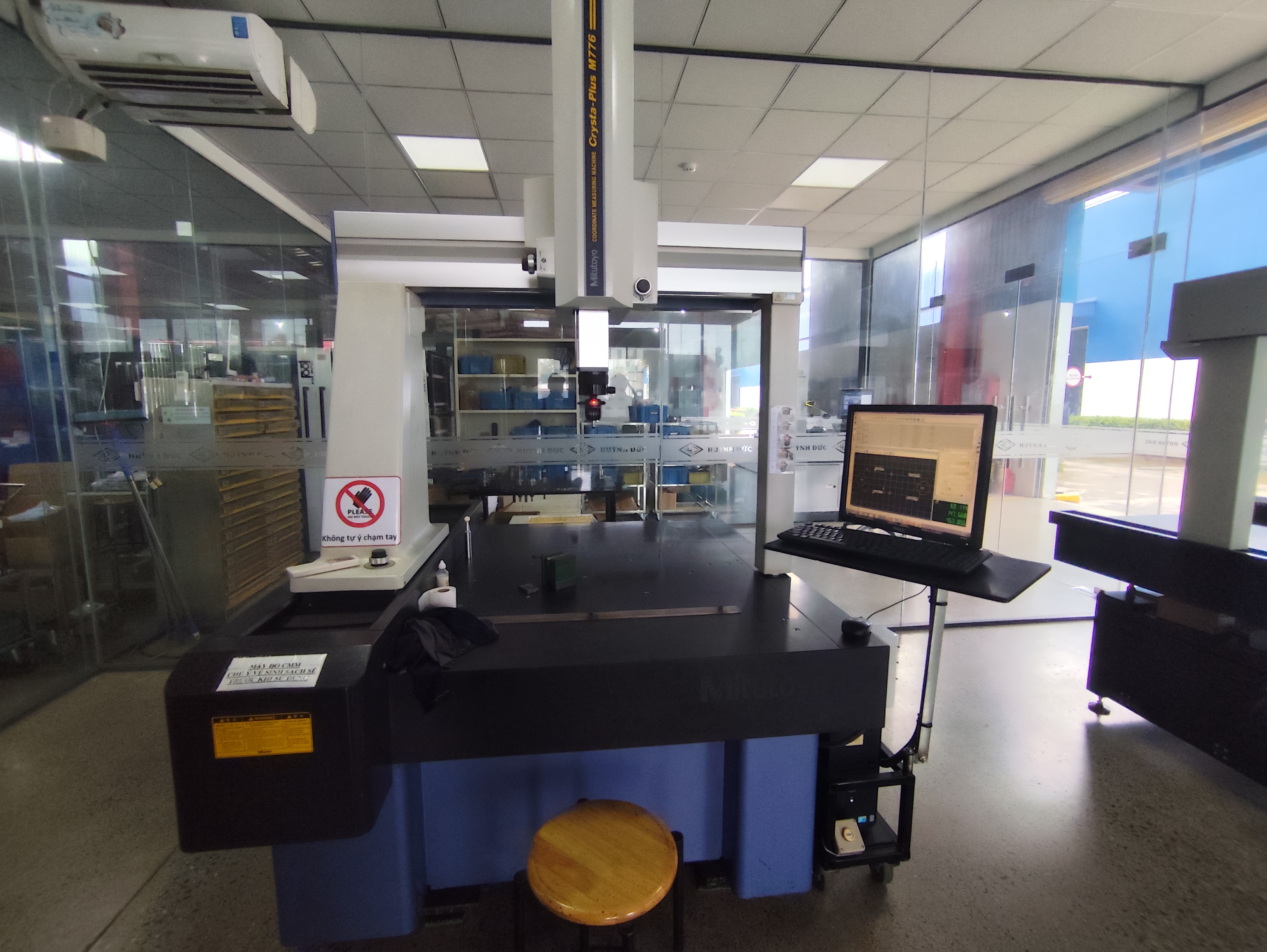
| CMM (Coordinate Measuring Machine) | Dimensional inspection | Validates that formed parts match CAD specifications |
Welding — The Most Critical Process to Audit
In our experience exporting custom parts to the U.S. and Europe, welding quality is where most fabricators either prove themselves or fail. For high-pressure sheet metal, every weld is a potential failure point.
Ask to see the fabricator's Welding Procedure Specifications (WPS) 5 and Procedure Qualification Records (PQR). Verify that their welders hold current certifications — ideally to ASME Section IX or equivalent standards. For nickel-based superalloys, welding procedures must account for the material's sensitivity to hot cracking. Filler metal selection, interpass temperature control, and shielding gas composition all matter.
We also look at their Non-Destructive Testing capabilities 6. Phased array ultrasonic testing and digital radiography are far more reliable than basic visual inspection for detecting internal weld defects. If a fabricator relies only on visual and dye-penetrant testing, that is a red flag for pressure-critical components.
Design for Manufacturability
A strong fabricator will engage in DFM early. They should challenge your design where needed — suggesting bend radius adjustments, recommending grain direction for forming, or flagging potential issues with thermal expansion at operating temperatures. This proactive approach reduces rework and gets it right the first time.
Our team in Vietnam regularly sits between client engineering and the fabricator's shop floor to facilitate this DFM dialogue. The precision-engineered brackets and mounting components we source — with their complex angular geometries, multiple precise folds, and strategically placed mounting holes — demand this level of early collaboration.
How can I ensure my custom parts pass strict QC and PPAP requirements to avoid project delays?
The most expensive words in custom fabrication are "we need to remake the batch." We have seen projects delayed by weeks because a fabricator skipped a critical dimension check or ignored a GD&T callout on the drawing. The frustration from U.S. purchasing managers when this happens is entirely justified.
To ensure custom parts pass strict QC and PPAP requirements, implement a formal PPAP submission process including control plans, MSA, capability studies, and first article inspection reports — then back it up with in-process checks and final inspection by an independent quality team before shipment.
What PPAP Means in Practice
Production Part Approval Process 7 is not just a document exercise. It is a structured proof that the fabricator's process can consistently produce parts that meet your specification. For energy components that must withstand high temperature and pressure, consistency is not a nice-to-have — it is safety-critical.
Our quality team manages the full PPAP package on behalf of our clients. Here is what a typical Level 3 PPAP submission includes for high-performance sheet metal parts:
- Design records and engineering change documents
- Process Flow Diagram
- Process FMEA (Failure Mode and Effects Analysis) 8
- Control Plan
- Measurement System Analysis (MSA)
- Dimensional results with ballooned drawings
- Material and performance test results
- Initial Process Study (Cpk/Ppk)
- First Article Inspection Report
Building Quality Into the Process
The key principle is simple: do not rely on final inspection alone. By the time a defective part reaches final inspection, the cost of failure has already compounded. We push for in-process controls at every critical operation.
For the mirrored-pair mounting brackets we recently sourced — heavy-duty sheet metal components with sharp bends, irregular cutouts, and multiple pre-drilled holes — the control plan included dimensional checks after every forming operation, weld inspection at each joint, and a final CMM run against the 3D model.
| QC Stage | What Is Checked | Method | Accept/Reject Criteria |
|---|---|---|---|
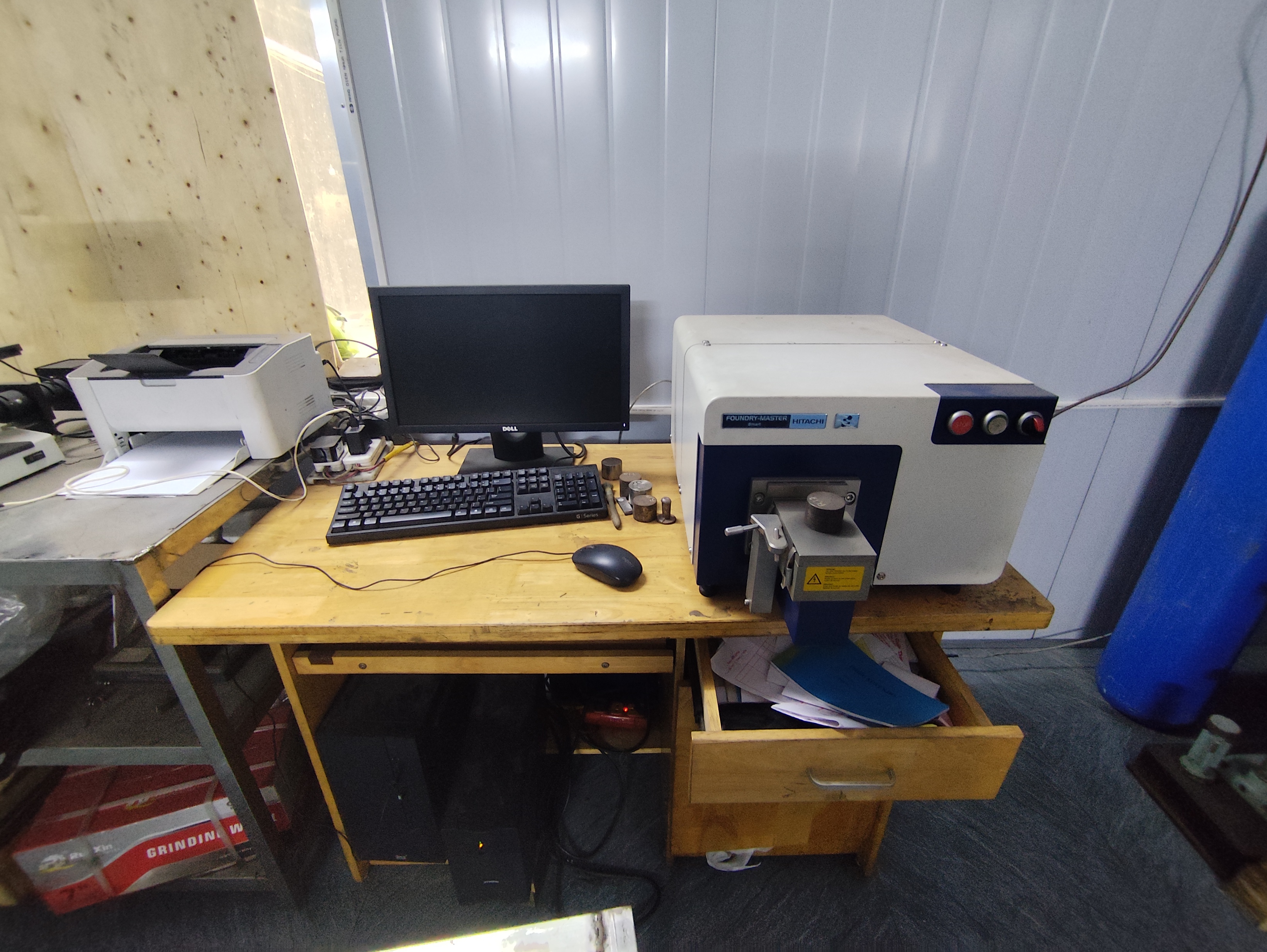
| Incoming material | Chemical composition, thickness | Spectrometer, micrometer | Per material spec ± tolerance |
| After laser cutting | Profile dimensions, edge quality | CMM, visual | Per drawing ± 0.1mm |
| After forming/bending | Bend angles, flatness | Digital protractor, CMM | Per drawing ± 0.5° |
| After welding | Weld integrity, penetration | Visual + ultrasonic NDT | ASME Section IX criteria |
| After surface treatment | Coating thickness, adhesion | DFT gauge, cross-hatch test | Per spec (e.g., 60–80μm) |
| Final inspection | Full dimensional + visual | CMM, visual, functional fit | 100% per ballooned drawing |
Avoiding the "Right First Time" Trap
Many suppliers claim they get it right the first time. Few actually do. The difference comes down to process discipline. When our team manages a project, we conduct a pre-production meeting with the fabricator to walk through every critical-to-quality dimension. We flag features that require special attention — like hole positions on mounting tabs that must align across mirrored bracket pairs.
We also insist on sample approval before bulk production begins. This costs a small amount of time upfront but prevents the far larger cost of scrapping an entire production run. For renewable energy infrastructure projects operating on tight timelines, this structured approach actually accelerates delivery by eliminating rework cycles.
How do I manage the supply chain and payment terms for complex fabrication sourced from Vietnam?
When we first set up our Vietnam office with a team of seven employees, the primary driver was a growing demand from U.S. clients looking to diversify their sourcing away from a single-country dependency. Vietnam offered competitive labor costs, improving infrastructure, and a favorable trade environment. But managing the supply chain for complex, high-spec fabrication from Vietnam comes with its own challenges.
To manage supply chain and payment terms for complex fabrication from Vietnam, work with a sourcing partner that has a local team for supplier oversight, negotiate 60–90 day open account terms to ease cash flow, and establish clear milestone-based delivery schedules with contractual penalties for delays.

Why Vietnam for Energy Fabrication
Vietnam's manufacturing sector has matured significantly. Several fabricators now operate modern CNC equipment, laser cutters, and certified welding lines capable of producing power generation components and oil and gas equipment to international standards. The country's growing investment in technical training means a larger pool of skilled welders and machine operators.
That said, the supply chain is less mature than in some neighboring countries. Raw material sourcing for specialty items like nickel-based superalloys often requires importing from Japan, South Korea, or Europe. This adds lead time and requires careful planning.
Supply Chain Risk Mitigation
Our local team in Vietnam handles supplier oversight on the ground. Here is how we manage the key risks:
Material availability. For high-temperature alloys, we confirm material lead times before quoting. We maintain a list of pre-qualified material suppliers and can cross-reference availability across multiple sources. For critical projects, we recommend clients approve material procurement as a first milestone — separating it from fabrication lead time.
Geopolitical and logistics risk. We monitor shipping routes and transit times. Vietnam's proximity to major ports keeps ocean freight to the U.S. West Coast at roughly 18–22 days. We build buffer into project timelines and use door-to-door logistics management to maintain visibility from factory gate to client warehouse.
Communication gaps. This is often the biggest pain point. Technical drawings with complex GD&T, notes in English, and specific material callouts can be misinterpreted. Our bilingual engineering team serves as a bridge — translating not just language but technical intent. We review every drawing with the fabricator before production starts and document agreed interpretations.
Payment Terms That Work for Both Sides
Cash flow matters. Many U.S. purchasing managers need 60–90 day payment terms to align with their own receivables cycle. Traditional Asian suppliers often demand 30% upfront and balance before shipment — creating a cash flow squeeze, especially on large orders.
We offer open account payment terms 9 to qualified clients. This means parts ship and payment is due 60 or 90 days later. It reduces the buyer's financial risk and eliminates the awkward position of paying for goods that have not yet been inspected or received. For complex energy projects where fabrication may span 8–12 weeks, this flexibility is significant.
Milestone-Based Project Management
For complex fabrication orders, we break the project into clear milestones:
- Drawing review and DFM feedback — within 5 business days of order
- Material procurement confirmation — with mill certificates
- First article / sample approval — before bulk production
- In-process inspection reports — at agreed checkpoints
- Final inspection and shipping clearance — full dimensional report
- Door-to-door delivery — with tracking and customs documentation
Each milestone has a defined timeline. If a fabricator falls behind, we escalate immediately. This proactive project management approach is what our clients value most — they do not want surprises, and neither do we.
Conclusion
Sourcing high-temperature and pressure resistant sheet metal fabrication for energy projects demands rigorous material verification, thorough audits, strict PPAP processes, and experienced supply chain management — exactly the comprehensive approach we deliver through our Singapore-headquartered team and local offices.
Frequently Asked Questions
How do I verify that a supplier can meet the material specs for my high-temperature energy project?
One lesson we learned early in our custom parts business is that a supplier's material certificate is only as good as the testing behind it Design for Manufacturability process 3 . We once received mill test reports that looked perfect on paper, but independent lab analysis revealed the nickel content fell outside specification.
What should I look for when auditing Asian fabricators for high-pressure sheet metal capabilities?
A buyer we work with in the U.S. once asked us to audit a fabricator in Southeast Asia who claimed full capability for pressure vessel components. On the factory floor, we found their hydraulic press maxed out at 200 tons — far too light for the 6mm stainless steel plates the project required.
How can I ensure my custom parts pass strict QC and PPAP requirements to avoid project delays?
The most expensive words in custom fabrication are "we need to remake the batch." We have seen projects delayed by weeks because a fabricator skipped a critical dimension check or ignored a GD&T callout on the drawing. The frustration from U.S. purchasing managers when this happens is entirely justified.
Footnotes
1. Provides an overview of the importance and benefits of renewable energy infrastructure projects. ↩︎
2. Direct link to the official source for industry standards on boiler and pressure vessel construction. ↩︎
3. Explains the DFM process and its benefits for optimizing product design and manufacturing efficiency. ↩︎
4. Explains the composition, properties, and critical applications of high-performance alloys in extreme conditions. ↩︎
5. Defines WPS and its role in ensuring quality and compliance in welding processes. ↩︎
6. Provides a general understanding of NDT methods and their importance in material inspection. ↩︎
7. Defines PPAP as a standardized quality assurance process for validating supplier production capabilities. ↩︎
8. Describes FMEA as a proactive tool for identifying and mitigating potential failures in processes. ↩︎
9. Found a working and authoritative page on trade.gov that explains various methods of payment in international trade, including open account terms. ↩︎